

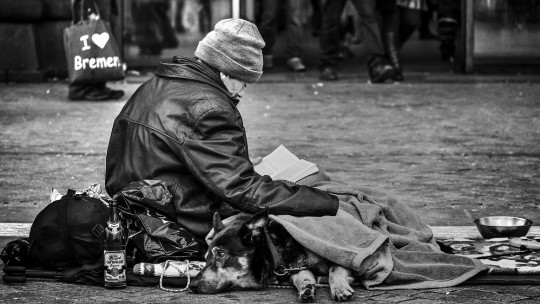
Imagine you’re walking through a crowded city street when you notice someone collapse on the sidewalk. Your heart races. Should you help? But wait—there are dozens of people around. Surely someone else will step in, right? Maybe someone already called 911. You keep walking, and so does everyone else. Later, you learn that person lay there for twenty minutes before anyone helped. You feel guilty, confused, ashamed. How could this happen? How could so many people just walk past someone in desperate need? Welcome to one of the most unsettling discoveries in social psychology: Genovese Syndrome, also known as the bystander effect—a phenomenon that reveals something deeply counterintuitive and frankly disturbing about human nature. We like to think we’d be heroes in a crisis, that we’d rush to help without hesitation, that our moral character would shine through when it matters most. The reality, backed by decades of research, tells a different story.
The term “Genovese Syndrome” comes from one of the most infamous crimes in American history—the 1964 murder of Kitty Genovese in Queens, New York. The initial newspaper reports claimed that 38 witnesses watched or heard the brutal attack unfold over more than half an hour, yet not a single person intervened or even called the police until it was too late. The story shocked the nation. How could so many people witness a woman being murdered and do absolutely nothing? Were people becoming morally bankrupt? Was urban life turning us into callous monsters? The answers that emerged from subsequent research were more nuanced and psychologically fascinating than simple moral decay. What scientists discovered was that the very presence of other people—the thing that should have increased the chances of help—actually decreased it dramatically. This wasn’t about bad people making bad choices. It was about normal people, good people, caught in a psychological trap created by group dynamics and cognitive processes that operate largely outside conscious awareness. The phenomenon isn’t limited to dramatic emergencies. It plays out in subtler ways every day—in offices where everyone knows about harassment but nobody reports it, in neighborhoods where crime flourishes because everyone assumes someone else will call authorities, in online spaces where cyberbullying continues because each witness thinks others will intervene. Understanding Genovese Syndrome isn’t just an academic exercise in social psychology. It’s essential for understanding how humans actually behave in groups, why good intentions often fail to translate into action, and most importantly, how we can overcome these psychological barriers to become the helpers we believe ourselves to be. This article explores the real story behind Kitty Genovese’s murder (which turns out to be more complicated than the myth), the groundbreaking research that followed, the psychological mechanisms that make the bystander effect so powerful, how it manifests in modern contexts from workplaces to social media, and practical strategies for breaking through the paralysis to actually help when help is needed. Because once you understand how Genovese Syndrome works, you can consciously override it—transforming from a passive bystander into an active participant who might just save someone’s life.
The Kitty Genovese Case: Separating Fact from Myth
Let’s start by getting the story straight, because the version that entered popular consciousness and sparked all this research was significantly distorted. On March 13, 1964, 28-year-old Catherine “Kitty” Genovese was returning home to her Queens apartment around 3 a.m. after her shift managing a bar. Winston Moseley attacked her near her building, stabbing her. She screamed. He fled. She staggered toward her building. He returned and attacked her again, this time fatally. The whole ordeal lasted about 30 minutes.
Two weeks later, The New York Times published an article with the sensational headline claiming that 38 respectable, law-abiding citizens watched the killer stalk and stab Kitty Genovese in three separate attacks without calling the police. The story exploded into national consciousness as a symbol of urban apathy and moral decline. It was cited in sermons, debated in living rooms, and ultimately caught the attention of social psychologists who wondered: could this really be true? Would that many people really just watch someone be murdered?
Subsequent investigations revealed a more complicated picture. The number 38 was questionable—it likely referred to everyone in the neighborhood who was interviewed by police, not witnesses to the actual attack. Many residents didn’t see anything; they only heard sounds that could have been many things in a noisy urban neighborhood. Some did call the police. Others shouted from windows, which may have scared the attacker away during the first assault. One neighbor cradled the dying Kitty in her arms. The apartment layout and darkness meant nobody witnessed the entire attack unfold.
So the myth was exaggerated. But here’s the crucial point: even though the specifics were wrong, the underlying phenomenon the case revealed was absolutely real. Social psychologists John Darley and Bibb Latané weren’t interested in whether exactly 38 people watched; they were intrigued by the broader question of whether and why the presence of other people might actually inhibit helping behavior. What they discovered through careful experimentation would revolutionize our understanding of human social behavior and earn the phenomenon its name: Genovese Syndrome or the bystander effect.
The Groundbreaking Research: Latané and Darley’s Experiments
In 1968, social psychologists Bibb Latané and John Darley designed a series of elegant experiments to test their hypothesis: that people are actually less likely to help in emergencies when other people are present. Think about how counterintuitive this is. Common sense suggests that more witnesses should mean more help—surely someone among many will step up. But Latané and Darley suspected the opposite might be true.
Their most famous experiment worked like this: College students participated in what they believed was a discussion about personal problems faced by students in high-pressure academic environments. They were placed in separate rooms and communicated through an intercom system to protect anonymity and reduce embarrassment. Some students believed they were speaking with just one other person. Others believed they were part of a larger group of three or six people.
During the discussion, one participant (actually a confederate working with the researchers) began having what sounded like a serious seizure. He stammered, mentioned having problems, and then made choking sounds before going silent. The researchers measured whether and how quickly the real participants would leave their rooms to get help or report the emergency.
The results were dramatic and disturbing. When participants believed they were the only one aware of the emergency, 85% reported it, usually within the first minute. But when they believed there were four other witnesses, only 31% reported it, and those who did took significantly longer to act. The simple presence of other people—even people they couldn’t see and weren’t interacting with—dramatically reduced helping behavior.
Latané and Darley conducted numerous variations of this experiment using different emergency scenarios: smoke filling a room, a woman falling and crying out in pain, someone apparently stealing equipment. The pattern held consistently: the more bystanders present, the less likely any individual was to help. They’d stumbled onto a fundamental feature of human social psychology that operates with frightening reliability across contexts and cultures.
The Psychology Behind the Bystander Effect
So what’s actually happening in our brains and social interactions that creates this effect? Latané and Darley identified several key psychological processes that work together to inhibit helping behavior. Understanding these mechanisms is crucial because once you recognize them operating in real situations, you can consciously override them.
First is diffusion of responsibility—perhaps the most powerful factor. When you’re alone and witness an emergency, the responsibility to act falls entirely on your shoulders. There’s no ambiguity. But when others are present, responsibility gets psychologically divided among all witnesses. “Someone else will probably help” isn’t just an excuse; it’s a genuine cognitive process that reduces your personal sense of obligation. The more people present, the more diluted each person’s sense of individual responsibility becomes. Everyone assumes someone else will take action, so nobody does.
Second is evaluation apprehension. We’re intensely aware of being judged by others, and this awareness can paralyze us in ambiguous situations. What if you misinterpret the situation? What if it’s not actually an emergency and you look foolish? What if you help incorrectly and make things worse? When alone, these concerns are minimal—you’ll do your best and nobody’s watching. But in groups, the fear of negative evaluation from others creates hesitation. We’d rather risk inaction than risk public embarrassment.
Third is pluralistic ignorance—a particularly insidious process. In ambiguous situations (and many emergencies are initially ambiguous), we look to others’ reactions to help interpret what’s happening. Is that person who collapsed drunk or having a medical emergency? Is that couple arguing or is someone in danger? We scan other people’s faces and behavior for cues. But here’s the problem: everyone else is doing the same thing, and everyone is trying to appear calm and composed. So we all see others appearing unconcerned, we interpret this as evidence that nothing is wrong, and the collective misinterpretation perpetuates. Everyone privately thinks “this might be serious” while publicly observing everyone else appearing unconcerned and concluding “I guess it’s not serious.”
Fourth is audience inhibition—the specific discomfort of taking action while being watched. Even when we recognize an emergency, actually stepping forward and taking charge feels socially risky. You’re making yourself visible, potentially vulnerable, definitely conspicuous. For many people, this social visibility triggers anxiety that competes with the impulse to help.
These processes don’t require malicious intent or moral failure. They’re automatic cognitive and social responses that operate largely outside conscious awareness. Good people get caught in these psychological traps just as readily as anyone else. That’s what makes Genovese Syndrome so troubling—and so important to understand.
Modern Manifestations: From Workplaces to Social Media
The bystander effect isn’t confined to street emergencies or laboratory experiments. It shapes behavior across virtually every domain of modern life, often with serious consequences. Understanding these manifestations helps us recognize when we’re falling into the bystander trap ourselves.
In workplaces, the bystander effect explains why harassment and unethical behavior often continue despite many people being aware of it. Everyone assumes HR knows, or that someone else will report it, or that surely management is handling it. The presence of other witnesses actually reduces the likelihood of any individual speaking up. This creates environments where serious problems fester because each person is waiting for someone else to take responsibility.
In schools, bullying thrives partly through bystander dynamics. Students witness bullying, feel uncomfortable, but don’t intervene because they see other students not intervening. The collective inaction reinforces each individual’s decision to stay silent. Programs that specifically teach students about the bystander effect and train them to intervene have shown promising results in reducing bullying.
Online environments create particularly strong bystander effects. When you see cyberbullying, hateful comments, or someone in distress on social media, you’re aware that potentially thousands of others are seeing the same thing. The diffusion of responsibility becomes enormous. “Someone else will surely help” becomes almost inevitable thinking. Yet often, nobody does. The victim suffers publicly while massive audiences watch passively.
In medical settings, nurses and doctors sometimes fail to speak up when they notice dangerous errors because they assume other medical professionals will intervene. This “medical bystander effect” has contributed to preventable medical errors and patient harm. Training programs now specifically address this phenomenon to encourage staff to voice concerns.
Emergency situations in public spaces continue to demonstrate the effect. People collapse on sidewalks, platforms, and in stores while crowds form but nobody helps. Security footage from various incidents shows the same pattern: initial witnesses glance at each other, wait for someone else to act, and collectively remain passive while someone suffers or dies. It’s not that people don’t care—brain imaging studies show bystanders experience genuine distress—they’re just trapped in a psychological pattern that prevents action despite good intentions.
Breaking Through: How to Overcome the Bystander Effect
Here’s the empowering part: once you understand how the bystander effect works, you can consciously override it. Research has identified specific strategies that reliably increase helping behavior, both for individuals witnessing emergencies and for communities trying to create cultures of active assistance.
If you’re witnessing an emergency, the most crucial step is recognizing that the bystander effect is probably operating on you right now. Simply being aware of the phenomenon activates your conscious control, allowing you to push through the automatic inhibition. Tell yourself explicitly: “I am responsible. I will act.”
Take direct action immediately rather than waiting to see what others do. The first person to act breaks the collective paralysis and typically inspires others to help as well. You don’t have to solve everything yourself—you just need to initiate action. Make a phone call. Approach the person. Shout for specific help. Breaking the inaction is what matters.
When requesting help, be specific. Don’t shout “Someone call 911!” to a crowd—that maintains the diffusion of responsibility as everyone waits for “someone” to do it. Instead, point to specific individuals: “You in the red jacket—call 911. You with the backpack—help me move this person.” Assigning specific responsibility to specific people eliminates the diffusion effect and dramatically increases compliance.
If you’re the person needing help, this research has direct survival implications. If you’re injured or in danger in a public place, don’t make general appeals to the crowd. Single out one specific person, make eye contact, and give them a specific instruction: “You—yes, you with the glasses—please call an ambulance right now.” This bypasses the bystander effect by making one person feel individually responsible.
For organizations and communities, education about the bystander effect itself is powerful. Schools that teach students about these dynamics see increased intervention in bullying situations. Workplaces that train employees about diffusion of responsibility see more reporting of problems. Simply knowing about the phenomenon creates a kind of psychological inoculation against it.
Creating explicit norms and expectations around helping also matters. Organizations can establish clear expectations that everyone is responsible for speaking up, that intervention is expected and supported, that bystanders will be protected from retaliation. These explicit norms compete with the implicit processes that create bystander passivity.
Cultural and Situational Variations
While the bystander effect is remarkably consistent across contexts, research has identified factors that strengthen or weaken it. Understanding these variations provides additional insight into when we’re most vulnerable to inaction and when we’re more likely to help.
Perceived danger significantly affects the bystander effect. When situations clearly appear dangerous—when weapons are visible, when violence is obvious, when perpetrators are still present—the bystander effect actually weakens somewhat. People recognize that waiting for others won’t help and that action is urgently needed. However, perceived danger also introduces legitimate safety concerns that rationally inhibit intervention.
Relationship to other bystanders matters. When you’re with friends or family rather than strangers, helping behavior increases. The social cohesion and established relationships reduce evaluation apprehension and create shared responsibility that feels more motivating than diffused individual responsibility among strangers.
Group size shows a non-linear relationship. Having one other person present dramatically reduces helping compared to being alone. Adding more people continues reducing help but with diminishing returns. Whether there are 5 or 50 other bystanders doesn’t differ as much as whether there are 0 or 1 other bystanders.
Cultural context influences the effect’s strength. Research suggests the bystander effect is somewhat weaker in collectivist cultures that emphasize group responsibility and interconnection compared to individualist cultures that emphasize personal autonomy. However, the effect still operates across cultures—it’s a human phenomenon, not just a Western one.
Time pressure affects helping behavior. When people are in a hurry, they’re dramatically less likely to help even when alone, suggesting that cognitive load and time constraints can override helping impulses independent of the number of bystanders present.
Ethical and Philosophical Implications
The bystander effect raises profound questions about moral responsibility, free will, and what it means to be a good person. If our helping behavior is so dramatically influenced by the mere presence of others—a factor we often don’t consciously register—to what extent are we morally responsible for failing to help?
Traditional moral philosophy tends to focus on individual character and conscious choices. We judge people for their actions and inactions as if these flow directly from their moral character and deliberate decisions. But the bystander effect reveals that situational factors beyond conscious awareness can overwhelm individual character. The same person who would unhesitatingly help when alone might walk past someone in need when in a crowd—not because they’ve suddenly become a bad person, but because they’re caught in psychological processes they don’t recognize.
This doesn’t eliminate moral responsibility, but it complicates it. We might not be responsible for the automatic activation of bystander processes, but we are responsible for learning about these processes and developing strategies to override them. Once you know about the bystander effect, you can’t claim ignorance as an excuse for inaction. Knowledge brings responsibility.
There’s also a collective responsibility dimension. While diffusion of responsibility explains individual inaction, societies and communities have responsibilities to create conditions that promote helping. This might include public education about the bystander effect, legal protections for Good Samaritans, training programs that build helping skills, and cultural norms that explicitly value intervention.
FAQs About Genovese Syndrome
What exactly is Genovese Syndrome?
Genovese Syndrome, more commonly known as the bystander effect or bystander apathy, is a well-documented social psychological phenomenon where individuals are significantly less likely to offer help to someone in need when other people are present and witnessing the same situation. The term specifically references the 1964 murder of Kitty Genovese in New York, where initial reports (later found to be exaggerated) claimed that 38 witnesses watched without intervening or calling police. Social psychologists Bibb Latané and John Darley systematically studied this phenomenon through laboratory experiments and found that the presence of even one other person can dramatically reduce the likelihood that any individual will help. The effect operates through several psychological mechanisms including diffusion of responsibility (where personal obligation feels divided among all witnesses), evaluation apprehension (fear of being judged for intervening), pluralistic ignorance (where everyone looks to others for cues about whether the situation is serious), and audience inhibition (discomfort with taking visible action). The phenomenon isn’t limited to dramatic emergencies but affects behavior in workplaces, schools, online environments, and everyday situations. Understanding Genovese Syndrome is crucial because it reveals that good people can fail to help not because of moral deficiency but because of powerful psychological processes that operate largely outside conscious awareness.
Why are people less likely to help when others are present?
The counterintuitive reduction in helping behavior when others are present results from several interconnected psychological mechanisms. The primary factor is diffusion of responsibility—when you’re alone and witness an emergency, 100% of the responsibility to act falls on you, creating clear personal obligation. But when others are present, your brain unconsciously divides responsibility among all witnesses, drastically reducing your personal sense of obligation. Each person thinks “someone else will probably help,” so nobody does. Second is evaluation apprehension—we fear being judged negatively by others if we misinterpret the situation, intervene incorrectly, or appear foolish. When alone, these social consequences don’t exist, but in groups, fear of embarrassment can paralyze action. Third is pluralistic ignorance—in ambiguous situations, we look to others’ reactions to interpret what’s happening. But everyone is trying to appear calm and composed, so we all see others appearing unconcerned and conclude the situation isn’t serious, even though many individuals privately think it might be. Fourth is audience inhibition—the simple discomfort of taking action while being watched makes us hesitant to step forward even when we recognize something is wrong. These aren’t conscious decisions or moral failures; they’re automatic cognitive processes that evolved in human social groups. Understanding these mechanisms allows you to recognize when they’re operating and consciously override them, transforming from passive bystander to active helper.
Was the Kitty Genovese story actually true?
The story as initially reported by The New York Times was significantly exaggerated, though the core tragedy was real. On March 13, 1964, 28-year-old Kitty Genovese was murdered by Winston Moseley outside her apartment building in Queens, New York. The Times reported that 38 witnesses watched the attack unfold over more than half an hour without calling police or intervening, which became a national symbol of urban apathy. However, subsequent investigations revealed a more complicated reality. The number 38 likely referred to all neighbors interviewed by police, not witnesses to the actual murder. Many residents only heard sounds that could have been many things in a noisy neighborhood and couldn’t see what was happening due to building layouts and darkness. Some people did call police. Others shouted from windows, which may have interrupted the first assault. One neighbor held the dying Kitty. Nobody witnessed the entire attack unfold. The sensational story was partly constructed through journalistic exaggeration and misunderstanding. However—and this is crucial—while the specific details were wrong, the underlying phenomenon the case revealed was absolutely real. Social psychologists weren’t interested in whether exactly 38 people watched; they were intrigued by whether and why multiple witnesses might inhibit helping behavior. Their subsequent research confirmed that the presence of others does dramatically reduce helping, even though the Genovese case itself was more complicated than the myth suggests. The term “Genovese Syndrome” thus references a real phenomenon, even though the case that named it was partially mythologized.
Does the bystander effect happen in all cultures?
The bystander effect appears to be a universal human phenomenon that operates across cultures, though its strength varies somewhat depending on cultural context and values. Research has documented the bystander effect in diverse cultural settings including Western individualist societies, Eastern collectivist cultures, and various nations across continents. The basic psychological mechanisms—diffusion of responsibility, evaluation apprehension, pluralistic ignorance—operate in humans generally, not just in particular cultural groups. However, the effect’s magnitude does show some cultural variation. Studies suggest the bystander effect may be somewhat weaker in collectivist cultures that emphasize group interdependence, shared responsibility, and community obligation compared to individualist cultures that emphasize personal autonomy and individual choice. In collectivist societies, people may feel somewhat more responsibility to help even when others are present because cultural norms emphasize interconnection and collective welfare. However, the effect still occurs—it’s just potentially reduced. Cultural factors like urbanization, trust levels, crime rates, and social cohesion also influence helping behavior. Societies with higher social trust and stronger community bonds may show reduced bystander effects because people feel more connected and responsible for others’ welfare. Additionally, specific situational norms vary culturally—what counts as appropriate intervention, how much one should mind others’ business, and what kinds of help are expected differ across cultures and can affect whether and how people intervene. But the fundamental finding—that the presence of other witnesses reduces the likelihood that any individual will help—appears to be a consistent feature of human social psychology across cultural contexts.
How can I avoid being a bystander in an emergency?
Overcoming the bystander effect starts with awareness—simply knowing about the phenomenon activates your conscious control and helps you push through automatic inhibition. When you encounter a situation that might require help, explicitly tell yourself “I am responsible. I will act” to counteract diffusion of responsibility. Don’t wait to see what others do or look for social cues about whether to help; that’s exactly the trap. Take immediate action even if you’re uncertain—you can always reassess as you get closer and gather more information. Start with something simple: approach the person, ask if they’re okay, call 911. You don’t need to solve the entire problem yourself, just break the collective inaction. When requesting help from others, be extremely specific. Don’t shout “Someone call 911!” to a crowd because that maintains diffusion of responsibility. Instead, point to specific individuals: “You in the blue shirt—call 911 right now. You with the backpack—help me with this person.” Assigning specific tasks to specific people eliminates ambiguity and dramatically increases compliance. If you’re assessing a situation and unsure whether it’s an emergency, err on the side of checking. The cost of unnecessary help is minimal compared to the cost of necessary help not being provided. Practice these responses mentally so they become more automatic. Consider taking first aid and CPR training, which increases confidence and reduces evaluation apprehension because you’ll know what to do. Finally, remember that taking action often inspires others to help as well—the first person to break through the bystander paralysis typically catalyzes a cascade of helping behavior from others. You don’t have to be a hero; you just have to be the first person to act, and that makes all the difference.
Can the bystander effect be used for good?
While the bystander effect typically refers to failures to help, understanding its mechanisms can be strategically applied for positive purposes in several ways. First, explicit education about the bystander effect itself serves as a kind of psychological inoculation. Schools that teach students about diffusion of responsibility and pluralistic ignorance see increased intervention in bullying situations because students recognize the trap and consciously override it. Workplaces that train employees about bystander dynamics see more reporting of harassment and unethical behavior. Simply knowing about the phenomenon empowers people to act counter to it. Second, organizations can deliberately structure responsibility to prevent diffusion. Instead of saying “everyone is responsible for safety” (which psychologically means nobody feels personally responsible), assigning specific individuals specific oversight roles creates clear accountability that counteracts bystander effects. Third, creating explicit norms and expectations around intervention helps. When communities, workplaces, or groups establish clear cultural expectations that everyone is responsible for speaking up and that intervention is valued and protected, these explicit norms compete with implicit bystander processes. Fourth, training people in specific helping skills reduces evaluation apprehension. When people know what to do—through first aid training, bystander intervention programs, or scenario-based practice—they’re more confident and less worried about looking foolish or making mistakes. Fifth, understanding how to overcome bystander effects helps activists and organizers mobilize people more effectively. Using specific calls to action, creating visible social norms around participation, and making individual contributions feel meaningful all work with or against bystander psychology. The key insight is that while bystander effects happen automatically, conscious knowledge and intentional social design can counteract them, transforming potential passive bystanders into active participants.
Is failing to help someone legally punishable?
In most United States jurisdictions and many other countries, there is generally no legal duty to rescue or help strangers, meaning you typically cannot be prosecuted for simply failing to assist someone in danger (with important exceptions noted below). This legal principle reflects concerns about forcing people into potentially dangerous situations and the difficulty of defining when intervention becomes obligatory. However, several important exceptions and variations exist. First, some U.S. states and many European countries have “duty to rescue” laws requiring people to provide reasonable assistance without endangering themselves, with penalties for failure to help. These laws typically require minimal intervention like calling emergency services rather than physical rescue. Second, certain relationships create legal duties to help: parents must help their children, spouses may have duties to each other, and professionals like doctors, lifeguards, or police have duties arising from their positions. Third, if you create the danger, you have a duty to help—if your actions caused someone’s peril, you’re legally responsible for trying to mitigate it. Fourth, if you begin helping someone, you generally must continue until professional help arrives or the person is safe; you can’t start rescue attempts and then abandon them. Fifth, Good Samaritan laws in most jurisdictions protect people who try to help from civil liability if they make mistakes, encouraging intervention by reducing legal risk. The purpose is to prevent bystander effects by assuring people they won’t be sued for trying to help. Despite limited legal obligations in many places, there are often strong moral and ethical expectations about helping, and in workplace or institutional contexts, policies may require intervention or reporting that exceeds general legal duties. Understanding both the legal framework and the psychological barriers helps people make informed decisions about when and how to intervene, balancing legal obligations, moral responsibilities, and personal safety considerations.
Does social media make the bystander effect worse?
Social media platforms create conditions that can dramatically intensify bystander effects in several ways, though they also offer some potential counteracting factors. First, diffusion of responsibility becomes enormous online. When you see someone being harassed, cyberbullied, or expressing suicidal thoughts on social media, you’re aware that potentially hundreds or thousands of others are seeing the same content. The psychological calculation becomes “surely someone among all these people will help,” making each individual feel less personally responsible. Second, pluralistic ignorance operates powerfully online. When you see a disturbing post or harmful content and nobody else seems to be commenting or intervening, you interpret others’ silence as evidence that the situation isn’t serious or doesn’t require action. But everyone else is making the same interpretation, creating collective inaction. Third, the physical and emotional distance of online environments reduces the urgency and empathy that might prompt helping in face-to-face situations. It’s psychologically easier to scroll past digital suffering than to walk past physical suffering. Fourth, evaluation apprehension can be intensified by the permanent, public, searchable nature of online content—anything you post lives forever and can be seen by vast audiences, increasing fear of saying the wrong thing or looking foolish. However, social media also has some features that could reduce bystander effects: public statistics showing how many people viewed content make inaction more visible and potentially shameful; tagging specific individuals can reduce diffusion by creating direct responsibility; and some platforms have made reporting tools more prominent and easy to use. Research on online bystander behavior shows mixed results—some studies find increased helping online, others find decreased helping. The key is recognizing that the same psychological processes operate in digital spaces and consciously deciding to intervene even when others aren’t, using specific actions like reporting, supporting targets directly, or naming the behavior as unacceptable to break the collective silence and create new social norms.
Use this citation format to reference the article clearly and help readers find the original source.
PsychologyFor. (2025). Genovese Syndrome: What it is and How it Affects Social Psychology. PsychologyFor. https://psychologyfor.com/genovese-syndrome-what-it-is-and-how-it-affects-social-psychology/