

See more of our articles in your search results.
The human brain is an intricate organ composed of complex structures, many of which are still being actively studied and decoded. One of the lesser-known yet profoundly significant structures is the habenula — a small but mighty component that plays a vital role in processing negative experiences, regulating mood, and influencing decision-making.
Though it’s not as famous as the amygdala or hippocampus, the habenula is increasingly being recognized as a key player in depression, reward avoidance, and aversive learning. In recent years, it has garnered attention from neuroscientists and psychiatrists alike due to its links with mental health disorders and its deep connections to other important brain regions.
In this article, we’ll explore what the habenula is, its structure, where it is located in the brain, and its major roles in human behavior and emotion.
What Is the Habenula?
The habenula is a pair of small, bilateral nuclei (left and right) located in the epithalamus, near the center of the brain. Its name comes from Latin, where “habenula” means “little rein” — a nod to its original anatomical description as a structure that looked like a small bridle or leash.
Despite its tiny size, the habenula is a regulatory hub. It acts like a neural bridge between the forebrain (responsible for thinking, decision-making, and emotional response) and midbrain areas involved in reward processing, pain, sleep, and stress responses.
How many of these have you been "meaning to read" for months?
- 1
 TarcherThe Artist's Way30th Anniversary EditionListen Free On Audible
 - 2
 New Harbinger PublicationsThe Dialectical Behavior Therapy Skills WorkbookPractical DBT Exercises for Learning Mindfulness, Interpersonal Effectiveness, Emotion Regulation...Listen Free On Audible
 - 3
 New Harbinger PublicationsAdult Children of Emotionally Immature ParentsHow to Heal from Distant, Rejecting, or Self-Involved ParentsListen Free On Audible
Location of the Habenula in the Brain
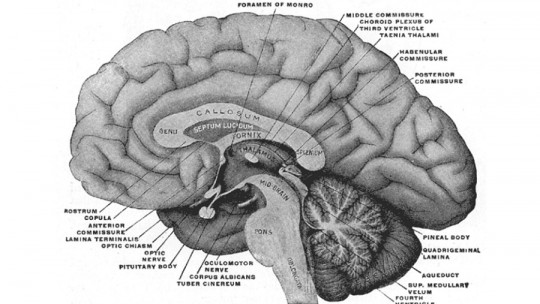
Anatomically, the habenula is located in the dorsal part of the diencephalon, more specifically in the epithalamus, situated just above the thalamus and adjacent to the pineal gland. It forms part of the roof of the third ventricle.
To be more precise:
- It is medial to the thalamus
- Lies near the midline of the brain
- Is positioned anterior and superior to the pineal gland
- It is part of the limbic system and connects to various brain structures via a fiber bundle known as the stria medullaris
Because of its location, the habenula serves as a relay station, passing information between emotional, cognitive, and reward-processing systems.
Parts of the Habenula
The habenula is not a uniform structure. It is divided into two major parts, each with different functions and connections:
1. Medial Habenula (MHb)
- Smaller in size but densely packed with neurons
- Connected primarily to the limbic system, especially structures like the septum and hypothalamus
- Involved in olfactory processing, pain modulation, sleep regulation, and behavioral responses to stress
2. Lateral Habenula (LHb)
- Larger and more widely studied
- Projects to and receives input from several areas including:
- The ventral tegmental area (VTA)
- Substantia nigra
- Raphe nuclei
- Plays a central role in reward prediction, disappointment, aversion, and the processing of negative emotional stimuli
While both parts are important, the lateral habenula is the one most frequently associated with mood disorders and behavioral regulation, and is the focus of most recent research.
Main Functions of the Habenula
1. Processing Negative Rewards (Reward Prediction Error)
One of the habenula’s most fascinating roles is helping the brain process negative reward prediction — the feeling of disappointment when an expected reward fails to materialize.
The lateral habenula becomes active when:
- You don’t get the reward you were expecting
- You receive a punishment instead of a reward
- You are about to make a choice and need to avoid a negative outcome
This area sends inhibitory signals to dopaminergic neurons in the VTA and serotonergic neurons in the raphe nuclei — effectively putting the brakes on “feel-good” neurotransmitters like dopamine and serotonin. This explains why habenula dysfunction has been linked to depression and anhedonia (inability to feel pleasure).
2. Avoidance Learning and Behavioral Inhibition
The habenula plays a key role in learning from negative experiences. When an action leads to a bad outcome, the habenula helps encode that memory so the same behavior isn’t repeated.
This is critical for:
- Survival (learning to avoid harmful stimuli)
- Social behavior (avoiding shame or punishment)
- Adaptive decision-making (choosing safer options)
It also helps inhibit impulsive or risky behavior by modulating executive control systems in the brain.
3. Pain Perception and Nociception
Both parts of the habenula are involved in pain processing, especially chronic or emotional pain. It receives signals from pain-related regions and helps translate that experience into an emotional or motivational response — such as avoidance or behavioral withdrawal.
Some studies suggest that the habenula helps modulate pain sensitivity and is active in both physical pain and psychological distress, contributing to symptoms like fatigue and helplessness in chronic pain conditions.
4. Sleep and Circadian Rhythm Regulation
The habenula has connections with the pineal gland, the structure responsible for producing melatonin and regulating circadian rhythms. It plays a secondary role in maintaining the sleep-wake cycle, especially through its influence on serotonin and melatonin systems.
Disruption in this area may contribute to sleep disturbances often seen in depressive disorders.
5. Olfactory and Sensory Integration
The medial habenula in particular has been found to participate in olfactory processing, linking smells to emotional and behavioral responses. This may help explain why certain odors trigger powerful memories or feelings — both pleasant and unpleasant.
It also receives inputs from the limbic system, making it a central node for integrating sensory input with emotional meaning.

The Habenula and Mental Health
The habenula is now seen as a critical structure in the pathophysiology of depression. In people with major depressive disorder (MDD), studies have shown:
- Hyperactivity in the lateral habenula
- Overinhibition of dopamine-producing neurons
- An increased sensitivity to negative feedback
- Disruption in reward-based decision-making
This means the brain essentially gets “stuck” in a negative feedback loop, where rewards are diminished, motivation drops, and pessimistic thinking takes hold.
Researchers are exploring the habenula as a target for:
- Deep brain stimulation (DBS)
- Transcranial magnetic stimulation (TMS)
- Ketamine therapy, which may indirectly reduce habenula hyperactivity
Additionally, the habenula has been linked to:
- Addiction
- Bipolar disorder
- Schizophrenia
- Suicidal ideation, due to its role in processing aversive signals and hopelessness
Habenula in Evolutionary Perspective
The habenula is an ancient brain structure, found across a wide range of species, including fish, reptiles, birds, and mammals. Its role in reward/aversion processing is considered evolutionarily conserved, suggesting it is fundamental to survival.
In lower vertebrates, the habenula is essential for:
- Escape behavior
- Hunger and feeding modulation
- Territoriality and social aggression
This evolutionary continuity underlines its core function in navigating risk and reward, guiding behavior for maximum adaptive success.
The habenula may be small, but it is a gatekeeper of emotional experience, reward processing, and behavioral adaptation. It decides when we feel punished, when we feel disappointed, and when it’s time to change our behavior.
Its relevance extends from basic neuroscience to clinical psychiatry, offering new insights into depression, addiction, and emotional regulation. As research continues to uncover its secrets, the habenula could become a crucial target for transforming mental health treatments and better understanding the human mind.
FAQs about Habenula
What happens if the habenula is damaged?
Damage or dysfunction in the habenula can lead to:
- Increased depression-like symptoms
- Poor decision-making
- Inability to feel motivated or rewarded
- Disruption in sleep and stress regulation
In rare cases, tumors or lesions in this area may cause neurological or behavioral symptoms.
Can you live without your habenula?
There are no known cases of complete congenital absence of the habenula in humans. Since it’s deeply integrated into reward and emotional systems, its absence would likely result in serious cognitive and emotional dysfunction.
Is the habenula involved in addiction?
Yes. The habenula has a strong influence on the brain’s reward system. It can suppress dopamine release, which is why it’s implicated in withdrawal states, relapse, and loss of pleasure from natural rewards in addiction.
Is there a way to “stimulate” or balance the habenula naturally?
While direct stimulation isn’t possible without medical intervention, some approaches may help regulate its function:
- Mindfulness and cognitive therapy to manage negative thought patterns
- Regular sleep and exposure to natural light
- Physical activity, which boosts dopamine and serotonin regulation
- Avoidance of chronic stress, which worsens habenula overactivation
Bibliography
- Carlson, N. R. (2014). Behavioral physiology. Madrid. Pearson Education, S.A.
- Fakhoury M, Dominguez-Lopez S. (2014). The role of habenula in motivation and reward. Advances in Neuroscience.
- Lawson RP, Nord CL, Seymour B, Thomas DL, Dayan P, Silling S, Roiser JP., (2017) Disruptes habenula function in major depression. Molecular Psychiatry. 22(1) 202-208.
- Lee Y, Goto Y., (2013). Habenula and ADHD: convergence on time. Neuroscience behavioral review. 37 (8) 1801-1809.
Use this citation format to reference the article clearly and help readers find the original source.
PsychologyFor. (2025). Habenula: What it Is, Parts, Function and Location. PsychologyFor. https://psychologyfor.com/habenula-what-it-is-parts-function-and-location/