

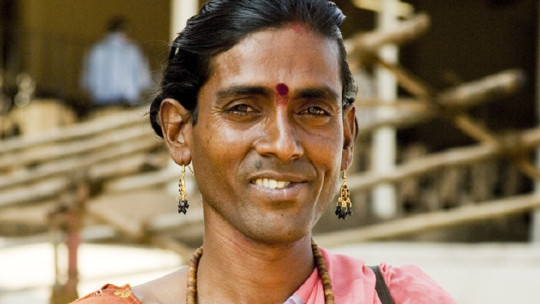
Hijras are neither considered men nor women, but are a mix of both genders, what they themselves call the “third gender.” This community lives in India and its origins are very ancient; In fact, at the time when the Mughal Empire took over India (16th century) hijras were already documented holding important positions, such as caring for the emperor’s children and as state advisors.
In this article we will try to provide a brief profile of this community, one of the most stigmatized in India and which is currently vigorously demanding its rights. Since hijras use the feminine to talk about themselves, in this article we will also use it to refer to themselves.
Who are the hijras?
As we have already mentioned, it is one of the oldest communities in India, and also one of the most underrated. It wasn’t always like this, however. During ancient times and later during the Mughal period, Hijras enjoyed enormous popularity and respect among Hindus, and also among Muslims. It was not until the arrival of the British that what had once been admiration and respect was transformed into stigma. Since then, hijra communities have survived with great difficulties, and many of them have had to engage in prostitution to survive.
In India, the Hijra community represents a unique and historically significant group with deep cultural and social ties to the country. Known for their distinctive identity, Hijras are often recognized as the third gender in Indian society, distinct from traditional male and female categories. Despite their marginalized status, Hijras have had a rich history and a prominent role in both the spiritual and social fabric of India for centuries.
What is the Hijra Community?
The term “Hijra” refers to a group of people in South Asia who do not conform to traditional gender roles. Hijras are often identified as a third gender, distinct from the male and female binary. While Hijras have historically been recognized in South Asian cultures, their societal status and acceptance have fluctuated over time.
Hijras can be individuals who are intersex, transgender, or eunuchs, and they often undergo a process of gender transition through castration or other forms of body modification. Although their gender identity may not align with conventional understandings of male or female, Hijras typically identify with a sense of community and cultural identity.
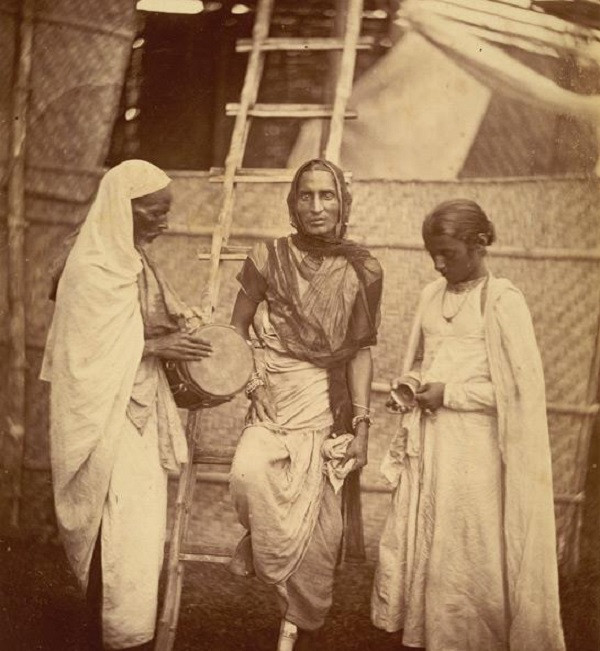
Historical Background of the Hijra Community
The history of Hijras in India can be traced back to ancient times. They were mentioned in religious and historical texts, and their roles have evolved over the centuries. Here are some key points in the history of the Hijra community:
1. Ancient Times
Hijras have been part of Indian society for thousands of years, with their existence documented in ancient Hindu texts. They were recognized in Hinduism and were thought to possess spiritual power. In ancient India, Hijras were considered auspicious figures and were often invited to bless weddings, childbirths, and other significant events. Their blessings were believed to bring prosperity and fertility.
In some ancient texts, such as the Mahabharata and the Kamasutra, Hijras are mentioned as people who occupy a unique position in society. The Hindu gods also reflect this ambiguity of gender—gods like Ardhanarishvara, a deity who is depicted as half-male and half-female, have been a part of Indian religious iconography, symbolizing a balance of male and female qualities.
2. The Mughal Era
During the Mughal Empire (1526–1857), the role of Hijras became more formalized, particularly in the royal courts. The Mughals used Hijras in various administrative roles, including guardians of the harem and even military leaders. Hijras were often given important positions within the court and were seen as loyal servants of the empire. Many were also appointed as eunuch officials, entrusted with overseeing the royal women.
This period marked a significant chapter in Hijra history, as the community began to gain recognition and respect in some aspects of society, though it also exposed them to political and social complexities.
3. Colonial Period
During British colonial rule, the Hijra community’s social position began to deteriorate. The British colonial government introduced laws that criminalized non-conformity to traditional gender roles and expressions, including laws against cross-dressing and homosexuality. The Criminal Tribes Act of 1871 categorized Hijras and other marginalized groups as “criminals,” which led to their persecution and further exclusion from mainstream society.
Despite this, Hijras continued to maintain their community structure and traditions, often living in close-knit groups and preserving their distinct identity.
4. Post-Independence India
After India gained independence in 1947, the Hijra community continued to face social marginalization, although there were some improvements in their legal and social status. In recent years, there have been efforts to recognize and support the Hijra community, such as the recognition of the third gender by the Indian government in 2014. This legal recognition was a significant step towards providing Hijras with the rights and protections that they had long been denied.
Key Characteristics of the Hijra Community
Hijras are often misunderstood due to their non-conformity to traditional gender roles, but there are several key characteristics that define their community.
1. Gender Identity
The Hijra community challenges the conventional male-female gender binary. They are recognized as a third gender in India, distinct from male and female. However, not all Hijras identify with the term “transgender,” as some consider it to be a Western construct that doesn’t fully capture their identity. Instead, many Hijras refer to themselves as Aravani, Khawaja Sira, or Jogappa, depending on their regional identity.
2. Cultural and Spiritual Role
Hijras have traditionally held spiritual significance in India. They have been known to bless newlyweds, newborns, and others during important life events, such as the wedding ceremony, where they are expected to sing, dance, and offer blessings to bring good fortune. In some regions, the Hijra guru-shishya (mentor-disciple) system plays a vital role in preserving their cultural heritage. The guru provides guidance to the younger Hijras and helps them navigate both their spiritual and social lives.
3. Community and Family Structure
Hijras often live in communal settings, typically organized by a Hijra guru who leads the group. The sense of community is strong, as Hijras support one another emotionally, socially, and financially. These communities function similarly to families, where members care for each other and follow specific customs and rituals.
Hijras undergo a rite of passage when they join a group, and they often take part in initiation ceremonies that involve dancing, singing, and learning the customs of the community. The bond between guru and disciple is a fundamental part of Hijra life.
4. Discrimination and Marginalization
Despite their historical and cultural importance, Hijras face significant challenges in modern-day India. They often encounter discrimination, violence, and social exclusion. Many Hijras are unemployed or work in informal sectors such as begging, dancing, or sex work. Due to their non-conformity to gender norms, they are often denied access to education, healthcare, and employment, leading to further marginalization.
However, in recent years, there have been efforts to address these issues, including the government’s recognition of Hijras as a third gender in legal documents such as passports and voter IDs, which has improved their access to certain services and opportunities.
Significance of Hijras in Modern India
The Hijra community continues to play an important role in the social, cultural, and spiritual life of India. Despite facing challenges such as discrimination and poverty, Hijras are a symbol of resilience and cultural diversity. Their recognition as a third gender is a step toward greater inclusivity, though there is still a long way to go in achieving full equality.
Hijras continue to serve as a reminder that gender is not a fixed, binary concept, but a spectrum of identities that reflect the complexity of human experiences. As India progresses toward a more inclusive society, the Hijra community will likely continue to serve as an important example of the need for acceptance and understanding of diversity.
How do hijras live?
Hijras live in communities (gharanas) run by a nayak, who is usually the oldest hijra. The nayak is the guru principal, but each of the hijras has its own teacher, and each can be the teacher of another hijra. The group of female disciples are cheelas (sisters).
Generally, hijras give their blessings in exchange for money so that they can have an income in their community. But, as the social stigma is still strong, they are often forced to beg to survive. Many others end up in the dark world of prostitution, with the terrible consequences that this entails: abuse and infections of venereal diseases, including HIV.
Castration is an option that many of them carry out, but it is not mandatory to be part of a hijra community. Living in a community does not imply a renunciation of sexual life either: the practice of sex is completely free and a personal choice.
The third gender in Indian culture
If hijras currently experience clear stigmatization, this was not the case in ancient India, as we have already mentioned. In fact, the Hindu religion perfectly contemplates the third gender because their gods have, at the same time, masculine and feminine energy.
Indeed; In Hindu mythology, the male gods (the deva) always have at their side shakti or feminine energy. Gods and goddesses are not seen as separate figures, as is the case in other mythologies, but rather they are two sides of the same coin. A single male god, as well as a single female goddess, are theological errors. Divinity is always masculine and feminine.
Krishna and the soldier Aravana, the origin of the hijras
In it Mahabharataone of the books of Hinduism (3rd century BC), hijras are mentioned as kinnars. The book also tells the story of god Krishna and the soldier Aravana. The myth says that Aravana, son of Krishna’s cousin, lamented the night before going into battle that he was going to die without having slept with a woman. It was true that he could marry that very night, but what woman would want to marry a man who, the next day, could be dead?
Aravana cried inconsolably, and Krishna, moved by his pain, transformed into a woman, Mohini, and married him. When Aravana died the next day in battle, Mohini mourned her husband and dressed as a widow.
The hijras take that legend and make it their own. In fact, in southern India they are also called aravanis, in honor of the soldier Every spring, communities of hijras go on pilgrimage to Koovagam to celebrate a festival that commemorates history. There, the hijras dress up as brides, “marry” Aravana and celebrate the event with a lively and colorful party. Then, they break their jewellery, dress as widows and mourn the death of the soldier, just as Mohini mourned him.
Hijras in Indian popular culture
Despite the increasing marginalization that hijras have suffered since colonialism (and which, unfortunately, still exists today), these communities are held in high esteem by the people of India. Today, the admiration and respect that, in the past, was lavished on hijras, continue to prevail among the popular classes.
In fact, hijras are still called today to bless births, weddings and other events, since they are recognized as bearers of divinity by living with both genders. For the people, the hijras are the living expression of the gods, those who summarize duality in their being.
But be careful, because if hijras can give their blessing, it is believed that they can also curse. This is why people who require their favors are very careful to compensate them with food, saris or, directly, money.
What is the future of hijras?
Currently, hijra communities in India are strongly demanding their rights, so forgotten during the last centuries. The majority live very simply, often almost destitute; Their situation is worsened by the Indian government’s ban on street begging. Some, in order to live, continue to dedicate themselves to prostitution.
On September 6, 2018, a small-big step forward was taken. India finally decriminalized homosexuality and removed it from the Penal Code. A year later, at the Kumbh Mela (the sacred pilgrimage of Hinduism that takes place four times every twelve years), the hijras reclaimed the space they had lost in the Hindu religion and Indian society. Currently, it is estimated that there are more than 2 million hijras in India, fighting for real equality of rights and access to a dignified life free of stigma.
The Hijra community in India has a rich and complex history that spans ancient, medieval, and modern times. From their revered spiritual role in ancient texts to their marginalized status in colonial and post-colonial India, Hijras have faced both respect and oppression throughout the centuries. Despite the challenges they face, Hijras continue to contribute to the cultural and spiritual richness of India, offering a unique perspective on gender, identity, and social acceptance.
As India continues to evolve, it is crucial to recognize the significance of the Hijra community and work towards building a society where all individuals, regardless of their gender identity, are treated with dignity, respect, and equality.
Use this citation format to reference the article clearly and help readers find the original source.
PsychologyFor. (2025). Hijras: History and Characteristics of This Community in India. PsychologyFor. https://psychologyfor.com/hijras-history-and-characteristics-of-this-community-in-india/