

See more of our articles in your search results.
In response to a WHO press release from last October 2016, lhe global prevalence of obesity more than doubled between 1980 and 2014 with 11% of men and 15% of women being obese in that last year (more than half a billion adults).
This figure is not only worrying because of what it means for our body to store large amounts of fluids and fats; Furthermore, obesity It is related to addiction and certain mental disorders
A fat-oriented brain
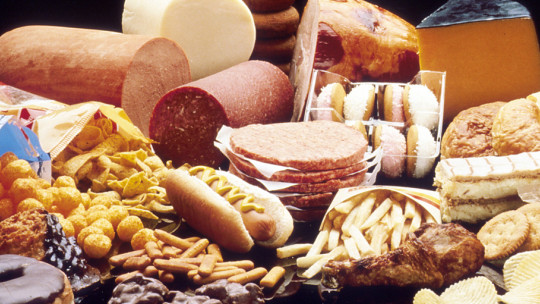
Let’s do a little experiment. As you read the following list of foods, imagine them as vividly and clearly as possible:
Does your mouth water when you think about those foods? That powerful flavor, the sweetness of a glaze, the salty taste of fried smoked bacon… Don’t panic, you’re within the norm.
And multiple studies show that human beings, Due to genetics, we have a preference for fats and sugars In fact, that preference turned out to be an evolutionary advantage for our ancestors by allowing the accumulation of fat in their bodies, ensuring survival in stages when food was scarce.
How many of these have you been "meaning to read" for months?
- 1
 Sounds TrueHow to Carry What Can't Be FixedA Journal for GriefListen Free On Audible
 - 2
 AzujosThe Zen Monkey and the Lotus Flower52 Stories to Relieve Stress, Stop Negative Thoughts, Find Happiness, and Live Your Best LifeListen Free On Audible
 - 3
 MajostaDon't Believe Everything You ThinkWhy Your Thinking Is The Beginning & End Of Suffering (Beyond Suffering)Listen Free On Audible
Times change: overeating in fats and sugars
That these foods tasted especially pleasant was no coincidence: indicated the presence of said elements. The organoleptic characteristics that precede them: the smell, texture, flavor… were a great wake-up call for their consumption, just as it happens today.
However, there is unanimity that the current consumption of sugars and fats is excessive in relation to the current way of life. We are fully aware that an increase in the intake of these two foods linked to the prevalent sedentary lifestyle It doesn’t exactly do our health a favor And, surprisingly, it is difficult for many people to balance this intake despite the impact it has on the development of multiple diseases such as diabetes, hypertension, hypercholesterolemia or obesity.
So, if in the long run it is so harmful for us to eat fats and sugars… What makes us continue along this line? The answer is in our brain
The Brain Reward Circuit
Also known as the Hedonic or Pleasure Circuit, is involved in motivation and the feeling of pleasure. It is composed of:
What elements activate the brain reward circuit? Among others, love, tobacco, cocaine, marijuana, fats and sugars stand out. But let’s focus on these last two.
The psychological explanation of obesity
The process begins with the ingestion of foods high in sugar or fat, which stimulates the secretion of oxytocin and dopamine in our brain, which provides feelings of joy, well-being, pleasure and avoidance of discomfort, since dopamine participates natural in functions such as food or sex.
Thus, after having eaten the donuts that we imagined above, our body feels good and the well-known hedonic pleasure is produced, which constitutes positive reinforcement for the behavior “eating donuts” (which we will do again). But dopamine (neurotransmitter) and oxytocin (hormone) They have a limited lifespan, and when they disappear, the opposite feelings of well-being that we human beings crave remain, thus going from anxiety to sadness. The intake begins again and the cycle repeats.
The emergence of food dependence
A phenomenon to take into account in the operation of this circuit is that dopamine and oxytocin increasingly disappear before the game and, in addition, the doses tend to decrease, for which, if you want the same level of excitement as at the beginning the amount or frequency of food intake must be increased, eventually becoming addicted.
This process may be related to the development of obesity, diabetes, and the newly added DSMV binge eating disorder.
On the other hand, there is data that the uncontrolled intake of sugars and fats has a higher prevalence in individuals who suffer from obesity compared to normal weight individuals, but specifically in the obese group, It occurs more frequently in depressed and/or anxious individuals
Do fats and sugars act as an escape bomb from tense situations? The research indicates that, indeed, moments of stress and situations that generate negative feelings lead these individuals to eat high fats and sugars to temporarily feel good, but after the dopamine level is reduced, they feel anxious and guilty again. due to the lack of control shown or for having ignored their dietary guidelines.
And you, would you be able to reduce the consumption of processed sugar and saturated fats in your daily life?
To enlighten the reading public, I share a short documentary about what happens to the body when you live a month without consuming sugar (you can subtitle it in Spanish).
Use this citation format to reference the article clearly and help readers find the original source.
PsychologyFor. (2024). How Do Sugar and Fat Act on Our Brain?. PsychologyFor. https://psychologyfor.com/how-do-sugar-and-fat-act-on-our-brain/