

See more of our articles in your search results.
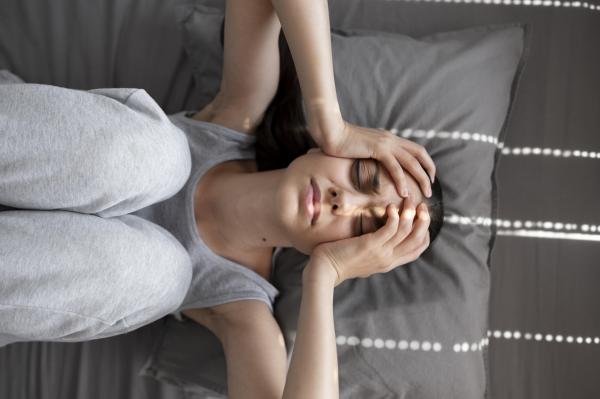
Anxiety fatigue feels like persistent physical and mental exhaustion, even without physical exertion. To alleviate it, prioritize techniques such as deep breathing and moderate exercise. Anxiety fatigue is common in people who experience constant stress or suffer from anxiety disorders. However, it is important to understand this type of burnout, not only its physical symptoms, but also its mental and emotional symptoms.
If you have also detected that you frequently lack energy, have ruled out other causes and feel constantly tense or nervous, it is possible that you have anxiety fatigue. In this PsychologyFor article, we answer your question about How to know if I have anxiety fatigue and how to get rid of it.
Why fatigue causes anxiety
Often, the relationship between fatigue and anxiety is bidirectionall, that is, anxiety can exhaust us physically and psychologically, while fatigue can also feed anxiety. However, below we explain why this close link exists:
- Physical exhaustion due to chronic stress: Anxiety activates the fight or flight system. Therefore, when anxiety is constantly present in our daily lives, the body depletes its resources. In fact, prolonged stress causes greater muscle tension, increases heart rate and overstimulates the nervous system.
- Sleep disturbances: Anxiety makes it difficult to fall asleep or stay asleep, which affects the body’s ability to recover. In other words, a lack of deep sleep perpetuates tiredness and worsens anxiety symptoms.
- mental overload: The constant worry and intrusive thoughts typical of anxiety consume our mental energy. This can lead to a feeling of exhaustion even without prior physical effort.
- chemical imbalanceIn addition, anxiety alters neurotransmitters such as serotonin and dopamine, both essential for regulating mood and mental energy.
How to know if I have anxiety fatigue
Anxiety fatigue has specific symptoms that differentiate it from physical exhaustion. If you’re wondering how to tell if you have anxiety fatigue, take a look at the following signs:
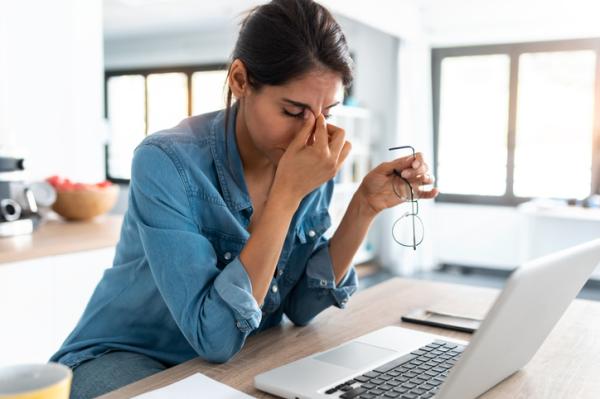
- Feeling of extreme exhaustion: You feel a constant lack of energy even after resting or sleeping.
- Physical discomfort: Fatigue may be accompanied by headaches, digestive problems or general malaise.
- Difficulty concentrating: Another sign of anxiety fatigue is feeling cloudy or dull and the inability to process information clearly.
- muscle tension: There is a feeling of stiffness or pain in the body with no apparent physical cause.
- Irritability: A common symptom of anxiety fatigue is having disproportionate emotional responses or experiencing extreme sensitivity.
- lack of sleep– People with anxiety burnout may experience insomnia or wake up frequently at night.
- Emotional exhaustion: This tiredness can generate the feeling of being worn out on an emotional level and generate little tolerance for stress.
How many of these have you been "meaning to read" for months?
- 1
 TarcherThe Artist's Way30th Anniversary EditionListen Free On Audible
- 2
 Undercover Publishing HouseStop Letting Everything Affect YouHow to break free from overthinking, emotional chaos, and self-sabotage.Listen Free On Audible
- 3
 MajostaDon't Believe Everything You ThinkWhy Your Thinking Is The Beginning & End Of Suffering (Beyond Suffering)Listen Free On Audible
How long does anxiety fatigue last?
The duration of fatigue due to anxiety varies depending on the person and their circumstances. If anxiety occurs punctually, fatigue can last hours or days after the stressful event. However, in cases of chronic anxiety, exhaustion can persist for weeks or months.
In addition, recovery will also depend on factors such as your lifestyle habits, your ability to manage stress, and the treatment you follow. In this article we explain how to manage stress and anxiety.
How to remove fatigue due to anxiety
Overcoming anxiety fatigue requires a comprehensive approach that includes lifestyle changes, professional support, and specific techniques to manage stress. Let’s look at some of the most effective strategies.
Improves sleep quality
Sleep is essential to regain energy and regulate mood. However, anxiety can interfere with it. To fall and stay asleep, avoid stimulants before bed and the use of electronic devices at least one hour before bedtime. Also, make sure create a conducive environment to sleep: your room should be dark, have a comfortable temperature and be quiet.
Lastly, establish a regular routine, i.e. go to sleep and wake up at the same time every dayYes, even on weekends. These habits will regulate your biological clock and facilitate restful sleep.
Relax
Guided meditation and mindfulness are techniques that help calm the mind and reduce physical tension. Dedicate 10 or 15 minutes a day to focus on your breathing or in your bodily sensations. This helps reduce mental hyperactivity.
You can also incorporate practices that combine gentle movement and breathing techniques into your daily life, such as yoga and tai chi, as they reduce muscle tension and promote relaxation.
Adopt a balanced diet
What you eat influences your energy and your mood. Therefore, stay hydrated, increase foods rich in magnesiumgroup B vitamins and omega-3. But, even more important, avoid ultra-processed foods and excess sugar. Although these foods may provide a quick spike of energy, over time they cause energy crashes and worsen exhaustion.
Do moderate physical activity
It is well known that regular exercise improves mood and combats fatigue. However, if you are very tired, incorporate a routine with gentle exercises or do light exercise, such as walk, swim or go cycling. Little by little you can increase the intensity.
Set limits and prioritize your self-care
Managing your time properly and taking care of yourself is key to reducing burnout. Learn to say “no” to those commitments that are not essential and focus on your priorities. Additionally, spend time activities you enjoysuch as reading, watching series or simply relaxing with a cup of coffee.
Seek professional support
If fatigue persists, consult a specialist. Your GP will assess whether there are any underlying problems (such as anemia or hypothyroidism), while a mental health professional will help you. identify thoughts and patterns behaviors that perpetuate anxiety.

This article is merely informative, at PsychologyFor we do not have the power to make a diagnosis or recommend a treatment. We invite you to go to a psychologist to treat your particular case.
If you want to read more articles similar to How to know if I have anxiety fatigue and how to get rid of it we recommend that you enter our Clinical Psychology category.
References:
- American Psychological Association (APA). (2017). Anxiety and Stress Disorders: Treatment and Management. Retrieved from: https://www.apa.org
- Mayo Clinic. (2023). Stress Management: Techniques and Benefits. Retrieved from: https://www.mayoclinic.org
- National Institute of Mental Health (NIMH). (2023). Understanding Anxiety Disorders. Retrieved from: https://www.nimh.nih.gov
Use this citation format to reference the article clearly and help readers find the original source.
PsychologyFor. (2024). How to Know if I Have Anxiety Fatigue and How to Get Rid of it. PsychologyFor. https://psychologyfor.com/how-to-know-if-i-have-anxiety-fatigue-and-how-to-get-rid-of-it/