


See more of our articles in your search results.
The boundary between waking and sleeping is not as clear-cut as most people imagine; it represents a complex neurological transition where consciousness gradually shifts between states, sometimes creating unusual perceptual experiences that feel startlingly real consciousness transition. Hypnagogic hallucinations occur during the drowsy period just before falling asleep, while hypnopompic hallucinations happen in those hazy moments between sleep and full wakefulness twilight experiences. These phenomena involve vivid sensory experiences—visual, auditory, tactile, or even full-body sensations—that occur when the brain is caught between sleep and wake states, creating a unique form of conscious dreaming that can feel more intense and realistic than regular dreams vivid sensory experiences.
Unlike the fantastical narratives of typical dreams that often fade quickly upon awakening, these transitional hallucinations tend to be brief, intense, and strikingly memorable, sometimes leaving people questioning what was real and what was imagined memorable intensity. They represent a fascinating window into how the sleeping brain processes information and constructs reality, revealing the fluid nature of consciousness itself fluid consciousness. While these experiences can be unsettling or even frightening for those who experience them, they are generally considered benign neurological phenomena that affect a surprisingly large portion of the population at some point in their lives common phenomena. Understanding these hallucinations helps distinguish between normal sleep-related experiences and more serious medical or psychiatric conditions, providing reassurance for those who encounter these vivid twilight visions reassuring knowledge.
The neurobiological basis of sleep-wake transition hallucinations
The human sleep cycle involves complex neurochemical changes as the brain transitions between different states of consciousness, creating opportunities for unusual perceptual experiences during these vulnerable transition periods neurochemical complexity. During normal REM sleep, the brain produces vivid dreams while simultaneously paralyzing most voluntary muscles to prevent people from acting out their dream content protective paralysis. However, during hypnagogic and hypnopompic states, this normally well-coordinated system can experience temporary dysfunction, allowing dream-like content to intrude into semi-conscious awareness while the body may still be partially paralyzed or beginning to regain movement system dysfunction.
The reticular activating system, which regulates sleep-wake cycles, doesn’t always transition smoothly between states, sometimes creating hybrid conditions where elements of REM sleep overlap with lighter sleep stages or early waking consciousness hybrid states. This neurological overlap explains why these hallucinations often combine the vivid imagery typical of dreams with the clear awareness and memory formation associated with waking consciousness combined awareness. Brain imaging studies reveal that during these transitional states, different brain regions may be operating at different levels of activation, with visual processing areas potentially remaining highly active while logical reasoning centers are still suppressed uneven activation.
Neurotransmitter fluctuations play a crucial role in these experiences, particularly involving dopamine, acetylcholine, and GABA systems that normally regulate the boundaries between sleep states neurotransmitter shifts. When these chemical systems are out of balance due to sleep deprivation, stress, medications, or underlying medical conditions, the likelihood of experiencing transitional hallucinations increases significantly chemical imbalance. The phenomenon demonstrates the remarkable complexity of normal sleep architecture and how easily this delicate system can be disrupted by various internal and external factors delicate architecture.
How many of these have you been "meaning to read" for months?
- 1
 TarcherThe Artist's Way30th Anniversary EditionListen Free On Audible
 - 2
 Atria BooksThe Courage to Be DislikedThe Japanese Phenomenon That Shows You How to Change Your Life and Achieve Real HappinessListen Free On Audible
 - 3
 Hay HouseBecoming SupernaturalHow Common People Are Doing the UncommonListen Free On Audible
Distinguishing between hypnagogic and hypnopompic experiences
Hypnagogic hallucinations occur specifically during the transition from wakefulness to sleep, typically within the first few minutes of lying down and beginning to relax sleep onset timing. These experiences often begin subtly, perhaps with fleeting images or sounds that gradually become more elaborate and realistic as consciousness continues to fade gradual development. People experiencing hypnagogic hallucinations frequently report seeing faces, geometric patterns, landscapes, or complex scenes that seem to unfold before their closed eyes, sometimes accompanied by voices, music, or other auditory phenomena varied content. The content often reflects recent experiences, worries, or thoughts from the day, though it may also include completely novel or bizarre elements that seem to emerge from deeper unconscious processing personal reflection.
Hypnopompic hallucinations, occurring during the transition from sleep to wakefulness, often have a different quality and emotional tone than their pre-sleep counterparts different quality. These morning or middle-of-the-night experiences frequently involve more threatening or disturbing content, possibly because the awakening brain is still processing dream material from REM sleep periods threatening content. Hypnopompic hallucinations commonly include seeing shadowy figures in the bedroom, hearing footsteps or voices, feeling touched or grabbed, or perceiving intruders or supernatural presences in the immediate environment environmental intrusions. The timing and content differences suggest that these two types of hallucinations may involve different underlying brain mechanisms and serve different functions in the sleep-wake cycle different mechanisms.
Both types of hallucinations share the characteristic of feeling absolutely real while they occur, often causing confusion, fear, or fascination that persists after the experience ends absolute reality. The emotional intensity can vary dramatically, from peaceful and interesting to terrifying and disturbing, depending on individual factors and the specific content of the hallucination emotional range. Understanding these distinctions helps both individuals and healthcare providers better assess the nature and potential significance of these experiences assessment clarity.
Common types and characteristics of transitional hallucinations
Visual hallucinations represent the most commonly reported type of transitional sleep experience, ranging from simple geometric patterns and flashing lights to complex scenes involving people, animals, or fantastical landscapes visual dominance. Simple visual hallucinations might include seeing dots, lines, or shapes moving across the visual field, while complex hallucinations can involve detailed scenarios that unfold like short movies complexity spectrum. Many people report seeing faces—sometimes familiar, sometimes stranger faces—that appear vivid and three-dimensional, often changing expressions or seeming to communicate nonverbally facial appearances. These visual experiences typically last from seconds to a few minutes and may shift or morph throughout the episode shifting nature.
Auditory hallucinations during sleep transitions frequently involve hearing voices calling one’s name, conversations in other rooms, music, mechanical sounds, or environmental noises like doors closing or phones ringing auditory variety. These sounds often seem to come from specific directions or locations, adding to their realistic quality and sometimes prompting people to investigate or respond verbally directional sounds. The voices may be familiar or unfamiliar, speaking in languages the person understands or sometimes in unintelligible speech patterns that nonetheless seem meaningful during the experience linguistic diversity.
Tactile hallucinations involve feeling touched, grabbed, poked, or experiencing sensations of movement when no physical stimulus is present touch sensations. These might include feeling someone sitting on the bed, being shaken or pulled, experiencing temperature changes, or sensing insects or other creatures on the skin physical intrusions. Some people report feeling lifted, falling, or moving through space, which can be particularly startling and may cause sudden awakening with accompanying physical reactions movement sensations. Full-body hallucinations can combine multiple sensory modalities, creating immersive experiences that feel indistinguishable from waking reality immersive experiences.
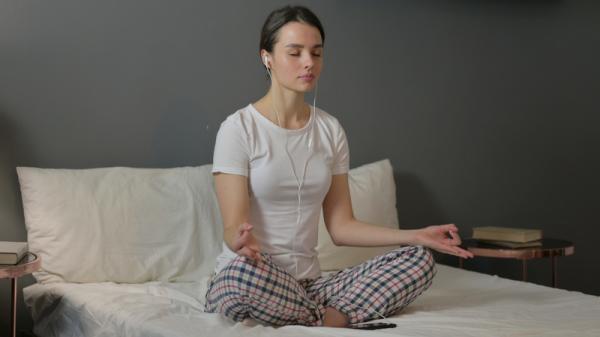
Underlying causes and risk factors for sleep-related hallucinations
Sleep deprivation stands as one of the most significant risk factors for experiencing hypnagogic and hypnopompic hallucinations, as insufficient sleep disrupts normal sleep architecture and makes the brain more susceptible to unusual transitional experiences deprivation impact. Chronic sleep restriction, irregular sleep schedules, and poor sleep quality all contribute to the likelihood of these experiences by destabilizing the normal neurochemical processes that regulate consciousness transitions schedule disruption. Shift workers, students during exam periods, new parents, and others who experience frequent sleep disruption often report increased frequency of transitional hallucinations vulnerable populations.
Stress and anxiety significantly increase the probability of experiencing these phenomena, possibly because elevated cortisol and other stress hormones interfere with normal sleep processes and increase overall nervous system arousal stress interference. Major life changes, work pressures, relationship difficulties, and other psychological stressors can trigger periods of increased hallucination frequency life stressors. The relationship appears bidirectional, as experiencing disturbing hallucinations can also increase anxiety and stress levels, potentially creating a reinforcing cycle bidirectional relationship.
Various substances and medications can precipitate transitional hallucinations by altering normal neurotransmitter function or sleep architecture substance effects. Caffeine, alcohol, nicotine, and recreational drugs all have potential to disrupt sleep patterns and increase hallucination risk common substances. Prescription medications including antidepressants, beta-blockers, and some pain medications may also contribute to these experiences as side effects medication side effects. Withdrawal from alcohol, benzodiazepines, or other substances can create particularly intense hallucination episodes as the brain readjusts to functioning without these substances withdrawal effects.
Medical conditions associated with increased hallucination frequency
Narcolepsy, a neurological disorder characterized by excessive daytime sleepiness and abnormal REM sleep patterns, frequently involves both hypnagogic and hypnopompic hallucinations as core symptoms narcolepsy connection. People with narcolepsy often experience vivid, frightening hallucinations during sleep transitions, sometimes accompanied by sleep paralysis that prevents them from moving or speaking during the episode paralysis combination. These hallucinations in narcolepsy can be particularly disturbing because they often involve themes of intruders, danger, or supernatural phenomena that feel completely real disturbing themes.
Sleep paralysis, whether occurring independently or as part of narcolepsy, creates conditions particularly conducive to intense hypnopompic hallucinations paralysis vulnerability. During sleep paralysis episodes, people become conscious while their body remains in the muscle paralysis state that normally prevents movement during REM sleep conscious paralysis. This combination of awareness with inability to move often triggers panic and can intensify hallucination experiences, creating terrifying episodes where people perceive threats but cannot respond physically panic intensification.
Migraine sufferers show increased rates of sleep-related hallucinations, possibly due to shared neurological pathways involved in both conditions migraine overlap. The visual cortex hyperexcitability associated with migraines may predispose individuals to visual hallucinations during vulnerable sleep transition periods visual vulnerability. Epilepsy, particularly temporal lobe epilepsy, can also increase hallucination frequency through similar mechanisms involving brain hyperexcitability seizure connection.
Mental health conditions including anxiety disorders, depression, bipolar disorder, and post-traumatic stress disorder show statistical associations with increased rates of transitional hallucinations mental health links. The relationship likely involves multiple factors including medication effects, sleep disturbances commonly associated with these conditions, and potentially shared neurobiological vulnerabilities multiple pathways. However, experiencing these hallucinations does not automatically indicate the presence of a mental health condition, as they occur commonly in otherwise healthy individuals normal occurrence.

When transitional hallucinations become problematic or concerning
While occasional hypnagogic and hypnopompic hallucinations are generally considered normal experiences, certain characteristics or patterns may indicate the need for medical evaluation evaluation criteria. Hallucinations that occur very frequently, multiple times per week or nightly, may suggest underlying sleep disorders or other medical conditions requiring professional attention frequency concerns. Similarly, experiences that are extremely distressing, cause significant anxiety about sleeping, or interfere with daily functioning warrant medical consultation functional interference.
Hallucinations accompanied by other concerning symptoms such as excessive daytime sleepiness, sudden muscle weakness (cataplexy), frequent sleep paralysis, or significant mood changes may indicate underlying medical conditions like narcolepsy or other sleep disorders associated symptoms. If the experiences involve command voices telling the person to take harmful actions, or if they occur during full wakefulness rather than only during sleep transitions, immediate medical evaluation is recommended command hallucinations.
Changes in the nature, frequency, or intensity of previously stable hallucination patterns may also warrant medical attention, particularly in older adults where such changes could indicate developing neurological conditions pattern changes. The sudden onset of frequent, disturbing hallucinations in someone who has never experienced them before, especially when accompanied by other neurological or psychiatric symptoms, should prompt medical evaluation sudden onset.
Parents should seek pediatric consultation if children report frequent or distressing hallucination experiences, as these may interfere with normal sleep development and could indicate underlying medical conditions requiring treatment pediatric concerns. However, it’s important to distinguish between transitional hallucinations and normal childhood nightmares, night terrors, or imaginary experiences that are developmentally appropriate developmental context.
Diagnostic approaches and medical evaluation strategies
Medical evaluation for concerning transitional hallucinations typically begins with a comprehensive sleep history that examines sleep patterns, sleep hygiene, work schedules, substance use, and the specific characteristics of the hallucination experiences comprehensive history. Healthcare providers will likely ask detailed questions about the timing, content, frequency, and emotional impact of the experiences, as well as any associated symptoms or triggers detailed questioning. A sleep diary tracking sleep times, wake times, hallucination occurrences, and potential contributing factors can provide valuable diagnostic information sleep diary.
Physical examination and medical history review help identify potential underlying medical conditions or medications that might contribute to hallucination experiences medical screening. Blood tests may be ordered to check for thyroid problems, vitamin deficiencies, or other metabolic conditions that can affect sleep quality laboratory testing. Neurological examination may be included if there are concerns about seizure activity or other brain-related conditions neurological assessment.
Sleep studies, including overnight polysomnography or multiple sleep latency tests, may be recommended when narcolepsy or other sleep disorders are suspected sleep studies. These tests can reveal abnormal REM sleep patterns, sleep architecture disruptions, or excessive daytime sleepiness that might explain the hallucination experiences objective measurement. However, many people with transitional hallucinations have normal sleep study results, as these experiences can occur in individuals with otherwise normal sleep patterns normal studies.
Psychiatric evaluation may be recommended if the hallucinations are accompanied by mood symptoms, anxiety, or other mental health concerns, though it’s important to recognize that isolated transitional hallucinations do not necessarily indicate psychiatric illness psychiatric context. The evaluation process aims to distinguish between benign sleep-related phenomena and more serious conditions requiring specific treatment interventions differential diagnosis.
Treatment options and management strategies for sleep-related hallucinations
For most people experiencing occasional transitional hallucinations, treatment focuses on improving sleep hygiene and addressing underlying factors that may be contributing to the experiences foundational approach. Establishing regular sleep schedules, ensuring adequate sleep duration, creating comfortable sleep environments, and avoiding stimulants before bedtime can significantly reduce hallucination frequency sleep hygiene. Stress reduction techniques including relaxation exercises, meditation, or counseling may help address psychological factors that contribute to these experiences stress management.
When transitional hallucinations are associated with specific medical conditions like narcolepsy, treatment typically involves addressing the underlying sleep disorder through medications and lifestyle modifications underlying treatment. Stimulant medications, sodium oxybate, or other drugs that regulate sleep-wake cycles may be prescribed by sleep medicine specialists specialized medications. For hallucinations associated with sleep paralysis, treatments might include antidepressant medications that suppress REM sleep or other interventions that stabilize sleep architecture paralysis treatment.
Cognitive-behavioral techniques can help people cope with distressing hallucination experiences and reduce associated anxiety behavioral techniques. Learning to recognize these experiences as benign sleep phenomena rather than signs of serious illness can significantly reduce their emotional impact cognitive reframing. Some people find that focusing on relaxation and positive imagery before sleep can influence the content and emotional tone of transitional experiences imagery techniques.
When medications or substances are suspected contributors, working with healthcare providers to adjust dosages, timing, or alternatives may help reduce hallucination frequency medication adjustment. However, medication changes should always be made under professional supervision, particularly for medications that affect brain function or sleep professional supervision. Creating sleep environments that feel safe and comfortable can also help reduce anxiety around sleep transitions and potentially influence the content of hallucination experiences environmental comfort.

Lifestyle modifications that can reduce hallucination frequency
Maintaining consistent sleep schedules, even on weekends and holidays, helps stabilize the brain’s internal clock and can reduce the frequency of sleep transition abnormalities schedule consistency. Going to bed and waking up at approximately the same times each day supports healthy sleep architecture and makes transitions between sleep states more predictable and stable architectural stability. This consistency is particularly important for people who work irregular shifts or travel frequently across time zones challenging schedules.
Creating optimal sleep environments involves controlling factors like temperature, light, noise, and comfort that can influence sleep quality and transition experiences environmental optimization. Cool, dark, quiet bedrooms with comfortable bedding and minimal distractions promote deeper, more restorative sleep that may be less prone to unusual experiences restorative conditions. Some people benefit from using blackout curtains, white noise machines, or other environmental modifications that create consistent, predictable sleep conditions environmental consistency.
Regular physical exercise, particularly earlier in the day, can improve overall sleep quality and reduce stress levels that contribute to transitional hallucinations exercise benefits. However, vigorous exercise close to bedtime may have stimulating effects that interfere with smooth sleep transitions timing considerations. Finding the right balance and timing of physical activity can be an important component of managing sleep-related phenomena activity balance.
Dietary considerations include limiting caffeine, alcohol, and large meals close to bedtime, as these substances can disrupt normal sleep processes and increase the likelihood of unusual sleep experiences dietary timing. Some people find that certain foods or beverages trigger or worsen their hallucination experiences, making personal dietary tracking potentially valuable individual triggers. Staying adequately hydrated throughout the day while limiting fluids before bedtime can also support better sleep quality hydration balance.
Coping strategies for managing distressing hallucination experiences
Developing personal coping strategies for managing frightening or disturbing hallucination experiences can significantly reduce their psychological impact and associated anxiety personal strategies. Learning to remain calm during episodes and reminding oneself that the experiences are temporary and not dangerous can help reduce panic responses that may intensify the experiences calm responses. Some people find it helpful to develop specific mental scripts or phrases they can use during episodes to maintain perspective and reduce fear mental scripts.
Reality testing techniques can help people distinguish between hallucination experiences and actual events, particularly during confusing hypnopompic episodes where the boundary between dream and reality may be unclear reality testing. Simple strategies like trying to turn on lights, checking clocks, or attempting to move specific body parts can help clarify whether an experience is hallucinatory clarification techniques. However, these techniques may not always be possible during episodes involving sleep paralysis paralysis limitations.
Creating post-episode routines for processing and recovering from disturbing experiences can help reduce their lingering psychological effects recovery routines. This might include taking a few minutes to fully wake up, using relaxation techniques to calm the nervous system, or briefly documenting the experience to maintain perspective on its frequency and patterns documentation value. Some people benefit from having a trusted person they can contact for reassurance after particularly disturbing episodes social support.
Understanding the common themes and characteristics of transitional hallucinations can help normalize these experiences and reduce the sense of being alone or abnormal normalization value. Reading about others’ similar experiences, joining online support communities, or discussing experiences with healthcare providers can provide valuable perspective and reduce isolation community connection. Education about the neurobiological basis of these phenomena can also help people understand that they represent normal brain functions rather than signs of mental illness educational relief.
The relationship between sleep paralysis and transitional hallucinations
Sleep paralysis and hypnopompic hallucinations frequently occur together, creating particularly intense and frightening experiences that can have lasting psychological impacts combined phenomena. During sleep paralysis episodes, people become conscious while their voluntary muscles remain paralyzed, often accompanied by vivid hallucinations of intruders, supernatural beings, or threatening presences in their immediate environment threatening presence. This combination of awareness, inability to move, and intense hallucinations can create terror that feels completely real and immediate real terror.
The “old hag” phenomenon, reported across many cultures and historical periods, typically involves feeling pinned down by an evil or supernatural presence during sleep paralysis episodes cultural phenomenon. These experiences often include feelings of pressure on the chest, difficulty breathing, and vivid hallucinations of malevolent entities malevolent entities. Understanding the neurobiological basis of these experiences can help people recognize them as common sleep phenomena rather than supernatural occurrences scientific understanding.
Sleep paralysis episodes can be particularly distressing because the inability to move or call for help creates feelings of complete vulnerability during hallucination experiences vulnerability feelings. Some people develop anticipatory anxiety about sleeping due to fear of experiencing another paralysis episode, which can create a cycle of sleep avoidance and worsening sleep quality anticipatory anxiety. Treatment approaches for sleep paralysis often focus on improving sleep quality, managing stress, and sometimes using medications that suppress REM sleep treatment focus.
Recovery from sleep paralysis episodes typically involves gradually regaining muscle control, often beginning with small movements like wiggling fingers or toes before full mobility returns gradual recovery. Understanding this recovery process can help people remain calmer during episodes and focus on gentle attempts to regain movement rather than panicking about permanent paralysis recovery knowledge.

Cultural perspectives and historical context of sleep-related visions
Throughout human history and across diverse cultures, transitional hallucinations have been interpreted through various spiritual, supernatural, and medical frameworks that reflect different understandings of consciousness and reality historical interpretations. Many cultures have specific terms and explanations for these experiences, often involving spiritual visitations, supernatural encounters, or communications from other dimensions cultural frameworks. While modern neuroscience provides biological explanations for these phenomena, cultural interpretations continue to influence how people understand and respond to their experiences continuing influence.
Indigenous traditions often view transitional visions as meaningful communications from ancestors, spirits, or other realms, integrating these experiences into broader spiritual and healing practices indigenous perspectives. Some cultures consider certain types of hallucination experiences as signs of spiritual gifts or shamanic callings rather than medical symptoms spiritual gifts. These perspectives can provide alternative frameworks for understanding and coping with transitional hallucinations that may be more empowering than purely medical models empowering frameworks.
Religious traditions have various interpretations of sleep-related visions, sometimes viewing them as divine communications, prophetic experiences, or tests of faith religious interpretations. Biblical and other religious texts contain numerous accounts of significant visions and dreams that share characteristics with modern descriptions of hypnagogic and hypnopompic hallucinations religious parallels. These historical and cultural contexts can provide additional perspectives for people seeking to understand their own experiences contextual understanding.
The medicalization of these experiences in modern Western culture represents a relatively recent historical development that emphasizes biological mechanisms over spiritual or supernatural explanations medicalization shift. While scientific understanding has advanced significantly, integrating cultural and personal meaning-making with medical knowledge can provide more complete and personally meaningful approaches to these experiences integrated approaches.
Special considerations for children and adolescents
Children and teenagers may be particularly susceptible to transitional hallucinations due to their developing nervous systems, irregular sleep schedules, and higher levels of psychological stress during crucial developmental periods developmental vulnerability. Academic pressures, social changes, hormonal fluctuations, and family dynamics can all contribute to sleep disruptions that increase hallucination frequency adolescent stressors. Parents and caregivers need to distinguish between normal developmental experiences and concerning patterns that may require professional attention parental awareness.
Young people may have difficulty articulating their hallucination experiences or may fear being disbelieved, labeled as mentally ill, or punished for reporting unusual experiences communication challenges. Creating safe, non-judgmental environments where children can discuss their sleep experiences helps parents assess whether professional evaluation is needed safe communication. It’s important to validate children’s experiences while also providing age-appropriate education about normal sleep phenomena validation education.
School performance, social functioning, and emotional well-being can all be affected when children experience frequent or distressing transitional hallucinations functional impacts. Sleep disruption and anxiety about sleep can interfere with concentration, learning, and peer relationships academic social effects. Early intervention with sleep hygiene education, stress management techniques, and family support can often prevent these experiences from becoming more problematic early intervention.
Pediatric evaluation for concerning hallucination experiences should consider developmental factors, family history, academic and social functioning, and any associated medical or psychological symptoms comprehensive assessment. Treatment approaches often emphasize family involvement, behavioral interventions, and environmental modifications before considering medication options family-centered treatment.
Research frontiers and future directions in understanding sleep hallucinations
Advancing neuroimaging technologies are providing unprecedented insights into the brain activity patterns that occur during transitional hallucination experiences imaging advances. Functional MRI studies conducted during sleep transitions are revealing how different brain regions activate and deactivate during these experiences, potentially leading to better understanding of the mechanisms involved brain mapping. These research developments may eventually lead to more targeted and effective treatment approaches targeted treatments.
Virtual reality and other immersive technologies are being explored as tools for studying and potentially treating transitional hallucinations by allowing researchers to create controlled environments that simulate these experiences simulation technologies. This research may help identify specific triggers, test coping strategies, and develop more effective interventions intervention development. Additionally, wearable sleep monitoring devices are making it possible to study these phenomena in natural home environments rather than artificial laboratory settings natural monitoring.
Genetic research is beginning to identify potential hereditary factors that may predispose individuals to experiencing transitional hallucinations, which could lead to better risk assessment and personalized treatment approaches genetic factors. Family studies suggest that these experiences may have heritable components, though environmental factors clearly play important roles nature nurture. Understanding genetic vulnerabilities could help identify people who might benefit from preventive interventions preventive potential.
Pharmacological research is exploring how different medications affect sleep architecture and transitional states, potentially leading to more effective treatments for problematic hallucination experiences medication research. This includes studying both drugs that might prevent these experiences and substances that could be used therapeutically to induce controlled transitional states for research purposes controlled induction. Such research must carefully balance scientific goals with ethical considerations about altering consciousness ethical balance.
Integration with complementary and alternative approaches
Many people find relief from transitional hallucinations through complementary approaches that focus on relaxation, stress reduction, and sleep quality improvement complementary relief. Meditation practices, yoga, progressive muscle relaxation, and breathing techniques can help calm the nervous system and create more stable sleep transitions calming practices. These approaches work well in combination with conventional medical treatments and often have additional benefits for overall health and well-being combined benefits.
Herbal remedies and supplements like chamomile, valerian root, melatonin, and magnesium are sometimes used to promote relaxation and improve sleep quality, though their effectiveness varies among individuals herbal approaches. People considering these options should consult with healthcare providers to ensure safety and avoid interactions with other medications or medical conditions safety consultation. Some herbs and supplements can interact with prescription medications or may not be appropriate for certain medical conditions interaction awareness.
Acupuncture, massage therapy, and other bodywork approaches may help some people by reducing overall stress levels and promoting relaxation that supports better sleep quality bodywork benefits. While scientific evidence for these approaches specifically treating transitional hallucinations is limited, their general stress-reduction and sleep-promotion effects may provide indirect benefits indirect benefits. Many people find these approaches helpful as part of comprehensive wellness strategies wellness integration.
Mind-body practices that emphasize the connection between physical relaxation and mental calm may be particularly relevant for managing sleep transition phenomena mind-body connection. Techniques like guided imagery, biofeedback, and mindfulness practices can help people develop greater awareness and control over their physiological responses to stress and sleep transitions awareness control. These skills often have applications beyond sleep issues and can contribute to overall emotional resilience broader applications.
FAQs about Hypnagogic And Hypnopompic Hallucinations
Are these hallucinations a sign of mental illness or serious medical problems?
Most transitional hallucinations are benign phenomena that occur in healthy individuals and do not indicate mental illness or serious medical conditions, though frequent or extremely distressing experiences may warrant medical evaluation generally benign.
How common are hypnagogic and hypnopompic hallucinations?
Studies suggest that 25-37% of people experience these hallucinations at least occasionally, with higher rates among teenagers and young adults, making them relatively common sleep phenomena common occurrence.
Can stress or lack of sleep make these experiences worse?
Yes, both stress and sleep deprivation are significant risk factors that can increase the frequency and intensity of transitional hallucinations by disrupting normal sleep architecture and brain chemistry stress sleep factors.
What should I do during a frightening hallucination episode?
Try to remain calm and remind yourself that the experience is temporary and not dangerous; focus on slow, deep breathing and try to move small body parts to help transition fully into wakefulness stay calm.
Do these hallucinations indicate I’m developing narcolepsy?
While transitional hallucinations can be symptoms of narcolepsy, they occur much more commonly in people without this condition; narcolepsy also involves excessive daytime sleepiness and other specific symptoms not necessarily narcolepsy.
Can medications cause or worsen these experiences?
Yes, various medications including antidepressants, beta-blockers, and sleep medications can affect sleep architecture and potentially increase hallucination frequency as side effects medication effects.
Is it normal for children to experience these hallucinations?
Children can experience transitional hallucinations, particularly during periods of stress or irregular sleep, though frequent or highly distressing episodes should be evaluated by a pediatric healthcare provider children can experience.
Can I prevent these hallucinations from occurring?
While they cannot always be prevented entirely, maintaining good sleep hygiene, managing stress, avoiding substances that disrupt sleep, and addressing underlying medical conditions can reduce their frequency prevention strategies.
Should I see a doctor about these experiences?
Consider medical evaluation if hallucinations are frequent, extremely distressing, interfere with daily functioning, or are accompanied by other concerning symptoms like excessive daytime sleepiness medical evaluation criteria.
Are there any long-term health consequences from these hallucinations?
The hallucinations themselves typically do not cause long-term health problems, though associated sleep disruption or anxiety about sleeping could potentially affect overall health and well-being if left unaddressed generally no consequences.
Use this citation format to reference the article clearly and help readers find the original source.
PsychologyFor. (2025). Hypnagogic and Hypnopompic Hallucinations: What They Are, Causes, Symptoms and Treatment. PsychologyFor. https://psychologyfor.com/hypnagogic-and-hypnopompic-hallucinations-what-they-are-causes-symptoms-and-treatment/