

See more of our articles in your search results.
What are neurotransmitters? They are the biomolecules that allow our neurons to exchange information and, ultimately, communicate. They enable countless processes at a cognitive level, such as thinking or decision-making.
There are different groups or families of neurotransmitters, as we will see below. One of them is the group of indolamines, neurotransmitters that contain an indole group; This group is made up of serotonin and melatonin.
Indolamines are a class of biogenic amines that play a crucial role in various physiological processes in the human body. These compounds are derived from the amino acid tryptophan and share a common structural feature, the indole ring, which is essential for their biological activity. Indolamines are involved in the regulation of mood, sleep, appetite, and several other functions, making them vital for mental and physical health. This article will explore what indolamines are, their types, and their characteristics.
What Are Indolamines?
Indolamines are a group of neurotransmitters that contain an indole ring structure, a bicyclic compound composed of a benzene ring fused to a pyrrole ring. These substances are derived from the amino acid tryptophan and serve as signaling molecules in the nervous system. As neurotransmitters, indolamines are involved in a wide range of physiological and psychological processes.
The most well-known indolamines are serotonin and melatonin, both of which play significant roles in regulating mood, sleep, and overall mental well-being. Because of their ability to influence the central nervous system, these compounds are of great interest in neuroscience, psychology, and medicine.
How many of these have you been "meaning to read" for months?
- 1
 William MorrowThe StepsA MemoirListen Free On Audible
 - 2
 Thomas NelsonMaking Peace with What I Can’t ControlFind Relief from the Exhaustion of Overthinking, Trying to Fix Others, and Wanting to Figure It A...Listen Free On Audible
 - 3
 Harper InfluenceThe Angels Among UsHow God’s Messengers Play a Role in HealingListen Free On Audible
Indoleamines: a type of neurotransmitters
We could say that neurotransmitters They are the messengers of the brain But what do we mean by this?
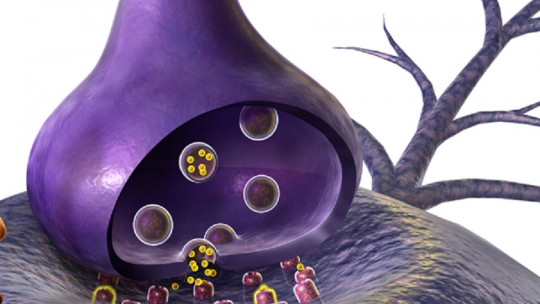
Which are the biomolecules that enable the exchange of information between the cells of the central nervous system (neurons). Thus, neurons communicate with each other through synapses, a chemical process that is possible thanks to the action of neurotransmitters.
There are different types of neurotransmitters in the brain. One of them is the one that includes indolamines, a group or family of neurotransmitters containing an indole group At a chemical level, the indole group (also called benzopyrrole) is a heterocyclic organic compound, solid and colorless.
Its structure is bicyclic, and it is formed by a six-membered ring (benzene), which joins another five member (pyrrole). Thus, indolamines constitute a family of brain neurotransmitters with the same molecular structure.
Types of Indolamines
Indolamines can be classified into two main types: serotonin and melatonin. Both are essential for maintaining health and homeostasis in the body.
1. Serotonin (5-Hydroxytryptamine)
Serotonin is the most well-known and studied indolamine. It is synthesized from tryptophan through a series of enzymatic reactions. Once produced, serotonin is released from nerve cells into synapses and binds to specific receptors on the target cells, influencing various functions.
Characteristics of Serotonin
- Mood Regulation: Serotonin is often referred to as the “feel-good” neurotransmitter because it plays a major role in mood regulation. It helps improve mood, reduce anxiety, and promote a sense of well-being.
- Appetite Control: Serotonin also influences appetite, helping to regulate food intake and satiety. High levels of serotonin are associated with reduced appetite, while low levels may lead to overeating.
- Sleep: Serotonin is involved in the regulation of the sleep-wake cycle. It is a precursor to melatonin, a hormone that helps control sleep patterns. Serotonin’s role in promoting wakefulness and alertness is crucial for maintaining a healthy sleep cycle.
- Cognitive Function: Research suggests that serotonin plays a role in cognitive functions such as learning, memory, and attention. It is believed that serotonin levels must be in balance for optimal brain function.
Disorders Linked to Serotonin
An imbalance in serotonin levels has been linked to various psychological and physical disorders, including:
- Depression: Low serotonin levels are commonly associated with depression. Many antidepressant medications, such as selective serotonin reuptake inhibitors (SSRIs), work by increasing serotonin availability in the brain.
- Anxiety Disorders: Insufficient serotonin can also contribute to anxiety and panic disorders. Serotonin helps regulate mood and emotional responses, so imbalances can exacerbate anxiety symptoms.
- Sleep Disorders: Serotonin’s role in sleep regulation means that abnormalities in serotonin levels can contribute to sleep disorders such as insomnia.
2. Melatonin
Melatonin is a hormone that is synthesized from serotonin, primarily in the pineal gland. Its production is regulated by light exposure, with levels rising in the evening and peaking during the night. Melatonin is most commonly known for its role in regulating the sleep-wake cycle, but it has other important functions as well.
Characteristics of Melatonin
- Regulation of Sleep-Wake Cycle: Melatonin helps signal the body that it is time to sleep by promoting drowsiness and lowering alertness. Its production is influenced by the circadian rhythm, the internal body clock that synchronizes sleep with the day-night cycle.
- Antioxidant Properties: Melatonin is known to have antioxidant effects, which help protect cells from oxidative damage caused by free radicals. This function plays a role in reducing inflammation and supporting overall cellular health.
- Immune System Regulation: Research indicates that melatonin also plays a role in immune system function. It has been shown to help regulate immune responses and may even support the body’s defense mechanisms against infections.
- Mood and Emotional Well-being: While melatonin is more directly associated with sleep regulation, it also has an indirect influence on mood and emotional well-being. Adequate sleep, facilitated by melatonin, is essential for maintaining balanced emotions and mental health.
Disorders Linked to Melatonin
Melatonin imbalances are often associated with sleep-related disorders, such as:
- Insomnia: Insufficient melatonin production, especially in older adults, can lead to difficulties falling and staying asleep. People with insomnia often turn to melatonin supplements to improve their sleep quality.
- Jet Lag: Traveling across time zones can disrupt the body’s natural production of melatonin, leading to jet lag. The use of melatonin supplements can help mitigate the symptoms of jet lag and re-establish a healthy sleep-wake rhythm.
- Seasonal Affective Disorder (SAD): The production of melatonin is influenced by light, and in regions with long winters and short days, individuals may experience increased melatonin production, leading to symptoms of depression. SAD is often treated with light therapy and, in some cases, melatonin supplementation.
The Role of Indolamines in Mental and Physical Health
Indolamines, particularly serotonin and melatonin, play vital roles in maintaining both mental and physical health. Their influence extends beyond mood regulation and sleep patterns, affecting cognitive function, appetite, and immune system response. An imbalance in these substances can lead to a wide range of health issues, from depression and anxiety to sleep disturbances and weakened immune responses.
How to Balance Indolamines
Maintaining a balance of indolamines is essential for overall well-being. Several lifestyle factors can influence serotonin and melatonin levels in the body, including:
- Diet: Eating foods rich in tryptophan, the precursor to serotonin and melatonin, can help maintain healthy levels of these neurotransmitters. Foods like turkey, eggs, nuts, and seeds are excellent sources of tryptophan.
- Exercise: Regular physical activity has been shown to increase serotonin levels in the brain. Exercise can also promote better sleep by helping to regulate melatonin production.
- Exposure to Natural Light: Light exposure, especially in the morning, can help regulate the production of both serotonin and melatonin. Sunlight helps boost serotonin levels, while limiting exposure to artificial light in the evening can enhance melatonin production.
- Sleep Hygiene: Practicing good sleep hygiene, such as maintaining a consistent sleep schedule and creating a sleep-friendly environment, can support melatonin production and improve sleep quality.
- Stress Management: Chronic stress can disrupt the balance of serotonin and melatonin. Techniques such as meditation, deep breathing exercises, and yoga can help reduce stress and maintain healthy levels of these essential neurotransmitters.
Indolamines, including serotonin and melatonin, are essential for maintaining various bodily functions, especially in the realms of mood, sleep, and overall health. Understanding their roles and how they are influenced by lifestyle factors can help individuals maintain balance and prevent health issues associated with imbalances in these neurotransmitters. By focusing on a healthy diet, regular exercise, and good sleep hygiene, individuals can support the optimal functioning of their indolamine systems and promote overall well-being.
FAQs About Indolamines
What are indolamines?
Indolamines are a group of neurotransmitters derived from the amino acid tryptophan. They include serotonin and melatonin, which play vital roles in regulating mood, sleep, and other physiological processes.
What is the function of serotonin?
Serotonin is primarily involved in mood regulation, appetite control, sleep-wake cycles, and cognitive functions such as learning and memory.
How does melatonin affect sleep?
Melatonin helps regulate the sleep-wake cycle by promoting drowsiness and facilitating sleep onset. Its production increases in the evening and peaks at night, signaling to the body that it is time to sleep.
What can happen if serotonin levels are too low?
Low serotonin levels can lead to mood disorders such as depression, anxiety, and sleep disturbances. It may also contribute to overeating or difficulty focusing.
Can melatonin supplements help with sleep disorders?
Yes, melatonin supplements are often used to treat sleep disorders such as insomnia and jet lag. They can help regulate the sleep-wake cycle and improve sleep quality.
Use this citation format to reference the article clearly and help readers find the original source.
PsychologyFor. (2025). Indolamines: What They Are, Types and Characteristics. PsychologyFor. https://psychologyfor.com/indolamines-what-they-are-types-and-characteristics/