


Have you ever taken a moment to step back and examine your own thoughts, feelings, or motivations? This internal examination is called introspection, a powerful concept that has shaped psychology for over a century. More than just reflection or self-awareness, introspection has been used as a research method, a therapeutic tool, and a means of deepening our understanding of the human mind. Whether you’re exploring your own emotional patterns or trying to understand the roots of a psychological theory, introspection offers a window into the workings of consciousness.
In a world filled with external noise and distractions, introspection brings our attention inward. It asks us to pause and observe—not just what we do, but why we do it. And though its role in modern psychology has evolved, its essence remains a cornerstone of mental health, self-development, and scientific inquiry. This article explores what introspection truly is, how it’s been applied in psychology, its limitations, and its modern relevance in therapeutic practices and everyday life.
Defining Introspection in Psychology
Introspection is the process of examining one’s own conscious thoughts and feelings. It involves looking inward to assess what we are experiencing in the present moment—whether it be an emotion, a memory, or a mental image. Unlike simply daydreaming or zoning out, introspection is a deliberate and systematic effort to understand internal mental states.
In psychological terms, introspection can be both a method of inquiry and a personal practice. As a method, it was one of the earliest tools used by psychologists to study the mind scientifically. As a practice, it can be part of mindfulness, journaling, therapy, or even spiritual reflection. Introspection helps illuminate patterns, triggers, and deeply rooted beliefs that often go unnoticed in the rush of everyday life.
The Historical Roots of Introspection
Introspection played a central role in the early development of psychology. In the late 19th century, psychology was transitioning from philosophy into a formal scientific discipline. During this time, German psychologist Wilhelm Wundt—often considered the father of experimental psychology—used introspection to study the structure of the mind.
Wundt’s method involved trained observers describing their mental experiences in response to various stimuli. These observers would report sensations, emotions, and thoughts with great precision, aiming to uncover the building blocks of consciousness. This approach, known as structuralism, assumed that the mind could be broken down into basic elements just as chemicals could.
However, Wundt’s introspective method was soon criticized for being too subjective and unreliable. American psychologist William James, although supportive of studying consciousness, favored a more functional approach—focusing on how thoughts and feelings help us adapt to our environment rather than what they are made of.
Despite its decline in scientific credibility during the rise of behaviorism in the early 20th century, introspection remained influential in clinical and humanistic psychology.

Introspection in Psychology
The etymological breakdown of the term “introspection,” which comes from Latin, suggests an observation that departs from the external course of events to focus on the way they are perceived, as well as the subtle nuances of emotion that emerge as a result of this whole process. It involves a deliberate pause in the natural flow of what happens outside, in order to strengthen awareness of internal events that usually go unnoticed.
As a method of analysis of the human fact, is indivisible from the process through which Psychology was emancipated from Philosophy, which is based on the attentive reflection of reality in order to extract the truth that lies behind it. Thus, the first steps of this discipline were debated, making their way through the inner darkness through the light of subjectivity. It was assumed, therefore, that the person constituted both the end and the method of his sphere of knowledge.
The arrival of positive currents in science was a huge turning point, assuming that the natural and human disciplines had to accommodate the objectivity of physics or chemistry, if they intended to form a corpus of knowledge worthy of being incorporated into the scientific heritage. In this epistemological context, Psychology needed to retrace its path and henceforth travel along the path of the tangible.
In this same sense, the first half of the 20th century was dominated by behaviorism as an almost unique paradigm, focusing the object of study on the acts that human beings displayed in their natural environment. Overt behavior became the basic unit of knowledge and all efforts were directed to exploring those factors that promoted its onset or maintenance, as well as the contingencies on the subject that could arise from it.
After many decades of solid empiricism, the second half of the 20th century witnessed the birth of Cognitive Psychology. This claimed the relevance of thoughts and emotions as phenomena worthy of study, complementing with their inclusion the mechanistic equation proposed by original behaviorism (and which is far from the current conceptions of this same line of thought).
In this historical context, introspection was once again raised as a resource for clinical work and research, articulating a succession of structured methodologies through which every individual could adopt the role of active observer of his own internal processes capturing realities whose idiosyncrasies were not fully resolved under the protection of objective analyzes of behavior.
History of scientific introspection
The first uses of introspection as a method in the field of Psychology took place in the city of Leipzig (in East Germany), and more specifically with the help of Wilhelm Wundt and his Experimental Psychology laboratory. The purpose of this author, at the end of the 19th century, lay in the study of immediate experience (conscious internal processes of the human being in his reaction to the environment), as opposed to the mediate experience (which would consist of the objective measurement of stimuli, dependent on physics).
In this sense, introspection was the only valid tool for the study of phenomena that depended on Psychology. Even so, this era was enriched with the use of the technologies of the time, through which reaction time or lexical association was evaluated and a certain control was imposed on the presentation of the experimental stimulus, including electrophysiological measurements from which infer (as objectively as possible) the internal processes.
Another fundamental author, who made use of the introspective method from phenomenology, was Franz Brentano. He would have a particular interest in studying human thinking, so he would opt for the analysis of the internal processes that are triggered when solving a problem. According to Brentano, what would differentiate psychological phenomena from purely physical ones would be the intentionality of the former.
Like Wundt, he would separate Physics from Psychology alluding to the nuance of human perception. Most of the activity of the phenomenological current would be carried out in the Würzburg school (Bavaria, Germany), specifically through the method of retrospective introspection. In this, the experimental subject had to remember a posteriori what higher order processes he needed to resolve a complex, highly structured and replicable situation.
Introspection in Cognitive and Neuroscientific Research
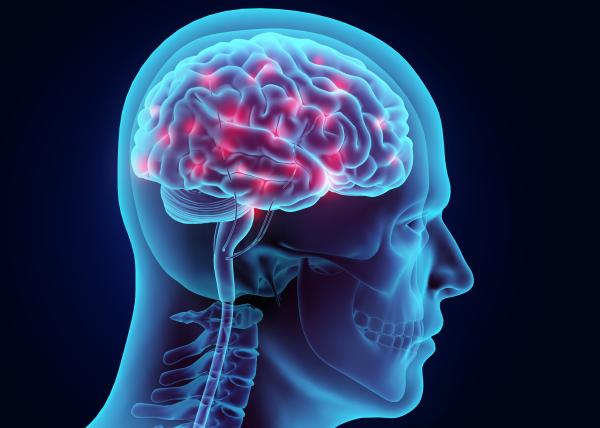
In recent years, the study of introspection has evolved with the help of cognitive science and neuroscience. Researchers are now able to combine self-report with brain imaging and behavioral tasks to better understand how people become aware of their own mental states.
For example, metacognitive research explores how accurately people can judge their own knowledge or decision-making. This has implications for education, mental health, and even artificial intelligence.
Brain imaging studies have also identified areas of the brain, such as the prefrontal cortex, that are involved in introspective thought. This research suggests that introspection is not just a philosophical concept, but one that is deeply tied to our neural architecture.
Some studies even suggest that training in introspection—through mindfulness or meditation—can alter brain function and structure over time, enhancing attention, emotional regulation, and self-awareness.
The Role of Introspection in Early Psychological Theories
Structuralism
Wundt’s method of introspection became central to the school of structuralism, which aimed to break down mental processes into their most basic components. By using introspection, structuralists believed they could dissect the structure of conscious experiences, including sensations, thoughts, and emotions.
Functionalism
Contrary to structuralism, functionalism —a school of thought founded by William James—focused on how mental processes function rather than their structure. While introspection was still a tool, functionalists were more concerned with the purpose of thoughts and feelings rather than breaking them down into individual elements.

How Introspection is Used in Therapy
Today, introspection plays a significant role in therapeutic practices, though not in the strict experimental sense that Wundt imagined. Instead, it is used as a tool for self-awareness, emotional regulation, and personal growth.
In therapy, introspection may involve:
- Identifying emotional patterns: Recognizing recurring feelings or triggers that contribute to anxiety, depression, or conflict.
- Exploring underlying beliefs: Questioning assumptions about self-worth, relationships, or control.
- Making meaning of experiences: Reflecting on life events to understand how they shaped current behaviors or emotional responses.
- Practicing mindfulness and presence: Becoming more aware of the current moment and one’s reactions to it without judgment.
Therapeutic models such as Cognitive Behavioral Therapy (CBT) and Psychodynamic Therapy incorporate introspective techniques. In CBT, clients are often asked to journal or examine their thoughts for cognitive distortions. In psychodynamic therapy, introspection helps uncover unconscious motivations and past experiences that shape present behavior.
Introspection becomes a bridge between the conscious and unconscious, helping individuals access parts of themselves that are often hidden beneath automatic responses.
How Is Introspection Used in Modern Psychology?
In modern psychology, introspection is no longer considered a scientific method of research due to its subjective nature, but it is still widely used as a therapeutic tool and as a means of fostering self-awareness. Let’s explore some of the ways introspection is applied today.
Introspection continues to be an object of interest in modern Psychology. Thus, there are therapeutic approaches that make use of it (directly or indirectly) as a method of evaluation and/or intervention; Some examples being therapy based on mentalization, mindfulness (full or conscious attention) and cognitive restructuring.
From now on we will evaluate the use they make of introspection in each of these cases, considering that in some of them it is usually complemented by the use of other more objective methods of analysis.
Therapy based on Mentalization
Therapy based on Mentalization is a psychodynamic procedure, which was originally conceived to address serious mental health problems, such as borderline personality disorder (BPD) or schizophrenia. Despite its extension in many areas of the world, it is not a strategy that has spread in Spanish-speaking countries, which is why the original manuals on the issue (published at the beginning of the century) have not been translated into this language.
Therapy based on Mentalization involves accentuating the importance of all internal processes when explaining behavior. Through the technique, the aim is for the person to interpret every other person’s act based on processes such as thought and emotions, which makes it possible to predict the reactions of others and attribute a lower burden of blame to interpersonal situations in which a grievance.
The model understands that, in order to control the symptoms associated with these disorders; the person must strengthen his or her self-awareness (or oneself) to identify, manage and express affects in a more appropriate way; since it would be possible that metacognition about these would be diluted in moments of high relational tension. It supposes, therefore, a self-awareness aimed at understanding what happens inside to improve what happens outside.
The original authors of this procedure (Bateman and Fonagy) locate the internal difficulties of these patients in the development of an insecure attachment during childhood, which would make it difficult to acquire basic skills for managing emotion and behavior. Despite this, they consider that they can be developed in adult life through a deliberate and intentional effort, aimed at understanding the springs of experience.
Mindfulness
Mindfulness is a form of meditation that comes from Buddhist traditions. It was stripped of its religious nuances for its adaptation to the Western context, initially as a therapy for pain control (formulated by Jon Kabat-Zinn). Today, however, it has many different therapeutic applications.
Among its premises, full attention stands out not only to the situations that surround us, but also to our own internal processes. In this sense, it deliberately seeks what has become known as the “witness mind”, through which a deep awareness of the internal discourse is assumed in a way that the individual detaches himself from any attempt at identification with it. Thus, the person would not be an emotion or a thought, but a sentient and conscious being that thinks and gets emotional.
Cognitive restructuring
Cognitive restructuring pursues a series of objectives that involve the use of introspection.
Firstly, it aims for the patient to understand the key role of what they think on what they feel and do. Second, look for the detection of maladaptive schemas and cognitive distortions that are associated with the experience of discomfort. Finally, it pursues the implementation of a critical attitude aimed at modifying thought to a more objective and rational one.
The development of this entire process involves the use of self-records on paper, with spaces that are reserved for the relevant variables (situation, thought, emotion and behavior), and that are completed after an event that triggers the emotional distress occurs ( sadness, fear, etc.). This is a form of retrospective introspection, through which the level of awareness of internal processes subject to a high degree of automation increases.
The practice of cognitive restructuring strategies provides the ideal context for self-knowledge, as well as for the discovery of the causes of our discomfort, beyond the situations that we live in. It therefore supposes an approach to the domain of the cognitive, a form of introspection that allows us to acquire control of our emotional life through the process of interpreting the things that happen to us.

7 Benefits of Introspection
1. Enhanced Self-Awareness
Through introspection, we develop a clearer understanding of who we are. This includes our strengths, weaknesses, values, and goals. Self-awareness allows us to align our actions with our authentic selves, fostering a sense of purpose and fulfillment.
2. Improved Emotional Intelligence
Introspection helps us identify and process our emotions, making it easier to understand how they influence our actions. By doing so, we can respond to situations more thoughtfully and empathetically, improving our relationships with others.
3. Better Decision-Making
When we take the time to analyze our thoughts and feelings, we gain clarity about what truly matters to us. This self-understanding enables us to make decisions that align with our long-term goals and values.
4. Greater Resilience
By reflecting on past experiences and understanding how we coped, we can identify strategies that help us navigate future challenges. Introspection builds mental and emotional resilience by teaching us how to learn from setbacks.
5. Reduced Stress and Anxiety
Taking a moment to pause and reflect can be a powerful tool for managing stress. Introspection allows us to identify the root causes of our anxiety and develop healthier coping mechanisms.
6. Stronger Interpersonal Relationships
When we understand ourselves better, we’re more equipped to communicate our needs and feelings to others. Introspection fosters empathy and patience, both of which are essential for building and maintaining healthy relationships.
7. Continuous Personal Growth
Introspection is a cornerstone of personal development. By regularly assessing our inner world, we can recognize areas for improvement and take proactive steps toward becoming the best version of ourselves.
Introspection allows us to see those parts of ourselves that are inside us. In this way, thanks to a introspective method, we have the ability to analyze ourselves better and fight to be our best version. In many cases, consulting with a psychology professional can help you do this.
Challenges and Limitations of Introspection
While introspection has its advantages, it also comes with certain limitations. It’s not always easy to objectively assess one’s own thoughts and feelings, and introspection can sometimes lead to inaccurate conclusions.
Subjectivity and Bias
Because introspection relies on subjective experience, it can be prone to bias. Individuals may distort their memories or perceptions, leading to a skewed view of their inner experiences.
Overthinking and Rumination
For some, excessive introspection can lead to overthinking or rumination. Instead of gaining clarity, individuals may become stuck in negative thought patterns, causing anxiety or depression.
Lack of Scientific Objectivity
In the field of research, introspection is not considered a scientific method due to its lack of objectivity and replicability. As individuals’ thoughts and feelings are deeply personal and unique, they cannot be easily measured or compared.
Introspection in Everyday Life
While we may not all be scientists or therapists, introspection has real-world value in our everyday decisions, relationships, and sense of identity. It can help us understand why we snapped at a friend, why we feel unfulfilled in a career, or why we avoid certain situations.
Used wisely, introspection can:
- Improve emotional regulation: By identifying triggers before reacting.
- Enhance communication: By expressing needs and feelings more clearly.
- Clarify values and goals: By aligning actions with what truly matters.
- Strengthen relationships: By recognizing how our behavior affects others.
However, it’s important to approach introspection with curiosity rather than judgment. The goal isn’t to find all the “right” answers but to become more attuned to your inner world and make intentional choices based on that awareness.
The Role of Introspection in Self-Development
Beyond therapy, introspection is a vital tool for personal development and emotional intelligence. People who regularly engage in introspection tend to be more empathetic, self-aware, and better at managing interpersonal relationships. They are also more likely to set meaningful goals and pursue purposeful change.
Some examples of introspective practices include:
- Journaling: Writing about thoughts, emotions, and daily events to detect themes or emotional shifts.
- Meditation: Observing thoughts and sensations without reacting, leading to increased awareness and self-regulation.
- Art or music reflection: Creating or analyzing works as a way of understanding inner experiences.
- Daily check-ins: Asking oneself questions like “What am I feeling right now?” or “Why did I react that way?”
Regular introspection encourages metacognition, or thinking about one’s own thinking. This level of reflection can lead to breakthroughs in understanding and changes in behavior that would be difficult to achieve without self-examination.

Criticisms and Limitations of Introspection
Despite its many benefits, introspection has important limitations—especially when used as a scientific method.
One of the main criticisms is that it is inherently subjective. People may not accurately report their thoughts or emotions due to bias, memory distortion, or lack of self-awareness. Additionally, some mental processes occur unconsciously and are not accessible through introspection at all.
Another challenge is that introspection can sometimes lead to overthinking or rumination, especially in individuals prone to anxiety or depression. In such cases, constantly analyzing one’s feelings may amplify distress rather than reduce it.
Psychologists also caution that not all people benefit equally from introspective practices. Cultural background, personality traits, and even neurological differences can influence how introspection is experienced and whether it is helpful.
Modern psychology recognizes that introspection should be balanced with external feedback, behavioral observation, and practical action to create meaningful change.
FAQs About Introspection in Psychology
What is the difference between introspection and self-awareness?
While closely related, introspection is a process, whereas self-awareness is a state. Introspection involves deliberately examining thoughts and feelings, while self-awareness is the overall ability to recognize oneself as an individual with distinct thoughts and emotions.
Can introspection be harmful?
Yes, introspection can become harmful if it leads to rumination or obsessive thinking. When introspection turns into self-criticism or anxiety over the past, it may do more harm than good. Structured reflection, guided therapy, or mindfulness techniques can help keep it constructive.
Is introspection the same as meditation?
Not exactly. Introspection focuses on analyzing mental content, while meditation—especially mindfulness meditation—emphasizes observing thoughts without judgment. However, some forms of meditation do encourage self-inquiry, which overlaps with introspective techniques.
How can I become better at introspection?
To improve at introspection, practice asking yourself open-ended questions, maintain a reflective journal, and seek feedback from others to balance your inner perceptions. Mindfulness training and cognitive behavioral techniques can also support deeper self-exploration.
Do all cultures value introspection equally?
No, cultural differences play a role in how introspection is perceived and practiced. Individualistic cultures may emphasize personal insight and self-discovery, while collectivist cultures may focus more on social harmony and external behavior. This affects how introspection is used and interpreted across societies.
By citing this article, you acknowledge the original source and allow readers to access the full content.
PsychologyFor. (2025). Introspection: What is it and How is it Used in Psychology?. https://psychologyfor.com/introspection-what-is-it-and-how-is-it-used-in-psychology/