

See more of our articles in your search results.
Phobias are irrational and disproportionate fears of stimuli or situations that are generally not harmful, or if they are, they are not harmful enough to generate those high doses of fear. There are thousands of different phobias. In this article we will know one of them, Katsaridaphobia, which consists of the intense fear of cockroaches.
Many people find cockroaches unpleasant, but for individuals with katsaridaphobia, the fear goes far beyond mere disgust. This intense, overwhelming fear of cockroaches can impact daily life, leading to avoidance behaviors and significant stress. Whether you’re living with katsaridaphobia or trying to support someone who is, understanding this condition is the first step toward managing it.
We will learn what exactly this phobia consists of, what its typical symptoms are, its most frequent causes and the treatments that are usually used to treat it. In addition, we will review the types of phobias proposed by the DSM-5 (Diagnostic Manual of Mental Disorders).
Phobias: what are they?
Typical symptoms of a phobia (called a simple phobia or specific phobia) include this intense fear coupled with great anxiety when the stimulus is presented (or even when imagined), avoidance of the stimulus in question (or coping/resistance with high levels of anxiety) and an affectation of the global functioning of the individual who suffers from the phobia.
The diagnostic criteria to consider that you suffer from a specific phobia according to the DSM-5 (Diagnostic Manual of Mental Disorders), also include anxiety, fear or avoidance existing for at least 6 months or more.
How many of these have you been "meaning to read" for months?
- 1
 American Psychiatric AssociationDiagnostic and Statistical Manual of Mental Disorders, Text Revision Dsm-5-trGeneric jeufunListen Free On Audible
 - 2
 PenguinThe Body Keeps the ScoreBrain, Mind, and Body in the Healing of TraumaListen Free On Audible
 - 3
 TyndaleThe Life-Changing Art of Self-Brain SurgeryConnecting Neuroscience and Faith to Radically Transform Your LifeListen Free On Audible
Guys
There are phobias for practically all possible stimuli, objects or situations. Specifically, The DSM-5 classifies specific phobias into 5 groups depending on the type of stimulus feared:
Katsaridaphobia would be classified as an animal phobia, since the stimulus that is feared in this case is cockroaches (a type of insect).
Katsaridaphobia: what is it?
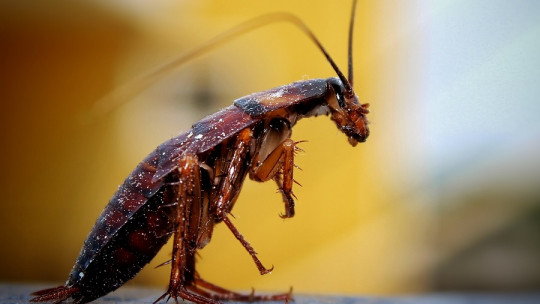
Thus, katsaridaphobia is a type of specific phobia for which cockroaches are feared. Cockroaches are also called “blatodeos”, and they are a type of insect with a flattened body, which usually measure between 3 and 7.5 cm long. Within the group of “blatodeos” or cockroaches, termites are also included, for example.
Katsaridaphobia, derived from the Greek word katsarida (cockroach), refers to an irrational and persistent fear of cockroaches. Unlike typical aversion to these pests, this phobia triggers extreme fear or anxiety even when there’s no immediate threat.
The irrational fear of cockroaches is related to our ancestors’ survival attempts when they were exposed to animals that could pose a threat; In this case, however, katsaridaphobia is rather related to the fear of stimuli that generate disgust, like many other related phobias (fear of small insects, ants, rotten food, mice, dead bodies) state of decomposition, etc.).
In this way, although we “know” that cockroaches cannot cause us serious harm (since they are usually very small and harmless), people who suffer from katsaridaphobia They feel such an excessive feeling of disgust towards them that they feel panic when they see them, they keep them close or touch them (especially if they appear in their houses, rooms, etc.).
This “fear or rejection of disgust” is also related to the fear of contamination or contracting some type of disease, and that is why the origin of katsaridaphobia, as we will see later, may also be related to ancestral survival mechanisms.
Symptoms
Symptoms of katsaridaphobia as a specific phobia that it is, are the following:
1. Fear or intense anxiety
The main symptom of katsaridaphobia is an intense fear or anxiety of cockroaches. Like all specific phobias, fear is delimited to a specific and well-specified stimulus, object or situation (although this delimitation may vary from one phobia to another); in this case, the specific phobic stimulus is cockroaches
You can fear the simple fact of witnessing a cockroach; It is common for us to find this type of insects in the countryside, in the home itself (under the bed, between closets or furniture, etc.) or in other contexts.
2. Avoidance or resistance
The second symptom of katsaridaphobia is an avoidance of situations that may involve seeing or being approached by a cockroach. Avoidance is also extrapolated to the situation of seeing them, that is, We see them and we have to run away because we cannot “stand” that fear or anxiety
If avoidance does not occur, active resistance to the stimulus occurs, with exaggerated and immediate fear or anxiety; That is, the presence of cockroaches is faced or resisted but with a great feeling of discomfort.
3. Disproportionate fear or anxiety
Very similar to the first symptom, in katsaridaphobia the individual manifests disproportionate fear or anxiety; This means that they occur in the face of an unreal danger or a danger that is not serious enough to explain said symptoms.
Furthermore, also They are disproportionate symptoms in relation to the sociocultural context in which the person with katsaridaphobia is located.
4. Persistent fear or anxiety
Furthermore, this fear or anxiety of cockroaches persists over time, for at least 6 months. This period of time must pass with symptoms in order to be diagnosed with katsaridaphobia, according to the DSM-5.
5. Major discomfort
The above symptoms end up causing remarkable discomfort in the person, which affects the functioning of their daily life, interfering with it. In this way, either there is significant discomfort, or deterioration occurs in one or more areas of the patient’s life (work, social, personal…)
Causes
The causes of katsaridaphobia, as we have mentioned, are believed to be related to an ancestral survival mechanism in the face of stimuli that produce disgust (since this mechanism helped prevent the contraction of diseases, for example). This ancestral mechanism is extrapolated to other stimuli (other types of insects, spoiled food with unpleasant odors, etc.).
On the other hand, it is known that cockroaches usually live in dark and warm areas. It is likely that a person who develops katsaridaphobia has been in low-light situations and has had a cockroach brush against their skin, causing an uncomfortable or disgusting sensation. This situation can lead to such a high feeling of disgust that it ends up giving rise to katsaridaphobia itself.
In both cases, katsaridaphobia originates as an adaptive and therefore evolutionary response of the organism thus, we know that our ancestors had evolutionary mechanisms that allowed them to be alert to animals or even cockroaches, when they slept in caves or dark places.
Finally, katsaridaphobia also can originate from vicarious experiences (observing another person with a cockroach phobia suffering), traumatic experiences with the insect or even having a genetic predisposition to suffer from this type of phobia.
Traumatic Experiences
A frightening encounter with cockroaches during childhood or adulthood can leave a lasting impression, leading to phobia development.
Learned Behavior
Observing others (such as parents or peers) reacting fearfully to cockroaches can instill the same response.
Cultural or Societal Influences
In some cultures, cockroaches are associated with dirtiness or disease, reinforcing fear.
Biological Factors
Some people may be genetically predisposed to anxiety disorders, making them more susceptible to phobias.
Impact of Katsaridaphobia
Living with katsaridaphobia can severely affect one’s quality of life. It may limit activities such as traveling, dining out, or visiting certain places. In extreme cases, even the thought of cockroaches can cause distress, making relaxation difficult.
Diagnosing Katsaridaphobia
Clinical Assessment
A mental health professional typically diagnoses katsaridaphobia by evaluating the intensity, frequency, and impact of the fear.
DSM-5 Criteria for Specific Phobias
To qualify as a specific phobia, the fear must be disproportionate, persistent (lasting six months or more), and significantly interfere with daily life.
Treatment for Katsaridaphobia
Treatments for katsaridaphobia include psychological therapy; as in most specific phobias, techniques of exposure to the phobic stimulus and systematic desensitization (SD) are usually used, along with cognitive restructuring techniques.
Thus, katsaridaphobia can be overcome. For example, if we use systematic desensitization or exposure techniques, we can gradually present the patient with images or photos of cockroaches. Progressively, the phobic stimulus will become more and more phobic for him (the therapist will previously develop a hierarchy of items with the patient); The next step may be that the patient must approach a dead cockroach and even touch it.
Afterwards, you can do the same with a live cockroach. Ideally, the last items of the SD or exposure techniques will include situations where the patient must remain in a room or room with the cockroaches without fleeing and without experiencing anxiety (or presenting tolerable levels of it).
The ultimate goal is for the patient with katsaridaphobia to stop experiencing symptoms of fear and anxiety when they see cockroaches, and that your body does not react by overactivating itself to such situations or stimuli thus uncoupling the phobic stimulus from the physiological symptoms.
Therapy Options
Cognitive-Behavioral Therapy (CBT)
CBT helps individuals identify and challenge irrational thoughts about cockroaches, replacing them with healthier perspectives.
Exposure Therapy
In a controlled setting, exposure therapy gradually introduces the individual to cockroach-related stimuli, helping desensitize them to their fear.
Medications
- Anti-Anxiety Medications: To manage acute episodes of anxiety.
- Beta-Blockers: To reduce physical symptoms like a racing heart.
Self-Help Strategies
Mindfulness and Relaxation Techniques
Practices such as deep breathing, meditation, or yoga can reduce overall anxiety levels.
Gradual Desensitization
Exposing yourself to cockroach-related images or videos in a safe, controlled manner can help lessen fear over time.
Support Groups
Connecting with others who share similar experiences can provide encouragement and coping tips.
Preventing Katsaridaphobia
While it’s not always possible to prevent phobias, reducing exposure to traumatic experiences and addressing anxiety early on can help. Maintaining a clean environment and employing regular pest control measures may also alleviate some fears.
How to Support Someone with Katsaridaphobia
Be Empathetic
Recognize that their fear is real, even if it seems irrational to you.
Avoid Triggers
Help create a safe environment by addressing areas where cockroaches might appear.
Encourage Professional Help
Gently suggest seeking therapy or counseling if their phobia significantly impacts daily life.
When to Seek Help
If katsaridaphobia prevents you from enjoying life or functioning normally, professional help can make a significant difference. There’s no shame in seeking support; phobias are treatable, and progress is possible with the right approach.
FAQs about Katsaridaphobia
What is katsaridaphobia?
Katsaridaphobia is an intense and irrational fear of cockroaches that can interfere with daily life.
How does katsaridaphobia differ from a general dislike of cockroaches?
While many people find cockroaches unpleasant, katsaridaphobia triggers extreme fear, anxiety, and avoidance behaviors, even in non-threatening situations.
Can katsaridaphobia go away on its own?
In some cases, mild fears may diminish over time. However, persistent phobias often require therapy or professional intervention.
Is exposure therapy effective for katsaridaphobia?
Yes, exposure therapy is one of the most effective treatments, as it helps individuals gradually overcome their fear in a controlled environment.
Are there medications for katsaridaphobia?
Yes, medications such as anti-anxiety drugs and beta-blockers can help manage symptoms, but they are usually combined with therapy for long-term improvement.
Use this citation format to reference the article clearly and help readers find the original source.
PsychologyFor. (2024). Katsaridaphobia (fear of Cockroaches): Symptoms, Causes and Treatment. PsychologyFor. https://psychologyfor.com/katsaridaphobia-fear-of-cockroaches-symptoms-causes-and-treatment/