

See more of our articles in your search results.
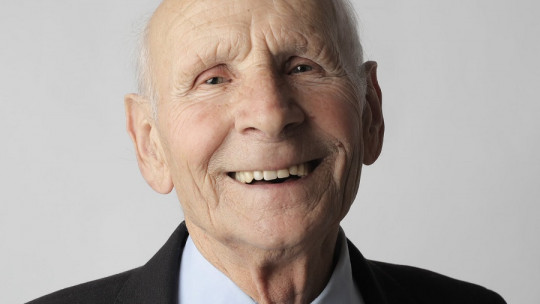
Late adulthood, often referred to as the “golden years,” is a significant phase of life that encompasses the later stages of aging, typically beginning around age 65 and continuing through the rest of an individual’s life. This period is marked by various physical, emotional, and cognitive changes that can significantly impact an individual’s life experiences and quality of life.
Understanding the characteristics of late adulthood, along with how it affects us, is crucial for recognizing the challenges and opportunities this stage presents. In this article, we will delve into the key features of late adulthood, the physical and psychological changes that occur, and the factors that influence how individuals navigate this stage of life.
What is Late Adulthood?
Late adulthood refers to the final stage of human development, which spans from approximately 65 years of age onwards. This stage follows middle adulthood and involves a period of reflection, adjustment, and, for many, retirement. It can be a time of continued growth and fulfillment, but also presents challenges as individuals cope with the realities of aging, health concerns, and life transitions.
People in late adulthood may experience changes in various aspects of their lives, including:
- Physical health
- Cognitive abilities
- Emotional well-being
- Social relationships
This stage of life is often associated with significant life milestones such as retirement, the loss of loved ones, changes in living arrangements, and an increased focus on personal reflection and legacy.
How many of these have you been "meaning to read" for months?
- 1
 TarcherThe Artist's Way30th Anniversary EditionListen Free On Audible
 - 2
 New Harbinger PublicationsThe Dialectical Behavior Therapy Skills WorkbookPractical DBT Exercises for Learning Mindfulness, Interpersonal Effectiveness, Emotion Regulation...Listen Free On Audible
 - 3
 New Harbinger PublicationsAdult Children of Emotionally Immature ParentsHow to Heal from Distant, Rejecting, or Self-Involved ParentsListen Free On Audible
Key Characteristics of Late Adulthood
While each individual experiences late adulthood differently, several general characteristics are common in this stage of life.
1. Physical Changes
Aging inevitably brings about physical changes in the body. These changes may affect mobility, energy levels, and overall health. Some of the most common physical changes in late adulthood include:
- Decreased physical strength and stamina: With age, muscle mass decreases, and bones become more fragile, leading to reduced strength and increased susceptibility to falls or injuries.
- Vision and hearing impairments: Vision may decline, leading to conditions such as cataracts or macular degeneration. Hearing loss is also common, with many elderly individuals experiencing difficulty hearing high-pitched sounds or understanding speech in noisy environments.
- Reduced metabolism: The metabolism slows down with age, which can lead to weight gain and changes in dietary needs.
- Chronic conditions: Older adults are more likely to experience chronic health conditions, such as arthritis, heart disease, diabetes, or osteoporosis, which can affect daily functioning and independence.
2. Cognitive Changes
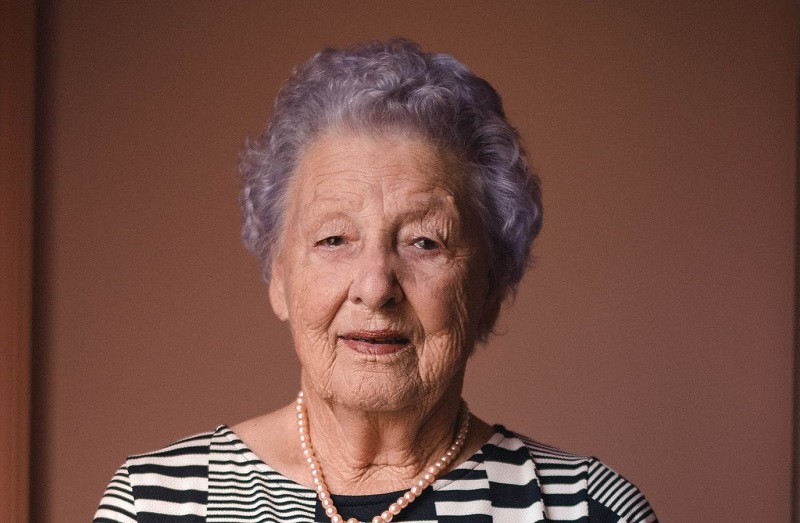
Cognitive functions, such as memory, attention, and processing speed, may begin to decline as part of the natural aging process. However, the extent of cognitive decline varies widely among individuals. Some of the cognitive changes associated with late adulthood include:
- Memory decline: Short-term memory and the ability to recall new information may be affected, although long-term memory, especially for events that occurred earlier in life, often remains intact.
- Slower information processing: Older adults may take longer to process new information and make decisions, but this is typically not indicative of serious cognitive disorders.
- Risk of cognitive disorders: In some cases, cognitive decline may progress to more serious conditions such as dementia or Alzheimer’s disease, which affect memory, thinking, and daily functioning.
3. Emotional and Social Changes
Late adulthood often involves significant emotional and social adjustments as individuals navigate the challenges and transitions of aging. Some key emotional and social changes in late adulthood include:
- Increased introspection: This stage of life often leads to greater self-reflection as individuals assess their achievements, relationships, and life choices. Many individuals experience a sense of fulfillment and contentment, while others may struggle with regrets or unfinished goals.
- Dealing with loss: As people age, they may experience the loss of friends, family members, or spouses. Coping with grief and maintaining meaningful social connections becomes an important aspect of emotional well-being in late adulthood.
- Social isolation: Some older adults may face social isolation due to mobility issues, loss of loved ones, or limited social engagement. Social isolation can contribute to feelings of loneliness and depression.
- Adaptation to retirement: Retirement marks a major transition in late adulthood, and individuals may need to adjust to a new sense of purpose and identity. Some may embrace retirement as a time for leisure and personal pursuits, while others may struggle with feelings of loss or lack of purpose.
4. Sense of Purpose and Legacy
Many individuals in late adulthood begin to focus on leaving a legacy or contributing to their communities. This can be a time of greater community involvement, mentoring younger generations, and engaging in volunteer work or hobbies that bring fulfillment. Having a sense of purpose in later life has been shown to contribute to better physical and mental health, as it provides motivation and meaning.
How Late Adulthood Affects Us
The transition into late adulthood can bring a variety of challenges, but it can also provide opportunities for personal growth, reflection, and deeper connections with others. Here are some ways late adulthood can affect individuals:
1. Changes in Daily Living
As people age, they may find it more difficult to perform activities of daily living (ADLs) such as dressing, bathing, cooking, and cleaning. This can impact independence, and many older adults may need assistance from family members, caregivers, or healthcare providers to maintain their quality of life.
2. Health and Wellness Concerns
With the aging process comes an increased likelihood of developing health issues. Chronic conditions, physical disabilities, and sensory impairments may require individuals to make adjustments to their lifestyle and daily routines. Regular health monitoring, medication management, and a focus on healthy habits become important to maintaining well-being.
3. Psychological Impact
The aging process can have a psychological impact, as individuals may experience feelings of vulnerability, anxiety about the future, or depression. It’s common for older adults to feel concerned about losing their independence or facing health challenges. Mental health support, counseling, and maintaining strong social connections can help mitigate some of these emotional challenges.
4. Intergenerational Relationships
Late adulthood often involves changes in family dynamics, as older adults become grandparents, great-grandparents, or experience the role reversal of caring for their own parents. Maintaining close relationships with family members, especially younger generations, can help foster a sense of connection and purpose.
5. Focus on Legacy and Meaning
For many older adults, late adulthood is a time of reflection and a desire to leave behind a meaningful legacy. This can involve passing on wisdom, sharing life experiences with others, and ensuring that their values and beliefs are carried forward by future generations.
Late adulthood is a unique and multifaceted stage of life that comes with both challenges and opportunities. While physical and cognitive changes are inevitable, many individuals find fulfillment in reflecting on their past, connecting with loved ones, and contributing to society. A positive mindset, strong social support, and a sense of purpose can all help individuals navigate the complexities of aging with resilience and grace.
In recognizing the characteristics of late adulthood, we can better understand the needs and experiences of older adults and provide support for this important stage of life. Ultimately, the journey through late adulthood is personal, and how we approach it can greatly influence our overall quality of life and well-being.
FAQs
What are the main challenges of late adulthood?
The main challenges of late adulthood include physical decline, cognitive changes, emotional adjustment to loss, and dealing with social isolation. Health problems, loss of independence, and changes in daily routines can also impact quality of life.
How can I improve my mental health in late adulthood?
Maintaining strong social connections, engaging in meaningful activities, exercising regularly, and seeking mental health support when needed can improve overall well-being in late adulthood. It’s also important to focus on building a sense of purpose and maintaining an optimistic outlook.
Is it normal to experience cognitive decline in late adulthood?
Some degree of cognitive decline is normal as we age, particularly in areas like memory and processing speed. However, significant memory loss or confusion may indicate cognitive disorders such as dementia, and it’s important to seek medical advice if you or a loved one experiences these symptoms.
How can I stay socially engaged in late adulthood?
Staying socially engaged in late adulthood can involve joining clubs, participating in community events, volunteering, or maintaining regular contact with friends and family. Social engagement is crucial for emotional well-being and can help combat feelings of isolation and loneliness.
What is the role of legacy in late adulthood?
Many individuals in late adulthood focus on leaving a legacy by passing down wisdom, sharing life experiences, and contributing to their families and communities. This sense of purpose and connection is associated with better mental health and life satisfaction.
Use this citation format to reference the article clearly and help readers find the original source.
PsychologyFor. (2025). Late Adulthood: What it Is, Characteristics and How it Affects Us. PsychologyFor. https://psychologyfor.com/late-adulthood-what-it-is-characteristics-and-how-it-affects-us/