

See more of our articles in your search results.
Last spring, a young woman walked into my office carrying the weight of something she couldn’t quite articulate. Maria—not her real name, of course—was twenty-three years old and had recently escaped an arranged marriage her family had orchestrated when she was nineteen. “Do you know what it’s like,” she asked me during our third session, her hands twisting a tissue into shreds, “to feel like you’re not a person? Like you’re just… a thing? A deal to be made?” Her voice cracked. “And the worst part is, everyone thinks I’m the one who did something wrong. My ex-husband tells people I was unstable. My family says I brought shame on them. Nobody asks what they did to me.”
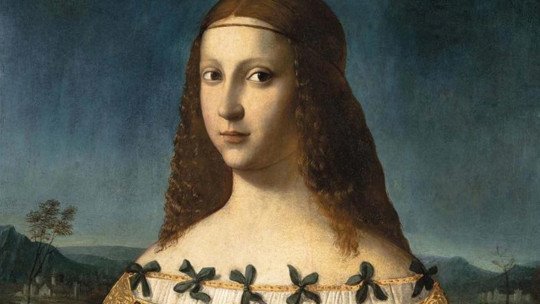
I thought about Maria last week while I was reading—yes, I’m one of those psychologists who actually reads history for fun—about Lucrezia Borgia. You’ve probably heard her name. Maybe you know her as a poisoner, a seductress, maybe even as someone who committed incest with her own father and brother. The stories are lurid and persistent. They’ve survived five centuries. But here’s what you probably don’t know: none of it is true.
Lucrezia Borgia was born in 1480 into one of the most powerful and ruthless families in Renaissance Italy. Her father would become Pope Alexander VI. Her brother Cesare would become the inspiration for Machiavelli’s “The Prince.” And Lucrezia? She became a pawn. A bargaining chip. A young girl married off at twelve years old, her marriages dissolved and reformed according to her father’s political whims, until finally—if we can call it that—her husband was murdered, quite possibly by her own brother.
The woman history remembers as a villain was actually a victim. The crimes attributed to her were committed by the men in her family, if they were committed at all. And the reason we remember her as wicked rather than tragic says more about us, about how we treat women throughout history, than it says about Lucrezia herself. This isn’t just ancient history. The same dynamics that destroyed Lucrezia’s life and reputation are still destroying women’s lives today. Every time we ask what a woman was wearing when she was assaulted. Every time we wonder what she did to provoke her abuser. Every time we find it easier to believe a woman is lying than to accept uncomfortable truths about men we respect. We’re doing exactly what Giovanni Sforza and the Borgia family’s enemies did to Lucrezia five hundred years ago.
Born Into a Gilded Cage
Lucrezia entered the world on April 18, 1480. Her father, Rodrigo Borgia, wasn’t pope yet, but he was already a cardinal with considerable power and even more ambition. The Borgias—originally the Borjas from Xátiva in Valencia—had Italianized their name along with their aspirations. Rodrigo was the nephew of Pope Calixtus III, another Borgia, and nepotism being what it was in fifteenth-century Vatican politics, he’d risen quickly through Church ranks.
Lucrezia’s mother was Vanozza Cattanei, one of Rodrigo’s many mistresses. Vanozza was married to a Vatican official—yes, that was exactly as complicated as it sounds—and gave Rodrigo four children: Cesare, Juan, Lucrezia, and Jofre. She gave birth to Lucrezia in Subiaco, a pastoral retreat a few kilometers from Rome, but the child was raised elsewhere, in the Orsini palace, under the care of Adriana del Milà, one of Rodrigo’s cousins.
How many of these have you been "meaning to read" for months?
- 1
 S&S/Simon ElementProtocolsAn Operating Manual for the Human BodyListen Free On Audible
 - 2
 Undercover Publishing HouseStop Letting Everything Affect YouHow to break free from overthinking, emotional chaos, and self-sabotage.Listen Free On Audible
 - 3
 Grand Central PublishingIn the Shadow of EightSurviving the Reality of My ChildhoodListen Free On Audible
Think about that for a moment. Lucrezia was separated from her mother essentially from birth. Raised by relatives, educated by tutors, shaped into exactly what her father needed her to be. She learned Greek, Latin, music, dance, and poetry. She became extraordinarily cultured. She was being groomed, though of course no one would have used that word then, to be valuable. To be marriageable. To be useful.
I see echoes of this in my practice more often than you’d think. Not usually this extreme, thank goodness, but the underlying dynamic—children raised to serve their family’s ambitions rather than develop their own identity—it’s more common than we like to admit. The parents who push their kids into careers they don’t want. The families who arrange marriages based on economic or social benefit rather than love. The children who grow up knowing they’re valued for what they can provide, not for who they are.
In the fifteenth century, illegitimate children of Church officials were common enough. The Gregorian reforms of the twelfth century had declared such children couldn’t inherit Church property or positions, but that didn’t stop their fathers from granting them incomes, titles, and advantageous marriages with aristocratic and wealthy families throughout Italy.
Lucrezia’s first marriage contract was drawn up when she was eleven years old. Eleven. Still a child. The prospective groom was a Valencian nobleman named Querubín Juan de Centelles. But that arrangement fell through when, in 1492, Rodrigo Borgia was elected Pope Alexander VI. Suddenly, a mere Valencian nobleman wasn’t grand enough for the pope’s daughter. The game had changed. Lucrezia’s value had increased. Her fate would be correspondingly more complicated.
A Human Chess Piece
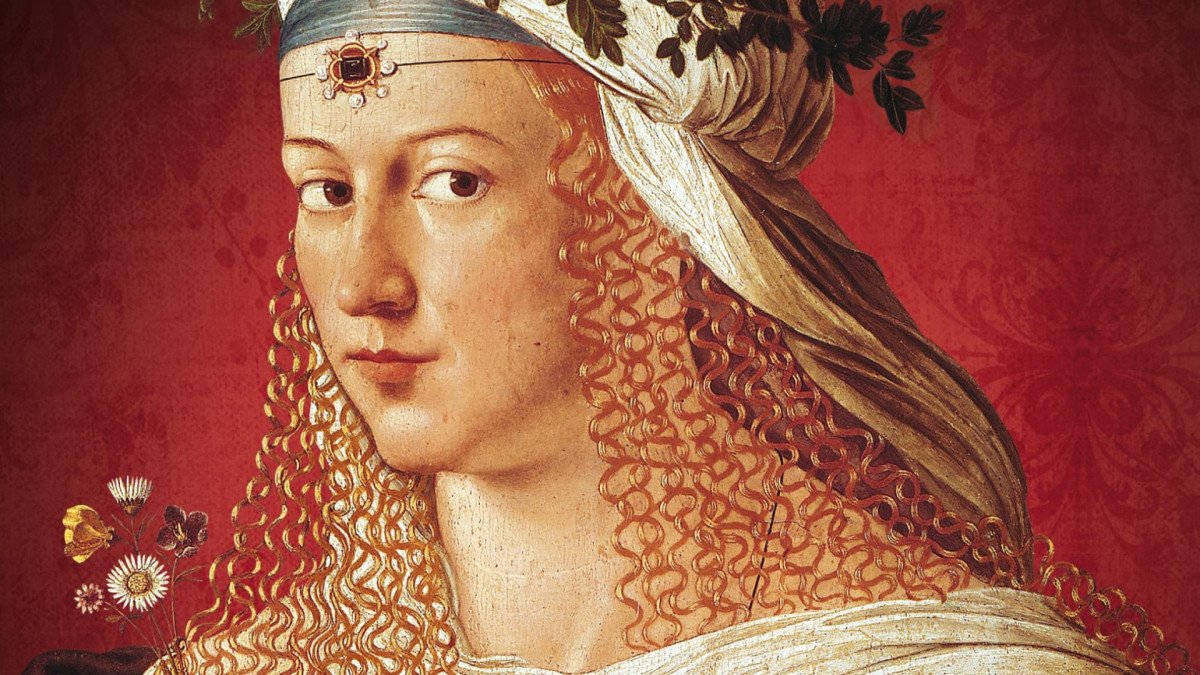
From age twelve to twenty-one—years when most of us are figuring out who we are, making mistakes, learning from them, developing our sense of self—Lucrezia’s life was a carousel of political marriages orchestrated entirely by her father. The supposed poisoner, the so-called seductress, the woman history has painted as complicit in her family’s crimes, was actually powerless. She had no say in any of it.
In 1493, one year after her father became pope, twelve-year-old Lucrezia was married to Giovanni Sforza. He was a member of the powerful Sforza family that controlled Milan, and at that particular moment, the alliance made sense for Alexander VI. Milan was one of the most powerful city-states in Italy and served as a buffer against French expansion into the peninsula.
But marriages are difficult enough when you choose them freely and enter them as an adult. Imagine being twelve years old—a child, really, despite what Renaissance customs might have claimed—and being given to a man you didn’t know, had no say in choosing, for reasons that had nothing to do with your wellbeing and everything to do with your father’s political calculations.
The psychological impact of forced marriage is well-documented now. Victims experience depression, anxiety, low self-esteem, rage, frustration, difficulty sleeping, difficulty forming genuine relationships, difficulty trusting anyone. They’re at higher risk for self-harm, substance abuse, suicidal ideation. These aren’t modern phenomena. These are timeless human responses to having your autonomy stripped away and being forced into intimate relationship against your will. Lucrezia would have experienced all of this, though no one was paying attention to her mental health. No one cared how she felt. She was doing what she was supposed to do.
The Annulment That Started a Legend
The marriage to Giovanni Sforza lasted just a few months before Alexander VI realized he’d miscalculated. The alliance wasn’t working out the way he’d hoped. Ludovico Sforza, the real power in Milan, wasn’t the reliable partner the pope had anticipated. So Alexander did what popes could do: he annulled his daughter’s marriage.
The grounds? The marriage had never been consummated, and furthermore, Giovanni Sforza was impotent.
Now, we don’t know if this was true. It’s entirely possible it was just a convenient excuse to dissolve a union that no longer served papal interests. What we do know is that Lucrezia, retired to a convent after the annulment, gave birth to a son named Giovanni. Despite malicious rumors that tried to attribute paternity to her brother Cesare—because of course they did—the child was most likely Giovanni Sforza’s. The fact that Lucrezia was hidden away in a convent during her pregnancy suggests the Church knew perfectly well the marriage had been consummated. A pregnancy would have undermined the entire basis for the annulment.
Can you imagine the humiliation Giovanni Sforza felt? Forced to sign a document admitting he was impotent, his marriage dissolved not because it had failed in any normal sense but because it was no longer politically useful. His wounded pride needed somewhere to go. And where did it go? Straight onto Lucrezia.
Giovanni started spreading rumors. Vicious ones. He claimed the pope had annulled the marriage because Alexander wanted sexual access to his own daughter. He said, and I’m quoting here, that “the pope wants to keep from me what he reserves for himself.” This is the origin of the incest accusations that would haunt Lucrezia for the rest of her life and for five centuries after her death.
This is textbook scapegoating. A man is humiliated, and rather than directing his anger at the systems and other men who humiliated him, he targets the most vulnerable person in the situation: his ex-wife, who had no power to begin with. Throughout history, women have served as convenient repositories for male shame and rage. When men feel wronged, diminished, or threatened, it’s often women who pay the price.
A Brief Taste of Happiness, Then Tragedy
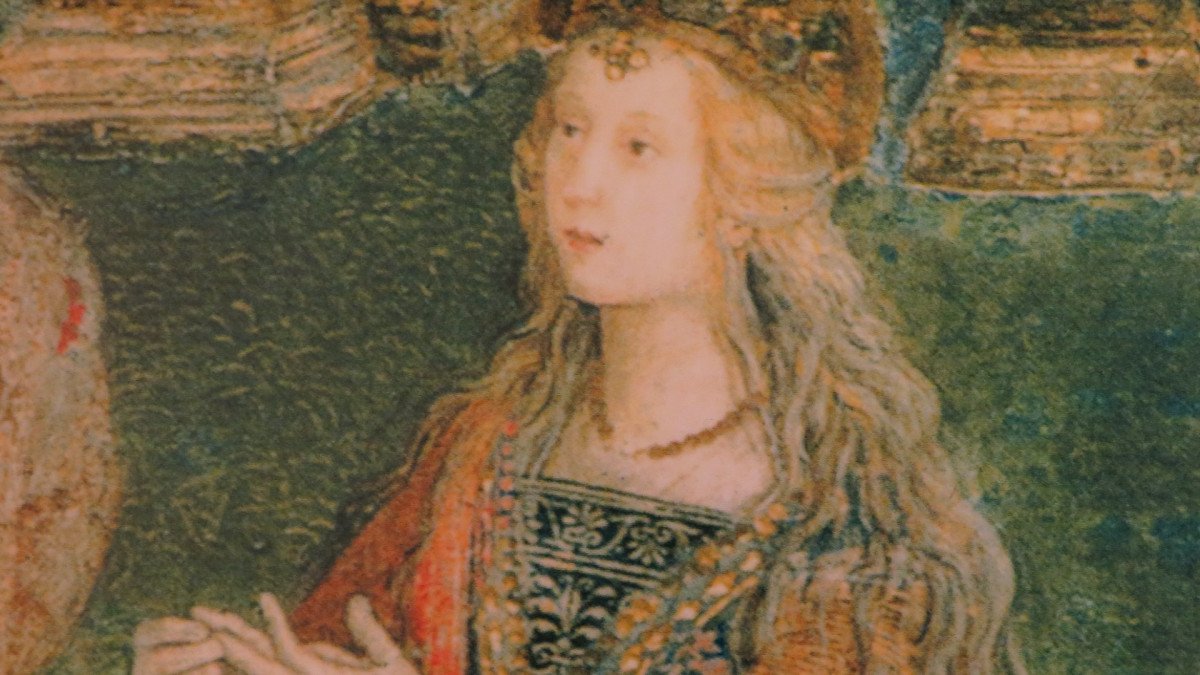
Once Lucrezia was free of her first marriage, Alexander VI began shopping for a new husband whose connections better served his current interests. This time, he chose Alfonso of Aragon, the illegitimate son of the King of Naples. And here’s where Lucrezia’s story becomes almost unbearably sad.
It seems that Lucrezia and Alfonso actually fell in love. According to contemporary accounts, they were genuinely compatible. They shared interests. Their temperaments matched. For perhaps the first time in her life, Lucrezia experienced what it felt like to be valued for herself rather than for her strategic utility. Was it possible that happiness and political advantage could coincide?
No. It wasn’t.
The alliance with Naples soured. Alexander and Cesare’s plans shifted toward France, and Alfonso’s continued existence became inconvenient. An annulment wouldn’t work this time—Lucrezia had given birth to a son by Alfonso, proof the marriage had been thoroughly consummated. So in 1500, Alfonso was attacked on the streets of Rome. He was stabbed repeatedly but survived the initial assault and was carried to his chambers, where Lucrezia refused to leave his side. She knew. She must have known her family was behind it.
Then one day, her brother Cesare called her away. When she returned to Alfonso’s room, he was dead. The official story was that he’d fallen from his bed, causing a hemorrhage. But Lucrezia wasn’t stupid. She knew exactly what had happened.
She fell into what we would now recognize as major depressive disorder. She withdrew completely, retreated to Nepi Castle, painted the walls of her rooms black—a devastating visual representation of her grief—and refused all contact with her father and brother. Her family had murdered the one person who’d genuinely loved her. And for what? Political convenience. A slightly better alliance with France.
I’ve worked with patients who’ve experienced this kind of family betrayal. Not murder, usually, but profound betrayals where family members sacrifice their wellbeing for money, status, or control. The psychological impact is catastrophic. When the people who are supposed to protect you are the ones harming you, it shatters your basic assumptions about safety, trust, and relationships. You’re left with a kind of existential homelessness. If you can’t trust your own family, who can you trust? Where is safety?
Lucrezia’s response—total withdrawal, surrounding herself with symbols of death, refusing contact with the perpetrators—actually represents healthy boundary-setting in an impossible situation. She recognized her father and brother were dangerous to her continued survival and tried to protect herself the only way available to her.
Finding Peace in Ferrara
But Lucrezia was still the pope’s daughter. Her grief, her trauma, her entirely justified rage—none of it mattered. Alexander VI needed her for one more marriage. So she was coaxed, cajoled, or perhaps threatened out of her mourning and married for a third time to Alfonso d’Este of the powerful Este family that ruled Ferrara.
And here, finally, something shifted. Lucrezia went to Ferrara in 1502, and there she found a kind of peace.
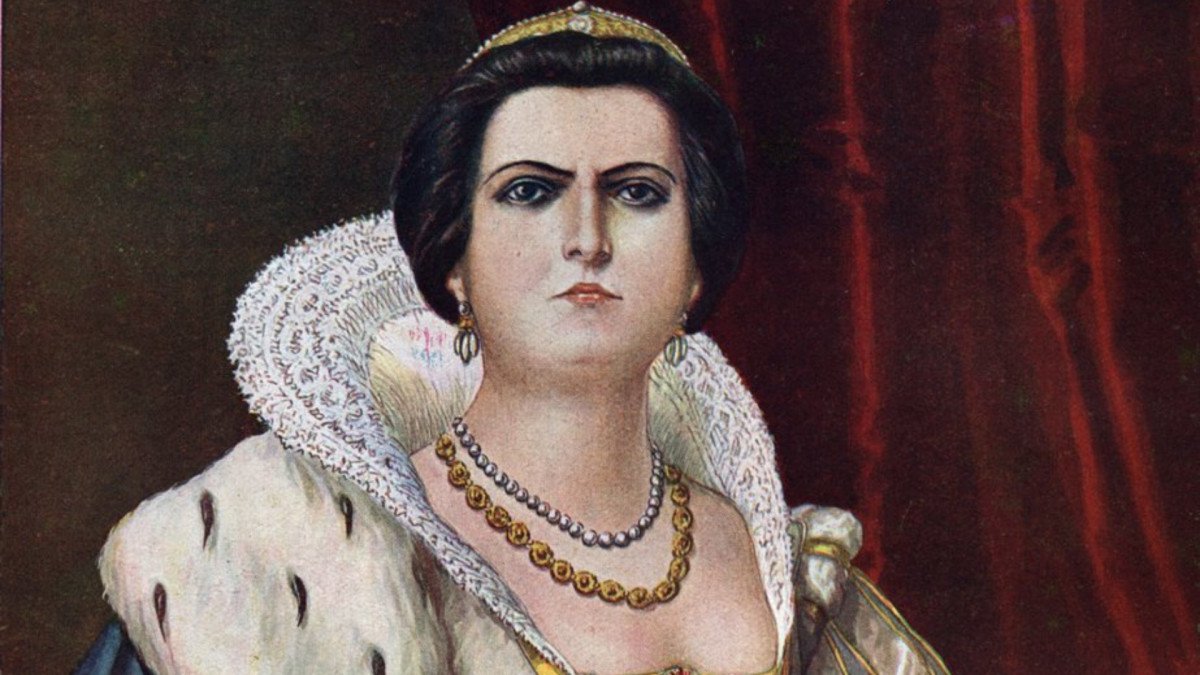
Don’t misunderstand me—it wasn’t a fairy tale. Alfonso d’Este largely ignored her. He kept mistresses. The marriage was cold at best. But Ferrara was far from Rome. Far from her toxic, murderous family. And in that distance, Lucrezia could finally breathe. She surrounded herself with intellectuals, artists, poets. She became a patron of humanist learning. She corresponded with Pietro Bembo, one of the greatest minds of the Renaissance. Her education, her refinement, her genuine love of learning—all the things that had been cultivated in her as tools to make her a valuable bargaining chip—these became sources of genuine fulfillment.
The French knight Pierre Terrail Bayard, who met her during a military campaign, called her “a pearl in this world.” Under her patronage, Ferrara became an even more vibrant center of Renaissance culture. When her husband Alfonso inherited the duchy in 1505, making her Duchess of Ferrara, she proved herself a capable administrator and diplomat, managing finances, negotiating with envoys, even ruling as regent when Alfonso was away on military campaigns.
This is what we call post-traumatic growth in psychology. Not that the trauma didn’t matter or didn’t damage her—it absolutely did. But given a measure of safety and autonomy, Lucrezia demonstrated remarkable resilience. She built a meaningful life from the wreckage of her earlier years. She found purpose in supporting others, in creating beauty, in fostering intellectual achievement. Many trauma survivors eventually reach this place. Not because the trauma becomes okay somehow, but because humans possess astonishing capacity for resilience when given even small measures of safety and control.
Lucrezia lived in Ferrara for seventeen years, from age twenty-two until her death at thirty-nine. These were her peaceful years, dedicated to her children’s education, to the arts, to building something worthwhile. She died on June 24, 1519, from puerperal fever following childbirth—a common killer of women in that era. In her letters, she signed herself “the unhappy one.” Even in her signature, she acknowledged the fundamental sadness that had shaped her existence. But she’d managed, despite everything, to carve out years of dignity and purpose before the end.
The Black Legend: Five Centuries of Lies
So why do we remember Lucrezia Borgia as a poisoner, a seductress, a woman complicit in her family’s crimes? Why has the black legend persisted for over five hundred years when there’s no credible evidence to support it?
The accusations originated with people who had clear motives to lie. Giovanni Sforza needed to salvage his pride after the humiliating annulment. The Borgia family accumulated enemies like other families accumulated wealth, and these enemies eagerly spread salacious rumors. The Borgia name became synonymous with corruption, murder, and sexual deviance—much of it deserved, given Alexander VI and Cesare’s actual crimes. But the most lurid accusations somehow attached themselves to Lucrezia, the family member with the least power and the least culpability.
This is how scapegoating works across history. A marginalized person or group is forced to carry the sins of their society or, in this case, their family. Lucrezia couldn’t defend herself effectively. She had no independent platform, no power to control her narrative. The accusations served multiple purposes: they let Giovanni save face, they provided ammunition for the Borgias’ enemies, and they reinforced existing narratives about women’s dangerous sexuality.
Renaissance historians like Francesco Guicciardini recorded these rumors as fact without critically examining them. Later, Romantic writers and composers found Lucrezia’s story irresistible—a beautiful, doomed woman tangled in incest, poison, and murder makes for excellent drama. Victor Hugo wrote a play about her. Donizetti composed an opera. Each retelling cemented the legend more firmly in popular imagination, moving further and further from historical reality.
But here’s what really gets me: the men who actually committed crimes largely escaped moral judgment. Alexander VI and Cesare Borgia are remembered as complex historical figures—ambitious, ruthless, fascinating. Lucrezia, who was their victim, is remembered as a villain. We find it easier to imagine a woman as a poisoner and seductress than to acknowledge she might have been powerless. We’re more comfortable with the femme fatale trope than with the uncomfortable reality of a daughter systematically exploited by her own father.
This tells us more about ourselves than about Lucrezia. It reveals our persistent discomfort with female victims and our preference for narratives where women are somehow responsible for the violence done to them or around them.
Why This Matters Now
You might be thinking, “Okay, Emily, fascinating history lesson, but why should I care about rehabilitating the reputation of someone who died in 1519?”
Because the dynamics that destroyed Lucrezia’s life haven’t gone anywhere. They’re still operating today, just wearing different clothes.
Women are still blamed for men’s violence. When a woman reports assault, we still ask what she was wearing, whether she’d been drinking, why she was alone with him. We do everything possible to avoid holding perpetrators fully accountable by finding ways the victim could have prevented her own victimization.
Women’s accounts of their own experiences are still doubted by default. The amount of evidence, corroboration, and perfect victim behavior required before we’ll believe a woman is staggering compared to what we require to believe a man’s denial.
Women are still used as currency in various forms. While child marriage is illegal in most Western countries, economic and social pressures still constrain women’s reproductive choices, career paths, and life directions in ways they don’t constrain men’s. Women’s bodies remain battlegrounds for political and religious agendas they have no control over.
And women are still scapegoated when powerful systems fail. When institutions face scandals, we often find a woman being blamed for “seducing” or “manipulating” men who held all the actual power. When families dysfunction, daughters often carry the psychological burden of keeping everyone together or get blamed when they can’t.
I think about Maria, the patient I mentioned at the beginning. She’s working hard in therapy to reclaim her sense of self after years of being treated as her family’s property. She’s learning that being victimized doesn’t mean she deserved what happened. That being blamed for the dissolution of a marriage she never wanted doesn’t make it her fault. That she has the right to build a life on her own terms.
She’s doing what Lucrezia did in Ferrara—finding ways to create meaning and purpose despite the trauma. Building something worthwhile from the pieces she was left with.
The Waste of It All
What haunts me most about Lucrezia’s story isn’t just the injustice—though that’s certainly haunting enough. It’s the waste. Here was a woman of extraordinary intelligence, culture, refinement, and capability. Imagine what she might have accomplished if she’d been born male, or if she’d been given any agency over her own life.
Instead, her gifts were subordinated to her father’s ambitions, her happiness sacrificed to his political calculations, and her reputation destroyed by enemies seeking to damage her family. She spent her childhood and youth as a pawn, found a few years of relative peace and autonomy, then died at thirty-nine, worn out from bearing too many children in an attempt to produce heirs for a husband who barely acknowledged her.
How many other women throughout history have had their potential wasted this way? How many brilliant minds never developed because education was denied them? How many leadership abilities never emerged because women weren’t allowed to lead? How many artistic or scientific talents were lost because women were confined to domestic roles?
And how many women today are still fighting variations of Lucrezia’s battles, trying to claim autonomy over their own lives while being blamed for circumstances they didn’t create?
These questions keep me up at night sometimes. They’re part of why I do this work—trying to help patients, especially women patients, reclaim their narratives from people who’ve tried to define them, control them, or blame them for things that weren’t their fault.
FAQs About Lucrezia Borgia and Her Psychological Experience
Was Lucrezia Borgia Actually a Poisoner and Murderer?
No credible historical evidence supports the accusations that Lucrezia poisoned or murdered anyone. These rumors originated primarily from Giovanni Sforza after their marriage was annulled and he was humiliated by having to sign a document claiming impotence. The Borgia family had many political enemies who eagerly amplified these salacious stories. While Alexander VI and Cesare Borgia were certainly involved in political murders and may have used poison, no reliable contemporary sources place Lucrezia as an active participant in any crimes. The legend of the poison ring and Lucrezia as a femme fatale emerged from politically motivated slander that historians recorded as fact without critical examination. The accusations persisted because they confirmed existing prejudices about women’s sexuality and provided convenient scapegoating of the family’s most vulnerable member.
Did Lucrezia Really Have Incestuous Relationships with Her Father and Brother?
There is absolutely no credible evidence that Lucrezia engaged in incest with either Alexander VI or Cesare Borgia. This accusation originated with Giovanni Sforza’s vindictive rumors after the annulment, when he suggested the pope wanted the marriage dissolved for his own sexual access to Lucrezia. These rumors expanded over time to include Cesare and were recorded by historians who were hostile to the Borgia family. From a psychological perspective, these accusations represent classic victim-blaming and scapegoating—Lucrezia, who had zero power and no choice in her marriages or their dissolutions, became the target of sexual slander designed to humiliate her family while also salvaging Giovanni’s wounded masculine pride. She couldn’t defend herself effectively, making her the perfect scapegoat. The persistence of these accusations despite complete lack of evidence demonstrates how readily societies believe the worst about women, especially women associated with powerful men.
What Kind of Psychological Trauma Did Lucrezia Experience from These Forced Marriages?
Based on what we know about Lucrezia’s experiences and what modern psychology understands about forced marriage, she almost certainly suffered from complex post-traumatic stress disorder, major depressive disorder, and complicated grief. Forced marriage produces consistent psychological effects including depression, anxiety, low self-esteem, rage, frustration, sleep disturbances, difficulty trusting others, and difficulty forming authentic relationships. Lucrezia’s documented response after Alfonso’s murder—total withdrawal, painting her rooms black, refusing contact with her family—clearly indicates major depression and trauma response. Being married at twelve years old, having that marriage dissolved for political convenience, then being married again to someone she loved only to have him murdered by her own family, created layers of trauma. The repeated violations of her autonomy and the clear message that her feelings and preferences were irrelevant would have produced learned helplessness and significant identity disruption.
How Did Lucrezia Manage to Recover and Find Peace in Ferrara?
After her third marriage to Alfonso d’Este, Lucrezia finally achieved physical distance from her toxic family and created a meaningful life in Ferrara. Despite her husband’s neglect and infidelities, she surrounded herself with intellectuals and artists, became an important patron of Renaissance humanism, and demonstrated considerable skill as an administrator and diplomat. This represents what psychologists call post-traumatic growth—the capacity to build a worthwhile life despite carrying scars from earlier trauma. When given even limited safety and autonomy, many trauma survivors demonstrate remarkable resilience. Lucrezia channeled her suffering into supporting others and creating cultural beauty rather than remaining trapped in victimhood. She found purpose in intellectual patronage, diplomatic work, and raising her children. Her recovery illustrates that with distance from abusive systems and opportunities to exercise agency, survivors can heal substantially, though they never completely forget what was done to them.
Why Were Women Like Lucrezia Such Easy Targets for Scapegoating Throughout History?
Women have been convenient scapegoats throughout history because they occupied and still occupy marginalized positions in power structures while lacking effective means to defend themselves against accusations. When powerful men experience humiliation, need someone to blame for their failures, or want to distract from their own crimes, they often deflect onto women who can’t fight back effectively. Lucrezia couldn’t defend herself against Giovanni Sforza’s slander because women had no independent platforms or power to control their own narratives in Renaissance society. The accusations served multiple purposes simultaneously—allowing Giovanni to save face, providing ammunition for the Borgias’ political enemies, and reinforcing existing narratives about dangerous female sexuality. Psychologically, scapegoating reveals more about the society creating these narratives than about the supposed villain. We find it easier to imagine women as seductresses and manipulators than to acknowledge they might be victims of male violence and ambition.
What Does Lucrezia’s Story Teach Us About Historical Victim-Blaming?
Lucrezia’s story demonstrates how victim-blaming operates across centuries and how incredibly difficult it is to correct false narratives once they take hold in popular imagination. Despite being genuinely powerless throughout her life—married against her will as a child, having those marriages dissolved for political convenience, losing a husband to murder by her own family—Lucrezia became the villain in historical memory while the men who actually wielded power and committed actual crimes largely escaped moral judgment. This pattern continues today when we blame women for violence committed against them or hold them responsible for men’s actions. Lucrezia’s black legend persisted because it confirmed existing prejudices about women’s sexuality and moral corruption, and because challenging it requires confronting uncomfortable truths about how powerful families have always sacrificed their daughters. Understanding historical victim-blaming helps us recognize identical patterns in contemporary contexts—we’re still doing it, just with different details.
What Modern Psychological Conditions Match What Lucrezia Likely Experienced?
Based on historical accounts of Lucrezia’s experiences and responses, modern psychologists would likely diagnose complex post-traumatic stress disorder, major depressive disorder, and complicated grief. Complex PTSD results from prolonged, repeated trauma in situations where escape is impossible—exactly what Lucrezia experienced through childhood forced marriages, repeated autonomy violations, and inability to escape her father’s control. Her documented depression after Alfonso’s murder, including isolation, symbolic mourning rituals, and withdrawal from family, clearly indicates major depressive disorder. The complicated grief stems from losing someone she loved to violence while suspecting her own family was responsible—a situation that shatters basic assumptions about safety and trust. Modern survivors of forced marriage show remarkably similar psychological profiles—depression, anxiety, trust issues, relationship difficulties, and complex trauma responses. This suggests fundamental human responses to powerlessness and coercion remain consistent across time and culture.
How Can Understanding Lucrezia’s Story Help Modern Trauma Survivors?
Lucrezia’s story offers validation and hope for modern survivors of family exploitation, forced marriage, and scapegoating. It demonstrates that being victimized doesn’t mean you deserved what happened, that being blamed for crimes you didn’t commit says more about your accusers than about you, and that recovery and meaningful life are possible even after severe trauma. Her eventual peace in Ferrara illustrates that when given safety and autonomy, survivors can heal and thrive despite carrying scars. Understanding historical patterns of victim-blaming helps survivors recognize their experiences aren’t unique or shameful but represent systematic social dynamics that have operated for centuries. For patients in my practice struggling with family betrayal or being blamed for abuse they suffered, Lucrezia’s story provides a clear historical example of how scapegoating operates and why resisting false narratives matters. It also demonstrates the critical importance of distance from toxic family systems for healing to occur.
What Can We Learn from Lucrezia About Resilience and Post-Traumatic Growth?
Lucrezia’s life after moving to Ferrara demonstrates that post-traumatic growth is possible even after severe, prolonged trauma. Despite everything she’d endured, she created a meaningful life centered on intellectual pursuits, artistic patronage, and diplomatic service. She didn’t just survive—she found ways to thrive within the constraints still placed on her. This teaches us that resilience doesn’t mean trauma didn’t affect you or that you’ve completely recovered. It means finding ways to build a worthwhile life while carrying the scars of what happened. Lucrezia never forgot what her family did to her. She never stopped being “the unhappy one,” as she signed her letters. But she also didn’t let that trauma completely define her remaining years. She found purpose, created beauty, supported others, and left a positive legacy through her cultural patronage. This is what I try to help trauma survivors understand—recovery doesn’t mean returning to who you were before, because that person doesn’t exist anymore. It means becoming someone new who can hold both the pain of the past and the possibilities of the present.
Use this citation format to reference the article clearly and help readers find the original source.
PsychologyFor. (2025). Lucrezia Borgia: Biography of the Daughter of Pope Alexander VI. PsychologyFor. https://psychologyfor.com/lucrezia-borgia-biography-of-the-daughter-of-pope-alexander-vi/