


See more of our articles in your search results.
Strokes, embolisms or cerebral infarctions are widely known by the population, thanks to the work to raise awareness about these problems. However, there is also a type of these brain accidents that are unknown to many and that, despite their lesser immediate severity, in the long run bring with them serious symptoms.
Microstrokes are basically milder cerebrovascular accidents But if you suffer them several times in the same area of the brain, they will end up causing severe changes in personality and behavior. Let’s delve into what they are and what symptoms they cause.
What are microstrokes?
Microstrokes, also called mini strokes, mild strokes or transient ischemic attacks (TIAs), They are strokes that affect very small areas of the brain, sometimes in areas of microscopic size They consist of a brief interruption of blood flow to a small part of the brain, retina or spinal cord. They can cause temporary symptoms similar to those of a stroke, but with much less immediate severity, which means that they often go unnoticed.
The main problem with these strokes is that They barely have symptoms, being rather silent This means that a person can suffer from them without realizing it, making it difficult for them to go to a specialist immediately to treat them. However, after a while, these small strokes can cause changes in the personality and behavior of the affected person.
The area that is usually most affected by microstrokes is the subcortical part Lesions in this region cause apathy and other emotional symptoms related to motivation and depression.
How many of these have you been "meaning to read" for months?
- 1
 THOUGHT CATALOGThe Mountain Is YouTransforming Self-Sabotage Into Self-MasteryListen Free On Audible
 - 2
 New Harbinger PublicationsThe Dialectical Behavior Therapy Skills WorkbookPractical DBT Exercises for Learning Mindfulness, Interpersonal Effectiveness, Emotion Regulation...Listen Free On Audible
 - 3
 TarcherperigeeSet Boundaries, Find PeaceA Guide to Reclaiming YourselfListen Free On Audible
Therefore, if we have a family member who suddenly begins to show a certain lack of interest in what surrounds them, has low motivation, or stops reacting to many stimuli around them, it could mean that they have suffered a transient ischemic attack. It is true that that change in your personality and behavior It can be due to many factors, but the possibility of a neurological problem such as microstrokes should not be ruled out.
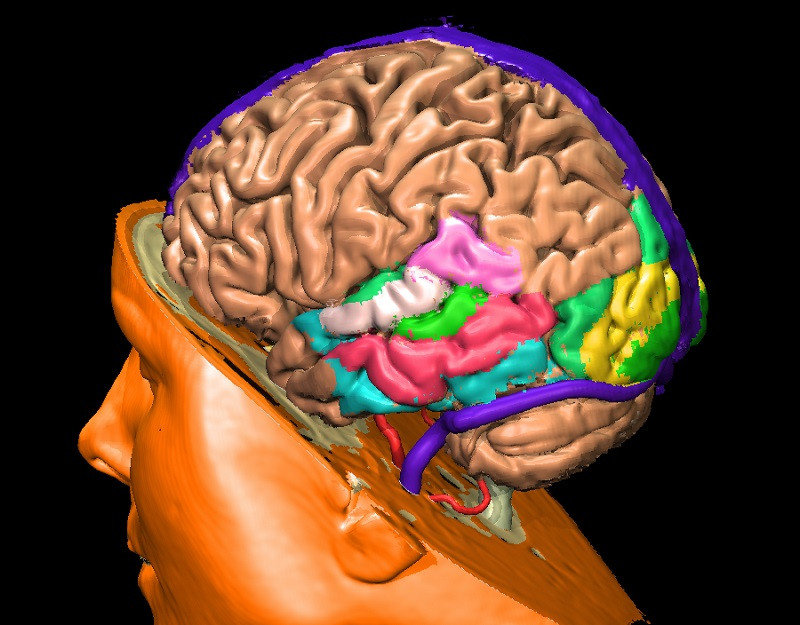
No matter how slight, any injury to the subcortical area will cause emotional alterations and changes in the personality of the affected person over time. They are subtle changes but, with the passage of time, they become more evident and worrying.
Microstrokes, if they are repeated in the affected area, will make it larger and larger and may end up causing greater changes and cognitive, behavioral and emotional problems. Approximately one in three people who suffer a mini-stroke is at risk of suffering a new stroke in the next 48 hours Microstrokes can be a warning sign that something worse is coming.
Symptoms associated with mini stroke
Many microstrokes occur without leaving immediate consequences. At most, the affected person will experience some general discomfort that can last a few days, in most cases a little more than 24 hours.
However, in some cases it can progress to more severe impairment, especially in the psychosocial area. Research with patients who have suffered a microstroke suggests that The most common symptoms imply a reduced social life These patients begin to appear more irritable, lose patience, sense of humor, and may even engage in aggressive behavior.
One of the most common symptoms in patients who have suffered microstrokes are very slow and progressive personality changes. At first, some changes can be perceived in the individual, which are so subtle that their family environment probably does not give them too much importance. But, after a few weeks or months, the personality change has evolved enough to be able to see that there is a clear alteration in their way of being and acting.
Although they do not usually cause serious physical or psychological symptoms immediately, they do.e associates microstrokes with experiencing dizziness, nausea, headaches, double vision, numbness, muscle weakness, slurred speech, or brain fog In more advanced stages, tremors and swallowing problems may occur.
Cumulative effects of microstrokes
One of the problems with microstrokes is that several can be suffered over time, which is very problematic because their effects are cumulative, especially if they occur in the same area. These injuries cause blood flow to no longer reach the entire brain equally, with which the individual will show even more changes in personality and behavior. The more microstrokes, the more injuries the brain suffers that lead to vascular dementia.
Furthermore, since it is dementia, the following problems will be evident:
Microstrokes rarely appear isolated and punctual If you have already suffered one, there is a good chance that you will suffer another one in the future and even that the next one will be a textbook cerebral embolism or stroke.
Either way, As more of these neurological problems occur, the more damaged the brain tissue will be and, therefore, the more serious the behavioral and personality changes of the subject will be.
How to prevent microstrokes
As with practically all diseases, it is not possible to prevent a microstroke 100%. However, it must be taken into account that There are several risk variables that we can control to reduce the probability of suffering from one of these transient strokes These variables are the following:
- No Smoking.
- Not to drink alcohol.
- Eat 5 pieces of fruits and vegetables a day.
- Control our cholesterol levels.
- Control our blood sugar levels.
- Avoid sweets.
- Take salt in moderation.
- Eat fatty foods in moderation.
- Drink enough water daily (1.5-2 L).
- Do aerobic exercise every day, such as walking or going for a run.
- Monitor your weight, avoiding both underweight and overweight and obesity.
The only factors we cannot control are age and genetics. In all cases It is essential to have regular medical checkups and follow a healthy lifestyle to prevent these strokes. It is also important to be attentive to any personality changes or strange behavior that we see in our older relatives, since an early diagnosis of brain injury is crucial to maintaining their faculties through adequate treatment.
Use this citation format to reference the article clearly and help readers find the original source.
PsychologyFor. (2024). Microstrokes: What They Are, Symptoms, Causes and How to Prevent Them. PsychologyFor. https://psychologyfor.com/microstrokes-what-they-are-symptoms-causes-and-how-to-prevent-them/