

See more of our articles in your search results.
Military psychology is a specialized field of psychology that focuses on understanding human behavior in military settings. It involves the application of psychological principles and methods to enhance the effectiveness of military operations, support the well-being of soldiers, and improve overall military performance. Military psychologists study a wide range of topics, including mental health, stress management, leadership, decision-making, and performance under pressure. This field is crucial in ensuring that soldiers are mentally prepared for the challenges they face and that military organizations operate efficiently.
In this article, we will explore what military psychology is, its key characteristics, and the various functions it serves within the armed forces.
What is Military Psychology?
Military psychology is the application of psychological theories, methods, and research to solve problems that arise in military environments. It addresses the psychological aspects of military life, including recruitment, training, performance, leadership, combat stress, and rehabilitation. Military psychologists work closely with service members to improve their mental health, coping strategies, and readiness for combat situations.
This field also focuses on understanding the psychological effects of military service, such as post-traumatic stress disorder (PTSD), combat fatigue, and the impact of war on both soldiers and their families. Military psychologists play an important role in helping soldiers manage these effects and adapt to the demands of military life.
Key Characteristics of Military Psychology
1. Focus on Mental Health and Well-being:
One of the primary concerns of military psychology is ensuring the mental health and well-being of soldiers. Military psychologists assess and treat mental health issues, such as anxiety, depression, PTSD, and substance abuse, which may arise during military service. Their work is aimed at preventing these issues from affecting soldiers’ performance and overall well-being.
How many of these have you been "meaning to read" for months?
- 1
 TarcherThe Artist's Way30th Anniversary EditionListen Free On Audible
 - 2
 New Harbinger PublicationsThe Dialectical Behavior Therapy Skills WorkbookPractical DBT Exercises for Learning Mindfulness, Interpersonal Effectiveness, Emotion Regulation...Listen Free On Audible
 - 3
 New Harbinger PublicationsAdult Children of Emotionally Immature ParentsHow to Heal from Distant, Rejecting, or Self-Involved ParentsListen Free On Audible
2. Adaptation to Stressful Environments:
Military personnel often operate in high-stress environments, where they must make critical decisions under pressure, deal with uncertainty, and face physical and emotional challenges. Military psychology focuses on how soldiers adapt to these stressors, including how they manage combat stress, fatigue, and trauma. Training and psychological support are provided to help soldiers cope with the psychological demands of military operations.
3. Research and Training:
Military psychologists conduct research to better understand human behavior in combat and other military settings. This research helps to improve training programs, combat strategies, and overall military efficiency. They also help design training programs that enhance soldiers’ cognitive and psychological readiness, ensuring they can perform well in complex and high-stakes environments.
4. Leadership and Decision-Making:
Military psychologists play a significant role in studying and developing leadership models within the armed forces. They analyze the psychological aspects of leadership, including decision-making, communication, and team dynamics. By studying the behaviors and characteristics of effective military leaders, military psychologists help train leaders who can motivate and guide their teams under challenging circumstances.
5. Combat Stress and Recovery:
Combat situations can have a profound psychological impact on soldiers. Military psychologists are trained to assess and treat combat stress reactions, including acute stress disorder (ASD) and PTSD. They provide psychological support during recovery and reintegration after deployment, ensuring that soldiers can regain their mental health and readiness for future operations.
Functions of Military Psychology
Military psychology serves many important functions within the armed forces, from recruitment to rehabilitation. Below are some of the primary functions that military psychologists fulfill:
1. Recruitment and Selection:
Military psychologists play a vital role in the recruitment process by helping to select individuals who are best suited for military service. They use psychological assessments to evaluate candidates’ abilities, personality traits, and mental fitness. This helps ensure that recruits have the necessary psychological traits to handle the demands of military life.
2. Training and Performance Enhancement:
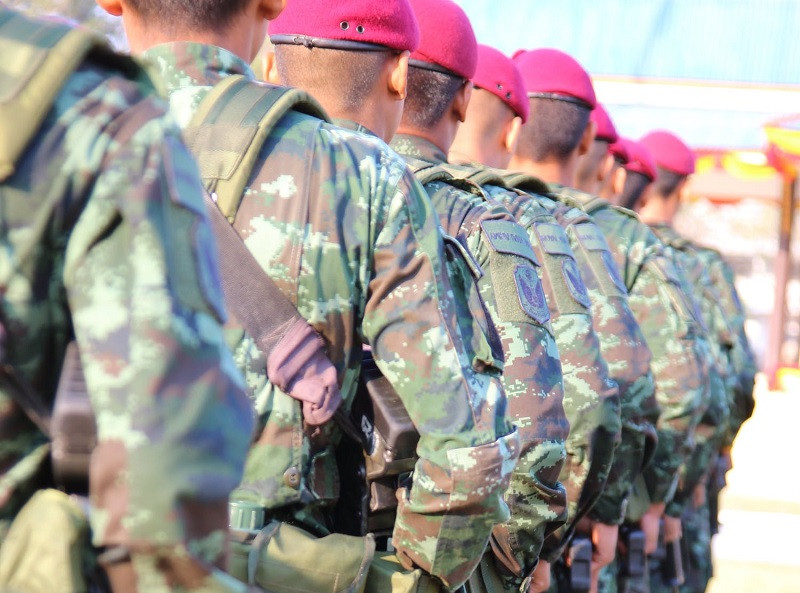
Psychological principles are applied to enhance military training programs. Military psychologists design and implement training programs that aim to improve soldiers’ cognitive abilities, mental toughness, and performance under stress. This includes developing simulations and exercises that replicate combat situations to train soldiers in decision-making, problem-solving, and coping strategies.
3. Combat Stress Management:
One of the most important functions of military psychology is combat stress management. Military psychologists assess the psychological effects of combat exposure, providing soldiers with strategies to manage stress and prevent long-term psychological damage. They may also work with military units to implement stress-reduction programs before, during, and after deployment.
4. Trauma and Mental Health Treatment:
Mental health is a significant focus of military psychology, especially when it comes to trauma resulting from combat experiences. Military psychologists assess and treat mental health issues such as PTSD, depression, anxiety, and substance abuse. Treatment may involve cognitive-behavioral therapy (CBT), exposure therapy, group therapy, and other therapeutic modalities designed to address the unique psychological needs of soldiers.
5. Improving Group Dynamics and Teamwork:
Military psychologists are experts in group dynamics, and they help foster effective teamwork within military units. They study how soldiers interact with each other in high-pressure situations and how to improve group cohesion, trust, and cooperation. Effective teamwork is critical in military settings, as it can directly impact mission success.
6. Post-Deployment Reintegration:
After returning from deployment, soldiers often face challenges when reintegrating into civilian life. Military psychologists provide support to help soldiers readjust, particularly when dealing with trauma, relationships, and reintegration into society. This may involve counseling, group therapy, and family support services to ensure that soldiers’ mental health remains stable after they return from deployment.
7. Supporting Military Families:
The effects of military service are not limited to soldiers alone; military families also face unique challenges. Military psychologists often work with families to provide support, helping them cope with stress, separation, and the potential emotional impact of a loved one’s deployment. They also provide guidance on how to maintain family cohesion during difficult times.
8. Research and Development:
Military psychologists conduct ongoing research to improve the psychological well-being of soldiers and to enhance the effectiveness of military operations. This research covers areas such as combat stress, leadership development, decision-making processes, and performance enhancement. The findings from this research are used to develop new programs and strategies that can improve the overall functioning of military units.
9. Humanitarian Efforts:
Military psychologists are also involved in humanitarian efforts, particularly when military personnel are deployed to areas affected by war or natural disasters. They provide psychological support to both military personnel and civilians, offering counseling and interventions to address the mental health needs of affected populations.
Military psychology is a vital field that plays a crucial role in ensuring that military personnel are mentally prepared to face the challenges of combat, maintain their mental health, and perform effectively under stress. From recruitment to combat stress management and post-deployment recovery, military psychologists are instrumental in supporting soldiers’ well-being and enhancing the performance of military units. Their work not only improves individual soldiers’ lives but also contributes to the overall effectiveness of military operations. As the demands of modern warfare continue to evolve, the role of military psychologists will remain essential in ensuring that soldiers are prepared, resilient, and able to meet the challenges they face.
FAQs about Military Psychology
How does military psychology help soldiers manage combat stress?
Military psychology helps soldiers manage combat stress through various interventions, including stress management training, cognitive-behavioral therapy (CBT), and trauma-focused therapies. Military psychologists provide psychological support both during and after deployment, helping soldiers cope with the emotional impact of combat and prevent long-term psychological issues such as PTSD.
What is the role of military psychologists in recruitment?
Military psychologists are responsible for evaluating and selecting candidates for military service. They use psychological assessments to measure an individual’s cognitive abilities, personality traits, and mental health to ensure they are fit for military duties. These evaluations help identify individuals who are best suited for the demanding environment of the military.
What are the psychological effects of military service?
Military service can have various psychological effects, including combat stress, post-traumatic stress disorder (PTSD), depression, anxiety, and substance abuse. The intensity of these effects varies depending on the individual’s experiences during service, such as exposure to combat, trauma, and long periods of separation from family. Military psychologists provide support and treatment for these issues to maintain the well-being of service members.
How do military psychologists improve group dynamics within military units?
Military psychologists study group dynamics and team cohesion, helping to enhance cooperation, trust, and communication among soldiers. They provide training on effective teamwork and leadership, which is essential for mission success. By focusing on improving group interactions, military psychologists help to create more effective and resilient military units.
What is the importance of mental health support for military families?
Mental health support for military families is crucial, as they face unique challenges related to deployments, separation, and the emotional toll of military life. Military psychologists provide counseling and guidance to help families cope with stress, maintain family cohesion, and manage the emotional strain that comes with military service.
Use this citation format to reference the article clearly and help readers find the original source.
PsychologyFor. (2025). Military Psychology: What it Is, Characteristics and Functions. PsychologyFor. https://psychologyfor.com/military-psychology-what-it-is-characteristics-and-functions/