

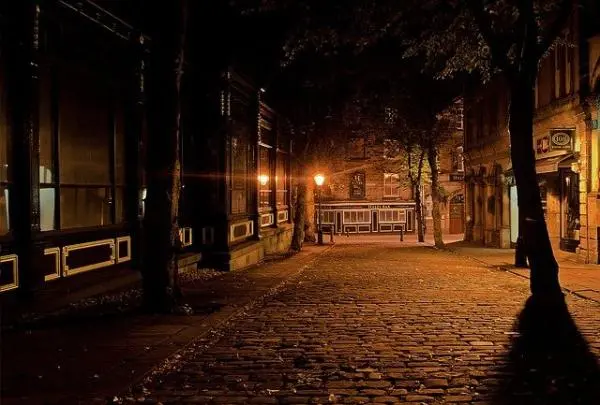
Not everyone fears the dark. Some people feel at peace in it — even thrive in it. This deep attraction to the night is called nyctophilia. While society often associates darkness with fear or danger, those who experience nyctophilia describe nighttime as soothing, inspiring, and emotionally safe.
But what is nyctophilia, really? Is it just a personal preference, or could it be a symptom of a deeper psychological pattern?
This guide will explore the definition of nyctophilia, its underlying causes, common symptoms, and the available treatment options if it starts to interfere with daily life.
What Is Nyctophilia?
Nyctophilia is defined as a strong attraction or preference for the night or darkness. The term comes from Greek roots: nyx meaning “night” and philia meaning “love” or “affection.”
People with nyctophilia often feel more alive, productive, or emotionally comfortable at night. This can involve enjoying activities in the dark, feeling a strong emotional or artistic connection to nighttime, or seeking solitude after sunset.
Importantly, nyctophilia is not officially classified as a mental disorder. It is considered a psychological or behavioral preference — one that is typically harmless, but in some cases, it may be linked to underlying emotional or mental health issues.
Nyctophilia refers to a deep love or preference for the night or darkness. People with nyctophilia may find nighttime more soothing, productive, or emotionally satisfying than daylight hours. This isn’t necessarily a clinical condition, but in some cases, it could be linked to underlying mental health issues or personal coping mechanisms.
The American Psychiatric Association Dictionary of Psychology(1) defines the meaning of nyctophilia as a strong attraction to darkness or night. But is this attraction pathological? The truth is that nyctophilia does not constitute a psychological disorder, nor is it included in the DSM-5 diagnostic classifications of the American Psychiatric Association(2) o ICD-11 from the World Health Organization(3).
In the same way that we do not find references to nyctophilia in diagnostic classifications, we also do not find scientific literature that can guide us about the term.
For all these reasons, it may be interesting to ask ourselves, first of all, if nyctophilia constitutes a psychological problem. In this regard, the definition provided by the psychology dictionary of the American Psychiatric Association does not include pathological connotations. This fact, together with the lack of related scientific literature, leads us to think that It is not a psychological problem.
If preference for night and darkness is a problem, should be investigated how many people it affects, that is, its prevalence, what causes are behind the development of this supposed problem, its etiology, how the problem evolves or its development and prognosis, what symptoms define it, how it affects the lives of potential patients and What interventions should we use to treat it.
Is Nyctophilia the Opposite of Nyctophobia?
Yes. While nyctophobia is an intense fear of the dark, nyctophilia is an emotional comfort with it. Where one person may panic in a dark room, another may feel calm and creative. These two experiences sit on opposite ends of the emotional response spectrum toward nighttime environments.
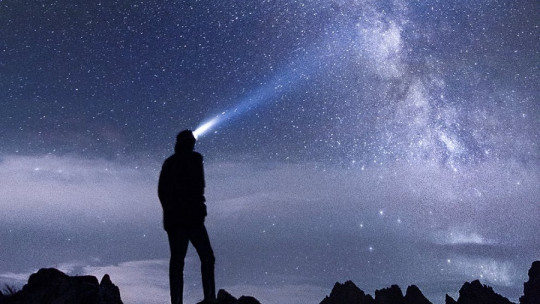
Common Characteristics of Nyctophilia
People who experience nyctophilia often describe some or all of the following traits:
- A sense of peace or safety during nighttime
- Greater clarity, focus, or creativity in the dark
- Avoidance of daylight or crowded daytime settings
- A preference for dim lighting or moonlit spaces
- Emotional comfort in solitude and silence
- A reversed sleep-wake cycle (night owl tendencies)
This isn’t about avoiding responsibilities — many nyctophiles are highly functional and productive, just during unconventional hours.
Causes of Nyctophilia
The reasons someone might develop nyctophilia can vary widely. In most cases, it is not pathological, but understanding the underlying causes can provide deeper insight, especially if it affects daily functioning.
1. Psychological Comfort and Emotional Regulation
Some people feel less stimulated and more emotionally regulated at night. The darkness can reduce external input, like social pressure or sensory overload, which can feel soothing — especially for introverts or people with anxiety.
For these individuals, nighttime offers mental stillness, making it easier to reflect, relax, or focus.
2. Creativity and Productivity Boosts
Many artists, writers, musicians, and thinkers have described experiencing creative breakthroughs during nighttime. The world is quieter. Distractions fade. The darkness creates a kind of mental space where imagination flows freely.
Nighttime removes societal demands, offering an unstructured period where people can dive into personal projects, dreams, or inner thought processes.
3. Trauma or Emotional Associations
In some cases, nyctophilia may develop as a coping response to trauma, neglect, or emotional stress. A person who experienced turmoil or chaos during the day — such as in childhood homes — may have found nighttime to be their only period of calm.
Over time, this creates a psychological association between darkness and emotional safety.
4. Circadian Rhythm Variance
There’s also a biological component. Some people have circadian rhythms that naturally lean toward late-night activity. Known as “night owls,” they may simply function better after sunset due to how their brain regulates sleep-wake hormones like melatonin and cortisol.
This biological inclination can overlap with nyctophilia, reinforcing nighttime preference.
5. Rebellion or Social Identity
For some, especially teens or young adults, nyctophilia may be part of an identity — a symbol of nonconformity, introspection, or emotional depth. In subcultures like goth, emo, or certain creative circles, the night is seen as a metaphor for authenticity, pain, or beauty.
This cultural and symbolic meaning can make the night emotionally and aesthetically appealing.

Symptoms of Nyctophilia
Nyctophilia is not a clinical diagnosis, so there is no official symptom list. However, when nyctophilia is strong or persistent, it may present as:
- A consistent preference for being awake at night
- Feeling calm, safe, or inspired in dark environments
- Discomfort or anxiety in bright daylight
- Choosing careers, hobbies, or routines that accommodate nighttime activity
- Sleeping during the day or avoiding social interactions before evening
- Increased introspection or emotional depth at night
On its own, nyctophilia is not harmful. But if it interferes with work, health, or relationships, it might be a sign that something deeper is going on.
When Nyctophilia Becomes a Problem
Nyctophilia can be part of a balanced, introspective lifestyle. But if it begins to interfere with your physical or mental health, it deserves attention. Problematic nyctophilia might look like:
- Disrupted sleep cycles leading to insomnia or chronic fatigue
- Isolation or avoidance of meaningful daytime relationships
- Underlying anxiety, depression, or trauma being masked by nighttime preference
- Neglecting responsibilities due to reversed routines
- An inability to function during typical daytime hours
In these cases, nyctophilia is less about enjoying the night and more about using the night to escape pain — a coping mechanism rather than a true preference.
How Nyctophilia Is Different From a Sleep Disorder
It’s important to distinguish between nyctophilia and circadian rhythm sleep disorders, such as Delayed Sleep Phase Syndrome (DSPS). DSPS involves a biological delay in the sleep-wake cycle, making it difficult to fall asleep and wake up at conventional times.
Nyctophilia, by contrast, involves emotional or psychological comfort with nighttime, regardless of when a person sleeps. A nyctophile might sleep normally but still crave the atmosphere of nighttime for reflection, relaxation, or work.
Treatment for Nyctophilia (If Needed)
Not everyone needs treatment for nyctophilia. But if it negatively impacts your life or stems from unresolved trauma or mental health issues, support is available.
1. Therapy or Counseling
Working with a psychologist can help uncover the emotional roots of nyctophilia — especially if it’s linked to anxiety, depression, or past trauma. Therapeutic approaches may include:
- Cognitive Behavioral Therapy (CBT) – to reframe thoughts about safety, routine, or identity
- Trauma-informed therapy – to process early emotional experiences tied to nighttime
- Mindfulness-based therapy – to regulate emotions in both daytime and nighttime settings
2. Sleep Hygiene Strategies
If nyctophilia has disrupted your sleep, establishing a more balanced circadian rhythm can improve mental and physical health. Try:
- Gradually adjusting your sleep schedule by 15–30 minutes each night
- Limiting screen time before bed (especially blue light)
- Getting natural sunlight in the morning to reset your biological clock
- Creating a calming evening routine with reading, low lights, or soft music
This doesn’t mean you must become a morning person — just that your body will thank you for more stability.
3. Lifestyle Balance
The key is to find a balance between your natural preference for the night and the demands of everyday life. This might mean:
- Working remotely or during flexible hours
- Carving out nighttime routines that don’t sacrifice health
- Creating dim, peaceful spaces during the day when needed
You don’t have to erase your love of the night — you just have to make space for both light and dark in your life.
This article is merely informative, at Psychology For we do not have the power to make a diagnosis or recommend a treatment. We invite you to go to a psychologist to treat your particular case.
If you want to read more articles similar to Nyctophilia: what it is, causes, symptoms and treatment we recommend that you enter our Clinical Psychology category.
FAQs About Nyctophilia: What it Is, Causes, Symptoms and Treatment
Is nyctophilia a mental illness?
No. Nyctophilia is not considered a mental illness or official diagnosis. It is usually seen as a personality trait or lifestyle preference. However, if it stems from trauma or negatively affects daily life, it may warrant psychological support.
What’s the difference between nyctophilia and being a night owl?
A night owl prefers staying awake late due to biological or habitual reasons. Nyctophilia involves an emotional or psychological comfort with darkness and nighttime that goes beyond sleep patterns.
Can nyctophilia be harmful?
On its own, no. But when nyctophilia leads to isolation, insomnia, depression, or neglect of responsibilities, it may become harmful. In such cases, it’s worth exploring underlying causes and seeking support.
Is there a link between nyctophilia and depression?
There can be. Some people with depression feel better at night due to reduced stimulation or emotional numbness during the day. However, this is not true for everyone with nyctophilia. A therapist can help differentiate between the two.
Can nyctophilia be treated?
Yes — if treatment is needed. Therapy, lifestyle changes, and better sleep hygiene can help manage nyctophilia if it becomes disruptive. But many people live happily with a strong preference for the night without needing treatment at all.
References
- American Psychiatric Association (2020). APA Dictionary of Psychology. Retrieved from https://dictionary.apa.org
- American Psychiatric Association (2014). DSM-5. Reference guide to the diagnostic criteria of the DSM-5-Breviary. Madrid: Panamericana Medical Editorial.
- World Health Organization (WHO) (2018) International Classification of Diseases, 11th revision. Recovered from https://icd.who.int/es
Use this citation format to reference the article clearly and help readers find the original source.
PsychologyFor. (2025). Nyctophilia: What it Is, Causes, Symptoms and Treatment. PsychologyFor. https://psychologyfor.com/nyctophilia-what-it-is-causes-symptoms-and-treatment/