

See more of our articles in your search results.
I’ll never forget the conversation I had with a surgeon colleague over coffee a few years ago. He’d just returned from a medical conference where researchers presented findings from a placebo-controlled trial of a common orthopedic procedure. The results showed that patients who received fake surgery—anesthesia, incisions, and all the theater of an operation but without the actual therapeutic intervention—improved just as much as patients who received the real procedure. My colleague looked genuinely shaken: “If surgery I’ve been doing for twenty years works no better than pretending to do it, what does that say about everything I thought I knew?” It was an existential crisis playing out over lattes, and it perfectly captures the profound implications of placebo surgery research.
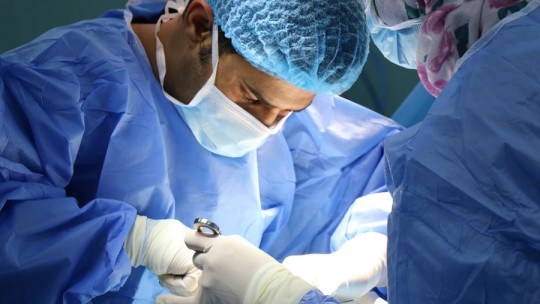
Placebo surgeries, also called sham surgeries, are one of the most controversial and fascinating tools in modern medical research. They involve performing all the elements of a surgical procedure—anesthesia, incisions, surgical draping, recovery time—except the actual therapeutic component thought to produce the benefit. Patients in sham surgery groups receive everything that makes them believe they’ve had surgery without the surgeon actually doing the procedure being tested. It sounds like science fiction or unethical trickery, but it’s actually rigorous science that has revealed uncomfortable truths about how much of surgery’s benefit comes from the surgery itself versus the powerful psychological effects of believing you’ve been treated.
The concept makes people uncomfortable, and understandably so. We like to think that medical interventions work through clear biological mechanisms—you fix the torn tissue, you remove the damaged bone, you clear the blocked artery, and the body heals. The idea that cutting someone open, making them believe you fixed something, and then sewing them back up without actually fixing anything could produce the same result challenges our fundamental assumptions about how medicine works. Yet that’s exactly what decades of placebo surgery research has demonstrated across multiple procedures and conditions.
So let’s explore what placebo surgeries actually are, why researchers use them, what they’ve revealed about surgery’s true effectiveness, and what they tell us about the extraordinary power of belief, expectation, and the human mind to influence healing and recovery.
What Exactly Is a Placebo Surgery?
A placebo surgery is a fake surgical procedure designed to mimic a real operation in every way except the specific therapeutic intervention being tested. The goal is to create a control group that experiences everything about surgery—the hospital setting, the anesthesia, the incisions, the post-operative care, the recovery period—except the actual surgical technique hypothesized to produce benefit.
How many of these have you been "meaning to read" for months?


In a typical placebo surgery trial, patients are randomly assigned to either receive the actual surgical procedure or a sham version. Critically, patients don’t know which group they’re in—they’re “blinded” to their treatment assignment, believing they might have received either the real or fake surgery. This blinding is essential for measuring the true effect of the surgical intervention itself separate from all the other factors that might influence outcomes.
What does a placebo surgery actually involve? It depends on the procedure being studied, but researchers go to great lengths to make the sham surgery indistinguishable from the real thing. Patients receive the same anesthesia—sometimes general anesthesia, sometimes conscious sedation depending on what the real procedure uses. Surgeons make real incisions in the same locations as the actual surgery. The patient spends the same amount of time in the operating room. They hear the same sounds—surgical instruments clicking, medical staff talking, equipment beeping. Sometimes surgeons even perform parts of the real procedure—inserting a scope, for instance—just not the therapeutic component.
For example, in trials of arthroscopic knee surgery for osteoarthritis, patients in the sham group received anesthesia and had three small incisions made in their knees identical to those used for inserting an arthroscope. Surgeons manipulated the leg as they would during a real procedure and kept patients in the operating room for the same duration. But they never inserted the arthroscope or performed the scraping and flushing that constituted the actual treatment. Patients woke up with bandaged knees, went through the same recovery protocol, and had no way of knowing they hadn’t received the real surgery.
In vertebroplasty trials—a procedure where bone cement is injected into fractured vertebrae—sham surgery patients received local anesthesia, had needles pressed against their backs to simulate needle insertion, and were exposed to the smell of bone cement being mixed but not injected. The theatrical elements were carefully orchestrated to maintain the blind while minimizing actual harm to patients who weren’t receiving the potentially beneficial intervention.
Why Would Researchers Perform Fake Surgeries?
The use of placebo surgeries strikes many people as unnecessarily cruel or even unethical. Why would you cut into someone, expose them to anesthesia risks, make them go through recovery, and not even attempt to help them? The answer lies in the fundamental challenge of determining whether surgical procedures actually work.
Unlike pharmaceutical drugs, surgical procedures are extremely difficult to evaluate scientifically. With medications, you can easily create a placebo pill that looks and tastes identical to the real drug, give it to a control group, and measure whether the drug works better than the inert pill. But surgery presents unique challenges that make assessing its true effectiveness much more complicated.
First, there’s no such thing as doing “nothing” in surgery like there is with an inert pill. Every surgical procedure involves multiple components: the patient’s expectations and beliefs, the ritual and theater of surgery, the anesthesia, the incisions and tissue trauma, the post-operative care and attention, the rehabilitation process, and the passage of time. All these factors can influence outcomes independently of whether the specific surgical technique being performed has any biological benefit.
Second, both patients and doctors have strong beliefs about surgery. Patients believe surgery will help them—that’s why they agree to it. Surgeons believe in the procedures they perform—that’s why they learned and practice them. These beliefs create powerful placebo and expectancy effects that can genuinely improve outcomes through psychological and physiological mechanisms we’ll discuss shortly. Without placebo controls, it’s impossible to know how much of surgery’s benefit comes from these non-specific factors versus the specific surgical intervention.
Third, surgical outcomes are often subjective. Pain, function, quality of life—the primary outcomes for many surgical procedures—depend on patient reports, not objective measurements. A patient who believes they’ve had surgery may report less pain or better function not because their anatomy has changed but because their perception and experience has changed. Without a sham surgery comparison group experiencing everything except the actual procedure, you can’t separate real effects from perceived effects.
Fourth, many surgical procedures evolved based on surgical reasoning and tradition rather than rigorous testing. Surgeons developed techniques that seemed mechanically sensible—if the cartilage is damaged, scrape it away; if the bone is fractured, inject cement to stabilize it—without necessarily proving these interventions worked better than the body’s natural healing processes plus the non-specific effects of surgical intervention.
Placebo surgery trials test whether the specific surgical technique adds benefit beyond all these other factors. They answer the crucial question: Does this surgery work because of what the surgeon does, or would patients improve just as much from believing they had surgery? When the answer turns out to be the latter, it suggests the procedure is unnecessary and exposes patients to surgical risks without commensurate benefits.
Famous Examples of Placebo Surgery Trials
Over the past several decades, researchers have conducted placebo-controlled trials of numerous surgical procedures across different specialties. Some of the most famous and impactful studies have fundamentally changed surgical practice or at least sparked intense debate about commonly performed operations.
Arthroscopic Knee Surgery for Osteoarthritis
Perhaps the most influential placebo surgery study was published in 2002 in the New England Journal of Medicine. Researchers at the Houston VA Medical Center randomly assigned 180 patients with knee osteoarthritis to receive either arthroscopic surgery (debridement, lavage, or both) or sham surgery involving skin incisions but no arthroscopic intervention.
The results were stunning: patients who received fake surgery improved just as much as those who received real surgery. At two years follow-up, there were no significant differences between groups in pain or physical function. Both groups reported substantial improvement from baseline—but the improvement couldn’t be attributed to the actual surgical procedure since the sham group did equally well.
This study was particularly significant because arthroscopic knee surgery for osteoarthritis was extremely common at the time, with hundreds of thousands of procedures performed annually in the United States alone. The findings suggested that the vast majority of these operations provided no benefit beyond placebo effects while exposing patients to surgical risks, recovery time, and costs. Despite these findings, the procedure continued to be widely performed for years—and in some places still is—demonstrating how difficult it is to change medical practice even when evidence shows a procedure is ineffective.
Vertebroplasty for Spinal Fractures
Vertebroplasty involves injecting bone cement into fractured vertebrae to stabilize them and reduce pain. It became widely adopted for treating painful spinal compression fractures, particularly in elderly patients with osteoporosis. The procedure seemed mechanically sensible: stabilize the fracture with cement, reduce pain. Patients typically reported rapid pain relief, and surgeons believed strongly in the procedure’s effectiveness.
In 2009, two landmark placebo-controlled trials were published simultaneously. In both studies, patients with painful vertebral compression fractures were randomly assigned to receive either vertebroplasty or a sham procedure involving local anesthesia, needle pressure against the back to simulate insertion, and exposure to the smell of bone cement being mixed—but no actual cement injection.
Both trials found no significant difference in pain relief between groups. Patients who received sham procedures improved just as much as those who received real vertebroplasty. Subsequent trials confirmed these findings. The pain relief vertebroplasty patients experienced—which was real and often dramatic—apparently came not from the cement stabilizing fractures but from the placebo effect, natural healing over time, or other non-specific factors.
Like the knee arthroscopy findings, the vertebroplasty results were controversial and initially resisted by some practitioners. But the evidence from multiple high-quality trials was difficult to dismiss, leading to changes in clinical guidelines and insurance coverage for the procedure.
Internal Mammary Artery Ligation for Angina
One of the earliest and most dramatic placebo surgery studies occurred in the 1950s, though it’s less well-known than more recent trials. At the time, surgeons treated angina (chest pain from heart disease) by tying off the internal mammary arteries in the chest. The theory was that this would redirect blood flow to the heart, reducing pain.
The procedure was widely performed and patients reported excellent results. Then two separate research teams conducted trials where some patients received real artery ligation while others received only skin incisions without tying off any arteries. Both groups improved equally. Patients who received sham surgery reported the same reduction in chest pain and the same improvement in exercise tolerance as those who received the real procedure.
These findings led to the abandonment of internal mammary artery ligation, making it one of the few examples where placebo surgery evidence actually stopped a widespread procedure relatively quickly. The study became a landmark example of why rigorous testing matters even for procedures that seem logically sound and produce apparent benefits.
Other Procedures Tested
Placebo-controlled trials have been conducted for many other procedures: subacromial decompression for shoulder pain, meniscal surgery for degenerative meniscus tears, endoscopic gastroplication for reflux disease, renal denervation for resistant hypertension, and various others. A systematic review identified 53 placebo-controlled surgical trials across different specialties.
The overall findings are sobering: in about 51% of trials, surgery performed no better than sham surgery. In 74% of trials, patients in the placebo arm improved significantly. The magnitude of benefit specifically attributable to the actual surgical intervention—beyond all the non-specific effects—was generally small even when surgery proved superior to sham. These findings suggest that much of what we attribute to surgical skill and technique may actually reflect other factors.

How Placebo Surgeries Work: The Power of Belief and Expectation
The fact that sham surgeries produce real, measurable improvements in pain, function, and quality of life isn’t magic—it reflects several well-established psychological and physiological mechanisms through which beliefs and expectations influence health outcomes.
The Classic Placebo Effect
The placebo effect refers to genuine improvements in symptoms or functioning that result from receiving a treatment believed to be effective, even when the treatment has no specific therapeutic mechanism. Placebo effects are real and measurable—they’re not just “in people’s heads” in the dismissive sense of that phrase. Brain imaging studies show that placebos activate real neurological pathways affecting pain perception, neurotransmitter release, and other physiological processes.
When patients believe they’ve received surgery to fix their problem, this belief activates expectation pathways in the brain that can reduce pain perception, improve motor function, and enhance overall wellbeing. The expectation of improvement becomes a self-fulfilling prophecy through actual biological mechanisms, not just wishful thinking.
Surgery may generate particularly strong placebo effects because of its dramatic nature. Taking a pill is mundane; being wheeled into an operating room, put to sleep, and waking up with incisions is momentous. The ritual, risk, cost, and recovery associated with surgery may amplify placebo effects beyond what happens with less invasive interventions.
Conditioning and Learned Associations
Our brains create associations between treatments and outcomes based on past experience and cultural knowledge. We learn that medical interventions—especially dramatic ones like surgery—lead to improvement. When we undergo surgery, these learned associations trigger automatic expectancy responses.
Additionally, the entire medical ritual surrounding surgery—the consultations, the testing, the informed consent, the pre-operative preparation, the post-operative care—reinforces expectations that healing will occur. Every element of the process communicates “you are being cured,” which influences both psychological state and physiological responses.
Therapeutic Relationship and Attention
Surgery involves intense attention from medical professionals. Patients receive careful evaluation, individualized treatment plans, concerned follow-up, and validation of their suffering. This attention and care itself can be therapeutic, reducing anxiety, increasing motivation for recovery, and providing emotional support that facilitates healing.
In many placebo surgery trials, both groups received equal attention and follow-up care, yet both improved. This suggests that the relationship and attention component alone can produce significant benefit independent of what specific intervention is performed.
Regression to the Mean
Many people seek surgery when their symptoms are at their worst. Pain conditions fluctuate naturally over time—they have good days and bad days. People tend to schedule surgery during bad periods when symptoms are most intolerable. After surgery, symptoms often improve simply because they were likely to improve anyway—they regress back toward their average level.
This regression to the mean creates the illusion that surgery worked when symptoms might have improved without intervention. Placebo surgery controls help separate actual treatment effects from natural symptom fluctuation.
Natural History and Healing
Many conditions improve over time with or without intervention. The body has remarkable self-healing capacities. Inflammation resolves, fractures stabilize, pain sensitivities normalize. When surgery coincides with natural healing processes, it’s easy to attribute improvement to the surgery when time alone might have produced the same result.
Changed Behavior and Rehabilitation
After surgery, patients typically modify their behavior: they rest, follow rehabilitation protocols, take medications, use assistive devices, and avoid activities that aggravate symptoms. These behavioral changes—not the surgery itself—might drive much of the improvement. Placebo surgery patients engage in the same behavioral changes, which may explain why they improve similarly to those receiving actual procedures.
Reduced Anxiety and Improved Coping
Chronic pain and disability create anxiety and catastrophic thinking that worsen symptoms. Having surgery—even sham surgery—can reduce this anxiety by providing a clear intervention and creating expectation that the problem is being addressed. Reduced anxiety itself can decrease pain perception and improve function through both psychological and physiological pathways.
The Ethical Debate Around Placebo Surgery
Placebo surgery trials raise profound ethical questions that have generated extensive debate in medical ethics literature. On one side are those who argue these trials are necessary and ethical when properly conducted. On the other are those who believe exposing research participants to surgical risks for sham procedures violates fundamental ethical principles.
Arguments Supporting Placebo Surgery Trials
Proponents argue that placebo-controlled surgical trials are the only way to definitively determine whether procedures work. Without these trials, we risk continuing to perform surgeries that don’t work, exposing millions of patients to unnecessary risks, costs, and recovery burdens. The harm of a few dozen people receiving sham surgery in a trial is justified by preventing harm to potentially millions who would undergo ineffective procedures if we never tested them properly.
Supporters emphasize that participation is voluntary and based on informed consent. Patients are clearly told they might receive sham surgery and consent to this possibility. They’re not deceived—they know they’re participating in research comparing real to sham procedures. The temporary uncertainty about which procedure they received is disclosed upfront and resolved after the trial ends.
Additionally, placebo surgery trials typically study procedures where there’s genuine uncertainty about effectiveness—not clearly beneficial surgeries. The procedures tested are often those with questionable evidence, conflicting data, or mechanisms that seem plausible but haven’t been proven. In this context of equipoise (genuine uncertainty about which treatment is better), testing with a placebo control is ethically appropriate.
Finally, researchers take steps to minimize risks to sham surgery participants. They use the least invasive version possible—small incisions, local rather than general anesthesia when feasible, minimal tissue disruption. They monitor patients carefully and can remove them from the study if serious problems arise. And if the trial shows surgery is effective, sham group participants are typically offered the real procedure afterward.
Arguments Against Placebo Surgery Trials
Critics argue that placebo surgery violates the ethical principle of minimizing harm to research participants. Unlike placebo pills which are completely inert and harmless, sham surgery involves real risks: anesthesia complications, infection, bleeding, pain, scarring, and psychological distress. Exposing people to these risks without any possibility of benefit from the actual therapeutic intervention seems to violate the ethical duty to avoid harming research participants.
Some ethicists argue that informed consent doesn’t fully resolve the ethical problems. Even when patients intellectually understand they might receive sham surgery, the power differential between doctors and patients, the desperation people feel when dealing with chronic pain or disability, and the complexity of research protocols may mean consent isn’t truly voluntary or fully informed.
Critics also question whether placebo surgery trials are always necessary. Alternative study designs—like comparing surgery to non-surgical treatments—might provide useful information without requiring sham procedures. While these designs have limitations, some argue they’re ethically preferable to exposing people to unnecessary surgical risks.
There are also concerns about how placebo surgery findings affect patients who’ve already undergone procedures later shown to be no better than sham. Learning that your surgery was likely ineffective—that you underwent risks and recovery for nothing—can be psychologically damaging and undermine trust in medical care.
The Current Consensus
Medical ethics bodies have generally concluded that placebo surgery trials can be ethical when certain conditions are met: there must be genuine uncertainty about the procedure’s effectiveness; the question must be important enough to justify the risks; the risks must be minimized as much as possible; informed consent must be thorough and clear; less invasive alternatives must have been considered; and the trial must be designed to answer the question definitively rather than requiring repeated studies.
Institutional review boards evaluate proposed placebo surgery trials carefully and reject many. Only procedures with questionable benefit, relatively low invasiveness, and substantial importance warrant placebo-controlled testing. The threshold for approving these trials is and should be higher than for standard drug trials precisely because the risks to sham group participants are greater.

What Placebo Surgery Research Means for Patients and Medicine
The findings from placebo surgery trials have profound implications that extend beyond the specific procedures tested. They challenge assumptions about how surgery works, raise questions about current surgical practice, and illuminate the powerful role of psychological factors in surgical outcomes.
Not All Surgery Is Created Equal
The placebo surgery research doesn’t mean all surgery is ineffective or that surgery generally works only through placebo effects. Many surgical procedures have clear benefits that far exceed placebo effects: emergency surgeries saving lives, cancer surgeries removing tumors, joint replacements restoring mobility, cataract surgeries restoring vision. These procedures work through clear biological mechanisms and no credible researcher questions their effectiveness.
What placebo surgery research reveals is that some surgical procedures—particularly those for pain and functional problems without clear structural pathology—may work primarily or entirely through non-specific effects rather than the actual surgical technique. The problem is that many such procedures have never been rigorously tested, so we don’t know which category they fall into.
The Need for Better Surgical Evidence
Surgery has historically operated with less rigorous evidence standards than pharmaceutical medicine. New drugs must undergo extensive placebo-controlled testing before approval. Surgical procedures, in contrast, can be adopted based on surgical reasoning, small case series, or tradition without randomized trials proving effectiveness.
Placebo surgery research highlights this evidence gap and the need for more rigorous surgical testing. Many commonly performed procedures have never been properly evaluated. When they finally are tested against sham controls, a surprising number show little or no benefit beyond placebo effects. This suggests we’re performing many unnecessary surgeries that expose patients to risks without commensurate benefits.
The Power of Belief in Healing
Perhaps the most important message from placebo surgery research is how powerful psychological factors are in health outcomes. The improvements patients experience after sham surgery are real—pain genuinely decreases, function genuinely improves. This demonstrates that belief, expectation, and the context of treatment profoundly influence even seemingly “mechanical” problems like joint pain or spinal fractures.
This doesn’t mean pain is “just psychological” or that people are imagining their problems. It means the brain has remarkable capacity to modulate pain, influence healing, and affect physical function based on beliefs and expectations. Understanding and harnessing these mechanisms could lead to better treatments that combine the best of biological interventions with optimized psychological factors.
Questions for Patients Considering Surgery
For patients considering elective surgery, placebo surgery research suggests important questions to ask: Has this procedure been tested in placebo-controlled trials? If so, what did those trials show? If not, what evidence supports its effectiveness? What are the risks and costs? What are the alternatives, including non-surgical options? What would happen if I waited rather than having surgery now?
These questions aren’t always easy to answer, and absence of placebo-controlled evidence doesn’t necessarily mean a procedure is ineffective. But patients deserve to know when they’re undergoing procedures with strong evidence of benefit versus procedures that might work primarily through placebo effects.
The Future of Placebo Surgery Research
Placebo surgery trials remain relatively uncommon—they’re expensive, ethically complex, and difficult to conduct. But interest is growing as previous trials have revealed important findings and demonstrated that such studies are feasible. Several ongoing trials are examining other common procedures that have never been rigorously tested.
Researchers are also exploring how to harness placebo effects ethically to improve all surgical outcomes. If we understand that expectation, belief, and context influence outcomes, we can optimize these factors for patients receiving proven surgical procedures. Better communication, enhanced rituals, optimized environments, and attention to psychological preparation might amplify benefits even of surgeries that work through clear biological mechanisms.
Some researchers are investigating “open-label placebos”—telling patients they’re receiving placebos but that placebos often work anyway. Preliminary research suggests this can still produce placebo effects, potentially offering a non-deceptive way to harness these powerful mechanisms. Whether this approach could work for surgical placebos remains unexplored.
There’s also growing recognition that the distinction between “biological” and “psychological” effects is artificial. Placebo effects work through real biological mechanisms—brain pathways, neurotransmitter release, immune system modulation. They’re not separate from biology; they’re one way psychological factors influence biology. Understanding these mechanisms better could lead to more effective, less invasive treatments that activate healing processes through multiple pathways simultaneously.
FAQs About Placebo Surgeries
Are placebo surgeries ethical?
The ethics of placebo surgery trials remain debated among medical ethicists. The general consensus is that they can be ethical under specific conditions: when there’s genuine uncertainty about a procedure’s effectiveness (clinical equipoise), when the question is important enough to justify the risks, when risks are minimized as much as possible, when informed consent is thorough and clear, and when less invasive study designs have been considered but deemed insufficient. Participants must be clearly told they might receive sham surgery and voluntarily consent to this possibility—they’re not deceived about being in a research study comparing real to fake procedures. Institutional review boards evaluate proposed trials carefully and approve only those meeting stringent ethical criteria. The key ethical justification is that the small risk to a few dozen trial participants is justified by preventing harm to potentially millions who would undergo ineffective procedures if proper testing never occurred. However, critics argue that exposing people to surgical risks without possibility of benefit violates the principle of minimizing harm to research participants, and that alternative study designs should be used instead. The debate continues, but properly designed placebo surgery trials are generally considered ethically acceptable when studying procedures of questionable benefit with relatively low invasiveness.
Does placebo surgery research mean all surgery is fake?
Absolutely not. Placebo surgery research doesn’t suggest that surgery in general is ineffective or works only through placebo effects. Many surgical procedures have clear, substantial benefits that far exceed any placebo effects: emergency surgeries that save lives, cancer surgeries that remove tumors, joint replacements that restore mobility to severely arthritic joints, cataract surgeries that restore vision, appendectomies that remove infected organs, and countless others. These procedures work through clear biological mechanisms and their effectiveness isn’t questioned. What placebo surgery research reveals is that some surgical procedures—particularly those for pain and functional problems without clear structural damage—may work primarily or entirely through non-specific effects like expectation, natural healing, behavior change, and regression to the mean rather than the specific surgical technique being performed. The problem is distinguishing which procedures fall into which category. Many procedures adopted based on surgical reasoning have never been rigorously tested against sham controls. When finally tested, some show clear benefit over sham while others don’t. The research highlights the need to properly test procedures before widely adopting them, not that surgery as a whole is ineffective.
If placebo surgeries work, why not just do them instead of real surgery?
This question highlights a fundamental ethical problem: deliberately performing sham surgery outside of research, where patients aren’t informed they might receive a placebo, would be deceptive and unethical. The placebo surgeries in research work partly because patients believe they might have received real surgery—they’re blinded to their treatment assignment. If a doctor performed sham surgery while telling a patient it was real surgery, that would be fraud and a violation of medical ethics, regardless of whether the patient improved. Informed consent is essential in medicine—patients have the right to know what treatments they’re receiving. However, when research shows that a surgical procedure works no better than sham, the appropriate response isn’t to start deliberately performing sham surgeries—it’s to stop performing that ineffective procedure entirely and offer patients alternatives with better evidence. Patients who would have improved from the sham surgery will still improve through natural healing, time, behavioral changes, and other factors that don’t require subjecting them to surgical risks. The goal of placebo surgery research is identifying ineffective procedures so we can stop doing them, not identifying new ways to deceive patients.
Can placebo effects work if you know you’re getting a placebo?
Surprisingly, research suggests that placebo effects can persist even when people know they’re receiving placebos—so-called “open-label placebos.” Several studies have given patients placebo pills while explicitly telling them “these are placebo pills with no active medication, but research shows placebos often help anyway,” and found that patients still improve more than those receiving no treatment at all. The mechanisms aren’t fully understood, but may involve conditioning (learned associations between taking pills and feeling better), expectation (believing that even placebos can help creates self-fulfilling prophecy), and reduced anxiety about one’s condition. However, this research has been done primarily with pills for conditions like pain and irritable bowel syndrome. Whether open-label placebo approaches could work for surgery is unknown and untested. The invasiveness and risk of surgery might require stronger belief in actually receiving treatment for placebo effects to work. Additionally, the ethical and practical challenges of performing “open-label placebo surgery”—telling people “we’re going to cut you open and pretend to fix things, which might help anyway”—are substantially greater than giving someone sugar pills. This remains an interesting theoretical question but not a practical clinical approach.
How do surgeons feel about placebo surgery research?
Surgeons have mixed reactions to placebo surgery research, ranging from embracing the evidence to defensive resistance. Survey research shows that most surgeons acknowledge placebo effects exist in surgery and that some currently performed procedures might work entirely through placebo mechanisms. However, acceptance of specific findings varies—surgeons are often reluctant to believe that procedures they perform regularly are ineffective. This is understandable: if you’ve dedicated years to mastering a technique and have seen many patients improve after you performed it, research suggesting the procedure doesn’t work can feel like an attack on your competence and integrity. Some surgeons view placebo surgery trials as essential for advancing surgical science and ensuring patients receive only effective procedures. Others argue that the research doesn’t capture important nuances, that trial populations don’t match their patients, or that outcomes don’t measure what matters most. Generational differences exist—younger surgeons trained in evidence-based medicine may be more accepting of placebo surgery findings than older surgeons trained in an era of less rigorous surgical evidence. Gradually, as accumulating evidence becomes harder to dismiss, surgical practice does change—though more slowly than it should based on evidence alone. Cultural shifts in surgery toward requiring better evidence and being willing to abandon procedures shown ineffective are happening, partly driven by placebo surgery research.
What percentage of surgery’s benefit comes from placebo effects?
This varies dramatically by procedure and condition. For surgeries that have been tested against sham controls, research suggests that on average, about two-thirds of the total improvement seen after surgery comes from non-specific effects (placebo effect, natural healing, regression to the mean, behavior change) rather than the specific surgical intervention itself. However, this figure masks enormous variation. For some procedures, surgery provides clear benefit beyond sham—the specific intervention matters substantially. For others, surgery performs no better than sham, suggesting essentially all benefit comes from non-specific effects. For procedures that haven’t been tested with sham controls—which is most surgeries—we simply don’t know how much benefit comes from the surgery itself versus other factors. It’s important to distinguish between “placebo effect” specifically (improvement from expectation and belief) and broader “non-specific effects” (which includes placebo but also natural healing, time, behavior change, etc.). Research attempting to isolate pure placebo effect from these other factors suggests the placebo effect itself accounts for roughly one-seventh of total non-specific effects, with the remainder coming from natural healing, regression to the mean, and other factors. For emergency and life-saving surgeries, placebo effects are likely minimal compared to clear biological benefits. For elective surgeries treating chronic pain and functional problems, non-specific effects often dominate.
Are there procedures that work better than placebo surgery?
Yes, many surgical procedures tested in placebo-controlled trials demonstrate clear benefit beyond sham surgery. About half of the procedures that have been tested in rigorous placebo-controlled trials show that real surgery works better than sham, though often the magnitude of additional benefit is smaller than surgeons and patients might expect. Examples include some (though not all) procedures for Parkinson’s disease, certain types of pain interventions, some minimally invasive cardiac procedures, and various others. The key point is that we need to actually test procedures to know which category they fall into—theoretical reasoning about mechanisms isn’t sufficient to determine effectiveness. Procedures that seem mechanically sensible sometimes fail to outperform sham when finally tested. Conversely, some procedures work better than expected even when mechanisms aren’t fully understood. For many common surgical procedures, especially those developed and adopted based on tradition or surgical reasoning rather than rigorous trials, we simply don’t know whether they work better than sham because the necessary research hasn’t been done. The goal of placebo surgery research isn’t to prove all surgery is ineffective—it’s to separate truly beneficial procedures from those that work primarily through non-specific effects, ensuring patients receive procedures with established benefit while avoiding unnecessary risks from procedures that don’t work.
Can doctors prescribe placebos ethically?
The ethics of prescribing placebos in clinical practice (outside of research) is complex and debated. Most medical ethicists agree that deceptive placebos—giving patients sugar pills while telling them it’s real medication—are unethical because they violate informed consent and trust. However, there’s growing acceptance of “open-label placebos” where doctors honestly tell patients they’re receiving placebos but explain that placebos often help anyway. Some research supports this approach for certain conditions. More commonly, doctors might ethically leverage placebo effects through how they prescribe legitimate treatments—using positive framing, expressing confidence in treatment, attending to the therapeutic relationship, and optimizing contextual factors known to enhance outcomes. This isn’t deception; it’s good clinical practice recognizing that how treatments are delivered affects their effectiveness. For surgery specifically, ethically “prescribing” pure placebo surgery (performing sham procedures while telling patients they’re real) outside of properly consented research would be fraud and medical malpractice. However, optimizing the psychological and contextual factors around legitimate surgical procedures—good communication, appropriate expectations, enhanced recovery protocols—can ethically harness beneficial non-specific effects to improve outcomes. The key ethical principle is honesty with patients while also recognizing that belief, expectation, and context genuinely influence health outcomes and can be optimized without deception.
Use this citation format to reference the article clearly and help readers find the original source.
PsychologyFor. (2025). Placebo Surgeries: What They Are and How They Take Advantage of Suggestion. PsychologyFor. https://psychologyfor.com/placebo-surgeries-what-they-are-and-how-they-take-advantage-of-suggestion/