


Positive psychology is a modern line of psychology whose purpose is to find and cultivate genius and talent, and make normal, more satisfactory life, not only work with mental alterations. This area is dedicated to improving, not replacing psychology to use. The objective is to use the scientific method to determine why things are going well.
Positive psychologists refer to four themes: positive experiences, enduring psychological features, positive relationships and positive institutions. In this Psychology Line article, we explain What is positive psychology.
How is the father of positive psychology
The term originates with Maslow, in his book motivation and personality. Since 1950, everything seems to point out that psychologists have been more focused on mental illness rather than mental health promotion.
The term “positive psychology” has been developed by Martin Seligman. Seligman proposes to psychologists continue with the previous missions of psychology to promote talent and improvement of normal life. The first summit on positive psychology was held in 1999. The first International Conference of Positive Psychology was held in 2002. The general public began to pay more attention to this orientation from 2006, when it became more popular. In June 2009, the First World Congress of Positive Psychology took place.
Positive psychology has its origins in the Humanist Psychology of the twentieth centurywhich focused greatly on happiness and fullness. The above influences has philosophy and religion (Judaism promotes a theory of the divine mandate of happiness: happiness and rewards derive from following the commandments of the divine. Socrates, among other philosophers, defended self-knowledge as the way to happiness).
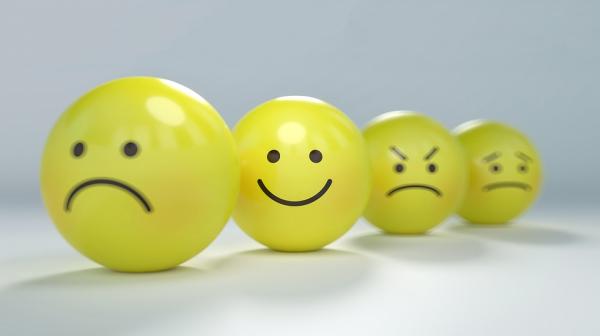
Areas of positive psychology
- Happiness
- Creativity
- Flow/flow
- Resilence/hardness
- Optimism
- Humor
- Emotional Intelligence
- Personal strengths
Happine
Happiness is constituted as small moments lived. Happiness is a moment of subjective satisfaction, it has been conceived as an purpose or an end, such as a Ideal Welfare State and stable to achieve.
Creativity
Potential to perform, to produce different and valuable things. It is the ability of a brain to reach new conclusions and solve problems in an original form. It is a skill that can be learned.
- Related variables: Intelligence, intrinsic motivation, self -esteem.
- Characteristics: Flexibility, fluidity, originality, elaboration (level of detail).
Flow/flow
Developed by the psychologist Mihalyi CSIKSZentmihalyiwho has defined it as a state in which the person is completely absorbed in an activity for their own pleasure and enjoyment, during which time flies and actions, thoughts and movements follow each other without pause. The person uses their skills and skills carrying them to the extreme. According to Mihalyi CSIKSZentmihalyi There are seven flow conditions:
- Sense of ecstasy, of being out of everyday reality.
- Inner clarity, knowing what needs to be done and how good it goes.
- Knowing the activity is feasible, that competencies are adequate, and anxious or boring.
- Senity sense, he does not care for himself, a feeling of growing beyond the limits of the ego. Feeling of ego that transcends so that he did not believe possible.
- Opportunity, fully centered today, do not realize the passage of time.
- Intrinsic motivation, which produces “flow” becomes its own reward.
Resilence/hardne
Ability of a person or group to face the fatalities, overcome them and get reinforced from experience. Could be personal strength analoguehow a person remakes of bad incidents and even handles them to improve their present and future.
Optimism
Personality dispositional feature between external events and their personal interpretation.
It is the predisposition to believe that The future provides favorable achievements. Optimism is the value that helps us face difficulties with good mood and perseverance, discovering how positive people and circumstances have, trusting in our abilities and possibilities along with the help we can receive.

Humor
Children laugh at an average of 300 times a day. An adult does it between fifteen and one hundred. Laughter is a Powerful healing toolreduce tension, stress, aggressiveness and depression. Free endorphins (“happiness” hormone). Develop creative thoughts and communication skills. Improves the quality of life. A good laugh strengthens the body’s immune system and reduces hormones that can cause tensions.
Emotional Intelligence
It is the ability of the human being to experience, express and control your own emotionsin addition to being able to understand the emotions of others. Predicts your happiness.
Personal strength
According to Seligman (2003), strengths and virtues act as a barrier against misfortune and psychological disorders and can be the key to increasing recovery capacity:
- Wisdom and knowledge: Creativity, curiosity, mental openness, love for learning, perspective, innovation.
- Courage: courage, perseverance, integrity, vitality. Humanity and love: love, goodness, social intelligence.
- Justice: Citizenship, justice, leadership.
- Temperance: Forgiveness and mercy, humility, prudence, self -control.
- Transcendence: Appreciation of beauty and excellence, gratitude, hope, humor, spirituality.

This article is merely informative, in Psychology For we have no power to make a diagnosis or recommend a treatment. We invite you to go to a psychologist to treat your particular case.
If you want to read more articles similar to Positive psychology: definition and authors we recommend that you enter our category of social psychology.
References
- http://en.wikipedia.org/wiki/positive_psychology#theory
- http://www.slideshare.net/llana/psicolologia-positivo-presentation
- http://www.slideshare.net/catalinautpl/psicologiapospdf
- http://www.slideshare.net/marissa122880/psicologia-positive-8835829
Use this citation format to reference the article clearly and help readers find the original source.
PsychologyFor. (2025). Positive Psychology: Definition and Authors. PsychologyFor. https://psychologyfor.com/positive-psychology-definition-and-authors/