


See more of our articles in your search results.
The last gift has been opened. The decorations are coming down. Family has dispersed back to their regular lives. Your social calendar, packed solid for weeks, suddenly contains nothing but work meetings and ordinary obligations. The tree that seemed so magical two days ago now looks tired and a bit sad, dropping needles onto the floor. And you—you feel hollow. Empty. Anxious in a way you can’t quite name.
Welcome to post-Christmas anxiety, the psychological hangover that nobody warns you about while you’re surviving December. While everyone’s focused on managing holiday stress, preparing for gatherings, and getting through the intense emotional pressure of Christmas itself, almost nobody talks about what happens in the days and weeks immediately after. That crushing letdown. That free-floating dread. That sense that something’s wrong but you can’t identify what.
Research shows that 64% of people experience some form of post-holiday blues, making this one of the most common but least discussed mental health challenges. The phenomenon is so widespread that therapists see a significant spike in new client requests in January, mental health crisis lines report increased calls in the weeks after Christmas, and even emergency rooms note upticks in anxiety-related visits once the holidays end.
Here’s what makes post-Christmas anxiety particularly disorienting: you’re supposed to feel relieved. The pressure is over. The obligations have ended. You survived December. So why do you feel worse now than you did when you were drowning in holiday stress? Why does the absence of pressure create its own form of anxiety? And why does nobody seem to talk about this?
After two decades working with clients through the full arc of holiday seasons, I can tell you that post-Christmas anxiety is often more severe than the stress people experience during December itself. During the holidays, anxiety has clear sources and purposes—you’re anxious about hosting the dinner, about family conflicts, about spending too much money, about meeting expectations. That anxiety, while unpleasant, makes sense and has specific targets.
How many of these have you been "meaning to read" for months?
- 1
 MarinerSAS Survival Handbook, Third EditionThe Ultimate Guide to Surviving Anywhere ― The Classic Survival Handbook, Updated with Urban Su...Listen Free On Audible
 - 2
 TarcherThe Artist's Way30th Anniversary EditionListen Free On Audible
 - 3
 American GirlThe Care and Keeping of You 1The Body Book for Younger Girls (American Girl® Wellbeing)Listen Free On Audible
Post-Christmas anxiety is murkier. It’s the crash after the adrenaline high. It’s the return to ordinary life that suddenly feels unbearably mundane after weeks of heightened experience. It’s the financial consequences catching up with you. It’s the emotional exhaustion that you postponed while pushing through December finally demanding acknowledgment. It’s grief, disappointment, loneliness, and existential questions all mixed together without the distraction of holiday busyness to mask them.
This article explores the psychological mechanisms behind post-Christmas anxiety, examines why the period after holidays triggers these specific patterns, validates the full range of experiences people have during this transition, and provides concrete, evidence-based strategies for managing the anxiety rather than just enduring it. Because understanding that this is a real, common, predictable phenomenon—not a personal failing—is the first step toward handling it effectively.
The Psychological Crash After Christmas
Post-Christmas anxiety isn’t just feeling sad that the holidays are over, though that can be part of it. It’s a complex psychological phenomenon involving multiple interacting factors that converge in the days and weeks after December 25th.
The adrenaline crash hits many people first. December kept your nervous system in a heightened state for weeks—managing social obligations, coordinating logistics, meeting deadlines, hosting events, navigating family dynamics. Your body produced stress hormones continuously to keep you functioning through demands that exceeded your normal capacity. Then Christmas ends and all those demands disappear simultaneously. Your nervous system, which was running hot for weeks, suddenly has nothing to do with all that activation. The result is often a crash that feels like depression but is actually your body recalibrating after sustained stress.
Neurologically, this manifests as depleted neurotransmitters. The dopamine, serotonin, and norepinephrine that kept you energized through December get exhausted. Your brain’s reward and motivation systems, which were working overtime, now need recovery time. This creates the fatigue, low motivation, and flat affect that many people experience in early January. You’re not lazy or ungrateful—your brain chemistry is literally depleted and needs time to restore baseline levels.
The anticipation-letdown cycle creates another component of post-Christmas anxiety. Humans are wired to find pleasure in anticipation as much as in actual experiences. The weeks leading up to Christmas involve constant anticipation—of gatherings, of time off work, of seeing loved ones, of the special meals and traditions. This anticipation activates reward circuitry in your brain, creating positive feelings. When Christmas passes, you lose not just the event but the anticipation itself. You’re looking ahead at months of ordinary time with no special events to anticipate, and that absence of positive future focus can trigger anxiety and depression.
Existential questioning intensifies when distraction ends. December’s busyness serves a function beyond just completing tasks—it occupies your mind so completely that deeper questions about meaning, purpose, and life satisfaction don’t have space to emerge. When the calendar clears and you’re suddenly facing ordinary January, those existential questions flood in. “Is this all there is?” “What am I actually doing with my life?” “Why do I feel so empty?” The anxiety stems partly from confronting questions you’ve been successfully avoiding through activity and obligation.
Identity shifts create disorientation. During the holidays, many people take on specific roles—the host, the gift-giver, the family organizer, the one who makes everything special. These roles provide purpose and identity, even if they’re exhausting. When Christmas ends, those roles disappear and you’re left with your ordinary identity, which might feel less meaningful or defined. The loss of purpose that came from fulfilling your holiday role creates a void that anxiety rushes in to fill.
Routine disruption lingers beyond the holidays themselves. Even though Christmas is over, your routines don’t immediately snap back to normal. Sleep schedules are still disrupted. Eating patterns remain irregular. Exercise routines were abandoned and haven’t been reestablished. Work rhythms are off because of time away. This continued destabilization of routines maintains the anxiety that disruption creates, even though the actual holiday events have ended.
The “now what?” question becomes acute. December had a clear narrative arc and endpoint. You were building toward Christmas. Now it’s over, and for many people there’s nothing equivalent on the horizon. Winter stretches ahead—long, dark, cold in many places, with no major events to break the monotony. This lack of structure and milestones in the coming months creates a peculiar anxiety about empty time ahead.
Financial Reality and January Anxiety
One of the most concrete sources of post-Christmas anxiety is financial. The bills from December spending start arriving in January, often shocking people who were in some level of denial about how much they actually spent.
Credit card statements deliver brutal reality checks. During December, many people use credit cards to bridge the gap between what they can afford and what they felt obligated to spend. The psychological distance between swiping a card and actually paying creates a buffer that allows overspending. January credit card statements eliminate that buffer, presenting the full financial damage in stark numbers that can no longer be avoided or minimized.
The anxiety this creates is both immediate and prolonged. Immediately, there’s panic: “How will I pay this?” “Why did I spend so much?” “What was I thinking?” This acute anxiety often triggers shame and self-criticism that compound the stress. Long-term, there’s the grinding anxiety of debt repayment—months of restricted budgets, minimum payments that mostly go to interest, the stress of carrying balances that you know are financially destructive but feel powerless to eliminate quickly.
The bills-to-income mismatch creates impossible math. January brings not just holiday debt but also regular bills—rent or mortgage, utilities, insurance, loan payments, groceries. For people who overspent in December, there simply isn’t enough money to cover both the regular expenses and the holiday debt. This creates crisis-level financial anxiety as people juggle what to pay, what to delay, what to borrow to cover, and what financial damage to accept as inevitable.
Regret intensifies financial anxiety. Looking at credit card charges in the cold light of January often reveals purchases that seemed important or necessary in December but now appear wasteful or foolish. The toy your child played with once. The expensive outfit for a party that’s already forgotten. The elaborate decorations that are now in storage. Each regretted purchase becomes evidence of your poor judgment, feeding self-criticism that worsens anxiety beyond just the financial stress.
Comparison to others’ apparent financial ease makes post-Christmas financial anxiety worse. Social media shows people taking elaborate post-Christmas vacations or making major January purchases, creating the impression that everyone else handled holiday spending easily while you’re drowning in debt. This comparison is usually distorted—you’re comparing your private financial reality to others’ curated public presentation—but it still generates shame and anxiety about your perceived financial inadequacy.
Future planning feels impossible under debt pressure. When you’re anxious about paying current bills and holiday debt, thinking about future financial goals feels pointless or overwhelming. You can’t save for a house down payment when you’re paying off Christmas. You can’t invest for retirement when credit card interest is consuming your income. This sense of financial future being blocked or delayed creates its own layer of anxiety about long-term security and goals.
Relationship stress from financial disagreements escalates in January. Couples who overspent during Christmas often fight about it in January when the bills arrive. One partner might blame the other for excessive spending. Resentments about financial priorities or decision-making surface. For some couples, post-Christmas financial stress causes relationship damage that extends far beyond the actual debt itself.
Managing post-Christmas financial anxiety requires facing reality rather than avoiding it, creating concrete repayment plans, and committing to different patterns for next year. But in the immediate aftermath when the bills are arriving and panic is setting in, the anxiety can feel overwhelming and inescapable.
The Return to Work and Routine Resistance
For many people, the first week back at work in January brings intense anxiety that has less to do with the actual job and more to do with the psychological shift from holiday mode to work mode.
The contrast effect makes ordinary work feel unbearable. After time away—whether a few days or a couple weeks—returning to the same job, same desk, same responsibilities can trigger a crisis of meaning. “Is this really what I’m doing with my life?” The work that felt tolerable in November suddenly feels soul-crushing in January because you’ve had a break that reminded you life could be something other than this routine. The anxiety stems from feeling trapped in a life that doesn’t align with what you actually want.
Accumulated work creates immediate overwhelm. While you were away, emails piled up, projects stalled, decisions were delayed, and deadlines accumulated. Walking back into this backlog triggers acute anxiety about how you’ll possibly catch up, meet expectations, and get back to baseline productivity. The volume of work waiting can feel insurmountable, creating paralysis where you’re anxious about everything you need to do but can’t figure out where to start.
Post-holiday exhaustion impairs performance. You’re supposed to return to work refreshed, but many people come back more tired than when they left because the holidays themselves were exhausting. Trying to perform at normal levels when you’re physically and emotionally depleted creates anxiety about falling behind, making mistakes, or revealing to colleagues that you’re struggling. The gap between expected performance and actual capacity generates significant stress.
Social performance anxiety returns. During time off, many people could be authentically themselves without workplace performance demands. Returning to work means resuming professional masks—being pleasant to coworkers you don’t particularly like, engaging in small talk about holidays, projecting competence and enthusiasm you don’t feel. After weeks of relative authenticity at home, this performance feels more burdensome and generates anxiety about maintaining it convincingly.
The January expectation for renewal conflicts with actual state. Workplace culture often treats January as a fresh start, expecting people to return energized with new goals and resolutions. If you’re actually returning anxious, exhausted, and dreading being there, the gap between this cultural expectation and your reality creates additional anxiety about not meeting the “new year, new you” mandate.
Financial necessity conflicts with desire to quit. For some people, time away clarifies that they genuinely want to leave their job. But post-Christmas debt makes that financially impossible. Being trapped in work you want to leave because you need the income to pay off holiday spending creates a particular form of anxiety rooted in feeling stuck in circumstances you created through your own choices.
Social Isolation and the Post-Holiday Void
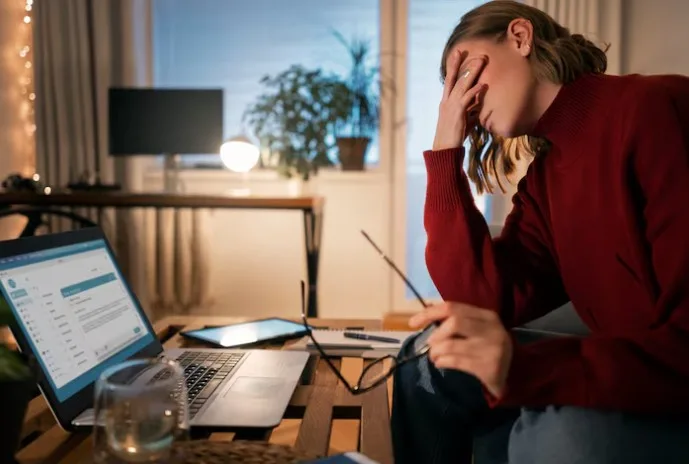
One of the cruelest ironies of post-Christmas anxiety is that it often strikes hardest at people who were surrounded by others throughout December. The sudden shift from constant social engagement to relative isolation creates a void that anxiety fills.
The social calendar empties dramatically. December was packed with parties, gatherings, events, and obligations. You were seeing people constantly—maybe more than you wanted. Then January hits and your calendar contains nothing but work and ordinary commitments. The contrast between hyperconnection and sudden isolation can trigger intense loneliness, even for people who are naturally introverted and were exhausted by all the December socializing.
Temporary connections end abruptly. The holidays bring together people who don’t see each other regularly—extended family, old friends home for the holidays, acquaintances at parties. These reconnections create temporary intensity and warmth. When they end and everyone disperses back to regular lives, you’re left missing connections that were never going to be sustainable but felt meaningful in the moment. The loss of even temporary connection creates grief that fuels anxiety.
Comparison to holiday togetherness amplifies ordinary loneliness. If you’re someone who lives alone or has limited social connection normally, that reality becomes more painful in January because you’ve just experienced the contrast. You spent weeks surrounded by people (or at least seeing images of others surrounded by people), and now you’re back to being alone. Loneliness that was manageable in November becomes acute in January because Christmas showed you what you’re missing the rest of the year.
Energy for maintaining connection depletes. During the holidays, social connection happens through built-in structures—family gatherings, work parties, traditional events. In January, maintaining connection requires intentional effort—calling friends, making plans, initiating activities. When you’re already exhausted and anxious, you often lack energy for this effort, which means isolation deepens even though connection would help reduce anxiety. You need social support to manage anxiety, but anxiety makes seeking social support feel impossible.
Social media intensifies the isolation. While your feed shows people returning to active social lives—dinners out, weekend activities, gym sessions with friends—you’re home alone feeling anxious and exhausted. This creates the perception that everyone else has transitioned smoothly into post-holiday life while you’re alone and struggling. The comparison makes isolation feel like personal failure rather than common experience.
Grief for absent people intensifies after holidays end. If you lost someone significant, Christmas might have been difficult but at least it was busy and provided distraction. January’s quiet makes the absence more acute. You’re no longer occupied with holiday tasks, so grief has more space to emerge. The combination of grief and isolation can trigger severe anxiety and depression.
Relationship strain from holiday intensity creates distance. For many couples and families, the forced intimacy and stress of December causes conflicts or reveals problems. Coming out of Christmas with relationship strain means you’re facing January not just with general anxiety but with specific relationship anxiety and possibly less support from the people you’d normally rely on.

Recognizing the Signs You’re Experiencing This
Post-Christmas anxiety manifests differently in different people, but certain patterns are common enough to serve as warning signs that you’re experiencing this rather than just normal January adjustment.
Physical symptoms that commonly accompany post-Christmas anxiety include persistent fatigue that doesn’t improve with rest, changes in appetite (either increased or decreased), sleep disruption (difficulty falling asleep, waking during the night, or sleeping excessively), headaches or muscle tension, digestive problems, and a general sense of physical malaise or low energy. These symptoms indicate your nervous system is dysregulated from the holiday stress cycle.
Emotional indicators include persistent sadness or feeling down, irritability or shortened temper, feeling emotionally numb or disconnected, crying more easily or for no apparent reason, loss of interest in activities you normally enjoy, and a general sense of emptiness or meaninglessness. Unlike clinical depression which is sustained over months, post-Christmas emotional symptoms are tied to the holiday transition and typically improve over weeks.
Cognitive signs manifest as difficulty concentrating or focusing on tasks, rumination about holiday events or conflicts, persistent worrying about multiple things without resolution, trouble making even simple decisions, forgetfulness or mental fog, and intrusive thoughts about finances, relationships, or life direction. Your mind is processing the holiday experience and recalibrating, which temporarily impairs normal cognitive function.
Behavioral changes to watch for include withdrawing from social contact even when opportunities arise, procrastinating on work or personal responsibilities, relying more heavily on substances (alcohol, food, etc.) for comfort or escape, neglecting self-care like hygiene or health routines, avoiding activities or places that remind you of holiday stress, and generally functioning below your normal capacity without being able to pinpoint why.
Social and relational symptoms include feeling disconnected even when around people, having less patience with family or coworkers, avoiding conversations or making excuses to limit interaction, feeling resentful or bitter toward others who seem to be handling post-holidays better, or experiencing relationship conflicts that seem disproportionate to the actual issues.
Existential symptoms are subtler but significant: questioning the meaning or purpose of your daily life, feeling dissatisfied with your circumstances in ways that weren’t acute before the holidays, experiencing a sense of “is this all there is?”, feeling stuck or trapped in your current life situation, or having difficulty envisioning a positive future.
The key distinguishing feature of post-Christmas anxiety versus other forms of anxiety is its temporal relationship to the holiday. If these symptoms emerged or intensified specifically in the days or weeks after Christmas and you weren’t experiencing them at this level before the holidays, you’re likely dealing with post-Christmas anxiety rather than a general anxiety disorder or other condition.
That said, post-Christmas stress can exacerbate pre-existing mental health conditions. If you have diagnosed anxiety, depression, or other conditions, the post-holiday period might trigger symptom escalation that requires adjusting your treatment plan rather than just waiting it out.
Why Some People Experience This More Intensely
While post-Christmas anxiety is common, certain people are more vulnerable to severe forms of it. Understanding your risk factors helps you prepare and seek appropriate support.
People with pre-existing anxiety or depression are at highest risk because the holiday season often disrupts treatment routines, medication adherence, therapy schedules, and coping mechanisms. The post-Christmas period can trigger significant symptom worsening that extends beyond normal post-holiday blues into clinical territory requiring professional intervention.
Those who experienced significant holiday stress or trauma during this particular Christmas carry that unprocessed stress into January. If holidays involved major conflicts, loss of relationships, financial disaster, or retraumatization from family dynamics, the aftermath involves processing genuine trauma rather than just normal letdown.
People with seasonal affective disorder (SAD) face compounding factors. Post-Christmas occurs during the darkest part of winter in the Northern Hemisphere when SAD symptoms typically peak. The combination of post-holiday letdown and seasonally-driven depression creates particularly intense symptoms.
Financial precarity increases vulnerability. If you entered January with serious debt, inability to pay bills, or genuine financial crisis from holiday spending, the anxiety you’re experiencing has a concrete, ongoing cause that won’t resolve until the financial situation improves. This isn’t just psychological adjustment—it’s warranted anxiety about real circumstances.
People living alone or with limited social support lack the buffering effect that connection provides. If you’re isolated and experiencing post-Christmas anxiety, you’re processing it alone without external perspective or support, which often makes symptoms worse and last longer.
Those who derive significant identity or purpose from holidays experience greater loss when that role ends. If you’re the person who makes Christmas magical, who hosts and organizes, whose purpose revolves around creating holidays for others, January’s loss of that role can create an identity crisis on top of general letdown.
Perfectionists and high achievers often push themselves unsustainably through December, creating larger crashes in January. If you ran yourself into the ground trying to create perfect holidays, the physical and emotional exhaustion that results is more severe than for people who maintained better boundaries.
People experiencing major life transitions or losses find post-Christmas particularly difficult because the holiday highlighted what’s changed or missing. First holidays after divorce, death of a loved one, job loss, or other major transitions create intensified post-Christmas grief and anxiety.
Those with trauma histories, particularly family trauma, often get retriggered during holiday family contact. The post-Christmas period involves processing that retraumatization, which looks like anxiety but is actually a trauma response requiring specialized support.

Strategies for Managing Post-Christmas Anxiety
Understanding post-Christmas anxiety helps, but you also need concrete strategies for actually managing it when you’re in the thick of those difficult January weeks.
Reestablish routines as quickly as possible. Your brain and body need the stability that routine provides. Get back to regular sleep and wake times, resume consistent mealtimes, reestablish exercise habits, and return to whatever daily structure works for you. Routine provides external scaffolding when internal motivation and energy are depleted. Don’t wait until you feel like it—the routine itself helps create the feeling.
Set minimal, achievable goals rather than ambitious resolutions. January is culturally coded as a time for major change and ambitious goals, but if you’re dealing with post-Christmas anxiety, now is not the time for transformation. Instead, set small, manageable goals that build momentum without adding pressure: “I’ll walk 10 minutes daily” rather than “I’ll train for a marathon.” Success with small goals builds confidence and energy for larger ones later.
Address financial reality directly rather than avoiding it. Avoidance increases anxiety. Instead, calculate exact debt, create a specific repayment plan, cut unnecessary spending, and take concrete action toward financial recovery. Once you have a plan, anxiety typically decreases even though the actual financial situation hasn’t changed yet. Control over the problem reduces anxiety more than the problem’s magnitude increases it.
Schedule social connection deliberately. Don’t wait for social opportunities to arise organically—actively create them. Reach out to friends, make specific plans, attend activities even when you don’t feel like it. Social connection is one of the most powerful anxiety reducers, but post-Christmas anxiety makes you want to isolate, creating a vicious cycle. Breaking that cycle requires acting opposite to the impulse.
Limit social media consumption significantly. The comparison trap is particularly vicious in January when everyone’s posting their best selves and fresh starts while you’re struggling. Reduce exposure to these curated narratives that make your reality look worse by comparison. Real connection helps; social media comparison hurts.
Practice self-compassion about the struggle. You’re not failing at January or broken because you’re finding this transition difficult. Post-Christmas anxiety is common and normal. Respond to yourself with the kindness you’d extend to a friend going through the same thing: “This is hard. It makes sense that I’m struggling. I’m doing my best.” Self-criticism intensifies anxiety; self-compassion reduces it.
Process holiday experiences through journaling or therapy. If Christmas brought up difficult emotions, conflicts, or realizations, those need processing rather than suppression. Writing about your experiences helps make sense of them. Talking to a therapist provides professional guidance for working through what came up during the holidays.
Create things to look forward to. Part of post-Christmas anxiety stems from the absence of future positive events. Deliberately plan things that give you anticipation—a concert in February, a trip in March, a class starting in a few weeks, regular Friday night plans with friends. These don’t need to be elaborate or expensive; they just need to create positive future focus.
Engage in activities that reliably improve your mood. Even when you don’t feel like it, do things that typically help you feel better: exercise, time in nature, creative pursuits, time with pets, listening to music you love, cooking meals you enjoy. Action often precedes motivation rather than following it, especially when you’re anxious or depressed.
Limit or eliminate alcohol and other substances. The temptation to self-medicate anxiety with alcohol or other substances is strong, but these typically worsen anxiety after temporary relief. If you’re relying on substances to manage post-Christmas feelings, that’s a sign you need different coping strategies and possibly professional support.
Get appropriate light exposure. If you’re in the Northern Hemisphere, January means limited daylight which affects mood and anxiety. Spend time outside during daylight hours, sit near windows when inside, or consider a light therapy lamp designed for seasonal affective disorder. Light exposure influences neurotransmitters and circadian rhythms that directly affect anxiety levels.
Give it time while taking action. Post-Christmas anxiety typically improves over 2-4 weeks as your nervous system recalibrates, routines reestablish, and you get distance from the holiday intensity. This doesn’t mean you passively wait it out—you take the actions above while also recognizing that time itself is part of the healing. The combination of active coping and patience for natural recovery provides the best outcome.
When Post-Holiday Feelings Become Concerning
Most post-Christmas anxiety is temporary and manageable with self-directed strategies. But sometimes it crosses into territory requiring professional intervention rather than just self-care.
Duration beyond 3-4 weeks is a warning sign. Post-holiday blues typically peak in the first week or two of January and gradually improve through the month. If you’re into February and symptoms haven’t improved or are worsening, that suggests something beyond normal post-Christmas adjustment is happening that needs professional assessment.
Severe functional impairment warrants help. If anxiety is preventing you from working effectively, maintaining relationships, caring for children or other dependents, or handling basic self-care and responsibilities, that’s beyond normal post-holiday difficulty and indicates need for professional support.
Suicidal thoughts or self-harm urges are emergencies. If you’re having thoughts of suicide, making plans to harm yourself, or experiencing urges to engage in self-injury, seek immediate professional help through crisis lines, emergency services, or mental health professionals. These symptoms indicate crisis-level distress requiring immediate intervention.
Substance use to cope signals need for help. If you’re drinking daily to manage anxiety, using prescription medications in ways not intended, or relying on other substances to get through days, that indicates you need professional support for developing healthier coping strategies.
Physical symptoms that persist or worsen need medical evaluation. While some physical symptoms accompany normal anxiety, severe or worsening symptoms—chest pain, difficulty breathing, sustained rapid heartbeat, severe digestive problems, dramatic weight changes, or chronic pain—warrant medical assessment to rule out physical health conditions.
Pre-existing conditions significantly worsening require treatment adjustment. If you have diagnosed anxiety, depression, or other mental health conditions and the post-Christmas period has triggered major symptom escalation despite your usual treatment plan, contact your mental health provider about adjusting care rather than assuming it will resolve on its own.
Relationship damage from your behavior is concerning. If anxiety is causing you to behave in ways that harm important relationships—withdrawing completely from your partner, being unable to engage with your children, creating conflicts that damage friendships—that indicates anxiety is impairing your social functioning significantly enough to need professional help.
Complete inability to experience any positive emotions beyond brief moments suggests clinical depression rather than temporary post-holiday blues. If you can’t access pleasure, connection, or hope at all, that’s a symptom requiring professional assessment and potentially treatment.
Treatment options for problematic post-Christmas anxiety include therapy (particularly cognitive-behavioral therapy or acceptance and commitment therapy), medication if symptoms are severe enough to warrant it, intensive outpatient programs if you need more structure than weekly therapy provides, or support groups focused on anxiety or seasonal depression.
Don’t wait until you’re in absolute crisis to seek help. If you’re questioning whether your symptoms warrant professional support, that question itself often indicates they do. Early intervention prevents escalation and shortens recovery time compared to waiting until symptoms become unbearable.

Building Resilience for Future Holidays
If you’re struggling with post-Christmas anxiety this year, you can take steps now—while the experience is fresh—to build resilience for future holiday seasons so this pattern doesn’t repeat indefinitely.
Reflect honestly on what created the anxiety. What specifically about this holiday season contributed to your current state? Was it financial overspending? Family dynamics? Overcommitment to obligations? Lack of boundaries? Disrupted routines? Unresolved grief? Identify the actual causes rather than just feeling generally bad, because specific causes have specific solutions.
Write down what you’ll do differently next year. Create a concrete plan while the pain is fresh and motivation is high. “Next December I will: set and keep a $X budget, limit social obligations to Y per week, maintain my exercise routine, spend no more than Z hours with difficult family members, protect my sleep schedule.” Put this somewhere you’ll see it in November when holiday planning begins.
Start a holiday fund now. One of the largest sources of post-Christmas anxiety is debt from overspending. Beginning in February or March, set aside even small amounts monthly specifically for next year’s holidays. Having $50/month from March through November gives you $450 to spend without debt, dramatically reducing financial stress.
Process relationships and dynamics that emerged. If holidays revealed or intensified relationship problems, address those now rather than letting them fester until next December. This might mean having difficult conversations, setting new boundaries, pursuing couples or family therapy, or making decisions about which relationships you can maintain in healthy ways.
Develop year-round coping strategies. If post-Christmas anxiety revealed that your general coping skills are inadequate, start building better ones now. Regular therapy, consistent exercise, mindfulness practice, strong social connections, creative outlets—develop these when you’re relatively stable so they’re in place before the next stressful period.
Rethink what holidays mean to you. If you’re repeating patterns out of obligation rather than genuine desire, permission yourself to create different versions of holidays that actually serve your wellbeing. This might mean starting new traditions, scaling back elaborate celebrations, or fundamentally reimagining how you observe the season.
Set up accountability and support systems. Identify people who can help you maintain boundaries and healthy patterns during next holiday season. Tell them your specific plans and goals, and ask them to check in with you or provide support when you’re tempted to fall into old patterns.
Consider therapy proactively. If post-Christmas anxiety has been severe, don’t wait until next December to address it. Working with a therapist during non-holiday months to understand patterns, develop strategies, and process underlying issues prepares you to handle next season differently.
The goal isn’t perfect holidays or eliminating all post-Christmas difficulty. The goal is reducing the severity and duration of post-holiday anxiety through better preparation, boundaries, and coping strategies. Each year can be incrementally better than the last if you apply what you learned from difficult experiences.
FAQs About Post-Christmas Anxiety
How long does post-Christmas anxiety typically last?
For most people, post-Christmas anxiety peaks during the first week or two of January and gradually improves over 3-4 weeks. The most intense symptoms—fatigue, mood disturbance, anxiety—typically diminish by mid-to-late January as routines reestablish, your nervous system recalibrates after the holiday stress cycle, and you gain psychological distance from the holidays themselves. However, duration varies based on severity of holiday stress, financial situation, pre-existing mental health conditions, and how actively you’re managing the symptoms. If post-Christmas anxiety persists beyond 4 weeks without improvement or worsens over time, that suggests it’s moved beyond normal post-holiday adjustment into territory that may require professional support. Some factors like financial stress from holiday debt can create ongoing anxiety that doesn’t resolve until the actual situation improves, which may take months. The key is distinguishing between the emotional/psychological adjustment period (typically a few weeks) and anxiety rooted in ongoing real circumstances like debt or relationship damage (which lasts until those situations improve).
Is post-Christmas anxiety different from seasonal affective disorder (SAD)?
Yes, though they can coexist and compound each other. Seasonal affective disorder is a type of depression triggered by seasonal changes, particularly reduced sunlight in winter months, typically starting in fall and lasting through winter. It’s driven primarily by biological factors including disrupted circadian rhythms and reduced serotonin production from lack of light exposure. Post-Christmas anxiety is specifically tied to the psychological, social, and financial aftermath of the holiday season—the letdown after intense activity, financial stress from overspending, disrupted routines, and social isolation after weeks of connection. Post-Christmas anxiety typically emerges right after December 25th and improves within weeks, while SAD persists throughout winter months regardless of holidays. That said, someone with SAD will likely experience worse post-Christmas symptoms because the seasonal depression amplifies the post-holiday letdown. If you’re experiencing both, treatment needs to address both components—light therapy and strategies specific to SAD, plus coping strategies for post-holiday adjustment. The timing and triggers help distinguish them: if symptoms started in November and persist through winter, suspect SAD. If they emerged specifically after Christmas, it’s more likely post-holiday anxiety.
Why do I feel worse after Christmas than I did during the stressful holiday season?
This paradox confuses many people but makes psychological sense. During Christmas, you’re running on adrenaline and stress hormones that keep you functioning through extraordinary demands. Your nervous system is activated, which feels unpleasant but also energizing and purposeful. Once the holidays end, that activation stops abruptly, creating a crash as stress hormones deplete and your nervous system recalibrates. It’s similar to how marathon runners sometimes feel worse the day after a race than during the race itself. Additionally, holiday busyness serves a psychological function of distraction—you’re so occupied that difficult emotions, existential questions, and unresolved issues don’t have space to emerge. When the calendar clears and you’re facing ordinary January, those suppressed feelings and questions flood in all at once. The anxiety that was manageable when channeled into holiday tasks becomes overwhelming when there’s nothing distracting from it. Finally, during the holidays you have hope and anticipation for events that might bring joy or meaning. After Christmas, you’re looking at months of ordinary time with nothing special to anticipate, which can trigger hopelessness that feels worse than the actual holiday stress did. The crash is real and common—you’re not imagining that January feels harder than December despite December being objectively more demanding.
How can I handle post-Christmas anxiety when I also have to deal with credit card debt from holiday spending?
Financial stress from holiday debt is one of the most concrete and persistent sources of post-Christmas anxiety because unlike emotional symptoms that improve with time, debt doesn’t resolve on its own. Start by facing the reality directly rather than avoiding it—calculate exact amounts owed, interest rates, and minimum payments. Avoidance increases anxiety while concrete knowledge, though painful, allows planning. Create a specific debt repayment plan with realistic timelines. Even if it will take months, having a plan reduces anxiety more than the uncertainty of not knowing how you’ll address it. Cut all non-essential spending immediately to free up money for debt repayment. This is temporary deprivation but necessary to prevent the debt from growing and to give yourself control over the situation. If debt is overwhelming, consider options like balance transfer cards (if you qualify and can commit to paying it off during the 0% period), personal consolidation loans with lower rates than credit cards, or working with a nonprofit credit counseling service. Avoid for-profit debt settlement companies that often make situations worse. Most importantly, forgive yourself while still taking responsibility. Self-punishment doesn’t pay debt faster and actually makes you less effective at problem-solving. Channel the energy you’d spend on guilt into concrete action—picking up extra work if possible, selling items you don’t need, or finding creative ways to generate income. The anxiety will decrease as the debt decreases, but you can also reduce anxiety before then by having control and a plan rather than chaotic avoidance.
Should I avoid all holiday celebrations next year to prevent post-Christmas anxiety?
Complete avoidance usually isn’t necessary or helpful, though selective participation based on what genuinely serves your wellbeing might be. The goal isn’t eliminating holidays but participating in ways that don’t create post-holiday collapse. Reflect on what specifically triggered this year’s post-Christmas anxiety. Was it financial overspending? Then next year set and maintain strict budgets rather than avoiding holidays entirely. Was it family dynamics? Then limit time with difficult relatives, set boundaries, or create alternative celebrations rather than withdrawing completely. Was it overcommitment to obligations? Then drastically reduce the number of events you attend rather than skipping everything. Was it disrupted routines? Then protect core routines (sleep, exercise) even during holidays rather than abandoning them. Most people find that modified participation works better than total avoidance—celebrating in smaller, more manageable ways that align with your actual values and capacity rather than cultural expectations. Complete avoidance can create its own form of sadness and isolation. The key is intentionality: choose what to participate in based on what brings genuine meaning or joy versus what you do from obligation or social pressure. Some people do take “mental health years” where they celebrate very minimally or differently, and that can be healing if done consciously rather than from fear. Use your current experience to inform better choices next year rather than defaulting to either identical repetition or complete avoidance.
How do I know if my post-Christmas feelings are normal or if I need professional help?
Several factors distinguish normal post-holiday adjustment from symptoms requiring professional intervention. Normal post-Christmas anxiety improves gradually over 2-4 weeks, allows you to continue functioning in important life areas even if not optimally, responds to self-care strategies, and doesn’t include severe symptoms like suicidal thoughts or complete inability to function. Concerning symptoms include: persistence beyond 4 weeks without improvement, severe functional impairment preventing you from working or maintaining relationships, thoughts of suicide or self-harm, reliance on substances to cope, complete inability to experience any positive emotions, or pre-existing mental health conditions significantly worsening. The “interference with functioning” test is useful—if you can still work, care for dependents, maintain basic self-care, and engage with important relationships even though you feel bad, that’s likely normal adjustment. If anxiety is preventing these basic functions, seek help. Also consider whether you have support and coping resources. If you have no one to talk to, no therapy relationship, and limited coping skills, professional support can provide what you lack for managing this on your own. Don’t wait for absolute crisis before seeking help—if you’re questioning whether you need it, that question itself often indicates you do. Early intervention prevents escalation and shortens recovery time. Better to check with a professional who assesses your situation and tells you you’re managing well than to struggle alone with something that could be more effectively treated with professional support.
Can post-Christmas anxiety trigger long-term depression or anxiety disorders?
For most people, post-Christmas anxiety is temporary and resolves without developing into long-term conditions. However, in some cases it can either reveal underlying conditions that weren’t previously diagnosed or trigger episodes in people vulnerable to mood and anxiety disorders. If someone has genetic predisposition to depression or anxiety, the combination of holiday stress, financial pressure, disrupted routines, and post-holiday letdown can trigger a depressive or anxiety episode that persists beyond the normal post-holiday period. Additionally, if post-Christmas anxiety is severe and goes completely unaddressed, the prolonged stress can contribute to developing more persistent anxiety or depression. The brain changes that occur during sustained stress and anxiety can create lasting patterns if they continue long enough without intervention. People with trauma histories may experience post-Christmas anxiety that reactivates trauma responses, which can then persist without trauma-informed treatment. The good news is that actively managing post-Christmas anxiety—through the strategies outlined in this article and professional help when needed—significantly reduces the risk of temporary symptoms becoming chronic conditions. The key is not ignoring symptoms or just hoping they’ll resolve while making no changes. If you address post-Christmas anxiety actively and symptoms still persist beyond 4-6 weeks, that’s when to seek professional evaluation to determine if something more than normal post-holiday adjustment is happening. Early intervention for emerging depression or anxiety disorders dramatically improves outcomes compared to waiting until symptoms are severe and entrenched.
Use this citation format to reference the article clearly and help readers find the original source.
PsychologyFor. (2025). Post-Christmas Anxiety: What it is and How to Deal with it. PsychologyFor. https://psychologyfor.com/post-christmas-anxiety-what-it-is-and-how-to-deal-with-it/