

See more of our articles in your search results.
Purslane can look like an ordinary garden weed: low-growing, reddish stems, smooth spoon-shaped leaves, and small yellow flowers that open in strong sun. It is also an edible plant with a long culinary and traditional-use history. Its appeal is not that it acts like a medicine, but that it provides nutrients in a fresh, inexpensive form that can fit naturally into salads, soups, stews, and sautés.
The health claims around purslane can become exaggerated quickly. It contains useful nutrients, including alpha-linolenic acid, vitamin C, carotenoids, potassium, magnesium, and several antioxidant compounds, but it is not a cure for chronic disease, infection, or mental health symptoms. Food is not treatment. The most accurate way to view purslane is as a nutrient-dense vegetable that may support an overall balanced dietary pattern, while leaving diagnosis and medical care to qualified professionals.
What does this modest-looking plant actually offer?
This evidence-aware guide explores 12 purslane properties and benefits, how to use it safely, and where traditional claims go beyond current human research.
What Is Purslane and Why Is It So Nutritionally Interesting?
Purslane, botanically known as Portulaca oleracea, is an annual succulent plant eaten in Mediterranean, Middle Eastern, Asian, Latin American, and North African cuisines. Its leaves and tender stems have a mild, slightly lemony flavor and a crisp texture when raw.
How many of these have you been "meaning to read" for months?


Its nutritional interest comes from density rather than magic. Fresh purslane provides water, fiber, micronutrients, and plant compounds with relatively few calories, so it can add color, texture, and nutritional variety to a meal without needing to replace other vegetables or protein-rich foods.
One unusual feature is its plant-based omega-3 content. Purslane contains alpha-linolenic acid, or ALA, which is an essential fatty acid, although the body converts only a limited amount of ALA into the longer-chain omega-3 fats found in oily fish. ALA omega-3s remain a useful nutritional contribution, especially within a varied plant-forward diet.
Plant composition varies with growing conditions, harvest stage, variety, storage, and preparation. A handful gathered from a garden is not nutritionally identical to every sample analyzed in a laboratory. Natural variation is normal.
Property One: Purslane Provides Plant-Based Omega-3 Fatty Acids
Purslane is notable among leafy vegetables because it contains alpha-linolenic acid, the principal plant-derived omega-3 fat. This makes it a useful addition for people looking to diversify their sources of unsaturated fats.
Omega-3 fats are involved in normal cell-membrane structure and other essential biological processes. Still, eating purslane does not provide the same nutritional profile as fish, algae-derived DHA and EPA supplements, or medical nutrition therapy prescribed for a particular condition.
Use purslane as food, not a dosage form. Add fresh leaves to a salad with beans, lentils, walnuts, olive oil, and lemon, or stir them into a finished grain bowl. Dietary pattern matters more than a single ingredient.
Property Two: It Adds Fiber for Digestive Health
Purslane contributes dietary fiber, which helps support regular bowel function as part of an overall fiber-rich eating pattern. Fiber also helps meals feel more satisfying and supports the gut microbiome.
Its contribution is modest in normal serving sizes, so purslane should complement rather than replace legumes, whole grains, fruits, vegetables, seeds, and nuts. A varied plate usually provides more benefit than relying heavily on one “superfood.”
If you are not used to eating many fiber-rich foods, increase portions gradually and drink adequate fluids. A sudden major increase in fiber can cause bloating or altered bowel habits for some people. Gradual changes are easier on digestion.
Property Three: Purslane Contains Vitamin C
Fresh purslane contains vitamin C, a nutrient involved in collagen formation, immune function, antioxidant activity, and iron absorption from plant foods. This is one reason raw or lightly cooked purslane can be a useful addition to meals.
Vitamin C is heat-sensitive, so prolonged boiling can reduce the amount retained in the finished dish. That does not make cooked purslane unhealthy; it simply means preparation changes nutrient content, as it does with many vegetables.
For a practical meal, combine purslane with chickpeas, tomatoes, peppers, citrus, and olive oil. The vitamin C-rich ingredients can also support absorption of iron from beans and other plant foods. Meal combinations often matter more than isolated nutrients.
Property Four: It Supplies Antioxidant Plant Compounds
Purslane contains compounds such as carotenoids, flavonoids, and betalains, which show antioxidant activity in laboratory analysis. These compounds contribute to the plant’s nutritional profile and may support cellular protection within a varied diet.
Laboratory antioxidant findings should be interpreted carefully. A plant extract neutralizing molecules in a test tube does not prove that eating the plant prevents, treats, or reverses a disease in people.
The useful takeaway is straightforward: consuming a range of colorful plant foods gives the body access to many different compounds, and purslane can be one flavorful part of that range. Dietary diversity is more evidence-based than single-food promises.
Property Five: Purslane Offers Potassium and Magnesium
Purslane contains minerals including potassium and magnesium, both of which support normal body functions. Potassium is relevant to nerve signaling and fluid balance, while magnesium participates in hundreds of enzyme reactions.
These minerals are not unique to purslane. Leafy greens, beans, nuts, seeds, whole grains, dairy products, fruits, and potatoes can all contribute meaningfully to daily intake, depending on an individual’s dietary pattern.
People with kidney disease or those instructed to limit potassium should not make dietary changes based on general nutrition articles alone. Renal nutrition guidance should come from a physician or registered dietitian who knows the person’s laboratory values and medications.
Property Six: It Is a Low-Calorie, Water-Rich Vegetable
Fresh purslane is mostly water and relatively low in energy, making it a useful choice for people who enjoy large-volume meals with varied textures. Low energy density can support satisfaction without requiring restrictive eating rules.
That said, no vegetable needs to be earned, and pursuing weight change through extreme food restriction can harm both physical and psychological wellbeing. Purslane is best viewed as an enjoyable ingredient, not as a weight-loss treatment.
Try it in a mixed salad, fold it into scrambled eggs near the end of cooking, or add it to a yogurt-and-herb dip. The point is nourishment and pleasure. Flexible eating is more sustainable than food fear.
Property Seven: It May Support Heart-Healthy Eating Patterns
Purslane’s combination of unsaturated fats, fiber, potassium, and plant compounds means it can fit well within a heart-healthy dietary pattern. That is a reasonable food-based conclusion, not proof that purslane independently prevents cardiovascular disease.
Cardiovascular health is shaped by many factors, including blood pressure, smoking, sleep, physical activity, genetics, stress, access to healthcare, and the overall quality of the diet. One plant cannot compensate for every other factor.
Use purslane alongside evidence-based choices such as more vegetables and legumes, adequate protein, unsaturated fats, and less reliance on highly processed foods when feasible. Whole-pattern nutrition deserves more attention than miracle-food marketing.
Property Eight: It Can Increase Vegetable Variety
Many people eat the same three or four vegetables repeatedly, not because they dislike variety, but because unfamiliar produce can feel inconvenient or risky. Purslane offers a simple route toward greater plant diversity without needing complicated preparation.
Its crisp leaves work raw, while its tender stems soften quickly in cooking. This flexibility makes it easier to add to dishes already familiar to you, such as soups, omelets, salads, grain bowls, and vegetable sautés.
Variety matters because different plants provide different fibers, minerals, pigments, and bioactive compounds. Purslane does not need to outperform every other vegetable to be worth eating. New foods count.
Property Nine: It Has a Long Traditional Culinary History
Purslane has been used as an edible green in many food traditions for generations, which offers useful cultural context but should not be confused with proof of medical effectiveness. Traditional use and clinical evidence answer different questions.
In Greek and Turkish cooking, it is often paired with yogurt, garlic, or olive oil. In Mexican cuisine, verdolagas appear in stews and sauces. Across parts of Asia and the Middle East, cooks add it to soups, salads, and braised vegetable dishes.
These culinary traditions demonstrate that purslane is more than a novelty ingredient. They also remind us that “medicinal plant” language can sometimes erase the ordinary pleasure of food, culture, and shared meals. Culinary heritage matters too.
Property Ten: Purslane May Offer Anti-Inflammatory Potential, With Limits
Studies of purslane extracts and components suggest possible anti-inflammatory activity, but the evidence is largely preclinical or based on small human studies. It is too early to treat purslane as a proven anti-inflammatory therapy.
Inflammation is not one single process, and persistent inflammation can have many causes requiring different forms of medical evaluation. A food may support general nutrition without addressing the source of chronic pain, autoimmune disease, infection, or metabolic illness.
It is reasonable to enjoy purslane as part of a diet rich in minimally processed plants. It is not reasonable to stop prescribed medication or delay care because a plant is described online as anti-inflammatory. Medical treatment should remain evidence-led.
Property Eleven: It May Help Make Meals More Satisfying
The mild acidity, crunch, moisture, and green flavor of purslane can improve sensory satisfaction in a meal, which may make balanced eating feel less like a task. Food enjoyment is a legitimate part of nutrition.
A satisfying meal usually combines several elements: texture, flavor, protein, carbohydrate, fat, and enough volume to feel physically and emotionally complete. Purslane can contribute freshness, but it works best alongside other nourishing components.
For example, use purslane with roasted vegetables, lentils, feta or tofu, toasted seeds, and a lemon dressing. This creates a fuller meal than purslane alone while respecting appetite and personal preference. Balanced plates support consistency.
Property Twelve: It Is Easy to Grow, With Important Safety Rules
Purslane grows readily in warm conditions and can be cultivated in containers, gardens, or raised beds, making it an accessible source of fresh greens for some households. Home growing can increase familiarity with vegetables and reduce food waste.
Foraging is different. Do not eat a wild plant unless you are absolutely certain of its identity, because purslane can be confused with toxic lookalikes, especially species of spurge. A local horticultural expert or a reliable regional field guide is safer than identification from a single online photograph.
Avoid harvesting from roadsides, pesticide-treated lawns, industrial sites, or places where animals may contaminate the soil. Wash cultivated purslane thoroughly under running water before eating. Food safety is part of healthy eating.
Who Should Be Careful With Purslane?
Purslane is generally eaten as a food, but it contains oxalates, naturally occurring compounds that can matter for some people, particularly those with a history of calcium oxalate kidney stones or a medically prescribed low-oxalate diet.
Cooking in water and discarding the water can reduce oxalates in some vegetables, although it may also reduce water-soluble nutrients. The right approach depends on individual health needs, not a universal rule.
People taking anticoagulant medication, managing kidney disease, following a therapeutic diet, or preparing purslane during pregnancy should discuss significant dietary changes with a qualified clinician. Individual guidance matters more than broad online advice.
FAQs About Purslane
Can purslane cure diabetes, cancer, or high blood pressure?
No. Purslane contains nutrients and plant compounds that can support a varied diet, but there is no reliable clinical evidence that it cures diabetes, cancer, high blood pressure, or other serious health conditions. These illnesses require assessment and treatment from qualified healthcare professionals. If you enjoy purslane, use it as part of meals that include a range of vegetables, protein sources, healthy fats, and other nutrient-rich foods. Do not replace prescribed medication, monitoring, or medical appointments with a medicinal-plant remedy.
Is purslane safe to eat raw?
Yes, cultivated purslane is commonly eaten raw in salads when it has been correctly identified, harvested from a safe location, and washed thoroughly. Its leaves have a crisp texture and a mild tart flavor. Avoid eating plants gathered from roadsides, treated lawns, industrial land, or places exposed to animal waste. Correct identification is especially important because toxic spurge plants can resemble purslane. If you are uncertain about a plant’s identity, do not eat it. Purchase it from a reliable produce supplier or grow it yourself from trusted seed instead.
Does purslane contain more omega-3 than fish?
No. Purslane provides alpha-linolenic acid, a plant omega-3 fat, while oily fish provides the longer-chain omega-3 fats EPA and DHA. The body can convert some ALA into EPA and DHA, but this conversion is limited and varies among individuals. Purslane remains a useful plant-based contribution to dietary variety, especially for people who eat little fish, but it is not nutritionally equivalent to oily fish or algae-derived EPA and DHA products. A registered dietitian can help with individualized nutrition planning for people following vegetarian or vegan diets.
Can people with kidney stones eat purslane?
It depends on the type of kidney stone, medical history, medication, kidney function, and the dietary plan recommended by a clinician. Purslane contains oxalates, which can matter for people who form calcium oxalate stones or have been told to follow a low-oxalate diet. This does not automatically mean everyone with a kidney-stone history must avoid it, but it does mean individual advice is appropriate. Discuss portions and preparation methods with a nephrologist, urologist, or registered dietitian rather than relying on a general article for a therapeutic diet decision.
What does purslane taste like?
Purslane has a crisp, juicy texture with a lightly tart, lemony, and somewhat peppery flavor. Young leaves tend to be more tender, while thicker stems can hold up well in warm dishes. Its flavor pairs naturally with yogurt, garlic, lemon, tomatoes, cucumber, olive oil, beans, eggs, feta, and herbs. If you are trying it for the first time, begin with a small handful mixed into a salad you already enjoy. That makes its distinct texture easier to appreciate without overwhelming the meal.
Can I use purslane as a supplement?
Purslane supplements and extracts are marketed in some places, but these products are not equivalent to eating the fresh plant and may vary in purity, dose, and ingredient quality. Research on concentrated purslane extracts does not establish a universal safe or effective dosage for treating disease. Food-first use is generally more appropriate for people who simply want to include purslane in their diet. If you are considering a supplement because of a medical condition or medication use, discuss it with a physician or pharmacist first, since plant extracts can have different effects and risks than normal culinary portions.
How should I store fresh purslane?
Store unwashed purslane loosely wrapped in the refrigerator, ideally in a breathable bag or container lined with a dry paper towel. Wash it just before using it, because excess moisture can speed deterioration. Use it within several days for the best crispness and flavor. Remove damaged or slimy leaves before preparing the rest. If you have a large amount, use tender leaves raw and cook the thicker stems in a quick sauté, soup, or stew. Freezing is possible but changes the texture substantially, making frozen purslane better suited to cooked dishes.
Is purslane the same as portulaca flowers sold for gardens?
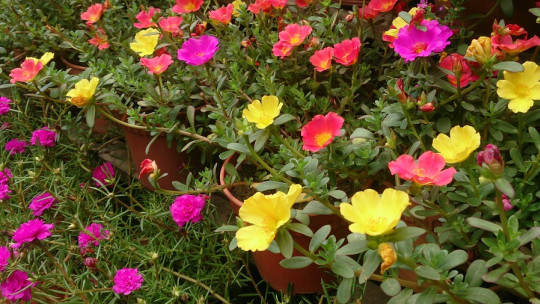
Purslane belongs to the Portulaca genus, and ornamental portulaca varieties are often related, but you should not assume every decorative plant sold under a similar name is intended for eating. Edible use depends on correct species identification, growing conditions, and whether pesticides or other chemicals were applied. The safest approach is to buy produce labeled as edible purslane or grow Portulaca oleracea from food-grade seed. Never eat a decorative plant simply because it resembles purslane in appearance or shares part of its botanical name.
Bibliography
- Uddin, M. K., Juraimi, A. S., Hossain, M. S., Nahar, M. A., Ali, M. E., & Rahman, M. M. (2014). Purslane Weed: A Broad Spectrum of Phytochemicals and Pharmacological Effects. Life Science Journal.
- Petropoulos, S. A., Karkanis, A., Martins, N., & Ferreira, I. C. F. R. (2016). Phytochemical Composition and Bioactive Compounds of Common Purslane. Trends in Food Science and Technology.
- United States Department of Agriculture. FoodData Central: Purslane, Raw.
- National Kidney Foundation. Kidney Stone Diet Plan and Oxalate Guidance.
- Harvard T.H. Chan School of Public Health. The Nutrition Source: Omega-3 Fats.
- National Center for Complementary and Integrative Health. Herbs at a Glance: Using Dietary Supplements Wisely.
Use this citation format to reference the article clearly and help readers find the original source.
PsychologyFor. (2026). Purslane: 12 Properties and Benefits of This Medicinal Plant. PsychologyFor. https://psychologyfor.com/purslane-12-properties-and-benefits-of-this-medicinal-plant/