

See more of our articles in your search results.
Savant syndrome is a rare and fascinating condition in which a person with a significant developmental disability or brain injury demonstrates one or more extraordinary abilities that stand in remarkable contrast to their overall level of functioning. People with savant syndrome can perform exceptional feats in areas like mathematics, music, art, memory, or calendar calculation — abilities so precise and so far beyond what most people could achieve with years of deliberate practice that they have captivated researchers, clinicians, and the general public for over a century. A person with savant syndrome might be unable to manage everyday tasks like buying groceries or navigating a familiar street, and yet be able to calculate what day of the week any date in history fell on within seconds, or reproduce a complex musical piece after hearing it once.
The term itself has a layered history. The older label — idiot savant, from the French meaning “wise fool” — was introduced by physician John Langdon Down in 1887 and reflected the limited and often cruel vocabulary of its era. Contemporary psychology has largely abandoned that terminology in favor of the more accurate and respectful savant syndrome. It is not a disorder in itself — it does not appear in the DSM-5 as a standalone diagnosis — but rather a condition that coexists with neurodevelopmental differences or acquired brain injury, producing a remarkable and still not fully explained combination of profound limitation and extraordinary ability.
What makes savant syndrome so important from a psychological and neurological standpoint is not only what it tells us about the people who have it, but what it reveals about the human brain itself: about the relationship between different hemispheres, about the hidden capacities that may exist in all of us beneath the architecture of ordinary cognition, and about how dramatically the brain can reorganize itself in response to damage or difference. This article explores all of it — what savant syndrome is, who it affects, how it presents, what may cause it, and how people with the condition are best supported.
What Is Savant Syndrome? A Closer Look
Darold Treffert, widely considered the world’s leading authority on savant syndrome, described it as a condition in which extraordinary skills and remarkable memory are grafted onto a more basic brain dysfunction that arises from a developmental disability or some other form of central nervous system injury or disease. That description captures something important: the extraordinary ability does not exist separately from the disability — the two are intertwined in ways that neuroscience is still working to fully understand.
The abilities displayed by savants tend to cluster in a specific and recurring set of domains. Music, visual art, mathematics, calendar calculation, and spatial or mechanical skills account for the vast majority of documented savant abilities. Within each domain, the level of ability can vary from what Treffert called “splinter skills” — skills that exceed what would be expected given the person’s overall level of functioning, but are not globally exceptional — to “talented savants,” whose abilities are impressive by any standard, to “prodigious savants,” whose gifts would be considered extraordinary even in a person without any disability.
How many of these have you been "meaning to read" for months?
- 1
 TarcherThe Artist's Way30th Anniversary EditionListen Free On Audible
 - 2
 New Harbinger PublicationsThe Dialectical Behavior Therapy Skills WorkbookPractical DBT Exercises for Learning Mindfulness, Interpersonal Effectiveness, Emotion Regulation...Listen Free On Audible
 - 3
 New Harbinger PublicationsAdult Children of Emotionally Immature ParentsHow to Heal from Distant, Rejecting, or Self-Involved ParentsListen Free On Audible
Prodigious savants are extraordinarily rare. Treffert estimated that fewer than a hundred living prodigious savants have been documented worldwide. But the full spectrum of savant abilities is more common than this suggests: approximately one in ten people on the autism spectrum displays some form of savant ability, and the condition appears in people with a range of other neurodevelopmental conditions as well.
Savant syndrome is approximately six times more common in males than females, a ratio that has been noted consistently across studies and that may be related to the differential vulnerability of the male brain to certain developmental disruptions during gestation. The reasons for this disparity are not yet fully established.

The Most Famous Savants in History
One of the reasons savant syndrome is so widely recognized by the general public — even if the term itself is less familiar — is the remarkable individuals who have exemplified it. Their stories offer both inspiration and important insight into what the condition actually looks like in practice.
Kim Peek, the man whose life inspired the 1988 film Rain Man, could read two pages of a book simultaneously — one with each eye — and retained approximately 98 percent of everything he read across an estimated 12,000 books. His calendar calculation abilities were extraordinary, and he could recite detailed information about thousands of pieces of classical music. Yet he struggled significantly with daily living tasks and required substantial support throughout his life.
Stephen Wiltshire, a British artist with autism, is known for his ability to draw hyper-detailed, architecturally accurate panoramas of entire cities from memory after a single helicopter flight over them. His renderings of New York, Tokyo, Rome, and London have been exhibited internationally and are remarkable not only for their accuracy but for their expressive quality.
Daniel Tammet, whose memoir Born on a Blue Sky brought savant syndrome to a wide readership, holds the European record for reciting pi to 22,514 decimal places. He experiences numbers as shapes, colors, and textures — a form of synesthesia that may be related to his mathematical abilities — and has been able to offer unusually articulate accounts of his own inner experience, making him particularly valuable to researchers.
Leslie Lemke, who is blind and has cerebral palsy, reproduced Tchaikovsky’s Piano Concerto No. 1 in its entirety after hearing it once on television — despite having had no musical training whatsoever.
Each of these individuals illustrates something different about how savant syndrome presents, and together they suggest that the underlying mechanisms are more diverse than any single explanation can accommodate.

Types of Savant Abilities
Savant abilities tend to appear in consistent clusters, and understanding these domains helps clarify both the nature of the condition and the areas where intervention and support can be most useful.
- Musical abilities: Most commonly involve performance rather than composition — the ability to play a complex piece after a single hearing, to identify and reproduce any note or chord by ear (perfect pitch), or to perform at a level that would normally require years of formal training
- Artistic abilities: Typically visual — painting, drawing, or sculpture with extraordinary precision, detail, or expressive power, often with a particular strength in photographic memory for visual scenes
- Mathematical abilities: Including lightning-fast mental calculation, prime number identification, complex arithmetic performed instantaneously, and the manipulation of very large numbers
- Calendar calculation: The ability to identify the day of the week for any date, past or future, with immediate and accurate recall — one of the most frequently documented and most mysterious savant abilities
- Spatial and mechanical abilities: Including precise navigation of routes from memory, detailed mechanical understanding of objects and systems, and the ability to construct complex models from memory
- Language abilities: Some savants display hyperlexia — the ability to read fluently at a very young age, often before understanding the meaning of what is read — or the rapid acquisition of multiple languages
- Memory: An extraordinary capacity to memorize and recall vast amounts of information in specific domains, sometimes described as a near-photographic retention for particular categories of content
A critical feature of savant abilities is their domain specificity. The extraordinary ability is almost always confined to a particular area — a person with exceptional calendar calculation does not necessarily display exceptional memory for other types of information, and a prodigious musical savant may have no unusual mathematical ability. This specificity is one of the features that makes savant syndrome theoretically interesting and clinically challenging to explain.

Symptoms of Savant Syndrome
Describing the symptoms of savant syndrome requires careful framing. The condition is not a disorder or disease in itself, and many of the characteristic features are better understood as a profile of contrasting abilities rather than as deficits in the conventional sense. That said, a recognizable presentation emerges across documented cases.
Core characteristics of savant syndrome include:
- Below-average general cognitive functioning in most domains, coexisting with one or more areas of extraordinary ability — the contrast between these levels is the defining feature
- Exceptional memory in specific domains — a memory that is narrow and deep rather than broad and flexible, often described as a “habit” or procedural memory rather than the semantic memory most people rely on
- One or more specific extraordinary skills — in music, art, mathematics, calendar calculation, spatial ability, or memory — that far exceed what would be expected from the person’s overall level of functioning
- Intense focus and absorption in the area of special ability, which may border on obsessive engagement with the specific domain
- Difficulties with daily living — many people with savant syndrome require support with tasks of everyday functioning, including personal hygiene, meal preparation, financial management, and navigation of social situations
Because savant syndrome almost always coexists with another condition, particularly autism spectrum disorder, the overall symptom picture typically includes features of that co-occurring condition as well. For people with autism and savant syndrome, this may include:
- Challenges with social communication and interaction — difficulty reading social cues, maintaining reciprocal conversation, or understanding others’ emotional states
- Restricted and repetitive patterns of behavior or interest
- Sensory sensitivities — heightened or reduced responses to sensory input
- Delayed language development in some cases, alongside hyperlexia in others
It is important to emphasize that autism and savant syndrome are not the same thing. The majority of autistic people do not have savant syndrome, and having savant syndrome does not require being autistic. The two conditions overlap significantly but are distinct, and the research suggests that similar neurological mechanisms may account for both in people who have both.
Causes of Savant Syndrome
The causes of savant syndrome are not fully understood, and no single explanation has achieved scientific consensus. What is well-established is that the condition arises from some form of disruption to normal brain development or function — either present from birth or acquired through injury or disease later in life. The theoretical picture that has emerged from decades of research is complex and multifaceted.
The Left Hemisphere Damage Hypothesis
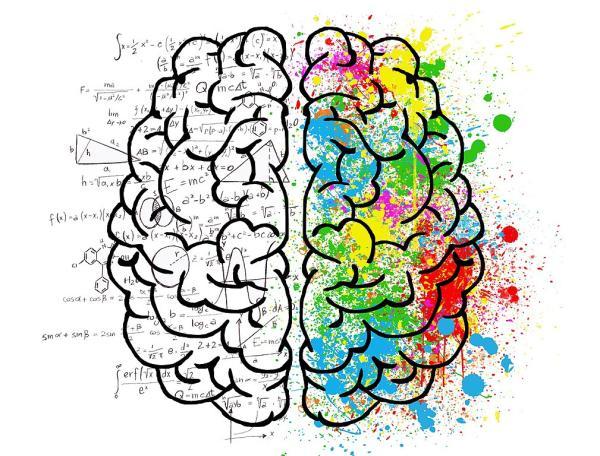
The most widely supported neurological hypothesis holds that damage to or disruption of the left cerebral hemisphere leads to compensatory development in the right hemisphere, which governs spatial ability, creativity, non-verbal processing, and artistic expression. When the left hemisphere’s usual dominance in language, logical reasoning, and social cognition is compromised, the right hemisphere may recruit additional resources and develop capacities it would not otherwise express so powerfully.
Support for this hypothesis comes from multiple directions. Savant syndrome is significantly more common in males, and male brains are thought to be more vulnerable to left hemisphere disruption during prenatal development — partly because testosterone may slow left hemisphere development and because the left hemisphere develops more slowly than the right anyway, giving environmental insults more time to affect it. Additionally, neuroimaging studies of savants have consistently shown patterns consistent with right hemisphere enhancement. Transcranial magnetic stimulation (TMS) research, in which the left temporal lobe is temporarily inhibited in neurotypical individuals, has produced temporary savant-like abilities in some subjects — offering striking experimental support for the theory.
Acquired Savant Syndrome
A particularly compelling category of cases involves acquired savant syndrome — the sudden emergence of extraordinary abilities in previously neurotypical individuals following brain injury, stroke, or neurodegenerative disease. These cases are rare but profoundly theoretically significant because they demonstrate that the capacity for extraordinary ability is not confined to people with developmental differences from birth.
Cases of individuals who developed artistic abilities after frontal lobe damage, or musical ability after stroke, suggest that latent capacities may exist in all human brains — normally suppressed by the dominant processing systems of the left hemisphere — and that damage to those systems can release or reveal them. This hypothesis has far-reaching implications for our understanding of human cognitive potential and has attracted significant research interest.
Genetic and Hereditary Factors
Some research suggests a genetic component to savant syndrome, particularly in cases associated with autism spectrum disorder. Family history and genetic predisposition may increase the likelihood of both autism and savant abilities, though the specific genetic mechanisms involved are not yet well characterized. Given that autism itself has a substantial heritable component, the overlap with savant syndrome may partially reflect shared genetic architecture.
Memory and Cognitive Style
An additional theoretical framework focuses not on brain damage per se but on a distinctive cognitive style characterized by unconscious, habit-based memory processing combined with intense, focused attention on specific domains. Savants may process and store information through memory systems that bypass the conceptual and categorical frameworks that normally organize cognition, producing recall that is extraordinarily precise precisely because it has not been filtered, generalized, or reconstructed in the usual ways.
This framework helps explain why savant memories tend to be domain-specific and procedural rather than general and flexible — and why savants often cannot explain or transfer their abilities even when those abilities are extraordinary.
Diagnosis of Savant Syndrome
Since savant syndrome does not appear in the DSM-5 as a standalone condition, there is no formal diagnostic criteria set specifically for it. Identification typically occurs through comprehensive neuropsychological assessment that documents the overall pattern of cognitive functioning alongside the specific area or areas of exceptional ability.
The assessment process generally includes standardized cognitive testing to establish overall functioning, detailed documentation of the specific ability or abilities present and their level relative to typical development, assessment of the underlying condition with which savant syndrome coexists, evaluation of adaptive functioning and daily living skills, and assessment of social communication and sensory processing.
Early identification is valuable — not to label the individual but to ensure they receive appropriate support, have their abilities recognized and nurtured, and access interventions for any difficulties they are experiencing. The savant ability itself is rarely the focus of treatment; rather, assessment informs how best to support the whole person.
Treatment and Support for Savant Syndrome
There is no treatment for savant syndrome itself, nor would one be appropriate — the extraordinary abilities associated with the condition are not symptoms to be reduced but capacities to be recognized, supported, and where possible cultivated. The focus of clinical and educational intervention is on supporting the person’s overall wellbeing, quality of life, and daily functioning, while creating conditions in which their exceptional abilities can be expressed and developed.
The underlying condition with which savant syndrome coexists — most commonly autism spectrum disorder — is the primary focus of intervention planning. This typically involves:
- Behavioral and educational support: Applied behavior analysis (ABA), structured educational environments, and individualized learning plans that accommodate the person’s profile of strengths and challenges
- Speech and language therapy: Particularly for those with language or communication difficulties
- Occupational therapy: Supporting the development of daily living skills, sensory integration, and adaptive functioning
- Cognitive behavioral therapy (CBT): For managing anxiety, emotional regulation, and the social difficulties that many people with autism and savant syndrome experience
- Social skills training: Helping develop communication, perspective-taking, and relationship-building skills
- Medication: Where appropriate, to address co-occurring conditions such as anxiety, attention difficulties, or irritability — not to address savant syndrome itself
Treffert emphasized what he called the “mentor model” of support for savants — providing a sensitive, encouraging relationship with a person who takes genuine interest in and nurtures the individual’s exceptional ability. This approach recognizes that the savant ability is not only a cognitive phenomenon but a central aspect of the person’s identity and sense of self, and that a caring mentorship relationship can leverage the special ability as a bridge toward broader social connection and communication.
Family support and education are equally important. Parents and caregivers of people with savant syndrome benefit greatly from accurate information about the condition, realistic expectations for both the abilities and the challenges involved, and connection to professional guidance and peer support networks. Organizations specializing in autism spectrum disorder are typically the most useful starting point, since most people with savant syndrome are autistic.

Savant Syndrome and the Broader Understanding of Human Potential
One of the most enduring contributions of savant syndrome research to psychology and neuroscience is what it reveals about the nature of human cognitive potential. The abilities documented in savants are not simply the product of extreme practice, motivation, or unusual environments — they involve capacities that appear to operate through mechanisms different from those normally available to the human mind.
The savant brain appears to access forms of information processing that are typically submerged beneath the dominant cognitive architecture of the left hemisphere — a raw, precise, domain-specific processing that does not generalize easily but achieves extraordinary depth within its domain. What remains an open and fascinating question is whether these capacities exist, in latent form, in all human brains — waiting, in some circumstances, to be accessed.
Research using transcranial magnetic stimulation has produced preliminary evidence that at least some elements of savant-like processing can be temporarily induced in neurotypical individuals by inhibiting left hemisphere function. The results are modest and the research is early-stage, but the theoretical implication is striking: that the human brain may contain reserves of capacity that ordinary cognition keeps quietly suppressed.
This does not mean that brain damage is desirable or that the challenges faced by people with savant syndrome are in any way trivial. They are not. Many savants live with significant daily difficulties, require substantial support, and experience real suffering related to their challenges with communication, social connection, and independent functioning. Celebrating their extraordinary abilities without acknowledging the full reality of their lives does them a disservice. Both things are true: these are people with remarkable gifts and people with genuine, sometimes profound, challenges — and the most respectful thing anyone can do is hold both truths at once.
FAQs About Savant Syndrome
What exactly is savant syndrome?
Savant syndrome is a rare condition in which a person with a significant developmental disability, intellectual disability, or acquired brain injury displays one or more extraordinary abilities in a specific domain — such as music, art, mathematics, or memory — that stand in sharp contrast to their overall level of functioning. The condition is not a disorder in itself but a distinctive profile that coexists with another condition, most commonly autism spectrum disorder. It affects approximately one in ten autistic people to some degree, though prodigious savants — whose abilities would be considered extraordinary even in a neurotypical person — are exceptionally rare.
Is savant syndrome the same as autism?
No — the two are distinct conditions that frequently overlap but are not the same. Approximately half of all savant syndrome cases are associated with autism spectrum disorder, and about one in ten autistic people display some form of savant ability. The other half of savant cases are associated with other neurodevelopmental conditions or acquired brain injury. Having savant syndrome does not mean a person is autistic, and the vast majority of autistic people do not have savant syndrome. The two conditions share some neurological features and may involve similar hemispheric dynamics, but they are separate and should not be conflated.
What are the most common savant abilities?
The abilities that appear most frequently in documented savant syndrome cases cluster in five main domains: music, visual art, mathematics, calendar calculation, and spatial or mechanical skills. Within these domains, the most commonly reported specific abilities are musical performance by ear, rapid mental arithmetic, calendar calculation (identifying the day of the week for any past or future date), hyper-detailed drawing from memory, and the precise recall of vast amounts of information in a specific category. Hyperlexia — precocious reading ability that outpaces comprehension — is also frequently documented, particularly in autistic savants.
What causes savant syndrome?
The causes are not fully established, but the most widely supported hypothesis involves disruption to the left cerebral hemisphere — either developmental or acquired — leading to compensatory enhancement of right hemisphere capacities governing creativity, spatial processing, and non-verbal ability. The condition is significantly more common in males, which may reflect the greater vulnerability of the male left hemisphere to prenatal disruption. In acquired savant syndrome, extraordinary abilities emerge after brain injury, stroke, or neurodegenerative disease in previously neurotypical individuals, suggesting that latent capacities may exist across a wider population than the rarity of savant syndrome implies.
Can savant syndrome develop in adulthood?
Yes — this is one of the more striking aspects of the condition. Acquired savant syndrome refers to the emergence of extraordinary abilities in individuals who did not display them previously, following brain injury, stroke, or the onset of certain neurodegenerative conditions such as frontotemporal dementia. These cases are rare but have been documented with sufficient frequency to establish acquired savant syndrome as a recognized phenomenon. Their occurrence has significant theoretical implications, suggesting that the capacity for savant-like processing may be present in many brains, normally suppressed by dominant left-hemisphere systems.
How is savant syndrome treated?
Savant syndrome itself is not treated — the extraordinary abilities it involves are not symptoms requiring reduction. Clinical intervention focuses on the underlying condition with which savant syndrome coexists, most commonly autism spectrum disorder, and on supporting the person’s overall quality of life, daily functioning, and social connection. This typically involves a combination of behavioral therapy, speech and language therapy, occupational therapy, cognitive behavioral therapy for anxiety or emotional regulation difficulties, and educational support. The savant ability itself is ideally nurtured and leveraged — used as a bridge to engagement, communication, and relationship rather than treated as separate from the person’s identity.
Is savant syndrome associated with mental health challenges?
Yes — and this is an important dimension that is sometimes overlooked in public discussion of the condition, which tends to focus on the extraordinary abilities and underrepresent the genuine challenges. People with savant syndrome frequently experience significant difficulties with social connection, communication, and daily functioning, which can lead to loneliness, social isolation, anxiety, and depression. The experience of being profoundly different — of knowing that your mind works in ways others find remarkable but also in ways that make ordinary life genuinely difficult — carries real psychological weight. These are normal human experiences of struggle and distress, and they deserve compassionate, professional attention. Seeking support for mental health challenges related to savant syndrome or its associated conditions is always appropriate and always a sign of strength.
Can a person with savant syndrome live independently?
This varies enormously depending on the individual, the severity of the underlying condition, the specific abilities and challenges present, and the support available. Some people with savant syndrome live largely independently with modest support; others require substantial assistance with daily living throughout their lives. The savant ability itself does not predict independence — a prodigious musical savant may need extensive daily support, while someone with more modest special abilities may function with considerable independence. Outcomes tend to be best when individuals receive early, appropriate intervention for the underlying condition, consistent support from knowledgeable caregivers and professionals, and environments that value and nurture their distinctive profile of strengths.
Use this citation format to reference the article clearly and help readers find the original source.
PsychologyFor. (2026). Savant Syndrome: What it Is, Symptoms, Causes and Treatment. PsychologyFor. https://psychologyfor.com/savant-syndrome-what-it-is-symptoms-causes-and-treatment/