

See more of our articles in your search results.
Most people are familiar with the idea that how a drug enters the body changes everything — the speed of its effects, the intensity of the high, and the severity of the damage it can cause. Slamming takes that principle to its most dangerous extreme. It refers to the practice of injecting drugs intravenously — directly into a vein — most commonly in the context of planned sexual activity. The result is an almost instantaneous surge of effects that no other route of administration can match. And with that intensity comes a cascade of physical, psychological, and social risks that are among the most serious in the landscape of substance use.
This is not a fringe phenomenon confined to any single country or subculture. Over the past decade, slamming has been documented across Europe, North America, and beyond, with a notable prevalence among men who have sex with men (MSM) engaging in what is broadly called chemsex — the intentional combination of drugs and sexual activity. However, slamming is not exclusive to any one community. It touches people across a wide range of backgrounds, and its consequences — addiction, overdose, infectious disease transmission, and severe mental health deterioration — are universal.
Understanding what slamming is, why people engage in it, which substances are most commonly involved, and what its short- and long-term consequences look like is not just medically important. It is a matter of harm reduction, of compassion, and of treating vulnerable people with the dignity and information they deserve. This article offers an evidence-based, non-judgmental, and comprehensive look at the slam drug phenomenon — because knowledge, not shame, is what saves lives.

What Is Slamming? Defining the Slam Drug Practice
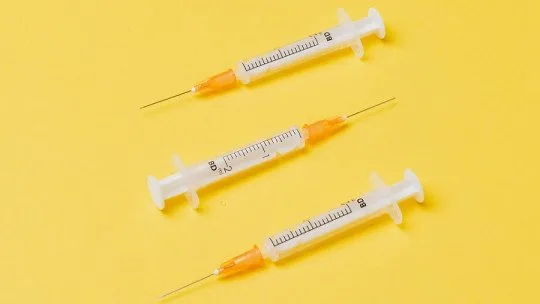
Slamming is the intravenous injection of psychoactive drugs, typically stimulants or empathogens, in a recreational — and often sexual — context. Unlike smoking, snorting, or swallowing a substance, intravenous injection delivers the drug directly into the bloodstream, bypassing all metabolic filtration barriers. The effect is felt within seconds, and its intensity is dramatically amplified compared to other methods.
How many of these have you been "meaning to read" for months?
- 1
 THOUGHT CATALOGThe Mountain Is YouTransforming Self-Sabotage Into Self-MasteryListen Free On Audible
 - 2
 New Harbinger PublicationsThe Dialectical Behavior Therapy Skills WorkbookPractical DBT Exercises for Learning Mindfulness, Interpersonal Effectiveness, Emotion Regulation...Listen Free On Audible
 - 3
 TarcherperigeeSet Boundaries, Find PeaceA Guide to Reclaiming YourselfListen Free On Audible
The term “slam” itself is slang that emerged within specific communities to describe this act. According to research published in Frontiers in Psychiatry, the practice of slam has been recognized as an international phenomenon since approximately 2008, particularly within MSM communities. It is formally defined as: (1) the use of psychostimulants, (2) via the intravenous route of administration, (3) in a sexual context. That three-part definition matters because it distinguishes slamming from general intravenous drug use — the sexual dimension introduces unique behavioral, psychological, and epidemiological risks.
Within the broader framework of chemsex — a practice involving the deliberate use of specific substances to facilitate, enhance, or prolong sexual experiences — slamming represents the highest-risk tier of drug administration. While other chemsex participants may swallow pills, snort powders, or smoke substances, those who slam are exposed to a dramatically elevated risk profile across nearly every health dimension.
It is also worth noting that slamming is not limited to any single drug. The substance being injected changes the specific risk profile, but the act of intravenous injection itself introduces a baseline set of dangers that apply regardless of the compound. Understanding both layers — the drug-specific risks and the injection-specific risks — is essential for a complete picture.
Which Drugs Are Most Commonly Used in Slamming?
While almost any drug can technically be injected, certain substances appear repeatedly in clinical reports and community research on slamming. The most common fall into two categories: synthetic cathinones (colloquially known as “bath salts” or “designer drugs”) and classic stimulants.
- Methamphetamine (crystal meth / “tina”): Perhaps the most widely recognized slam drug globally. Methamphetamine is a powerful central nervous system stimulant that produces intense euphoria, increased libido, suppressed fatigue, and heightened confidence when injected. Its addiction potential is extremely high, and intravenous use accelerates both dependence and neurological damage significantly.
- Synthetic cathinones (mephedrone, 3-MMC, 4-MEC, pentedrone): These new psychoactive substances (NPS) dominate European slamming contexts. Research published in Frontiers in Psychiatry identified 3-MMC (3-methylmethcathinone) and 4-MEC (4-methylethcathinone) as among the most frequently injected cathinones in slam sessions. New synthetic cathinones continue to emerge monthly on illicit markets, making harm assessment increasingly complex.
- GHB/GBL (gamma-hydroxybutyrate / gamma-butyrolactone): Although typically consumed orally, GHB and its precursor GBL are commonly combined with stimulants during slam sessions to modulate effects. Their presence introduces particularly dangerous drug-drug interactions, especially with cardiovascular consequences.
- MDMA (ecstasy): Less commonly injected but documented in polydrug slam contexts, MDMA adds serotonergic stimulation to the mix, amplifying both the emotional intensity and the neurochemical strain on the brain.
- Sildenafil (Viagra) and similar erectile dysfunction medications: Often used alongside stimulants during slam sessions to counteract stimulant-induced erectile dysfunction. Pharmacological research has confirmed that the combination of sildenafil with cathinones or methamphetamine creates severe cardiovascular risk due to competing vasodilatory and adrenergic effects.
The reality of most slam sessions is polydrug use — multiple substances consumed in sequence or simultaneously over sessions that can last many hours or even days. This dramatically compounds the toxicity of each individual substance and makes clinical management far more challenging.

Why Do People Slam? The Psychology Behind Intravenous Drug Use in Sexual Contexts
Asking “why” is not about justifying harmful behavior — it is about understanding the human experience behind it, which is the only realistic foundation for effective prevention and support.
The motivations behind slamming are complex and layered. For many individuals, the initial draw is the intensity of the experience itself. The almost instantaneous rush produced by intravenous injection is qualitatively different from any other route — it creates a sensation of warmth, euphoria, and energy that floods the system within seconds. For people who have used the same substance orally or nasally for some time, slamming can feel like a radical amplification of an already sought-after state.
In the context of chemsex specifically, drugs are often used to lower social and sexual inhibitions, manage performance anxiety, extend sexual encounters, and create a sense of connection or intimacy — particularly among individuals who may struggle with stigma, shame, or isolation related to their sexuality, HIV status, or trauma history. Research has consistently identified links between chemsex participation and prior experiences of sexual trauma, internalized homophobia, social loneliness, and mental health difficulties including depression and anxiety. This does not mean all chemsex participants share these experiences — but it does mean that slamming rarely exists in a vacuum. It is often embedded in a broader landscape of unmet emotional and social needs.
Peer influence and community norms within certain social networks can also normalize intravenous drug use over time, lowering the perceived threshold for trying it. Once someone has slammed a substance for the first time, the neurochemical reward is so potent that the brain rapidly encodes a powerful preference for that route — contributing to the accelerated addiction trajectory that clinicians consistently observe.
Understanding these motivations is not a reason to enable harmful behavior. It is a reason to ensure that support services are non-judgmental, culturally competent, and genuinely accessible to the people who most need them.
The Immediate Physical Risks of the Slam Drug
Intravenous drug use is, by clinical consensus, the most dangerous route of drug administration. The risks begin the moment the needle enters the vein and compound with every subsequent injection. Here is what happens to the body in the short term.
- Overdose: Because drugs reach the bloodstream instantaneously and in full concentration, the margin for error is extremely narrow. Street drugs are rarely of uniform purity, and a batch that is more potent than expected can produce a fatal overdose before the user has any time to react. The NHS explicitly identifies increased overdose deaths as a primary consequence of slamming.
- Cardiovascular stress: Stimulants injected intravenously cause an immediate, dramatic spike in heart rate and blood pressure. This places acute strain on the heart and blood vessels, increasing the risk of arrhythmia, hypertensive crisis, and in severe cases, cardiac arrest — especially in combination with substances like sildenafil, which affects vascular tone.
- Severe temperature dysregulation: Intense changes in body temperature — both hyperthermia and sudden cold — are documented side effects, particularly with synthetic cathinones and methamphetamine.
- Vasoconstrictive damage: Some stimulants, especially cathinones, produce severe vasoconstriction in the extremities, leading to cold, discolored fingers and toes, and in serious cases, tissue death (gangrene).
- Injection site injuries: Repeated injections damage veins and surrounding tissue. Collapsed veins, abscesses, hematomas, and serious local infections are common complications, even with relatively careful technique.
- Immediate psychiatric effects: Acute paranoia, panic attacks, agitation, aggression, and hallucinations can emerge rapidly, particularly with high-dose stimulant injections. These states are disorienting and dangerous — especially in a sexual context where consent and safety communication may be compromised.

Long-Term Health Consequences of Slamming
The damage caused by repeated slamming accumulates over time across virtually every organ system. No part of the body is immune to the compounding effects of regular intravenous stimulant use.
Neurologically, chronic methamphetamine use — especially via injection — has been shown to destroy dopaminergic neurons in the brain’s reward pathways. Some research suggests that even relatively moderate long-term meth use can damage nearly half of the dopamine-producing cells in certain brain regions. This leads to anhedonia (the inability to feel pleasure), severe depression, cognitive impairment, memory loss, and difficulty with motor coordination. Recovery of these neural pathways is possible with sustained abstinence, but it is slow and incomplete.
The cardiovascular system bears an enormous long-term burden. Endocarditis — a bacterial infection of the heart’s inner lining, frequently caused by bacteria introduced via dirty needles — can irreparably damage heart valves. Chronic stimulant use also accelerates the risk of stroke, atherosclerosis, and heart failure. These are not distant possibilities; they are documented outcomes in people with relatively short histories of intravenous stimulant use.
Psychologically, long-term slamming is strongly associated with the development of stimulant-induced psychosis — a state that can persist for weeks or months after drug use stops, and in some cases becomes a chronic condition. Paranoia, visual and auditory hallucinations, delusional thinking, and profound mood instability are all documented long-term psychiatric consequences. Depression following extended stimulant use is also nearly universal, as the brain’s reward system — depleted of dopamine — struggles to generate any sense of motivation or pleasure from everyday life.
The immune system is also profoundly affected. Beyond the direct immunosuppressive effects of some substances, the lifestyle context of slamming — disrupted sleep, poor nutrition, elevated stress, and risky sexual behavior — places enormous strain on the body’s defenses.
Slamming and Infectious Disease: HIV, Hepatitis C, and Beyond
Needle and equipment sharing is one of the most efficient transmission routes for blood-borne viruses known to medicine. Even sharing items beyond the needle itself — syringes, filters, spoons, and water — dramatically increases the risk of HIV and Hepatitis C transmission.
The intersection of slamming with chemsex creates a uniquely high-risk epidemiological environment. In the context of long, drug-facilitated sexual sessions, protective behaviors that individuals might ordinarily practice — condom use, PrEP adherence, awareness of partners’ status — may be neglected or forgotten. The disinhibiting effects of stimulants reduce impulse control and risk perception, while the social dynamics of group sessions can make it difficult to assert boundaries or insist on safer practices.
HIV transmission through shared injecting equipment is well-documented and remains a significant driver of new infections in some populations. Hepatitis C is even more efficiently transmitted through this route, given that the virus can survive outside the body on surfaces for several hours. Many people living with HIV who slam are also at risk for complex drug-drug interactions between their antiretroviral medications and the substances they inject — particularly cathinones, which are metabolized through the same liver enzyme pathways (CYP3A4, CYP2C9) as several antiretroviral drugs. This can result in dramatically elevated drug plasma levels and correspondingly heightened toxicity.
Beyond HIV and hepatitis, intravenous drug use introduces bacteria directly into the bloodstream. Septicemia (blood poisoning), endocarditis, deep tissue abscesses, and necrotizing fasciitis are all documented consequences of bacterial contamination through non-sterile injection practices.

Addiction and Psychological Dependence: Why Slamming Is So Hard to Stop
The addiction trajectory associated with intravenous stimulant use is, by clinical accounts, faster and more severe than with virtually any other route of administration. Understanding why helps explain both the difficulty of stopping and the kind of support that actually works.
When a drug is injected, the brain’s reward system receives a signal of overwhelming intensity — a dopamine surge far beyond anything naturally occurring. The brain, designed to learn from reward signals, immediately encodes this experience as something worth repeating. Over time, it begins to downregulate its natural dopamine production in response to the artificial overstimulation. The result is a state in which, without the drug, the world feels flat, joyless, and exhausting. The person is no longer chasing euphoria — they are chasing the ability to feel anything at all.
This neurochemical reality is compounded by psychological dependence. If slamming has been primarily practiced in a sexual context, the brain may powerfully associate sexual activity with drug use, making both the drug and sex themselves powerful triggers for craving. Untangling these associations requires skilled, specialized therapeutic support — often including trauma-informed care, motivational interviewing, and approaches drawn from cognitive behavioral therapy (CBT) and acceptance and commitment therapy (ACT).
Physical withdrawal from stimulants — while less medically dangerous in the acute phase than alcohol or benzodiazepine withdrawal — is psychologically brutal. The “crash” following a slam session or an extended period of use involves profound exhaustion, hypersomnia, intense depression, anhedonia, and powerful drug cravings. This crash is itself a major barrier to stopping, as the fastest relief from it is, of course, more of the same substance.
It is important to state clearly: addiction is not a moral failure. It is a recognized neurological condition with documented biological, psychological, and social determinants. People who develop dependence in the context of slamming deserve compassionate, evidence-based care — not judgment.
Slamming in the Context of Chemsex: A Specific Community Health Issue
While slamming can occur outside of chemsex contexts, the two phenomena are deeply intertwined in the clinical and public health literature. Chemsex — the deliberate use of substances to enhance sexual experiences — has been documented primarily, though not exclusively, within networks of gay, bisexual, and other men who have sex with men (MSM).
Within this context, slamming carries additional layers of complexity. For some individuals, the practice is embedded in social networks where it has become normalized — even valorized. The pressure to participate, or the fear of social exclusion for declining, can make it difficult for individuals to make free, uncoerced choices about their own drug use. This social dimension is an important part of understanding why harm reduction approaches that focus purely on individual behavior change often fall short.
The intersection of stigma — related to sexuality, drug use, or HIV status — is also clinically significant. Research has repeatedly found that shame, internalized stigma, and experiences of discrimination are significant drivers of chemsex participation, including slamming. Addressing these root causes is not tangential to treatment; it is central to it. Services that are affirming, LGBTQ+-competent, and free of moralistic framing are consistently more effective at engaging and retaining people who slam.
It is also worth acknowledging that not everyone who engages in chemsex, or even who has slammed, meets criteria for a substance use disorder. Many individuals occupy a space of risky but non-dependent use. Harm reduction approaches — education, safer use guidance, regular STI testing, access to clean injecting equipment — are vital for this group, even when abstinence is not the goal or the reality.

Harm Reduction Strategies for People Who Slam
Harm reduction is a pragmatic, evidence-based public health philosophy that accepts that some people will use drugs and focuses on minimizing the associated dangers rather than demanding abstinence as a prerequisite for support. For people who slam, harm reduction can genuinely save lives.
- Never share needles or any injecting equipment — including syringes, filters, spoons, and water. Each person should use their own, new kit for every injection. Needle exchange programs provide clean equipment without judgment.
- Use the smallest possible dose, especially with a new batch of a substance whose purity is unknown. Start low; you can always use more, but you cannot undo an overdose.
- Never use alone. Having another person present who knows what you have taken, who can recognize overdose symptoms, and who can call emergency services is one of the most effective overdose prevention strategies available.
- Learn to recognize overdose signs for the specific substances being used — stimulant overdose (extreme agitation, hyperthermia, seizures, cardiac arrest) and depressant overdose (respiratory depression, unresponsiveness, blue lips) require different emergency responses.
- Alternate injection sites to reduce vein damage. Avoid the neck, groin, and feet, where injections carry dramatically elevated risks of serious complications.
- Stay up to date on HIV and hepatitis C status through regular testing. PrEP (pre-exposure prophylaxis) is highly effective for HIV prevention and should be taken as prescribed — but be aware that interactions between PrEP medication and injected stimulants may affect drug levels.
- Avoid mixing substances — especially combining stimulants with GHB/GBL, alcohol, or erectile dysfunction medications, as these combinations carry the highest cardiovascular risk.
- Plan recovery time. Long slam sessions cause profound physical and psychological depletion. Prioritizing sleep, nutrition, and hydration after use reduces harm — as does avoiding re-dosing during the crash.
Recognizing When Help Is Needed: Signs of Slam Drug Dependency
Recognizing that drug use has moved from recreational or risky into dependent is not always straightforward — particularly when the use is embedded in social rituals and driven by powerful neurochemical compulsion. Several signs suggest that professional support may be warranted.
- Increasing frequency: Sessions that began monthly become weekly, then more frequent, with shorter periods between use.
- Inability to stop despite wanting to: Multiple genuine attempts to cut down or stop that have not succeeded, particularly when followed by intense craving and distress.
- Physical deterioration: Significant weight loss, persistent infections or abscesses, cardiovascular symptoms, or noticeable cognitive changes.
- Neglect of responsibilities: Work, relationships, and basic self-care are increasingly deprioritized in favor of obtaining and using substances.
- Persistent psychiatric symptoms: Ongoing paranoia, depression, hallucinations, or mood instability that continue between sessions.
- Using to avoid withdrawal: Injecting substances primarily to avoid the crash or come-down rather than to pursue a positive effect — a hallmark of established physical dependence.
- Loss of control over context: Engaging in slam in situations that feel unsafe, with unknown individuals, or without being able to recall events afterward.
If several of these signs resonate, the most important step is reaching out — to a GP, an addiction specialist, a harm reduction service, or a community support organization. There is no shame in needing help. The shame lies in a society that does not provide it freely and without stigma.

Treatment and Support Options for Slamming and Stimulant Use Disorder
Effective treatment for stimulant use disorder — including dependence arising from slamming — draws on a combination of psychological therapies, peer support, and in some cases pharmacological assistance. There is no single “right” path; the best approach is the one that is accessible, acceptable, and sustainable for the individual.
Cognitive Behavioral Therapy (CBT) is one of the most well-supported psychological approaches for stimulant dependence. It focuses on identifying and changing the thought patterns and behavioral triggers that drive drug use, building coping skills, and addressing the underlying emotional needs that substances have been meeting. CBT can be delivered one-to-one or in group formats.
Motivational Interviewing (MI) is particularly useful for individuals who are ambivalent about change — a very common and understandable state for people navigating complex relationships with substances that are embedded in their social and sexual lives. MI helps people explore their own values and goals in a non-confrontational, supportive way.
Trauma-informed care is essential for many people who slam, given the documented links between trauma histories and chemsex participation. Therapies such as EMDR (Eye Movement Desensitization and Reprocessing) or somatic approaches may be particularly valuable for those whose drug use is rooted in unprocessed traumatic experiences.
Community-based and peer support programs — including those specifically designed for LGBTQ+ individuals — offer something that clinical services often struggle to provide: lived experience, genuine belonging, and cultural understanding. Programs run by and for communities affected by chemsex and slamming have proven effective where more traditional approaches have failed to engage people.
Currently, there are no medications specifically approved for stimulant use disorder in most countries, but pharmacological support may be offered to manage specific symptoms — such as antidepressants for the depressive phase of withdrawal or medications to manage cravings. Any pharmacological treatment should be managed by a qualified medical professional, particularly given the complex drug interaction landscape in people who have been using multiple substances.
FAQs about Slamming and the Slam Drug
What exactly does “slamming” mean in the context of drug use?
Slamming refers specifically to the intravenous injection of psychoactive drugs — typically stimulants such as methamphetamine or synthetic cathinones — most commonly in a recreational or sexual context. The term emerged as slang within certain communities and is now used in clinical and public health literature as well. It is most frequently discussed in the context of chemsex, where substances are used to enhance or prolong sexual experiences. The intravenous route delivers the substance directly into the bloodstream, producing effects within seconds that are far more intense than those produced by swallowing, snorting, or smoking the same drug. This intensity is precisely what makes slamming so appealing to some users — and so dangerous.
Why is slamming more dangerous than other ways of taking drugs?
Intravenous injection is considered the most dangerous route of drug administration for several reasons. First, the drug reaches the brain almost instantly and in full concentration, dramatically increasing the risk of overdose — especially with street drugs of unknown purity. Second, the extreme potency of the experience accelerates the development of psychological and physical dependence significantly faster than other routes. Third, the act of injection itself introduces risks that no other method shares: vein damage, abscesses, bacterial infections introduced directly into the bloodstream, and — when equipment is shared — highly efficient transmission of blood-borne viruses including HIV and Hepatitis C. Fourth, the cardiovascular strain of injected stimulants is acute and severe, with documented cases of cardiac arrest and stroke even in relatively young users.
Which drugs are most commonly slammed?
The most commonly slammed drugs vary somewhat by geography and community context. Methamphetamine (crystal meth, “tina”) is the most widely reported in global contexts, particularly in North America and parts of Asia and Europe. In European chemsex contexts, synthetic cathinones — including mephedrone (4-MMC), 3-MMC, and 4-MEC — are extremely common. GHB and GBL are frequently used alongside stimulants during slam sessions to modulate their effects, though they are less commonly injected themselves. MDMA is occasionally injected but is less frequently reported. The landscape of substances used in slamming is shifting constantly as new psychoactive substances enter the illicit market, which creates additional challenges for both harm reduction and clinical management.
Is slamming only practiced in the LGBTQ+ community?
No. While slamming has been most extensively documented within networks of men who have sex with men (MSM) in the context of chemsex, it is not exclusive to this community. Intravenous drug use occurs across all demographics, genders, sexual orientations, and social contexts. The concentration of research on MSM communities partly reflects the public health priority of addressing disproportionate HIV risk in that population, as well as the visibility of organized chemsex networks in urban settings. However, anyone who uses drugs can be at risk of transitioning to intravenous use. It is important not to stigmatize or conflate slamming with any particular identity — doing so undermines prevention efforts and discourages people outside those groups from seeking help.
Can you become addicted to slamming after just a few times?
The addiction potential of intravenous stimulant use is extremely high, and dependence can develop rapidly — sometimes after just a few uses. The intensity of the neurochemical reward from intravenous injection is so far beyond what the brain naturally produces that it creates a very powerful encoded memory of the experience. The brain rapidly downregulates its own dopamine production in response, meaning that subsequent attempts to feel pleasure from everyday activities become increasingly difficult without the drug. This does not mean everyone who slams once will become dependent, but the risk is significantly higher than with any other route of administration. Individual factors — including genetics, mental health history, trauma, and social context — all influence how quickly dependence develops.
What should I do if someone I care about is slamming?
The most important thing is to approach the situation with compassion rather than judgment. Confrontation, ultimatums, or expressions of disgust are unlikely to motivate change and may push the person further away from help. Express your concern calmly and specifically — describe what you have observed, how it affects you, and that you care about their wellbeing. Offer to help them find support services, and if possible, identify resources in advance: harm reduction services, addiction specialists, LGBTQ+-affirmative services if relevant. If you are worried about immediate danger, do not leave the person alone. Educate yourself about overdose recognition and response. Remember also to take care of your own mental health — supporting someone through addiction is emotionally demanding, and you cannot pour from an empty cup.
What are the mental health consequences of long-term slamming?
Long-term intravenous stimulant use carries severe and sometimes enduring mental health consequences. Stimulant-induced psychosis — characterized by paranoia, hallucinations, and delusional thinking — can develop during or after heavy use and may persist for weeks or months after stopping. Severe depression is nearly universal in the post-use period, as the brain’s depleted reward system struggles to generate any sense of pleasure or motivation. Anxiety disorders, panic attacks, and cognitive impairment including memory loss and reduced concentration have all been documented. Some users develop conditions that are difficult to distinguish from primary psychiatric disorders such as schizophrenia. Most of these conditions improve significantly with sustained abstinence and appropriate support, but recovery can be a long process that requires specialized, compassionate mental health care.
Where can someone who is slamming find help without judgment?
Many countries now have specialist services designed specifically for people engaged in chemsex and slamming — including those that are LGBTQ+-affirming and staffed by people with lived experience. General addiction services, harm reduction organizations, sexual health clinics, and community health centers are all potential points of access. In the UK, services such as those listed on the NHS’s Let’s Talk About It portal offer dedicated chemsex and safer injecting support. In Spain, organizations such as Apoyo Positivo and gTt-VIH offer specific resources for people who slam. Online communities and peer support forums can also be valuable first steps for those who are not yet ready for face-to-face support. The most important message is this: help is available, and asking for it is a sign of courage, not weakness.
Use this citation format to reference the article clearly and help readers find the original source.
PsychologyFor. (2026). Slamming: What it is and What Are the Risks of the Slam Drug. PsychologyFor. https://psychologyfor.com/slamming-what-it-is-and-what-are-the-risks-of-the-slam-drug/