

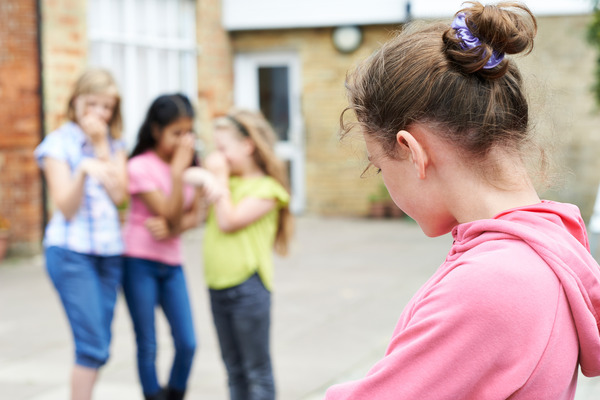
The text message arrives during lunch period: “Everyone thinks you’re pathetic. No one wants you here.” Your eleven-year-old daughter shows you her phone with trembling hands, and you see it’s just the latest in a thread of cruel messages from classmates. Or perhaps you’re a teacher who walks past a group of students deliberately excluding another child, pretending not to see them, creating an invisible wall of social rejection that you know hurts as much as physical violence. Maybe you’re the parent of a child who came home with unexplained bruises, growing increasingly withdrawn, grades plummeting, who finally admits through tears that several students have been targeting them for months. These moments—when bullying reveals itself—represent crises that demand immediate action, yet they also expose a deeper truth: bullying thrives in environments where effective prevention and intervention systems are absent.
School bullying represents one of the most pervasive and damaging problems affecting children and adolescents worldwide. Research indicates that approximately one in five students experience bullying, with rates varying by age, location, and how bullying is defined. Bullying isn’t just “kids being kids” or a normal part of growing up—it’s a pattern of repeated aggressive behavior involving an imbalance of power that causes significant psychological, social, and academic harm to victims. The impacts extend far beyond the school years, with bullying victims showing elevated rates of anxiety, depression, self-harm, and suicide, along with long-term effects on relationships, career success, and overall wellbeing that can persist into adulthood.
Throughout my years working with students, families, and schools addressing bullying, I’ve observed that most adults recognize bullying is harmful and want to stop it, yet many schools struggle to implement effective interventions. Part of the challenge lies in the complexity of bullying itself—it’s not simply about stopping individual aggressive acts but about transforming school culture, addressing power dynamics, teaching social-emotional skills, and creating systems where bullying cannot thrive. Effective bullying prevention requires comprehensive, sustained approaches that address multiple levels—individual students, peer groups, classrooms, whole schools, families, and communities. Quick fixes and reactive punishments alone don’t work; what’s needed are evidence-based strategies that prevent bullying before it starts while also intervening effectively when it occurs.
What makes bullying particularly insidious is that it often happens in ways adults don’t see or recognize. Physical bullying—hitting, pushing, stealing belongings—is most visible and typically generates immediate adult intervention. But verbal bullying, social exclusion, rumor-spreading, and cyberbullying can be devastating while remaining largely invisible to teachers and administrators. Students also learn quickly which behaviors adults will notice and punish versus which can continue undetected. The student who physically strikes another will face consequences, but the group of girls who systematically exclude a classmate, spread rumors about her, and mock her online might face no consequences at all despite causing equal or greater harm.
The solutions I’ll present aren’t theoretical—they represent evidence-based approaches proven effective through research and practical implementation. These strategies work best when implemented together as a comprehensive approach rather than in isolation. A school implementing just one or two strategies will see limited results; schools that commit to systematic, whole-school approaches see substantial reductions in bullying and improvements in school climate. The goal isn’t simply punishing bullies or protecting victims in the moment, but creating school environments where bullying cannot flourish because students have developed empathy and social skills, bystanders actively intervene, adults respond consistently and effectively, and the entire school culture rejects bullying as unacceptable.
Solution 1: Implement Comprehensive School-Wide Prevention Programs

The most effective approach to stopping bullying involves implementing evidence-based, school-wide prevention programs that address the root causes of bullying while building positive school culture. Programs like Olweus Bullying Prevention Program, KiVa, and Positive Behavioral Interventions and Supports have demonstrated significant effectiveness in reducing bullying through systematic, multi-level approaches. These programs share common elements: school-wide rules and consequences for bullying clearly communicated to all students, staff training on recognizing and responding to bullying, classroom curricula teaching social-emotional skills and anti-bullying attitudes, individual interventions for students involved in bullying, and ongoing monitoring and evaluation.
The Olweus program, one of the most researched approaches, involves school-wide components including an anonymous survey assessing bullying prevalence, formation of a bullying prevention coordinating committee, staff training, and development of clear school rules against bullying with consistent consequences. Classroom-level components include regular class meetings discussing bullying and peer relations, and implementation of classroom rules against bullying. Individual interventions include serious talks with students who bully, with their parents, and with victims and their parents. When implemented with fidelity, schools using Olweus see reductions in bullying of 20-70 percent.
KiVa, developed in Finland, adds innovative elements including emphasis on bystander intervention—training all students to recognize their power to stop bullying by not reinforcing it and by supporting victims. The program includes online games and lessons teaching empathy and providing concrete skills for responding to bullying situations. KiVa has shown remarkable effectiveness, with approximately 98 percent of victims reporting improvement when the program’s intervention model is applied.
What makes school-wide programs effective is their comprehensive nature—they don’t just tell students “don’t bully” but systematically change the environment, teach skills, engage bystanders, and create consistent responses across all school settings. They recognize that bullying is a social phenomenon requiring social solutions, not just individual punishment. These programs work because they shift entire school cultures rather than targeting individuals in isolation.
Implementing these programs requires substantial commitment. Schools must invest in training, dedicate staff time to coordination and implementation, engage parents and community, and sustain efforts over years rather than treating bullying prevention as a one-time intervention. Many schools start enthusiastically but struggle with sustained implementation as other priorities emerge. However, schools that maintain fidelity to evidence-based programs over multiple years see profound transformations in school climate, student wellbeing, and academic achievement alongside reduced bullying.
Solution 2: Train and Empower Bystanders

Most bullying occurs in front of peers, and research shows that bystander responses dramatically influence whether bullying continues or stops. When peers reinforce bullying by laughing, joining in, or passively watching, bullying tends to continue and escalate. When peers intervene—even with simple actions like telling the student to stop, supporting the victim, or reporting to adults—bullying stops within seconds in the majority of cases. Yet students often remain passive bystanders despite disapproving of bullying, because they don’t know what to do, fear becoming targets themselves, or believe intervention won’t help.
Training students in effective bystander intervention represents one of the most powerful bullying prevention strategies. Effective training teaches students to recognize bullying when they see it, understand the harm it causes, and know that they have power to help. Students learn multiple intervention strategies they can use depending on the situation and their comfort level: directly telling the student who’s bullying to stop, supporting the victim during or after bullying by including them or expressing care, distracting by changing the subject or suggesting a different activity, and reporting to trusted adults when the situation requires adult intervention.
Role-playing and practice are essential components of bystander training. Students need opportunities to rehearse intervention strategies in safe environments where they can try different approaches, receive feedback, and build confidence. Simply telling students they should intervene isn’t effective; they need concrete scripts, practice, and reassurance that intervening is safe and expected. Schools can incorporate bystander training into regular classroom time, advisory periods, or assemblies, with booster sessions reinforcing skills throughout the year.
Shifting school culture so that bystander intervention is expected and celebrated rather than seen as “snitching” or “uncool” requires sustained effort. Adults must explicitly teach that reporting bullying to help someone is different from tattling to get someone in trouble. Schools can recognize and celebrate students who demonstrate upstander behavior through awards, positive attention, or school-wide announcements. When students see peers being praised for helping victims, intervention becomes normative rather than exceptional.
Technology enables innovative bystander interventions. Some schools have implemented anonymous reporting systems where students can report bullying they witness through apps or websites, removing the fear of retaliation that prevents many students from reporting. These systems work best when adults respond quickly and effectively to reports, demonstrating that reporting leads to real intervention rather than being ignored or creating retaliation.
Research consistently shows that schools emphasizing bystander empowerment see significant reductions in bullying. When the majority of students shift from passive observers to active upstanders, the social dynamics that allow bullying to thrive are disrupted. Bullying becomes socially unacceptable rather than tolerated or reinforced, creating environments where students who might otherwise bully recognize their behavior won’t be rewarded by peer approval.
Solution 3: Develop Social-Emotional Learning and Empathy

Bullying fundamentally involves deficits in empathy, emotion regulation, and social skills. Students who bully often struggle to recognize or care about others’ feelings, have difficulty managing their own emotions constructively, and lack skills for healthy peer relationships. Systematically teaching social-emotional learning competencies reduces bullying by addressing these root causes rather than just punishing bullying behavior. When students develop empathy, emotion regulation, relationship skills, and responsible decision-making, they’re both less likely to bully others and more capable of responding effectively when they witness or experience bullying.
Social-emotional learning curricula teach students to identify and manage their own emotions, recognize emotions in others, show empathy and perspective-taking, establish positive relationships, and make responsible decisions considering consequences for themselves and others. These skills are taught explicitly through lessons, modeled by adults, practiced through activities and role-plays, and reinforced throughout the school day. Programs like Second Step, PATHS, and RULER provide structured SEL curricula that can be integrated into regular classroom instruction.
Empathy development deserves particular emphasis in bullying prevention. Students need opportunities to perspective-take, imagining how others feel in various situations including being bullied. Literature discussions, where students analyze characters’ feelings and motivations, build empathy. Service learning projects, where students help others in their community, develop compassion. Structured activities where students share personal stories and practice active listening create connections that make bullying less likely.
Emotion regulation skills help prevent bullying because much bullying stems from students’ inability to manage anger, frustration, jealousy, or other difficult emotions constructively. Teaching students to recognize emotional triggers, use calming strategies, think before acting, and express feelings appropriately reduces impulsive aggressive behavior. Students also need to learn that all emotions are acceptable but not all behaviors are—you can feel angry but you cannot hit someone.
Conflict resolution and problem-solving skills help students address interpersonal problems without resorting to aggression or exclusion. Students learn to identify problems, consider multiple solutions, evaluate consequences of different choices, and implement solutions. Peer mediation programs, where trained students help peers resolve conflicts, provide practice applying these skills in real situations while also reducing adult burden for managing minor conflicts.
Research demonstrates that SEL programs not only reduce bullying but also improve academic achievement, mental health, and positive behaviors while decreasing emotional distress and conduct problems. The skills students develop through SEL provide lifelong benefits extending far beyond bullying prevention. Schools that integrate SEL into daily practice rather than treating it as add-on lessons see the strongest outcomes.
Solution 4: Create Clear Policies and Consistent Consequences

Effective bullying prevention requires clear policies defining what constitutes bullying, explicit rules against it, and consistent consequences when it occurs. Without clear policies and consistent enforcement, students receive mixed messages about whether bullying is truly unacceptable, and staff lack guidance for responding effectively. Comprehensive policies should define bullying clearly, distinguish it from conflict or aggression, specify prohibited behaviors across all forms of bullying including cyberbullying, outline reporting procedures, describe investigation processes, and detail consequences while also emphasizing education and behavior change rather than just punishment.
Policies must be developed collaboratively with input from students, staff, families, and community members to ensure buy-in and relevance. Once developed, policies need wide dissemination—posted throughout schools, included in student handbooks, discussed in classrooms, shared with families, and referenced in staff training. Simply having a policy in a handbook isn’t sufficient; everyone in the school community must understand the policy and their role in implementing it.
Consequences for bullying should be clear, proportionate, and consistent while also being individualized based on severity, frequency, and circumstances. A continuum of consequences allows appropriate responses ranging from informal discussions for minor incidents to formal disciplinary action for severe or repeated bullying. Effective consequences balance accountability with education—students who bully need to understand the impact of their behavior and develop better ways of interacting, not just receive punishment that breeds resentment without promoting change.
Restorative justice approaches offer promising alternatives or supplements to traditional punishment. Rather than simply suspending students who bully, restorative practices bring together those who caused harm, those harmed, and relevant community members to discuss what happened, its impact, and how to repair harm and prevent recurrence. Research shows that restorative approaches can reduce repeat bullying while also helping victims feel heard and supporting community healing in ways that traditional discipline doesn’t.
Consistency in enforcing policies matters enormously. When some teachers ignore bullying while others intervene, or when popular students face lighter consequences than marginalized students for similar behavior, students learn that rules aren’t really rules. All staff need training in recognizing bullying, responding immediately, documenting incidents, and following through with established procedures. Regular monitoring of how policies are being implemented helps identify inconsistencies and gaps requiring correction.
Policies also need mechanisms for protecting students who report bullying from retaliation. Fear of retaliation represents one of the primary reasons students don’t report bullying. Schools must take reports seriously, investigate thoroughly, implement consequences for retaliation, and monitor situations to ensure reporters remain safe. When students see that reporting leads to effective intervention without negative consequences for them, reporting increases and bullying decreases.
Solution 5: Increase Adult Supervision and Engagement

Bullying flourishes in spaces where adult supervision is minimal or inconsistent. Research consistently shows that bullying occurs most frequently in locations with least adult presence—bathrooms, hallways, playgrounds, buses, locker rooms—and during times when supervision is reduced. Increasing adult presence and engagement in these high-risk locations and times represents a straightforward but highly effective bullying prevention strategy. When adults are present, visible, and actively monitoring student interactions, bullying decreases dramatically both because students who might bully recognize they’ll likely be caught and because victims feel safer reporting and seeking help.
Effective supervision isn’t passive—adults standing in hallways looking at their phones provides minimal deterrent. Active supervision involves adults moving throughout spaces, scanning the environment, interacting positively with students, and being alert to signs of bullying. Adults should position themselves to see as much as possible, vary their locations so students can’t predict where they’ll be, and intervene immediately when observing problematic interactions. Training staff in what bullying looks like, including subtle forms like exclusion and non-verbal harassment, helps them recognize it when they see it.
Playgrounds and recess represent particularly high-risk times requiring enhanced supervision. Schools might increase the number of adults supervising recess, particularly in large schools with many students outside simultaneously. Structured recess programs, where adults facilitate games and activities rather than leaving students to free play, can reduce bullying by providing organized alternatives to negative interactions. Teaching students inclusive games and conflict resolution strategies before recess, then reinforcing these during recess, helps create positive peer interactions.
Bus transportation creates unique challenges since one adult supervises many students in confined space with limited visibility. Schools can implement assigned seating that separates students known to have conflicts, cameras that allow review of incidents, and clear rules for bus behavior with consequences for violations. Training bus drivers in bullying recognition and response, providing them with support from school administrators, and ensuring communication between drivers and schools about incidents helps create safer bus environments.
Adult-student relationships matter as much as mere presence. When students have positive relationships with school staff, they’re more likely to report bullying and less likely to engage in it. Schools can facilitate relationship-building through advisory programs where each student has a designated adult mentor, through informal interactions like greeting students by name in hallways, and through school-wide efforts to create welcoming, inclusive environments. When students feel known, valued, and connected to adults in their school, the entire climate improves and bullying decreases.
Technology allows innovative supervision approaches. Some schools have implemented video surveillance in common areas, not for constant monitoring but for reviewing incidents when reports occur. Anonymous reporting systems, as mentioned earlier, extend supervision by enlisting students as additional eyes and ears. Social media monitoring, while raising privacy concerns that must be carefully addressed, can help schools identify cyberbullying and intervene before situations escalate.
Solution 6: Partner With Families and Address Bullying at Home

Bullying prevention requires partnership between schools and families since attitudes, behaviors, and skills develop in both contexts. Parents and caregivers need information about bullying, guidance on recognizing signs their child might be involved in bullying as victim or perpetrator, and strategies for responding effectively. Schools should educate families about their bullying prevention efforts, provide resources for addressing bullying at home, and create clear communication channels for reporting and discussing concerns.
Parent education programs can teach families to recognize warning signs that their child might be experiencing bullying—unexplained injuries, lost belongings, fear of school, declining grades, social withdrawal, nightmares, or physical complaints like stomachaches. Families also need to recognize less obvious signs like their child having few friends, being excluded from social events, or appearing anxious about school or technology use. Equally important, families must recognize signs their child might be bullying others—unexplained money or belongings, aggressive behavior, increasing time with peers who engage in bullying, lack of empathy, or school discipline problems.
When children disclose being bullied, parents’ responses matter enormously. Effective responses include listening without judgment, believing and validating the child’s experience, avoiding blame, gathering information calmly, and working with the school to address the situation. Less helpful responses include dismissing the situation as “just kids being kids,” telling children to fight back physically, blaming the victim, or taking matters into their own hands by confronting the other child or their family. Parents need guidance on when and how to involve school officials, what to expect from school responses, and how to support their child through the situation.
Families of children who bully need support addressing the behavior. Many parents struggle to accept that their child is bullying others, becoming defensive or minimizing the behavior. Schools can approach these conversations non-judgmentally, focusing on specific behaviors and impacts while partnering with families to change the behavior. Parents need to understand that bullying often reflects underlying issues—poor social skills, difficulty managing emotions, exposure to aggression at home, or unmet needs for attention or control—that require addressing. Family therapy, parent training in behavior management, or other supports might be necessary.
Families also play crucial roles in preventing cyberbullying by monitoring children’s technology use, teaching digital citizenship, modeling respectful online behavior, and maintaining open communication about online experiences. Parents should know their children’s passwords, follow them on social media, and regularly review their online activities particularly for younger children. This monitoring must be balanced with age-appropriate privacy, with gradual increases in independence as children demonstrate responsible technology use.
Parent involvement in school bullying prevention efforts strengthens outcomes. Schools can engage families through information nights about bullying prevention programs, volunteer opportunities for supervision or mentoring, participation in policy development, and home-based activities reinforcing school lessons about empathy and respect. When families and schools present consistent messages and expectations about bullying, children receive clear guidance that bullying is unacceptable in all contexts.
Communication between schools and families must be two-way and ongoing, not just occurring when problems arise. Regular updates about school bullying prevention efforts, requests for family input and feedback, and opportunities for families to raise concerns create partnerships that benefit all students. Schools should provide information in multiple languages and formats to reach all families, recognizing that cultural differences affect how families understand and address bullying.
Solution 7: Address Cyberbullying Specifically

While all forms of bullying share common elements, cyberbullying requires specific attention due to its unique characteristics and challenges. Cyberbullying can occur 24/7, follows victims home rather than ending when school dismisses, reaches wide audiences instantly, can be anonymous making identification difficult, and creates permanent records that can be repeatedly viewed and shared. These features make cyberbullying particularly harmful and require targeted prevention and intervention strategies beyond those addressing in-person bullying.
Education about digital citizenship and online ethics must start early and continue throughout students’ education. Students need to understand that the same respect and kindness expected in person applies online, that anonymity doesn’t eliminate responsibility for one’s words and actions, and that once something is posted online it’s never truly private or erasable. Curricula should teach students to think before posting, consider how their words might affect others, recognize that tone and intent can be misinterpreted online, and understand legal and school consequences of cyberbullying.
Schools must develop clear policies addressing cyberbullying specifically, including cyberbullying occurring outside school hours and off school property when it substantially disrupts the school environment or infringes on other students’ rights. Legal standards for schools’ authority over off-campus online behavior vary by jurisdiction, but schools generally can and should address cyberbullying that affects school climate or student wellbeing. Policies should specify prohibited online behaviors, explain reporting procedures, and clarify consequences.
Teaching students concrete strategies for responding to cyberbullying empowers them to protect themselves and others. Students should learn to not respond to or retaliate against cyberbullying, save evidence before blocking or deleting, block the person engaging in cyberbullying, report to trusted adults and to the platform, and support peers experiencing cyberbullying. Emphasizing that victims should never blame themselves for being cyberbullied and should tell adults despite fearing technology restrictions helps ensure students report incidents rather than suffering silently.
Platform-specific education helps students use safety features on social media, gaming platforms, and other online spaces where cyberbullying occurs. Students should know how to use privacy settings, reporting functions, and blocking features on platforms they use. Schools can partner with technology companies to provide current information about safety features and reporting procedures.
Parent education about cyberbullying is particularly crucial since many parents feel overwhelmed by technology or unaware of their children’s online activities. Parents need guidance on age-appropriate technology use, monitoring strategies that balance safety with privacy, signs of cyberbullying involvement, and how to respond effectively. Parents should know that consequences like removing technology completely can prevent children from reporting cyberbullying since they fear losing access.
When cyberbullying occurs, schools must investigate thoroughly despite challenges of identifying perpetrators and gathering evidence. Schools should document all information provided by victims, request evidence like screenshots or messages, determine if the perpetrator can be identified, assess severity and impact, notify families of all involved students, implement appropriate consequences, and provide support to victims. If cyberbullying involves threats, harassment, or illegal activity, schools may need to involve law enforcement.
Addressing cyberbullying requires ongoing adaptation as technology evolves and new platforms emerge. Schools must stay current with platforms students use, emerging forms of online harassment, and changing legal standards. Regular updates to policies, curricula, and training ensure that cyberbullying prevention keeps pace with technological change.
Measuring Success and Maintaining Momentum
Implementing these solutions represents the beginning, not the end, of effective bullying prevention. Schools must regularly assess whether interventions are working, make adjustments based on data, and maintain commitment to bullying prevention over time. Regular anonymous surveys measuring bullying prevalence, types, locations, and student perceptions of school climate provide crucial data. Comparing data over time reveals whether bullying is decreasing and which strategies are most effective.
Beyond quantitative data, qualitative information from students, staff, and families provides valuable insights. Focus groups, suggestion boxes, and climate surveys can reveal aspects of bullying that numbers don’t capture. Students’ perceptions of safety, their willingness to report bullying, and their confidence that adults will respond effectively indicate whether interventions are changing school culture.
Sustaining bullying prevention requires embedding it into school culture rather than treating it as a separate initiative. When anti-bullying values infuse all aspects of school life—classroom instruction, school events, discipline practices, staff interactions—prevention becomes sustainable. Regular booster training for staff, ongoing conversations with students, and continuous family engagement maintain focus on bullying prevention even as other priorities compete for attention.
Celebrating successes while addressing ongoing challenges maintains momentum. Schools should recognize improvements in school climate, decreases in bullying incidents, and examples of students demonstrating upstander behavior. Simultaneously, remaining honest about persistent challenges and adjusting strategies that aren’t working demonstrates commitment to genuine change rather than just appearing to address bullying.
Leadership commitment at all levels—district administration, school principals, teacher leaders, parent organizations—ensures that bullying prevention remains a priority with necessary resources and support. When leadership changes, maintaining commitment to evidence-based practices protects against backsliding into less effective approaches or abandoning bullying prevention altogether.
FAQs About Stop Bullying
What should a parent do if their child is being bullied and the school isn’t responding effectively?
Start by documenting everything—dates, times, what happened, who was involved, injuries or impacts, and all communications with the school. Meet with your child’s teacher first, then the principal if needed, bringing documentation and explaining your concerns clearly. Ask specifically what the school will do to address the bullying and protect your child, and request follow-up within a specific timeframe. If the school remains unresponsive, escalate to the district superintendent, school board, or district ombudsman. Many states have bullying laws requiring schools to respond to reports, and you can reference these laws in your communications. Consider consulting an education attorney if your child’s right to safe education is being violated. Support your child through counseling or therapy to address emotional impacts of bullying while working with the school. Document any academic decline or mental health impacts. In severe cases where the school absolutely refuses to act and your child’s safety or wellbeing is seriously compromised, alternative schooling options might need consideration.
How can schools distinguish between normal conflict among students and bullying that requires intervention?
The key distinction involves three elements: intent to harm, power imbalance, and repetition. Normal conflict occurs between students of relatively equal power who disagree or have isolated incidents of aggression. Both students are upset, there’s no systematic pattern, and they generally can resolve the conflict with guidance. Bullying involves one student or group targeting another student who has less power (physically, socially, or psychologically), with the intent to harm, humiliate, or control, and the behavior repeats over time. The victim feels powerless to stop it while the student who bullies derives satisfaction or social status from the behavior. Sometimes a single severe incident like assault or severe sexual harassment constitutes bullying even without repetition. When uncertain, schools should err on the side of treating the situation as bullying and investigating thoroughly. Training staff in these distinctions helps ensure consistent identification of bullying requiring intervention versus conflicts requiring peer mediation or restorative conversations.
Do anti-bullying programs actually work, or are they just feel-good initiatives that don’t change behavior?
Research clearly demonstrates that evidence-based, comprehensive anti-bullying programs do work when implemented with fidelity. Meta-analyses of bullying prevention programs show average reductions in bullying of 20-23% and reductions in victimization of 17-20% across multiple programs. However, effectiveness depends entirely on which programs schools implement and how well they implement them. Programs with strong research support like Olweus, KiVa, and PBIS show substantial effectiveness. One-time assemblies, zero-tolerance policies without education, or programs lacking evidence base show minimal effectiveness. The key factors for success include whole-school approaches rather than isolated interventions, sustained implementation over multiple years rather than single-year initiatives, high-quality training and ongoing support for staff, student engagement in prevention efforts, and regular monitoring and adjustment based on data. Schools that implement evidence-based programs with strong fidelity see dramatic improvements in school climate and reductions in bullying. Schools that implement weak programs half-heartedly see minimal change, leading to cynicism that “nothing works.” The programs work; implementation quality and commitment determine outcomes.
What about students who are both bullies and victims—how should schools address them?
Students who both bully others and are victimized themselves, sometimes called “bully-victims,” represent a particularly vulnerable group requiring comprehensive support. Research shows these students often have the worst outcomes including highest rates of mental health problems, academic difficulties, and involvement in violence. They need intervention addressing both their victimization and their bullying behavior, recognizing that the two are often connected—they bully others partly as a response to being bullied themselves, trying to regain power or redirect aggression. Effective intervention includes safety planning to protect them from bullying, mental health support addressing trauma from victimization, social skills training teaching healthier ways to respond to conflict, consequences and education addressing their bullying behavior, and often family support addressing underlying issues at home. These students shouldn’t receive only discipline for bullying without addressing their own victimization, nor should their victimization excuse their bullying of others. Both aspects need simultaneous attention with recognition that underlying factors—trauma, mental health issues, family problems, disability—may drive both their vulnerability to victimization and their aggressive behavior toward others.
At what age should anti-bullying education start, and how does it differ for different age groups?
Anti-bullying education should begin in early elementary school, with age-appropriate lessons continuing through high school. For young children (pre-K through 2nd grade), focus on basic concepts like kindness, including others, recognizing feelings, and telling adults when someone is being mean. Use simple language, stories, and activities teaching empathy and friendship skills. As students mature, education becomes more sophisticated—upper elementary students can understand power imbalances and bystander responsibility; middle school students can handle complex discussions about social dynamics, cyberbullying, and adolescent social issues; high school students can engage with deeper topics like prejudice, bias, and creating positive school culture. Methods also differ by age—younger students learn through play, puppets, and simple role-plays while older students benefit from discussions, service learning, peer education programs, and authentic involvement in bullying prevention planning. Cyberbullying education becomes increasingly important as students gain technology access, typically intensifying in upper elementary and middle school. Throughout all ages, messages should be positive and empowering rather than just focusing on what not to do, building students’ capacities for empathy, respect, and positive relationships alongside anti-bullying messages.
Use this citation format to reference the article clearly and help readers find the original source.
PsychologyFor. (2025). Stop Bullying: 7 Solutions for School Bullying. PsychologyFor. https://psychologyfor.com/stop-bullying-7-solutions-for-school-bullying/