

Urban legends in Spain represent a fascinating blend of folklore, mystery, and modern mythology that has captivated generations through spine-chilling ghost stories, bizarre coincidences, and unsettling tales passed from person to person. These Spanish urban legends—known as leyendas urbanas—range from terrifying accounts of phantom hitchhikers on dangerous mountain roads to bizarre stories about celebrity scandals and mysterious disappearances, reflecting cultural anxieties, social changes, and the universal human fascination with the unexplained. Unlike traditional folklore rooted in ancient history, urban legends are modern narratives that people genuinely believe occurred, often claiming to know someone who experienced the event firsthand or heard it from a reliable source. This comprehensive exploration examines the ten most famous and intriguing urban legends of Spain, analyzing their origins, variations across different regions, psychological appeal, cultural significance, and the reasons these stories continue spreading despite lacking verifiable evidence, offering insight into Spanish society’s collective fears, values, and imagination while entertaining readers with tales that blur the line between reality and fiction.
The term “urban legend” was coined by folklorist Richard Dorson in 1968 to describe stories believed to be true but which never actually occurred. Sometimes these legends contain kernels of truth that become embellished through oral transmission, with fantastical elements added through superstition and popular imagination. Most urban legends lack clear geographic origins and exist in multiple versions worldwide, though some have identifiable Spanish roots or gained particular prominence in specific Spanish regions.
Spanish urban legends particularly flourished during the 1970s through 2000s, spreading through word-of-mouth before the internet era, then gaining renewed life through social media and messaging apps. These stories often reflect contemporary concerns—car accidents on dangerous roads, fears about new technologies like breast implants, anxieties about terrorism, and superstitions about haunted places. Understanding these legends provides fascinating windows into Spanish cultural psychology and the timeless human need for storytelling that explains, frightens, and entertains.
La Chica de la Curva (The Girl on the Curve)
La Chica de la Curva stands as perhaps the most famous Spanish urban legend, known throughout the country with regional variations that adapt the basic story to local dangerous roads and tragic accident sites. This phantom hitchhiker tale has become so embedded in Spanish popular culture that virtually every region claims the legend as their own, with drivers swearing they or someone they know experienced this chilling encounter firsthand.
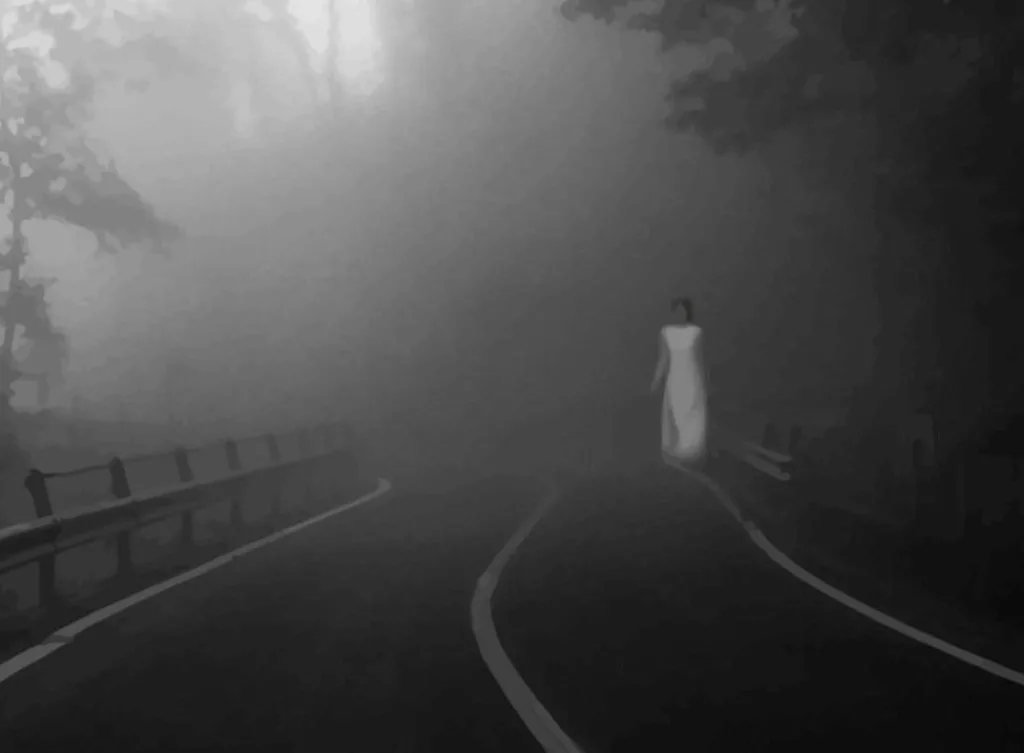
The classic version unfolds on a stormy night when a man drives alone along a treacherous mountain road. Through the rain-swept darkness, he spots a young woman standing at the roadside, drenched and wearing a white dress or nightgown. Concerned for her safety, the driver stops and invites her into his car. The mysterious passenger sits quietly in the passenger seat, barely responding to the driver’s concerned questions about why she’s out alone in such terrible weather.
As they approach a particularly dangerous curve known for fatal accidents, the girl suddenly speaks, warning the driver to be extremely careful because this curve is very dangerous. When the driver asks how she knows this, the girl responds chillingly: “It’s my duty to warn you—this is where I was killed 25 years ago.” Upon finishing these words, the phantom passenger vanishes without trace, leaving the driver alone in his car, terrified and questioning his sanity.
The legend has multiple Spanish locations, with the most famous version set on the Costas del Garraf in Catalonia, a narrow coastal road stretch notorious for numerous fatal accidents. This dangerous winding road between Barcelona and Sitges has claimed many lives over decades, lending credibility to the ghost story. Other versions place the phantom hitchhiker on roads in Mallorca and the Carretera de l’Arrabassada in Barcelona.
Interestingly, this legend didn’t originate in Spain. The phantom hitchhiker is a global phenomenon, with the story reportedly originating in Illinois, United States, before spreading internationally long before the internet existed. The legend taps into universal fears about driving at night, the vulnerability of being alone on dangerous roads, and encountering the supernatural. The specificity of the warning—the ghost helping the living avoid her own fate—adds emotional depth that makes the story particularly memorable and believable.
Psychologically, La Chica de la Curva serves as a cautionary tale warning drivers to exercise caution on dangerous roads, using supernatural horror to reinforce road safety messages. The legend also reflects Spanish Catholic culture’s beliefs about spirits remaining earthbound due to unfinished business or tragic deaths, and the white dress symbolizes both innocence and ghostly apparition in Spanish folklore.
Los Troncos del Brasil (The Brazilian Trunks)
Los Troncos del Brasil represents a particularly successful urban legend that caused genuine panic and had measurable real-world consequences, leading thousands of Spanish households to dispose of a popular decorative plant in the 1990s. This legend demonstrates how urban legends can affect consumer behavior and spread rapidly through communities gripped by fear of exotic threats lurking in ordinary household items.
The tronco de Brasil (Dracaena fragrans or “Brazilian trunk”) was an extremely popular houseplant in Spain during the 1980s and 1990s, valued for its attractive appearance and minimal maintenance requirements. The legend that destroyed this plant’s popularity told of a woman who received a Brazilian trunk as a birthday gift from her daughter (or niece or granddaughter, depending on the version). The recipient was delighted with the beautiful plant and proudly displayed it in her home, showing it to all visitors.
One day, the woman noticed something disturbing—the trunk was moving, and strange noises were coming from inside the plant. Alarmed, she called the police, who advised her to immediately dispose of the plant because what was moving inside were the offspring of a Brazilian spider that typically laid eggs inside these trunks. According to the legend, these spider hatchlings would grow within hours to the size of a human fist—massive, aggressive arachnids from the Amazon rainforest.
The legend spread so rapidly and was believed so widely that Brazilian trunk plant sales collapsed virtually overnight. Nurseries and plant shops struggled to convince customers that the plants were completely safe and contained no dangerous spiders. The panic was so widespread that some versions added details about fumigation teams or scientists warning about the invasive species threat.
This legend likely originated from general arachnophobia—fear of spiders—combined with xenophobic anxiety about exotic imports from faraway places bringing hidden dangers into Spanish homes. The 1990s saw increasing globalization and imports from Latin America, and legends like this expressed cultural unease about foreign products and potential hidden threats. The legend’s power came from the violation of home safety—the idea that something dangerous could be lurking inside an innocent-looking decoration in your living room.
The Brazilian trunk is, of course, completely safe and contains no spiders. While some plants imported from tropical regions theoretically could harbor insects or arachnids, the processing, transport, and sale of houseplants makes such scenarios extraordinarily unlikely. Nevertheless, this urban legend effectively killed a thriving plant market in Spain for years, demonstrating the real-world power of compelling but false narratives.
La Apuesta del Cementerio (The Cemetery Bet)
La Apuesta del Cementerio is a classic Spanish urban legend that combines elements of peer pressure, supernatural terror, and tragic irony, teaching a moral lesson about the dangers of trying to prove oneself and the power of fear itself to kill. This legend has no specific location, allowing it to be adapted to any cemetery in Spain, making it feel personally relevant to communities throughout the country.
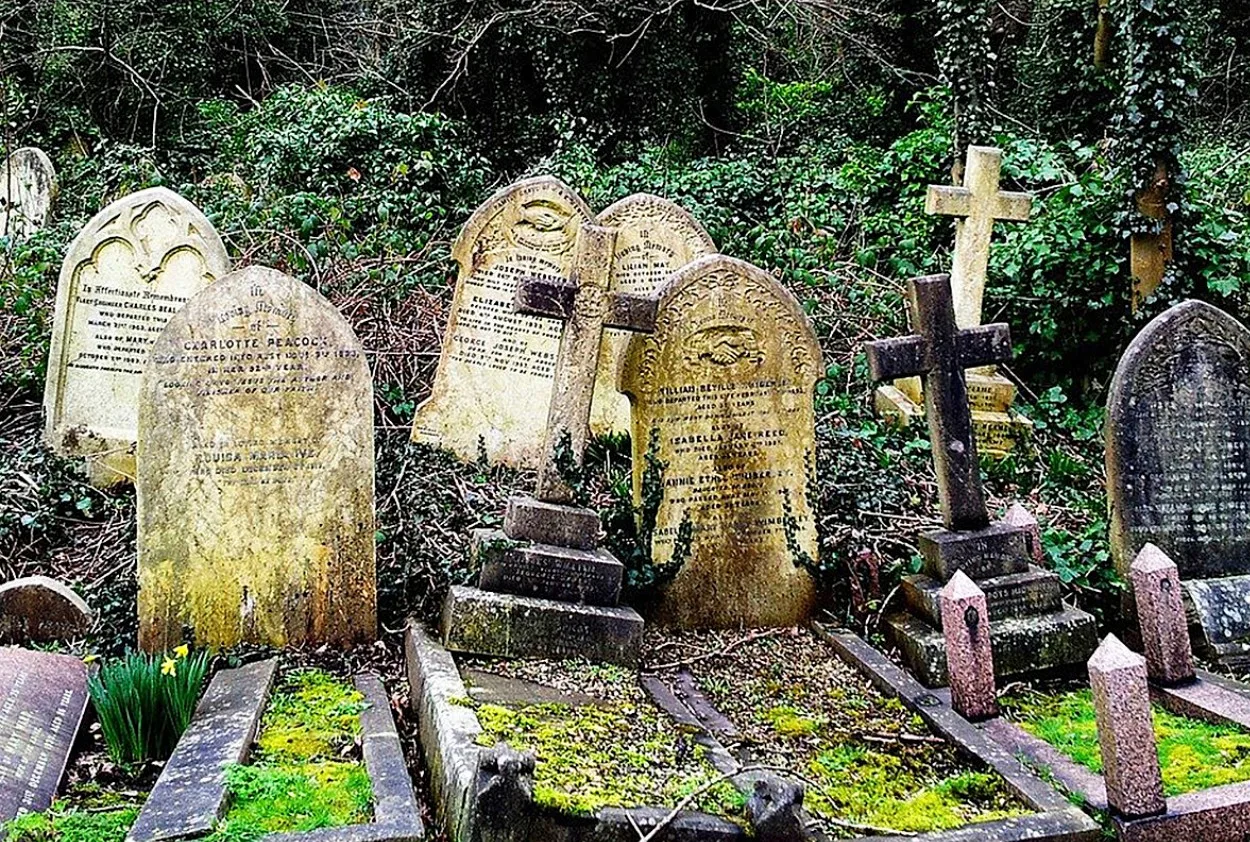
The story centers on a young, shy teenager—either a girl or boy depending on the version—pressured by friends to prove their courage. On Halloween night (or sometimes San Juan, adapting to Spanish traditions), the teenager’s companions issue a dare: enter the cemetery at night and leave evidence of having reached the furthest grave. To prove they completed the challenge, the protagonist must leave a note on the last tombstone reading “I was here,” secured with a thumbtack or pin.
Despite being terrified, the teenager accepts the challenge, not wanting to appear cowardly before their friends. That night, they climb over the cemetery wall and walk through the darkness among the graves, heart pounding with fear. Finally reaching the furthest tombstone, they pin the note with trembling hands. Mission accomplished—except when they turn to leave, something grabs their clothing, holding them in place.
The teenager tries desperately to escape but feels firmly grasped by something invisible. Convinced that a supernatural force or the dead are preventing their escape, they panic completely. The next day, when the teenager fails to return home, concerned friends go to the cemetery to search. They make a horrifying discovery: the teenager’s body lying beside the tombstone, dead. The truth reveals itself—when pinning the note, the teen accidentally pinned their own skirt or coat to the note, and the fabric catching on the thumbtack made them believe something paranormal held them. They literally died of fright, their heart giving out from pure terror.
This legend serves multiple purposes in Spanish culture. It warns against foolish dares and peer pressure, particularly among adolescents navigating social hierarchies. It illustrates that fear itself can be deadly—a psychological truth given supernatural horror trappings. The cruel irony that a simple accident caused by the victim’s own actions led to their death from mistaken belief adds tragic depth that makes the story memorable.
Psychologically, the legend taps into fears about death, cemeteries as liminal spaces where the living and dead worlds intersect, and the vulnerability of being alone in darkness. It also reflects anxieties about teenage risk-taking behavior and the dangerous combination of adolescent bravado and supernatural belief. The story has appeared throughout Spain and Latin America with only minor variations, suggesting it addresses universal concerns about youth, fear, and mortality.
El Terrorista Agradecido (The Grateful Terrorist)

El Terrorista Agradecido emerged during periods of heightened terrorism concerns in Spain, particularly during the decades when ETA (Euskadi Ta Askatasuna) carried out attacks, and has been adapted to include jihadist terrorism in more recent versions. This legend reflects the psychological phenomenon of believing one might escape tragedy through chance encounters and small acts of kindness, offering false comfort during times of genuine threat.
The basic story follows a similar pattern across all versions: a woman performs a small act of charity, giving money or food to a beggar or homeless person asking for help on the street. The recipient, grateful for her kindness when most people ignore him, wants to repay her generosity. He leans in and quietly warns her not to go to a specific place—a shopping mall, subway station, train, sports stadium, or other public venue—on a particular day.
The woman is confused and asks why, but the man simply insists she heed his warning if she values her life, then disappears into the crowd. The specified day arrives, and following the stranger’s advice, the woman avoids the location he mentioned. Later that day or evening, news breaks that a terrorist attack occurred at exactly that location at exactly that time—a bombing, shooting, or other mass casualty event. The woman realizes the beggar must have been a terrorist or someone with inside knowledge of the plot, and her small act of kindness saved her life.
This urban legend has been adapted to virtually every major terrorist attack or threat in recent Spanish history, with versions placing it before real attacks that occurred and before false alarms or rumored attacks that never materialized. The location and date change constantly, but the narrative structure remains consistent: charity toward a stranger leads to miraculous escape from death.
The legend serves several psychological functions. It suggests that good deeds are rewarded, even by those society considers dangerous criminals—a comforting moral framework during frightening times. It provides the illusion of control, implying that ordinary kindness might protect you from random violence. It also feeds into conspiracy theories suggesting that attacks are known in advance by certain people, giving pattern and meaning to otherwise senseless violence.
No verified instances of this scenario have ever been documented. The legend represents wishful thinking—the hope that being a good person might protect you from indiscriminate violence. It flourishes during periods of high terrorism anxiety when people desperately want to believe there are signs, warnings, or ways to avoid becoming victims of unpredictable attacks. The legend continues appearing after attacks worldwide, adapted to local contexts and current threats.
La Niña y el Perro (The Girl and the Dog)
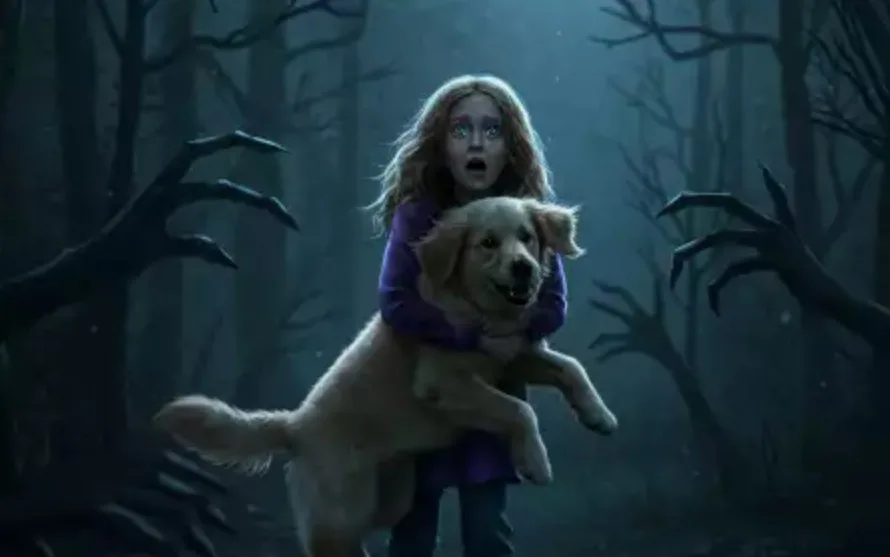
La Niña y el Perro circulated widely in Spain during the early 2000s and remains one of the most unsettling Spanish urban legends due to its violation of home safety and the protection symbolized by loyal pets. This horror story has multiple variations but always centers on the relationship between a child and their dog, and the terrifying revelation that something evil infiltrated what should be the safest space—the bedroom.
The most common version tells of a young girl who always sleeps with her dog beside her bed. The loyal pet lies on the floor next to her, providing comfort and security. Whenever the girl feels frightened at night, she extends her arm down from the bed, and the dog licks her hand reassuringly, helping her relax and fall back asleep. This nightly ritual represents the bond between child and pet, and the security the animal provides.
One night, the girl hears strange noises—scratching, thumping, or other disturbing sounds. Frightened, she extends her arm as usual, feels the familiar sensation of the dog’s tongue licking her hand, and reassured, manages to fall back asleep. The next morning when she wakes, she goes to pet her dog but makes a horrifying discovery: the dog’s bloodied corpse lies nearby, clearly killed hours earlier. Worse still, written on the wall in blood is a chilling message: “Then who licked you last night?”
An alternative version sets the story during a rainy night. The girl can’t sleep due to the sound of rain, but the dog’s licking comforts her as always. The next morning, she discovers the rain sounds were actually blood dripping—the dog had been murdered and hung in the bathroom, its blood dripping throughout the night. What she thought was the dog licking her was actually someone—or something—else entirely.
This legend taps into primal fears about home invasion and the vulnerability of children. The dog represents loyalty, protection, and love, so its murder violates these symbols while suggesting that something evil enough and skilled enough to kill the protective animal was present all night. The revelation that the comforting licking came from an unknown intruder rather than the trusted pet creates retrospective terror—the girl was in mortal danger while believing herself safe.
The story also plays on parents’ fears about their children’s safety and the adequacy of home security. The ambiguity about who or what killed the dog and licked the girl—a human intruder, a supernatural entity, a monster—leaves the threat undefined and thus more frightening. The legend has spread internationally with variations, suggesting it addresses universal anxieties about the sanctity of home and the protection of children.
Pechos que Explotan (Exploding Breasts)
Pechos que Explotan emerged during the 1990s when breast augmentation surgery became increasingly popular in Spain and other Western countries, reflecting anxieties about new medical technologies, vanity, and modifications to the natural body. This urban legend targeted famous women, particularly those known for their physical appearance, demonstrating how legends often attach to celebrities to gain credibility and spread more effectively.
The Spanish version of this legend centered on actress and television presenter Ana Obregón, though international versions substituted other celebrities—Brigitte Nielsen in Italy and Pamela Anderson in the United States. The story claimed that the celebrity in question boarded an airplane and took her seat for a flight. As the aircraft climbed to cruising altitude, the cabin pressure decreased (as is normal in flight), and suddenly one of her breast implants exploded due to the pressure differential.
The legend suggested that the pressure changes at high altitude caused the silicone or saline implant to rupture or even violently burst, causing the celebrity extreme pain, embarrassment, and requiring emergency landing or immediate medical attention upon arrival. Some versions elaborated with graphic details about the explosion, claims about the implant material, or supposed cover-ups by airlines and celebrities to prevent publicity.
This legend is medically false. Breast implants, whether silicone gel or saline-filled, are designed to withstand normal pressure variations including those experienced during air travel. The pressure differential between ground level and cruising altitude in a pressurized aircraft cabin is relatively modest and poses no risk to properly placed, intact implants. Millions of women with breast implants fly regularly without incident.
The legend reflects several cultural anxieties. It expresses disapproval of cosmetic surgery and body modification, suggesting that “artificial” beauty carries hidden dangers and potential for humiliating public exposure. It also taps into fears about flying and the unnatural environment of aircraft at high altitude. By targeting famous, beautiful women, the legend arguably contains elements of schadenfreude—taking pleasure in the misfortune of the privileged and envied.
The choice of Ana Obregón as the Spanish legend’s subject likely related to her high profile in Spanish media during the 1990s and public knowledge or speculation about whether she had cosmetic enhancements. The legend allowed people to gossip about celebrity bodies while framing it as a cautionary tale about the dangers of vanity and artificial beauty.
El Perro, la Mermelada y Ricky Martin

El Perro, la Mermelada y Ricky Martin stands as one of the most bizarre and scandalous Spanish urban legends of the late 1990s, gaining such widespread belief that it required official denials from television networks, police investigations, and even involvement of child protection authorities. This legend demonstrates how rumors can spiral completely out of control in the age of mass media, with thousands of people claiming to have witnessed something on television that never actually aired.
The legend centered on the wildly popular Spanish television program Sorpresa, ¡Sorpresa! (Surprise, Surprise!), which aired during the late 1990s and achieved massive ratings by arranging surprise encounters between celebrities and their fans. According to the legend, the show arranged for Latin pop superstar Ricky Martin—at the absolute peak of his fame following “Livin’ la Vida Loca”—to surprise a teenage female fan.
The setup involved hiding Ricky Martin in the girl’s bedroom closet, planning to film her reaction when he emerged. However, before the surprise could be revealed, the unsuspecting teenager entered her room, lay on her bed, and proceeded to spread marmalade (or in some versions, chocolate, Nutella, or pâté) on her genital area, then called her dog to lick it off while the hidden cameras and horrified celebrity watched. The celebrity then allegedly emerged, and the mortified teenager’s humiliation was broadcast to millions of viewers.
The legend spread with astonishing speed throughout Spain in 1999, with countless people claiming they had watched the episode, remembered it vividly, and could describe details. The rumor became so pervasive that the television program had to issue official denials, stating categorically that no such episode ever existed. Police and prosecutors investigated to determine if any minor had been exploited or filmed in such circumstances, finding no evidence whatsoever. Ricky Martin never appeared on the show in any such scenario.
This legend represents a fascinating case of false memory and mass delusion. People genuinely believed they had seen something that never occurred, demonstrating how suggestions can implant false memories, especially when the supposed event is shocking and discussed widely. The legend may have originated from jokes or rumors that morphed into “memories” through repetition and social validation.
The legend also reflects anxieties about teen sexuality, the voyeurism of reality television, the invasion of privacy by cameras, and perhaps moral panic about permissive behavior among youth. The specific detail of bestiality made the story shocking enough to spread rapidly while also serving as a cautionary tale about improper behavior and the danger of hidden cameras invading private spaces.
El Fantasma del Hospital Materno Infantil de Granada

El Fantasma del Hospital Materno Infantil de Granada is one of the few Spanish urban legends with a specific, verifiable location—the Maternal and Children’s Hospital in the city of Granada. This ghost story contains enough specific details to feel credible while presenting a genuinely creepy scenario of mistaken identity involving the dead and the living.
The legend reportedly dates to 1985 and involves a young woman who arrived at the hospital asking at reception about her mother, who had been hospitalized for surgery to remove a tumor. The receptionist checked records and provided the daughter with a visitor pass and the room number where her mother was recovering.
A few minutes later, the same young woman reappeared at reception, now asking to speak with the doctor. The receptionist directed her to the anesthesiologist’s office upstairs. However, shortly afterward, the woman appeared yet again at reception, insisting she hadn’t been attended to. Confused, the receptionist called the anesthesiologist, who confirmed that a young woman matching the description was indeed in her office at that very moment.
Intrigued and disturbed, the anesthesiologist asked the woman in her office to wait in a room, which she locked. Meanwhile, the receptionist sent the woman at the desk upstairs again. The woman never arrived at the anesthesiologist’s office. When both the receptionist and doctor opened the locked waiting room, the first woman had also vanished without trace.
The following day, the anesthesiologist visited the patient who had undergone surgery and mentioned jokingly that her daughter had played quite a prank on hospital staff. The patient’s response sent chills through everyone: her daughter had died in a traffic accident two years earlier. The ghostly daughter had apparently appeared at the hospital, perhaps checking on her mother’s wellbeing, visible and corporeal enough to interact with staff but ultimately unable to maintain physical presence.
This legend is particularly effective because it specifies a real location and date, lending it credibility. The detail about the ghost appearing simultaneously in two places, interacting normally with staff, then vanishing creates an eerie sense of the supernatural intersecting with everyday bureaucracy. The twist ending—that the caring daughter checking on her mother had actually been dead for years—adds emotional poignancy to the horror.
The legend may have originated from confusion about patient records, mistaken identity, or simply imaginative storytelling by hospital staff during night shifts. Hospitals, as places where death is common and emotions run high, frequently generate ghost stories. The legend reflects beliefs about souls remaining connected to loved ones after death and the idea that the dead may appear during critical moments to comfort or check on family members.
Los Fantasmas del Metro de Madrid (The Ghosts of the Madrid Metro)

Los Fantasmas del Metro de Madrid represents one of several Spanish urban legends involving haunted subway systems, with similar stories circulating about Barcelona’s Rocafort station and other underground transit locations. Metro systems, with their underground tunnels, association with accidents and suicides, and eerie late-night atmosphere, provide perfect settings for ghost stories.
The specific legend involves a young woman riding the last train of the night on the Madrid Metro. She enters a nearly empty car, finding only three other passengers: a woman staring fixedly at her, flanked by two men. The intensity of the woman’s gaze unsettles the passenger, making her uncomfortable, but she tries to remain calm and ignore the strange trio.
At the next station, a man boards and sits beside the young woman. Suddenly, he leans close and whispers urgently in her ear: “Don’t look at that woman, and get off with me at the next stop immediately.” Frightened but trusting the stranger’s serious tone, she complies. Once on the platform as the train departs, she demands to know why he made her leave.
The man’s explanation chills her: he is a medium (someone who can perceive spirits and communicate with the dead), and the three passengers she saw were all dead—ghosts riding the metro. The staring woman and her companions were spirits, and only the medium’s supernatural perception allowed him to recognize their true nature. He had sensed the young woman was in danger, though the legend doesn’t specify what threat the ghosts posed.
Variations of this legend exist throughout Spain’s metro systems. The Barcelona version centers on Rocafort station, reputedly haunted with high suicide rates and security cameras allegedly capturing strange movements after operating hours. Skeptics note that cleaning and security staff continue working throughout the night, easily explaining any “mysterious” movements, but believers insist something supernatural haunts certain stations.
Another Madrid metro legend describes a giant rat that follows the last train each night, supposedly the reincarnation of a passenger who fell on the tracks and died. This creature is doomed to eternally chase trains through the tunnels—not a pleasant eternity.
These metro legends tap into fears about underground spaces, late-night vulnerability, and the alienation of urban life where you share confined spaces with strangers whose lives and even existential status remain unknown. The idea that ghosts might be indistinguishable from living passengers until revealed by someone with special perception creates paranoid possibilities about any late-night journey.
La Mercería de la Calle Pelai (The Haberdashery on Pelai Street)

La Mercería de la Calle Pelai is one of the most elaborate and persistent Spanish urban legends of the 1970s, specifically located in Barcelona’s busy Calle Pelai near Plaza Catalunya. This legend combines fears about human trafficking, foreign intrigue, and the vulnerability of women shopping alone, creating a story so widely believed that police had to conduct formal investigations to debunk it.
According to the legend, a haberdashery (fabric and sewing supplies shop) on Calle Pelai had a dark secret. Women entering the shop to try on lingerie in the fitting rooms would mysteriously disappear. The legend claimed that the changing rooms contained hidden mechanisms—rotating walls or trap doors—that would activate when women entered. The entire cubicle would spin around, trapping the customer on the other side while presenting an empty fitting room to the main shop.
The trapped women were then allegedly drugged, smuggled out of the building, and transported against their will to harems belonging to wealthy Arab sheiks in the Middle East. The story suggested an organized criminal enterprise specifically targeting attractive Spanish women for sexual slavery, operating brazenly in the heart of Barcelona disguised as a legitimate business.
The rumor spread so insistently during the 1970s, with numerous women claiming to know someone who disappeared from the shop or to have experienced something suspicious there themselves, that Barcelona police were forced to investigate. Their thorough examination revealed the allegations to be completely false—no such mechanisms existed, no women had disappeared from the shop, and no evidence of any criminal activity was found.
Investigators concluded the rumor was likely started by competing shops trying to damage a successful rival’s reputation through malicious gossip. The legend’s elaborate details and specificity made it believable, and the xenophobic element about Arab sheiks buying Spanish women tapped into cultural anxieties about Spain’s relationship with North Africa and the Middle East, as well as fears about human trafficking that have persisted throughout history.
The legend also reflects anxieties about women’s vulnerability when shopping or in public spaces, the idea that danger might lurk behind seemingly normal storefronts, and the fear that one could be suddenly snatched from ordinary life into captivity. The rotating changing room detail gave the legend a pseudo-technical plausibility that made it feel more real than vague supernatural explanations.
Despite being definitively proven false decades ago, versions of this legend continue circulating, sometimes updated to modern settings like shopping malls or adapted to other cities. It demonstrates how compelling narratives can persist despite contrary evidence, especially when they tap into deep-seated fears and prejudices.
Spanish Urban Legends
Spanish urban legends share common characteristics with folklore worldwide while reflecting specifically Spanish cultural contexts, historical experiences, and social anxieties. Understanding why these stories spread and persist provides insight into collective psychology, the human need for narrative, and how societies process fear and change through storytelling.
Cultural functions served by these legends include warning about real dangers (reckless driving, trusting strangers, home security), reinforcing social norms and values (criticizing vanity, rewarding kindness, condemning peer pressure), providing entertainment through shared storytelling experiences, creating community bonds through shared knowledge of local legends, and offering frameworks for understanding frightening or confusing events through narrative structure.
Psychological appeal of urban legends stems from several factors. They provide vicarious thrills and fear experiences in safe contexts, similar to horror movies. They offer seemingly credible explanations for anxieties about modern life, technology, strangers, and loss of control. They create in-group knowledge (“I know the real story”) that bonds communities. They allow discussion of taboo topics (death, sexuality, violence) through the distancing mechanism of folklore. They satisfy human pattern-seeking behavior by imposing narrative order on random events.
Transmission mechanisms have evolved from purely oral tradition to include mass media, internet forums, social media, and messaging apps. Modern urban legends spread faster and mutate more rapidly than traditional folklore, with details changing to fit local contexts, current events, and contemporary anxieties. The claim to know someone who experienced the event—”friend of a friend” (FOAF) tales—provides false credibility while maintaining psychological distance.
Spanish specificity in these legends often involves Catholic imagery and beliefs about death and the afterlife (ghosts with unfinished business, protective spirits), reflections of specific historical periods (terrorism fears during ETA activity, modernization anxieties during rapid economic development), geographic features (dangerous mountain roads, underground metros), and cultural values (family bonds, hospitality toward strangers, skepticism toward new technologies).
The persistence of Spanish urban legends despite debunking efforts demonstrates that their truth value matters less than their narrative and psychological functions. These stories will continue evolving, adapting to new technologies, incorporating current events, and addressing emerging anxieties while maintaining the core elements that make them memorable, shareable, and culturally meaningful.
FAQs About Spanish Urban Legends
Are any Spanish urban legends actually true?
Most Spanish urban legends are either completely fictional or contain small kernels of truth that have been dramatically embellished beyond recognition through retelling and oral transmission. By definition, urban legends are stories presented as true that lack verifiable evidence and cannot be traced to actual documented events. However, the relationship between urban legends and truth is complex rather than simply binary. Some legends emerge from misunderstandings or exaggerations of real events—for example, the crocodiles in sewers legend has basis in occasional real incidents of exotic pets being found in unexpected places, though not the elaborate breeding populations the legends describe. There have been documented findings of an alligator in an Extremadura reservoir (escaped from a circus), a piranha in a Madrid park pond (released by an irresponsible aquarium owner), and even a pig in Madrid’s sewer system (entered through a drainage pipe from a creek), lending some credibility to the general concept while the specific legend remains false. Similarly, the dangerous curves where ghost hitchhikers allegedly appear are often genuinely dangerous roads with high accident rates, so the setting contains truth even though the supernatural element doesn’t. Other legends like La Chica de la Curva originated elsewhere (reportedly Illinois in this case) before being adapted to Spanish locations, meaning they were never “true” Spanish events but imported narratives. Legends like the Ricky Martin scandal and the Calle Pelai haberdashery were thoroughly investigated by authorities and definitively proven false, with no evidence whatsoever supporting the claims despite thousands believing them. The Spanish hospital ghost story, metro ghosts, and cemetery bet fall into the category of unverifiable supernatural claims that by nature cannot be proven true or false but almost certainly represent creative storytelling rather than documented paranormal events. What makes these legends “true” in a meaningful sense isn’t their factual accuracy but their psychological and cultural truth—they reflect genuine fears, anxieties, values, and social concerns of Spanish society across different periods.
Why are there so many urban legends about the Madrid and Barcelona metros?
Metro systems, particularly those in Spain’s largest cities Madrid and Barcelona, generate numerous urban legends because underground transit environments possess several characteristics that make them psychologically conducive to supernatural and horror storytelling. Subway systems are literally underground, operating in tunnels beneath city streets where darkness, artificial lighting, and separation from the natural world create inherently eerie atmospheres that human psychology associates with danger, death, and the underworld across many cultures. The Madrid Metro is one of the world’s longest and most extensive systems, operating since 1919, while Barcelona’s metro dates to 1924, meaning generations of riders have passed through these spaces, creating accumulated stories and folklore. These transit systems connect to genuine tragedies—suicides, accidents, deaths, and crimes do occur in metros, and stations like Barcelona’s Rocafort gain reputations for high suicide rates that fuel supernatural interpretations. Late-night metro rides create vulnerable situations where few passengers travel on trains through dark tunnels, sharing confined spaces with strangers whose intentions and even nature (living or dead, according to legends) remain unknown, triggering anxiety that storytelling helps process. The transient, liminal nature of metro stations—spaces people pass through rather than inhabit, existing between origin and destination—gives them psychological quality as threshold spaces where normal rules might not apply and supernatural encounters become possible. Underground spaces also carry symbolic weight in Spanish Catholic culture as closer to death, burial, and hell, while being separated from the protective light of day and heaven above. Practically, metro systems employ workers who labor throughout the night maintaining tracks, cleaning stations, and performing security checks, creating legitimate human activity that security cameras capture but that can be misinterpreted by those unfamiliar with transit operations as “mysterious movements” after hours, as happened with the Rocafort station legend. The myth of the giant rat following the last train combines real concern about rodents in subway systems (a genuine urban problem) with horror elements and supposedly supernatural origin (reincarnation of an accident victim), showing how legends build on real issues.
What is the difference between a leyenda urbana (urban legend) and traditional Spanish folklore?
The distinction between leyendas urbanas (urban legends) and traditional Spanish folklore involves several key differences in timeframe, setting, belief structure, transmission methods, and cultural function, though boundaries between categories can blur and some stories evolve from one form to another. Traditional folklore typically originates in pre-modern or early modern periods, often centuries or even millennia ago, rooted in Spain’s medieval, Roman, Moorish, Celtic, or prehistoric past, whereas urban legends are distinctly modern phenomena, most emerging from the 20th century onward and often explicitly requiring modern technology, contemporary social structures, or recent historical contexts to make sense. The term “urban legend” itself was only coined in 1968 by folklorist Richard Dorson, though the phenomenon existed earlier. Traditional folklore often takes place in rural settings, forests, mountains, castles, or villages, featuring kings, peasants, witches, dragons, saints, and magical creatures firmly rooted in pre-industrial contexts, while urban legends occur in distinctly modern environments—highways, hospitals, metros, shopping centers, television studios—and involve contemporary figures like celebrities, terrorists, doctors, and everyday urban dwellers rather than archetypal folkloric characters. Traditional Spanish folklore includes stories like Saint George and the dragon, regional tales of magical beings like Basque lamias (nymph-like creatures), Galician meigas (witches), or Catalan legends about formation of mountains and rivers—stories no one today claims literally happened to them or someone they know. In contrast, urban legends are specifically presented as recent, true events that happened to a “friend of a friend” (FOAF), maintaining contemporary relevance and proximity that traditional folklore doesn’t claim. The belief structure differs significantly—traditional folklore is understood as cultural heritage, symbolic truth, or historical mythology, with most modern people appreciating these stories as cultural artifacts rather than literal truth, whereas urban legends are actively believed by many tellers and listeners to be factual recent events, even when they’re false.
Why do people continue believing urban legends even after they’re proven false?
People continue believing urban legends even after definitive debunking because the psychological, social, and emotional functions these stories serve often matter more than their factual accuracy, and because several cognitive biases and social dynamics work against correction of false beliefs once established. Confirmation bias leads people to remember, seek out, and give more weight to information confirming what they already believe while dismissing or forgetting contradictory evidence—someone who heard and believed the Ricky Martin legend may dismiss official denials as cover-ups or dismiss evidence as incomplete while remembering their emotional certainty about having “heard” it happened. The availability heuristic makes vivid, emotionally compelling stories feel more true and common than they actually are because they’re easy to recall, so a memorable shocking legend like exploding breast implants feels more credible than dry medical explanations about implant safety simply because the story is dramatic and sticky. Source amnesia causes people to forget where they learned information while remembering the information itself, so someone might genuinely believe they personally know someone affected by a legend when they actually heard it third-hand or saw it on television presented as entertainment rather than fact. False memory formation explains how thousands claimed to have watched the Ricky Martin episode that never aired—when stories are discussed repeatedly in social contexts, people can develop genuine memories of witnessing events that never occurred, especially when the supposed event is shocking and detail-rich. Social dynamics reinforce belief despite evidence—admitting you believed something false feels embarrassing, so people resist correction to avoid looking gullible; communities bond over shared “knowledge” of legends, making disbelief socially costly; and challenging established legends can trigger defensive responses from others who feel their judgment is being questioned. The cultural truths embedded in legends—warnings about real dangers, reflections of genuine anxieties, moral lessons—remain valid even when the specific story is false, so the legend continues serving useful psychological and social functions that factual accuracy alone cannot provide.
How do Spanish urban legends compare to those from other countries?
Spanish urban legends share many themes, structures, and specific stories with urban legends worldwide while incorporating distinctively Spanish cultural elements, historical experiences, and regional characteristics that give them local flavor and relevance. Many supposedly Spanish legends are actually international stories that have been localized—La Chica de la Curva (The Girl on the Curve) is Spain’s version of the vanishing hitchhiker legend that appears globally with the origin reportedly traced to Illinois before spreading internationally, demonstrating how universal archetypal stories get adapted to local roads, accidents, and cultural contexts while maintaining core narrative structure. Similarly, Verónica Jaja represents Spain’s adaptation of the “Bloody Mary” legend that exists with different names across dozens of countries, always involving summoning a malevolent spirit by repeating a name in front of a mirror. The exploding breasts legend attached itself to different celebrities in different countries—Ana Obregón in Spain, Brigitte Nielsen in Italy, Pamela Anderson in the United States—showing how the same basic story framework gets customized with locally relevant figures. Universal themes appearing in Spanish and international legends include phantom hitchhikers, contaminated or dangerous consumer products (like the Brazilian trunk spiders), criminal threats to women (the Calle Pelai haberdashery parallels legends about white slavery and kidnapping worldwide), animals in sewers (crocodiles/alligators appear in sewer legends from Madrid to New York to Paris), and supernatural encounters in liminal spaces like metros, hospitals, or cemeteries. However, Spanish urban legends incorporate culturally specific elements including Catholic imagery and theology about ghosts, purgatory, and spirits with unfinished earthly business appearing more centrally in Spanish legends than in Protestant or secular contexts; references to Spain’s specific historical experiences like Franco-era repression, ETA terrorism, rapid modernization from dictatorship to democracy, and regional tensions that don’t appear in legends from countries without these experiences; geographic specificity to Spanish locations like the Garraf coast, Madrid Metro, Barcelona streets, or Granada hospital that root stories in recognizable local places; and cultural values distinctly Spanish including emphasis on family bonds, hospitality toward strangers, and Catholic moral frameworks.
By citing this article, you acknowledge the original source and allow readers to access the full content.
PsychologyFor. (2026). The 10 Best Urban Legends of Spain. https://psychologyfor.com/the-10-best-urban-legends-of-spain/