


See more of our articles in your search results.
You sit at the kitchen table on a Tuesday evening, watching your child stare blankly at their math worksheet while tears of frustration pool in their eyes and your own patience rapidly wears thin. That familiar battle over homework and motivation is utterly exhausting. When academic struggles emerge, parents often assume their child is being willfully lazy or that they themselves have failed as supportive guides. It is not a moral failure. Rather, it exposes a critical gap in our understanding of developmental educational psychology.
For generations, conventional schooling and well-meaning parenting advice have relied heavily on outdated intuition: enforcing repetitive rote memorization, applying external rewards and punishments, or praising innate intelligence. However, contemporary cognitive science and educational psychology prove that real learning is deeply tied to emotional safety, executive functioning, intrinsic autonomy, and active memory retrieval. When parents understand how the developing brain processes information, manages cognitive load, and builds self-efficacy, academic battles transform into collaborative problem-solving. Engaging with evidence-based literature equips you with the proven, actionable frameworks to foster an empowering home learning environment.
How can reading peer-reviewed educational psychology literature help you support your child’s natural curiosity and cultivate lifelong academic self-efficacy?
This comprehensive guide details the 10 most useful educational psychology books for parents, reviewing foundational treatises on executive functioning, growth mindsets, cognitive load theory, intrinsic motivation, and emotional co-regulation.
10 Educational Psychology Books for Parents
Verified Top Picks- 1
 Carol S. Dweck Mindset: The New Psychology of Success Fostering a growth mindset through process praise, learning resilience, and constructive feedbackCHECK TODAY'S PRICE
 - 2
 William Stixrud & Ned Johnson The Self-Driven Child Giving children autonomy over their academic lives to eliminate stress and build intrinsic driveCHECK TODAY'S PRICE
 - 3
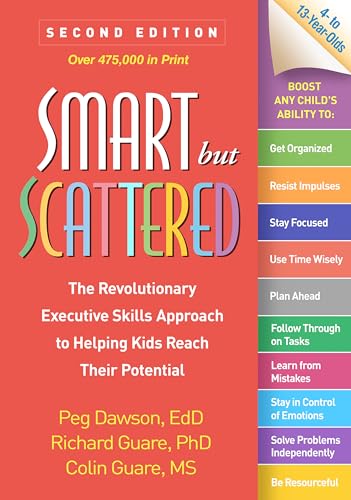 Peg Dawson & Richard Guare Smart but Scattered A clinical guide diagnosing and strengthening 11 core executive skills in disorganized or ADHD childrenCHECK TODAY'S PRICE
 - 4
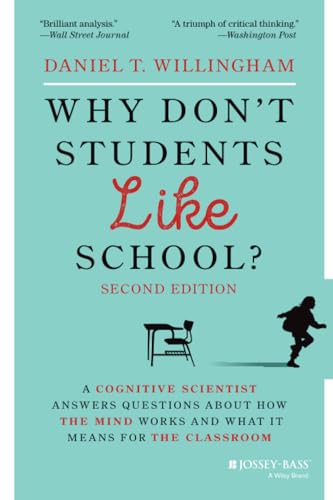 Daniel T. Willingham Why Don't Students Like School? Translating cognitive load and memory architecture to explain how the developing mind naturally learnsCHECK TODAY'S PRICE
 - 5
 Peter C. Brown, Henry L. Roediger III et al. Make It Stick: The Science of Successful Learning Empirical research proving the superiority of active retrieval, spaced practice, and interleavingCHECK TODAY'S PRICE
 - 6
 John Holt How Children Learn (50th Anniversary Ed.) A pedagogical classic demonstrating how young children learn organically through fearless playCHECK TODAY'S PRICE
 - 7
 Daniel J. Siegel & Tina Payne Bryson The Whole-Brain Child 12 revolutionary neurobiological strategies to de-escalate emotional meltdowns and integrate the mindCHECK TODAY'S PRICE
 - 8
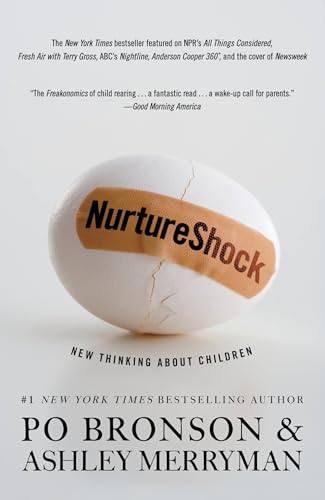 Po Bronson & Ashley Merryman NurtureShock: New Thinking About Children Empirical studies debunking common parenting myths around praise, sleep, honesty, and motivationCHECK TODAY'S PRICE
 - 9
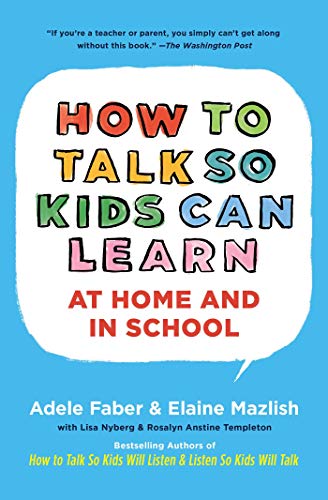 Adele Faber & Elaine Mazlish How to Talk So Kids Can Learn Practical, word-for-word communication scripts to overcome homework battles and inspire academic cooperationCHECK TODAY'S PRICE
 - 10
 Ross W. Greene The Explosive Child The evidence-based Collaborative & Proactive Solutions (CPS) model for easily frustrated childrenCHECK TODAY'S PRICE
Why Is Understanding Cognitive Load Essential for Supporting Homework?
Cognitive load theory explains that the human working memory has a strictly limited capacity for processing new information simultaneously. When children face overly complex academic tasks, excessive visual clutter, or high emotional stress, their working memory becomes overloaded, causing cognitive shutdown and behavioral resistance.
Educational psychologist John Sweller established that instructional materials must be structured to minimize extraneous cognitive load—the mental effort wasted on confusing instructions or chaotic environments. When a child struggles with a multi-step writing or math assignment, the issue is rarely a lack of intelligence; rather, the task demands exceed their working memory bandwidth. Breaking complex assignments into visual checklists, modeling step-by-step problem-solving, and providing quiet study spaces reduces extraneous friction, allowing the child’s brain to dedicate full cognitive resources to germane schema acquisition.
Cognitive scientist Daniel T. Willingham highlights that thinking is slow, effortful, and inherently difficult for the human brain. The brain is designed primarily to save mental energy by relying on automated memory schemas. When parents understand how working memory interacts with long-term memory retrieval, they can replace unproductive nagging with evidence-based cognitive scaffolding, transforming homework sessions into durable conceptual learning.
- Working memory bandwidth is biologically limited and easily overwhelmed by excessive cognitive demands.
- Minimizing extraneous distractions directly accelerates the formation of long-term cognitive schemas.
- Cognitive scaffolding prevents academic frustration by breaking multi-step tasks into manageable learning increments.
- Understanding working memory constraints eliminates parental frustration and fosters collaborative learning routines.
The 10 Most Useful Educational Psychology Books for Parents
The following curated selection represents the definitive academic and clinical canon for parents, spanning cognitive science, executive functioning development, child autonomy, and evidence-based pedagogical strategies.
1. Mindset: The New Psychology of Success — Carol S. Dweck
Mindset by world-renowned Stanford University psychologist Carol S. Dweck establishes the transformative distinction between a fixed mindset—the belief that intelligence, talent, and capabilities are static biological traits—and a growth mindset—the understanding that intellectual ability develops through deliberate effort, mentorship, and effective strategies. Dweck proves that how parents praise children fundamentally shapes their response to academic challenge.
When parents praise innate intelligence (“You’re so smart!”), children become risk-averse, viewing mistakes as devastating indictments of their intrinsic worth. Conversely, praising the learning process, strategy, and persistence fosters psychological resilience. This volume provides parents with an indispensable, empirically validated toolkit for nurturing unshakeable academic resilience.
- Contrasts the vulnerable defensiveness of a fixed mindset with an adaptable growth mindset orientation.
- Demonstrates how process praise fosters long-term perseverance whereas ability praise triggers academic challenge avoidance.
- Provides actionable communication scripts to help children reframe academic failure as essential neurobiological feedback.
2. The Self-Driven Child: The Science and Sense of Giving Your Kids More Control Over Their Lives — William Stixrud and Ned Johnson
The Self-Driven Child by clinical neuropsychologist William Stixrud and educational consultant Ned Johnson addresses the epidemic of chronic stress, anxiety, and learned helplessness among modern students. Drawing on decades of clinical neuroimaging and testing data, the authors demonstrate that a lack of personal autonomy is the single greatest neurobiological driver of chronic stress in developing children.
Stixrud and Johnson show parents how to shift from acting as micromanaging bosses to serving as trusted, supportive consultants. By empowering children to make decisions about their homework, schedules, and goals, parents foster genuine internal motivation while protecting their child’s prefrontal cortex from toxic stress dysregulation.
- Identifies perceived lack of control as a primary biological trigger for chronic adolescent stress.
- Guides parents to transition from micromanaging enforcers to authoritative educational consultants.
- Delivers practical protocols for fostering self-directed executive functioning and internalized academic drive.
3. Smart but Scattered: The Revolutionary “Executive Skills” Approach to Helping Kids Reach Their Potential — Peg Dawson and Richard Guare
Smart but Scattered by clinical psychologists Peg Dawson and Richard Guare is the premier, clinically validated manual for diagnosing and strengthening executive function deficits in children ages four to thirteen. The authors prove that common academic struggles—disorganization, lost assignments, procrastination, and emotional meltdowns—are driven by lagging neurological executive skills, not willful defiance.
Dawson and Guare outline eleven core executive skills, including working memory, emotional control, sustained attention, task initiation, and planning. Featuring comprehensive parent and child diagnostic questionnaires, this volume provides structured, step-by-step coaching routines to scaffold and strengthen developing executive brain functioning.
- Identifies and evaluates eleven foundational neurodevelopmental executive functioning skills.
- Features diagnostic assessments to pinpoint specific cognitive strengths and lagging executive weaknesses.
- Provides actionable environmental modifications and coaching protocols to eliminate chronic academic disorganization.
4. Why Don’t Students Like School? A Cognitive Scientist Answers Questions About How the Mind Works — Daniel T. Willingham
Why Don’t Students Like School? by cognitive psychologist Daniel T. Willingham translates complex cognitive laboratory research into practical principles for parents and educators. Willingham establishes the foundational principle that the human brain is not designed for thinking; it is designed to save effort by relying on automated memory routines.
The book dismantles popular educational myths—such as the unverified concept of “learning styles”—and demonstrates that factual knowledge is the necessary foundation for critical thinking. Willingham provides parents with clear, scientifically grounded techniques to structure reading, homework, and study sessions around how the mind naturally encodes and organizes durable conceptual knowledge.
- Explains the cognitive architecture of working memory, factual knowledge, and critical thinking skills.
- Debunks the pervasive educational neuromyth of individualized sensory learning styles.
- Delivers evidence-based strategies for leveraging storytelling and cognitive pacing to maximize academic engagement.
5. Make It Stick: The Science of Successful Learning — Peter C. Brown, Henry L. Roediger III, and Mark A. McDaniel
Make It Stick by cognitive scientists Henry L. Roediger III and Mark A. McDaniel, alongside writer Peter C. Brown, provides an indispensable empirical guide to how learning and memory actually work. The authors prove that traditional study habits—such as rereading textbooks, highlighting notes, and cramming—create an “illusion of mastery” that rapidly vanishes during exams.
Drawing on rigorous laboratory experiments, the authors demonstrate that durable learning requires desirable difficulties: active retrieval practice, spaced repetition, and interleaving distinct problem types. This volume is an essential manual for parents striving to help their children replace ineffective study habits with scientifically validated learning techniques.
- Exposes passive rereading and text highlighting as counterproductive illusions of academic competence.
- Demonstrates the empirical superiority of active retrieval practice and spaced memory repetition.
- Teaches students how to utilize interleaving problem sets to build flexible conceptual mastery.
6. How Children Learn (50th Anniversary Edition) — John Holt
How Children Learn by educational pioneer John Holt is a timeless classic that revolutionized developmental pedagogy. Through decades of meticulous, empathetic observation of young children, Holt demonstrates that for small children, learning is as natural and organic as breathing. Children learn through fearless experimentation, playful curiosity, and direct sensory interaction with their environment.
Holt illustrates how traditional educational coercion, excessive testing, and parental anxiety inadvertently stifle a child’s natural learning instincts by introducing fear of failure. This profound, beautifully written treatise empowers parents to trust their child’s intrinsic curiosity and create rich environments that support self-directed organic learning.
- Documents the natural cognitive mechanisms through which young children achieve organic language and math mastery.
- Exposes how fear of adult judgment and standardized testing undermines innate childhood curiosity.
- Advocates for patient, observational parenting that honors individual developmental learning rhythms.
7. The Whole-Brain Child: 12 Revolutionary Strategies to Nurture Your Child’s Developing Mind — Daniel J. Siegel and Tina Payne Bryson
The Whole-Brain Child by neuropsychiatrist Daniel J. Siegel and psychotherapist Tina Payne Bryson translates cutting-edge developmental neurobiology into twelve practical parenting strategies. The authors explain that a child’s brain is biologically unintegrated: the emotional right brain and reactive lower limbic system frequently overwhelm the rational left brain and developing prefrontal cortex.
Siegel and Bryson provide concrete techniques like “Connect and Redirect” and “Name It to Tame It” to help parents soothe acute emotional dysregulation during academic homework meltdowns. This volume provides parents with an essential scientific framework for transforming everyday behavioral crises into opportunities for healthy neurological brain integration.
- Explains the neurobiological mechanics of emotional meltdowns and prefrontal cortex development.
- Introduces practical conversational strategies like “Connect and Redirect” for effective parental de-escalation.
- Helps children develop interoceptive awareness and emotional self-regulation through mindful narrative integration.
8. NurtureShock: New Thinking About Children — Po Bronson and Ashley Merryman
NurtureShock by investigative science writers Po Bronson and Ashley Merryman synthesizes revolutionary child development and educational psychology studies that directly contradict common parenting intuition. Bronson and Merryman examine ten critical areas of development, including the counterproductive effects of excessive intelligence praise, the developmental truth about childhood lying, and the science of teenage sleep deficits.
The authors provide a captivating, evidence-dense narrative that exposes how standard modern parenting practices inadvertently undermine academic motivation, emotional regulation, and social development. This eye-opening volume is an essential catalyst for parents seeking an authentic, empirically grounded parenting perspective.
- Details laboratory research proving that praising innate intelligence reduces academic persistence and resilience.
- Explores the cognitive developmental function of childhood lying as a marker of executive theory of mind.
- Demonstrates the vital biological role of adolescent sleep patterns in maintaining emotional and academic functioning.
9. How to Talk So Kids Can Learn — At Home and in School — Adele Faber and Elaine Mazlish
How to Talk So Kids Can Learn by renowned communication experts Adele Faber and Elaine Mazlish, alongside educators Lisa Nyberg and Rosalyn Anstine Templeton, translates humanistic child psychology into actionable, word-for-word conversational scripts. The authors demonstrate that children cannot learn effectively when their negative feelings are denied, dismissed, or punished by adults.
Featuring cartoon illustrations, realistic role-play scenarios, and practical communication exercises, the book provides concrete strategies to overcome homework resistance, inspire self-discipline, and praise progress without creating praise dependency. This classic guide is an indispensable tool for parents striving to build a collaborative, emotionally supportive learning partnership.
- Provides concrete communication scripts to de-escalate homework battles and foster academic cooperation.
- Teaches parents how to validate academic frustration without resorting to punitive or coercive threats.
- Offers practical techniques to praise constructive effort while avoiding evaluative praise traps.
10. The Explosive Child: A New Approach for Understanding and Parenting Easily Frustrated, Chronically Inflexible Children — Ross W. Greene
The Explosive Child by clinical psychologist Ross W. Greene provides a revolutionary, compassionate framework for understanding children who exhibit severe behavioral challenges, chronic inflexibility, and extreme emotional meltdowns during academic and domestic transitions. Greene establishes the foundational principle: “Kids do well if they can.”
Greene demonstrates that challenging behavior is caused by lagging cognitive skills in flexibility, frustration tolerance, and problem-solving, rather than willful manipulation. His evidence-based Collaborative & Proactive Solutions (CPS) model teaches parents how to solve chronic problems collaboratively before crises erupt, establishing an empowering blueprint for trauma-informed behavioral support.
- Reframes behavioral explosions as cognitive skill deficits rather than intentional student defiance.
- Introduces the evidence-based Collaborative & Proactive Solutions (CPS) model for proactive conflict resolution.
- Empowers parents to identify lagging executive skills and build lasting collaborative problem-solving alliances.
The Neurobiology of Executive Functioning in Academic Success
Executive functioning refers to the suite of prefrontal brain processes that enable goal-directed behavior, including working memory, cognitive flexibility, and inhibitory impulse control. Neurobiological research confirms that executive skills predict long-term academic achievement, social adaptation, and emotional well-being far more reliably than raw IQ scores.
The prefrontal cortex matures slowly across childhood and adolescence, continuing its developmental trajectory well into an individual’s mid-twenties. When children display chronic procrastination, messy binders, or homework meltdowns, their behavior reflects an unintegrated, developing prefrontal control network rather than poor character. Clinical psychologists Peg Dawson and Richard Guare demonstrate that parents must serve as temporary “external frontal lobes”—providing structural scaffolding while the child’s internal neurobiological executive circuits mature.
Scaffolding executive skills requires intentional environmental design. Utilizing visual timers, color-coded organizers, and structured homework checklists externalizes mental effort, preserving working memory bandwidth for complex academic tasks.
- The prefrontal cortex undergoes prolonged neurobiological maturation lasting into early adult development.
- Executive functioning capabilities predict standardized academic achievement more accurately than general cognitive intelligence.
- External scaffolding systems reduce cognitive load and strengthen nascent self-regulation neural pathways.
- Parental co-regulation during academic frustration prevents chronic activation of the amygdala stress response.
Extrinsic Rewards vs. Intrinsic Autonomy: The Self-Determination Perspective
Decades of empirical research in self-determination theory, spearheaded by Edward L. Deci and Richard M. Ryan, prove that relying on extrinsic reward systems—such as paying for good grades or using gold-star chore charts—frequently backfires. While extrinsic incentives can produce short-term behavioral compliance, they reliably crush intrinsic curiosity and create long-term academic passivity.
| Motivational Dimension | Extrinsic Reward Model | Intrinsic Self-Determination Model |
|---|---|---|
| Primary Behavioral Driver | External rewards, grades, money, and parental approval | Curiosity, internal value alignment, and personal competence |
| Task Engagement Quality | Superficial, doing only the bare minimum required for reward | Deep, highly creative conceptual exploration and problem-solving |
| Response to Difficulty | Quick surrender when reward is removed or task becomes hard | Sustained perseverance, viewing errors as valuable learning feedback |
| Long-Term Outcome | Academic burnout, performance anxiety, and learned helplessness | Autonomous lifelong learning, agency, and high self-efficacy |
As detailed in the comparison table above, true academic drive flourishes only when three innate psychological needs are satisfied: Autonomy, Competence, and Relatedness. Neuropsychologist William Stixrud and consultant Ned Johnson emphasize that when parents grant children genuine decision-making autonomy over their study habits, children transition from passive compliance to self-driven academic ownership.
Active Retrieval vs. Passive Review: How Memory Actually Consolidates
Most students study using methods that feel intuitive but are scientifically counterproductive: rereading highlighted textbook passages, reviewing lecture slides, and massed academic cramming the night before an examination. Cognitive scientists term this the “fluency illusion”—the mistaken belief that because material looks familiar on the page, it has been deeply encoded into long-term memory.
Pioneering cognitive researchers Henry L. Roediger III and Mark A. McDaniel prove in Make It Stick that durable memory consolidation requires “desirable difficulties.” When a student actively struggles to retrieve information from memory—such as using flashcards, completing practice tests, or solving mixed problem sets—the brain strengthens the physical neural pathways associated with that concept. Active retrieval forces the prefrontal cortex to reconstruct knowledge schemas, transferring information from fragile working memory into durable long-term semantic storage.
Parents can easily integrate active retrieval into daily home routines. Instead of asking your child to reread their science notes, prompt them to explain a concept in their own words or create practice quizzes for you. This simple shift in study strategy dramatically enhances long-term academic retention.
- Replace passive textbook rereading with active self-testing to dismantle the deceptive fluency illusion.
- Implement spaced study intervals over several days to allow synaptic memory consolidation.
- Interleave distinct problem types during math practice to cultivate flexible conceptual categorization skills.
- Encourage your child to teach complex concepts aloud to reinforce deep conceptual understanding.
How Chronic Academic Stress Disrupts Working Memory
When children experience chronic academic anxiety, high parental pressure, or fear of failure, the brain’s autonomic nervous system interprets the environment as a survival threat. Under acute stress, the amygdala activates sympathetic fight-or-flight arousal, flooding the bloodstream with cortisol and adrenaline.
Elevated cortisol levels physically impair prefrontal cortex functioning while disrupting the hippocampus—the brain’s primary gateway for memory encoding and retrieval. When a child experiences a panic freeze during an exam or melts down over math problems, their working memory has been effectively hijacked by the survival threat response. Demanding that an emotionally flooded child “sit down and focus” is neurobiologically impossible, as survival circuitry always takes precedence over prefrontal academic learning.
Restoring cognitive functioning requires establishing physiological safety first. Neuropsychiatrist Daniel J. Siegel emphasizes that parents must co-regulate their child’s nervous system through calm vocal tones, empathetic physical presence, and deep breathing before attempting any cognitive homework instruction.
- Chronic academic stress elevates cortisol levels, impairing hippocampal memory encoding capabilities.
- Sympathetic nervous system arousal temporarily disables prefrontal working memory processing.
- Emotional co-regulation de-escalates amygdala panic and restores executive cognitive control.
- Establishing psychological safety at home protects developing children from academic burnout.
Practical Daily Routines to Build an Empowering Home Learning Environment
Transforming educational psychology literature into practical daily habits requires establishing predictable, low-friction household routines that support autonomy, focus, and emotional well-being. Humanistic psychologist Carl R. Rogers consistently emphasized that authentic learning occurs when individuals feel unconditionally accepted in their experiential living environments.
To operationalize the core insights from these ten essential volumes, practice these five evidence-based home learning disciplines:
- Establish an autonomous homework contract where your child chooses their preferred study time, break intervals, and independent learning goals.
- Design a minimalist, distraction-free study zone that eliminates visual clutter and isolates digital smartphone notifications.
- Incorporate the “Connect before Correct” protocol during academic frustration to soothe emotional distress before offering instructional problem-solving help.
- Shift daily conversational praise toward effort, strategy, and perseverance to reinforce a resilient growth mindset orientation.
- Conduct a weekly executive skills check-in to collaboratively review binders, calendars, and upcoming academic milestones.
When Academic Struggles Signal Learning Differences or Neurodevelopmental Conditions
While educational psychology literature provides transformative tools for supporting homework and study habits, persistent academic struggles can sometimes represent underlying neurodevelopmental conditions that require professional clinical evaluation. Recognizing the diagnostic boundary between normal developmental variation and clinical learning disorders is an essential parental mental health competency.
If your child demonstrates severe reading decoding difficulties, persistent handwriting struggles, profound working memory deficits, or extreme emotional dysregulation that resists consistent, evidence-based home interventions, you should schedule a comprehensive psychoeducational or neuropsychological evaluation. Conditions such as Attention-Deficit/Hyperactivity Disorder (ADHD), Developmental Dyslexia, Dyscalculia, and Executive Function Disorder require specialized clinical assessment and formalized accommodations—such as 504 Plans or Individualized Education Programs (IEPs)—implemented by licensed educational psychologists.
Most critically, if academic pressure causes severe depressive withdrawal, panic attacks, self-harm ideation, or acute school refusal, do not rely on literature alone. In the United States and Canada, call or text 988 immediately to connect with the Suicide & Crisis Lifeline, available twenty-four hours a day, seven days a week, free and confidential. Seeking professional clinical evaluation is not a parenting failure; it is the ultimate act of empowered parental advocacy.
- Persistent academic failure despite consistent scaffolding warrants a formal neuropsychological evaluation.
- Diagnosed learning differences like ADHD and Dyslexia require specialized school accommodation plans.
- Severe emotional distress or school refusal demands immediate intervention from a licensed child psychologist.
FAQs about Educational Psychology Books for Parents
What is the single best educational psychology book for parents to read first?
For parents seeking a transformative yet highly accessible introduction, The Self-Driven Child by Dr. William Stixrud and Ned Johnson is universally regarded as the premier starting point. Stixrud and Johnson bridge clinical neuropsychology and practical parenting, demonstrating that granting children authentic autonomy over their lives is the ultimate antidote to academic stress and learned helplessness. The book provides clear, compassionate guidance on how parents can transition from micromanaging enforcers to trusted educational consultants. It offers immediately actionable strategies that reduce household homework conflict while cultivating deep internal motivation.
How does praising a child’s effort differ from praising their natural intelligence?
Praising a child’s natural intelligence (e.g., “You’re a natural math genius!”) reinforces a fixed mindset, teaching the child that success depends on innate talent. When that child eventually encounters difficult material, they interpret struggle as proof that they are no longer smart, leading to anxiety, cheating, or giving up entirely. In contrast, praising the process (e.g., “I love the creative strategy you used to solve that difficult problem!”) reinforces a growth mindset. Process praise teaches children that the brain is like a muscle that grows stronger through effort, fostering resilient problem-solving and long-term academic persistence.
Can educational psychology books help children diagnosed with ADHD or executive dysfunction?
Yes, books like Smart but Scattered by Dr. Peg Dawson and Dr. Richard Guare are designed specifically to help parents support children with ADHD and executive functioning deficits. Dawson and Guare break down executive skills into eleven measurable components, providing diagnostic questionnaires and structured coaching protocols to scaffold tasks like time management, organization, and emotional control. While books cannot replace professional medical diagnosis or formal school accommodations like IEPs, they provide parents with actionable daily tools to reduce frustration and build essential cognitive habits at home.
Why is active recall more effective than traditional textbook rereading?
Active recall is significantly more effective than rereading because it leverages the neurobiological testing effect. When a student simply rereads a textbook, they experience the “fluency illusion”—mistaking visual familiarity with actual mastery. Rereading creates shallow, temporary memory traces that rapidly decay. In contrast, active recall forces the prefrontal cortex to search long-term memory schemas and reconstruct information without cues, which physically strengthens neural synaptic connections. Research in cognitive psychology confirms that active retrieval practice produces dramatically higher exam performance and long-term knowledge retention.
What should I do if my child experiences extreme emotional meltdowns over homework?
When a child experiences an emotional meltdown over homework, their brain is in a state of autonomic nervous system overload, with the amygdala overriding prefrontal reasoning. Attempting to force academic instruction during a meltdown is neurobiologically ineffective. Instead, practice the “Connect and Redirect” approach outlined in The Whole-Brain Child: first validate their frustration with calm physical presence and empathy to restore physiological safety. Once the child’s nervous system has de-escalated and their rational left brain is back online, collaboratively break the assignment into smaller, manageable increments.
How do I know if my child needs a formal psychoeducational evaluation?
You should consider a formal psychoeducational evaluation if your child demonstrates persistent academic struggles that are significantly out of proportion to their effort, or if evidence-based home interventions produce no meaningful progress over several months. Warning signs include severe reading decoding delays, chronic inability to follow multi-step instructions, extreme working memory deficits, or escalating school-related panic and depression. A comprehensive evaluation conducted by a licensed school psychologist or neuropsychologist identifies specific learning disabilities (such as Dyslexia or ADHD) and establishes legally mandated classroom accommodations.
Bibliography
- Bronson, P., & Merryman, A. (2009). NurtureShock: New Thinking About Children. Twelve.
- Brown, P. C., Roediger, H. L., & McDaniel, M. A. (2014). Make It Stick: The Science of Successful Learning. Belknap Press.
- Dawson, P., & Guare, R. (2024). Smart but Scattered: The Revolutionary “Executive Skills” Approach to Helping Kids Reach Their Potential (2nd ed.). Guilford Press.
- Dweck, C. S. (2006). Mindset: The New Psychology of Success. Random House.
- Faber, A., & Mazlish, E. (1996). How to Talk So Kids Can Learn — At Home and in School. Scribner.
- Greene, R. W. (2021). The Explosive Child: A New Approach for Understanding and Parenting Easily Frustrated, Chronically Inflexible Children (6th ed.). Harper Paperbacks.
- Holt, J. (2017). How Children Learn (50th anniversary ed.). Da Capo Lifelong Books.
- Rogers, C. R. (1961). On Becoming a Person: A Therapist’s View of Psychotherapy. Houghton Mifflin.
- Siegel, D. J., & Bryson, T. P. (2011). The Whole-Brain Child: 12 Revolutionary Strategies to Nurture Your Child’s Developing Mind. Delacorte Press.
- Stixrud, W., & Johnson, N. (2018). The Self-Driven Child: The Science and Sense of Giving Your Kids More Control Over Their Lives. Viking.
- Willingham, D. T. (2021). Why Don’t Students Like School? A Cognitive Scientist Answers Questions About How the Mind Works and What It Means for the Classroom (2nd ed.). Jossey-Bass.
Use this citation format to reference the article clearly and help readers find the original source.
PsychologyFor. (2026). The 10 Most Useful Educational Psychology Books for Parents. PsychologyFor. https://psychologyfor.com/the-10-most-useful-educational-psychology-books-for-parents/