Throughout history, strong women have inspired generations with their wisdom, courage, and unwavering determination to create positive change in the world. These empowering quotes from female leaders, activists, artists, scientists, politicians, and trailblazers capture the essence of female strength, resilience, and the ongoing struggle for equality and justice. From Eleanor Roosevelt’s timeless reflections on courage to Malala Yousafzai’s powerful words about education and voice, these phrases remind us that women have always been forces of transformation, breaking barriers and redefining what’s possible. This comprehensive collection presents 100 of the most inspiring quotes from strong women across different eras, cultures, and fields of achievement, organized thematically to explore various aspects of female empowerment including leadership and ambition, overcoming adversity, self-confidence and authenticity, fighting for equality, breaking barriers, resilience and perseverance, voice and expression, success and achievement, sisterhood and solidarity, and living courageously. Each quote represents not just words but the lived experiences of women who refused to accept limitations, who challenged injustice, who created pathways for future generations, and who demonstrated that strength comes in many forms—from quiet determination to bold activism, from intellectual brilliance to creative vision, from political power to personal authenticity.
These phrases from strong women serve multiple purposes in contemporary society. They provide inspiration during difficult times, offering perspective and encouragement when facing challenges. They validate women’s experiences and feelings, confirming that struggles are real and strength is inherent. They educate about women’s history and contributions, highlighting achievements often overlooked in traditional narratives. They challenge limiting beliefs about what women can be and do, expanding possibilities for current and future generations. They create connections across time and space, showing that women throughout history have faced similar obstacles and found similar sources of strength.
The women whose words appear in this collection represent extraordinary diversity—different races, nationalities, historical periods, professions, and life circumstances—yet their messages often converge around common themes of dignity, autonomy, justice, and the fundamental belief in women’s equal humanity and unlimited potential. Whether you’re seeking motivation for personal growth, wisdom for navigating professional challenges, inspiration for activism and advocacy, or simply reminders of women’s remarkable contributions to human civilization, these 100 phrases offer profound insights that remain as relevant today as when they were first spoken or written.
Leadership and Ambition
Leadership quotes from women challenge traditional notions of power and authority while asserting women’s rightful place in decision-making roles across all sectors of society. These phrases emphasize that female leadership brings unique perspectives, collaborative approaches, and transformative potential to organizations and communities.
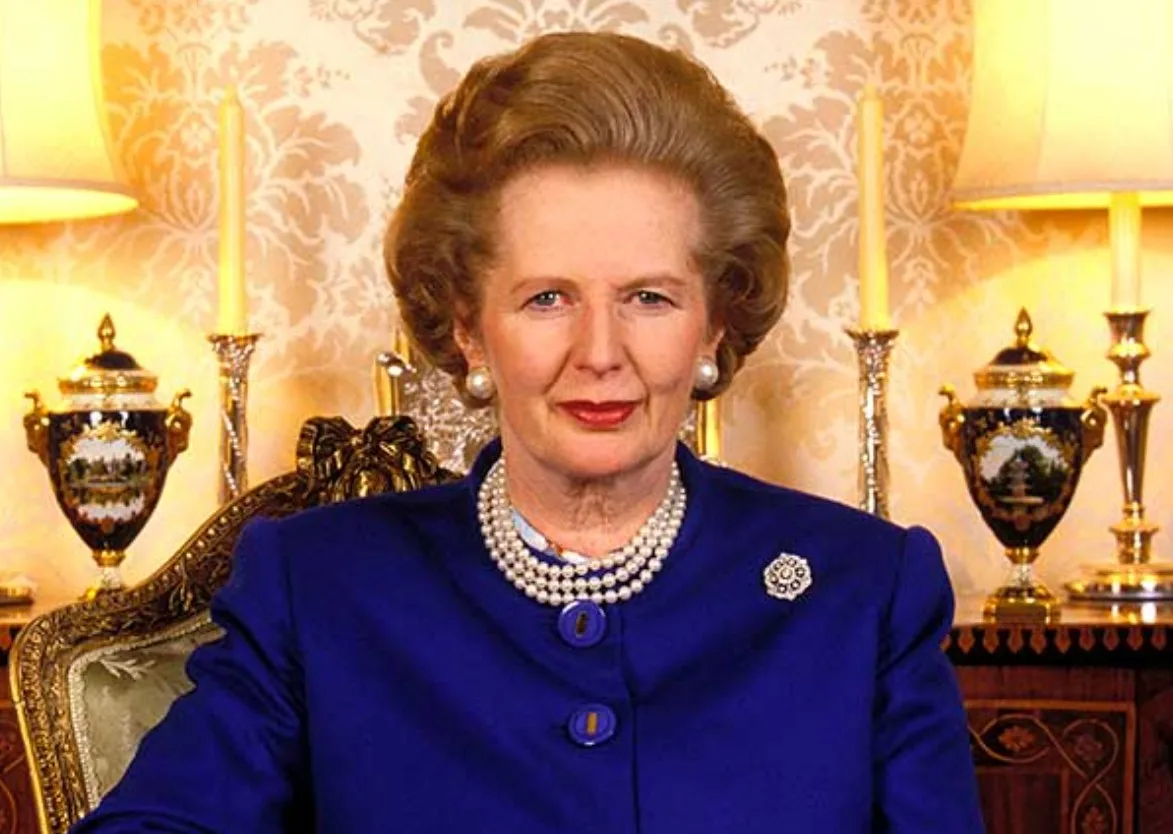
“In politics, if you want anything said, ask a man. If you want anything done, ask a woman.” — Margaret Thatcher, former Prime Minister of the United Kingdom. This witty observation from Britain’s first female Prime Minister highlights the distinction between rhetoric and action, suggesting women’s practical focus on results over performance.
“There is no limit to what we, as women, can accomplish.” — Michelle Obama, former First Lady of the United States. This declaration of limitless potential has become an anthem for female ambition, rejecting artificial ceilings on women’s achievements and encouraging boundless aspiration.
“I never dreamed about success. I worked for it.” — Estée Lauder, businesswoman and founder of Estée Lauder Companies. This phrase encapsulates the work ethic and determination behind entrepreneurial success, emphasizing action over fantasy as the pathway to achievement.
“Define success on your own terms, achieve it by your own rules, and build a life you’re proud to live.” — Anne Sweeney, former president of Disney-ABC Television Group. This empowering statement encourages women to reject externally imposed definitions of success and create authentic paths aligned with personal values and goals.
“I learned to always take on things I’d never done before. Growth and comfort do not coexist.” — Virginia Rometty, former CEO of IBM. This wisdom about embracing discomfort as essential for development challenges the tendency to remain in safe, familiar territories and encourages calculated risk-taking.
“Leadership is not about control. It’s about influence.” — Anonymous. This redefinition of leadership moves away from hierarchical domination toward collaborative inspiration, suggesting that true leaders empower rather than command.
“Think like a queen. A queen is not afraid to fail. Failure is another stepping stone to greatness.” — Oprah Winfrey, media executive and philanthropist. This reframing of failure as productive rather than shameful removes fear as an obstacle to bold action and experimentation.
“If you want something said, ask a man; if you want something done, ask a woman.” — Margaret Thatcher. This bears repeating as it so perfectly captures Thatcher’s assessment of gendered approaches to work and accomplishment.
“The most courageous act is still to think for yourself. Aloud.” — Coco Chanel, fashion designer. This statement from the revolutionary designer who transformed women’s fashion emphasizes intellectual independence and the courage required to voice unpopular or unconventional thoughts.
“Don’t follow the crowd; let the crowd follow you.” — Margaret Thatcher. This call for leadership rather than conformity encourages women to trust their vision and direction rather than seeking safety in majority opinion.

Overcoming Adversity
Quotes about overcoming obstacles acknowledge that the path to achievement and equality has never been smooth, while affirming women’s capacity to navigate and transcend challenges through resilience, creativity, and determination.
“At the end of the day, we can endure much more than we think we can.” — Frida Kahlo, Mexican painter and feminist icon. Speaking from her experience with chronic pain and physical disability, Kahlo’s words validate hidden reserves of strength that emerge during crises.
“I am not free while any woman is unfree, even when her shackles are very different from my own.” — Audre Lorde, writer and civil rights activist. This powerful statement of solidarity insists that liberation must be collective rather than individual, and that privileged women must advocate for the most marginalized.
“You may encounter many defeats, but you must not be defeated.” — Maya Angelou, poet and author. This distinction between external setbacks and internal surrender reminds us that defeat is a state of mind rather than an inevitable consequence of obstacles.
“Women are like teabags—you don’t know how strong they are until you put them in hot water.” — Eleanor Roosevelt, former First Lady and UN diplomat. This metaphor has become one of the most repeated quotes about female resilience, suggesting strength is revealed rather than created by challenges.
“Don’t be the girl who fell. Be the girl who got back up.” — Jenette Stanley, entrepreneur and speaker. This simple directive reframes identity around recovery rather than failure, making resilience rather than perfection the measure of character.
“There is no force more powerful than a woman determined to rise.” — W.E.B. Du Bois. This recognition from a male civil rights leader acknowledges that determination combined with purpose creates unstoppable momentum for change.
“I am too intelligent, too demanding, and too resourceful for anyone to be able to take charge of me entirely.” — Simone de Beauvoir, philosopher and author of “The Second Sex.” This declaration of autonomy refuses subordination and asserts the right to self-determination as fundamental to personhood.
“The question isn’t who’s going to let me; it’s who’s going to stop me.” — Ayn Rand, novelist and philosopher. This shift from seeking permission to assuming agency reflects a fundamental reorientation toward authority and possibility.
“I’ve been absolutely terrified every moment of my life—and I’ve never let it keep me from doing a single thing I wanted to do.” — Georgia O’Keeffe, artist. This honest acknowledgment that courage doesn’t mean fearlessness but rather action despite fear provides a more realistic and attainable model of bravery.
“We realize the importance of our voices only when we are silenced.” — Malala Yousafzai, Pakistani education activist and Nobel laureate. Speaking from her experience of surviving an assassination attempt for advocating girls’ education, Malala’s words remind us that rights often become visible only through their violation.
Self-Confidence and Authenticity
Quotes about self-confidence encourage women to trust themselves, embrace their authentic identities, and resist pressure to diminish or modify themselves to fit others’ expectations or comfort.
“No one can make you feel inferior without your consent.” — Eleanor Roosevelt. This empowering statement places control over self-perception firmly in one’s own hands, refusing to grant others power over internal experience and self-worth.
“My mother told me to be a lady. And for her, that meant be your own person, be independent.” — Ruth Bader Ginsburg, Supreme Court Justice. This redefinition of femininity as independence rather than conformity challenges restrictive gender expectations while honoring maternal wisdom.
“I am my own experiment. I am my own work of art.” — Madonna, singer and cultural icon. This claim of self-creation and ownership over one’s identity refuses to accept externally imposed limitations on self-expression and reinvention.
“The most alluring thing a woman can have is confidence.” — Beyoncé, singer and entrepreneur. This statement from a global icon of female empowerment locates attractiveness in self-assurance rather than physical appearance or conformity to beauty standards.
“I don’t go by the rule book. I lead from the heart, not the head.” — Princess Diana, philanthropist. This embrace of emotional intelligence and authentic feeling as valid guides for action challenged royal protocol and transformed public perceptions of appropriate leadership.
“I took a deep breath and listened to the old brag of my heart: I am, I am, I am.” — Sylvia Plath, poet. This affirmation of existence itself as worthy and sufficient cuts through self-doubt and external validation to locate worth in being rather than doing or becoming.
“I’m tough, I’m ambitious, and I know exactly what I want. If that makes me a bitch, okay.” — Madonna. This reclamation of a derogatory term refuses to soften ambition or directness to make others comfortable, insisting on the right to pursue goals unapologetically.
“The most common way people give up their power is by thinking they don’t have any.” — Alice Walker, author of “The Color Purple.” This observation identifies internalized powerlessness as the primary obstacle to empowerment, suggesting that recognizing existing power is the first step to using it.
“I am not what happened to me. I am what I choose to become.” — Carl Jung. While Jung was male, this quote has been widely embraced by women survivors emphasizing agency and choice over victimhood and determinism.
“Speak your mind, even if your voice shakes.” — Maggie Kuhn, social activist. This encouragement to voice truth despite fear or vulnerability validates that courage exists alongside nervousness rather than in its absence.

Fighting for Equality
Feminist quotes articulate the ongoing struggle for women’s rights and gender equality, naming injustices while articulating visions of more equitable futures and calling for systemic transformation.
“I raise up my voice—not so I can shout, but so that those without a voice can be heard.” — Malala Yousafzai. This statement clarifies that advocacy isn’t about personal attention but about amplifying marginalized voices and perspectives systematically excluded from discourse.
“Feminism isn’t about making women stronger. Women are already strong. It’s about changing the way the world perceives that strength.” — G.D. Anderson. This reframing shifts the burden from women needing to change themselves to society needing to recognize and value women’s existing capacities.
“We are not here because we are law-breakers; we are here in our efforts to become law-makers.” — Emmeline Pankhurst, suffragette leader. This declaration from the British women’s suffrage movement asserts that civil disobedience serves the higher purpose of claiming democratic participation.
“I do not wish women to have power over men; but over themselves.” — Mary Shelley, author of “Frankenstein.” This early feminist statement clarifies that women’s liberation doesn’t require dominating men but rather achieving self-determination and autonomy.
“Women don’t need to find a voice, they have a voice, and they need to feel empowered to use it, and people need to be encouraged to listen.” — Meghan Markle, Duchess of Sussex. This statement addresses both sides of the communication equation—women claiming their right to speak and audiences cultivating willingness to hear.
“The success of our economy and our country will only come when the best minds and talents are fully employed.” — Jane Addams, social reformer and Nobel Peace Prize laureate. This pragmatic argument for women’s inclusion appeals to collective benefit rather than justice alone.
“Don’t think about making women fit the world—think about making the world fit women.” — Gloria Steinem, journalist and feminist activist. This call for systemic redesign rather than individual adaptation shifts responsibility from women conforming to structures to structures accommodating women’s needs and realities.
“Until we get equality in education, we won’t have an equal society.” — Sonia Sotomayor, Supreme Court Justice. This identification of education as foundational to broader equality highlights that cognitive development and opportunity begin in schools.
“Women should be present in all spaces where decisions are being made. They should not be seen as exceptions.” — Ruth Bader Ginsburg. This vision of true representation insists on women’s systematic inclusion in power structures rather than tokenistic presence.
“Human rights are women’s rights, and women’s rights are human rights.” — Hillary Clinton, former Secretary of State. This declaration from the 1995 Beijing Women’s Conference established that women’s concerns aren’t special interests but fundamental human dignity issues.
Breaking Barriers
Quotes about breaking barriers come from women who were firsts in their fields, who challenged discriminatory practices, and who proved that gender provides no legitimate basis for exclusion from any domain of human endeavor.
“Life is not easy for any of us. But what of that? We must have perseverance and above all confidence in ourselves.” — Marie Curie, first woman to win a Nobel Prize and only person to win Nobel Prizes in two different sciences. These words from a pioneering scientist emphasize internal resources over external circumstances.
“I learned to always take on things I’d never done before.” — Virginia Rometty, former CEO of IBM. This commitment to continuous learning and risk-taking enabled Rometty to navigate male-dominated technology industries and reach executive leadership.
“You must never be fearful about what you are doing when it is right.” — Rosa Parks, civil rights activist. This moral clarity about civil disobedience affirms that justice supersedes comfort and that righteous action requires courage over caution.
“I didn’t get there by wishing for it or hoping for it, but by working for it.” — Estée Lauder. This emphasis on effort and agency credits personal action rather than luck or privilege for success, though it’s important to acknowledge that both factors interact.
“The future belongs to those who believe in the beauty of their dreams.” — Eleanor Roosevelt. This poetic statement links vision and conviction with eventual achievement, suggesting that faith in possibility enables its realization.
“Do one thing every day that scares you.” — Eleanor Roosevelt. This advice to regularly confront fear as a practice builds courage as a skill rather than innate trait, making bravery cultivable through repeated exposure.
“Life is either a daring adventure or nothing.” — Helen Keller, author and disability rights advocate. These words from a woman who overcame deafness and blindness to become an influential writer reframe safety-seeking as a kind of death, insisting that vitality requires risk.
“We all move forward when we recognize how resilient and striking the women around us are.” — Rupi Kaur, poet. This statement emphasizes collective advancement through mutual recognition and celebration rather than individualistic competition.
“A woman is the full circle. Within her is the power to create, nurture, and transform.” — Diane Mariechild, author. This celebration of women’s creative and transformative capacities counters narratives that define women primarily through limitation or lack.
“As women achieve power, the barriers will fall.” — Sandra Day O’Connor, first female Supreme Court Justice. This prediction from a barrier-breaker herself suggests that representation creates momentum for further inclusion.

Resilience and Perseverance
Quotes about resilience acknowledge that strength often develops through adversity and that persistence in the face of obstacles distinguishes those who ultimately succeed from those who abandon their goals prematurely.
“You can’t shake hands with a clenched fist.” — Indira Gandhi, first female Prime Minister of India. This metaphor for the impossibility of collaboration through aggression applies to interpersonal, political, and international contexts where cooperation requires openness.
“Passion is energy. Feel the power that comes from focusing on what excites you.” — Oprah Winfrey. This linkage between enthusiasm and vitality suggests that sustainable effort flows from genuine interest rather than obligation or external pressure.
“I’ve learned that fear limits you and your vision. It serves as blinders to what may be just a few steps down the road for you.” — Soledad O’Brien, journalist. This observation about fear’s constraining effects on perception explains how anxiety prevents recognizing opportunities and possibilities.
“The question isn’t who’s going to let me; it’s who’s going to stop me.” — Ayn Rand. This shift from permission-seeking to determination asserts proactive agency rather than reactive compliance as the appropriate stance toward ambition.
“You get in life what you have the courage to ask for.” — Oprah Winfrey. This recognition that asking directly for what you want significantly increases chances of receiving it challenges socialization that teaches women to hint, hope, or wait passively.
“I am not afraid of storms, for I am learning how to sail my ship.” — Louisa May Alcott, author of “Little Women.” This maritime metaphor celebrates skill development as the appropriate response to inevitable challenges rather than avoidance or fear.
“It took me quite a long time to develop a voice, and now that I have it, I am not going to be silent.” — Madeleine Albright, first female U.S. Secretary of State. This statement from a woman who escaped Nazi-occupied Czechoslovakia and rose to diplomatic leadership affirms that hard-won voice demands use.
“Courage is like a muscle. We strengthen it by use.” — Ruth Bader Ginsburg. This understanding of bravery as developable through practice rather than innate makes courage accessible to anyone willing to take small risks repeatedly.
“I’ve failed over and over again in my life. And that is why I succeed.” — Serena Williams, tennis champion. This reframing of failure as prerequisite to success removes shame from setbacks and repositions them as learning experiences.
“Know what sparks the light in you. Then use that light to illuminate the world.” — Oprah Winfrey. This directive to identify personal passions and then share their benefits widely connects self-discovery with service.
Voice and Expression
Quotes about voice emphasize the importance of women speaking, being heard, telling their own stories, and refusing to be silenced by intimidation, dismissal, or marginalization.
“A woman with a voice is, by definition, a strong woman.” — Melinda Gates, philanthropist and advocate. This simple equation between voice and strength recognizes that speaking itself requires and demonstrates power, particularly for women systematically encouraged toward silence.
“The most courageous act is still to think for yourself. Aloud.” — Coco Chanel. This bears repeating as it captures both the internal courage of independent thought and the external bravery of public expression.
“Write your own story. Live your truth and tell it.” — Michelle Obama. This encouragement to author one’s own narrative refuses to accept others’ interpretations or limitations as definitive.
“There is no greater agony than bearing an untold story inside you.” — Maya Angelou. This description of silence as painful validates the human need to express experience and be witnessed by others.
“I want women and girls to know: You are powerful and your voice matters.” — Kamala Harris, Vice President of the United States. This direct affirmation from the first female, first Black, and first South Asian Vice President carries particular weight as validation from achieved leadership.
“Speak the truth, even if your voice shakes.” — Maggie Kuhn. This permission for imperfect articulation removes the requirement for polish or composure as preconditions for honest expression.
“I’m no longer accepting the things I cannot change. I’m changing the things I cannot accept.” — Angela Davis, activist and scholar. This reversal of the Serenity Prayer’s resignation transforms acceptance into activism and positions change as both possible and necessary.
“Women’s voices need to be heard—not as a favor, but as a right.” — Michelle Obama. This framing shifts listening to women from optional courtesy to ethical obligation and democratic necessity.
“Your voice is your power. Don’t be afraid to use it.” — Yara Shahidi, actress and activist. This straightforward directive from a young activist encourages peers to claim their communicative power without apology or hesitation.
“Well-behaved women seldom make history.” — Laurel Thatcher Ulrich, historian. This observation that historical recognition typically follows rule-breaking rather than conformity challenges women to prioritize impact over approval.

Success and Achievement
Quotes about success redefine achievement on women’s own terms rather than accepting traditional male-centered definitions, and emphasize that success includes but extends beyond professional accomplishment to encompass authenticity, relationships, and contribution.
“Success is liking yourself, liking what you do, and liking how you do it.” — Maya Angelou. This internal definition of success prioritizes self-acceptance and enjoyment over external validation or recognition.
“I never dreamed about success. I worked for it.” — Estée Lauder. This bears repeating as it so perfectly captures the work ethic behind entrepreneurial achievement.
“Some people want it to happen, some wish it would happen, others make it happen.” — Michael Jordan. While Jordan is male, this quote is widely shared by women athletes emphasizing agency and action over passive hoping.
“The difference between successful people and others is how long they spend feeling sorry for themselves.” — Barbara Corcoran, entrepreneur and “Shark Tank” investor. This blunt assessment suggests that emotional recovery time distinguishes outcomes more than initial circumstances.
“I didn’t get there by wishing for it, but by working for it.” — Estée Lauder. This emphasis on effort over fantasy credits sustained action as the pathway to achievement.
“Whatever you do, be different. If you’re different, you will stand out.” — Anita Roddick, founder of The Body Shop. This celebration of distinctiveness as competitive advantage encourages authenticity over conformity in business and life.
“You can waste your lives drawing lines. Or you can live your life crossing them.” — Shonda Rhimes, television producer and creator of “Grey’s Anatomy.” This call to transgress boundaries rather than police them challenges both external limitations and self-imposed constraints.
“Power’s not given to you. You have to take it.” — Beyoncé. This recognition that waiting for permission leaves one perpetually subordinate encourages claiming rather than requesting authority.
“I work hard for what I have, and all I’m trying to do is ensure that people respect women and know we can do everything that men can do.” — Nicki Minaj, rapper. This assertion of equal capacity demands recognition and respect as non-negotiable rather than optional.
“Don’t compromise yourself. You are all you’ve got.” — Janis Joplin, singer. This warning against self-betrayal for others’ comfort or approval establishes personal integrity as the foundation of identity.
Sisterhood and Solidarity
Quotes about sisterhood emphasize women supporting, celebrating, and advocating for each other rather than competing in a patriarchal system that positions women as rivals for scarce opportunities or male approval.
“Behind every great woman is another great woman.” — Kate Hodges, author. This revision of the saying about great men credits female mentorship, support, and networks as crucial for women’s success.
“Don’t just stand for the success of other women—insist on it.” — Gail Blanke, CEO. This call to active advocacy rather than passive support challenges women to create opportunities for others and celebrate their achievements.
“Alone we can do so little; together we can do so much.” — Helen Keller. This recognition of collective power’s superiority to individual effort emphasizes collaboration and solidarity as strategic necessities.
“A feminist is anyone who recognizes the equality and full humanity of women and men.” — Gloria Steinem. This inclusive definition opens feminist identity to anyone embracing gender equality regardless of gender, age, or background.
“Women need to support other women, not cut them down. And that goes for recognizable women too.” — Emma Watson, actress and UN Women Goodwill Ambassador. This call for mutual support extends to celebrities and public figures often subjected to particular scrutiny and judgment.
“I am deliberate and afraid of nothing.” — Audre Lorde. This declaration of intentionality and fearlessness from a Black lesbian feminist poet models bold self-assertion in face of multiple marginalization.
“The empowered woman is powerful beyond measure and beautiful beyond description.” — Steve Maraboli. While Maraboli is male, this quote celebrates women’s power and beauty when freed from constraints.
“Women are the real superheroes.” — Vanessa Paradis, actress and singer. This straightforward declaration recognizes women’s everyday heroism in navigating discriminatory systems while often carrying disproportionate domestic and emotional labor.
“Women are the glue that holds everything together.” — Anonymous. This acknowledgment of women’s typically invisible or undervalued work maintaining families, communities, and organizations begins recognizing their essential contributions.
“I am no bird; and no net ensnares me.” — Charlotte Brontë, from “Jane Eyre.” This assertion of freedom and resistance to capture beautifully articulates autonomy and refusal of constraint.
Living Courageously
Quotes about courage recognize that bravery isn’t absence of fear but action despite it, and that living authentically in a world that pressures women toward conformity and diminishment requires daily acts of courage both large and small.
“Do one thing every day that scares you.” — Eleanor Roosevelt. This advice to practice courage builds bravery as a habit rather than waiting for dramatic moments requiring extraordinary valor.
“Life is either a daring adventure or nothing at all.” — Helen Keller. This insistence that vitality requires risk challenges safety-seeking as a kind of death and celebrates adventurous living.
“It takes courage to grow up and become who you really are.” — E.E. Cummings. While Cummings was male, this quote recognizes that authenticity requires bravery to resist socialization and external expectations.
“You must do the thing you think you cannot do.” — Eleanor Roosevelt. This directive to confront perceived impossibility expands capacity and reveals that limitations are often mental rather than actual.
“Life shrinks or expands in proportion to one’s courage.” — Anaïs Nin, writer. This observation links experience’s richness directly to willingness to take risks and face fears.
“I have learned over the years that when one’s mind is made up, this diminishes fear.” — Rosa Parks. This insight suggests that commitment and clarity reduce anxiety by eliminating ambivalence and second-guessing.
“The brave man is not he who does not feel afraid, but he who conquers that fear.” — Nelson Mandela. While Mandela was male, this quote is embraced by women recognizing that courage means acting despite fear rather than fearlessness.
“Sometimes the bravest thing you can do is keep living.” — Anonymous. This recognition that survival itself requires courage validates the daily bravery of enduring difficult circumstances.
“She was powerful not because she wasn’t scared but because she went on so strongly, despite the fear.” — Atticus. This description of strength through persistence despite fear models courage as action rather than absence of emotion.
“I am not afraid of storms, for I am learning how to sail my ship.” — Louisa May Alcott. This metaphor positions skill-building as the appropriate response to inevitable challenges rather than avoidance or fear.
FAQs About Strong Women’s Quotes
Why are quotes from strong women important?
Quotes from strong women serve multiple crucial functions in contemporary society, providing inspiration, validation, education, and connection across time and space. These phrases offer inspiration during difficult times by demonstrating that others have faced and overcome similar obstacles, providing perspective and encouragement when challenges feel insurmountable. They validate women’s experiences and feelings, confirming that struggles are real and that strength, resilience, and capability are inherent rather than exceptional. These quotes educate about women’s history and contributions, highlighting achievements, wisdom, and perspectives often overlooked or minimized in traditional historical narratives dominated by male voices and male-centered definitions of significance. They challenge limiting beliefs about what women can be and do, expanding possibilities for current and future generations by providing evidence that women have succeeded in every domain of human endeavor despite systematic obstacles. The words of strong women throughout history create connections across time, geography, culture, and circumstance, showing that women in different eras and contexts have faced similar obstacles, found similar sources of strength, and articulated similar truths about human dignity, capability, and the ongoing struggle for equality. These quotes provide language for experiences that women may struggle to articulate, offering frameworks for understanding and expressing complex feelings about identity, discrimination, ambition, and resilience. They normalize female ambition, anger, strength, and directness—qualities often discouraged or pathologized in women—by showing respected, successful women embodying these characteristics unapologetically. For young women and girls particularly, these phrases offer alternative role models and life scripts beyond limited media representations, showing diverse pathways to fulfillment, success, and contribution. The quotes function as tools for consciousness-raising, naming injustices and systemic patterns that individual women might otherwise attribute to personal failure rather than recognizing as broader structural issues requiring collective response. They preserve women’s intellectual and philosophical contributions, ensuring that future generations benefit from accumulated wisdom rather than reinventing insights already articulated. These empowering phrases also provide comfort and solidarity during isolation, reminding women they’re part of a larger community of strong women across history who faced similar challenges and found ways forward.
Who are some of the most influential women who have inspired others with their words?
Throughout history, countless women have inspired generations through their powerful words, though several stand out for the breadth of their influence and the enduring relevance of their messages. Eleanor Roosevelt, former First Lady of the United States and UN diplomat, remains one of the most quoted women in history, known for phrases about courage, self-worth, and women’s capabilities that continue resonating decades after her death. Maya Angelou, poet, author, and civil rights activist, contributed profound wisdom about resilience, authenticity, voice, and the human capacity to overcome adversity drawn from her own experiences of trauma, racism, and eventual triumph. Ruth Bader Ginsburg, second female Supreme Court Justice, inspired millions through her writings and public statements about gender equality, justice, and the importance of dissent, becoming a cultural icon especially among younger generations who called her “Notorious RBG.” Malala Yousafzai, Pakistani education activist and youngest Nobel laureate, represents contemporary courage and advocacy, surviving an assassination attempt and continuing to fight for girls’ education worldwide with articulate passion. Michelle Obama, former First Lady, has inspired through her combination of grace, strength, and directness in addressing race, gender, education, and health, particularly encouraging women and girls to pursue ambition unapologetically. Oprah Winfrey, media executive and philanthropist, has influenced millions through decades of public wisdom about personal growth, authenticity, purpose, and the importance of using privilege and platform for positive change. Gloria Steinem, journalist and feminist organizer, articulated feminist principles and strategies that shaped the women’s liberation movement and continue informing contemporary activism. Audre Lorde, Black lesbian feminist poet and theorist, provided crucial intersectional analysis of how race, gender, and sexuality interact to shape women’s experiences and revolutionary potential. Simone de Beauvoir, philosopher and author of “The Second Sex,” provided foundational feminist theory analyzing how women become “the Other” and articulating pathways to liberation. Rosa Parks, civil rights activist, demonstrated through actions and words that quiet dignity and moral clarity can catalyze movements for justice. These women span different eras, backgrounds, and areas of expertise, yet share commitments to justice, truth-telling, courage, and using their voices to create positive change.
How can I use these quotes in my daily life?
Incorporating empowering quotes from strong women into daily life can provide regular inspiration, perspective, and motivation through various practical applications tailored to personal preferences and needs. Consider creating a daily quote practice by reading one inspirational quote each morning as part of your routine, reflecting on its meaning and how it might apply to your current circumstances or challenges. Many people find that starting the day with empowering words sets a positive tone and provides frameworks for approaching difficulties. You might keep a quote journal where you write favorite phrases, reflect on their meanings, note how they connect to your experiences, and track how particular quotes resonate during different life phases, creating a personal record of growth and changing perspectives. Display quotes visually in your environment by creating artwork, posters, or simply writing favorite phrases on sticky notes placed where you’ll see them regularly—on bathroom mirrors, computer monitors, refrigerators, or dashboards—providing regular visual reminders of strength and possibility. Share meaningful quotes on social media to inspire your network while also claiming space for women’s voices and perspectives in digital environments often dominated by other content. When experiencing specific challenges, search for relevant quotes addressing similar situations—whether facing professional obstacles, relationship difficulties, health challenges, or discrimination—finding words from women who’ve navigated similar terrain can provide both comfort and strategy. Use quotes as conversation starters or teaching tools when mentoring younger women, leading professional development sessions, or facilitating book clubs and discussion groups, using women’s words to anchor discussions about leadership, resilience, and success. Incorporate favorite phrases into presentations, writing, or professional communications to support arguments, inspire teams, or frame initiatives with wisdom from established female leaders. Create a personal mission statement or life philosophy drawing on quotes that resonate most deeply, synthesizing others’ wisdom into guiding principles for decision-making and priority-setting. During difficult moments, consciously recall specific quotes as mantras or affirmations, repeating them silently or aloud to access courage, perspective, or determination needed in that moment. Gift books of quotes or framed phrases to women in your life during important transitions, celebrations, or challenging times, sharing inspiration and creating tangible reminders of strength and possibility.
What themes are common in quotes from strong women?
Analyzing quotes from strong women across different eras, cultures, and fields reveals several recurring themes that reflect both universal aspects of the human experience and specific challenges women face navigating patriarchal systems. Voice and expression emerge as central concerns, with many quotes emphasizing the importance of speaking, being heard, telling one’s own story, and refusing silencing through intimidation or dismissal—reflecting women’s historical exclusion from public discourse and ongoing struggles to be taken seriously when speaking. Courage and fearlessness appear frequently, though typically framed as action despite fear rather than absence of it, acknowledging that living authentically and pursuing ambition requires daily bravery to confront both external obstacles and internalized limitations. Authenticity and self-definition constitute another major theme, with quotes encouraging women to define themselves and success on their own terms rather than accepting others’ definitions, resist pressure to diminish or modify themselves for others’ comfort, and claim the right to be complex, contradictory, imperfect, and fully human. Resilience and perseverance through adversity recognize that paths to achievement and equality have never been smooth while affirming women’s capacity to endure, adapt, and ultimately transcend obstacles through determination and creativity. Collective action and solidarity emphasize women supporting, celebrating, and advocating for each other rather than competing in systems that position them as rivals, recognizing that individual success within oppressive systems doesn’t constitute liberation without structural change. Challenging gender expectations and refusing to accept discriminatory limitations based on gender appears across centuries, from early feminists asserting women’s equal humanity to contemporary figures claiming space in male-dominated fields. Leadership and ambition redefine traditional notions of power and authority while asserting women’s equal right to pursue achievement, influence, and recognition without apology or diminishment. Justice and equality name systemic injustices while articulating visions of more equitable futures where gender doesn’t determine opportunity, safety, or dignity. Self-worth and confidence assert that women’s value isn’t contingent on others’ approval, physical appearance, or conformity to restrictive standards, but inherent in their humanity and capabilities. Work and effort emphasize that achievement requires sustained action rather than passive hoping, though contemporary quotes increasingly acknowledge that individual effort alone cannot overcome structural barriers requiring collective political action.
How have women’s empowerment quotes evolved over time?
Women’s empowerment quotes have evolved significantly across historical periods, reflecting changing social contexts, advances in women’s rights, and shifting philosophical frameworks for understanding gender equality and women’s liberation. Early feminist quotes from the 19th and early 20th centuries, during the first wave of feminism focused on suffrage and legal equality, emphasized women’s basic humanity, rationality, and equal entitlement to legal rights like voting, property ownership, and education—asserting claims that today seem obvious but were then revolutionary, as seen in phrases from Mary Wollstonecraft, Elizabeth Cady Stanton, and Susan B. Anthony. Mid-20th century quotes from the second wave of feminism addressed workplace discrimination, reproductive rights, and challenging domestic roles that confined women to unpaid household labor, with figures like Simone de Beauvoir, Betty Friedan, and Gloria Steinem articulating how gender is socially constructed rather than biologically determined and naming systemic rather than just legal barriers. Late 20th and early 21st century quotes increasingly reflected intersectional perspectives recognizing that gender intersects with race, class, sexuality, disability, and other identities to shape distinct experiences of oppression and privilege, with Audre Lorde, bell hooks, and Kimberlé Crenshaw providing analysis that challenged white, middle-class feminism’s claim to speak for all women. Contemporary quotes increasingly address global perspectives with voices from the Global South challenging Western-centric feminism and providing analysis of colonialism, globalization, and cultural imperialism, represented by activists like Malala Yousafzai and Chimamanda Ngozi Adichie. Recent decades have seen increased visibility of LGBTQ+ women’s voices articulating experiences distinct from heterosexual women’s and challenging gender binaries entirely. Modern quotes also reflect social media’s democratizing effect, with younger activists and everyday women gaining platforms previously limited to celebrities and established leaders, though this also risks reducing complex ideas to shareable soundbites. There’s been movement from primarily defensive postures justifying women’s equality to assertive claims of existing power and capability, from requesting rights to demanding them, and from seeking inclusion in existing structures to questioning whether those structures serve anyone well. Contemporary empowerment quotes increasingly acknowledge mental health, self-care, and sustainability as feminist issues, recognizing that burnout serves no one and that wellness is political in systems that extract labor without supporting health.
Use this citation format to reference the article clearly and help readers find the original source.
PsychologyFor. (2026). The 100 Best Phrases of Strong Women. PsychologyFor. https://psychologyfor.com/the-100-best-phrases-of-strong-women/