

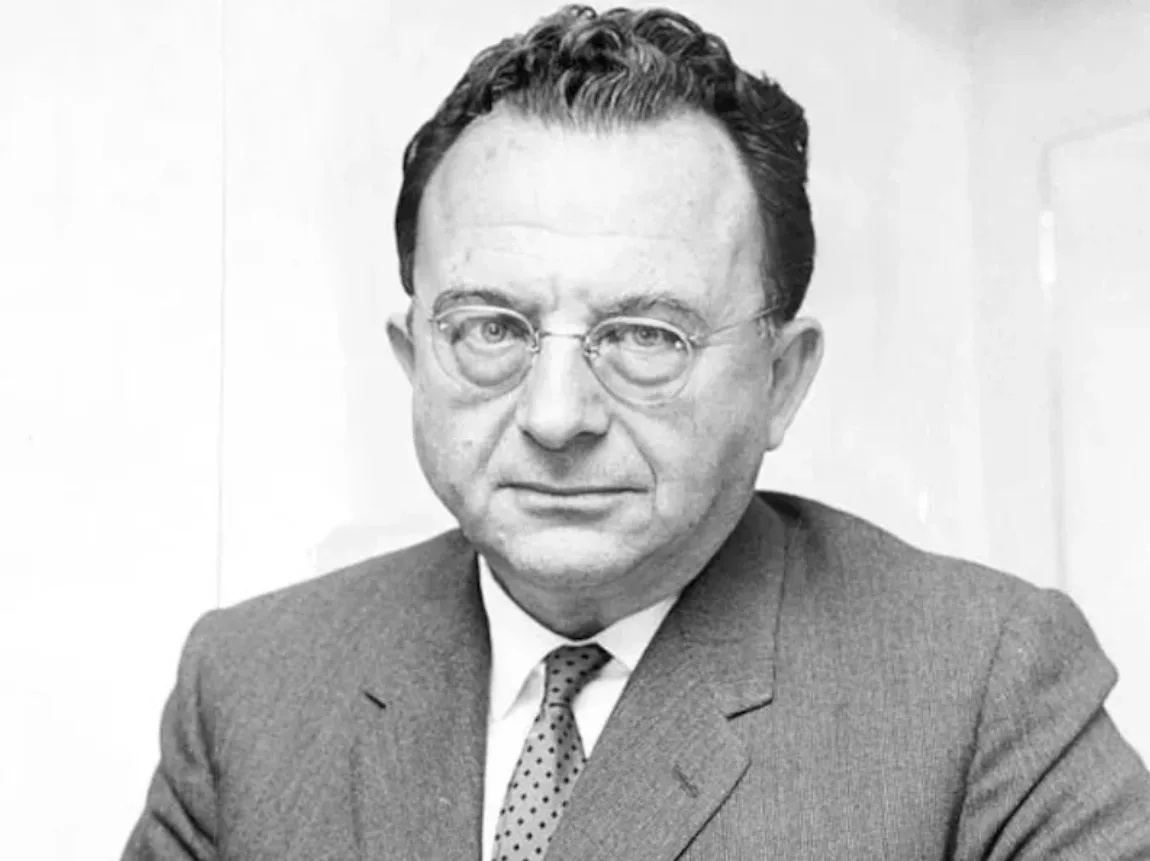
Erich Fromm was not only one of the most influential psychoanalysts of the 20th century, but also a profound humanist thinker whose works continue to resonate in psychology, sociology, philosophy, and political theory. Born in Germany in 1900 and later a U.S. citizen, Fromm brought a deeply human-centered perspective to the field of psychoanalysis, blending insights from Freud, Marx, Eastern mysticism, and his own critical observations of modern life.
Fromm was concerned with the human condition: how we relate to ourselves, others, society, and freedom. His writings challenge us to reflect on our inner lives and the structural forces that shape modern identity. Whether you’re a student of psychology or just seeking philosophical insight, his books are essential reading.
Here are the 12 best books by Erich Fromm, each accompanied by a summary of its key themes and why it remains significant today.
Who was Erich Fromm?
Fromm is considered the father of humanistic psychoanalysis. He believed that, although the patient’s pain and suffering are elements of great importance, the focus of attention should be placed on the pursuit of happiness and well-being. In other words, he considered that to overcome discomfort and pain it is necessary for the subject to accept himself and develop affection, giving meaning to his life and the pain suffered.
Thus, he proposes that to understand the mind it is necessary to explore the positive side of personality and their strengths, instead of concentrating on pathological aspects.
1. The Art of Loving (1956)
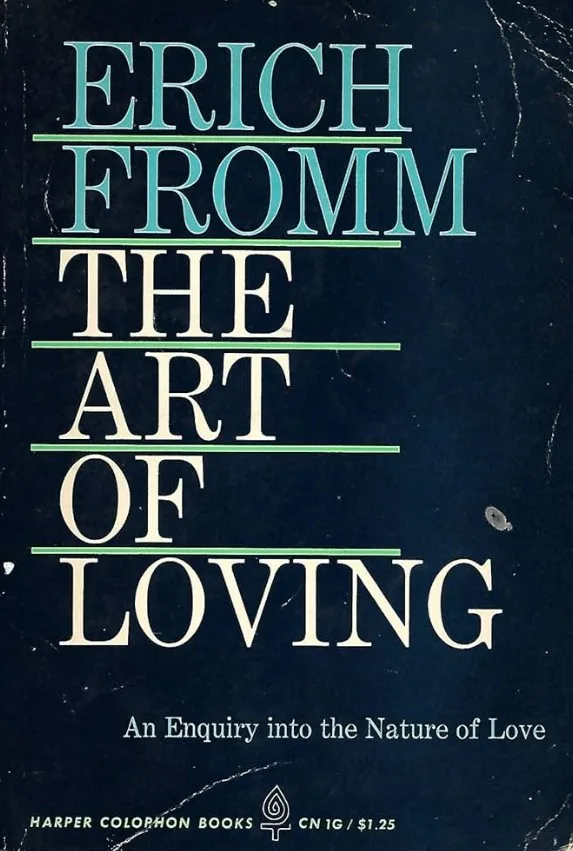
Arguably Fromm’s most famous book, The Art of Loving presents love not as a fleeting emotion but as a practiced art, requiring discipline, understanding, and maturity. Fromm distinguishes between various types of love—romantic, maternal, brotherly, self-love, and love of God—and outlines the barriers to genuine connection in modern society.
Key ideas:
- Love is an active commitment, not a passive feeling.
- Consumer culture promotes narcissism over deep connection.
- Love involves care, responsibility, respect, and knowledge.
This timeless classic is as much a guide to psychological maturity as it is a critique of our culture’s superficial notions of love.
2. Escape from Freedom (1941)
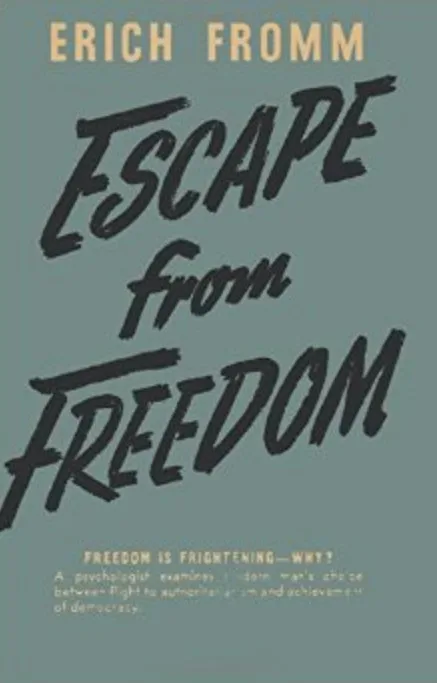
Published during the rise of fascism, Escape from Freedom explores how modern individuals often flee from freedom into authoritarian systems, driven by feelings of isolation and powerlessness. Fromm examines the psychological conditions that allowed totalitarian regimes to flourish.
Key ideas:
- Freedom brings anxiety, and many seek security in submission.
- Authoritarianism, destructiveness, and conformity are mechanisms of escape.
- Psychological freedom must be coupled with positive liberty—the ability to realize one’s potential.
This work is a landmark contribution to both political psychology and existential thought.
3. Man for Himself (1947)

This philosophical follow-up to Escape from Freedom explores what it means to be a truly self-directed and moral human being in a secular, post-religious world. Fromm argues for a humanistic ethics grounded in reason, love, and productive living.
Key ideas:
- Morality can be objective without relying on religious authority.
- Human nature is not fixed, but we all seek fulfillment and growth.
- The good life involves authenticity and inner harmony.
Fromm invites us to rediscover ethical meaning in a way that is both deeply personal and socially responsible.
4. The Sane Society (1955)
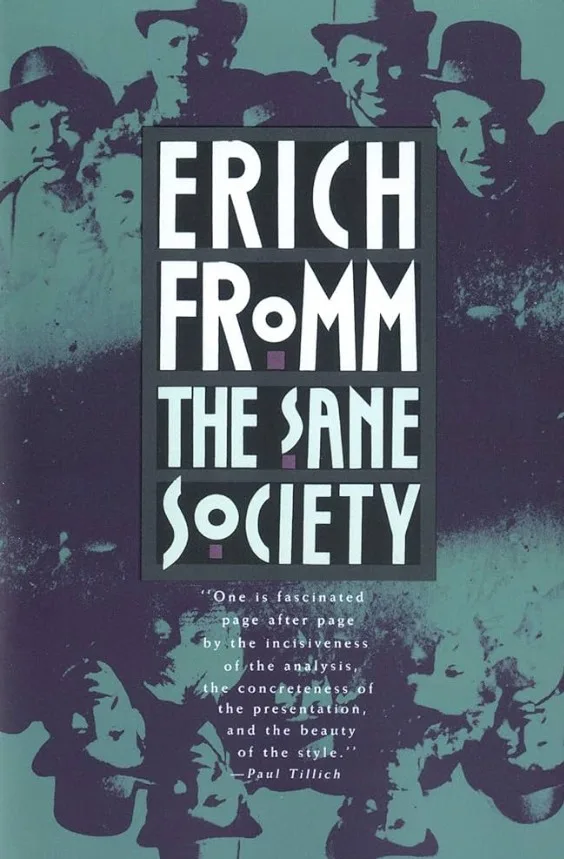
In The Sane Society, Fromm contends that modern capitalist societies, despite material progress, are psychologically sick. He critiques the dehumanizing effects of bureaucracy, consumerism, and alienated labor.
Key ideas:
- True sanity involves mental health at the societal level.
- We must move from a “having” orientation to a “being” orientation.
- Alienation from work, others, and the self creates widespread neurosis.
This book is Fromm at his most sociological and systemic, analyzing how our culture shapes our mental state.
5. To Have or to Be? (1976)
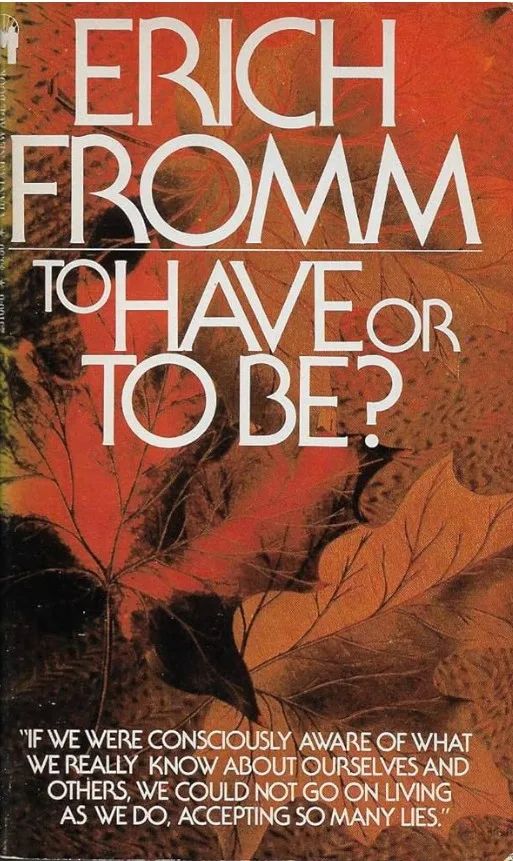
In his later years, Fromm returned to his concern with materialism and spiritual impoverishment. In To Have or to Be?, he contrasts two fundamental modes of existence—having (possessive, ego-driven) and being (creative, authentic).
Key ideas:
- Modern life emphasizes acquisition over experience.
- The “having” mode leads to greed, envy, and isolation.
- The “being” mode fosters aliveness, joy, and connection.
This book serves as a powerful critique of capitalism and a visionary call for a new type of consciousness.
6. The Anatomy of Human Destructiveness (1973)
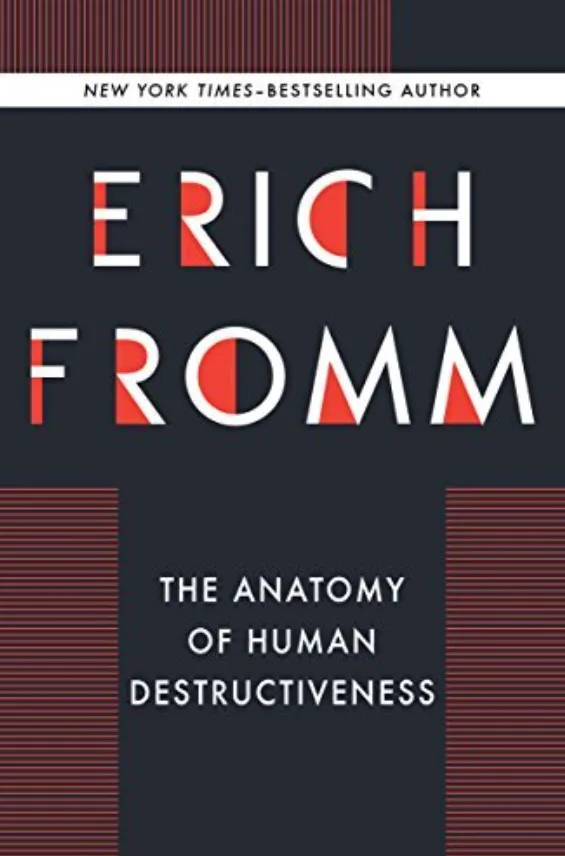
Why do human beings commit cruelty and violence? In this ambitious work, Fromm delves into the roots of human aggression, distinguishing between benign and malignant forms.
Key ideas:
- Not all aggression is pathological—defensive aggression is normal.
- Malignant aggression stems from necrophilia (love of death), narcissism, and destructiveness.
- Understanding figures like Hitler helps us comprehend extreme pathology.
Drawing on psychology, history, and biology, Fromm proposes a unified theory of human violence and its prevention.
7. You Shall Be As Gods (1966)
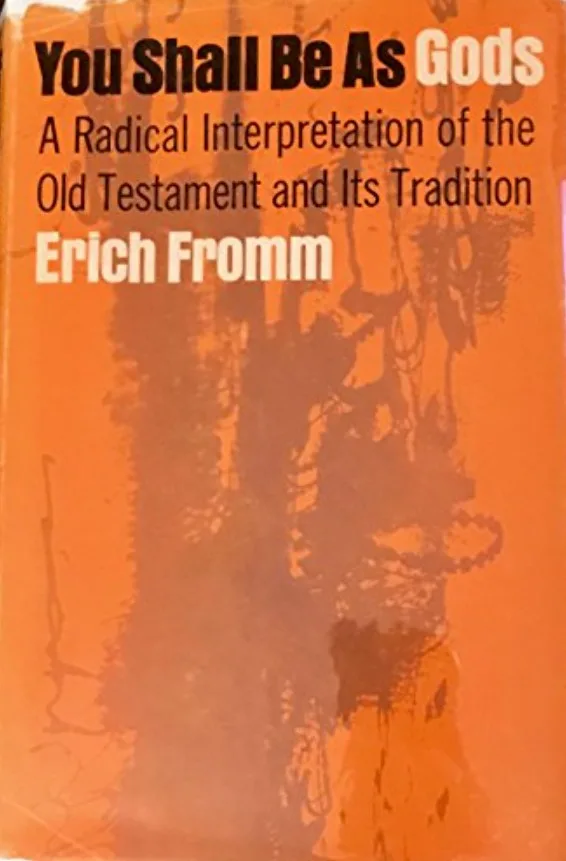
A psychological and symbolic interpretation of the Hebrew Bible, this book reflects Fromm’s lifelong interest in religion as a source of human development—not dogma.
Key ideas:
- The biblical message is one of freedom, individuality, and moral autonomy.
- God represents man’s highest ideals, not a supernatural being.
- Religious texts can be interpreted humanistically, not literally.
This is an insightful resource for those exploring spirituality without orthodoxy.
8. Beyond the Chains of Illusion (1962)

A comparative reflection on Karl Marx and Sigmund Freud, this book explores how both thinkers influenced Fromm’s worldview. He critiques and integrates their ideas into his humanistic psychoanalysis.
Key ideas:
- Marx understood social alienation, Freud grasped inner conflict.
- A complete theory of humanity must address both psyche and society.
- Freedom requires both personal insight and structural change.
Fromm presents a compelling argument for bridging psychology and social theory in understanding the human experience.
9. The Crisis of Psychoanalysis (1970)

This collection of essays critiques mainstream Freudian psychoanalysis and offers Fromm’s alternative: a socially engaged, humanistic approach that views people as products of their time and relationships.
Key ideas:
- Traditional psychoanalysis is too deterministic and apolitical.
- Mental illness must be understood in its social context.
- Therapy should foster authenticity, autonomy, and connection.
Fromm challenges his profession to reclaim its moral and social mission.
10. On Being Human (1997, posthumous)

Published after his death, this book gathers essays that span Fromm’s intellectual life. It reflects his consistent concern with human dignity, ethical living, and existential fulfillment.
Key ideas:
- Being human involves self-awareness, choice, and love.
- Technological progress must be matched by emotional and ethical growth.
- Humanistic values are essential for a peaceful and sane world.
This book serves as an accessible introduction to Fromm’s essential messages.
11. The Heart of Man: Its Genius for Good and Evil (1964)

Can humans truly overcome their destructive tendencies? In this work, Fromm explores the dual potential within every person—the capacity for love or cruelty, creation or annihilation.
Key ideas:
- We each face a choice between biophilia (love of life) and necrophilia.
- The healthy society encourages creativity and empathy.
- Understanding evil is key to personal and societal healing.
This book is an intimate study of the moral psychology of the individual.
12. Marx’s Concept of Man (1961)

In this scholarly yet readable interpretation, Fromm argues that Karl Marx was deeply humanist, not merely an economist. He reclaims Marx’s vision of human freedom and dignity.
Key ideas:
- Marx saw man as a creative, social, and self-actualizing being.
- Alienation results from loss of autonomy and connection.
- Fromm presents Marx as a thinker who offers a spiritual and psychological critique of modernity.
An essential read for anyone interested in psychology and social justice.
FAQs about The 12 Best Books by Erich Fromm
What is the most important book written by Erich Fromm?
The Art of Loving is often considered Fromm’s most influential book. Its timeless insight into the practice of love as an art has made it a psychological classic, widely read by both scholars and the general public.
Are Erich Fromm’s books still relevant today?
Absolutely. Fromm’s exploration of freedom, alienation, love, and consumerism is more relevant than ever in today’s fast-paced, digital, and increasingly polarized society.
Do I need a background in psychology to read Fromm?
Not necessarily. While Fromm was a psychoanalyst, he wrote in a clear and accessible style. Many of his books are philosophical and humanistic rather than technical, making them suitable for general readers.
How does Fromm differ from Freud?
Fromm admired Freud but diverged significantly. He rejected Freud’s biological determinism and focused instead on social, cultural, and existential factors that shape human behavior. His humanistic psychoanalysis places the person in the context of society.
Which book should I start with?
Start with The Art of Loving or Escape from Freedom. These two books capture the essence of Fromm’s thought and are engaging, thought-provoking, and accessible.
By citing this article, you acknowledge the original source and allow readers to access the full content.
PsychologyFor. (2025). The 12 Best Books by Erich Fromm. https://psychologyfor.com/the-12-best-books-by-erich-fromm/