


See more of our articles in your search results.
Psychology has evolved dramatically over the past few decades, influenced by groundbreaking research, shifting cultural dynamics, and the growing recognition of mental health issues. Today, psychology intersects with various disciplines, including neuroscience, technology, education, and even politics. The influence of contemporary psychologists shapes not only academic circles but also the everyday experiences of people worldwide.
Psychology is a discipline in continuous renewal and its fields of study are practically endless. Taking this into account, it is normal that they are being published every day new articles and research about the human psyche, our behavioral patterns and the biological foundations on which they are anchored.
That is why today the names of psychology professionals that appear most in the media and in scientific publications are very different from those that appeared twenty, thirty or forty years ago, and possibly they are not the same ones either classic authors (which we echoed in the article “The 10 most important psychologists in history“) that are talked about in psychology faculties.
If you think your knowledge about the main personalities in psychology is a little rusty, this list of the most influential psychologists It will be good for you to catch up.
This post highlights the 12 most influential psychologists today, who are pushing boundaries and contributing to our understanding of human behavior, cognition, and emotion. These thought leaders have made significant strides in research, therapy, and societal change, shaping the future of psychology.
How many of these have you been "meaning to read" for months?
- 1
 TarcherThe Artist's Way30th Anniversary EditionListen Free On Audible
 - 2
 New Harbinger PublicationsThe Dialectical Behavior Therapy Skills WorkbookPractical DBT Exercises for Learning Mindfulness, Interpersonal Effectiveness, Emotion Regulation...Listen Free On Audible
 - 3
 New Harbinger PublicationsAdult Children of Emotionally Immature ParentsHow to Heal from Distant, Rejecting, or Self-Involved ParentsListen Free On Audible

1. Steven Pinker
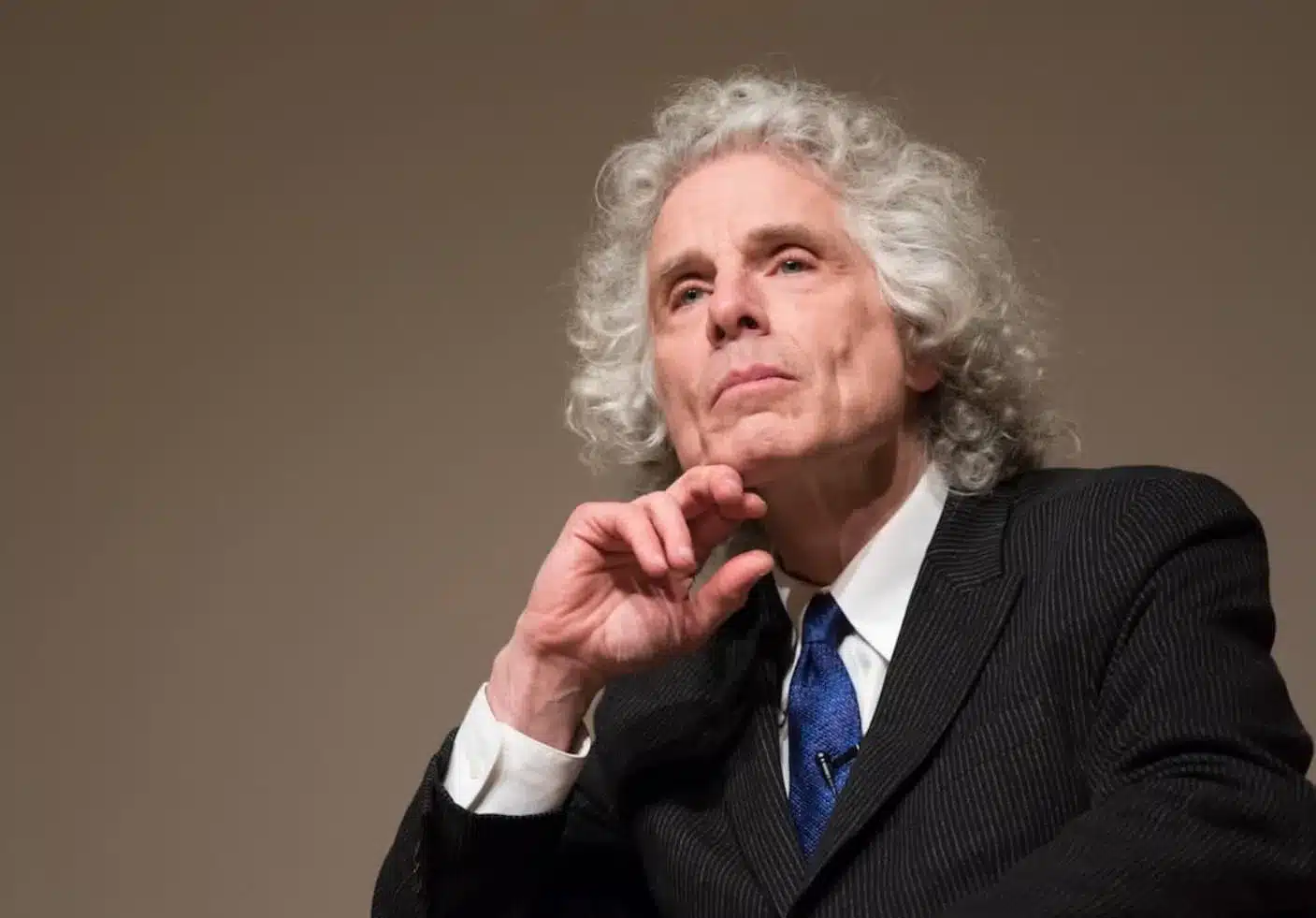
Specialization: Cognitive Science, Linguistics, Evolutionary Psychology
Steven Pinker, a prominent cognitive scientist and linguist, is best known for his work on language and the mind. His research has explored the connections between language, thought, and human nature, making significant contributions to evolutionary psychology. Pinker’s books, such as “The Better Angels of Our Nature” and “How the Mind Works,” have popularized complex ideas about the evolution of human behavior and cognition.
Pinker’s work emphasizes the importance of understanding the cognitive and neurological basis of language development and human behavior, challenging conventional wisdom about the nature of violence, aggression, and human progress.
2. Daniel Kahneman

Specialization: Behavioral Economics, Cognitive Bias, Decision Making
Daniel Kahneman, a Nobel laureate in economics, is one of the most influential psychologists in the realm of behavioral economics. His groundbreaking book “Thinking, Fast and Slow” outlines the two systems of thinking—fast, intuitive thinking and slow, deliberate thinking—and how they influence our decision-making processes. Kahneman’s work on cognitive biases, heuristics, and the ways people make judgments has had a profound impact on psychology, economics, and public policy.
His contributions have reshaped how we think about risk, decision-making, and human fallibility, influencing industries ranging from finance to healthcare.
3. Angela Duckworth

Specialization: Positive Psychology, Grit, Motivation
Angela Duckworth is best known for her research on grit, a combination of passion and perseverance for long-term goals. Duckworth’s book, “Grit: The Power of Passion and Perseverance,” has become a widely acclaimed resource for understanding how resilience and determination contribute to success.
Her work emphasizes the importance of effort and persistence, challenging the traditional focus on intelligence or talent as the primary factors in achievement. Duckworth’s contributions have revolutionized education, organizational behavior, and the study of motivation.
4. Martin Seligman

Specialization: Positive Psychology, Well-being, Resilience
As one of the founders of positive psychology, Martin Seligman’s work has influenced countless studies on well-being, happiness, and resilience. His concept of learned optimism and his research on happiness have reshaped how we view mental health. Seligman’s ideas have inspired numerous interventions aimed at improving mental health by focusing on strengths, gratitude, and resilience rather than just addressing illness.
His influence extends beyond academia, with initiatives that promote well-being in schools, workplaces, and communities.
5. Elizabeth Loftus

Specialization: Memory, Eyewitness Testimony, Cognitive Psychology
Elizabeth Loftus is a leading figure in the field of memory and cognitive psychology. Her research on the malleability of memory, particularly in the context of eyewitness testimony, has had a profound impact on the legal system. Loftus’s work challenges the reliability of human memory and has led to changes in how eyewitness testimony is handled in courts.
Her studies on false memories and the way memories can be altered by suggestion have opened up new pathways for understanding the complex nature of human recollection.
6. John Gottman
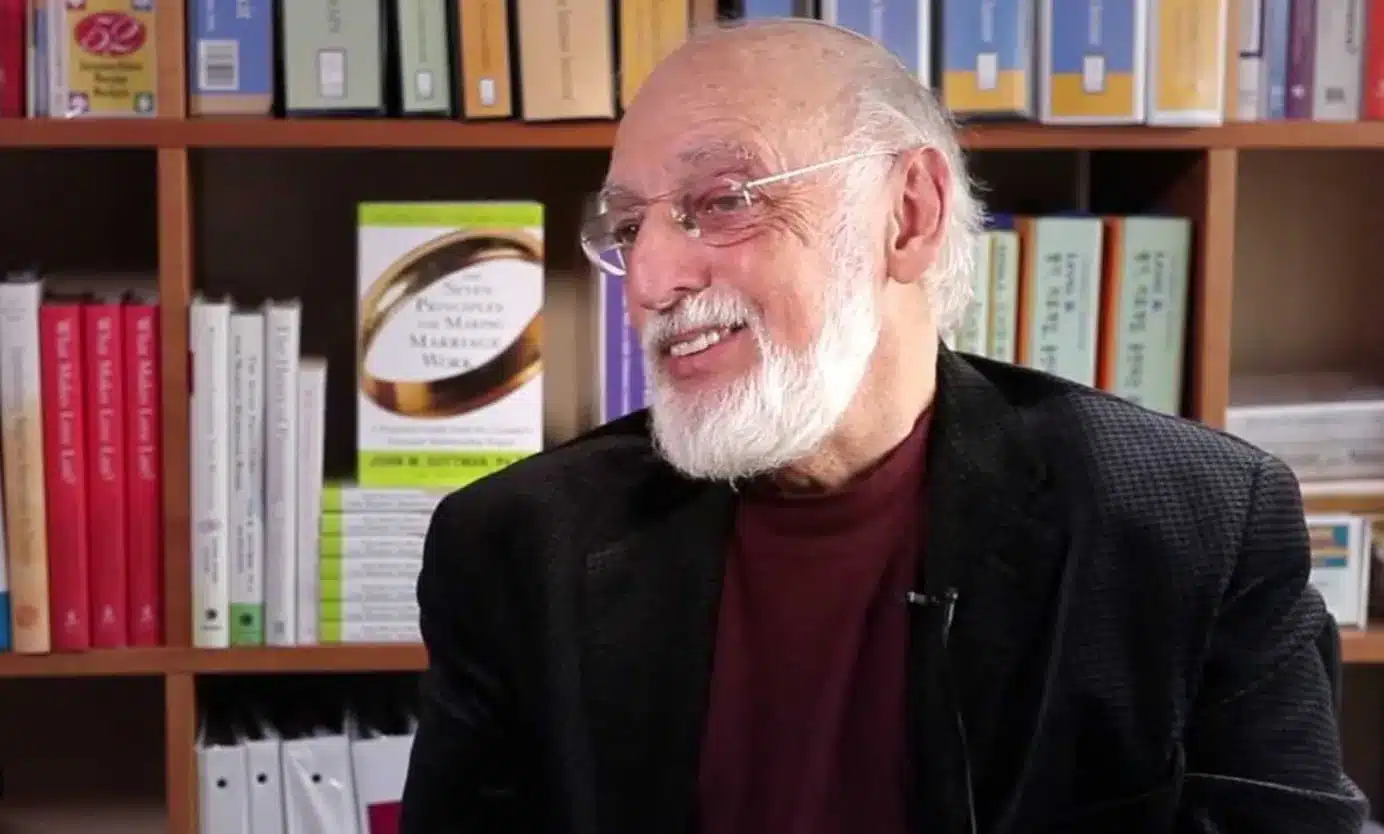
Specialization: Relationship Psychology, Couples Therapy, Emotional Intelligence
John Gottman is a renowned psychologist known for his research on relationships and marital stability. He has spent decades studying couples and identifying key factors that contribute to the success or failure of relationships. His work has introduced the idea of the “Four Horsemen of the Apocalypse”—four communication patterns that predict divorce, and his methods have been widely adopted in couples therapy.
Gottman’s work has not only advanced relationship psychology but also provided practical tools for improving communication and emotional intelligence in relationships.
7. Bessel van der Kolk

Specialization: Trauma, PTSD, Psychotherapy
Bessel van der Kolk is a leading expert on trauma and its effects on mental health, particularly post-traumatic stress disorder (PTSD). His groundbreaking book “The Body Keeps the Score” has become a classic in the field, examining how trauma affects both the mind and body. Van der Kolk has played a crucial role in developing trauma-informed therapeutic practices, influencing how therapists work with individuals who have experienced abuse, neglect, and other forms of trauma.
His contributions have been critical in changing the conversation around mental health and trauma, advocating for more holistic and empathetic treatment approaches.
8. Susan Cain

Specialization: Introversion, Personality Psychology, Social Behavior
Susan Cain is best known for her work on the psychology of introversion. Her book, “Quiet: The Power of Introverts in a World That Can’t Stop Talking,” challenges the cultural preference for extroversion and highlights the strengths and contributions of introverted individuals. Cain’s work has reshaped the way we understand personality and has influenced educational and workplace environments to accommodate different temperaments.
Cain’s advocacy for introverts has led to a broader recognition of the value of quiet reflection and the need for diverse personality types in social and professional settings.
9. Carol Dweck

Specialization: Motivation, Growth Mindset, Achievement
Carol Dweck is a pioneering psychologist known for her research on mindsets and motivation. Her concept of the “growth mindset”—the belief that abilities and intelligence can be developed through hard work, dedication, and learning—has transformed the fields of education and personal development. Her book, “Mindset: The New Psychology of Success,” has become a foundational text for educators, parents, and coaches alike.
Dweck’s research has demonstrated that fostering a growth mindset can lead to greater success in learning, performance, and personal growth.
10. Sherry Turkle

Specialization: Technology, Social Behavior, Human-Computer Interaction
Sherry Turkle is a psychologist and sociologist known for her research on the relationship between technology and human interaction. In her books like “Reclaiming Conversation” and “Alone Together”, Turkle explores how digital devices affect our communication and social behavior, particularly the negative consequences of technology on face-to-face interactions.
Her work has sparked important discussions about the impact of technology on mental health, relationships, and society, urging us to find a balance between virtual and real-world interactions.
11. Richard Davidson

Specialization: Neuroscience, Emotion, Meditation
Richard Davidson is a leading neuroscientist whose work focuses on the brain’s role in emotional regulation, meditation, and well-being. His research on neuroplasticity and the effects of mindfulness meditation has led to a deeper understanding of how practices like meditation can change the brain and improve emotional well-being. Davidson’s work at the Center for Healthy Minds has been instrumental in advancing the science of happiness and well-being.
His research continues to shape how we think about mental health, resilience, and the potential of meditation to improve our lives.
12. Kay Redfield Jamison

Specialization: Mood Disorders, Bipolar Disorder, Psychiatry
Kay Redfield Jamison is a clinical psychologist and psychiatrist whose work has focused on bipolar disorder and mood disorders. She is a leading expert in understanding the emotional and psychological aspects of these conditions, and her autobiographical work, “An Unquiet Mind,” has offered profound insights into living with bipolar disorder.
Jamison’s work has been instrumental in reducing stigma around mental illness, especially in relation to mood disorders, and has paved the way for more compassionate and effective treatment.
FAQs About Influential Psychologists
Who are the most influential psychologists today?
Some of the most influential psychologists today include Steven Pinker, Daniel Kahneman, Angela Duckworth, Martin Seligman, and Elizabeth Loftus, among others. These psychologists have made significant contributions in various fields such as cognitive science, behavioral economics, positive psychology, and memory research.
What is the role of psychologists in modern society?
Psychologists today influence various aspects of society, from improving mental health treatment to enhancing education, workplace performance, and social behavior. Their research helps us understand human cognition, emotion, and behavior, shaping everything from therapy to public policy.
How do modern psychologists impact mental health treatment?
Modern psychologists have revolutionized mental health treatment by emphasizing holistic approaches, such as trauma-informed care, mindfulness, and cognitive-behavioral therapy. Their research has led to more effective treatments for disorders like PTSD, depression, and anxiety.
What impact has Sherry Turkle had on technology use?
Sherry Turkle’s work has raised awareness about the potential negative effects of excessive technology use, particularly in how it impacts communication and social relationships. Her research advocates for mindful technology use and the importance of face-to-face interactions.
How does Carol Dweck’s growth mindset affect achievement?
Carol Dweck’s growth mindset theory has had a significant impact on education and personal development. It encourages the belief that intelligence and abilities can be developed through effort and perseverance, which fosters greater resilience and achievement.
Use this citation format to reference the article clearly and help readers find the original source.
PsychologyFor. (2025). The 12 Most Influential Psychologists Today. PsychologyFor. https://psychologyfor.com/the-12-most-influential-psychologists-today/