


See more of our articles in your search results.
You unroll your mat hoping to feel calmer, then spend the first ten minutes wondering whether you are flexible enough, breathing correctly, or somehow failing at yoga before the practice has even begun. That uncertainty is familiar. Yoga has become a vast modern landscape of studio classes, online videos, anatomy manuals, Sanskrit philosophy, meditation, breathwork, and wellness marketing, so it can be difficult to tell what will genuinely support you. It is not a lack of discipline. It reflects the extraordinary depth of yoga as a mind-body discipline.
The best yoga books do not promise a perfect body or permanent serenity. Instead, they offer language for the experience of practice: how breath affects attention, why a posture may need adaptation, what ancient texts actually discuss, and how the body can become a place of observation rather than criticism. Beginners may feel intimidated by unfamiliar Sanskrit terms, while experienced practitioners can become frustrated by books that reduce yoga to athletic achievement or vague lifestyle slogans. A thoughtful yoga library can replace that confusion with grounded, sustainable practice.
Which books reveal yoga as more than a sequence of physical postures?
This comprehensive guide explores the 13 best books on yoga, including posture manuals, anatomy resources, breathing guides, philosophical texts, meditation books, and practical works for developing a respectful personal practice.
13 Best Books on Yoga
Verified Top Picks- 1
 B. K. S. IyengarLight on YogaThe definitive modern posture guide detailing hundreds of asanas, breathing techniques, and alignmentCHECK TODAY'S PRICE
- 2
 T. K. V. DesikacharThe Heart of Yoga: Developing a Personal PracticeAdapting yoga posture, breath, and meditation to individual health, age, energy, and life circumstancesCHECK TODAY'S PRICE
- 3
 Edwin F. BryantThe Yoga Sutras of PatañjaliSanskrit text, translation, and comprehensive scholarly commentary on classical yoga philosophy and mind controlCHECK TODAY'S PRICE
- 4
 Leslie Kaminoff & Amy MatthewsYoga AnatomyDetailed anatomical illustrations showing muscles, joints, the spine, and breathing mechanics during asanaCHECK TODAY'S PRICE
- 5
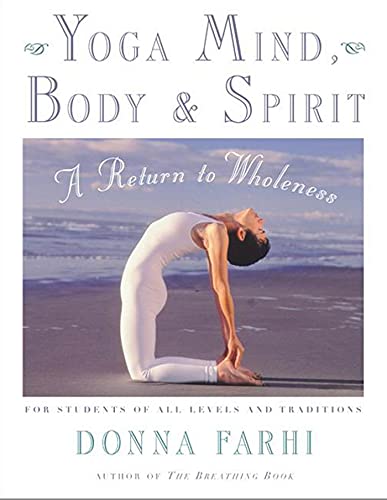 Donna FarhiYoga Mind, Body & Spirit: A Return to WholenessIntegrating movement principles, breath, ethics, and internal body awareness over external performanceCHECK TODAY'S PRICE
- 6
 Nicolai BachmanThe Language of YogaA comprehensive guide to Sanskrit asana names, pronunciation, definitions, and traditional terminologyCHECK TODAY'S PRICE
- 7
 Eknath EaswaranThe Bhagavad GitaThe classic dialogue exploring duty, action, self-mastery, devotion, and inner steadiness without attachmentCHECK TODAY'S PRICE
- 8
 Kelly SollowayThe Yoga Anatomy Coloring BookA visual, hands-on study guide to muscles, bones, joints, and movement patterns in yoga asanasCHECK TODAY'S PRICE
- 9
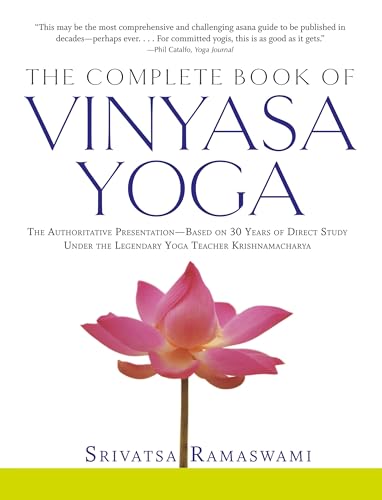 Srivatsa RamaswamiThe Complete Book of Vinyasa YogaCoordinating movement and breath across traditional vinyasa sequences from the Krishnamacharya lineageCHECK TODAY'S PRICE
- 10
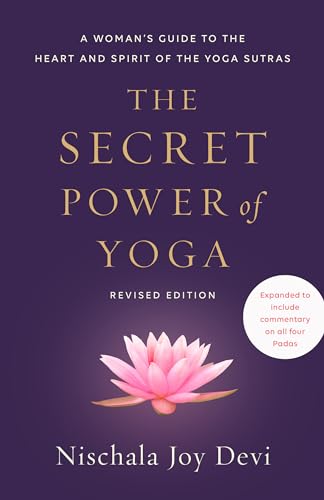 Nischala Joy DeviThe Secret Power of YogaA compassionate, heart-centered interpretation of the Yoga Sutras emphasizing emotional balance and healingCHECK TODAY'S PRICE
- 11
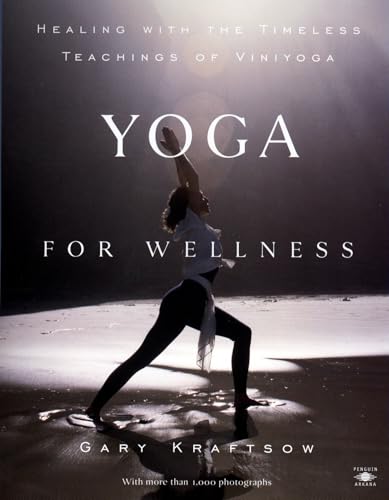 Gary KraftsowYoga for WellnessAdapting posture, breathing, meditation, and lifestyle to address stress, sleep, and physical vitalityCHECK TODAY'S PRICE
- 12
 Mary NurrieStearnsYoga for AnxietyCombining gentle movement, paced breathing, and psychoeducation to support nervous system regulationCHECK TODAY'S PRICE
- 13
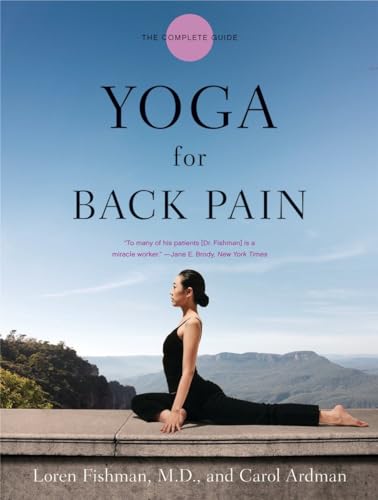 Loren Fishman & Carol ArdmanYoga for a Healthy Lower BackA physician's structured guide to gentle movement supporting lower-back strength, mobility, and awarenessCHECK TODAY'S PRICE
What Makes a Yoga Book Worth Reading?
A valuable yoga book should help you practice with greater curiosity, safety, and context. It should not demand that every body fit one posture, claim to diagnose illness, or imply that spiritual growth depends on flexibility, weight, or flawless discipline.
Teacher and scholar T. K. V. Desikachar emphasized that yoga should be adapted to the individual rather than imposed as a fixed routine. That principle matters when choosing a book: a demanding posture guide may inspire one reader while creating unnecessary strain for another person managing pain, disability, aging, pregnancy, fatigue, or limited mobility. Good resources encourage individualized practice.
Yoga literature also benefits from historical humility. Modern postural yoga has roots in several Indian philosophical, devotional, meditative, and physical traditions; it cannot be reduced to a fitness trend without losing essential context. Books that explain Sanskrit language, ethical principles, meditation, and philosophical history help readers develop a more respectful relationship with traditional yoga teachings.
- Choose books that support safe, adaptable movement rather than rigid performance standards
- Look for authors who explain the relationship between breath, attention, and posture
- Use anatomy texts as educational resources, not as personal medical diagnosis
- Read philosophy alongside physical instruction to understand yoga beyond fitness culture
The 13 Best Books on Yoga
The following selection includes thirteen influential books for beginners, teachers, and experienced practitioners. Together, they cover asana, pranayama, meditation, philosophy, anatomy, and personal practice without treating yoga as a single uniform tradition.
1. Light on Yoga — B. K. S. Iyengar
Light on Yoga by B. K. S. Iyengar remains one of the most comprehensive modern references for posture practice. It presents hundreds of asanas, breath practices, sequencing suggestions, photographs, and philosophical reflections in a single substantial volume. Iyengar’s work shaped studio yoga internationally through its attention to detail, stability, and alignment.
The book is especially helpful for readers who want to understand how postures relate to one another rather than memorizing isolated shapes. Still, its advanced photographs can tempt people to push too far. Treat it as a long-term reference and prioritize safe physical limits over visual imitation.
- Provides detailed instruction for yoga postures and breathing practices
- Introduces alignment, sequence, timing, and supportive prop use
- Connects physical practice with broader yoga philosophy
2. The Heart of Yoga: Developing a Personal Practice — T. K. V. Desikachar
The Heart of Yoga by T. K. V. Desikachar is one of the clearest guides to adapting yoga to real life. Drawing on the teachings of his father, T. Krishnamacharya, Desikachar explains that posture, breath, meditation, chanting, and philosophy should be adjusted according to a person’s age, health, responsibilities, energy, and experience.
Rather than promoting a standard class sequence as universally correct, the book asks a more useful question: what does this particular person need now? That makes it ideal for readers seeking personalized yoga practice rather than another generic routine.
- Explains how yoga can be adapted to individual health and life circumstances
- Integrates posture, breath, meditation, and personal inquiry
- Shows why intention and sequence matter as much as physical technique
3. The Yoga Sutras of Patañjali — Edwin F. Bryant
The Yoga Sutras of Patañjali, translated and annotated by Edwin F. Bryant, offers serious readers a detailed path into one of yoga’s most influential classical texts. The book includes Sanskrit, transliteration, translation, and extensive commentary informed by traditional interpreters and modern scholarship.
The Sutras focus primarily on the nature of mind, ethical practice, disciplined attention, meditation, and liberation. They are not a posture guide. They are a demanding guide to classical yoga philosophy, best approached gradually and with willingness to sit with ambiguity.
- Provides Sanskrit text, translation, and scholarly commentary
- Explores attention, ethics, consciousness, and meditative discipline
- Offers philosophical context for modern posture practice
4. Yoga Anatomy — Leslie Kaminoff and Amy Matthews
Yoga Anatomy by Leslie Kaminoff and Amy Matthews uses illustrations to show how muscles, joints, the spine, and breathing mechanics work during familiar poses. Rather than presenting anatomy as a fixed set of rules, the book explains how individual proportions, habits, and movement choices shape the experience of each posture.
This resource is particularly useful for visual learners and yoga teachers who want clearer cueing. It can improve body awareness, but it should never override pain signals or replace individual assessment. Its real strength is cultivating informed movement curiosity.
- Illustrates muscles, joints, spine, and breathing mechanics
- Supports clearer, more adaptable movement instruction
- Encourages respect for pain and individual anatomical variation
5. Yoga Mind, Body & Spirit: A Return to Wholeness — Donna Farhi
Yoga Mind, Body & Spirit by Donna Farhi combines movement principles, breath, ethical reflection, and inner awareness into an accessible whole. Farhi repeatedly invites practitioners to notice how a posture feels rather than simply striving to reproduce an external shape.
That inward focus makes this book especially helpful for anyone who feels alienated by competitive or image-focused yoga culture. Farhi frames yoga as a relationship with one’s own body and attention, encouraging embodied self-awareness over performance.
- Integrates movement, breath, ethics, and body awareness
- Encourages internal observation over external posture imitation
- Connects yoga practice with reflective daily living
6. The Language of Yoga — Nicolai Bachman
The Language of Yoga by Nicolai Bachman is a practical reference for readers who hear Sanskrit names in class and want to understand what they mean. It includes illustrated asanas, pronunciation support, common chants, and definitions of key terms found in yoga philosophy.
Learning vocabulary is not required to benefit from yoga, but understanding language can deepen cultural respect and reduce the sense that Sanskrit is merely decorative studio jargon. This book supports thoughtful engagement with yoga terminology.
- Explains Sanskrit names for hundreds of illustrated asanas
- Provides pronunciation and definitions for common yoga terms
- Encourages culturally respectful learning of traditional vocabulary
7. The Bhagavad Gita — Eknath Easwaran
The Bhagavad Gita, translated by Eknath Easwaran, presents the dialogue between Arjuna and Krishna about action, duty, self-mastery, devotion, and how to act wisely when life feels morally complex. Easwaran’s introduction makes the text approachable without stripping away its philosophical seriousness.
Although it is not a postural yoga book, the Gita deeply informs yoga’s understanding of disciplined action and inner steadiness. It offers a path toward purposeful action without attachment to every immediate outcome.
- Explores duty, action, devotion, and self-mastery
- Connects uncertainty with a philosophy of disciplined action
- Provides context for yoga’s spiritual and ethical foundations
8. The Yoga Anatomy Coloring Book — Kelly Solloway
The Yoga Anatomy Coloring Book by Kelly Solloway provides a hands-on approach to studying muscles, bones, joints, and movement patterns relevant to yoga. Coloring can seem elementary, yet slowing down to label and visualize anatomical systems often improves retention for students who find conventional anatomy guides overwhelming.
This book is especially useful for teacher trainees and visual learners. It turns anatomy into an active process of functional movement learning rather than a list of terms to memorize.
- Uses visual practice to reinforce anatomical vocabulary
- Connects anatomical structures with movement in asana
- Offers an approachable entry into functional yoga anatomy
9. The Complete Book of Vinyasa Yoga — Srivatsa Ramaswami
The Complete Book of Vinyasa Yoga by Srivatsa Ramaswami presents movement and breath as an integrated sequence rather than a collection of disconnected poses. Associated with the Krishnamacharya tradition, the book explains how coordinated transitions can create a coherent and adaptable practice.
It is best suited to committed students and teachers who want to understand sequencing beyond fast-paced studio flow. The central lesson is that breath-led movement creates traditional vinyasa methodology, not simply exercise choreography.
- Explains how breath and movement combine in vinyasa sequencing
- Provides adaptable sequences for varied practice experience
- Connects contemporary practice with the Krishnamacharya teaching tradition
10. The Secret Power of Yoga — Nischala Joy Devi
The Secret Power of Yoga by Nischala Joy Devi offers an accessible interpretation of Patañjali’s Yoga Sutras that emphasizes compassion, healing, and spiritual development. Devi’s version is less technical than academic translations, making it suitable for readers who want to explore yoga philosophy without immediately entering dense scholarly commentary.
Its gentle tone should not be mistaken for superficiality. The book invites readers to consider ethics, attention, and emotional balance as part of inner transformation through yoga.
- Interprets the Yoga Sutras for modern practitioners
- Emphasizes compassion, ethics, and spiritual development
- Connects yoga philosophy with emotional balance
11. Yoga for Wellness — Gary Kraftsow
Yoga for Wellness by Gary Kraftsow presents yoga as an adaptable practice involving posture, breath, meditation, and lifestyle awareness. The book discusses modifying practice for common concerns such as stress, sleep difficulty, and limited energy while emphasizing observation rather than rigid achievement.
Readers should treat therapeutic claims cautiously and seek medical advice for persistent symptoms. Still, Kraftsow offers a useful model for adapted yoga practice that does not assume every practitioner needs the same sequence.
- Explores adaptation for stress, sleep, and wellness concerns
- Integrates posture, breath, meditation, and lifestyle awareness
- Encourages individualized rather than identical sequences
12. Yoga for Anxiety — Mary NurrieStearns
Yoga for Anxiety by therapist Mary NurrieStearns combines breathing, meditation, gentle movement, and psychological education about anxiety. It explains how grounding and paced breathing may complement broader emotional regulation strategies.
This is educational support rather than a replacement for mental health treatment. Its strongest contribution is showing how yoga can help readers notice the relationship between mind-body regulation and emotional awareness.
- Combines yoga, breathing, meditation, and anxiety psychoeducation
- Explores grounding as a regulation practice
- Frames yoga as complementary to clinical anxiety treatment
13. Yoga for a Healthy Lower Back — Loren Fishman and Carol Ardman
Yoga for a Healthy Lower Back by physician Loren Fishman and Carol Ardman focuses on gentle movement intended to support lower-back strength, mobility, and body awareness. It is aimed at readers who want a cautious, structured approach rather than advanced flexibility work.
Back pain has many possible causes, so severe, persistent, or neurologically concerning symptoms need medical evaluation. Used appropriately, this book can support conservative movement education and more mindful pacing.
- Focuses on lower-back strength and mobility
- Encourages cautious progression and body awareness
- Supports movement education without replacing medical evaluation
How These Thirteen Books Cover Different Dimensions of Yoga
These books are not interchangeable. Some emphasize anatomy, others philosophy, and others personal adaptation or therapeutic application. Mapping their differences helps readers build a balanced path through yoga’s multiple dimensions.
| Yoga Dimension | Recommended Books |
|---|---|
| Classical philosophy | The Yoga Sutras and The Bhagavad Gita |
| Personal practice | The Heart of Yoga and Yoga Mind, Body & Spirit |
| Posture and alignment | Light on Yoga and Yoga Anatomy |
| Breath and sequencing | The Complete Book of Vinyasa Yoga |
| Language and tradition | The Language of Yoga |
| Emotional well-being | The Secret Power of Yoga and Yoga for Anxiety |
| Physical wellness | Yoga for Wellness and Yoga for a Healthy Lower Back |
As this table shows, someone wanting anatomical knowledge may begin with Kaminoff and Iyengar, while a reader seeking philosophical foundations may start with Bryant or Easwaran. A thoughtful sequence can combine physical, philosophical, and psychological learning.
How Yoga Books Can Support Mental Well-Being
Yoga books can support mental well-being by teaching attention, breath awareness, body observation, and practices that interrupt automatic stress patterns. These benefits are complementary rather than magical, and they work best when readers choose appropriate, sustainable practices.
Mindfulness research associated with Jon Kabat-Zinn helped popularize present-moment awareness as a secular skill for relating differently to stress. Yoga adds a physical dimension, allowing practitioners to notice tension, breath-holding, avoidance, and effort while moving. This kind of observation can build interoceptive awareness, although complex mental health conditions deserve professional care rather than self-guided practice alone.
Donna Farhi’s emphasis on internal sensation and Nischala Joy Devi’s emphasis on compassion offer useful reminders that yoga is not simply a performance of flexibility. The practice can become an experiment in noticing how effort, fear, ambition, and rest appear in the body. That is often where psychological insight becomes embodied.
- Yoga can develop present-moment awareness through breath and body observation
- Movement may interrupt automatic stress patterns and build interoceptive awareness
- Mind-body practices complement rather than replace professional mental health treatment
- Internal sensation matters more than performing an idealized flexibility standard
How to Build a Sustainable Yoga Reading and Practice Routine
Reading widely becomes useful when it leads to a modest, repeatable practice rather than an endless collection of books. A sustainable routine begins with one clear goal, one accessible resource, and realistic expectations.
Beginners might start with Desikachar’s explanation of personal adaptation, then use a simple anatomy resource to understand basic movement. Students interested in philosophy could read an introduction to the Bhagavad Gita before attempting Bryant’s denser commentary. Teachers may alternate anatomy study with reflective texts so technical precision does not eclipse relational and ethical awareness.
- Choose one immediate goal, such as breathing, mobility, meditation, or philosophical study
- Select one primary book instead of collecting multiple unfinished reading projects
- Practice for a modest amount of time and track physical and emotional responses
- Revisit chapters as experience develops, since practice changes the meaning of familiar concepts
Common Mistakes When Learning Yoga from Books
Books are valuable, but they cannot observe every movement, respond to pain in real time, or replace experienced instruction when a pose feels unsafe. Recognizing their limits protects readers from turning self-guided practice into avoidable injury.
- Forcing a posture because a photograph appears accessible, ignoring individual anatomical differences
- Confusing discomfort with progress and overlooking warning signs of injury
- Using advanced sequences before learning basic breathing, alignment, and movement control
- Treating spiritual claims as medical promises rather than philosophical perspectives
A good rule is simple: curiosity can guide practice, but pain deserves attention rather than interpretation. If a movement repeatedly causes discomfort, pause and consult a qualified instructor or health professional before continuing with self-directed experimentation.
When Yoga Practice Needs Professional Guidance
Yoga can complement physical and emotional well-being, but it is not automatically safe for every body or mental health condition. Professional guidance becomes especially important when pain, dizziness, trauma symptoms, or severe anxiety appear during practice. That is a matter of responsible self-care.
Readers with persistent back pain, recent surgery, pregnancy-related concerns, significant cardiovascular symptoms, or neurological changes should obtain appropriate medical guidance before attempting demanding sequences. People with trauma histories may also benefit from trauma-informed instruction, since certain breathing or body-awareness practices can feel unexpectedly activating rather than calming.
If yoga practice triggers panic, dissociation, severe emotional distress, or thoughts of self-harm, stop practicing alone and contact a licensed mental health professional. In the United States and Canada, call or text 988 during a crisis, or contact emergency services if immediate safety is at risk. Seeking support reflects strength and practical wisdom.
- Persistent physical pain warrants evaluation by a qualified health professional
- Pregnancy, surgery, neurological symptoms, and cardiovascular concerns may require medical guidance before practice
- Trauma-related activation may call for a trauma-informed yoga teacher
- Panic, dissociation, or self-harm thoughts demand immediate contact with crisis support services
FAQs about the Best Books on Yoga
What is the best yoga book for a complete beginner?
Light on Yoga by B. K. S. Iyengar is a classic starting point because it provides detailed descriptions, photographs, breathing guidance, and an introduction to yoga philosophy in one substantial volume. Beginners should not attempt advanced poses simply because they appear in the book; using it as a reference alongside qualified instruction is safer and more realistic. Readers who prefer a gentler, individualized approach may start with The Heart of Yoga by T. K. V. Desikachar instead.
Which yoga book is best for understanding yoga philosophy?
The Yoga Sutras of Patañjali translated and commented on by Edwin F. Bryant is one of the strongest choices for serious philosophical study. It presents the Sanskrit text, transliteration, translation, and detailed commentary grounded in traditional interpretations. The Bhagavad Gita translated by Eknath Easwaran offers a more accessible entry point, exploring duty, self-mastery, devotion, and action through a readable introduction. The two books complement each other well but serve different reading levels.
Can yoga books replace attending a yoga class?
Books can explain philosophy, anatomy, breathing, and sequencing, but they cannot observe your movement or offer immediate correction when a posture is unsafe. Beginners often benefit from learning basic alignment and breathing with a qualified teacher before practicing independently. Books become increasingly useful as references once you understand how to adapt poses to your body. Persistent pain, injury, pregnancy-related concerns, or medical conditions warrant professional guidance rather than written instructions alone.
What is the best yoga book for anatomy and injury prevention?
Yoga Anatomy by Leslie Kaminoff and Amy Matthews is widely recommended for understanding how muscles, joints, breathing, and spinal movement interact during postures. The illustrations make anatomical concepts easier to visualize, while the explanations help teachers and practitioners refine cueing. Anatomy knowledge can improve body awareness, but it does not diagnose injuries. If pain is sharp, persistent, numb, or accompanied by weakness, pause practice and seek evaluation from an appropriate health professional.
Can yoga help with anxiety?
Yoga may complement anxiety management by combining movement, breathing, attention, and relaxation, but it is not a universal cure or replacement for therapy. Yoga for Anxiety by Mary NurrieStearns offers an accessible introduction to these mind-body strategies. Some people find slow breathing and grounding helpful, while others may feel more activated by inward attention or intense breathwork. Individuals with significant anxiety should choose gentle, adaptable practices and consider working with a licensed mental health professional.
How should I choose between a physical yoga book and a spiritual one?
Choose based on your immediate purpose. If you want to learn posture mechanics, alignment, sequencing, or anatomy, start with Light on Yoga, Yoga Anatomy, or The Heart of Yoga. If you want to explore meditation, ethics, consciousness, or meaning, begin with The Yoga Sutras, The Bhagavad Gita, or The Secret Power of Yoga. Many practitioners eventually benefit from both categories because physical practice and philosophical reflection illuminate different aspects of yoga.
Bibliography
- Bachman, N. (2005). The Language of Yoga: Complete A-to-Y Guide to Asana Names, Sanskrit Terms, and Chants. Sounds True.
- Bryant, E. F. (2009). The Yoga Sutras of Patañjali: A New Edition, Translation, and Commentary. North Point Press.
- Desikachar, T. K. V. (1999). The Heart of Yoga: Developing a Personal Practice. Inner Traditions.
- Easwaran, E. (2007). The Bhagavad Gita. Nilgiri Press.
- Farhi, D. (2000). Yoga Mind, Body & Spirit: A Return to Wholeness. Holt Paperbacks.
- Iyengar, B. K. S. (1987). Light on Yoga. Schocken Books.
- Kaminoff, L., & Matthews, A. (2007). Yoga Anatomy. Human Kinetics.
- Kraftsow, G. (1999). Yoga for Wellness. Penguin.
- NurrieStearns, M. (2010). Yoga for Anxiety. New Harbinger.
- Ramaswami, S. (2000). The Complete Book of Vinyasa Yoga. Marlowe & Company.
- Devi, N. J. (2007). The Secret Power of Yoga. Three Rivers Press.
Use this citation format to reference the article clearly and help readers find the original source.
PsychologyFor. (2026). The 13 Best Books on Yoga. PsychologyFor. https://psychologyfor.com/the-13-best-books-on-yoga/