

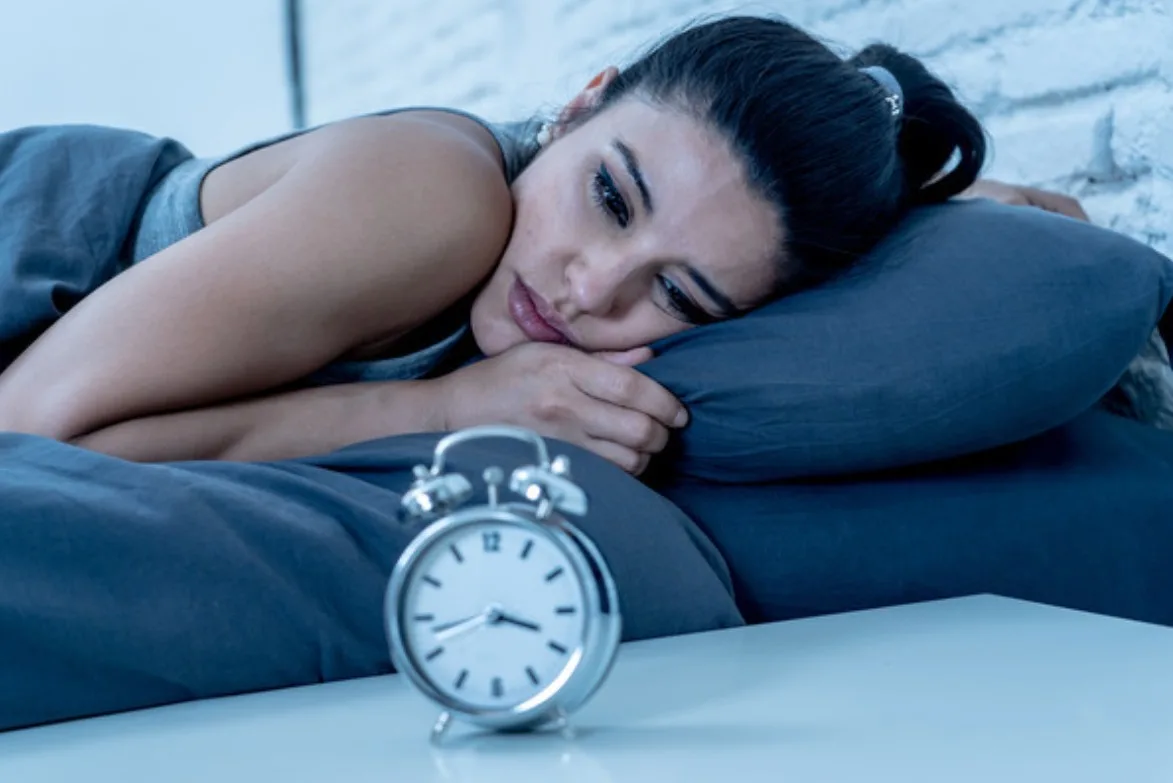
You wake to find your partner standing at the window, eyes open, speaking sentences that make no sense. You discover food wrappers on the nightstand with no memory of eating. You bolt upright at 3 a.m., heart hammering, unable to identify what just terrified you — and your partner tells you in the morning that you were screaming. These are not scenes from a horror film. They are real experiences shared by millions of people every night — people who have parasomnias and often have no idea what is happening to them.
Parasomnias are a category of sleep disorders defined by abnormal movements, behaviors, emotions, perceptions, or dreams that occur while falling asleep, during sleep, or during partial arousals from sleep. What makes them neurologically fascinating — and personally bewildering — is that they reveal sleep is not a single uniform state. The brain moves through multiple stages each night, each with its own signature of activity, and parasomnias emerge when those transitions go wrong. Part of the brain is awake. Part is still asleep. In that in-between space, the body does things the person will not remember and cannot fully control.
The range of parasomnias is striking. Some, like occasional nightmares, are so common they barely register as a “disorder.” Others, like REM sleep behavior disorder — where a person physically acts out violent dreams — can cause genuine injury and may signal something serious about long-term neurological health. Some parasomnias are most common in children and fade with maturity. Others emerge in adulthood and require careful medical evaluation.
What almost all parasomnias share is this: the people experiencing them often feel embarrassed, confused, or frightened — and most have never heard the clinical name for what they go through. The partners, parents, and roommates witnessing these episodes often feel just as bewildered. Knowledge is the first form of reassurance, and in most cases, understanding what a parasomnia is and why it happens is genuinely calming — because most of these conditions are far more common, and far more manageable, than they appear at 3 a.m.
This article examines all thirteen of the most recognized parasomnias: what each one is, why it occurs neurologically, who is most affected, what triggers it, and what can be done about it. It is written as educational and informational content only and is never a substitute for professional medical or psychological evaluation. If you are concerned about your own sleep behaviors or those of someone you care for, please consult a qualified healthcare provider.
What Are Parasomnias and Why Do They Happen During Sleep?
Parasomnias occur when the brain fails to cleanly transition between sleep stages — producing a hybrid state where part of the brain is awake and part remains asleep. Most parasomnias fall into two major categories based on which sleep stage they arise from: NREM (non-REM) parasomnias, which emerge from the deepest stages of sleep; and REM parasomnias, which emerge during the stage associated with vivid dreaming.
Sleep, as neuroscience understands it, is not passive. The brain cycles through distinct stages roughly every 90 minutes — progressing from light NREM sleep through deep slow-wave sleep, then into REM sleep, before the cycle begins again. Each stage has specific functions, neurochemistry, and protective mechanisms. NREM deep sleep is characterized by slow delta waves and high arousal thresholds — it is the hardest stage to wake from. REM sleep involves intense brain activity similar to wakefulness, with the crucial addition of voluntary muscle paralysis to prevent dream enactment.
Parasomnias emerge when these protective mechanisms fail or when transitions between stages are incomplete. Several factors make these failures more likely:
- Sleep deprivation — deepens subsequent sleep, making state transitions less stable and arousals more likely to be partial rather than complete.
- Genetic predisposition — twin studies demonstrate higher concordance for parasomnias in identical versus fraternal twins, indicating a clear heritable component.
- Developmental stage — children spend more time in deep NREM sleep and have less mature regulatory systems, making NREM parasomnias particularly common in childhood.
- Stress and anxiety — activate arousal systems during sleep, making incomplete awakenings more frequent.
- Medications and substances — many drugs alter sleep architecture and arousal thresholds, triggering episodes even in people with no prior parasomnia history.
- Underlying sleep disorders — conditions like sleep apnea create frequent partial arousals from deep sleep, triggering NREM parasomnias.
With this foundation in place, the thirteen most recognized parasomnias become much easier to understand — and much less frightening to encounter.
1. Sleepwalking (Somnambulism): Walking While the Brain Stays Asleep

Sleepwalking, or somnambulism, is one of the most recognized parasomnias — and one of the most misunderstood. It involves getting out of bed, moving around, and sometimes performing complex behaviors like dressing, eating, or leaving the house — all while remaining fundamentally asleep. The person’s eyes may be open, and they can often navigate around furniture, but the regions of the brain responsible for conscious judgment and awareness remain in deep sleep mode.
Sleepwalking occurs during slow-wave sleep — the deepest NREM stage, characterized by high-amplitude delta brain waves. This typically means the first third of the night, when deep sleep is most concentrated. Neurologically, the motor cortex and brainstem regions controlling movement partially activate while the prefrontal cortex — responsible for reasoning, decision-making, and conscious awareness — stays offline. The result is purposeful-looking movement without conscious control or memory.
Sleepwalking is far more common in children than adults. Prevalence in children is estimated between 1–15%, peaking around ages 8–12 before typically declining through adolescence. Adult sleepwalking affects roughly 4% of the population and more often reflects an underlying trigger — stress, sleep deprivation, or medication effects — rather than the developmental pattern seen in childhood. Genetic factors are significant: when both parents have a sleepwalking history, their children face substantially elevated risk.
Common triggers include:
- Sleep deprivation or erratic sleep schedules
- Acute stress or anxiety
- Fever or illness
- Alcohol or sedating medications
- Sleeping in an unfamiliar environment
The primary concern with sleepwalking is physical safety. Sleepwalkers may trip, fall down stairs, walk outside, or attempt to use appliances or even drive. Creating a safe sleep environment is the most important immediate intervention: locking exterior doors and windows, removing obstacles from bedroom floors, installing safety gates at staircases, and securing potentially dangerous items. Waking a sleepwalker is not dangerous — that is a myth — but it can cause momentary disorientation and distress.
2. Sleep Talking (Somniloquy): Words Without Awareness

Sleep talking, clinically termed somniloquy, involves vocalizing during sleep without conscious awareness — ranging from incomprehensible mumbles to fully articulate, seemingly intentional sentences. Unlike sleepwalking, sleep talking can occur across all sleep stages, though its character changes depending on when it happens. During REM sleep it often relates to dream content; during deep NREM sleep it tends toward the mumbled and nonsensical.
Sleep talking is extremely common. Up to 50% of children experience it regularly, and prevalence decreases to roughly 5–10% in adults. Most episodes are brief and occasional — only a few seconds, happening once every few weeks or months rather than nightly. Episodes increase during periods of stress, fever, or sleep deprivation. Many people sleep talk only through difficult life periods, with episodes resolving when circumstances settle.
One point worth emphasizing clearly: the content of sleep talking carries no reliable meaning. The person is not confessing suppressed truths or revealing hidden feelings. What they say may relate to dream fragments, random neural activity, or incomplete thought patterns. Attempting to hold a sleep talker to the content of what they said during sleep is neither fair nor neurologically warranted.
Sleep talking itself requires no treatment unless it is severely disruptive to a bed partner. If it occurs alongside other parasomnias — particularly violent movements — a medical evaluation is worthwhile. Otherwise, addressing common triggers such as stress and inconsistent sleep schedules typically reduces frequency. The most useful immediate takeaway for anyone living with a sleep talker is simply this: what they say is not something they consciously chose to say.
3. Night Terrors (Sleep Terrors): Terror Without Memory

Night terrors are episodes of intense fear, screaming, and physical agitation arising from deep NREM sleep — not from dreaming. This distinction is critical and frequently misunderstood. Unlike nightmares, which occur during REM sleep and are remembered, night terrors emerge from the deepest sleep stage and leave the person with little or no memory of the event. The episode can be profoundly alarming for anyone witnessing it — and puzzling for the person experiencing it when they are told what happened.
During a night terror, the person may sit bolt upright in bed, scream or cry inconsolably, breathe rapidly, sweat heavily, and have eyes wide open with a look of sheer terror — all while remaining deeply asleep. Attempts to comfort or wake them usually fail and can intensify the episode. Episodes typically last one to ten minutes before the person settles naturally back into sleep.
The neurological mechanism involves the autonomic nervous system — the body’s fight-or-flight system — activating intensely while conscious awareness remains offline. The brain’s emotional processing centers fire while the higher cognitive regions responsible for rational thought and memory remain in deep sleep mode. This creates the paradox of intense terror with no conscious experience and no subsequent memory.
Night terrors are primarily a childhood phenomenon, affecting roughly 1–6% of children between ages 3–8. Most resolve by adolescence as the nervous system matures. Adult night terrors are less common — affecting approximately 2% of adults — and more often indicate underlying conditions requiring attention, such as sleep apnea, significant stress, or medication effects. Prevention centers on consistent sleep schedules, sufficient sleep duration, stress management, and calm pre-sleep routines.
4. REM Sleep Behavior Disorder (RBD): Acting Out Dreams With Physical Force
REM sleep behavior disorder is a parasomnia in which the normal muscle paralysis of REM sleep fails, allowing people to physically enact their dreams. This can involve punching, kicking, shouting, jumping out of bed, or performing other forceful movements — sometimes with enough force to injure themselves or anyone sharing the bed. Unlike the NREM parasomnias discussed above, RBD is most common in adults over 50, particularly men, and carries clinical significance beyond the immediate safety concern.
During healthy REM sleep, the brainstem actively paralyzes voluntary muscles — a protective mechanism called REM atonia — that prevents dream enactment. In RBD, the neural circuits maintaining this paralysis malfunction, allowing motor commands generated during dreaming to actually reach the muscles. The dreams themselves are often vivid and confrontational — being chased, attacked, or defending oneself — and the person’s physical movements correspond directly to their dream content. Critically, people with RBD typically remember their dreams in detail upon waking, clearly distinguishing this condition from NREM parasomnias where recall is absent.
The neurological significance of RBD extends well beyond disturbed sleep. Research has established a strong association between RBD and subsequent development of neurodegenerative conditions — including Parkinson’s disease, Lewy body dementia, and multiple system atrophy. Many people who develop these conditions experience RBD years or even decades before any other neurological symptoms appear. This makes RBD potentially valuable as an early neurological warning sign and warrants medical evaluation, monitoring, and discussion with a neurologist or sleep specialist.
Management of RBD combines medication — typically low-dose clonazepam or melatonin to help restore REM atonia — with environmental safety measures: removing hard or sharp objects from the bedroom, padding bed frames, placing mattresses on the floor, and in some cases having bed partners sleep separately until the condition is better controlled.
5. Sleep Paralysis: The Terrifying Gap Between Sleep and Wakefulness

Sleep paralysis is the experience of regaining consciousness while the body remains in REM-stage muscle paralysis — leaving a person fully aware but completely unable to move or speak. Episodes typically last from a few seconds to several minutes and are frequently accompanied by vivid hallucinations: a presence in the room, pressure on the chest, shadowy figures at the bedside. The experience is often terrifying, and across cultures and centuries it has been interpreted as supernatural visitation, demonic possession, or attack.
The mechanism is well understood. During REM sleep, the brain paralyzes voluntary muscles to prevent dream enactment — the same protective mechanism that fails in RBD. In sleep paralysis, consciousness returns before this paralysis lifts. The hallucinations that often accompany the episode are likely REM dream imagery intruding into waking awareness before the transition is complete. The perception of a threatening presence and chest pressure may reflect the brain’s interpretation of its own immobile, paralyzed body in the context of lingering dream states.
Sleep paralysis is more common than most people realize. Roughly 8% of the general population experience at least one episode in their lifetime, with significantly higher rates among students, people with anxiety disorders, and those with narcolepsy — where sleep paralysis is one of the classic diagnostic features. Risk factors include sleeping on the back, irregular sleep schedules, sleep deprivation, and stress.
The most important reassurance for anyone who has experienced sleep paralysis: it is not dangerous, and it always ends. Focusing on slow, controlled breathing rather than struggling against the paralysis tends to shorten episodes. Some people find they can break the paralysis by concentrating intensely on moving a single finger or toe. Prevention relies primarily on good sleep hygiene — regular schedules, adequate total sleep, and stress management.
6. Confusional Arousals: Waking Up Without Really Waking Up

Confusional arousals occur when someone is roused from deep NREM sleep but fails to fully transition to wakefulness — producing a state that is neither fully asleep nor fully awake. The person may sit up, respond to questions with slow or inappropriate answers, or perform simple behaviors while appearing conscious, yet they remain profoundly disoriented, are not processing information normally, and will typically have no memory of the episode afterward.
Unlike sleepwalking, confusional arousals generally do not involve leaving the bed, though movement within it is common. The person’s responses during an episode may be delayed, confused, or emotionally flat. They might look at a familiar person without recognizing them or respond to a simple question with a completely unrelated answer. The episode typically lasts a few minutes to half an hour before the person either wakes fully or returns to normal sleep.
Confusional arousals are particularly common in young children, with prevalence estimated up to 17% at some point in childhood, declining as the nervous system matures. Adult prevalence is roughly 4%, though many mild episodes go unrecognized. They occur most often during the first few hours of sleep when deep slow-wave sleep predominates, and are more likely after sleep deprivation or forced awakening — which is why people jarred awake by an alarm after too little sleep often experience this state briefly.
Treatment, when necessary, focuses on the underlying causes: ensuring adequate sleep duration, maintaining consistent schedules, reducing alcohol use, and treating any underlying sleep disorders driving the deep sleep rebound that precipitates episodes.
7. Sleep-Related Eating Disorder (SRED): Eating Without Memory of It

Sleep-related eating disorder involves recurrent episodes of eating during sleep with partial or complete amnesia for the behavior. People with SRED get out of bed, walk to the kitchen, prepare and eat food, and return to sleep — all while in a state of altered consciousness. They typically discover these episodes through food wrappers, dirty dishes, or unexplained weight gain, with no conscious memory of what happened. This distinguishes SRED from simply choosing to eat during a voluntary nighttime awakening.
What makes SRED particularly alarming is the quality of the eating behavior. People may consume unusual combinations of foods, items that are frozen or raw, and occasionally things that are not edible or that they are allergic to during waking life. The eating is often rapid and careless, sometimes causing injuries from burns, cuts, or choking. The person’s food choices during episodes often bear no resemblance to their conscious dietary preferences or restrictions.
SRED affects approximately 1–3% of the general population but is more common among people taking certain sedative-hypnotic medications — particularly zolpidem — and among those with other sleep disorders, eating disorders, or histories of other parasomnias. Women appear more susceptible than men. The neurological mechanism likely involves activation of motor and appetite circuits while consciousness and impulse control centers remain in sleep mode.
Treatment approaches include addressing underlying sleep disorders, evaluating and adjusting medications that may be triggering episodes, treating co-occurring conditions, and implementing safety measures such as locking the kitchen or removing dangerous cooking implements before bed. Cognitive-behavioral approaches may be helpful when psychological factors like chronic dietary restriction or stress contribute meaningfully to the pattern.
8. Sexsomnia (Sleep Sex): Sexual Behavior Without Consciousness or Consent

Sexsomnia involves sexual behaviors — ranging from vocalizations and masturbation to initiating contact with bed partners — occurring during sleep without conscious awareness or memory. Like other NREM parasomnias, it occurs during deep sleep. The person is not aware during the episode, does not consciously initiate the behavior, and typically has no memory of it. Estimated prevalence is below 1%, with higher rates in people with histories of other parasomnias, particularly sleepwalking.
The condition creates significant relational and ethical complexity. Partners who have experienced sexsomnia — either their own or a partner’s — frequently describe the behavior as feeling “different,” noting that the person doesn’t respond normally to communication, seems absent in some fundamental way, and has no recollection afterward. The legal and ethical questions around consent in these situations are genuinely serious: a person who is neurologically asleep cannot give or receive meaningful consent, regardless of whether they appear behaviorally responsive.
The behaviors themselves may be more aggressive or unusual compared to the person’s waking sexual behavior — which reflects uninhibited neural firing without the normal overlay of conscious awareness, judgment, and relational attunement. This is not a reflection of suppressed desires; it is a product of motor circuits activating without conscious control.
Treatment follows similar principles to other NREM parasomnias: optimizing sleep hygiene, treating underlying sleep disorders, managing stress, avoiding alcohol and substances that deepen sleep, and in some cases using benzodiazepines. Relationship counseling is often important to help couples process the impact and rebuild trust. Documentation through polysomnography (sleep study) may be relevant in contexts where legal questions arise.
9. Exploding Head Syndrome: A Loud Bang That Only You Can Hear

Exploding head syndrome involves hearing an intensely loud noise — an explosion, crash, gunshot, or clashing cymbals — during the transition into sleep or, less often, upon waking. No external sound has occurred. Some people also experience a flash of light or a sensation like an electric jolt. Despite its alarming name, the condition is entirely harmless. There is no pain, no neurological damage, and no physical danger. But the abrupt, startling experience typically jolts the person awake with a racing heart and significant fear — and many people never tell anyone about it because they worry it sounds strange or indicates serious illness.
Exploding head syndrome was long underestimated in prevalence because most people never reported it. More recent research suggests it may affect up to 10–15% of people at least once, with higher rates among college students and women. Many cases go unrecognized simply because people do not know the experience has a name or that it qualifies as a recognized phenomenon rather than a personal oddity.
The likely mechanism involves abnormal neuronal activity during the sleep-wake transition — specifically, a burst of activity in the reticular formation, the brainstem region regulating arousal, rather than the gradual neural quieting that normally accompanies sleep onset. The auditory cortex may interpret this burst as real sound. The condition associates with stress, fatigue, and irregular sleep patterns, suggesting that disrupted transitions increase susceptibility.
No specific treatment is required because the condition is benign. Most people find that simply knowing it has a name, that it is common, and that it is harmless provides enormous relief. Reducing its frequency is largely a matter of stress management, consistent sleep schedules, and limiting caffeine and alcohol close to bedtime.
10. Sleep Hallucinations (Hypnagogic and Hypnopompic): Dream Images in Waking Awareness

Sleep hallucinations are sensory experiences — visual, auditory, or tactile — that occur during the transitions between sleep and wakefulness. Hypnagogic hallucinations occur while falling asleep; hypnopompic hallucinations occur upon waking. Both involve perceiving things that are not present: figures in the room, voices, the sensation of being touched, or the experience of falling or floating. During the episode, these perceptions feel entirely real. Only after full waking does the person recognize that no external stimulus existed.
The content spans a wide range. Visual hallucinations may involve shadowy figures, faces, animals, geometric patterns, or complex scenes. Auditory hallucinations might include hearing one’s name called, fragments of music, or unintelligible voices. Tactile hallucinations can involve a sense of insects crawling on the skin, being touched, or feeling movement sensations. Some people experience several modalities simultaneously.
Sleep hallucinations are relatively common — approximately 25–30% of people experience at least one episode. Prevalence is higher among adolescents, people with irregular sleep patterns, those with sleep deprivation, and individuals with narcolepsy, where hypnagogic hallucinations are a characteristic diagnostic feature. They are most frequent during periods of stress or disrupted sleep.
The mechanism involves REM dream imagery intruding into a partially waking state — the brain has not cleanly separated sleeping from waking, so dream-like experiences occur with enough conscious awareness to register them as real. The critical clinical distinction: sleep hallucinations occur exclusively during sleep-wake transitions, while psychiatric hallucinations occur during full, established wakefulness. Anyone uncertain about which type they are experiencing should consult a healthcare professional.
11. Bedwetting (Nocturnal Enuresis): A Common Problem Few People Talk About

Nocturnal enuresis — bedwetting — is involuntary urination during sleep. While most often associated with young children still developing bladder control, bedwetting persisting beyond age 5–7, or returning after a sustained dry period, warrants attention. Adult bedwetting, though rarely discussed due to the significant shame involved, affects approximately 1–2% of adults and can have a meaningful impact on quality of life, relationships, and self-esteem.
Two categories are clinically recognized. Primary nocturnal enuresis refers to bedwetting in people who have never achieved consistent nighttime dryness — typically reflecting delayed maturation of bladder control systems. Secondary nocturnal enuresis describes bedwetting that develops after at least six months of nighttime dryness, which more often signals an underlying physical or psychological issue requiring evaluation.
In children, genetic factors are substantial: when both parents have bedwetting histories, their children face considerably elevated risk. Developmental contributors include the nervous system’s delayed ability to sense a full bladder during deep sleep, deeper sleep patterns that make bladder signal arousal difficult, and sometimes insufficient production of antidiuretic hormone, which normally concentrates urine overnight. Most children outgrow bedwetting naturally as neurodevelopment progresses.
Adult bedwetting warrants medical evaluation for potential causes including urinary tract infections, diabetes, sleep apnea, neurological conditions, or medication effects. Behavioral approaches — moisture alarms, scheduled bathroom trips, fluid restriction before bed — are effective for many children and some adults. Psychological support is important regardless of age, given the shame and social anxiety that often accompany this condition and that frequently receive inadequate attention compared to the physical management side.
12. Sleep-Related Groaning (Catathrenia): The Sound You Don’t Know You’re Making

Catathrenia involves making prolonged groaning or moaning sounds during exhalation, primarily during REM sleep, without any conscious awareness. Unlike sleep talking, which involves words and speech patterns, catathrenia produces a monotonous, drawn-out vocalization that occurs with each breath during episodes. The person making the sounds learns about the condition only when a bed partner, roommate, or family member complains about it — often with considerable alarm about what the noise might indicate.
Episodes cluster together: the person may groan with each exhalation for several continuous minutes, breathe normally, then resume groaning. The sounds can be quite loud — described by witnesses as groaning, moaning, or even roaring — and are disruptive enough to wake others in the household. Catathrenia predominantly occurs during the latter half of the night when REM sleep is most concentrated.
Catathrenia is rare — affecting less than 1% of the population — and is considered benign. It does not affect the sleeper’s health, oxygen levels, or sleep quality. It does not indicate psychological distress, neurological pathology, or respiratory disease. However, it can significantly disrupt bed partners’ sleep and create relational strain that is real and worth addressing.
Treatment options are limited given the poorly understood mechanism, but CPAP therapy (typically used for sleep apnea) has shown benefit in some cases by maintaining airway patency. Positional adjustments — avoiding sleeping on the back — help some people. For many couples, sleeping in separate rooms during treatment trials is the most practical short-term solution while exploring other options.
13. Nightmares and Nightmare Disorder: When Dreams Become a Clinical Problem

Nightmares are disturbing dreams with vivid, recalled negative content — fear, terror, grief, or disgust — that awaken the dreamer from REM sleep. Unlike night terrors, the person wakes fully oriented and can usually describe the dream in detail. Occasional nightmares are nearly universal human experiences. Nightmare disorder — characterized by frequent nightmares that cause significant distress or impair daytime functioning — is a distinct clinical condition affecting approximately 2–8% of the general population.
Common nightmare themes include being chased or attacked, falling, experiencing the death of loved ones, being unprepared for a critical situation, and losing bodily control. In post-traumatic stress disorder (PTSD), nightmares often directly replay traumatic content or contain closely related themes — representing one of the diagnostic criteria for that condition. The emotional impact of nightmare disorder extends well beyond the dream itself: anticipatory anxiety about sleeping, difficulty returning to sleep after an episode, daytime intrusive imagery, and deliberate sleep avoidance that creates its own cascade of consequences.
Neurobiologically, nightmares arise during REM sleep when the amygdala — the brain’s primary fear-processing center — is highly active while the prefrontal cortex, which provides rational oversight, is relatively quiet. This creates conditions where fears and anxieties can manifest without the modulating influence of executive reasoning. Triggers include stress, trauma, certain medications, substance withdrawal, and sleep deprivation.
Evidence-based treatments for nightmare disorder include:
- Imagery Rehearsal Therapy (IRT) — rewriting the nightmare’s script during wakefulness and rehearsing the new version; this approach has a strong evidence base for reducing nightmare frequency and intensity.
- Prazosin — a medication that reduces trauma-related nightmares in PTSD by blocking adrenaline’s effects; prescribed by a physician.
- Lucid dreaming training — learning to recognize you are dreaming and potentially redirect dream content; effective for some people.
- Treating underlying conditions — addressing PTSD, anxiety, or depression through therapy and medication often reduces nightmares as core symptoms improve.
- Sleep hygiene optimization — consistent schedules, reduced alcohol and caffeine, and stress management reduce the frequency of nightmare episodes.
Comparing NREM and REM Parasomnias: A Quick Reference
| NREM Parasomnias | REM Parasomnias |
|---|---|
| Occur in deep slow-wave sleep (first third of night) | Occur during REM sleep (latter half of night) |
| Most common in children; often resolve with maturation | More common in adults; RBD predominantly over age 50 |
| Little or no memory of episodes | Often vivid dream recall (RBD) or full consciousness (sleep paralysis) |
| Examples: sleepwalking, night terrors, confusional arousals, SRED, sexsomnia | Examples: RBD, sleep paralysis, sleep hallucinations, nightmares, catathrenia |
| Triggered by sleep deprivation, stress, medications, fever | Triggered by REM disruption, medications, neurodegenerative changes, irregular schedules |
General Prevention Strategies That Apply Across Most Parasomnias
While each parasomnia has specific management approaches, several foundational strategies reduce the frequency and severity of most types. Sleep medicine consistently demonstrates that the quality and consistency of sleep architecture is the most modifiable factor affecting parasomnia risk — making sleep hygiene genuinely therapeutic, not just advisory.
- Prioritize consistent sleep schedules — sleeping and waking at the same times daily stabilizes sleep architecture and reduces the deep sleep rebound that precipitates many NREM parasomnias.
- Ensure adequate total sleep — sleep deprivation is one of the most reliable triggers across nearly all parasomnia types; addressing it is often the single most effective intervention.
- Limit alcohol and sedating substances — these alter sleep staging and arousal thresholds in ways that reliably increase parasomnia risk.
- Review medications with a healthcare provider — certain sedative-hypnotics, antidepressants, and other drugs are known parasomnia triggers; alternatives may be available.
- Manage stress and anxiety actively — both activate arousal systems during sleep, destabilizing stage transitions. Regular physical activity, relaxation practices, and professional psychological support all contribute.
- Create a safe sleep environment — particularly relevant for sleepwalking and RBD, where physical safety during episodes is the primary concern.
- Seek evaluation for underlying sleep disorders — sleep apnea, restless legs syndrome, and narcolepsy all increase parasomnia risk when untreated.
FAQs About Parasomnias
Are parasomnias dangerous, and when should someone see a doctor?
Most parasomnias are benign — they do not indicate serious disease and do not harm health beyond the risk of injury during certain episodes. However, medical evaluation is warranted in specific circumstances. See a doctor if episodes involve violent behavior or physical injury to yourself or others; if parasomnias begin in adulthood without prior history, particularly REM behavior disorder (which has associations with neurodegenerative conditions like Parkinson’s disease); if episodes are accompanied by excessive daytime sleepiness, witnessed breathing pauses, or other concerning symptoms; if frequency or severity is increasing; or if episodes are causing significant distress, relationship problems, or functional impairment. Children with frequent, distressing episodes should be evaluated even though most childhood parasomnias resolve naturally. The general principle: when in doubt, a consultation with a sleep medicine specialist or neurologist provides clarity and peace of mind.
Can stress cause parasomnias, or do they indicate brain problems?
Stress is one of the most consistent triggers for parasomnias in people who are predisposed to them — but stress does not cause parasomnias in everyone. Genetic susceptibility, sleep architecture characteristics, and underlying sleep disorders determine who is vulnerable, and stress acts as the precipitating trigger in that context. Most parasomnias, particularly NREM types in children, reflect normal neurological variation and do not indicate pathology. Adult-onset REM behavior disorder is the important exception: it genuinely warrants neurological evaluation because it can precede neurodegenerative conditions by years or decades. New-onset parasomnias in adults generally deserve more attention than parasomnias following a long childhood history, as the former more often reflect underlying medical causes.
Why do people typically have no memory of parasomnia episodes?
Memory formation during sleep depends on which stage an episode emerges from. NREM parasomnias — sleepwalking, night terrors, confusional arousals, and SRED — occur during deep slow-wave sleep, when memory consolidation processes are not operating in the same way as during wakefulness. The parts of the brain responsible for encoding conscious memories remain in deep sleep mode even while motor and emotional circuits partially activate. REM parasomnias follow different rules: RBD involves vivid dream recall because the brain is more active during REM; sleep paralysis is fully remembered because the person is conscious throughout; nightmares are remembered because they awaken the person while the dream is recent. The practical implication is that the person’s lack of memory is not denial or concealment — it is a direct neurological consequence of which brain circuits were active and which were not during the episode.
Can medications cause or worsen parasomnias?
Yes, significantly. Sedative-hypnotics — particularly zolpidem (Ambien) and other Z-drugs — are among the most documented triggers for complex sleep behaviors including sleepwalking, sleep-related eating, and in rare cases sleep driving. Antidepressants, particularly SSRIs and SNRIs, can trigger or worsen REM behavior disorder and increase nightmare frequency in some people, though they may improve nightmares in others by treating the underlying PTSD or anxiety. Beta-blockers commonly increase nightmare frequency. Dopamine agonists used for Parkinson’s disease or restless legs syndrome can precipitate various parasomnias. Alcohol and cannabis affect sleep staging in ways that reliably increase parasomnia risk. Withdrawal from alcohol, benzodiazepines, or other sedative-hypnotics commonly triggers nightmares and other episodes. If new or worsening parasomnias emerge after a medication change, a conversation with the prescribing clinician is warranted — alternatives or dosage adjustments frequently resolve the issue.
Do children outgrow parasomnias, or is treatment always necessary?
Most childhood NREM parasomnias — sleepwalking, sleep terrors, confusional arousals — resolve spontaneously with neurological maturation, typically by adolescence, without requiring treatment beyond safety precautions and reassurance. The recommended approach for most childhood parasomnias is ensuring adequate, consistent sleep (since deprivation reliably triggers episodes), maintaining regular schedules, creating a safe sleep environment, and avoiding waking the child during episodes, which can prolong them. Treatment becomes appropriate when episodes are very frequent, cause physical injury, significantly disrupt family sleep, or persist into mid-adolescence without improvement. Scheduled awakenings — briefly arousing the child 15–30 minutes before the typical episode time — can interrupt the cycle of recurrent NREM parasomnias. Each case deserves individual assessment: even when watchful waiting is appropriate, parents benefit from professional guidance about what to monitor and when to seek further evaluation.
Is it safe to wake someone who is sleepwalking?
Yes — the widely held belief that waking a sleepwalker is dangerous is a myth. Waking a sleepwalker will not harm them. However, it can cause momentary disorientation, confusion, or distress because the person is transitioning abruptly from deep sleep to full wakefulness without a gradual transition. They may not recognize where they are or who is speaking to them for a brief period. In most cases, gently guiding a sleepwalker back to bed without fully waking them is preferable — it is less disorienting for the person and accomplishes the safety goal. If waking is necessary due to a safety risk, doing so calmly, with a gentle touch and a familiar voice, minimizes disorientation. The safety of the environment matters far more than whether the person wakes: the priority is preventing falls, blocking access to stairs or exits, and removing potentially dangerous objects.
How is REM sleep behavior disorder different from other parasomnias?
REM sleep behavior disorder differs from most other parasomnias in several clinically important ways. First, it affects primarily adults over 50 — particularly men — rather than children, reversing the demographic pattern of NREM parasomnias. Second, because it involves physical dream enactment, the behaviors are often intense and can cause significant injuries. Third, and most importantly, RBD carries an established association with neurodegenerative conditions — Parkinson’s disease, Lewy body dementia, and multiple system atrophy — making it not just a sleep problem but a potential neurological early warning sign that warrants specialist evaluation and monitoring. Fourth, unlike NREM parasomnias where episodes are not remembered, people with RBD typically recall their dreams in vivid detail and can describe exactly what they were dreaming when the behavior occurred. Anyone experiencing suspected RBD should seek evaluation from a sleep medicine specialist or neurologist rather than simply managing it as a behavioral nuisance.
Can sleep hallucinations be mistaken for psychiatric symptoms?
They can be, and this misidentification causes unnecessary fear and sometimes inappropriate treatment. The critical distinguishing feature is timing: sleep hallucinations occur exclusively during the transitions between sleep and wakefulness — they arise as a person is falling asleep or waking up. Psychiatric hallucinations associated with conditions like schizophrenia or psychosis occur during established, full wakefulness, without any relationship to the sleep-wake transition. Other differences: sleep hallucinations are brief, occurring for seconds to minutes at the transition moment; psychiatric hallucinations can be persistent, ongoing, and incorporated into the person’s broader experience of reality. People who experience sleep hallucinations typically retain full insight — they recognize, once fully awake, that what they perceived was not real. This capacity for reality-testing after the episode is a meaningful clinical distinction. Anyone uncertain about which type of experience they are having should consult a mental health professional for proper evaluation.
Bibliography
- American Academy of Sleep Medicine. (2014). International Classification of Sleep Disorders (3rd ed.). AASM.
- Schenck, C. H., & Mahowald, M. W. (2002). REM sleep behavior disorder: Clinical, developmental, and neuroscience perspectives. Sleep, 25(2), 120–138.
- Mahowald, M. W., & Schenck, C. H. (2005). Insights from studying human sleep disorders. Nature, 437(7063), 1279–1285.
- Zadra, A., & Desautels, A. (2020). Sleepwalking. Handbook of Clinical Neurology, 174, 15–28.
- Ohayon, M. M., Guilleminault, C., & Priest, R. G. (1999). Night terrors, sleepwalking, and confusional arousals in the general population. Journal of Clinical Psychiatry, 60(4), 268–276.
- Stores, G. (2007). Clinical diagnosis and misdiagnosis of sleep disorders. Journal of Neurology, Neurosurgery and Psychiatry, 78(12), 1293–1297.
- Iranzo, A., Tolosa, E., Gelpi, E., et al. (2013). Neurodegenerative disease status and post-mortem pathology in idiopathic rapid-eye-movement sleep behaviour disorder. The Lancet Neurology, 12(5), 443–453.
- Sharpless, B. A., & Barber, J. P. (2011). Lifetime prevalence rates of sleep paralysis: A systematic review. Sleep Medicine Reviews, 15(5), 311–315.
- Krakow, B., & Zadra, A. (2006). Clinical management of chronic nightmares: Imagery rehearsal therapy. Behavioral Sleep Medicine, 4(1), 45–70.
- Nadorff, M. R., Nadorff, D. K., & Germain, A. (2015). Nightmares: Under-reported, undetected, and therefore untreated. Journal of Clinical Sleep Medicine, 11(7), 747–750.
- Porges, S. W. (2011). The Polyvagal Theory: Neurophysiological Foundations of Emotions, Attachment, Communication, and Self-Regulation. W. W. Norton & Company.
- Walker, M. (2017). Why We Sleep: Unlocking the Power of Sleep and Dreams. Scribner.
- Hobson, J. A. (2002). Dreaming: An Introduction to the Science of Sleep. Oxford University Press.
Use this citation format to reference the article clearly and help readers find the original source.
PsychologyFor. (2026). The 13 Most Common Parasomnias: Why Do These ‘Strange’ Sleep Behaviors Occur?. PsychologyFor. https://psychologyfor.com/the-13-most-common-parasomnias-why-do-these-strange-sleep-behaviors-occur/