


See more of our articles in your search results.
If you need immediate assistance, contact the National Sexual Assault Hotline at 1-800-656-4673 (RAINN), or text HELLO to 741741 for the Crisis Text Line.
Sexual violence is any sexual act — or attempt to obtain a sexual act — through coercion, force, threats, or when a person is unable to consent. It includes rape, sexual assault, sexual harassment, exploitation, and non-consensual contact of any kind. It is one of the most prevalent and least reported public health crises in the world, affecting people of every age, gender, background, and socioeconomic position, leaving consequences that echo through physical health, mental wellbeing, relationships, and quality of life for years — sometimes for a lifetime.
Many people carry a narrow mental image of sexual violence: a stranger, a dark alley, overt physical force. That image, while reflecting one real scenario, accounts for only a small fraction of the reality. The vast majority of survivors are assaulted by someone they know. Many never tell anyone. And many spend years questioning whether what happened to them was “serious enough” to name — precisely because the actual spectrum of sexual violence is rarely taught, discussed, or publicly acknowledged with the clarity it deserves.
That is what this article exists to do. Understanding the different forms sexual violence takes — how it is perpetrated, in what contexts, by whom, and with what consequences — matters for every person who wants to recognize danger, support a survivor, or simply understand a dimension of human experience that affects hundreds of millions of people worldwide. For survivors themselves, accurate naming can be a fundamental step toward healing: understanding that what happened to you has a name, that it was real, that it was not your fault, and that you are not alone in what you experienced.
For community members, educators, and professionals, this knowledge is the foundation of prevention. You cannot intervene in patterns you cannot see. You cannot build trauma-informed systems around experiences you cannot accurately describe. And you cannot dismantle the cultural attitudes that enable sexual violence without first understanding what you are dismantling.
How many of these have you been "meaning to read" for months?


This guide examines fourteen major categories of rape and sexual violence: their defining characteristics, how they occur, the impacts on survivors, the barriers they create, and the resources and frameworks that support healing and prevention. It approaches the subject with precision, compassion, and the conviction that education — not euphemism — is what survivors and communities most need.
What Sexual Violence Is — and What Consent Actually Requires
Sexual violence is any sexual activity where consent is not freely obtained — encompassing acts involving physical force, threats, manipulation, or situations where someone is incapable of consenting due to age, disability, or incapacitation. The definition is broad by necessity: coercion operates through many channels, and the absence of a physical struggle does not mean the presence of genuine consent.
Consent is the cornerstone of all ethical sexual interaction. The widely used FRIES model — developed in sexual health education — defines consent as: Freely given (without pressure or coercion), Reversible (can be withdrawn at any moment), Informed (requiring full understanding of what is being agreed to), Enthusiastic (genuinely wanted, not merely tolerated), and Specific (agreeing to one act does not constitute agreeing to any other). Consent cannot be given by someone who is unconscious, severely intoxicated, below the legal age of consent, intellectually disabled to a degree that impairs decision-making, or operating under duress.
Before examining specific categories, it is worth naming the myths that consistently obstruct recognition and justice:
- Myth: Most rapes are committed by strangers. Reality: The majority of sexual assaults are perpetrated by someone the victim knows.
- Myth: Not fighting back means it wasn’t rape. Reality: The freeze response is a documented neurobiological trauma reaction. Many assaults involve coercion or incapacitation rather than physical overpowering.
- Myth: Clothing or behavior contributed to the assault. Reality: The only cause of sexual assault is the perpetrator’s decision to commit it.
- Myth: Men cannot be raped. Reality: People of all genders can experience sexual violence.
- Myth: Being intoxicated means partial responsibility. Reality: Perpetrators bear complete responsibility. Intoxication in a victim is often deliberately exploited, not the victim’s fault.
These myths are not innocent misconceptions — they are the structural supports of a culture that enables perpetration and silences survivors. Dismantling them requires naming them clearly, which is precisely why this kind of education matters.
Rape and Penetrative Sexual Assault: Definitions, Forms, and Realities
Rape is defined as penetration — of the vagina, anus, or mouth — by any body part or object, without the victim’s consent, whether through force, threat, or incapacitation. Most legal systems treat it as the most severe category of sexual assault. Modern legal definitions have evolved beyond the historically narrow framing of penile-vaginal penetration to recognize that rape can involve any gender combination, various forms of penetration, and perpetration through objects as well as body parts.
Rape takes several distinct forms based on circumstance and method:
- Forcible rape — penetration accomplished through overt physical force or credible threat of force.
- Drug- or alcohol-facilitated rape — assault while the victim is incapacitated by substances, whether voluntarily consumed or administered without their knowledge.
- Incapacity rape — assault of someone who is unable to consent due to unconsciousness, illness, or a cognitive or developmental condition.
The physical trauma of rape can include genital injuries, sexually transmitted infections, unwanted pregnancy, and complications requiring both immediate and long-term medical care. The psychological impact is often more severe and enduring: post-traumatic stress disorder (PTSD), depression, anxiety, substance use disorder, sexual dysfunction, and profound disruption to the survivor’s sense of safety and trust in others. Many survivors describe rape as an experience that fundamentally altered how they move through the world — their relationship to their own body, to other people, and to the concept of safety itself.
Medical response has improved with the development of Sexual Assault Nurse Examiner (SANE) programs, trauma-informed interview protocols, and standardized forensic evidence collection procedures. Significant gaps remain, however — including persistent backlogs of untested rape kits in many jurisdictions, low prosecution and conviction rates, and legal processes that many survivors describe as retraumatizing in their own right.
Acquaintance Rape and Date Rape: The Most Common Form Most People Don’t Name
Acquaintance rape is sexual assault perpetrated by someone the victim knows — a friend, classmate, coworker, neighbor, or dating partner. Contrary to dominant cultural narratives about stranger danger, research consistently demonstrates that approximately 80% of sexual assaults are committed by someone known to the victim. This is the statistical norm, not the exception, yet it remains the form of sexual violence most likely to go unnamed, unreported, and disbelieved.
Date rape specifically occurs in the context of a romantic or social encounter. It frequently involves alcohol or other substances — either voluntarily consumed or deliberately administered — takes place in private settings, and relies on manipulation, social pressure, or deliberate incapacitation rather than overt physical force. The betrayal of trust inherent in acquaintance rape creates particular psychological harm: survivors must process not only the assault itself but the shattering of trust in someone they believed safe.
Several factors make acquaintance rape especially difficult to recognize, report, and recover from:
- Survivors often question whether it “counts” as rape because they knew the person or initially engaged in consensual activity.
- Self-blame is intensified by retrospective questioning of every decision made before the assault.
- Social consequences are complex when the perpetrator is embedded in the survivor’s social network, workplace, or family.
- Fear of not being believed is heightened when perpetrators have established social reputations and broad social connections.
- Legal prosecution faces additional challenges from defense arguments centered on consent, prior relationship, and victim behavior.
Prevention requires addressing the cultural conditions that enable acquaintance rape — not restricting potential victims’ freedom, but building genuine accountability for perpetrators and communities that actively refuse to enable them.

Intimate Partner and Spousal Rape: When Assault Happens Inside the Relationship
Intimate partner sexual violence includes rape and sexual assault perpetrated by a current or former romantic partner — spouse, partner, or dating partner — and frequently occurs alongside other forms of intimate partner abuse including physical violence and coercive control. Historically, legal systems in many countries did not recognize marital rape as a crime, premised on the assumption that marriage constituted permanent sexual consent. Those legal frameworks have changed in most jurisdictions, but the attitudes that sustained them have not disappeared entirely — and intimate partner rape remains among the most underreported and misunderstood forms of sexual violence.
Intimate partner sexual violence often involves patterns of repeated assault over time rather than isolated incidents, typically escalating in severity within broader dynamics of coercive control. Perpetrators may use physical force, threats — including threats against children or pets — economic coercion, exploitation of vulnerability, or incapacitation through sleep, illness, or substances. The most dangerous time for domestic violence survivors is when they attempt to leave or shortly after separation, which creates specific safety complexities that cannot be minimized or dismissed.
| Type of Intimate Partner Sexual Violence | Key Characteristics |
|---|---|
| Force-Only Sexual Violence | Physical force or threats used to accomplish sexual acts; may occur without other forms of physical abuse |
| Battering Rape | Sexual violence within ongoing physical and psychological abuse; sex used as another tool of domination |
| Sadistic Sexual Violence | Perpetrator derives pleasure from the victim’s suffering; often involves extreme violence |
| Obsessive Sexual Violence | Perpetrator forces specific sexual acts regardless of partner’s consent or comfort |
Victims face unique barriers to recognizing what is happening as rape — because of the relationship context, because of beliefs about partners’ sexual entitlement, and because of fear of the consequences of naming it. Financial dependence, concern for children, social isolation, and fear of not being believed all create formidable obstacles to safety and healing. The practical takeaway: believing survivors of intimate partner sexual violence, and connecting them with specialized domestic violence and sexual assault advocacy resources, is one of the most concrete and important things a bystander, professional, or community can do.
Stranger Rape and Blitz Attacks: Violence Without Prior Contact
Stranger rape is sexual assault committed by someone entirely unknown to the victim, typically involving sudden, violent attack in public or semi-public spaces. While this represents approximately 20% of sexual assaults — far less common than acquaintance and intimate partner assault — it matches the stereotype that dominates media coverage and public fear, receiving disproportionate cultural attention relative to its actual prevalence.
Three distinct patterns exist within stranger sexual assault:
- Blitz assault — rapid, brutal attack with no prior contact; often uses weapons or overwhelming force; typically occurs at night in public spaces.
- Contact assault — brief, apparently non-threatening initial interaction before sudden attack; perpetrator uses the opening to assess vulnerability and isolate the victim.
- Home invasion assault — perpetrator enters a residence specifically to commit sexual assault; the violation of the home as safe space creates lasting hypervigilance and often requires survivors to relocate to recover.
Stranger rape often produces more severe physical injuries due to overt force and weapon use, and generates specific psychological consequences — including hypervigilance in public spaces, difficulty being alone in unfamiliar environments, and fear of strangers that was not previously present. The absence of a prior relationship eliminates one layer of self-doubt that complicates recovery in acquaintance assault cases, but every form of sexual violence can produce severe, enduring trauma regardless of the relationship between survivor and perpetrator.

Child Sexual Abuse: Developmental Violation With Long-Term Consequences
Child sexual abuse encompasses any sexual activity involving a minor who cannot legally consent — ranging from non-contact offenses such as exposure and voyeurism to contact abuse including fondling, oral sex, penetration, and the production of child sexual abuse material. Children are inherently incapable of consenting to sexual activity with adults: they lack the cognitive and emotional development to understand what they are agreeing to, and the power differential between adults and children makes genuine consent structurally impossible.
Most child sexual abuse is not committed by strangers. Intrafamilial abuse (incest) — perpetrated by parents, stepparents, siblings, grandparents, or other relatives — represents a significant proportion of cases. Extrafamilial abuse is committed by trusted figures outside the family: teachers, coaches, religious leaders, neighbors, family friends. Perpetrators typically employ grooming — a deliberate process of building trust, normalizing physical contact, and creating secrecy that can unfold over months before explicit abuse begins.
The developmental impacts of child sexual abuse are profound and far-reaching. Physical consequences can include injuries, sexually transmitted infections, and pregnancy in older adolescent survivors. The psychological and developmental consequences include PTSD, depression, anxiety, disrupted attachment patterns, sexual dysfunction, difficulty forming trusting relationships, substance use disorder, self-harm, and suicidal ideation — many of which persist into adulthood if left unaddressed. Early intervention with trauma-focused therapy, particularly approaches specifically designed for childhood trauma, can significantly improve long-term outcomes. Children who are believed, supported, and protected following disclosure show considerably better recovery trajectories than those who face disbelief or ongoing exposure to the perpetrator.
Statutory Rape: When Age Renders Consent Legally Impossible
Statutory rape is sexual activity with someone below the legal age of consent — defined as rape by law regardless of whether the minor subjectively agreed to the activity. Age-of-consent laws exist because adolescents lack the cognitive and emotional maturity to make fully informed decisions about sexual activity, particularly with adults, and because the power differential between adults and minors renders true consent developmentally and structurally impossible even when minors believe they are choosing freely.
The age of consent varies by jurisdiction — typically between 16 and 18 years old in most U.S. states — and many jurisdictions include “close-in-age” exemptions, sometimes called “Romeo and Juliet laws,” that prevent prosecution when both parties are close in age and the relationship is consensual between peers. These exemptions reflect the distinction that statutory rape laws are designed to address: the exploitation of minors by adults, not age-appropriate adolescent relationships.
Statutory rape prosecution does not require proving force, coercion, or resistance — the minor’s age alone establishes the crime. Adults bear full legal and ethical responsibility for ensuring any sexual partner is of legal age. The cultural tendency to frame adult-minor sexual relationships as “relationships” rather than exploitation — particularly when the minor appears to have initiated contact or is older in age — fundamentally misunderstands the developmental realities that these laws are designed to protect. Adults who pursue sexual access to minors are engaging in predatory behavior regardless of how they frame it to themselves or others.

Drug-Facilitated Sexual Assault: Exploitation of Incapacitation
Drug-facilitated sexual assault (DFSA) occurs when substances are used to compromise someone’s capacity to consent — whether through drugs or alcohol the victim consumed voluntarily, or through substances administered to them without their knowledge. It is among the most common forms of sexual assault, particularly in social environments where alcohol is present and perpetrators can exploit or deliberately create incapacitation.
Two distinct patterns characterize DFSA:
- Proactive DFSA — the perpetrator deliberately administers drugs or alcohol without the victim’s knowledge. Common agents include Rohypnol, GHB, and Ketamine, as well as more available sedatives. These substances cause sedation, amnesia, and physical incapacitation, making resistance impossible and memory of the event fragmented or absent.
- Opportunistic DFSA — the perpetrator targets someone who has voluntarily consumed substances and is too impaired to consent. Both categories constitute assault. Incapacity cannot consent.
Survivors of DFSA face specific challenges: fragmented or absent memory makes it difficult to reconstruct what happened, intensifies self-doubt, and complicates evidence collection. Shame and self-blame are particularly acute when the victim was voluntarily drinking before the assault. Toxicology testing is time-sensitive, as many substances metabolize rapidly. And defense strategies in prosecution frequently exploit the victim’s intoxication to manufacture doubt about consent.
The essential prevention message is not about restricting potential victims’ freedom to socialize. It is about addressing perpetrator behavior — the deliberate targeting of vulnerable individuals — and building communities where bystanders recognize and interrupt those patterns before assault occurs.
Gang Rape and Multiple-Perpetrator Assault: Group Dynamics and Compounded Harm
Gang rape and multiple-perpetrator sexual assault involve two or more individuals collaborating to sexually assault the same victim, often with elements of planning, deliberate targeting, and exploitation of social dynamics. While less common than single-perpetrator assault, multiple-perpetrator attacks typically involve greater violence, longer duration, and more severe psychological trauma, with the added dimension of being completely overwhelmed by numerical and physical superiority with no possibility of escape.
These assaults frequently involve prior planning — perpetrators identify and discuss a target before the assault occurs. Substance incapacitation is common. In specific social contexts — certain fraternity cultures, gang structures, military units — sexual assault has functioned as a form of initiation, bonding, or demonstration of group loyalty. Diffusion of responsibility operates powerfully in group perpetration: each individual minimizes their culpability by pointing to others’ participation, and peer pressure overrides reluctance that might have prevented individual perpetration.
For survivors, multiple-perpetrator assault generates overwhelming physical and psychological trauma. Physical injuries are typically more severe. The sense of complete powerlessness and objectification is acute. Recovery is complicated by having multiple perpetrators to fear in the community, potentially more complex legal proceedings, and the social fallout that frequently accompanies these cases. Specialized trauma-focused support is critical for survivors of multiple-perpetrator assault, as the complexity of their experience often requires care tailored to its specific dimensions.
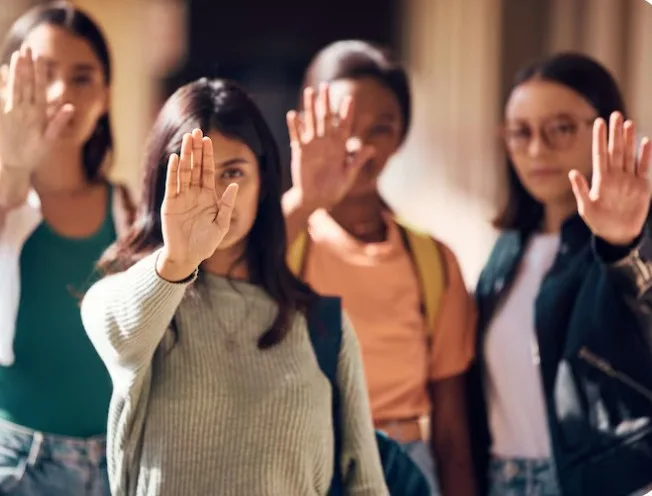
Sexual Assault Without Penetration: A Violation, Not a Footnote
Sexual assault without penetration includes any unwanted sexual contact — touching, groping, fondling, rubbing against someone sexually (frotteurism), or forcing someone to touch the perpetrator’s body — when accomplished through force, threat, or the victim’s inability to consent. The absence of penetration does not render these assaults minor. They are violations of bodily autonomy that cause genuine psychological harm, and they frequently precede or accompany more severe sexual violence.
This category includes forcible touching of breasts, buttocks, or genitals; forced kissing; unwanted removal of clothing; and compelling someone to perform sexual touching on the perpetrator. Context matters clinically — the same physical contact in a legitimate medical examination with consent is not assault, while the identical contact without legitimate purpose and consent clearly is. Many survivors of non-penetrative sexual assault report minimizing what happened to them — telling themselves “it wasn’t that bad” — partly because social attitudes frequently dismiss groping or unwanted touching as minor or inevitable.
This minimization is not accurate. Research on trauma responses demonstrates that many survivors of non-penetrative assault experience significant PTSD symptoms, particularly when the assault occurred in childhood, involved a trusted person, or occurred in a context — like crowded public transport or a workplace — where the survivor felt trapped and humiliated. The practical takeaway: non-penetrative sexual assault deserves to be named, taken seriously, and responded to with the same care and support as other forms of sexual violence.
Sexual Harassment and Verbal Sexual Violence: Harm Without Contact
Sexual harassment includes any unwelcome sexual conduct — verbal, written, visual, or physical — that creates a hostile, intimidating, or offensive environment, or that conditions tangible benefits on sexual compliance. While not always criminal depending on jurisdiction and severity, sexual harassment causes real psychological harm and limits survivors’ full participation in work, education, and public life. In professional and academic settings, it is typically actionable under civil rights frameworks.
Two legal categories are recognized in most frameworks:
- Quid pro quo harassment — sexual compliance made an explicit or implicit condition of employment, academic advancement, or other tangible benefit.
- Hostile environment harassment — pervasive or severe sexual conduct that creates an intimidating, offensive, or hostile environment interfering with work or academic performance.
Forms include unwanted sexual comments about body or appearance, persistent requests for sexual activity after refusal, display of sexually explicit materials in shared spaces, sexual gestures or unwanted physical approach, spreading sexual rumors, and stalking with sexual intent. The cumulative effect of sustained harassment — even when individual incidents seem “minor” — is often severe: survivors avoid certain spaces, modify their behavior, limit their participation, change jobs, or drop courses to escape. Harassment that escalates to physical contact or credible threats moves into criminal territory regardless of how the perpetrator frames their behavior.

Sexual Exploitation and Coercion: When Power Makes Consent Impossible
Sexual exploitation involves obtaining sexual activity through abuse of power, position, or trust — with or without the exploited person’s apparent agreement — in contexts where the power differential renders true consent structurally impossible. This category recognizes that sexual violence does not always look like force: it can operate through manipulation, economic desperation, and institutional authority just as devastatingly as through physical coercion.
Three major contexts define sexual exploitation:
- Professional exploitation — therapists, physicians, teachers, religious leaders, coaches, or supervisors who use their institutional authority to obtain sexual activity from clients, patients, students, or subordinates. Many jurisdictions criminalize these relationships outright regardless of apparent consent, because the power differential fundamentally compromises the possibility of genuine voluntary agreement.
- Economic exploitation — demanding or trading sexual activity in exchange for housing, employment, academic advancement, or essential resources when the victim is economically vulnerable and lacks realistic alternatives. This includes landlords, supervisors, and others who exploit economic precarity to gain sexual access.
- Sex trafficking — the most severe form: recruiting, transporting, or controlling people through force, fraud, or coercion for commercial sexual exploitation. Trafficking victims, many of them minors, are subjected to ongoing rape, physical violence, and psychological control through debt bondage, isolation, and threats against themselves or their families.
The thread connecting all forms of sexual exploitation is the same: genuine consent requires genuine freedom, and freedom cannot exist when someone’s livelihood, safety, shelter, or physical security depends on compliance.
Non-Contact Sexual Violence: Voyeurism, Exhibitionism, and Image-Based Abuse
Non-contact sexual violence encompasses acts that are sexual in nature but do not involve physical touching — including voyeurism, exhibitionism, non-consensual exposure to sexual material, and image-based abuse. These behaviors violate sexual autonomy and cause meaningful psychological harm, particularly to children or in contexts involving significant power imbalances. Digital technology has vastly expanded the scope and duration of harm in this category.
Key forms include:
- Voyeurism — secretly watching, photographing, or recording someone in contexts where they have a reasonable expectation of privacy, including hidden cameras in bathrooms or bedrooms, and upskirting or downblousing.
- Exhibitionism and public indecency — exposing genitals or masturbating in view of non-consenting observers, typically for sexual gratification.
- Image-based sexual abuse — creating, distributing, or threatening to distribute sexual images without consent. This includes non-consensual pornography (“revenge porn”), deepfake sexual images using someone’s likeness, and sextortion (using intimate images as leverage for money or additional images).
Digital image-based abuse produces ongoing, indefinite violation — images circulate across platforms and cannot always be fully removed, creating persistent fear of their resurfacing in professional or personal contexts. Survivors of image-based abuse consistently describe a sense of permanent exposure and loss of control over their own image that generates lasting psychological distress. Legal frameworks addressing image-based abuse have expanded significantly in recent years, though enforcement remains inconsistent and removal from platforms remains challenging.

Reproductive and Sexual Coercion: Controlling Bodies Through Reproductive Choices
Reproductive coercion is behavior that controls or interferes with someone’s autonomous decisions about contraception, pregnancy, and abortion through sabotage, threats, or sustained pressure. It is a form of sexual violence that operates through reproductive choice as a mechanism of power, often occurring within abusive relationships — sometimes alongside physical violence, sometimes as the primary control tactic.
Specific forms include:
- Contraceptive sabotage — removing or damaging condoms without the partner’s knowledge, destroying or hiding birth control pills, removing patches or rings, or refusing agreed-upon withdrawal.
- Coerced pregnancy — pressuring or forcing someone to become pregnant against their will by withholding contraception or sabotaging it.
- Pregnancy pressure — threatening to leave, withhold resources, or become violent if a partner refuses to become pregnant or carry a pregnancy to term.
- Abortion coercion — forcing someone to terminate or continue a pregnancy against their will through threats, violence, financial control, or active interference with medical care access.
The consequences of reproductive coercion include unwanted pregnancies that create new barriers to leaving abusive relationships, health consequences from forced reproductive outcomes, and profound loss of autonomy over some of the most fundamental decisions in a person’s life. Reproductive autonomy is bodily autonomy — controlling it is a serious violation of bodily integrity regardless of the relationship between the parties involved.
The Psychological Impacts of Sexual Violence on Survivors
Sexual violence causes profound, multidimensional harm across physical health, mental health, relationships, and overall quality of life — with effects shaped by the type of assault, the relationship to the perpetrator, prior trauma history, available support, and individual resilience. No two survivors’ experiences are identical, but the research literature consistently documents a recognizable constellation of impacts across all forms of sexual violence.
Physical health consequences can include immediate injuries, sexually transmitted infections, unwanted pregnancy, gynecological complications, chronic pelvic pain, gastrointestinal problems, cardiovascular effects, and compromised immune function. Many survivors avoid medical care due to shame, fear, or distrust — allowing conditions to worsen that could have been addressed early.
Mental health impacts are often severe and long-lasting:
| Timeframe | Common Psychological and Behavioral Responses |
|---|---|
| Immediate (0–2 weeks) | Shock, disbelief, denial, fear, shame, self-blame, anger, emotional numbing, acute physical symptoms |
| Short-term (2 weeks – 3 months) | Sleep disturbances, nightmares, flashbacks, hypervigilance, avoidance of reminders, mood instability, concentration difficulties |
| Long-term (3 months+) | PTSD, depression, anxiety disorders, sexual dysfunction, relationship difficulties, substance use disorder, chronic health conditions |
PTSD affects approximately 50% of rape survivors, characterized by intrusive memories, nightmares, hypervigilance, emotional numbing, and avoidance. Depression and anxiety disorders occur at significantly elevated rates. Relational and sexual functioning is often profoundly affected: difficulty trusting others, problems with intimacy, disrupted attachment patterns, and — for those assaulted by intimate partners — the complex trauma of betrayal by someone who was supposed to be safe.
With appropriate trauma-informed support, many survivors make significant and meaningful recovery. Recovery is non-linear, and some impacts may persist across a lifetime — acknowledging this does not mean despair, but rather that ongoing support, access to care, and social acknowledgment of survivors’ experiences all matter for the long-term journey toward healing.
Evidence-Based Prevention: What Actually Reduces Sexual Violence
Preventing sexual violence requires multilevel approaches addressing individual behavior, relationship dynamics, community norms, and social structures — not simply restricting potential victims’ freedom or teaching people how to “avoid” being assaulted. Effective prevention focuses on preventing perpetration, transforming the cultural attitudes that enable it, creating genuine accountability, and building communities where sexual violence is actively unacceptable and survivors are unconditionally supported.
Evidence supports several primary prevention approaches:
- Comprehensive consent and sexuality education — teaching from early ages what consent is, what healthy relationships look like, and how to recognize coercion and boundary violations.
- Bystander intervention training — building community-level skills to recognize warning signs of potential assault and intervene safely. Research shows that active bystander cultures measurably reduce sexual violence rates.
- Challenging rape myths and harmful gender norms — through media literacy, public campaigns, and education that directly addresses the cultural attitudes enabling perpetration.
- Institutional accountability — creating environments where reports are taken seriously, investigations are conducted thoroughly, and perpetrators face meaningful consequences rather than institutional protection.
- Trauma-informed survivor support — accessible crisis hotlines, SANE programs, advocacy services, and evidence-based therapy that centers survivors’ needs and autonomy throughout the process.
Addressing perpetration directly is essential. Research on sexual violence consistently documents that most assaults are committed by a relatively small number of repeat perpetrators who deliberately target vulnerable individuals and rely on social dynamics that silence victims. The most impactful prevention work disrupts those social conditions — not by building fences around potential victims, but by building communities that refuse to be complicit in enabling harm.
FAQs About Sexual Violence and Rape
Why don’t survivors immediately report sexual assault to police?
The majority of sexual assaults are never reported to police — and the reasons are multiple, valid, and deeply understandable. Immediately following assault, many survivors experience acute shock, dissociation, or denial that makes any coordinated action extremely difficult. The neurobiological freeze response that commonly occurs during assault often generates intense self-blame afterward, making survivors doubt whether they will be believed. When the perpetrator is known — which is the most common scenario — reporting creates enormous social consequences: disrupted family systems, broken friendships, workplace complications, community fracture. Fear of the legal process is rational and well-founded: survivors frequently face intrusive questioning about their behavior, clothing, and prior relationship with the perpetrator in ways that few other crime victims experience. Persistent rape kit backlogs, low prosecution rates, and light sentencing in many jurisdictions make the traumatic process feel futile for many survivors. For people from marginalized communities — including people of color, LGBTQ+ individuals, immigrants, and those with criminal histories — additional layers of distrust and fear of secondary harm from law enforcement create further barriers. Delayed reporting is extremely common and does not indicate a false report. Research consistently demonstrates that false reporting rates for sexual assault are low — approximately 2–10% — similar to other crimes.
Can men be victims of rape and sexual assault?
Yes, absolutely, and more commonly than many people realize. Research indicates that approximately 1 in 38 men have experienced completed or attempted rape, while significantly higher percentages have experienced other forms of sexual violence including coercion, being made to penetrate someone against their will, or unwanted sexual contact. Male survivors can be assaulted by perpetrators of any gender — sexual violence is about power and violation of consent, not about the gender combination involved. Harmful myths — that men always want sex, that men cannot be overpowered, that physiological arousal indicates consent — create profound shame that silences male survivors and discourages help-seeking. Many support services have historically been designed primarily for women, leaving male survivors with fewer tailored resources. The reality is that sexual violence affects people of all genders, and supporting all survivors requires challenging the gendered myths that prevent recognition and care.
What should someone do immediately after being sexually assaulted?
The priorities are safety, medical care, and preserving options — though it is essential to acknowledge that trauma responses vary enormously and many survivors cannot follow a structured protocol immediately after assault. First, reach a safe location away from the perpetrator. Contact a trusted person or call a crisis line (1-800-656-4673 or text HELLO to 741741). Seek medical care as soon as possible — ideally at a hospital with a SANE program that provides trauma-informed examination, treatment for injuries and potential STIs, emergency contraception, and forensic evidence collection. If you might want to report to police, try to preserve evidence by not showering, changing clothes, or cleaning the scene — though these steps are extremely difficult when survivors desperately want to wash away what happened. Even if evidence is not preserved, reporting remains an option. If you change clothes, place them in paper rather than plastic bags. Contact a rape crisis center for advocacy support in navigating medical care and reporting decisions. Begin trauma-focused therapy when you are ready — early intervention consistently improves long-term outcomes. However you respond is valid. There is no perfect victim reaction, and trauma affects everyone differently.
Can consent be withdrawn after sexual activity has already begun?
Yes, always and unconditionally. Consent must be ongoing throughout any sexual encounter and can be withdrawn at any point — meaning that even if someone initially agreed to sexual activity, they retain the absolute right to stop at any moment, and continuing after consent is withdrawn constitutes assault. Consent is not a single event granting blanket permission; it is a continuous process of mutual agreement. Someone might consent to one sexual act but not another, begin an encounter willingly but then experience pain, distress, or a change of mind for any reason whatsoever. Withdrawal can be verbal (“stop,” “no,” “I want to stop”) or non-verbal — pushing away, going rigid, crying, attempting to leave. Partners bear responsibility for attending to both verbal and non-verbal communication throughout sexual activity and for stopping immediately when consent is withdrawn. No prior history — not yesterday’s agreement, not a long-term relationship, not earlier in the same encounter — overrides anyone’s right to withdraw consent at any point. Continuing after a clear withdrawal is rape or sexual assault. A culture that genuinely respects consent normalizes checking in, welcomes people changing their minds, and treats stopping when asked as the absolute minimum standard of ethical sexual behavior.
What is the connection between substance use and sexual assault?
Alcohol and other substances are involved in approximately half of all sexual assaults — but this fact requires careful framing. Substance involvement never makes a victim responsible for being assaulted. Perpetrators alone bear that responsibility. Research on repeat sexual offenders consistently shows they deliberately target intoxicated individuals and engineer social situations where alcohol consumption creates vulnerability and plausible deniability. Two distinct dynamics operate: perpetrators who deliberately administer substances without the victim’s knowledge, and those who opportunistically target people who are already voluntarily intoxicated. Both constitute assault; neither makes the victim responsible. For survivors, substance involvement creates additional challenges — fragmented or absent memory intensifies self-doubt, self-blame is acute when the victim was voluntarily drinking, and defense strategies in prosecution frequently exploit intoxication to manufacture doubt. The most effective prevention targets perpetrator behavior — the deliberate exploitation of intoxication — not restrictions on potential victims’ freedom to participate in social life.
Why do some survivors experience physical arousal during assault?
Physical arousal — including erection, lubrication, or orgasm — can occur during sexual assault as an involuntary physiological response to stimulation, completely independent of psychological desire or consent. This is one of the most distressing experiences survivors report, generating intense shame and confusion that perpetrators sometimes deliberately exploit to undermine survivors’ confidence in their own experience. The mechanism is straightforward: sexual arousal is partly autonomic — the body responds to physical stimulation regardless of psychological state, threat level, or the presence or absence of consent, much as salivation occurs in response to food regardless of hunger. An involuntary physiological response to stimulation is not the same as wanting the stimulation. For male survivors, erection during assault is particularly confusing given cultural messages equating arousal with desire. Trauma-informed therapists understand these responses thoroughly and help survivors process the shame that naturally arises around them. The critical point: consent is about voluntary agreement, not about whether the body responded to physical stimulation. Physiological arousal during assault does not make the assault less real, less harmful, or less of a crime.
How common are false accusations of rape?
False accusations of rape are rare — occurring at rates of approximately 2–10% depending on how “false” is defined and what methodology is used, comparable to false reporting rates for other serious crimes. Multiple rigorous studies examining police records, prosecution files, and case reviews consistently document these low rates. A critical distinction exists between provably false reports and cases where assault occurred but evidence is insufficient for prosecution — these are very different categories, but police and media often conflate them, creating an inflated impression of fabrication. True false allegations do occur and deserve appropriate investigation and consequences. However, the statistical reality does not support the cultural narrative that false accusations are routine or that women or others routinely weaponize assault claims. The far larger documented problem is the opposite: 63% of sexual assaults are never reported at all, and many reported cases do not reach prosecution or conviction. The concern about false accusations, while legitimate in individual cases, cannot justifiably function as a default lens of skepticism toward survivors reporting assaults — a standard we do not apply to victims of other serious crimes.
What resources are available for survivors of sexual violence?
Comprehensive support exists across multiple channels, though awareness of available resources varies. The National Sexual Assault Hotline (1-800-656-4673 or online.rainn.org) operates 24/7 providing crisis support and referrals to local services. The Crisis Text Line (text HELLO to 741741) offers immediate text-based support. Local rape crisis centers provide free and confidential services including crisis counseling, hospital accompaniment, support groups, therapy, legal advocacy, and prevention education — find them through RAINN’s online directory. SANE programs at hospitals provide trauma-informed medical care, forensic evidence collection, treatment for injuries and STIs, and emergency contraception without requiring police reporting. Legal advocacy services help survivors understand their rights, navigate criminal justice processes if they choose, obtain protective orders, and address employment or housing consequences of the assault. Evidence-based therapeutic approaches including Cognitive Processing Therapy (CPT), Prolonged Exposure (PE), and EMDR have strong research support for trauma symptom recovery. Many rape crisis centers offer free counseling; others work on sliding-scale fees. Specialized resources exist for male survivors, LGBTQ+ survivors, survivors of color, immigrant survivors, and survivors with disabilities. Recovery has no required timeline — support is available and valid whether sought immediately after assault or decades later.
Bibliography
- World Health Organization. (2021). Violence Against Women Prevalence Estimates, 2018. WHO Press.
- Smith, S. G., Zhang, X., Basile, K. C., et al. (2018). The National Intimate Partner and Sexual Violence Survey: 2015 Data Brief. National Center for Injury Prevention and Control, CDC.
- Koss, M. P. (1993). Detecting the scope of rape: A review of prevalence research methods. Journal of Interpersonal Violence, 8(2), 198–222.
- Herman, J. L. (1992). Trauma and Recovery: The Aftermath of Violence. Basic Books.
- Van der Kolk, B. A. (2014). The Body Keeps the Score: Brain, Mind, and Body in the Healing of Trauma. Viking.
- Tjaden, P., & Thoennes, N. (2006). Extent, Nature, and Consequences of Rape Victimization. U.S. Department of Justice, National Institute of Justice.
- Finkelhor, D. (1994). The international epidemiology of child sexual abuse. Child Abuse & Neglect, 18(5), 409–417.
- Basile, K. C., & Saltzman, L. E. (2002). Sexual Violence Surveillance: Uniform Definitions and Recommended Data Elements. Centers for Disease Control and Prevention.
- Lonsway, K. A., & Archambault, J. (2012). The “justice gap” for sexual assault cases: Future directions for research and reform. Violence Against Women, 18(2), 145–168.
- Lisak, D., & Miller, P. M. (2002). Repeat rape and multiple offending among undetected rapists. Violence and Victims, 17(1), 73–84.
- Foa, E. B., & Rothbaum, B. O. (1998). Treating the Trauma of Rape: Cognitive-Behavioral Therapy for PTSD. Guilford Press.
- Campbell, R. (2008). The psychological impact of rape victims’ experiences with the legal, medical, and mental health systems. American Psychologist, 63(8), 702–717.
- Hanson, R. K., & Morton-Bourgon, K. E. (2005). The characteristics of persistent sexual offenders. Journal of Consulting and Clinical Psychology, 73(6), 1154–1163.
- Orchowski, L. M., & Gidycz, C. A. (2012). To whom do college women confide following sexual assault? Violence Against Women, 18(3), 264–288.
- Ehrensaft, M. K. (2008). Intimate partner violence: Persistence of myths and implications for intervention. Children and Youth Services Review, 30(3), 276–286.
Use this citation format to reference the article clearly and help readers find the original source.
PsychologyFor. (2026). The 14 Types of Rape and Sexual Violence. PsychologyFor. https://psychologyfor.com/the-14-types-of-rape-and-sexual-violence/