


See more of our articles in your search results.
You sit across from a client who has arrived with immense ambition, yet after forty minutes of circular conversation, you realize you have fallen into the trap of offering well-intentioned advice rather than facilitating genuine self-discovery. That sudden professional realization is profoundly humbling. Professional coaching is frequently misunderstood in popular culture as charismatic cheerleading or prescriptive consulting, yet true developmental coaching is an exacting psychological and relational discipline requiring rigorous active listening, systematic inquiry, and radical non-judgment. It is not an innate personality trait. Rather, it represents an advanced competency grounded in evidence-based coaching psychology.
Whether you are an aspiring executive coach, an established leadership consultant, or a manager striving to lead through empowering inquiry rather than top-down directives, mastering this craft requires continuous engagement with foundational literature. High-performing coaches do not rely on generic motivational slogans; they immerse themselves in established frameworks spanning adult developmental theory, neurobiology, motivational interviewing, and systemic organizational dynamics. Sourcing the field’s definitive literature equips you to break unconscious advice habits, navigate complex client ambivalence, and design transformational engagements that produce lasting behavioral change. Curating a rigorous professional library transforms instinctive conversational habits into a disciplined, transformational coaching practice.
Which foundational coaching texts actually separate well-meaning advisors from masterful, high-impact coaches?
This comprehensive guide details the 16 most recommended coaching books, reviewing landmark framework manuals, adult developmental psychology treatises, executive leadership playbooks, and evidence-based methodologies essential for every serious practitioner.
16 Most Recommended Coaching Books
Verified Top Picks- 1
 John WhitmoreCoaching for PerformanceThe classic benchmark introducing the GROW model (Goal, Reality, Options, Will) to raise awarenessCHECK TODAY'S PRICE
 - 2
 Michael Bungay StanierThe Coaching HabitSeven essential questions helping leaders break the advice trap and lead impactful 10-minute conversationsCHECK TODAY'S PRICE
 - 3
 Henry Kimsey-House & Karen Kimsey-HouseCo-Active CoachingThe premier standard for coaching, honoring client wholeness, dancing in the moment, and Level 3 listeningCHECK TODAY'S PRICE
 - 4
 W. Timothy GallweyThe Inner Game of TennisQuieting the critical Self 1 to unlock the natural, effortless high-performance of Self 2CHECK TODAY'S PRICE
 - 5
 Robert Kegan & Lisa Laskow LaheyImmunity to ChangeUncovering competing commitments and hidden big assumptions that sabotage professional and personal goalsCHECK TODAY'S PRICE
 - 6
 Richard Boyatzis, Melvin L. Smith et al.Helping People ChangeCoaching with compassion and activating the Positive Emotional Attractor to inspire neuroplastic growthCHECK TODAY'S PRICE
 - 7
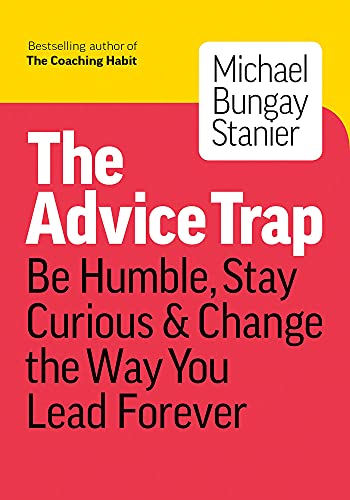 Michael Bungay StanierThe Advice TrapTaming your internal Advice Monster to stay curious longer and foster true executive problem-solvingCHECK TODAY'S PRICE
 - 8
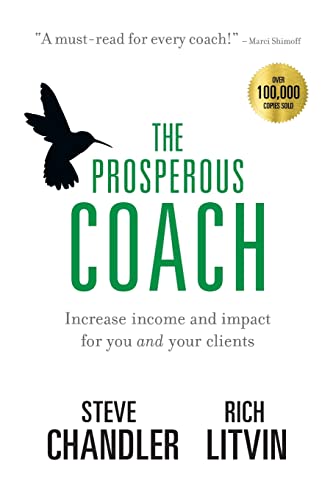 Steve Chandler & Rich LitvinThe Prosperous CoachBuilding a high-income, referral-driven practice through transformative, fearless coaching conversationsCHECK TODAY'S PRICE
 - 9
 Eric Schmidt, Jonathan Rosenberg et al.Trillion Dollar CoachThe executive leadership playbook of Silicon Valley legend Bill Campbell (Google, Apple, Intuit)CHECK TODAY'S PRICE
 - 10
 Tony StoltzfusCoaching QuestionsOver a thousand powerful, categorized coaching questions to unlock insights and eliminate hurdlesCHECK TODAY'S PRICE
 - 11
 John Blakey & Ian DayChallenging CoachingThe FACTS model (Feedback, Accountability, Challenge, Tension, Systems) for bold executive coachingCHECK TODAY'S PRICE
 - 12
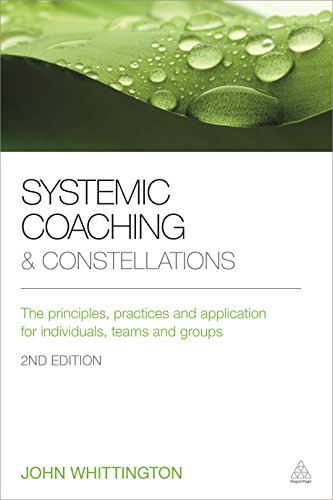 John WhittingtonSystemic Coaching and ConstellationsApplying constellations and systemic mapping to illuminate hidden loyalties and corporate dynamicsCHECK TODAY'S PRICE
 - 13
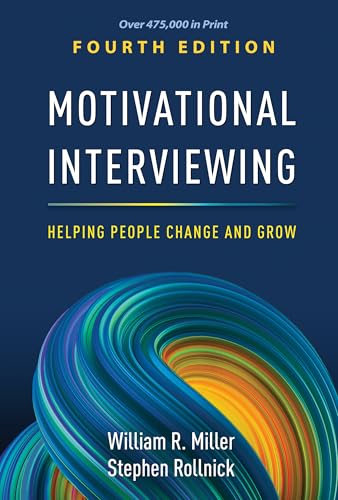 William R. Miller & Stephen RollnickMotivational InterviewingThe evidence-based clinical manual detailing collaborative conversation to resolve client ambivalenceCHECK TODAY'S PRICE
 - 14
 Carl R. RogersOn Becoming a PersonUnconditional positive regard, empathetic attunement, and congruence as drivers of humanistic changeCHECK TODAY'S PRICE
 - 15
 Carol S. DweckMindset: The New Psychology of SuccessEmpirical frameworks to help clients reframe performance setbacks as diagnostic growth feedbackCHECK TODAY'S PRICE
 - 16
 Martin E. P. SeligmanFlourish: A Visionary New UnderstandingThe empirical PERMA framework for positive psychology coaching, character strengths, and flourishingCHECK TODAY'S PRICE
What Separates Transformational Coaching from Prescriptive Advice?
Transformational professional coaching differs fundamentally from consulting, mentoring, and directive management because it operates on the foundational assumption that the client is naturally creative, resourceful, and whole. Rather than diagnosing deficits or supplying pre-packaged solutions, a master coach creates a structured conversational container that facilitates deep cognitive reframing.
Psychologist Carl R. Rogers established that psychological growth occurs when a practitioner maintains unconditional positive regard, empathetic attunement, and authentic congruence. When coaches prematurely offer advice, they inadvertently trigger client defensiveness or foster passive dependency. Cultivating disciplined non-directive inquiry honors the client’s cognitive autonomy, accelerating sustainable behavioral self-regulation.
Developmental psychologist Robert Kegan demonstrated that adult cognitive development progresses through distinct developmental stages of meaning-making. Effective executive coaching does not merely teach tactical skills; it expands the client’s internal mental complexity, enabling leaders to navigate systemic organizational ambiguity with mature psychological adaptability.
- Non-directive coaching honors client autonomy and prevents the disempowering dynamics of premature prescriptive advice.
- Humanistic relational conditions create the psychological safety necessary for vulnerable cognitive reframing.
- Adult developmental theory provides frameworks for expanding a leader’s internal mental complexity.
- Intentional open questioning activates parasympathetic neural networks that support creative problem-solving capacity.
Foundational Coaching Frameworks, Models, and Core Inquiry
Mastering the craft of coaching begins with understanding the historical models and conversational frameworks that define professional practice. These four foundational volumes establish the gold standard for non-directive inquiry, active listening, and structured goal-setting methodologies.
1. Coaching for Performance — John Whitmore
Coaching for Performance by John Whitmore introduced the legendary GROW model (Goal, Reality, Options, Will), establishing the definitive global benchmark for non-directive executive, sports, and workplace coaching.
Whitmore demonstrates that unlocking peak human performance requires raising client self-awareness and personal responsibility rather than providing prescriptive instructions. By asking probing questions that illuminate operational reality, coaches empower clients to construct their own actionable performance solutions.
The book serves as an indispensable foundation for leaders seeking to replace authoritarian management styles with empowering developmental inquiry.
- Provides a structured, field-tested methodology for mastering coaching for performance principles.
- Equips practitioners with practical linguistic tools to facilitate deep client self-discovery.
- Enhances coaching competency across diverse executive and personal development contexts.
2. The Coaching Habit — Michael Bungay Stanier
The Coaching Habit by Michael Bungay Stanier distills the essence of day-to-day coaching conversations into seven core questions designed to help managers break their chronic addiction to giving unhelpful advice.
Stanier provides a highly practical, habit-based roadmap for leading more focused, high-impact interactions by saying less and asking more. Questions like the Kickstart Question (‘What’s on your mind?’) and the Foundation Question (‘What do you want?’) cut through conversational fog to uncover core underlying challenges.
For time-strapped executives and managers, this concise volume transforms brief daily exchanges into transformative coaching opportunities.
- Provides a structured, field-tested methodology for mastering the coaching habit principles.
- Equips practitioners with practical linguistic tools to facilitate deep client self-discovery.
- Enhances coaching competency across diverse executive and personal development contexts.
3. Co-Active Coaching — Henry Kimsey-House & Karen Kimsey-House
Co-Active Coaching by Henry Kimsey-House & Karen Kimsey-House outlines the transformative philosophy that clients are naturally creative, resourceful, and whole, establishing the premier global standard for life and executive coaching.
The authors articulate four essential cornerstones—honoring client wholeness, dancing in the moment, holding the client’s agenda, and evoking transformation—alongside practical methodologies for Level 3 intuitive listening. It teaches practitioners how to balance active doing with grounded relational presence.
This classic manual remains the definitive foundational textbook across accredited professional coach training programs worldwide.
- Provides a structured, field-tested methodology for mastering co-active coaching principles.
- Equips practitioners with practical linguistic tools to facilitate deep client self-discovery.
- Enhances coaching competency across diverse executive and personal development contexts.
4. The Inner Game of Tennis — W. Timothy Gallwey
The Inner Game of Tennis by W. Timothy Gallwey is the revolutionary classic that birthed the modern executive coaching movement by exploring the internal psychological struggle between Self 1 (the critical teller) and Self 2 (the natural doer).
Gallwey demonstrates that peak performance is achieved not by forcing conscious mechanical control, but by quieting internal self-judgment and trusting unconscious embodied competence. By shifting attention toward non-judgmental awareness, performers eliminate self-doubt and access effortless flow states.
This timeless volume provides coaches with foundational insights into overcoming internal interference to unlock innate human potential.
- Provides a structured, field-tested methodology for mastering the inner game of tennis principles.
- Equips practitioners with practical linguistic tools to facilitate deep client self-discovery.
- Enhances coaching competency across diverse executive and personal development contexts.
Adult Development, Neurobiology, and Internal Resistance
Sustainable behavioral change requires addressing the unconscious psychological defense mechanisms that sabotage client progress. These four masterworks explore adult developmental stages, compassionate neuroscience, and overcoming internal immunity to change.
5. Immunity to Change — Robert Kegan & Lisa Laskow Lahey
Immunity to Change by Robert Kegan & Lisa Laskow Lahey uncovers the hidden psychological competing commitments and unconscious big assumptions that cause intelligent, motivated individuals to sabotage their own professional goals.
Harvard developmental psychologists Robert Kegan and Lisa Lahey provide an innovative diagnostic map that reveals how personal immune systems protect the ego from perceived vulnerability. By designing safe behavioral tests to disconfirm these hidden assumptions, coaches guide clients through transformational adult development.
This masterwork bridges developmental psychology and executive coaching, enabling practitioners to address systemic internal resistance.
- Provides a structured, field-tested methodology for mastering immunity to change principles.
- Equips practitioners with practical linguistic tools to facilitate deep client self-discovery.
- Enhances coaching competency across diverse executive and personal development contexts.
6. Helping People Change — Richard Boyatzis, Melvin L. Smith & Ellen Van Oosten
Helping People Change by Richard Boyatzis introduces Intentional Change Theory (ICT), proving through cognitive neuroscience that coaching focused on a client’s positive personal vision activates parasympathetic growth networks.
The authors contrast ‘coaching with compassion’ (which engages the Positive Emotional Attractor and sparks neuroplasticity) with ‘coaching for compliance’ (which triggers defensive sympathetic stress responses). They provide concrete protocols for anchoring goals in authentic core values.
This research-backed volume equips practitioners with neuroscience tools to facilitate enduring behavioral transformation.
- Provides a structured, field-tested methodology for mastering helping people change principles.
- Equips practitioners with practical linguistic tools to facilitate deep client self-discovery.
- Enhances coaching competency across diverse executive and personal development contexts.
7. The Advice Trap — Michael Bungay Stanier
The Advice Trap by Michael Bungay Stanier delves into the deep psychological resistance coaches and leaders face when trying to tame their internal ‘Advice Monster’ during professional conversations.
Stanier categorizes the three primary Advice Monster personas—the Tell-It, Save-It, and Control-It archetypes—explaining how premature solutions diminish client ownership and autonomy. He outlines actionable conversational habits that allow practitioners to stay curious longer and foster independent executive problem-solving.
This engaging guide serves as an indispensable companion for mastering disciplined non-directive communication.
- Provides a structured, field-tested methodology for mastering the advice trap principles.
- Equips practitioners with practical linguistic tools to facilitate deep client self-discovery.
- Enhances coaching competency across diverse executive and personal development contexts.
8. The Prosperous Coach — Steve Chandler & Rich Litvin
The Prosperous Coach by Steve Chandler & Rich Litvin revolutionizes commercial coaching practice development by replacing traditional marketing funnels and advertising with high-impact, transformational coaching conversations.
Chandler and Litvin outline a relationship-first framework based on deep connection, courageous service, and bold proposals. They teach coaches how to create high-paying clients by delivering immediate, profound value during complimentary sessions rather than relying on passive promotional marketing.
This celebrated handbook provides coaches with practical mindsets to build a sustainable, referral-driven professional coaching business.
- Provides a structured, field-tested methodology for mastering the prosperous coach principles.
- Equips practitioners with practical linguistic tools to facilitate deep client self-discovery.
- Enhances coaching competency across diverse executive and personal development contexts.
Executive Coaching, Organizational Systems, and High-Stakes Leadership
Navigating complex corporate environments demands coaches who understand boardroom dynamics, systemic organizational loyalties, and executive leverage. These four essential volumes teach practitioners how to coach senior executives, manage team friction, and drive measurable organizational transformation.
9. Trillion Dollar Coach — Eric Schmidt, Jonathan Rosenberg & Alan Eagle
Trillion Dollar Coach by Eric Schmidt chronicles the executive coaching principles of Silicon Valley legend Bill Campbell, who mentored iconic leaders at Google, Apple, and Intuit to generate trillions in market value.
The authors detail Campbell’s unique coaching playbook: prioritizing team operational health over individual egos, fostering psychological safety, demanding radical transparency, and leading with genuine compassion. Campbell proved that high-performance cultures require deep relational trust.
This executive biography remains essential reading for practitioners seeking to coach C-suite leaders and navigate high-stakes corporate boardrooms.
- Provides a structured, field-tested methodology for mastering trillion dollar coach principles.
- Equips practitioners with practical linguistic tools to facilitate deep client self-discovery.
- Enhances coaching competency across diverse executive and personal development contexts.
10. Coaching Questions — Tony Stoltzfus
Coaching Questions by Tony Stoltzfus provides an exhaustive, expertly categorized reference manual featuring over a thousand powerful coaching questions organized by conversational stages, models, and client hurdles.
Stoltzfus deconstructs the linguistic mechanics of effective questioning, teaching coaches how to avoid closed, leading prompts in favor of expansive inquiries that unlock hidden insights. It covers reframing, values clarification, barrier elimination, and decisive action planning.
This practical desktop reference enhances conversational versatility for coaches operating across diverse professional disciplines.
- Provides a structured, field-tested methodology for mastering coaching questions principles.
- Equips practitioners with practical linguistic tools to facilitate deep client self-discovery.
- Enhances coaching competency across diverse executive and personal development contexts.
11. Challenging Coaching — John Blakey & Ian Day
Challenging Coaching by John Blakey & Ian Day introduces the FACTS coaching framework (Feedback, Accountability, Challenge, Tension, Systems thinking), moving beyond unconditional support toward courageous executive accountability.
Blakey and Day argue that traditional coaching often becomes overly gentle and detached from commercial realities. They equip executive coaches with structured methodologies to challenge client rationalizations, raise organizational standards, and drive tangible systemic business results.
This provocative treatise is required reading for practitioners operating in demanding corporate leadership environments.
- Provides a structured, field-tested methodology for mastering challenging coaching principles.
- Equips practitioners with practical linguistic tools to facilitate deep client self-discovery.
- Enhances coaching competency across diverse executive and personal development contexts.
12. Systemic Coaching and Constellations — John Whittington
Systemic Coaching and Constellations by John Whittington applies structural constellations and systemic mapping principles to illuminate the invisible relational dynamics, hidden loyalties, and organizational pressures shaping executive behavior.
Whittington offers practitioners visual and somatic mapping tools to diagnose complex organizational gridlock, helping clients perceive their position within broader corporate ecosystems. By honoring systemic ordering principles, coaches facilitate sustainable organizational realignment.
This advanced manual expands conventional one-on-one coaching into deep systemic organizational intelligence.
- Provides a structured, field-tested methodology for mastering systemic coaching and constellations principles.
- Equips practitioners with practical linguistic tools to facilitate deep client self-discovery.
- Enhances coaching competency across diverse executive and personal development contexts.
Evidence-Based Psychological Methods and Positive Psychology
The highest echelon of coaching integrates validated empirical methods from clinical and social psychology into developmental practice. These four landmark treatises provide the scientific foundation for resolving ambivalence, cultivating growth mindsets, and building sustainable human flourishing.
13. Motivational Interviewing — William R. Miller & Stephen Rollnick
Motivational Interviewing by William R. Miller & Stephen Rollnick is the definitive clinical manual detailing the collaborative conversational style designed to resolve ambivalence and strengthen a person’s internal motivation for change.
Miller and Rollnick provide coaches with research-backed reflective listening protocols—such as open questions, affirmations, reflections, and summaries (OARS)—that evoke change talk while minimizing resistance. It teaches practitioners how to guide clients toward autonomous behavioral commitment.
This foundational text represents an indispensable competency for coaches working with clients facing deep-seated behavioral ambivalence.
- Provides a structured, field-tested methodology for mastering motivational interviewing principles.
- Equips practitioners with practical linguistic tools to facilitate deep client self-discovery.
- Enhances coaching competency across diverse executive and personal development contexts.
14. On Becoming a Person — Carl R. Rogers
On Becoming a Person by Carl R. Rogers establishes the core humanistic conditions—unconditional positive regard, empathetic attunement, and therapist congruence—that make authentic developmental transformation possible.
Rogers demonstrated empirically that the quality of the relational alliance is the primary driver of therapeutic and developmental growth. By creating a non-judgmental environment, practitioners allow clients to drop defensive masks and achieve integrated psychological maturity.
This landmark masterwork provides the philosophical foundation that underpins all ethical humanistic coaching modalities.
- Provides a structured, field-tested methodology for mastering on becoming a person principles.
- Equips practitioners with practical linguistic tools to facilitate deep client self-discovery.
- Enhances coaching competency across diverse executive and personal development contexts.
15. Mindset: The New Psychology of Success — Carol S. Dweck
Mindset: The New Psychology of Success by Carol S. Dweck proves through decades of empirical research that an individual’s belief regarding the malleability of their intelligence fundamentally dictates their response to failure and challenge.
Dweck equips coaches with psychological frameworks to help clients identify fixed mindset triggers, reframe performance setbacks as diagnostic feedback, and embrace deliberate effort. Cultivating a growth mindset enables leaders to build organizational resilience and foster high-performing team cultures.
This essential volume provides coaches with foundational tools for unlocking sustainable cognitive and behavioral growth.
- Provides a structured, field-tested methodology for mastering mindset: the new psychology of success principles.
- Equips practitioners with practical linguistic tools to facilitate deep client self-discovery.
- Enhances coaching competency across diverse executive and personal development contexts.
16. Flourish — Martin E. P. Seligman
Flourish by Martin E. P. Seligman outlines the PERMA framework (Positive emotion, Engagement, Relationships, Meaning, Accomplishment), establishing the empirical foundation of positive psychology coaching.
Seligman provides practitioners with scientifically validated assessments and interventions to help clients identify signature character strengths, cultivate optimism, and achieve authentic well-being. Moving far beyond simplistic happiness, the model optimizes holistic human flourishing.
This seminal treatise represents an indispensable scientific guide for practitioners dedicated to evidence-based positive psychology coaching.
- Provides a structured, field-tested methodology for mastering flourish principles.
- Equips practitioners with practical linguistic tools to facilitate deep client self-discovery.
- Enhances coaching competency across diverse executive and personal development contexts.
Comparative Overview of Core Coaching Methodologies and Frameworks
To help you navigate this extensive professional library efficiently, the following comparative table outlines the core coaching methodologies, primary psychological mechanisms, and foundational clinical frameworks represented across these sixteen essential volumes.
| Coaching Methodology / Tradition | Core Focus & Primary Practical Application |
|---|---|
| GROW Model & Performance Coaching | Structuring goal-oriented inquiry, establishing reality baseline, and building client will |
| Co-Active Coaching Model | Honoring client wholeness, listening at Level 3, and integrating intuition into inquiry |
| Inner Game Psychological Model | Quieting Self 1 self-criticism to allow natural Self 2 unconscious competence to emerge |
| Immunity to Change Framework | Uncovering competing commitments and designing behavioral tests to disconfirm big assumptions |
| Intentional Change Theory (ICT) | Coaching with compassion toward the positive emotional attractor and ideal self |
| Motivational Interviewing (MI) | Resolving ambivalence through reflective listening and evoking client change talk |
| Positive Psychology & PERMA | Leveraging character strengths, cultivating resilience, and designing flourishing routines |
As illustrated in the comparative table above, exceptional coaching requires integrating structured goal setting with deep psychological attunement. Mastering diverse methodologies enables practitioners to tailor their conversational approach to the client’s specific developmental readiness and goals.
Building a Sustainable Reflective Practice as a Professional Coach
Reading foundational coaching literature transforms professional competency only when insights are paired with deliberate reflective practice and ongoing supervision. Without structured self-evaluation, practitioners unconsciously revert to comfortable advice-giving patterns and miss critical relational nuances. Psychologist Daniel Kahneman highlighted that expert intuition develops only in environments providing rapid, unambiguous feedback on decisions.
To convert theoretical knowledge from these sixteen masterworks into embodied coaching mastery, establish these four disciplined reflective coaching habits:
- Conduct a ten-minute “Post-Session Reflective Audit” after every client engagement, recording where you stayed curious versus where your internal advice monster attempted to take control, reinforcing disciplined non-directive inquiry.
- Engage in regular monthly clinical coaching supervision with an accredited master practitioner to review anonymized session recordings and examine unconscious countertransference dynamics.
- Maintain an active “Powerful Question Archive” categorized by conversational goals and client emotional states to expand your linguistic coaching versatility.
- Re-read one foundational methodology manual annually to recalibrate your core questioning habits against rigorous professional standards.
The Boundary Between Coaching and Psychotherapy: Ethical Guidelines
A non-negotiable ethical competency for every professional coach is maintaining clear boundaries between developmental coaching and clinical psychotherapy. While coaching explores emotional barriers and thought patterns to achieve future goals, it is not a treatment modality for clinical psychopathology, unresolved psychiatric disorders, or acute trauma. Understanding this professional boundary is an essential clinical and ethical literacy competency.
If a client presents with persistent clinical depression, unmanaged generalized anxiety disorder, active substance dependency, complex post-traumatic stress, or severe emotional dysregulation that impairs basic functioning, coaching alone is insufficient and ethically inappropriate. In such cases, the coach must make an immediate, compassionate referral to a licensed clinical psychologist or psychiatrist. Modalities like Cognitive Behavioral Therapy (CBT) and Acceptance and Commitment Therapy (ACT) provide specialized clinical frameworks to address psychological illness before developmental coaching engagements can proceed safely.
Most critically, if a client discloses acute suicidal ideation, intrusive thoughts of self-harm, or an active psychiatric crisis where personal safety cannot be guaranteed, the coach must follow mandatory emergency protocols immediately. In the United States and Canada, connect the individual with the Suicide & Crisis Lifeline by calling or texting 988, available twenty-four hours a day, seven days a week, free and completely confidential. Ethical professional practice requires knowing when to step back and facilitate vital clinical mental health care.
- Coaching focuses on developmental goal attainment and must never attempt to treat clinical psychiatric disorders.
- Persistent functional impairment and clinical trauma warrant an immediate referral to a licensed mental health professional.
- Acute suicidal ideation demands immediate execution of emergency protocols and connection to crisis support resources.
FAQs about the Best Coaching Books
What is the single best coaching book to read first for a complete beginner?
Coaching for Performance by Sir John Whitmore is universally regarded as the premier starting point for anyone entering the coaching field. Whitmore introduces the famous GROW model (Goal, Reality, Options, Will), providing a clear, structured framework that demystifies how non-directive coaching conversations work. It explains the fundamental shift from telling people what to do to asking powerful questions that raise awareness and responsibility, making it the essential foundation upon which all other coaching methodologies build.
What is the difference between life coaching, executive coaching, and psychotherapy?
Psychotherapy focuses on diagnosing and treating clinical mental health conditions, resolving past trauma, and restoring psychological functioning. Life coaching focuses on helping mentally healthy individuals clarify personal values, set meaningful life goals, and overcome behavioral obstacles in relationships, wellness, and personal fulfillment. Executive coaching focuses on leadership development, strategic decision-making, executive presence, and organizational dynamics within corporate environments. While they share core listening skills, their goals and client populations differ significantly.
How does The Coaching Habit by Michael Bungay Stanier help managers become better coaches?
The Coaching Habit helps managers by breaking the pervasive habit of jumping in with immediate advice and premature solutions. Stanier outlines seven core questions—such as the Kickstart Question (“What’s on your mind?”) and the AWE Question (“And what else?”)—that allow busy managers to lead impactful coaching conversations in ten minutes or less. It teaches leaders to stay curious a little bit longer, empowering direct reports to develop critical thinking skills and take ownership of their work.
Can reading coaching books replace formal coach training and ICF accreditation?
No, reading coaching books provides invaluable theoretical knowledge, but it cannot replace formal training accredited by organizations like the International Coaching Federation (ICF). Professional coach certification requires supervised practice hours, mentor coaching, live conversational observation, and rigorous evaluation of core competencies. Books serve as an essential curriculum companion, but embodied coaching skill develops through live, supervised interaction with real clients.
What is the core premise of Immunity to Change by Robert Kegan and Lisa Lahey?
Immunity to Change explores why intelligent, motivated people consistently fail to achieve their most important personal and professional goals despite sincere effort. Kegan and Lahey demonstrate that self-sabotage is driven by an internal psychological immune system: hidden “competing commitments” and deeply held “big assumptions” designed to protect the individual from perceived vulnerability or loss. The book provides a practical diagnostic process for uncovering these unconscious barriers and testing assumptions through safe behavioral experiments.
How do coaches know when to refer a client to a licensed therapist?
Coaches should refer a client to a therapist when personal struggles cross into clinical distress that impairs daily functioning, sleep, work, or relationships for more than two consecutive weeks. Key warning signs include persistent feelings of hopelessness, severe panic attacks, unresolved traumatic flashbulb memories, substance abuse, disordered eating, or expressions of self-harm. Ethical coaches recognize their scope of practice and maintain a professional network of licensed psychologists to ensure clients receive appropriate care.
Bibliography
- Blakey, J., & Day, I. (2012). Challenging Coaching: Going Beyond Traditional Coaching to Face the FACTS. Nicholas Brealey Publishing.
- Boyatzis, R., Smith, M. L., & Van Oosten, E. (2019). Helping People Change: Coaching with Compassion for Lifelong Learning and Growth. Harvard Business Review Press.
- Bryant, E. F. (2009). The Yoga Sutras of Patañjali: A New Edition, Translation, and Commentary. North Point Press.
- Bungay Stanier, M. (2016). The Coaching Habit: Say Less, Ask More & Change the Way You Lead Forever. Page Two.
- Bungay Stanier, M. (2020). The Advice Trap: Be Humble, Stay Curious & Change the Way You Lead Forever. Page Two.
- Chandler, S., & Litvin, R. (2013). The Prosperous Coach: Increase Income and Impact for You and Your Clients. Maurice Bassett.
- Cialdini, R. B. (2006). Influence: The Psychology of Persuasion (Revised ed.). Harper Business.
- Dweck, C. S. (2006). Mindset: The New Psychology of Success. Random House.
- Gallwey, W. T. (1974). The Inner Game of Tennis. Random House.
- Kahneman, D. (2011). Thinking, Fast and Slow. Farrar, Straus and Giroux.
- Kegan, R., & Lahey, L. L. (2009). Immunity to Change: How to Overcome It and Unlock the Potential in Yourself and Your Organization. Harvard Business Review Press.
- Kimsey-House, H., Kimsey-House, K., Sandahl, P., & Whitworth, L. (2011). Co-Active Coaching: Changing Business, Transforming Lives (3rd ed.). Nicholas Brealey Publishing.
- Miller, W. R., & Rollnick, S. (2023). Motivational Interviewing: Helping People Change and Grow (4th ed.). The Guilford Press.
- Rogers, C. R. (1961). On Becoming a Person: A Therapist’s View of Psychotherapy. Houghton Mifflin.
- Schmidt, E., Rosenberg, J., & Eagle, A. (2019). Trillion Dollar Coach: The Leadership Playbook of Silicon Valley’s Bill Campbell. Harper Business.
- Seligman, M. E. P. (2011). Flourish: A Visionary New Understanding of Happiness and Well-being. Atria Books.
- Stoltzfus, T. (2008). Coaching Questions: A Coach’s Guide to Powerful Asking Skills. Coach22.
- Whitmore, J. (2009). Coaching for Performance: GROWing Human Potential and Purpose (4th ed.). Nicholas Brealey Publishing.
- Whittington, J. (2016). Systemic Coaching and Constellations: An Introduction to the Principles, Practices and Solutions for Business (2nd ed.). Kogan Page.
Use this citation format to reference the article clearly and help readers find the original source.
PsychologyFor. (2026). The 16 Most Recommended Coaching Books. PsychologyFor. https://psychologyfor.com/the-16-most-recommended-coaching-books/