


Your body is exhausted, your thoughts will not stop cycling through tomorrow’s problems, and lying still in bed somehow feels harder than a full day of work. That contradiction, being simultaneously drained and wired, is one of the most common complaints therapists hear. Chronic stress rewires the nervous system to stay on alert even when nothing is actually threatening you, and the exhaustion that follows rarely responds to simply “trying to relax harder.” It usually needs a real practice, not just good intentions.
That gap between wanting calm and actually accessing it explains why so many people bounce between apps, retreats, and half-finished self-help books without lasting change. Meditation and relaxation are trainable skills, not personality traits some people are simply born with, and the right book can function almost like a patient, knowledgeable teacher sitting beside you. The challenge is that the genre is enormous, ranging from clinical stress-reduction workbooks to centuries-old Buddhist teaching translated for modern readers, and picking randomly rarely produces consistent results. Read the wrong book at the wrong stage, and it is easy to conclude meditation “just doesn’t work for you.”
So which books actually deliver on the promise of a calmer, steadier mind?
This guide reviews the 20 best books on meditation and relaxation, organized by what each one does well.
The 20 Best Books on Meditation & Relaxation
Verified Top Picks- 1
 Jon Kabat-Zinn Wherever You Go, There You Are A gentle, accessible classic introducing mindfulness as nonjudgmental everyday awarenessCHECK TODAY'S PRICE
 - 2
 Jon Kabat-Zinn Full Catastrophe Living The complete clinical Mindfulness-Based Stress Reduction (MBSR) program for stress and painCHECK TODAY'S PRICE
 - 3Thich Nhat Hanh The Miracle of Mindfulness Transforming ordinary chores and everyday moments into profound meditation practicesCHECK TODAY'S PRICE
- 4Thich Nhat Hanh Peace Is Every Step: The Path of Mindfulness in Everyday Life Brief parables and breathing practices to cultivate lasting peace within daily routinesCHECK TODAY'S PRICE
- 5Martha Davis, Elizabeth Robbins Eshelman & Matthew McKay The Relaxation and Stress Reduction Workbook Step-by-step clinical scripts for progressive muscle relaxation, autogenics, and biofeedbackCHECK TODAY'S PRICE
- 6Herbert Benson The Relaxation Response The landmark medical text proving that meditation lowers blood pressure and counteracts stressCHECK TODAY'S PRICE
- 7James Nestor Breath: The New Science of a Lost Art Investigative science exploring how proper breathing restores physical calm, health, and sleepCHECK TODAY'S PRICE
- 8Jack Kornfield Meditation for Beginners A compassionate, jargon-free coaching manual designed specifically for absolute beginnersCHECK TODAY'S PRICE
- 9Dan Harris 10% Happier A skeptical journalist's relatable journey into taming stress and internal mental chatterCHECK TODAY'S PRICE
- 10Andy Puddicombe The Headspace Guide to Meditation and Mindfulness A former Buddhist monk distills meditation into an approachable ten-minute daily practiceCHECK TODAY'S PRICE
- 11Bhante Henepola Gunaratana Mindfulness in Plain English The definitive, jargon-free guide to Theravada Vipassana insight meditation practiceCHECK TODAY'S PRICE
- 12William Hart & S. N. Goenka The Art of Living: Vipassana Meditation Observing physical sensations directly to dissolve reactive conditioning and sufferingCHECK TODAY'S PRICE
- 13Sharon Salzberg Real Happiness: The Power of Meditation A structured 28-day program introducing concentration, mindfulness, and loving-kindnessCHECK TODAY'S PRICE
- 14Tara Brach Radical Acceptance: Embracing Your Life With the Heart of a Buddha Blending clinical psychology with Buddhist practice through the transformative RAIN protocolCHECK TODAY'S PRICE
- 15Michael A. Singer The Untethered Soul: The Journey Beyond Yourself A clear and conversational journey into observing the inner mind and releasing chronic tensionCHECK TODAY'S PRICE
- 16Rick Hanson Buddha's Brain: The Practical Neuroscience of Happiness, Love, and Wisdom Translating neuroplasticity and negativity bias into practical contemplative neuroscienceCHECK TODAY'S PRICE
- 17Rick Hanson Just One Thing: Developing a Buddha Brain One Simple Practice at a Time Over fifty bite-sized, five-minute practices to build lasting neurological calmCHECK TODAY'S PRICE
- 18Daniel Goleman & Richard J. Davidson Altered Traits: Science Reveals How Meditation Changes Mind, Brain, and Body Rigorous neuroscience research distinguishing temporary states from lasting brain changesCHECK TODAY'S PRICE
- 19Sam Harris Waking Up: A Guide to Spirituality Without Religion A neuroscientist and philosopher explores meditation and consciousness without religious dogmaCHECK TODAY'S PRICE
- 20Robert Wright Why Buddhism Is True Applying evolutionary psychology to explain the roots of suffering and meditative reliefCHECK TODAY'S PRICE
What Makes a Meditation or Relaxation Book Worth Reading?
The best books in this genre share a specific quality: they translate ancient contemplative practice or clinical stress research into concrete, repeatable exercises rather than vague encouragement to “just breathe” or “let go.”
Some readers need clinical structure, step-by-step scripts for progressive muscle relaxation or breathing exercises they can follow without interpretation. Others respond better to narrative and philosophy, the kind of writing that reframes an entire worldview rather than offering a checklist. Neither approach is superior. Jon Kabat-Zinn‘s clinical, secularized mindfulness sits at one end of that spectrum, while traditional Buddhist teachers like Thich Nhat Hanh sit closer to the other, and most readers benefit from sampling both rather than committing to just one lane.
- Look for books offering concrete, repeatable relaxation techniques rather than vague encouragement alone.
- Match clinical, structured workbooks to readers who want scripts, and narrative titles to readers who want reframing.
- Expect real books to acknowledge that consistent meditation practice is genuinely difficult at times, not effortless.
The Best Foundational Mindfulness Books to Start With
These four titles form the backbone of modern secular mindfulness, translating centuries-old contemplative practice into language accessible to readers with no prior meditation background whatsoever.
1. Wherever You Go, There You Are: Mindfulness Meditation in Everyday Life — Jon Kabat-Zinn
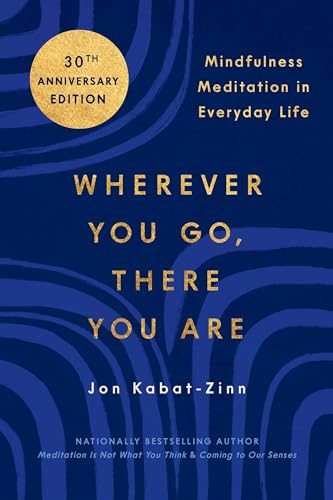
Wherever You Go, There You Are by Jon Kabat-Zinn, the scientist who founded the Mindfulness-Based Stress Reduction program, remains one of the gentlest entry points into meditation available. Rather than prescribing rigid rules, Kabat-Zinn frames mindfulness as simply paying attention, on purpose, to the present moment without judgment.
Short chapters make it easy to read in small doses between daily obligations. That structure, honestly, mirrors the practice itself: brief, repeated returns to attention rather than one dramatic breakthrough.
- Introduces mindfulness as sustained, nonjudgmental attention rather than a religious practice.
- Uses short, standalone chapters ideal for readers with limited daily reading time.
- Grounds every concept in Kabat-Zinn’s own MBSR research rather than abstract philosophy.
2. Full Catastrophe Living: Using the Wisdom of Your Body and Mind to Face Stress, Pain, and Illness — Jon Kabat-Zinn

Full Catastrophe Living is Kabat-Zinn’s more clinical, comprehensive companion to his shorter titles, built directly on the eight-week Mindfulness-Based Stress Reduction curriculum he developed at the University of Massachusetts Medical Center.
It includes body scan scripts, guidance for chronic pain and illness, and detailed instructions rather than just philosophy. Readers managing a real medical condition alongside stress tend to find this version considerably more useful than the shorter, gentler titles.
- Presents the complete MBSR curriculum Kabat-Zinn developed for hospital patients.
- Offers detailed body scan and breathing scripts rather than general encouragement alone.
- Addresses chronic pain and illness specifically, not just everyday stress reduction.
3. The Miracle of Mindfulness: An Introduction to the Practice of Meditation — Thich Nhat Hanh
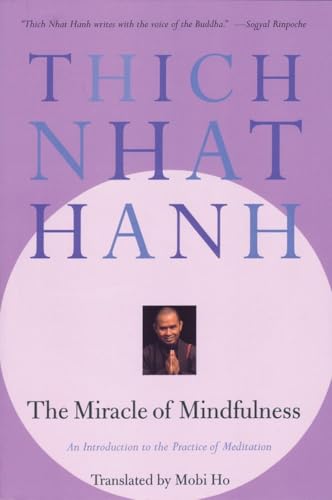
The Miracle of Mindfulness by Zen master Thich Nhat Hanh was originally written as a letter to a fellow monk working under stressful conditions during wartime Vietnam, which explains its unusually grounded, practical tone.
Hanh insists that washing dishes can become a meditation, not a chore to rush through. That single reframe, tedious task as practice rather than obstacle, has quietly influenced almost every mindfulness book published since.
- Teaches that ordinary tasks like dishwashing can become genuine mindfulness practice.
- Written originally as a wartime letter, giving it unusual practical urgency.
- Introduces breathing exercises that require no cushion, timer, or dedicated meditation space.
4. Peace Is Every Step: The Path of Mindfulness in Everyday Life — Thich Nhat Hanh

Peace Is Every Step continues Hanh’s central argument that lasting calm is not found by escaping daily life but by fully inhabiting it, one step, one breath, one small gesture at a time.
The short vignettes and parables make this an easy book to dip into during a stressful week rather than reading straight through. Some readers keep it on a nightstand for years, returning to single pages rather than the whole text.
- Frames everyday walking and breathing as accessible relaxation techniques.
- Uses brief parables that work well for readers with limited attention or time.
- Emphasizes that inner peace is built through daily habit, not occasional retreat.
The Best Books for Physical Relaxation and Stress Reduction
Readers whose stress shows up primarily in the body, tight shoulders, shallow breathing, racing heart, tend to benefit most from titles that treat relaxation as a physiological skill rather than a purely mental one.
5. The Relaxation and Stress Reduction Workbook — Martha Davis, Elizabeth Robbins Eshelman, and Matthew McKay

This workbook, written by clinical psychologists Martha Davis, Elizabeth Robbins Eshelman, and Matthew McKay, treats relaxation as a learnable, clinically testable skill rather than a vague lifestyle suggestion, covering progressive muscle relaxation, autogenics, and biofeedback in structured detail.
It reads more like a therapy manual than an inspirational book, and that is precisely its strength. Anyone who wants exercises with clear instructions, rather than philosophy, will get more mileage from this than from most titles on this list.
- Covers progressive muscle relaxation with exact, step-by-step scripts.
- Explains biofeedback and autogenic training as clinically supported relaxation methods.
- Functions as a structured workbook rather than a purely inspirational self-help read.
6. The Relaxation Response — Herbert Benson
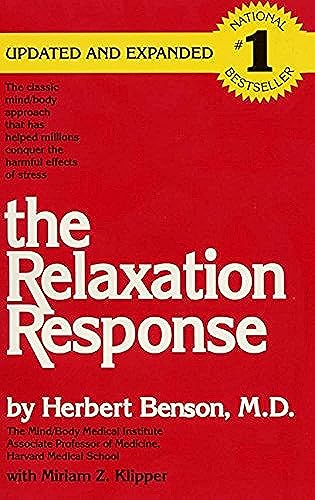
The Relaxation Response by cardiologist Herbert Benson was one of the first books to bring meditation into mainstream Western medicine, documenting measurable drops in blood pressure and heart rate among practitioners of a simple, secular meditation technique.
Benson deliberately stripped his method of religious framing to make it palatable to skeptical patients in the 1970s. That decision opened the door for meditation to enter hospitals and clinics decades before mindfulness became a cultural buzzword.
- Documents measurable physiological changes, including lower blood pressure, during meditation.
- Presents a secular, four-step technique designed for skeptical medical patients.
- Helped legitimize meditation research within mainstream Western medicine in the 1970s.
7. Breath: The New Science of a Lost Art — James Nestor

Breath by journalist James Nestor argues that most people breathe incorrectly, shallow, through the mouth, at the wrong pace, and that correcting this single habit produces outsized effects on relaxation, sleep, and even facial structure over time.
Nestor’s reporting spans ancient yogic breathing traditions and modern pulmonology labs, which makes the book feel less like self-help and more like investigative journalism. Either way, the practical breathing exercises translate directly into relaxation practice.
- Explains how nasal breathing versus mouth breathing changes physiological stress response.
- Combines ancient breathing traditions with modern pulmonology research and lab testing.
- Offers concrete breathing exercises usable immediately for stress reduction.
The Best Books for Absolute Beginners to Meditation
Starting a meditation practice from zero can feel intimidating, and these three books were specifically written to remove that barrier, using plain language and realistic expectations rather than jargon.
8. Meditation for Beginners — Jack Kornfield
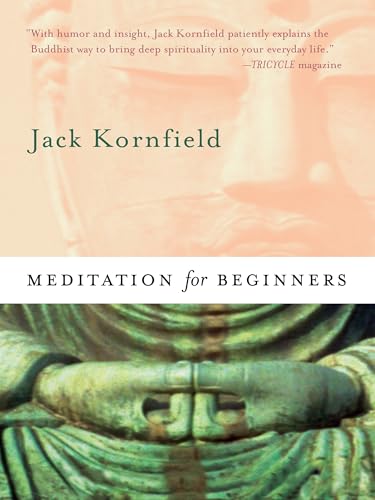
Meditation for Beginners by psychologist and meditation teacher Jack Kornfield was written specifically for people who have never sat down to meditate before, using plain instructions rather than dense philosophical framing.
Kornfield anticipates the exact frustrations beginners hit, wandering thoughts, physical restlessness, boredom, and addresses each directly rather than pretending they will not happen. That honesty makes the book feel more like coaching than doctrine.
- Written specifically for readers with zero prior meditation experience.
- Directly addresses common beginner frustrations like restlessness and wandering attention.
- Uses accessible, coaching-style language rather than dense Buddhist philosophy.
9. 10% Happier: How I Tamed the Voice in My Head, Reduced Stress Without Losing My Edge, and Found Self-Help That Actually Works — Dan Harris
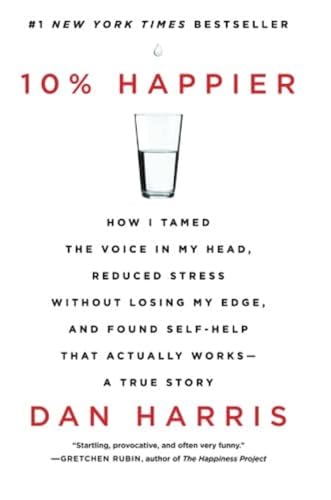
10% Happier by journalist Dan Harris chronicles his own skeptical, occasionally reluctant journey into meditation after an on-air panic attack, offering a refreshingly unromantic account for readers who distrust anything sounding vaguely spiritual.
Harris repeatedly insists meditation will not make you a monk or eliminate ambition, just make you moderately calmer under pressure. That modest promise, oddly, is part of why the book has resonated with so many skeptics.
- Offers a skeptical, journalist’s-eye account of starting a meditation practice from scratch.
- Sets realistic expectations rather than promising dramatic spiritual transformation.
- Appeals specifically to readers who distrust conventional self-help language.
10. The Headspace Guide to Meditation and Mindfulness — Andy Puddicombe
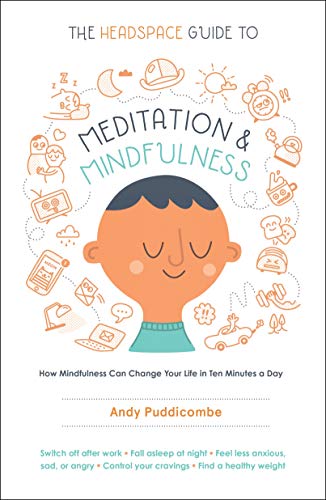
The Headspace Guide to Meditation and Mindfulness by former Buddhist monk Andy Puddicombe distills meditation into an approachable ten-minute daily practice, using clear analogies rather than technical or spiritual vocabulary.
Puddicombe’s background training monks in Tibet, Nepal, and Russia gives the book unusual credibility, yet the tone stays consistently light and conversational throughout. It reads almost like a friendly conversation rather than a manual.
- Breaks meditation into a manageable, ten-minute daily practice rather than long sessions.
- Uses simple analogies instead of technical Buddhist or clinical vocabulary.
- Draws credibility from Puddicombe’s years spent training as an ordained Buddhist monk.
The Best Books on Buddhist Insight Meditation and Compassion
For readers ready to go deeper than basic stress relief, these five titles draw directly on traditional Buddhist psychology, offering frameworks for working with difficult emotions rather than simply calming down.
11. Mindfulness in Plain English — Bhante Henepola Gunaratana
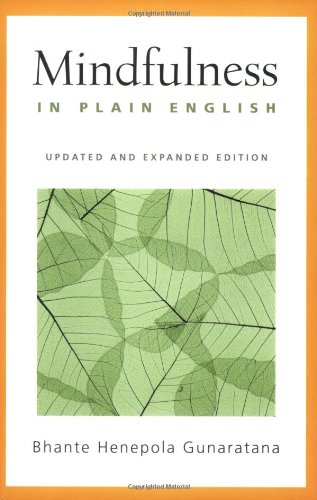
Mindfulness in Plain English by Sri Lankan monk Bhante Henepola Gunaratana translates traditional Theravada insight meditation, vipassana, into direct, jargon-free instructions without diluting the underlying practice.
Jon Kabat-Zinn himself has called it a masterpiece, and the praise holds up. Unlike lighter titles on this list, Gunaratana does not shy away from describing the genuinely difficult stretches of sustained practice.
- Translates traditional vipassana insight meditation into clear, modern English.
- Does not minimize the difficult, uncomfortable stretches of sustained daily practice.
- Respected widely by teachers across secular and traditional Buddhist meditation communities.
12. The Art of Living: Vipassana Meditation — William Hart, based on the teachings of S. N. Goenka
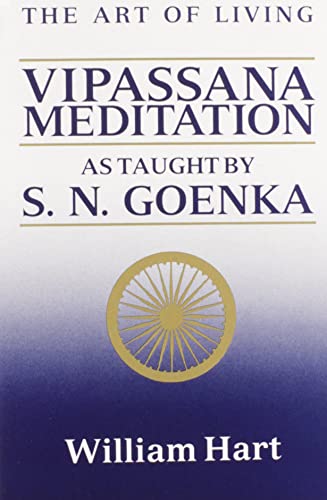
The Art of Living by William Hart documents the Vipassana technique taught by the late S. N. Goenka, whose ten-day silent retreats trained hundreds of thousands of students worldwide, many with no prior meditation background at all.
The book explains why Goenka insisted on observing bodily sensation directly, rather than simply following the breath, as the core mechanism for reducing reactive suffering over time.
- Documents S. N. Goenka’s structured Vipassana technique used in ten-day retreats.
- Explains why observing bodily sensation directly reduces habitual, reactive suffering.
- Offers a rigorous alternative to lighter, app-based mindfulness approaches.
13. Real Happiness: The Power of Meditation — Sharon Salzberg
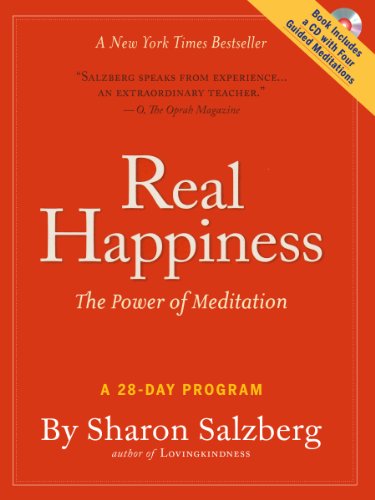
Real Happiness by meditation teacher Sharon Salzberg structures its guidance as a 28-day program, giving readers a concrete daily framework rather than an open-ended invitation to ‘just meditate sometime.’
Salzberg’s background co-founding the Insight Meditation Society lends real depth to the loving-kindness practices she includes, which distinguish this book from titles that focus purely on attention and breath.
- Structures practice as a concrete 28-day program rather than open-ended advice.
- Introduces loving-kindness meditation alongside standard breath-focused attention training.
- Draws on decades of teaching experience at the Insight Meditation Society.
14. Radical Acceptance: Embracing Your Life With the Heart of a Buddha — Tara Brach
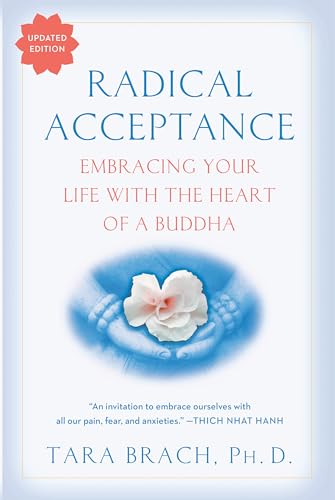
Radical Acceptance by psychologist Tara Brach blends clinical therapy experience with Buddhist practice, focusing specifically on how self-judgment and shame block genuine relaxation more than external stressors ever do.
Brach’s RAIN technique, recognize, allow, investigate, nurture, gives readers a repeatable structure for meeting difficult emotions without immediately trying to fix or suppress them.
- Introduces the RAIN technique for meeting difficult emotions without suppression.
- Draws on Brach’s forty years of clinical therapy work with real patients.
- Argues that self-judgment often blocks relaxation more than external stress itself.
15. The Untethered Soul: The Journey Beyond Yourself — Michael A. Singer

The Untethered Soul by Michael A. Singer asks a deceptively simple question: who exactly is doing the thinking inside your head, and can you learn to observe that inner voice rather than being endlessly controlled by it?
Singer’s writing style is unusually conversational for a book covering consciousness and letting go, which is part of why it has sold millions of copies well outside typical meditation circles.
- Frames inner peace as learning to observe thought rather than obey it.
- Uses conversational, non-technical language accessible to readers outside meditation circles.
- Addresses letting go of chronic tension stored in the body and mind.
The Best Books on the Neuroscience of Meditation
These five titles ground contemplative practice in hard research, appealing specifically to skeptical readers who want evidence before committing time to a daily meditation practice.
16. Buddha’s Brain: The Practical Neuroscience of Happiness, Love, and Wisdom — Rick Hanson
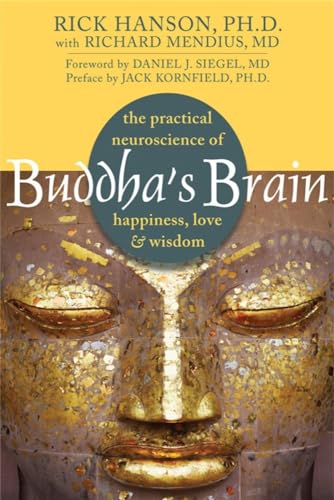
Buddha’s Brain by neuropsychologist Rick Hanson translates Buddhist contemplative practice directly into neuroscience, explaining how attention and repeated mental habits physically reshape neural pathways over time.
Hanson coined the phrase ‘the brain is like Velcro for negative experiences and Teflon for positive ones,’ a memorable shorthand for the brain’s evolved negativity bias that meditation can gradually counteract.
- Explains the brain’s built-in negativity bias using accessible, memorable language.
- Translates neuroplasticity research directly into practical meditation instruction.
- Bridges contemplative Buddhist practice with rigorous, citation-backed neuroscience.
17. Just One Thing: Developing a Buddha Brain One Simple Practice at a Time — Rick Hanson

Just One Thing, Hanson’s follow-up to Buddha’s Brain, breaks neuroscience-backed practice into more than fifty short, five-to-ten-minute exercises designed for readers who found the earlier book’s density intimidating.
It works well as a companion volume rather than a replacement, since Hanson references the same underlying research while making individual practices considerably more bite-sized and immediately usable.
- Breaks practice into over fifty short, five-to-ten-minute daily exercises.
- Designed as an accessible companion to Hanson’s denser earlier neuroscience work.
- Suits readers who want brief, immediately usable relaxation techniques.
18. Altered Traits: Science Reveals How Meditation Changes Your Mind, Brain, and Body — Daniel Goleman and Richard J. Davidson
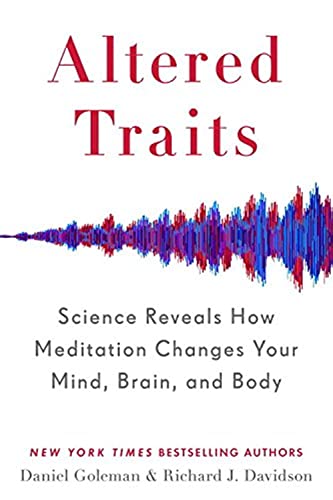
Altered Traits by Daniel Goleman and neuroscientist Richard J. Davidson separates rigorous meditation research from exaggerated marketing claims, distinguishing temporary altered states from genuinely lasting altered traits that persist outside formal practice.
The authors reviewed thousands of studies and found that many popular claims about meditation outpace what current evidence actually supports, a refreshingly honest correction within a genre prone to overstatement.
- Distinguishes temporary meditative states from genuinely lasting altered traits.
- Reviews thousands of studies to separate solid evidence from marketing hype.
- Co-authored by a leading contemplative neuroscientist, Richard J. Davidson, for added rigor.
19. Waking Up: A Guide to Spirituality Without Religion — Sam Harris
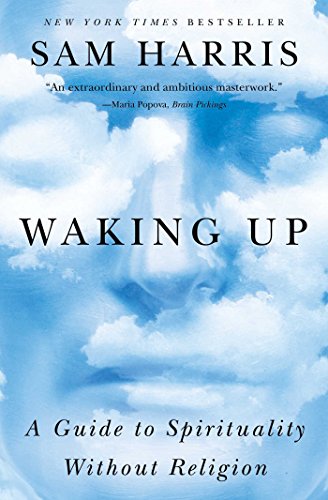
Waking Up by neuroscientist Sam Harris approaches meditation from an explicitly secular, philosophically rigorous angle, arguing that contemplative insight can be pursued without adopting any religious belief system at all.
Harris spends considerable time dismantling the assumption that a stable, unchanging ‘self’ exists to begin with, a claim that unsettles some readers and clarifies things enormously for others.
- Approaches meditation through a strictly secular, neuroscience-based lens.
- Challenges the intuitive assumption that a fixed, unchanging self exists.
- Appeals to readers skeptical of religious framing but curious about contemplative practice.
20. Why Buddhism Is True: The Science and Philosophy of Meditation and Enlightenment — Robert Wright

Why Buddhism Is True by journalist Robert Wright uses evolutionary psychology to explain why human minds evolved to suffer, and why Buddhist meditation practices happen to counteract that evolved suffering with unusual precision.
Wright is careful to separate the metaphysical claims of Buddhism, rebirth, karma, from its psychological claims about attention and craving, arguing the latter hold up remarkably well under modern scientific scrutiny.
- Applies evolutionary psychology to explain the biological roots of suffering.
- Separates Buddhism’s metaphysical claims from its testable psychological claims.
- Argues meditation directly counteracts evolved patterns of craving and reactivity.
Which Relaxation Techniques Do These Books Teach Most Often?
A handful of core relaxation techniques repeat across nearly every book on this list, and recognizing them helps you choose which title matches the specific skill you actually want to build.
Progressive muscle relaxation, systematically tensing and releasing muscle groups, appears prominently in Martha Davis and colleagues’ workbook and traces back to physician Edmund Jacobson’s original 1930s research. Breath-focused attention shows up almost everywhere, from Thich Nhat Hanh’s mindful breathing to James Nestor’s more physiological approach in Breath, though the framing differs considerably between spiritual practice and pulmonology. Body scanning, moving attention slowly through physical sensation from head to toe, anchors Kabat-Zinn’s MBSR curriculum and reappears in slightly different form within Vipassana practice as taught by S. N. Goenka.
Loving-kindness meditation, deliberately generating warmth toward yourself and others, is less universal but shows up meaningfully in Sharon Salzberg’s work and Tara Brach’s RAIN technique. It is worth noting that these techniques are not interchangeable. Someone dealing primarily with physical tension will likely get more from progressive muscle relaxation than from loving-kindness practice, at least initially.
- Progressive muscle relaxation targets physical tension through systematic tensing and release.
- Breath-focused attention appears across nearly every tradition, from spiritual to purely physiological.
- Body scanning anchors both clinical MBSR programs and traditional Vipassana practice.
How Can You Build a Sustainable Meditation Habit Using These Books?
Reading about meditation and actually practicing it are two entirely different activities, and the gap between them is where most people quietly give up within the first month.
Dan Harris addresses this candidly in 10% Happier, admitting that motivation fades quickly and that consistency depends far more on removing friction than on willpower. Andy Puddicombe’s ten-minute structure in the Headspace Guide exists specifically to lower that barrier, since a shorter, non-negotiable commitment survives busy weeks better than an ambitious hour-long session that gets skipped entirely. Jack Kornfield’s beginner-focused guidance similarly emphasizes starting absurdly small, sometimes just three minutes, rather than aiming for an idealized version of practice you will likely abandon within days.
A realistic approach borrows from all three. Pick a fixed, short time slot. Expect to miss days. Return without treating the lapse as failure, since Rick Hanson’s neuroscience research suggests that repeated, brief returns to practice matter more for actual brain change than occasional marathon sessions ever will.
- Choose a specific, short daily time slot rather than an idealized long session you will likely skip.
- Expect to miss days occasionally, and resume without treating lapses as failure.
- Prioritize consistency over duration, since brief, repeated practice drives lasting neuroplastic change.
Common Misconceptions About Meditation These Books Correct
Popular culture has attached a fair amount of confusion to meditation, and several books on this list directly push back against the most persistent myths.
The most common misconception claims meditation requires “stopping” or “emptying” the mind entirely. Nearly every serious teacher, including Jack Kornfield and Bhante Gunaratana, explicitly rejects that framing. Thoughts will keep arising; the practice is noticing them and returning attention, not achieving total mental silence. A second myth assumes meditation is inherently religious and therefore incompatible with secular or scientific worldviews. Sam Harris and Herbert Benson both built entire books around stripping contemplative practice of religious framing while preserving its practical benefits.
A third misconception treats meditation as an unambiguous cure for anxiety or depression that works quickly for everyone. Daniel Goleman and Richard Davidson’s research in Altered Traits pushes back on this directly, showing that benefits accumulate gradually and that some marketing claims outpace what current evidence actually supports. That correction matters. Overpromising sets people up to quit right when consistency would have started paying off.
- Meditation does not require “emptying” the mind; noticing and returning attention is the actual practice.
- Secular approaches from Herbert Benson and Sam Harris strip away religious framing without losing benefit.
- Benefits accumulate gradually rather than instantly, according to rigorous neuroscience research.

When Should Meditation Be Paired With Professional Mental Health Support?
Meditation helps enormously with everyday stress, but it is not designed to replace treatment for clinical anxiety, depression, or trauma, and knowing that distinction protects readers from unnecessary disappointment.
Books like Tara Brach’s Radical Acceptance draw explicitly on clinical psychology precisely because meditation alone sometimes is not enough. If sitting quietly with your thoughts consistently triggers intense distress, flashbacks, or panic rather than gradual calm, that pattern is worth discussing with a licensed therapist before continuing unsupervised practice. Trauma-sensitive mindfulness exists as a specific clinical approach for exactly this reason, since standard meditation instructions can occasionally intensify symptoms for trauma survivors rather than soothe them.
There is no failure in needing both a good book and a good clinician. Seeking professional support alongside a personal practice is a sign of self-awareness, not weakness, and several authors on this list, including psychologist Tara Brach, built their entire careers on that exact integration between clinical training and contemplative practice.
- Meditation supplements but does not replace treatment for clinical anxiety or depression.
- Intense distress during practice, rather than gradual calm, is a signal to consult a therapist.
- Trauma-sensitive approaches exist because standard instructions can sometimes intensify trauma symptoms.
FAQs about the Best Books on Meditation and Relaxation
What is the best meditation book for a complete beginner?
Jack Kornfield’s Meditation for Beginners and Jon Kabat-Zinn’s Wherever You Go, There You Are both work well as first books, since neither assumes prior experience or specialized vocabulary. Kornfield anticipates common beginner frustrations, restlessness, boredom, wandering attention, and addresses them directly rather than pretending they will not happen. Kabat-Zinn’s short chapters make it easy to build a habit gradually rather than committing to long, intimidating sessions right away. Readers who prefer a structured daily program instead of a looser collection of essays might start with Andy Puddicombe’s Headspace Guide, which breaks practice into a manageable ten minutes a day.
Do relaxation books actually reduce stress, or is this just marketing?
Genuine relaxation techniques like progressive muscle relaxation and controlled breathing have decades of clinical research behind them, dating back to Herbert Benson’s work on the relaxation response in the 1970s. Books like The Relaxation and Stress Reduction Workbook translate that research into structured exercises rather than vague encouragement. That said, reading alone will not produce results without actually practicing the techniques described. The research supports the methods themselves; whether a specific reader experiences benefit still depends heavily on consistent, repeated practice rather than passive reading.
What is the difference between mindfulness and relaxation?
Mindfulness refers to paying sustained, nonjudgmental attention to present experience, whether that experience is calm or uncomfortable. Relaxation specifically refers to reducing physiological arousal, lowering heart rate, muscle tension, and stress hormones. The two overlap frequently but are not identical. Mindfulness practice can sometimes feel uncomfortable in the short term, since it involves noticing difficult thoughts and sensations rather than avoiding them, while relaxation techniques aim directly at inducing a calmer physical state. Many books, including Full Catastrophe Living, deliberately combine both approaches for maximum benefit.
Can these books help with insomnia or sleep problems?
Several titles address sleep indirectly through general stress reduction, though none on this list focuses exclusively on insomnia. Progressive muscle relaxation from The Relaxation and Stress Reduction Workbook and body scanning techniques from Jon Kabat-Zinn’s books are commonly adapted for bedtime use, since both reduce physical tension that interferes with falling asleep. James Nestor’s Breath also covers how nasal breathing during sleep affects rest quality. If insomnia persists despite consistent practice, consulting a sleep specialist or physician is a reasonable next step, since underlying medical conditions sometimes drive chronic sleep difficulty.
Are secular meditation books as effective as traditional Buddhist teachings?
Both approaches can be effective, and the choice often comes down to personal comfort with spiritual or religious framing rather than a meaningful difference in outcomes. Secular books like Sam Harris’s Waking Up and Herbert Benson’s Relaxation Response strip away religious context while preserving the core attention-training mechanics. Traditional teachings from Thich Nhat Hanh or Bhante Gunaratana retain the original philosophical framework, which some readers find adds depth and meaning that a purely clinical presentation lacks. Neither path is objectively superior; matching the approach to your own worldview tends to improve consistency more than the specific content does.
How long does it take to see real benefits from meditation?
Some effects, like modest reductions in stress reactivity, can appear within a few weeks of consistent daily practice, according to research cited in Daniel Goleman and Richard Davidson’s Altered Traits. More lasting changes in brain structure and emotional baseline generally take months of sustained practice rather than weeks. The research is clear that benefits accumulate gradually rather than instantly, which is exactly why several authors on this list emphasize consistency over intensity. Expecting dramatic transformation after a single week of practice usually leads to disappointment and premature quitting.
Bibliography
- Benson, H. (2000). The Relaxation Response. William Morrow Paperbacks.
- Brach, T. (2004). Radical Acceptance: Embracing Your Life With the Heart of a Buddha. Bantam.
- Davis, M., Eshelman, E. R., and McKay, M. (2008). The Relaxation and Stress Reduction Workbook (6th ed.). New Harbinger Publications.
- Goleman, D., and Davidson, R. J. (2017). Altered Traits: Science Reveals How Meditation Changes Your Mind, Brain, and Body. Avery.
- Gunaratana, B. H. (1996). Mindfulness in Plain English (Revised and Expanded Edition). Wisdom Publications.
- Hanh, T. N. (1999). The Miracle of Mindfulness: An Introduction to the Practice of Meditation. Beacon Press.
- Hanh, T. N. (1992). Peace Is Every Step: The Path of Mindfulness in Everyday Life. Bantam.
- Hanson, R. (2009). Buddha’s Brain: The Practical Neuroscience of Happiness, Love, and Wisdom. New Harbinger Publications.
- Hanson, R. (2011). Just One Thing: Developing a Buddha Brain One Simple Practice at a Time. New Harbinger Publications.
- Harris, D. (2014). 10% Happier: How I Tamed the Voice in My Head, Reduced Stress Without Losing My Edge, and Found Self-Help That Actually Works. Dey Street Books.
- Harris, S. (2015). Waking Up: A Guide to Spirituality Without Religion. Simon and Schuster.
- Hart, W. (2009). The Art of Living: Vipassana Meditation. HarperOne.
- Kabat-Zinn, J. (2013). Full Catastrophe Living: Using the Wisdom of Your Body and Mind to Face Stress, Pain, and Illness (Revised Edition). Bantam.
- Kabat-Zinn, J. (2023). Wherever You Go, There You Are: Mindfulness Meditation in Everyday Life. Hachette Go.
- Kornfield, J. (2008). Meditation for Beginners. Sounds True.
- Nestor, J. (2020). Breath: The New Science of a Lost Art. Riverhead Books.
- Puddicombe, A. (2016). The Headspace Guide to Meditation and Mindfulness. St. Martin’s Griffin.
- Salzberg, S. (2010). Real Happiness: The Power of Meditation. Workman Publishing Company.
- Singer, M. A. (2007). The Untethered Soul: The Journey Beyond Yourself. New Harbinger Publications.
- Wright, R. (2018). Why Buddhism Is True: The Science and Philosophy of Meditation and Enlightenment. Simon and Schuster.
Use this citation format to reference the article clearly and help readers find the original source.
PsychologyFor. (2026). The 20 Best Books on Meditation and Relaxation. PsychologyFor. https://psychologyfor.com/the-20-best-books-on-meditation-and-relaxation/