


See more of our articles in your search results.
Practically all of us like them. There are some that are a delicacy, highly demanded in haute cuisine gastronomy. Mushrooms, those mushrooms with a trunk and cap, are one of those foods present in the cuisine of many countries.
But beware! Not all of them can be eaten. Not all the mushrooms that we find in the countryside are as edible as a champignon or a chanterelle. There are some that are potentially fatal, while others can cause hallucinations and psychotropic effects.
There are several types of mushrooms that we can find based on their consequences on physical and mental health and here we are going to review them both to learn more about them and to be careful because there are many mushrooms that look like they can be eaten and are especially dangerous.
Characteristics of mushrooms
Fungi make up their own kingdom in life. These are both unicellular organisms, as is the case with yeast, and multicellular, as is the case with the mushrooms that we find in a risotto. The main reason why they form their own kingdom is that Their metabolism is halfway between that of plants and animals although with characteristics that make them unique.
It is in fact thanks to their particulars that in 1969 they became “independent” from the plant kingdom, being from then on considered a separate kingdom.
How many of these have you been "meaning to read" for months?
- 1
 HarperCollinsPete the CatI Love My White Shoes: A Groovy Story About Pete the Cat and His Colorful Shoes on a School Day A...Listen Free On Audible
 - 2
 HarvestTo Die ForA Cookbook of Gravestone RecipesListen Free On Audible
 - 3
 CrosswayDust to DustAging Wisely in an Anti-Aging WorldListen Free On Audible
What led them to be considered a form of life separate from plants was that it was discovered that they could not carry out photosynthesis, but instead fed heterotrophically that is, they cannot produce their own organic matter but have to obtain it already prepared, just as happens in the case of animals (eating grass or hunting other animals), only in theirs what happens is that they absorb organic material.
Its way of reproducing consists of releasing spores, and in his kingdom there are a lot of species, a truly very diverse kingdom. Some 43,000 different species of fungi have been discovered, although it is estimated that there could be more than 600,000, which means that hardly anything is known about the fungal kingdom.
Of all the groups that make them up, the basidiomycetes are the one that draws our attention the most, those that in our popular language we call “mushrooms”, are multicellular and have great interest for human beings. Next we will see how they are classified.
The main types of mushrooms
Basidiomycetes are considered to be the most evolved division within the fungal kingdom. Currently, more than 25,000 different species have been identified, many of them with gastronomic interest for humans, while others with toxic properties, both lethal and neuroleptic. Delicious like the white truffle, dangerous like Satan’s boletus and psychoactive like the St. John’s mushroom, below we are going to classify mushrooms according to three categories and we will mention the best known of each of them.
Groceries
The main use of mushrooms is gastronomic Many basidiomycetes are edible, with fruiting bodies that hide flavors and textures that only they offer. It is for this reason that we should not be surprised that some of the most expensive foods are edible mushrooms. Among the best-known edible mushrooms we find the following.
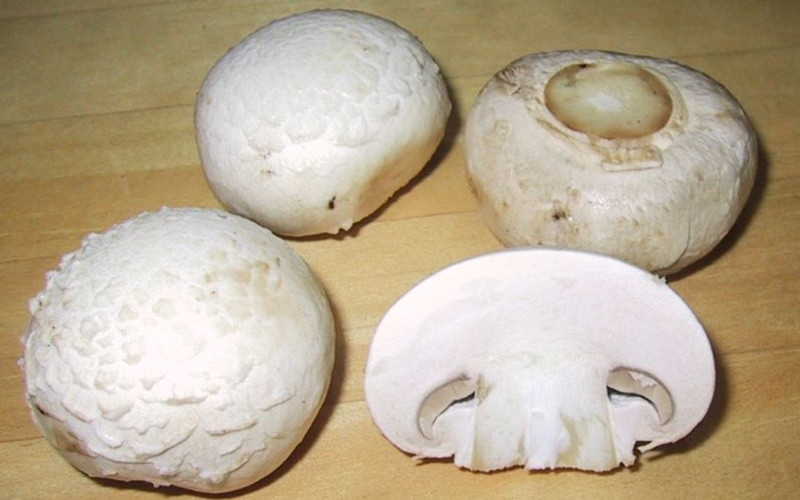
1. Mushroom
The mushroom is, surely, the first edible mushroom that comes to mind, being one of the most consumed basidiomycetes in the world. Specifically the species Agaricus bisporus It is the most popular, the one that is most cultivated and the typical one that we find in any supermarket
There are varieties of mushroom, another well-known one being the wild mushroom (Agaricus campestris) that although edible, it is not recommended to collect them near roads, since they accumulate heavy metals and, also, can be confused with toxic species.
2. Boletus
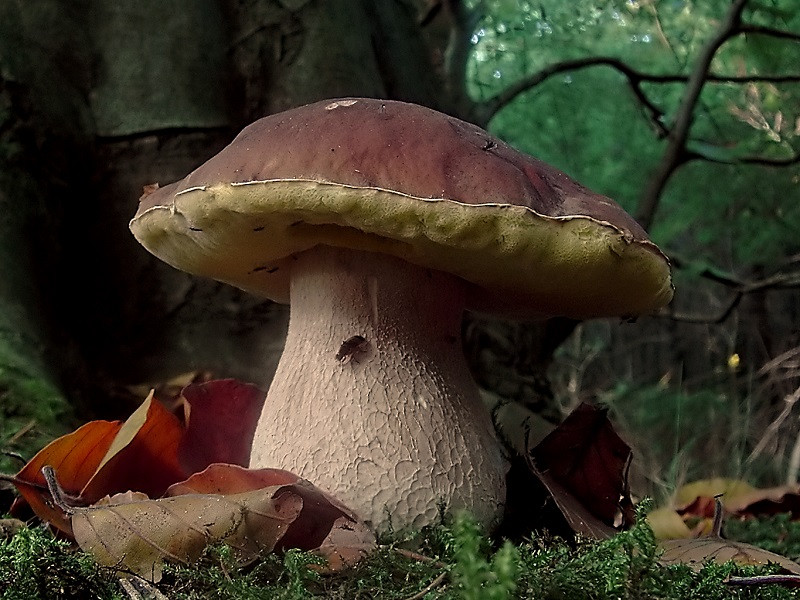
There are many different species of boletus, being the Boletus edulis the best known.
This mushroom, whose name literally means “edible”, is highly valued in kitchens for its slightly sweet flavor and its characteristic consistency.
3. Chanterelle
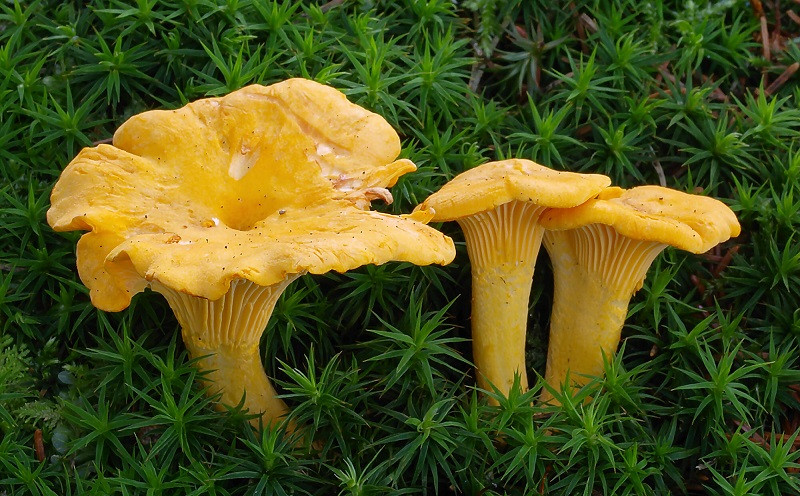
The chanterelle (Chanterelle cibarius) is a very typical mushroom in some Spanish regions, and of course it also receives various names depending on the autonomy such as rossinyol, anacate, chantarela, chanterelle, zizahori…
Usually found in summer and autumn although to collect them you must be careful because there is a similar species, called false chanterelle (Hygrophoropsis aurantiaca).
4. Chanterelle
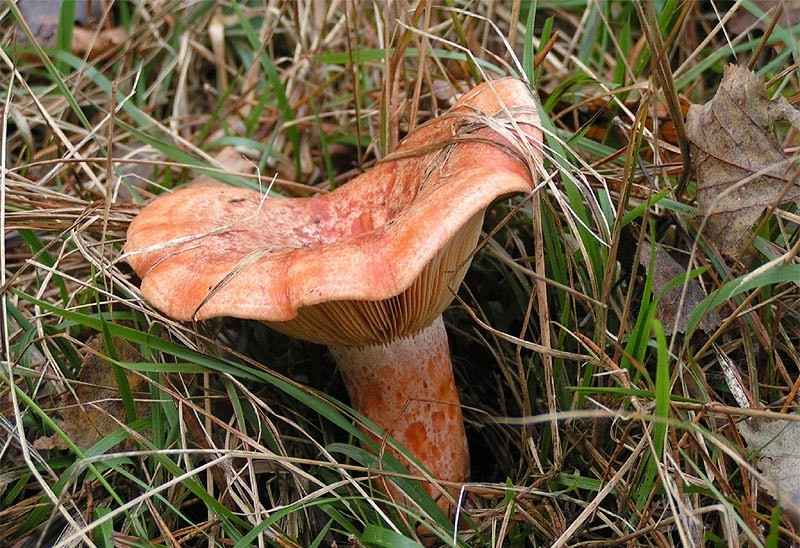
Scientific name Lactarius deliciosusthis mushroom is one of the most valued in the kitchen In Spanish it is called chanterelle, although it has different names throughout all the regions of Spain.
In Catalonia it is called “rovelló”, being very typical of that autonomous community, although it is also present in Balearic gastronomy under the name “esclata-sang”. It is also called “pinatell” since it is found in autumn and early winter in pine forests.
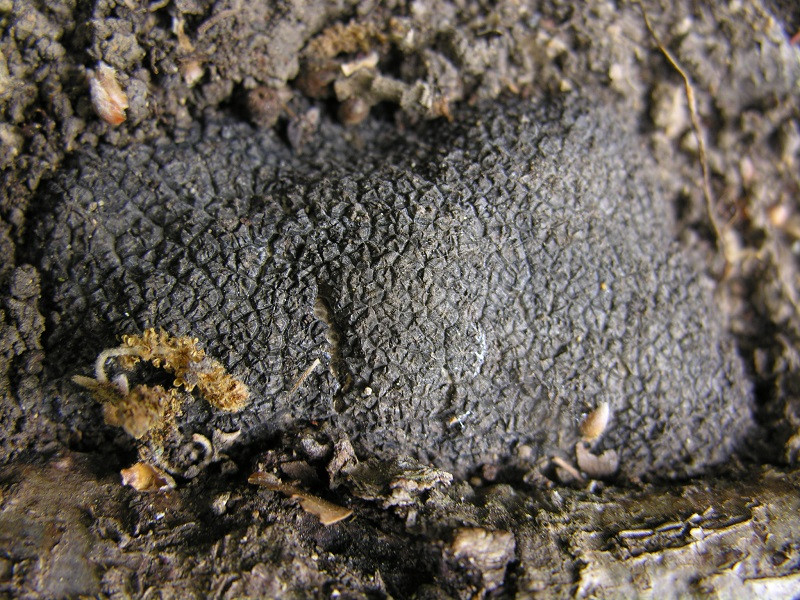
5. Black truffle
The black truffles (Tuber melanosporum) are mushrooms that grow only under very specific and special conditions, so much so that it is not possible to grow them, reason why its price in the market is exorbitant.
Their scarcity, combined with their exquisite aroma, make them a luxury. A single gram of black truffle can cost $1.80, or in other words, a kilo of this peculiar mushroom can cost $1,800.
6. White truffle
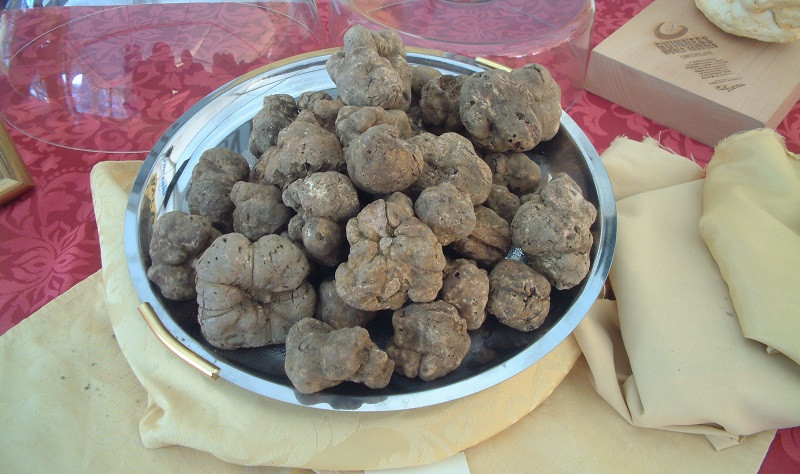
The white truffle is an even greater luxury than its black counterpart Scientific name Tuber magnatum, these mushrooms are underground and only grow in certain areas of Italy, the lands of the Eastern Adriatic and the South of France, which makes them even more exclusive. Its price is even more exorbitant, costing more than $5,000 per kilo.
7. Oronja
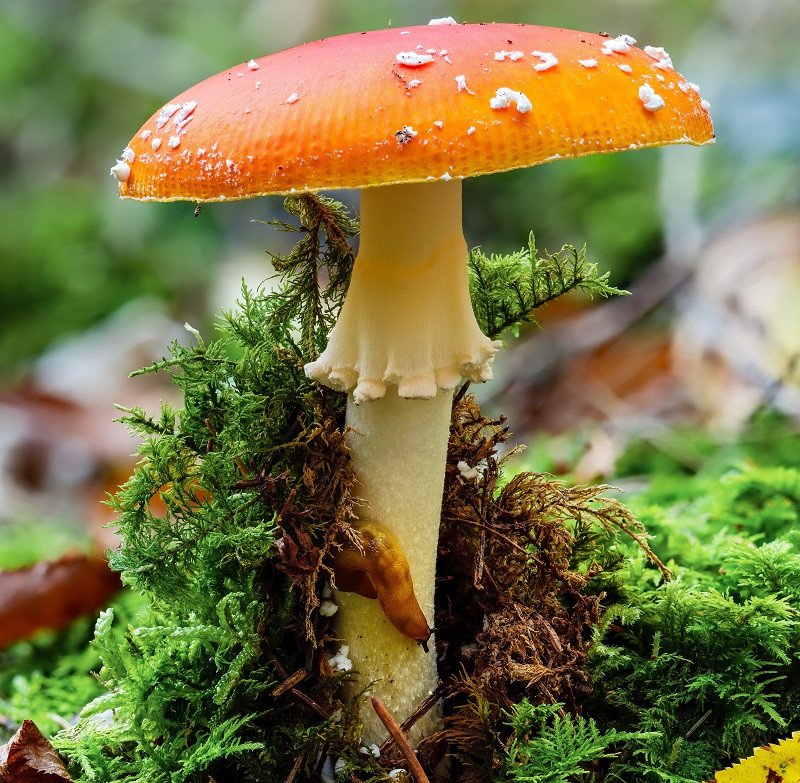
The oronja (Amanita caesarea) is considered one of the tastiest mushrooms by many. This basidiomycete can be found in summer and autumn in oak forests although its collection must be done with care, since it can be confused with a toxic mushroom of similar appearance called, of course, false oronja (Amanita muscaria).
8. Judas Ear
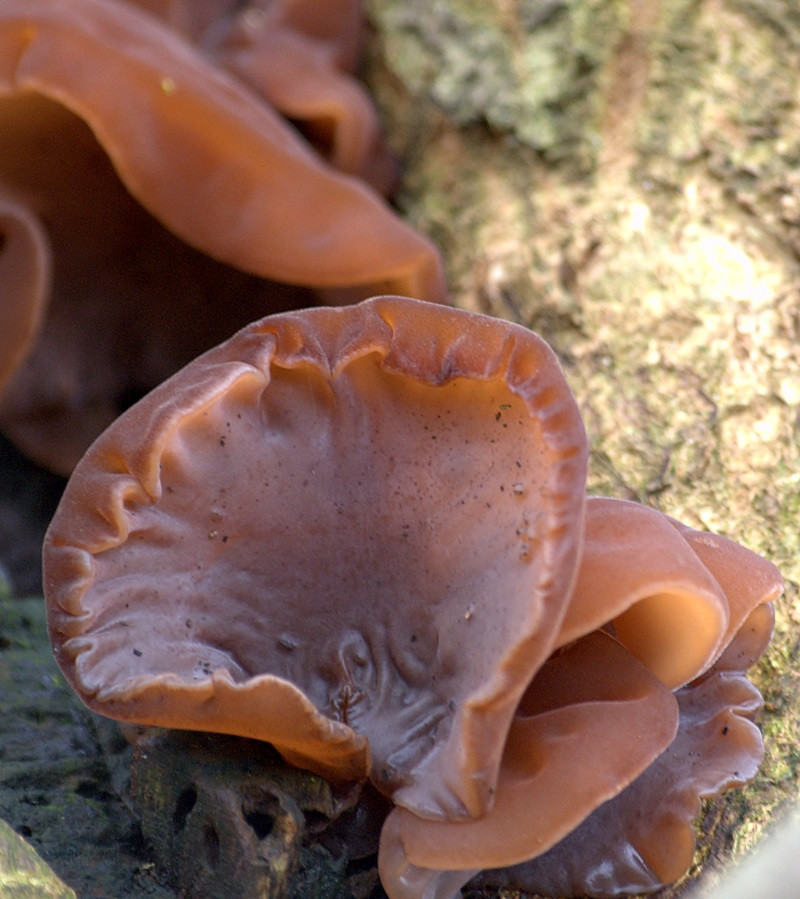
In Judas’ earAuricularia auricula-judae) It is called that because it usually grows on the bark of old willow trees, the same type of tree on which Judas is said to have hanged himself, the apostle who betrayed Jesus. It is a basidiomycete with gelatinous and elastic flesh, also highly appreciated in the gastronomic world.
9. Oyster mushroom
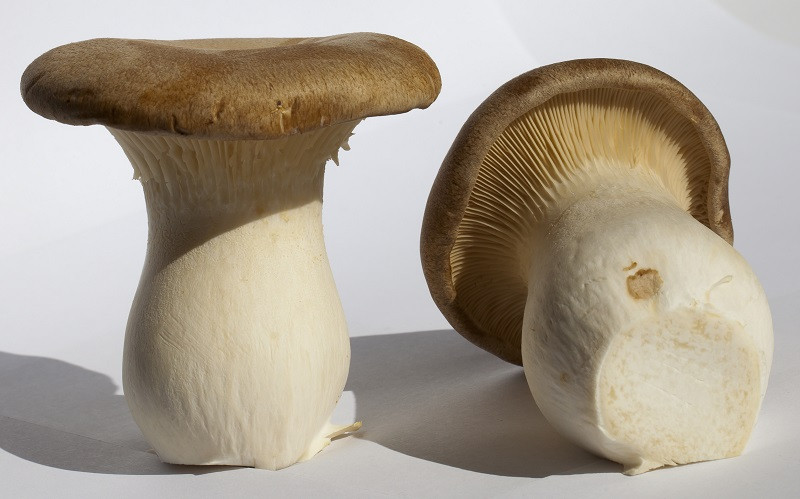
Scientific name Pleurotus eryngii, oyster mushroom appears at the end of summer Although its name is not exactly very attractive, this has not prevented it from being in high demand in gastronomy for its mild aroma, sweet flavor and spongy meat.
10. Trumpet of death
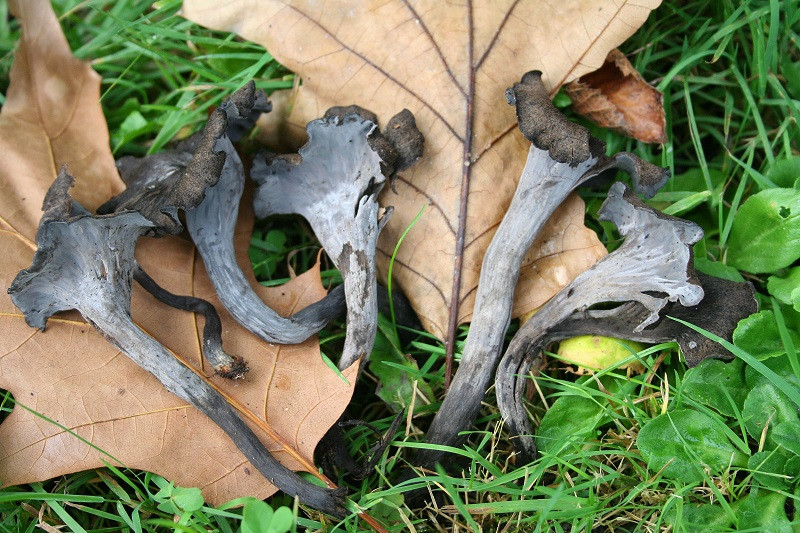
That a mushroom has the name trumpet of death (Craterellus cornucopioides) may scare us, thinking at first that it is a toxic basidiomycete, but curiously it is another of the most appreciated mushrooms in kitchens. Its aroma is similar to that of a truffle, although it takes little time to spoil and, therefore, it is common to keep them dry.
11. Parasol
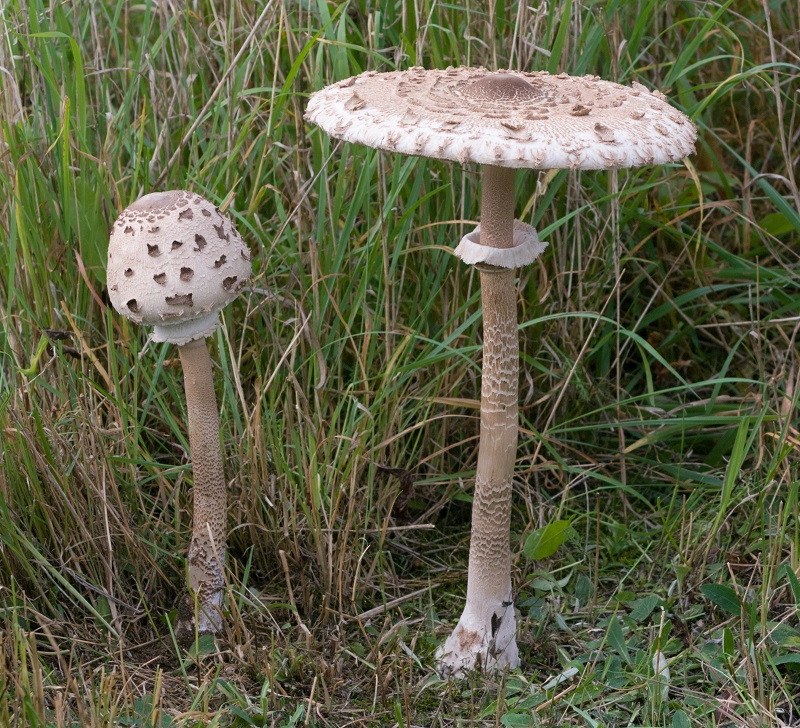
The Macrolepiota procera It is an edible mushroom that is called parasol due to its peculiar shape. It can reach 40 cm in height and its hat is about 30 cm in diameter Its flavor and smell are very pleasant.
12. St. George mushroom
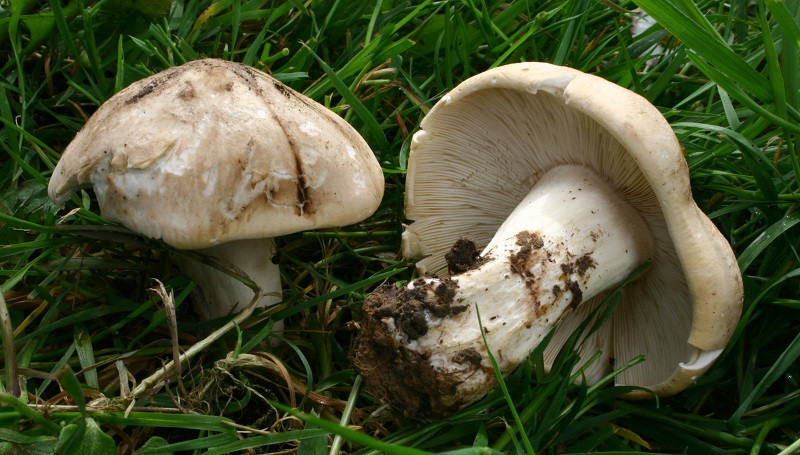
St. George’s mushroomCalocybe gambosa) It has a consistent meat and a sweet flavor, properties that make it a great ingredient for cooking. Although it is edible, it is recommended to collect it under expert supervision, as it can be confused with some toxic amanitas.
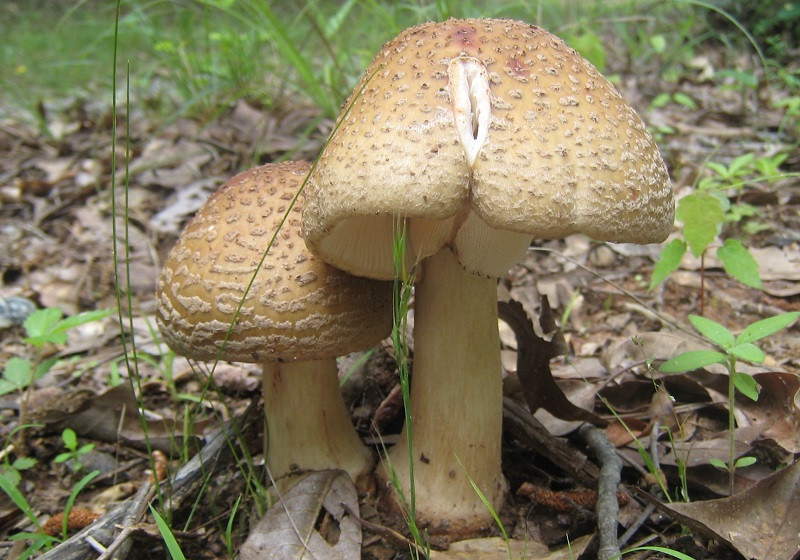
13. Reddish Amanita
The reddish amanita (Amanita rubescens) is a mushroom highly appreciated in gastronomy, although its consumption is somewhat risky. The reason for this is that it is an amanita, and therefore It is toxic, but only in raw form If properly cooked it completely loses its toxicity.
Toxic
Some species of basidiomycetes have evolved to develop the ability to produce mycotoxins and thus avoid predation These substances, when ingested by an animal, cause serious systemic damage that can be fatal. Some examples of very veiny mushrooms are those we will see below.
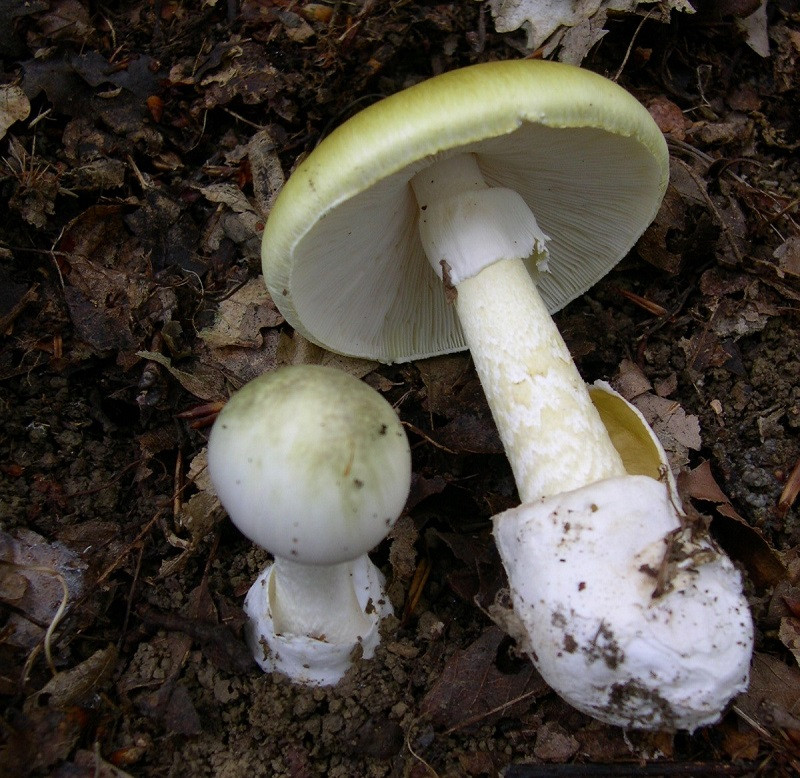
14. Amanita phalloides
The Amanita phalloidesalso known as green oronja, It is the most poisonous mushroom in the world Proof of this is the fact that more than 90% of poisoning cases from eating poisonous mushrooms are attributed to it, as it can be easily confused with certain species of mushrooms.
Its mycotoxins are so powerful that they are not eliminated by cooking and just 30 grams of this fungus can cause the death of an adult due to liver and kidney failure.
15. Amanita pantherina
The Amanita pantherina It is another very poisonous mushroom. Barely between 1 and 3 hours after ingestion, a disturbing picture begins: delusions, hallucinations, loss of muscle control, aggression… all symptoms that are the prelude to what is to come. 12 later spasms, convulsions appear and even fall into a coma
16. Galerina marginata
The Galerina marginata It has toxins known as amatoxins which interfere with the functions of our cells and end up causing death due to kidney failure.
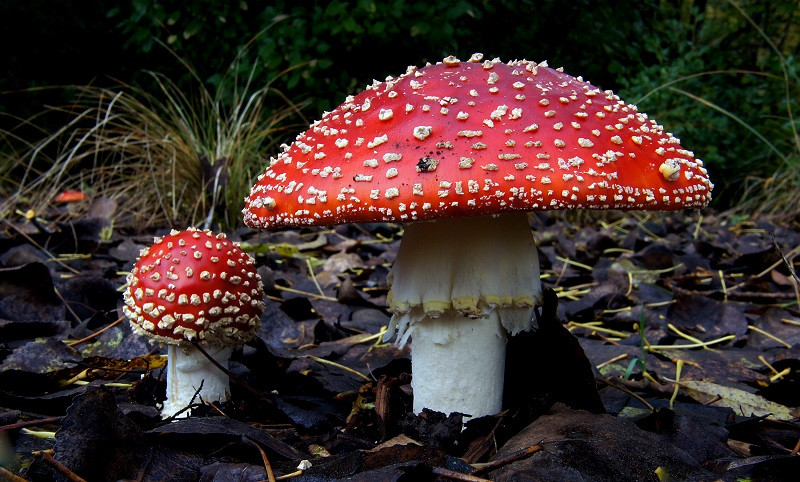
17. Amanita muscaria
The Amanita muscaria It is the most famous poisonous mushroom not for its effects, but rather for its appearance It has the colors of a prototypical mushroom, which is ironic that it is a toxic basidiomycete. Its mycotoxins have neurological and gastrointestinal effects, causing severe diarrhea and intestinal pain, in addition to inducing coma.
18. Deadly lepiota
Scientific name Lepiota brunneoincarnatathis mushroom warns us with its common name. Its ingestion is fatal, as it can cause liver failure To differentiate it from edible lepiotas, it has a cap less than 8 cm in diameter.
19. Mountain curtain
The mountain curtain (Cortinarius orellanus) is a deadly mushroom, being of those that cause the most deaths The clinical picture after ingestion consists of vomiting, nausea and diarrhea after a short time. After 15 days, intense headaches, muscle pain, weight loss and, finally, kidney failure begin, causing death.
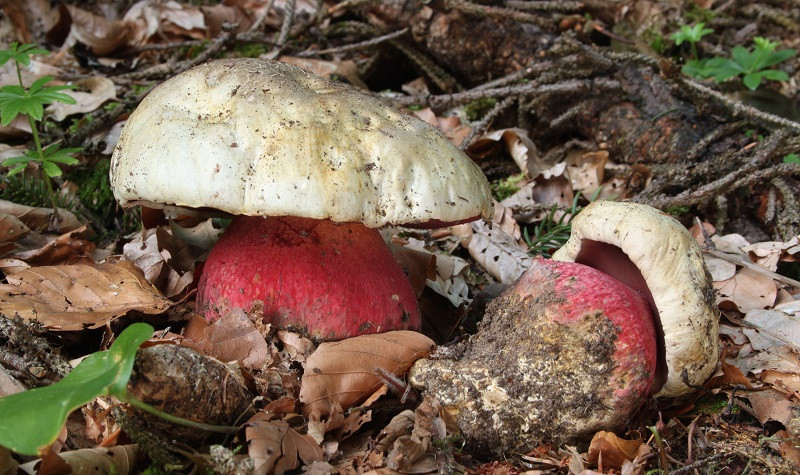
20. Satan’s Ticket
In the edible mushrooms section we have seen some with unattractive names but that could still be eaten. This is not the case with Satan’s ticket (Boletus satanas). We do not want this mushroom on our plate since, if we eat it, although it is not fatal, it would cause us severe gastrointestinal problems accompanied by vomiting
It is a fairly rare mushroom, but confusing with some species of edible mushrooms.
21. Entoloma sinuatum
The Entoloma sinuatum It is another fungus that causes many poisonings since it is easy to confuse with other species that can be eaten. The symptoms associated with its ingestion are intense diarrhea, vomiting and redness of areas of the skin
22. White Clitocybe
Although this mushroom is not fatal, eating Clitocybe dealbata causes vomiting, diarrhea, fever, intense sweating, and chills Its main problem is that it can be confused with an edible species.
23. False chanterelle
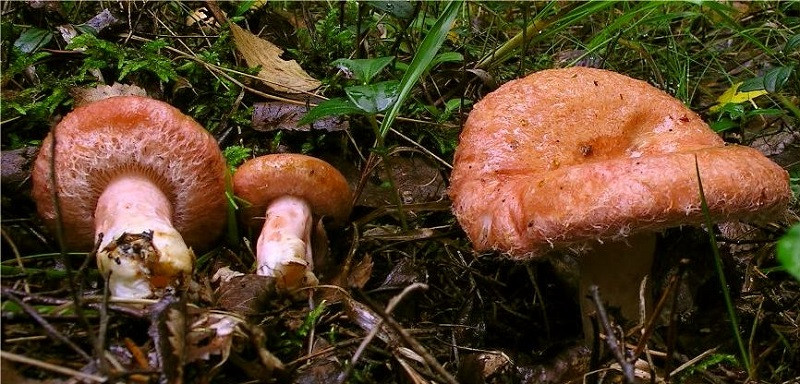
He Lactarius torminosuscolloquially called false chanterelle, has the peculiarity that, as its name suggests, It is easily confused with a real chanterelle Eating one of them is not fatal, but it causes uncomfortable gastrointestinal effects.
Psychoactive
Hallucinogenic mushrooms are a group of fungi that They have traditionally been used for recreational purposes Since time immemorial, they have been used as a ritualistic element in many religions and even for therapeutic purposes. If toxic mushrooms produce mycotoxins, psychoactive mushrooms produce psilocybin, a chemical that when ingested causes hallucinogenic effects.
Many of the following mushrooms that we are going to see are categorized as psilocybins, since They contain psilocybin which, once consumed, produces neuroleptic effects Its consumption is not recommended at all and, in fact, in many countries its own cultivation and consumption is prohibited. Its sale is illegal in practically the entire world.
24. Psilocybe mexicana
The Psilocybe mexicana It grows, as its name indicates, in Mexico, although it can also be found in Costa Rica and Guatemala. It has been described as hallucinogenic for just over 60 years, but has been used in rituals by Native Americans for 2,000 years. In Aztec culture it was called “flesh of the gods.”
25. Psilocybe semilanceata
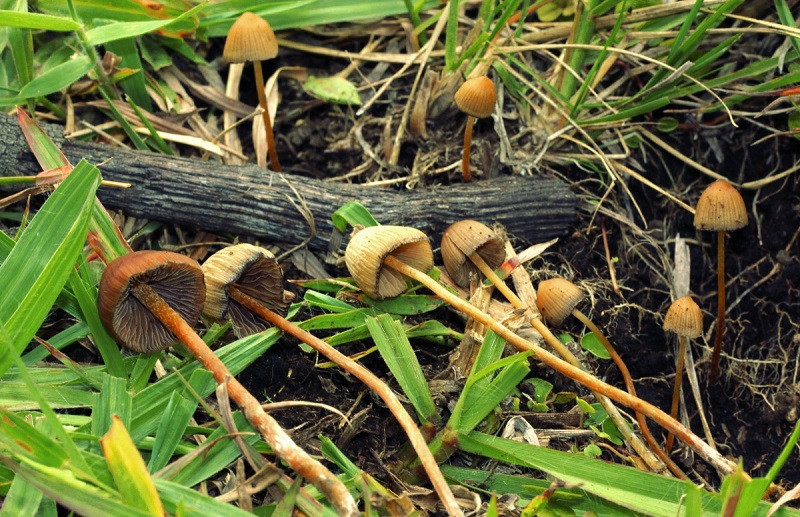
The Psilocybe semilanceata It is popularly known as St. John’s mushroom. It causes very intense hallucinations that can last up to 6 hours and induce paranoia This can cause the person who has ingested it to cause self-harm, which means that its consumption should never be done alone.
- You may be interested: “Hallucinogenic mushrooms: these are their effects on our mind”
26. Psilocybe azurescens
The Psilocybe azurescens It is one of the most powerful hallucinogenic mushrooms, this mushroom being the one that contains the greatest amounts of psilocybin It has so much of this substance that 2% of its composition is psilocybin, while in the rest of the mushrooms of the Psilocybe genus the quantities are usually around 0.003%.
27. Psilocybe cubensis
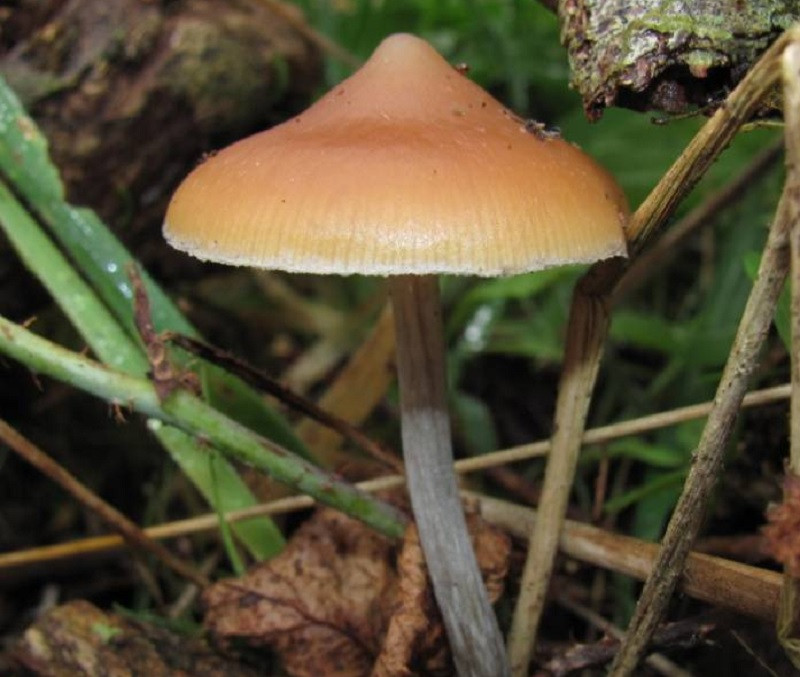
The Psilocybe cubensis It is a fungus found in Central and South America, India and some regions of Oceania. It is one of the most famous magic mushrooms, and Even if only one gram is consumed, it already causes powerful effects
Eating such an amount of this mushroom will cause hallucinogenic effects that will last four to six hours and can cause perceptual disorders, injuries and gastrointestinal problems.
28. Psilocybe cyanescens
The Psilocybe cyanescens It is a mushroom discovered in the 1940s in a botanical garden in the United Kingdom. This species of psilocybia can grow in urban areas developing on wood shavings.
29. Pluteus salicinus
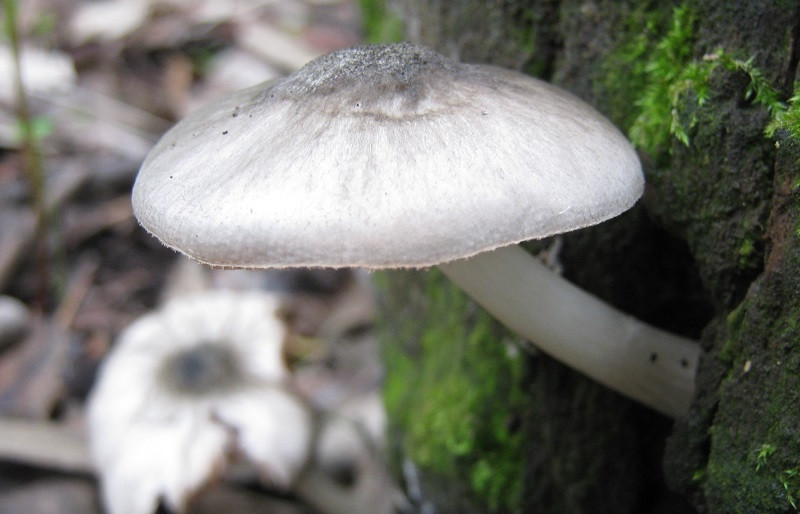
He Pluteus salicinus It is a mushroom that does not produce psilocybin, but has hallucinogenic effects It grows in the forests of Europe and the United States and has psychotropic substances that cause hallucinations.
30. Claviceps purpurea
The Claviceps purpurea It is a peculiar mushroom. It is not a hallucinogenic mushroom itself, but certain psychoactive properties are attributed to it It is a parasitic fungus of cereals and herbs from which lysergic acid diethylamide is extracted, the full name of what we call LSD.
Use this citation format to reference the article clearly and help readers find the original source.
PsychologyFor. (2024). The 30 Types of Mushrooms (classified and Described). PsychologyFor. https://psychologyfor.com/the-30-types-of-mushrooms-classified-and-described/