


See more of our articles in your search results.
Cocaine is one of the most widely recognized and most widely misunderstood drugs in the world. When most people picture it, they picture a white powder on a flat surface — the image that decades of film, television, and news coverage have burned into collective cultural memory. But that image captures only one form of a substance that actually appears in several distinct variants, each with its own chemical profile, method of consumption, speed of onset, and — crucially — its own relationship with addiction. Understanding the different types of cocaine is not an abstract pharmacological exercise.
It is directly relevant to understanding why some people become dependent more rapidly than others, why certain forms of the drug are associated with greater health risks and more destructive social consequences, and why treatment for cocaine use disorder cannot be a one-size-fits-all approach. Whether you are here because you are worried about yourself, concerned about someone you love, working in a health or social care context, or simply seeking to understand a phenomenon that affects millions of lives globally, this article offers a clear, evidence-based, and compassionate account of cocaine’s different forms and what they mean for the human beings who encounter them.
One thing deserves to be said from the outset: addiction is not a moral failure. It is a complex neurobiological condition shaped by biology, psychology, social context, and the specific pharmacological properties of the substance involved. Understanding those properties — including how different forms of cocaine affect the brain differently — is part of understanding why people get trapped and how they can find their way out.
Cocaine: A Brief Overview Before the Variations
All forms of cocaine derive ultimately from the coca plant — specifically from two species, Erythroxylum coca and Erythroxylum novogranatense, native to the Andean regions of South America. The coca leaf has been used for thousands of years by indigenous communities as a mild stimulant, chewed or prepared as tea, producing modest effects that bear almost no resemblance to the pharmacological impact of refined cocaine. The extraordinary potency of processed cocaine compared to the raw leaf is itself a window into one of the central stories in the chemistry of addiction: the more directly and rapidly a substance reaches the brain’s reward system, the more powerfully it hijacks it.
At the neurochemical level, cocaine works by blocking the reuptake of dopamine, norepinephrine, and serotonin at synaptic junctions — effectively flooding the brain with these neurotransmitters and producing an intense experience of euphoria, energy, confidence, and heightened sensory awareness. The crash that follows is proportional to the high that preceded it: dopamine stores are temporarily depleted, leaving the user in a state of dysphoria, exhaustion, and craving that drives repeated use. This is the core mechanism of cocaine addiction regardless of form — but the speed and intensity of that dopamine flood varies enormously depending on how the drug is consumed and in what chemical form, which is why the five types described below carry meaningfully different addiction profiles.
How many of these have you been "meaning to read" for months?
- 1
 THOUGHT CATALOGThe Mountain Is YouTransforming Self-Sabotage Into Self-MasteryListen Free On Audible
 - 2
 New Harbinger PublicationsThe Dialectical Behavior Therapy Skills WorkbookPractical DBT Exercises for Learning Mindfulness, Interpersonal Effectiveness, Emotion Regulation...Listen Free On Audible
 - 3
 TarcherperigeeSet Boundaries, Find PeaceA Guide to Reclaiming YourselfListen Free On Audible

How the Route of Administration Changes Everything
Before examining the five types individually, it is worth understanding one principle that runs through all of them: the route of administration is one of the most powerful determinants of addiction risk. This is not a minor technical detail. It is arguably the most important variable in the entire picture.
When cocaine reaches the brain quickly — as it does when smoked or injected — the dopamine surge is intense and almost immediate. The brain registers an extraordinarily pleasurable signal and begins immediately organizing itself around the desire to repeat it. When cocaine reaches the brain more slowly — as it does when snorted, passing through mucous membranes into the bloodstream — the surge is less sharp, the peak less extreme, and the addictive pull, while still substantial, is comparatively less immediate. This is not a reason to consider any form of cocaine safe. It is context for understanding why crack cocaine and injected cocaine produce dependence so much more rapidly and so much more powerfully than powder cocaine snorted in the same chemical quantity.
Type 1: Cocaine Powder (Cocaine Hydrochloride)
This is the form most people picture: a fine white powder, sometimes slightly off-white or with a faint sheen depending on purity, with a distinctly bitter taste and a numbing effect on whatever tissue it contacts. Cocaine hydrochloride is the salt form of cocaine — produced when cocaine base is treated with hydrochloric acid, which makes it water-soluble and stable enough to be handled, transported, and sold in powder form. It is the dominant form in which cocaine reaches street-level markets across Europe, North America, and much of the world.
In its street form, powder cocaine is almost never pure. It is routinely cut with an extraordinary range of adulterants — some relatively inert (sugars, cornstarch, talcum powder), some pharmacologically active and potentially dangerous (lidocaine, levamisole, phenacetin, and increasingly, in some markets, synthetic opioids including fentanyl). The purity of street cocaine varies enormously between sources and batches, which introduces its own particular risks: a user accustomed to a lower-purity product who encounters a more concentrated batch without adjusting their quantity faces genuine overdose risk.
Cocaine hydrochloride is most commonly snorted — insufflated through the nasal passages, where it is absorbed through the mucous membranes into the bloodstream. It can also be dissolved in water and injected intravenously, which dramatically alters its addiction and health risk profile (see Type 3). It cannot be effectively smoked in this form because the hydrochloride salt is not stable at the temperatures required for smoking — which is why crack and freebase cocaine were developed.
Addiction profile: Cocaine hydrochloride consumed nasally carries a significant but comparatively slower addiction trajectory than smoked or injected cocaine. The onset of effects takes several minutes, the peak is less extreme, and the duration (30 to 60 minutes typically) is longer than crack. That said, “comparatively slower” is not “safe” — regular snorting produces strong psychological dependence, progressive tolerance, significant cardiovascular strain, and serious damage to nasal and sinus tissue over time.
Type 2: Cocaine Smoked in a Cigarette
Less widely discussed in clinical literature but significant in certain geographic and social contexts — particularly in parts of Latin America and among specific user communities — is the practice of mixing cocaine hydrochloride or coca paste with tobacco or cannabis and smoking it in a cigarette or joint. This form of consumption is sometimes referred to as a “Chinese cigarette” or cigarillo in Spanish-speaking contexts, though the terminology varies considerably by region.
Smoking cocaine in this manner produces effects that sit somewhere between snorted powder and smoked crack: faster onset than nasal insufflation (because inhalation delivers the drug to the lungs and from there very rapidly to the brain), but typically less concentrated than dedicated crack smoking due to the mixture with tobacco or cannabis and the incomplete vaporization of cocaine hydrochloride at cigarette combustion temperatures. The combination with tobacco adds nicotine dependence to the pharmacological picture, and the combination with cannabis introduces its own distinct neurological effects alongside the cocaine.
Addiction profile: This route produces a faster and more intense dopamine signal than snorting, creating a somewhat steeper addiction trajectory. The combination with tobacco is particularly insidious because nicotine dependence develops rapidly and can maintain a behavioral and sensory association with cocaine use that complicates recovery — the act of smoking itself becomes a trigger. Users may find that quitting cocaine but continuing to smoke tobacco prolongs craving responses in ways that significantly increase relapse risk.
Type 3: Injected Cocaine Hydrochloride
The same cocaine hydrochloride powder that is most commonly snorted can be dissolved in water and injected intravenously — a route of administration that transforms its pharmacological impact dramatically. Intravenous injection delivers cocaine directly into the bloodstream, producing an almost instantaneous arrival in the brain — typically within 15 to 30 seconds — and an intensity of effect that far exceeds what snorting the same amount produces. The rush is described by users as overwhelming, almost physically violent in its immediacy, and this is precisely what makes injection one of the most addiction-generating routes of cocaine administration.
Injected cocaine is less common than smoked or snorted cocaine in most Western markets, but it is not rare — and it carries a layered burden of health risks that extend well beyond the pharmacological effects of the drug itself. Injection drug use is associated with substantially elevated risk of bloodborne infections including HIV and hepatitis C through needle sharing, with bacterial infections from non-sterile injection technique, with vascular damage at injection sites, and with the particular danger of rapid dosage escalation — because the intensity of the injected high is so extreme, tolerance develops very quickly, and users may inject at frequencies and quantities that produce dangerous cardiovascular stress.
Addiction profile: Among the cocaine administration routes, intravenous injection produces one of the most rapid and severe addiction trajectories. The immediacy and intensity of the dopamine signal means that neurological conditioning — the brain’s association of the behavior with an extraordinary reward — occurs extremely quickly. Dependence can develop after relatively few uses. Withdrawal, while not physically life-threatening in the way opioid withdrawal can be, involves intense psychological suffering: profound dysphoria, anhedonia (the inability to experience pleasure), exhaustion, and overwhelming craving.
Type 4: Basuco (Coca Paste)
Basuco — also known as bazuco, paco, or coca paste — occupies a particular and particularly disturbing place in the cocaine landscape. It is not a refined end product but an intermediate step in the cocaine manufacturing process: the raw extract of coca leaves that has been partially processed but not yet refined into cocaine hydrochloride. It contains approximately 40 to 50% cocaine sulfate alongside a toxic mixture of chemical residues from the manufacturing process — sulfuric acid, methanol, kerosene, and other industrial solvents that are never fully removed.
Basuco is smoked, typically in a pipe or mixed with tobacco in a cigarette. It is associated primarily with South American countries — Colombia, Peru, Bolivia, Argentina, Brazil — where it is produced as a byproduct of cocaine manufacturing and is extraordinarily cheap, making it accessible in the most economically marginal communities. This price-accessibility dynamic is one of the most troubling features of the drug: it concentrates in populations that have the fewest resources for treatment and recovery, creating cycles of severe addiction in contexts where support is hardest to access.
The effects of basuco are rapid and intense — it reaches the brain very quickly via the pulmonary route — but they are also profoundly toxic. The residual chemicals in the paste inflict damage on the lungs, cardiovascular system, and central nervous system that goes beyond the effects of cocaine itself. Chronic basuco use is associated with severe pulmonary damage, neurological deterioration, aggressive behavior, psychosis, and a particularly rapid physical decline that sets it apart from other cocaine forms.
Addiction profile: Basuco is considered one of the most addictive forms of cocaine available. The rapid onset via smoking, the toxic chemical burden that may intensify neurological effects, and the extreme cheapness that makes continuous access possible combine to produce a particularly severe and rapid addiction trajectory. Many users report dependence after very few uses. The social and economic contexts in which basuco is most prevalent — poverty, social marginalization, limited access to healthcare — further compound the difficulty of accessing and sustaining recovery.
Type 5: Crack Cocaine (Free Base)
Crack cocaine is produced by removing the hydrochloride from cocaine powder through a chemical process using baking soda and water (or, in freebase production, more volatile solvents). The result is a form of cocaine in its base state — not water-soluble, not stable as a powder, but capable of being vaporized at a much lower temperature than cocaine hydrochloride, making it suitable for smoking. The name “crack” comes from the crackling sound the rocks make when heated.
Crack typically appears as small, off-white or yellowish rocks. It is smoked in a pipe, and the vapors are inhaled into the lungs, from which cocaine reaches the brain within approximately 8 to 10 seconds. This extraordinary speed of onset — faster than any nasal route, comparable to intravenous injection — is the pharmacological key to crack’s devastating addiction potential. The faster a drug reaches the brain’s reward system, the more powerfully it conditions the brain to want more. Crack cocaine is, by this measure, one of the most conditioning substances known to pharmacology.
It is often called “the cocaine of the poor” — not because poverty causes crack use, but because crack is significantly cheaper than powder cocaine per dose, making it accessible in communities with the least economic resource. This dynamic mirrors the basuco situation in Latin America and reflects a disturbing global pattern: the most rapidly addictive and most harmful forms of cocaine concentrate disproportionately in the most economically vulnerable populations.
Addiction profile: Crack cocaine produces the most rapid and severe addiction of all the forms discussed here. The combination of almost instantaneous onset, extreme intensity of the dopamine surge, and very brief duration of effect (the high lasts approximately 5 to 15 minutes) creates a particularly powerful compulsion to use again immediately after each dose. This rapid binge pattern — smoking repeatedly to chase the initial high — produces neurological conditioning of extreme intensity in a very short time. Physical and psychological deterioration can be visible within weeks of regular use. Crack addiction is one of the most challenging substance use disorders to treat, not because recovery is impossible — it absolutely is possible — but because the neurological changes it produces are profound and require sustained, multidimensional support to address.
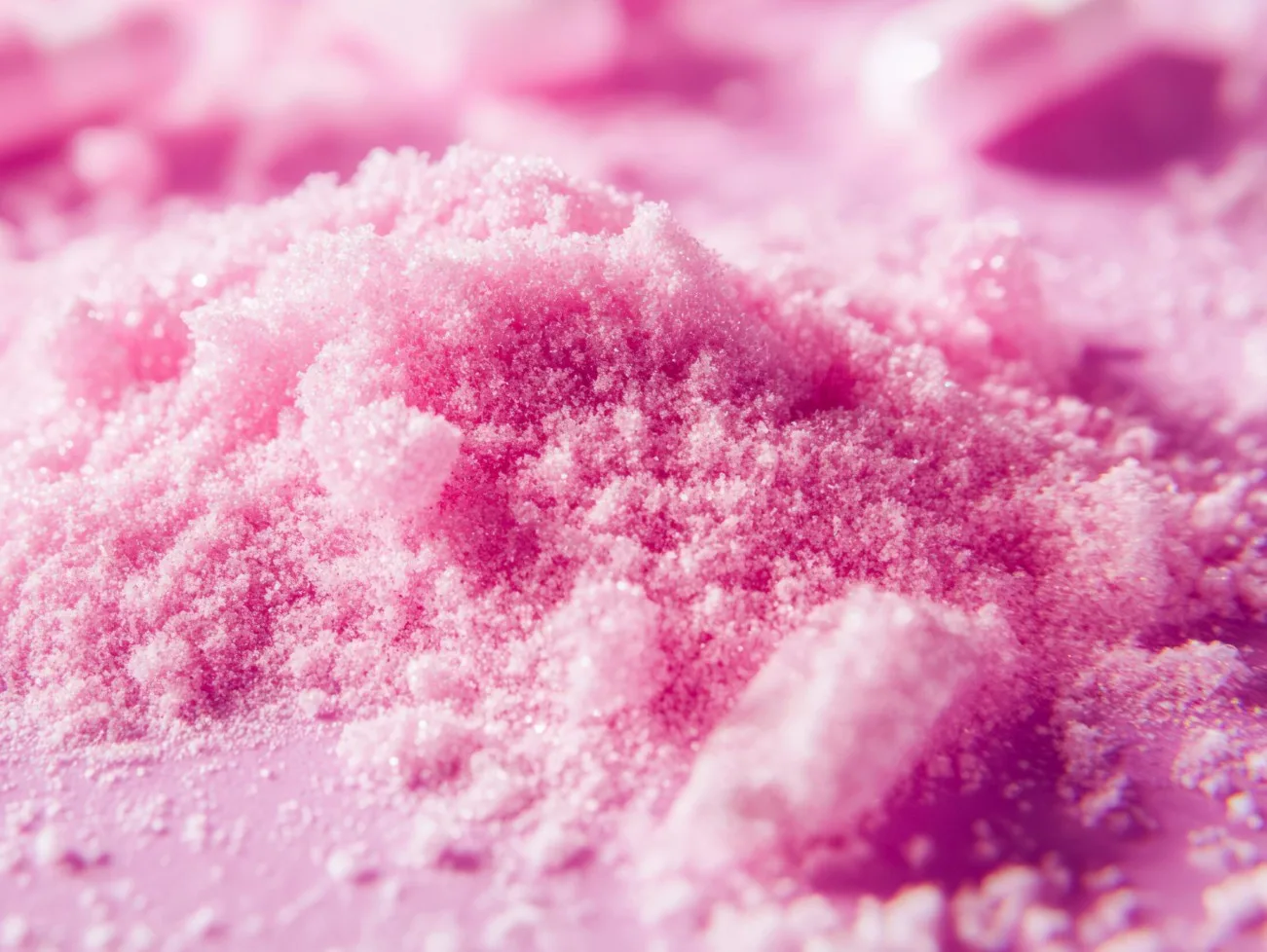
A Note on Pink Cocaine: What It Actually Is
Pink cocaine — known in Latin American party and club contexts as “tusi” or “tuci” — deserves specific mention because its name creates significant confusion that carries real harm. Pink cocaine is not cocaine. It is a synthetic compound — primarily 2C-B (a psychedelic phenethylamine) often mixed with MDMA, ketamine, methamphetamine, and other substances — that is sold under a name that invokes cocaine’s familiar cultural associations while actually delivering a completely different, and pharmacologically variable, drug experience. Its bright pink color comes from food dye rather than from any natural compound.
2C-B produces effects that combine stimulant qualities (similar to cocaine) with hallucinatory effects (similar to MDMA and psychedelics), and its actual chemical composition varies dramatically between batches and suppliers. The danger of pink cocaine lies partly in this variability — the person consuming it often has no reliable idea what they are actually taking — and partly in the growing prevalence of highly potent adulterants in the mixture. It has become increasingly popular in upper-middle-class and wealthy social scenes in Latin America and Europe, where its exotic name and striking appearance carry a certain social cachet. That cachet does not make it safer. It makes it differently dangerous.
The Neuroscience of Cocaine Addiction: Why It’s So Hard to Stop
Whatever the form, cocaine addiction ultimately lives in the brain — and understanding something of what it does there helps explain both why it is so difficult to stop and why it deserves to be understood as a health condition rather than a character failing. Cocaine’s mechanism — blocking dopamine reuptake — produces an artificial flood of the neurotransmitter most associated with pleasure, motivation, and reward learning. The brain responds to this flood with a series of adaptations: it reduces the number of dopamine receptors, becomes less sensitive to dopamine signals, and recalibrates its entire reward system around the expectation of cocaine-level dopamine surges.
The result is a brain that has literally been rewired by drug use. Natural pleasures — food, connection, achievement, rest — no longer produce sufficient dopamine to register meaningfully against the threshold that cocaine has established. The world becomes flat and grey without the drug. This is not weakness or lack of willpower. It is a measurable neurological change that takes time and support to reverse. Recovery involves the slow process of allowing the brain’s natural reward system to recalibrate — which it can do, but not quickly, and not without the right support.
| Type of Cocaine | Addiction Risk and Speed of Dependence |
|---|---|
| Cocaine hydrochloride (snorted) | Significant; slower trajectory than smoked or injected forms |
| Cocaine smoked in cigarette | Moderate-high; faster than snorting; compounded by tobacco dependence |
| Cocaine hydrochloride (injected) | Very high; near-immediate onset drives rapid neurological conditioning |
| Basuco / coca paste | Extremely high; toxic chemical burden worsens neurological impact |
| Crack cocaine | Extremely high; fastest onset, shortest duration, most powerful conditioning |
Recognizing Cocaine Use Disorder: When Use Becomes Dependence
Not everyone who uses cocaine develops a use disorder — but the risk is real and present for everyone who uses, regardless of form. The DSM-5 defines stimulant use disorder (which includes cocaine) along a spectrum from mild to severe, based on the number of diagnostic criteria met. These criteria include: using more than intended, persistent desire or unsuccessful efforts to cut down, spending significant time obtaining, using, or recovering from the substance, craving, failure to fulfill major obligations, continued use despite social or interpersonal problems caused by it, giving up important activities, use in physically hazardous situations, use despite worsening physical or psychological problems, tolerance, and withdrawal.
What’s important to hold onto — and what the research consistently supports — is that cocaine use disorder is a treatable medical condition. People recover. Not always easily, not always on the first attempt, not without setbacks that are part of the process rather than evidence of failure. But recovery is possible across all forms of cocaine use disorder, including the most severe crack and injection-related presentations. The presence of help is what makes the difference — and seeking that help is one of the bravest and most self-aware things a person can do.
Treatment for Cocaine Use Disorder: What Actually Works
There is currently no FDA-approved pharmacological treatment specifically for cocaine use disorder — unlike opioid use disorder, which has effective medication options. This makes psychosocial and behavioral interventions the foundation of cocaine treatment, with emerging pharmacological approaches under investigation.
Cognitive Behavioral Therapy (CBT) has the strongest evidence base for cocaine use disorder. It targets the thought patterns and behavioral triggers that drive use, builds coping skills for managing craving, and addresses the cognitive distortions that maintain the cycle of use. Contingency management — a behavioral approach that provides tangible incentives for maintaining abstinence — has shown particularly strong results for stimulant use disorders, including crack cocaine. Motivational interviewing helps people who are ambivalent about change explore and strengthen their own motivation, which is particularly valuable in the early stages of engagement with treatment.
Peer support and community connection — 12-step programs, SMART Recovery, and other mutual aid frameworks — provide the sustained social scaffolding that professional treatment alone cannot fully replace. Recovery is rarely a solo endeavor. The social dimension of support, accountability, and shared experience is consistently identified by people in recovery as among the most meaningful components of their journey.
For people using injected cocaine, harm reduction approaches — including needle exchange programs and access to naloxone for the increasing number of cocaine samples adulterated with opioids — are vital components of a comprehensive public health response. Meeting people where they are, without judgment, saves lives and keeps doors open to further treatment engagement.
FAQs About the Types of Cocaine and Differences in Addiction
Why is crack cocaine more addictive than powder cocaine?
The central reason is speed of onset. When crack cocaine is smoked, it reaches the brain within approximately 8 to 10 seconds — producing an intense dopamine surge that is faster and more extreme than the same quantity snorted as powder, which takes several minutes to be absorbed through nasal mucous membranes. Neurological research consistently shows that the faster and more intensely a drug stimulates the brain’s reward system, the more powerfully it conditions the brain to seek it again. Crack’s near-instantaneous onset, combined with its very brief duration (5 to 15 minutes compared to 30 to 60 minutes for snorted cocaine), creates a rapid binge cycle that produces severe neurological conditioning in a short time. This is pharmacology, not personal weakness — and it is why crack addiction deserves to be understood and treated as a serious medical condition.
What is basuco and why is it considered particularly dangerous?
Basuco — also called paco or coca paste — is an intermediate product in cocaine manufacturing, smoked in its partially processed form. It contains only 40 to 50% cocaine sulfate alongside residues of the toxic industrial chemicals used in manufacturing: sulfuric acid, kerosene, methanol. These residues are never fully removed, meaning that basuco users are not just consuming cocaine but also inhaling a mixture of chemical contaminants with direct toxic effects on the lungs, cardiovascular system, and brain. The drug is also extremely cheap, making it disproportionately prevalent among economically marginalized communities. Its addiction trajectory is among the fastest and most severe of all cocaine forms, and the health deterioration it produces is often dramatic and rapid.
Is pink cocaine actually cocaine?
No — and this is an important distinction with real safety implications. Pink cocaine, known as “tusi” or “tuci,” is a synthetic compound primarily based on 2C-B, a psychedelic phenethylamine, often mixed with MDMA, ketamine, methamphetamine, and other substances. It shares nothing chemically with cocaine beyond the name and some superficial similarities in appearance and certain stimulant effects. Its actual composition varies dramatically between batches and suppliers, making it pharmacologically unpredictable. The name “pink cocaine” is essentially a marketing strategy that exploits cocaine’s cultural familiarity while delivering a completely different — and variably dangerous — drug experience.
Can someone become addicted to cocaine after using it only a few times?
Yes — particularly with smoked forms like crack and basuco. While addiction trajectories vary between individuals based on genetic factors, mental health history, social context, and the specific form of cocaine being used, the neurological conditioning that drives dependence can begin to establish itself very rapidly, especially with routes of administration that deliver cocaine to the brain quickly. Some individuals report powerful craving and compulsive use patterns developing after only a handful of crack cocaine uses. With powder cocaine snorted, dependence typically develops more gradually — over weeks or months of regular use — but there is no safe threshold, and individual vulnerability varies enormously.
What are the signs that someone has developed a cocaine use disorder?
Key signs include using cocaine in larger amounts or for longer than intended, persistent unsuccessful efforts to reduce use, spending significant time obtaining, using, or recovering from cocaine, intense craving, neglecting work, family, or other responsibilities, continuing to use despite relationship or health problems caused or worsened by it, withdrawing from activities that were previously important, and using in situations that are physically dangerous. Physical signs of regular cocaine use include disrupted sleep, weight loss, mood instability, paranoia, and — with snorted cocaine — chronic nasal congestion, nosebleeds, or deterioration of nasal tissue. If these signs are present in yourself or someone you care about, reaching out to a healthcare provider or addiction specialist is the most important next step.
Is cocaine withdrawal dangerous?
Cocaine withdrawal is not medically life-threatening in the way that alcohol or opioid withdrawal can be — it does not typically involve seizures or the acute physiological crises associated with those substances. But it is profoundly psychologically difficult and should not be minimized. The withdrawal syndrome involves intense dysphoria and depression (sometimes severe enough to carry suicide risk), anhedonia — a flatness in which ordinary life feels incapable of producing pleasure — exhaustion, hypersomnia, increased appetite, powerful craving, and difficulty concentrating. These symptoms peak in the first few days after cessation and typically improve over two to four weeks, though psychological craving and vulnerability to relapse can persist for months or longer. Medical supervision during the withdrawal period is valuable and sometimes essential, particularly when depression or suicidal ideation are present.
Where can someone get help for cocaine use disorder?
Help is available through several pathways. A primary care physician or general practitioner is often a good first point of contact — they can provide initial assessment, refer to appropriate specialist services, and address any medical concerns related to use. Addiction psychiatrists and psychologists offer specialized assessment and evidence-based treatments including CBT and motivational interviewing. Residential treatment programs provide intensive, structured support for more severe presentations. Community-based services and harm reduction organizations can be accessed without a formal referral and are designed to meet people wherever they are in their relationship with their use. Peer support programs — including 12-step fellowships and SMART Recovery — provide sustained community that professional treatment alone cannot replace. Whatever the starting point, the most important thing is taking the first step. Recovery is possible, and no one needs to navigate it alone.
Use this citation format to reference the article clearly and help readers find the original source.
PsychologyFor. (2026). The 5 Types of Cocaine (and Differences in Addiction). PsychologyFor. https://psychologyfor.com/the-5-types-of-cocaine-and-differences-in-addiction/