

See more of our articles in your search results.
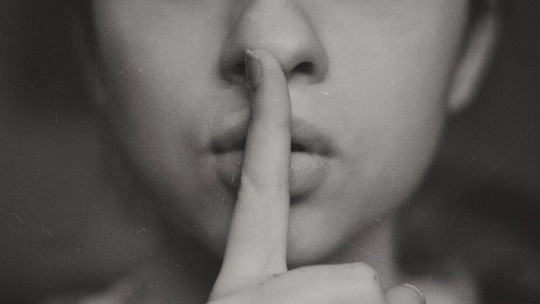
Non-verbal communication is a fundamental part of human interaction, often speaking louder than words. Among its various forms, gestures play a vital role in conveying thoughts, emotions, and intentions. Whether it’s a wave, a nod, or a shrug, gestures are a universal language that transcends spoken dialogue. In the study of body language and communication psychology, gestures have been carefully classified to help us understand their functions and meanings.
This article explores the five main types of gestures in non-verbal communication: emblems, illustrators, affect displays, regulators, and adaptors. Each serves a distinct purpose and reflects different dimensions of interpersonal behavior. By understanding these categories, we can become more mindful communicators and better interpreters of social signals.
What Are Gestures in Non-verbal Communication?
Gestures are movements of the hands, arms, or other parts of the body that convey a message or add emphasis to what is being communicated verbally. They are often unconscious and can convey emotions, attitudes, or intentions in ways that words sometimes cannot.
As a form of non-verbal communication, gestures are a vital aspect of how we connect with others. They are influenced by cultural norms, personal habits, and even the context of the conversation. While gestures can enhance clarity, they can also lead to misunderstandings if misinterpreted or used inappropriately.
When relating to people, we use verbal and non-verbal communication, and we use many gestures to add value to what we are saying orally. We also use gestures to modulate interactions, regulating our participation and that of the other interlocutors. The different types of gestures will have one function or another, as we will see later.
How many of these have you been "meaning to read" for months?
- 1
 Undercover Publishing HouseStop Letting Everything Affect YouHow to break free from overthinking, emotional chaos, and self-sabotage.Listen Free On Audible
 - 2
 Penguin Random HouseAtomic HabitsAn Easy & Proven Way to Build Good Habits & Break Bad OnesListen Free On Audible
 - 3
 Harriman HouseThe Psychology of MoneyTimeless lessons on wealth, greed, and happinessListen Free On Audible
A gesture is a body movement typical of the joints. There are different types of gestures, although they are mainly performed with the hands, arms and head.
A gesture It is not the same as a gesture; Gesturing implies an anarchic, artificial and inexpressive movement, while gesture is usually expressive, and you will want to contribute something to the verbal message (or modulate it).
Gestures are included within motor expressions, and these in turn are part of a person’s non-verbal behavior.
In addition to gestures, motor expressions are made up of facial expressions and postural behaviors.
The 5 Types of Gestures
1. Emblems (Symbolic Gestures)
Emblems are gestures that have a specific, culturally recognized meaning and can usually replace words entirely. Unlike other types of gestures, emblems can be understood even when used without any accompanying speech.
Characteristics of Emblems:
- Culturally bound: The meaning of emblems varies greatly between cultures.
- Explicit: They usually convey a clear, deliberate message.
- Verbal substitute: They can stand alone and still communicate meaning.
Examples:
- A thumbs-up to signify approval or “OK.”
- The peace sign (two fingers raised) to symbolize peace or victory.
- The middle finger gesture, which is offensive in many Western cultures.
Psychological Insight:
Because emblems are learned socially, they reflect a person’s cultural background. Misusing an emblem in a different culture can lead to misunderstanding or offense. For example, the “thumbs-up” sign is positive in the U.S. but offensive in parts of the Middle East.
2. Illustrators (Gesture Accompanying Speech)
Illustrators are gestures that accompany speech and help to clarify or emphasize verbal messages. They don’t function independently like emblems, but they enrich communication by providing visual reinforcement.
Characteristics of Illustrators:
- Complementary to speech: They reinforce what is being said.
- Spontaneous: Often unconscious and natural.
- Context-dependent: Their meaning relies on the accompanying words.
Examples:
- Using your hands to indicate the size of an object while describing it.
- Pointing to a direction when giving someone instructions on where to go.
- Moving your hand in a circular motion when saying “keep it going.”
Psychological Insight:
Illustrators are powerful tools for engagement and clarity. Research in communication psychology shows that people who use more illustrators are often perceived as more passionate and persuasive. They help in organizing thought and maintaining the listener’s attention.
3. Regulators (Gestures That Control Conversation)
Regulators are gestures that control, coordinate, or manage the flow of conversation. These are essential in maintaining smooth communication between people by signaling when to start, stop, or continue speaking.
Characteristics of Regulators:
- Conversational tools: Help manage the back-and-forth nature of dialogue.
- Socially learned: Often culturally specific, but many are universal.
- Subtle yet powerful: Often go unnoticed but are critical to interaction.
Examples:
- Nodding to indicate agreement or encourage the speaker to continue.
- Raising a hand in a meeting to request to speak.
- Glancing away to signal disinterest or to end a conversation.
Psychological Insight:
Effective use of regulators is often a sign of high emotional intelligence. They reflect social awareness and the ability to interpret and respond to the needs of others during interaction. People with strong interpersonal skills often use regulators unconsciously to build rapport.
4. Affect Displays (Expressing Emotions)
Affect displays are gestures or facial expressions that convey emotion. They often occur naturally and involuntarily, making them one of the most authentic forms of non-verbal expression.
Characteristics of Affect Displays:
- Emotionally driven: Reflect inner feelings such as joy, anger, or sadness.
- Often involuntary: Hard to fake or control completely.
- Universally recognized: Some, like facial expressions, are cross-cultural.
Examples:
- A smile showing happiness.
- Frowning in anger or disappointment.
- Crying or teary eyes indicating sadness or grief.
Psychological Insight:
Affect displays can reveal a person’s true emotional state, even when their words suggest otherwise. This discrepancy—known as incongruence—is often noticed in deception detection, where body language doesn’t match spoken words.
5. Adaptors (Self-soothing Gestures)
Adaptors are gestures related to self-regulation, anxiety, or psychological needs. Unlike other gestures, adaptors usually serve a personal function and are often performed without conscious awareness.
Characteristics of Adaptors:
- Self-directed or object-directed: Involve touching oneself or manipulating objects.
- Emotionally expressive: Often reflect nervousness, boredom, or stress.
- Unconscious: Performed without deliberate intention.
Examples:
- Biting nails when feeling anxious.
- Tapping a pen during a stressful exam.
- Touching your face or hair while thinking or feeling uncertain.
Psychological Insight:
Adaptors can be powerful indicators of emotional state. In job interviews or high-pressure settings, excessive adaptors may be interpreted as signs of insecurity or discomfort. However, they also serve a regulatory function, helping people cope with tension or process complex emotions.

Why Understanding Gesture Types Matters
Understanding the classification of gestures is not only beneficial for psychologists and communication experts—it is also valuable for everyday interpersonal interactions. Here’s why it matters:
1. Improved Communication Skills
By recognizing the types of gestures others use, we become more empathetic and responsive communicators. We also become more aware of how our own body language affects others.
2. Cultural Sensitivity
Gestures are deeply rooted in culture. What is considered polite in one country might be offensive in another. Being mindful of emblematic gestures across cultures helps avoid miscommunication and enhances cross-cultural understanding.
3. Emotional Intelligence
Reading and responding appropriately to affect displays and adaptors can increase one’s emotional intelligence. This ability is crucial in fields like counseling, teaching, negotiation, and leadership.
4. Deception Detection
Inconsistent gestures—especially between speech and non-verbal behavior—can signal dishonesty or internal conflict. Law enforcement, therapists, and even everyday people use this insight to assess truthfulness and emotional authenticity.
5. Self-Awareness
Being conscious of our own gestures, especially adaptors and regulators, can help us manage anxiety and present ourselves more confidently in social situations.
Understanding the Context and Cultural Significance of Gestures
One of the complexities of gestures is their cultural variation. What might be considered a positive or neutral gesture in one culture could have a completely different meaning in another.
For instance, while the thumbs-up gesture is generally a positive sign of approval in Western cultures, it can be offensive in some Middle Eastern cultures. Similarly, the “OK” sign can carry a highly offensive meaning in some Latin American and Mediterranean countries.
To avoid misunderstandings, it’s important to be aware of cultural differences when using gestures in international or cross-cultural communication. This awareness can help build stronger, more respectful relationships, especially in multicultural settings.
How Gestures Influence Communication
Gestures are a critical part of enhancing communication. They help clarify or emphasize the message being conveyed, make interactions more engaging, and allow people to express feelings or reactions that might be difficult to put into words.
For example, illustrators can make a conversation more vivid by adding non-verbal cues that align with what is being said. Similarly, affect displays allow individuals to convey emotions such as joy, anger, surprise, or fear without saying a word.
Gestures can also regulate conversation flow, helping individuals maintain control over the interaction. A well-timed nod can invite someone to continue speaking, while a raised hand can signal a desire to interrupt.

How to Use Gestures Effectively in Communication
Using gestures effectively can enhance your communication, but it’s important to be aware of a few key principles:
1. Be Conscious of Your Audience
If you’re interacting with someone from a different culture, be aware of the gestures’ meanings in their cultural context. Avoid using gestures that could be misinterpreted, and always observe how others use them.
2. Match Gestures with the Message
Your gestures should align with the tone and content of your message. Exaggerating or overusing gestures can lead to miscommunication or seem insincere.
3. Be Aware of Your Own Gestures
Sometimes, gestures can reveal more than intended. Be mindful of your body language and adaptors, especially when you’re in a high-stress situation, as they may give away emotions or nervousness.
4. Use Gestures to Emphasize Important Points
Gestures can be a powerful tool for highlighting key ideas. When presenting information or making a strong point, use illustrators and emblems to underscore your message and make it more memorable.
FAQs About Gestures in Non-verbal Communication
What are the five types of gestures?
The five main types of gestures in non-verbal communication are emblems, illustrators, regulators, affect displays, and adaptors.
How do gestures help in communication?
Gestures enhance communication by reinforcing or clarifying spoken words, expressing emotions, and regulating conversation flow. They can make interactions more engaging and help convey feelings or thoughts that might not be easily verbalized.
What are emblems in non-verbal communication?
Emblems are gestures that carry specific meanings and can stand in for words or phrases. Examples include the thumbs-up or peace sign.
Why are gestures important in intercultural communication?
Gestures are important in intercultural communication because they can have different meanings in different cultures, and misinterpreting gestures can lead to misunderstandings. Being aware of these differences can help avoid offense and foster better communication.
How can I improve my use of gestures in communication?
To improve your use of gestures, ensure that they are relevant to the message, match the emotional tone, and consider your audience’s cultural background. Use gestures to emphasize key points and enhance your message.
Use this citation format to reference the article clearly and help readers find the original source.
PsychologyFor. (2025). The 5 Types of Gestures and Their Classification in Non-verbal Communication. PsychologyFor. https://psychologyfor.com/the-5-types-of-gestures-and-their-classification-in-non-verbal-communication/