


See more of our articles in your search results.
Childhood is a time of exploration, development, and emotional growth. However, not every child experiences an ideal or nurturing environment. Many carry with them emotional wounds from their formative years that can shape their behavior, relationships, and mental health well into adulthood. These wounds are often the result of unmet emotional needs, neglect, or harsh treatment.
The concept of the “Five Wounds of Childhood” comes from the work of the French psychologist Lise Bourbeau, who identified five emotional scars that arise from early childhood experiences. These wounds can manifest in various ways throughout life, impacting how individuals see themselves, others, and the world around them.
Understanding these wounds is crucial for healing and emotional growth. In this article, we will explore each of the five wounds, what they are, how they affect individuals, and most importantly, how they can be healed.
1. Rejection: The Wound of Not Being Loved
Rejection is the emotional wound that stems from feeling unloved, unwanted, or not accepted during childhood. It may arise from early experiences of neglect, emotional abandonment, or being consistently told that you are not good enough. This can happen in various forms, such as neglectful parents, critical caregivers, or simply not receiving affection and attention when needed.
Individuals who carry the rejection wound often struggle with feelings of insecurity and unworthiness. They may fear being abandoned or unloved, and as a result, they often push people away before they can be rejected, or they might become overly dependent on others for validation. This can lead to a pattern of self-sabotage in relationships, making it difficult for them to trust others or open up emotionally.
How many of these have you been "meaning to read" for months?
- 1
 TarcherThe Artist's Way30th Anniversary EditionListen Free On Audible
 - 2
 New Harbinger PublicationsThe Dialectical Behavior Therapy Skills WorkbookPractical DBT Exercises for Learning Mindfulness, Interpersonal Effectiveness, Emotion Regulation...Listen Free On Audible
 - 3
 New Harbinger PublicationsAdult Children of Emotionally Immature ParentsHow to Heal from Distant, Rejecting, or Self-Involved ParentsListen Free On Audible
How to Heal the Rejection Wound:
Healing the rejection wound requires learning to love and accept yourself. This process begins with recognizing your own value and worth, regardless of the actions or opinions of others. Techniques such as self-compassion practices, affirmations, and setting healthy emotional boundaries are vital in overcoming feelings of rejection. Therapy can also help individuals work through the deep-rooted fears of abandonment and build healthier self-esteem.
2. Abandonment: The Wound of Feeling Unsupported
Abandonment is the wound that arises when a child feels physically or emotionally abandoned, even if the parents or caregivers are physically present. It could happen if the caregivers were emotionally unavailable, if the child felt ignored or neglected, or if the child was left alone or unsupported during critical developmental stages.
People who carry the abandonment wound often experience anxiety in relationships and may fear that they will be left alone or unsupported. They may struggle with feelings of dependence and often feel anxious or insecure in close relationships, constantly seeking reassurance. These individuals might find it difficult to trust others and may become overly controlling or avoidant in relationships to avoid the feeling of being abandoned again.
How to Heal the Abandonment Wound:
Healing from abandonment involves developing a sense of inner security. This includes learning to provide yourself with the support and care that you may not have received during childhood. Building secure attachments with trustworthy and supportive individuals, practicing self-soothing techniques, and engaging in mindfulness can help reduce the anxiety associated with abandonment. Therapy, especially attachment-based therapy, can be beneficial for individuals seeking to heal this wound and develop healthier, more secure relationships.

3. Humiliation: The Wound of Shame and Guilt
Humiliation is a wound that develops when a child experiences shaming, public ridicule, or an overwhelming sense of embarrassment. This could happen through harsh criticism, mocking, or being made to feel inferior in front of others, often by a parent or authority figure. For children, feeling humiliated can lead to a deep sense of shame and guilt.
The individual carrying the humiliation wound may feel like they are inherently flawed or not good enough. They may struggle with perfectionism, constantly trying to prove their worth or avoid situations where they could be judged or criticized. There may also be a tendency to self-criticize, feel excessively guilty, or avoid confrontation and difficult conversations.
How to Heal the Humiliation Wound:
Healing this wound requires rebuilding self-worth and learning to embrace imperfection. It involves developing self-compassion, forgiving oneself for past mistakes, and recognizing that everyone has moments of vulnerability and imperfection. Learning to accept criticism in a healthy way, as well as seeking counseling or therapy, can help individuals move beyond feelings of shame and start to view themselves in a more positive and accepting light.
4. Betrayal: The Wound of Trust
Betrayal occurs when a child feels betrayed or let down by someone they trusted—often a parent, caregiver, or close family member. This could involve a broken promise, dishonesty, or a sense of being deceived. Children need to feel that they can trust the people who care for them, and betrayal shatters that trust.
Individuals with the betrayal wound often struggle with trust issues, feeling that others cannot be relied upon. They may have a tendency to overthink others’ intentions and expect others to hurt or disappoint them. This fear can lead to them being overly defensive, emotionally distant, or controlling in relationships. They may also develop a pattern of self-protection, keeping their guard up even when trust might be warranted.
How to Heal the Betrayal Wound:
To heal from betrayal, it’s crucial to work through trust issues gradually. This involves building trust with others slowly and allowing people to show their reliability and consistency over time. Therapy can help individuals process the pain of betrayal and develop healthier ways to approach trust in relationships. It’s also important to practice forgiveness, not necessarily for the person who betrayed you, but for your own peace of mind.
5. Injustice: The Wound of Feeling Unfairly Treated
The injustice wound develops when a child feels that they were treated unfairly, whether through neglect, favoritism, or not receiving the recognition they deserved. This can also occur when children feel that their needs or emotions were dismissed or belittled, leading to a sense of inequity in their lives.
Individuals with the injustice wound often feel that life is unfair and may experience a strong desire for perfection and equality. They can become overly righteous, critical of others, or excessively focused on justice. These individuals may also struggle with resentment, feeling that they were wronged or that they do not receive the respect they deserve.
How to Heal the Injustice Wound:
Healing the injustice wound involves learning to embrace acceptance and let go of the desire to control or fix everything around you. Practicing gratitude and shifting focus from what’s wrong to what’s right in life can help. Learning to balance the pursuit of justice with the recognition that perfection is impossible and life is inherently imperfect can help individuals feel less resentful. Therapy can also be helpful in navigating unresolved feelings of unfairness and injustice.
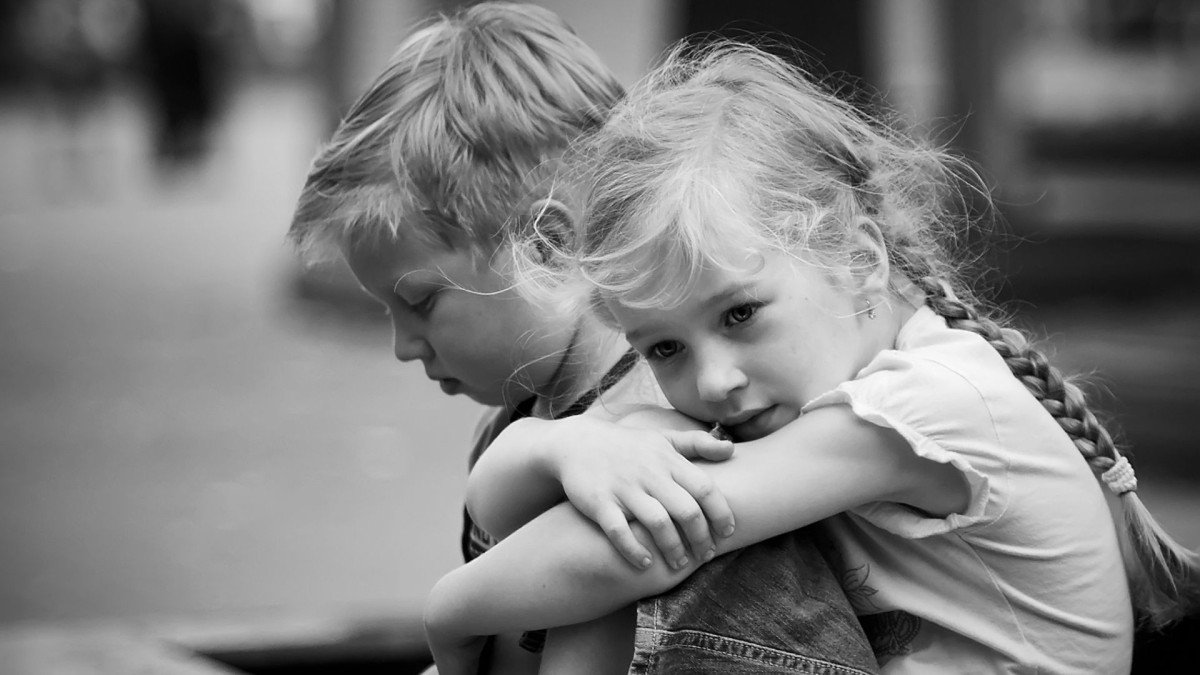
It is important to note that these injuries can vary in intensity and have different consequences on people. The process of healing these wounds requires working on understanding and processing previous experiences, developing self-acceptance, and seeking therapeutic support if necessary. And of course we can implement personal actions to manage them and why not, draw strengths from our weaknesses
How to Heal the 5 Wounds of Childhood
Healing the five childhood wounds is a personal and exhaustive process that requires time and emotional work. Below are some strategies to start the healing process:
It is important to keep in mind that the healing process may require both time and effort, however, as you settle into it, you will be able to experience greater freedom and emotional well-being. The process of healing our inner child, of accepting the pain of the past and reconciling with our truth of life, can be a very powerful transformation process, where you will see how those repetitive situations change, giving way to new and exciting life experiences. That is, you will experience that pleasant feeling of moving forward in your life. Reaping happiness and general well-being in the process.

Healing from childhood wounds is a complex and deeply personal journey that requires self-awareness, self-compassion, and often professional support. While the healing process may vary for each individual, here are some general strategies that can facilitate healing:
- Self-Awareness: Begin by acknowledging and accepting the presence of childhood wounds. Reflect on how these wounds have influenced your thoughts, behaviors, and relationships.
- Therapeutic Support: Consider seeking therapy or counseling from a qualified mental health professional who specializes in trauma and childhood wounds. Therapy can provide a safe space for exploring past experiences, processing emotions, and developing coping strategies.
- Inner Child Work: Engage in inner child work, a therapeutic approach that involves connecting with and nurturing the wounded inner child within you. This may involve visualization exercises, journaling, or creative expression to address unmet emotional needs and offer comfort and validation to your inner child.
- Self-Compassion: Practice self-compassion and self-care as you navigate the healing journey. Be gentle with yourself, acknowledge your strengths and resilience, and cultivate a supportive inner dialogue that counteracts self-blame and self-criticism.
- Boundaries and Self-Care: Establish healthy boundaries in your relationships and prioritize self-care practices that promote emotional well-being. Surround yourself with supportive individuals who respect and validate your experiences, and engage in activities that bring you joy and fulfillment.
- Forgiveness: Consider the possibility of forgiveness as part of the healing process. This may involve forgiving yourself for any perceived shortcomings or mistakes, as well as extending compassion towards those who may have caused you harm. However, forgiveness is a personal choice and should not be rushed or forced.
Healing from childhood wounds is a courageous and transformative journey that empowers individuals to reclaim their sense of self-worth, resilience, and inner peace. By acknowledging the presence of these wounds, seeking support, and engaging in self-compassionate practices, individuals can embark on a path towards healing and emotional liberation. Remember that healing is not linear and may involve ups and downs, but with patience, perseverance, and a commitment to self-discovery, it is possible to transcend the pain of the past and embrace a brighter, more fulfilling future.
Childhood wounds, while painful, offer an opportunity for growth, healing, and self-discovery. Addressing these wounds with patience, compassion, and the right resources can lead to profound emotional transformation and a healthier relationship with yourself and others.
FAQs About The 5 Wounds of Childhood
What are the five childhood wounds?
The five childhood wounds are rejection, abandonment, humiliation, betrayal, and injustice. These wounds stem from emotional trauma experienced in childhood and can affect a person’s emotional well-being in adulthood.
How do childhood wounds affect adulthood?
Childhood wounds can impact self-esteem, relationships, and emotional regulation in adulthood. They can lead to patterns of avoidance, anxiety, and attachment issues. Understanding and healing these wounds is crucial for personal growth and well-being.
Can these wounds be healed?
Yes, healing is possible with the right support, self-awareness, and emotional work. Therapy, particularly modalities like inner child work, cognitive-behavioral therapy (CBT), and mindfulness practices, can help heal these wounds.
How can I identify my childhood wounds?
Identifying your childhood wounds involves reflecting on your early experiences and noticing patterns in your current behaviors or relationships. Working with a therapist or counselor can also provide clarity.
Is it possible to heal childhood wounds without therapy?
While therapy is a powerful tool for healing, it is possible to start healing on your own by practicing self-compassion, journaling, engaging in mindfulness, and seeking support from loved ones or support groups.
Use this citation format to reference the article clearly and help readers find the original source.
PsychologyFor. (2025). The 5 Wounds of Childhood: What Are They and How to Heal Them?. PsychologyFor. https://psychologyfor.com/the-5-wounds-of-childhood-what-are-they-and-how-to-heal-them/