

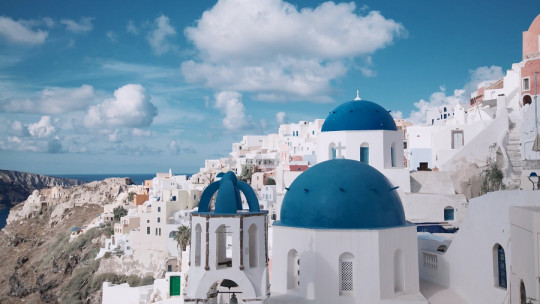
You’re scrolling through old family photos, squinting at a name scrawled on the back in your grandmother’s handwriting, and it hits you: you have no idea what your own Greek surname actually means. Maybe it’s Papadopoulos, maybe it’s something rarer, but either way, that gap in knowledge feels oddly personal. Names carry stories. Losing track of what yours says about where your family came from feels like losing a small, quiet piece of yourself.
This curiosity runs deeper than casual trivia for a lot of people, especially those in the Greek diaspora trying to reconnect with roots that immigration, time, or simple forgetting have blurred. A surname isn’t just a label; in Greek naming tradition, it frequently encodes a profession, a region, a father’s first name, or even a physical trait someone centuries ago found worth remembering. Understanding these patterns turns a name you’ve said your whole life into something with actual texture and history behind it, rather than just letters on a passport.
So what do the most common Greek surnames actually mean, and why do so many start with “Papa-“?
This guide walks through the 50 most common Greek surnames, their meanings, and the naming patterns that shaped them.
What Do Greek Surnames Reveal About Family History?
Greek surnames typically encode one of a few core categories of information: a father’s first name, an occupation, a physical or personal trait, or a specific regional origin. Understanding this framework makes even unfamiliar surnames considerably easier to decode.
Linguist Georgios Babiniotis, whose extensive scholarship on Greek etymology has shaped much of the modern understanding of the language’s naming conventions, has noted that Greek surnames function almost like small linguistic fossils, preserving occupational, religious, and geographic information that might otherwise have been lost entirely to history. A name like Papadopoulos isn’t arbitrary. It’s literally a compressed sentence: “son of a priest.”
How many of these have you been "meaning to read" for months?
- 1
 Summer, JadeStress ReliefAdult Coloring Book with Animals, Flowers, Fantasy, and More for Mindfulness and RelaxationListen Free On Audible
 - 2
 HarperOneMere Christianity (Deluxe Edition)Listen Free On Audible
 - 3
 MajostaDon't Believe Everything You ThinkWhy Your Thinking Is The Beginning & End Of Suffering (Beyond Suffering)Listen Free On Audible
A few broad categories account for most Greek surnames:
- Patronymic surnames, derived from a father’s or ancestor’s first name.
- Occupational surnames, reflecting a family’s historical trade or profession.
- Descriptive surnames, based on a physical trait or personal characteristic.
- Toponymic surnames, indicating a specific town, region, or geographic origin.
Once you recognize these categories, even unfamiliar Greek surnames start to feel considerably less mysterious, and considerably more like small windows into someone’s actual family history.
How Are Greek Surnames Typically Formed?
Greek surname formation relies heavily on specific suffixes attached to a root name, each suffix carrying its own regional or grammatical significance. Recognizing these patterns is the fastest way to understand any Greek surname you encounter.
The suffix “-poulos,” meaning “son of” or literally “chick” or “offspring,” appears constantly across Greek surnames, particularly those originating from the Peloponnese region. Similarly, “-idis” or “-iadis” also indicates “son of,” but tends to originate more from northern Greece and Asia Minor, reflecting distinct regional naming traditions that developed somewhat independently.
Common surname-forming patterns include:
- The “-poulos” suffix, indicating descent, common throughout southern and central Greece.
- The “-idis” or “-iadis” suffix, also meaning “son of,” more common in northern regions.
- The “-akis” suffix, a diminutive form strongly associated with Crete specifically.
- The prefix “Papa-“, directly meaning “priest,” often combined with a following first name.
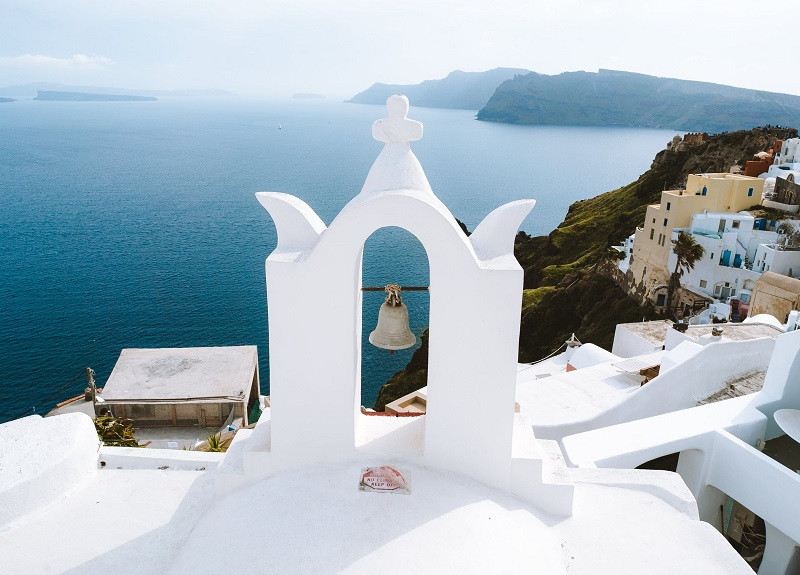
The Most Common Patronymic Suffixes in Greek Surnames
Patronymic surnames, those built directly from a father’s or ancestor’s first name, dominate the list of common Greek surnames by a wide margin. This pattern reflects a naming tradition where lineage mattered enormously.
The astonishing frequency of “Papa-” prefixed surnames specifically reflects how central the village priest was to Greek community life historically, often serving as one of the most prominent, memorable figures worth naming an entire lineage after. It’s a small but telling detail about social structure: an enormous share of Greek families, at some point, descended from or were closely associated with a priest.
A few of the most productive patronymic patterns include:
- “Papa-” combinations, like Papadopoulos or Papageorgiou, referencing a priest ancestor.
- Direct genitive forms, like Georgiou or Nikolaou, meaning simply “of George” or “of Nicholas.”
- “-poulos” patronymics, like Antonopoulos or Christopoulos, indicating direct descent.
The 50 Most Common Greek Surnames and Their Meanings
Here is a comprehensive list of the fifty most common Greek surnames, along with their literal meanings and origins, based on documented frequency data and established etymological research.
- Papadopoulos — “son of a priest,” the single most common surname in Greece.
- Papadopoulou — the feminine form of Papadopoulos.
- Papageorgiou — “son of a priest named George.”
- Oikonomou — meaning “manager” or “steward.”
- Papadimitriou — “son of a priest named Dimitrios.”
- Georgiou — “son of George,” derived from Georgios, meaning “farmer.”
- Papaioannou — “son of a priest named John.”
- Pappas — a direct reference meaning “priest.”
- Vasileiou — “son of Vasilis,” from the Greek word for “king.”
- Nikolaou — “son of Nikolaos,” linked to Saint Nicholas.
- Karagiannis — “black John” or “brave John,” combining Turkish and Greek roots.
- Vlachos — historically referring to shepherd or Romanian-descended communities.
- Antoniou — “son of Antonios,” a name associated with flowers or blossoms.
- Makris — meaning “tall.”
- Papanikolaou — “son of a priest named Nikolaos,” made famous by Dr. George Papanicolaou.
- Dimitriou — “son of Demetrios,” rooted in the ancient deity Demeter.
- Ioannidis — “son of Ioannis,” the Greek form of John.
- Georgiadis — another patronymic variant meaning “son of George.”
- Triantafyllou — literally meaning “rose.”
- Papadakis — the Cretan diminutive form of “little priest.”
- Christodoulou — meaning “servant of Christ.”
- Christopoulos — meaning “son of Christ.”
- Samaras — an occupational surname meaning “saddle maker.”
- Papoutsis — an occupational name meaning “shoemaker.”
- Raptis — an occupational surname meaning “tailor.”
- Spanos — a descriptive surname meaning “beardless.”
- Kokkinos — meaning “red,” often referencing hair color or complexion.
- Kontos — meaning “short.”
- Drakos — meaning “dragon,” a mythologically rooted surname.
- Kritikos — a toponymic surname meaning “from Crete.”
- Mitsotakis — a Cretan diminutive form, made prominent through Greek politics.
- Stamatopoulos — meaning “son of Stamatis,” common in southern Greece.
- Kostopoulos — meaning “son of Kostas,” a Peloponnesian patronymic.
- Kalogeropoulos — meaning “son of a monk.”
- Alexopoulos — meaning “son of Alexios,” associated with the idea of a defender.
- Angelopoulos — meaning “son of Angelos,” referencing a messenger or angel.
- Athanasiou — meaning “immortal,” tied to the Christian saint Athanasius.
- Constantinides — meaning “son of Constantine,” honoring the Byzantine emperor.
- Eliades — meaning “son of Elias.”
- Bakirtzis — an occupational surname meaning “coppersmith,” derived from Turkish.
- Economou — a variant spelling meaning “manager” or “steward.”
- Andreadis — meaning “son of Andreas,” suggesting a warrior or brave man.
- Chloros — meaning “green” or “pale.”
- Avgerinos — derived from a word meaning “dawn” or “sunrise.”
- Panagiotopoulos — meaning “son of Panagiotis,” referencing the Virgin Mary.
- Theodorou — meaning “son of Theodoros,” literally “gift of God.”
- Politis — meaning “citizen” or “city dweller.”
- Zographos — an occupational surname meaning “painter.”
- Katsaros — a descriptive surname meaning “curly-haired.”
- Manolakis — a Cretan diminutive of Manolis, meaning “son of Emmanuel.”
Occupational Greek Surnames and What They Reveal
Occupational surnames offer some of the clearest windows into a family’s historical trade, often preserving professions that have long since disappeared from everyday life. These names tell a story purely through function.
Surnames like Samaras, referencing saddle-making, or Papoutsis, referencing shoemaking, directly named the family trade rather than any personal or religious characteristic. Bakirtzis similarly reflects Ottoman-era occupational naming, borrowing directly from Turkish vocabulary for coppersmithing, a reminder of how centuries of cultural contact shaped Greek surname formation.
A few occupational patterns worth recognizing:
- Samaras and Papoutsis reflect traditional craft-based professions like saddle and shoe making.
- Zographos directly translates to “painter,” an artistic occupational designation.
- Bakirtzis reveals linguistic borrowing from Turkish, tied to metalworking trades.
Regional Greek Surnames Tied to Specific Areas
Certain surnames and suffixes are so tightly linked to specific regions that they function almost like geographic fingerprints. Recognizing these patterns can help trace a family’s likely origin within Greece itself.
The “-akis” suffix overwhelmingly indicates Cretan origin, appearing in surnames like Papadakis and Mitsotakis. Meanwhile, “-poulos” surnames concentrate heavily in the Peloponnese, and “-idis” or “-iadis” surnames trend more common in northern Greece and among families with roots in Asia Minor.
Regional surname patterns include:
- Crete, strongly associated with the “-akis” diminutive suffix.
- The Peloponnese, heavily associated with “-poulos” patronymic surnames.
- Northern Greece and Asia Minor, more commonly associated with “-idis” and “-iadis” surnames.
Religious and Byzantine Influences on Greek Surnames
Greek surnames carry heavy religious influence, reflecting the Orthodox Church’s central role in community life across centuries. This isn’t a minor pattern; it’s one of the most dominant naming forces in the entire language.
The sheer volume of “Papa-” prefixed surnames alone demonstrates just how central the parish priest was to community identity, often serving as enough of a defining figure that entire family lines became known through that association. Names referencing saints, like Nikolaou or Athanasiou, similarly reflect deep-rooted religious naming customs tied to baptismal traditions.
Religious influence shows up through:
- “Papa-” prefixed surnames, directly referencing a priest ancestor.
- Saint-based patronymics, like Nikolaou or Athanasiou, tied to baptismal naming traditions.
- Christodoulou and Christopoulos, directly referencing devotion to Christ.
How Greek Surnames Differ Between Men and Women
Greek surnames traditionally shift form depending on gender, a grammatical feature that surprises many people unfamiliar with the language’s structure. This isn’t optional stylistic variation; it follows strict grammatical rules.
A surname like Papadopoulos becomes Papadopoulou for a female family member, following standard Greek genitive case rules. This pattern holds consistently across most patronymic surnames, meaning the same family might legally use two grammatically distinct surname forms depending on gender, a detail that occasionally causes confusion in international documentation.
Key gendered surname patterns include:
- Surnames ending in “-os” typically shift to “-ou” for female family members.
- This grammatical shift reflects standard Greek case declension, not a separate naming tradition.
- Diaspora families sometimes simplify this distinction, using a single surname form for practical, administrative reasons abroad.

Greek Surnames in the Diaspora: How They’ve Changed Abroad
Greek surnames often underwent noticeable changes once families emigrated, shaped by pressure to simplify pronunciation or spelling within new linguistic environments. This adaptation reflects a genuinely common immigrant experience.
Long or unfamiliar Greek surnames were frequently shortened or anglicized upon arrival in countries like the United States or Australia, sometimes losing a suffix entirely or adopting phonetic spellings that diverged from the original Greek form. This process, while practical, occasionally severed a visible link between a diaspora family and its specific regional Greek origin.
Common diaspora adaptations include:
- Shortened surnames, dropping suffixes like “-poulos” or “-idis” for simplicity.
- Phonetic respelling, adjusting Greek spelling to match local pronunciation conventions.
- Retained gendered surname forms in some families, while others standardized to a single version.
FAQs about the Most Common Greek Surnames
Why do so many Greek surnames start with “Papa-“?
The “Papa-” prefix directly means “priest” in Greek, and its widespread use reflects how central the local Orthodox priest was to community identity historically. A family might have adopted this prefix because an ancestor was literally a priest, or because the family was closely associated with the church in their village. Given how many villages had a defining priest figure, this naming pattern spread extremely widely, which is why several of the most common Greek surnames today combine “Papa-” with another first name.
What does the “-poulos” ending in Greek surnames mean?
The suffix “-poulos” generally translates to “son of” or “offspring of,” functioning as a patronymic marker attached to a father’s or ancestor’s first name. It’s particularly common among families originating from the Peloponnese region of Greece, though it appears throughout the country. A surname like Antonopoulos, for instance, simply means “son of Antonios,” following this consistent naming pattern found across many common Greek surnames.
Are Greek surnames different for men and women in the same family?
Yes, this is a genuine grammatical feature of the Greek language rather than an inconsistency. Surnames typically shift form based on gender, following standard genitive case rules, so a surname ending in “-os” for a man often becomes “-ou” for a woman within the same family. This means a father, son, mother, and daughter might technically use two different grammatical forms of what is fundamentally the same family surname.
How can I figure out what region my Greek surname comes from?
Certain suffixes offer strong clues about regional origin, since specific endings developed more heavily in certain areas of Greece. The “-akis” suffix strongly suggests Cretan origin, while “-poulos” surnames concentrate heavily in the Peloponnese, and “-idis” or “-iadis” endings are more common among families from northern Greece or historical Asia Minor. That said, migration over centuries means these patterns are strong indicators rather than absolute guarantees of a specific origin.
Why did some Greek surnames change after families emigrated?
Many Greek surnames were simplified or altered after emigration due to pressure to fit more easily into new linguistic and administrative systems abroad. Long surnames with unfamiliar spelling or pronunciation were sometimes shortened, respelled phonetically, or had suffixes dropped entirely to make daily life easier in a new country. This practical adaptation, while understandable, occasionally makes it harder for diaspora descendants to trace their surname back to its original Greek form and regional origin.
Is Papadopoulos really the single most common surname in Greece?
Yes, multiple surname frequency databases consistently confirm that Papadopoulos, meaning “son of a priest,” is the most commonly held surname in Greece by a significant margin. It’s followed closely by its feminine form, Papadopoulou, and several other “Papa-” prefixed surnames that also rank within the top ten most common surnames nationally. This consistent pattern reflects just how dominant religious and patronymic naming traditions have been throughout Greek history.
Bibliography
- Babiniotis, G. (1998). Λεξικό της Νέας Ελληνικής Γλώσσας (Dictionary of Modern Greek). Kentro Lexikologias.
- MyHeritage. Greek Surnames: Common Last Names in Greek History and Culture.
- Forebears. Greek Surname Origin, Meaning and Distribution.
- Behind the Name. Greek Surnames Database.
- FamilyEducation. Greek Last Names and Meanings.
- Global Surnames. Most Common Surnames in Greece: Ranking and Incidence Data.
Use this citation format to reference the article clearly and help readers find the original source.
PsychologyFor. (2026). The 50 Most Common Greek Surnames. PsychologyFor. https://psychologyfor.com/the-50-most-common-greek-surnames/