

See more of our articles in your search results.
Most people know that a neurologist is a doctor who deals with the brain and nervous system. But neurology — one of the most expansive and technically demanding specialties in all of medicine — is not a single, undifferentiated discipline. The nervous system governs virtually every function of the human body, from the rhythm of your heartbeat to the formation of your memories, from the coordination of movement to the regulation of sleep. No single physician can master every corner of that territory. The result is a rich landscape of subspecialties within neurology, each focused on a specific domain of the nervous system, a specific patient population, or a specific cluster of conditions that require dedicated expertise.
Understanding the different types of neurologists matters practically. When you or someone you love receives a referral to a neurologist, knowing which subspecialty is relevant to the presenting symptoms can help you ask better questions, understand the scope of the evaluation you’re receiving, and advocate more effectively within the healthcare system. A headache specialist and a neuromuscular disease specialist are both neurologists — but their training, their diagnostic tools, their treatment approaches, and the conditions they see daily are substantially different.
This article provides a clear, thorough guide to the eight main types of neurologists, the neurological pathologies each subspecialty addresses, how neurological training is structured, and what to expect when seeking neurological care. Whether you are navigating a new diagnosis, seeking to understand a referral, or simply curious about how this remarkable field is organized, what follows is a comprehensive and practically useful orientation.
What a Neurologist Does and How Neurological Training Works
A neurologist is a physician who specializes in the diagnosis, treatment, and management of disorders affecting the nervous system — encompassing the brain, spinal cord, peripheral nerves, and the muscles they innervate. Neurology is distinct from neurosurgery: neurologists manage conditions medically rather than surgically, though they work in close collaboration with neurosurgeons when intervention is required.
The path to becoming a neurologist is long and rigorous. After completing medical school, a physician undertakes a residency in neurology — typically four years in duration — that covers the full breadth of neurological conditions and develops competency in neurological examination, diagnostic interpretation (including brain imaging, EEG, nerve conduction studies, and lumbar puncture), and medical management. Following residency, most neurologists pursue a fellowship of one to two additional years in their chosen subspecialty, developing the concentrated expertise that defines their clinical identity.
How many of these have you been "meaning to read" for months?
- 1
 HarperCollinsPete the CatI Love My White Shoes: A Groovy Story About Pete the Cat and His Colorful Shoes on a School Day A...Listen Free On Audible
 - 2
 HarvestTo Die ForA Cookbook of Gravestone RecipesListen Free On Audible
 - 3
 CrosswayDust to DustAging Wisely in an Anti-Aging WorldListen Free On Audible
The breadth of conditions that fall within neurology’s scope is genuinely vast:
- Stroke and cerebrovascular disease affecting blood supply to the brain
- Epilepsy and seizure disorders
- Neurodegenerative conditions including Alzheimer’s disease and Parkinson’s disease
- Multiple sclerosis and other autoimmune neurological diseases
- Headache disorders including migraine
- Neuromuscular diseases affecting peripheral nerves and muscle
- Brain tumors and neuro-oncological conditions
- Sleep disorders with neurological underpinnings
- Movement disorders
- Neurological conditions specific to childhood
The general neurologist — a physician with broad training across all of these domains — remains essential, particularly in settings where subspecialty access is limited. But for complex, rare, or treatment-resistant conditions within a specific domain, subspecialty neurological care is the standard of excellence that most major academic medical centers now provide.
1. Vascular Neurologist: Stroke and Cerebrovascular Disease Specialist
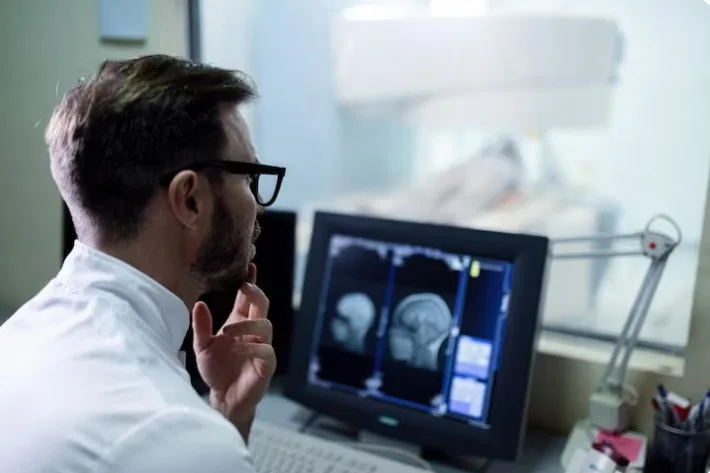
A vascular neurologist specializes in the diagnosis and acute management of stroke and other conditions involving the blood vessels of the brain and spinal cord. Stroke — the sudden interruption of blood supply to brain tissue, either through blockage (ischemic stroke) or bleeding (hemorrhagic stroke) — is a time-critical neurological emergency, and vascular neurology developed as a subspecialty in direct response to the recognition that rapid, highly specialized intervention dramatically improves outcomes.
The centerpiece of vascular neurology is the stroke neurology fellowship and the clinical infrastructure of comprehensive stroke centers — hospital units staffed around the clock by vascular neurologists, neuroradiologists, and neurosurgeons capable of delivering the time-sensitive treatments that acute stroke demands. The famous phrase in stroke medicine — “time is brain,” reflecting the fact that millions of neurons are lost for every minute of untreated large-vessel occlusion — captures the urgency that defines this subspecialty’s culture.
Conditions managed by vascular neurologists include:
- Ischemic stroke — blockage of a cerebral artery by thrombus or embolism, treated with intravenous thrombolysis (tPA) and mechanical thrombectomy in eligible patients.
- Hemorrhagic stroke — including intracerebral hemorrhage and subarachnoid hemorrhage, requiring different management strategies focused on controlling bleeding and preventing rebleeding.
- Transient ischemic attack (TIA) — brief episodes of neurological dysfunction from temporary vascular compromise, treated urgently to prevent subsequent completed stroke.
- Cerebral venous sinus thrombosis — a less common but serious condition involving thrombosis of the brain’s venous drainage.
- Carotid artery disease — atherosclerotic narrowing of the carotid arteries that represents a major modifiable stroke risk factor.
- Cerebral small vessel disease — chronic changes to the brain’s small blood vessels that contribute to cognitive decline and lacunar infarcts.
Beyond acute intervention, vascular neurologists manage secondary stroke prevention — identifying and treating risk factors including hypertension, atrial fibrillation, diabetes, and hyperlipidemia that determine whether a patient who has experienced one stroke will experience another.
2. Epileptologist: Seizure and Epilepsy Specialist

An epileptologist is a neurologist who has completed advanced fellowship training in epilepsy — one of the most common serious neurological conditions, affecting roughly 50 million people worldwide. Epilepsy is characterized by recurrent unprovoked seizures, which are episodes of abnormal electrical activity in the brain producing a wide range of symptoms depending on which brain regions are involved and how the abnormal activity propagates.
The clinical complexity of epilepsy is considerable. There are over forty recognized epilepsy syndromes with distinct electroclinical profiles, age-specific presentations, underlying causes, and treatment implications. Determining which syndrome a patient has — and which of the many available antiseizure medications is most likely to control their seizures while minimizing side effects — requires the kind of nuanced expertise that epilepsy fellowship training develops.
The epileptologist’s primary diagnostic tool is the electroencephalogram (EEG) — a recording of the brain’s electrical activity through scalp electrodes that can identify interictal epileptiform discharges (spike-and-wave patterns between seizures) and capture the electrical signature of actual seizures when they occur during monitoring. For patients being evaluated for epilepsy surgery, video-EEG monitoring — prolonged inpatient recording during which seizures are captured on video synchronized with the EEG — is the gold standard for localizing the seizure onset zone.
Conditions and clinical domains managed by epileptologists include:
- Focal epilepsies — seizures arising from a specific, localized brain region, potentially amenable to surgical resection.
- Generalized epilepsies — including juvenile myoclonic epilepsy, childhood absence epilepsy, and Lennox-Gastaut syndrome.
- Status epilepticus — prolonged or repetitive seizures without full recovery between them, a neurological emergency requiring urgent treatment.
- Drug-resistant epilepsy — approximately one-third of people with epilepsy do not achieve adequate seizure control with medication, and epileptologists coordinate the full range of treatment options including dietary therapies (ketogenic diet), neuromodulation (vagus nerve stimulation, responsive neurostimulation), and surgical resection.
- Nonepileptic attack disorder (NEAD) — episodes that resemble seizures but have a functional rather than epileptic mechanism, requiring careful differentiation from true epilepsy.
3. Movement Disorder Specialist: Parkinson’s Disease and Beyond

A movement disorder specialist is a neurologist with advanced training in the diagnosis and management of conditions that disrupt the normal regulation of voluntary and involuntary movement. The basal ganglia — a group of subcortical structures including the striatum, globus pallidus, substantia nigra, and subthalamic nucleus — play a central role in the smooth, coordinated execution of movement, and diseases affecting this circuitry produce the characteristic motor symptoms that define movement disorders.
Parkinson’s disease is the most prevalent movement disorder and the condition that most often brings patients to movement disorder clinics. It is characterized by the progressive degeneration of dopaminergic neurons in the substantia nigra, producing the cardinal features of tremor at rest, rigidity, bradykinesia (slowness of movement), and postural instability. But the landscape of movement disorders extends well beyond Parkinson’s, encompassing a spectrum of conditions with overlapping and sometimes diagnostically challenging presentations.
Conditions managed by movement disorder specialists include:
- Parkinson’s disease — including early diagnosis, dopaminergic therapy optimization, and the management of motor fluctuations and dyskinesias that emerge with disease progression.
- Atypical Parkinsonism — including progressive supranuclear palsy (PSP), multiple system atrophy (MSA), and corticobasal syndrome, which mimic Parkinson’s disease but respond poorly to dopaminergic treatment and progress more rapidly.
- Essential tremor — the most common movement disorder overall, producing action tremor that affects the hands, head, and voice.
- Dystonia — sustained or intermittent muscle contractions producing abnormal postures and repetitive movements, treated with botulinum toxin injections, oral medications, or deep brain stimulation.
- Huntington’s disease — a genetic neurodegenerative disorder producing chorea (involuntary flowing movements), behavioral changes, and progressive cognitive decline.
- Tourette syndrome and tic disorders — conditions involving repetitive, stereotyped movements or vocalizations.
Movement disorder specialists are also the primary neurological managers of deep brain stimulation (DBS) — a neurosurgical treatment involving the implantation of electrodes in specific basal ganglia targets that deliver continuous electrical stimulation to modulate abnormal movement circuit activity. Patient selection, target selection, stimulation programming, and long-term DBS management all fall within the movement disorder specialist’s scope.
4. Dementia and Cognitive Neurology Specialist: Memory, Aging, and Neurodegeneration

A cognitive neurologist or behavioral neurologist specializes in conditions that affect memory, thinking, language, perception, and behavior — the higher-order cognitive functions that define much of what makes us distinctively human. As populations age globally, this subspecialty has become one of the most clinically important and fastest-growing areas in all of neurology.
Alzheimer’s disease is the most prevalent cause of dementia, accounting for approximately 60–70% of cases, but the cognitive neurology specialist must be expert in the full differential diagnosis of cognitive decline — a complex clinical task, because dozens of conditions can produce progressive cognitive impairment, including some that are partially or fully reversible if identified and treated promptly.
The cognitive neurologist’s evaluation integrates neurological examination, detailed neuropsychological testing, structural brain imaging (MRI), and increasingly, biomarker testing — including cerebrospinal fluid analysis for amyloid and tau proteins and PET imaging for amyloid and tau deposition — that can confirm or exclude specific underlying pathologies before significant cognitive decline has occurred.
Conditions managed by cognitive and behavioral neurologists include:
- Alzheimer’s disease — including both typical amnestic presentations and atypical variants such as posterior cortical atrophy and logopenic aphasia.
- Frontotemporal dementia (FTD) — a group of conditions primarily affecting the frontal and temporal lobes, producing behavioral changes, personality alteration, and language impairment rather than early memory loss.
- Lewy body dementia — characterized by visual hallucinations, fluctuating cognition, and Parkinsonism, requiring careful medication management due to sensitivity to antipsychotic drugs.
- Vascular dementia — cognitive decline related to cerebrovascular disease.
- Mild cognitive impairment (MCI) — the transitional state between normal aging and dementia, requiring monitoring and lifestyle-based risk factor management.
- Primary progressive aphasia — a syndrome of progressive language impairment with relative preservation of other cognitive functions.
5. Neuromuscular Disease Specialist: Peripheral Nerves, Muscles, and the Neuromuscular Junction

A neuromuscular specialist focuses on diseases of the peripheral nervous system — the nerves outside the brain and spinal cord — and the muscles they supply, as well as the neuromuscular junction where nerve signals are transmitted to muscle. This subspecialty occupies the territory between neurology and the musculoskeletal system, and its conditions range from common (diabetic peripheral neuropathy) to rare and devastating (amyotrophic lateral sclerosis).
The neuromuscular specialist’s primary diagnostic tools include nerve conduction studies (NCS) and electromyography (EMG) — electrodiagnostic tests that measure the speed and amplitude of electrical conduction along peripheral nerves and the electrical activity within muscles, allowing precise localization and characterization of neuromuscular pathology. Muscle and nerve biopsy, genetic testing, and specific autoantibody panels round out the diagnostic toolkit.
Conditions managed by neuromuscular specialists include:
- Peripheral neuropathies — damage to peripheral nerves producing numbness, tingling, pain, and weakness, with causes ranging from diabetes and alcohol use to autoimmune processes and genetic mutations.
- Amyotrophic lateral sclerosis (ALS) — a rapidly progressive degeneration of both upper and lower motor neurons producing progressive paralysis, managed with multidisciplinary care teams.
- Myasthenia gravis — an autoimmune disease of the neuromuscular junction producing fatigable muscle weakness, treatable with acetylcholinesterase inhibitors and immunosuppression.
- Inflammatory myopathies — including polymyositis, dermatomyositis, and inclusion body myositis, producing proximal muscle weakness.
- Muscular dystrophies — genetic conditions producing progressive muscle degeneration, including Duchenne muscular dystrophy, myotonic dystrophy, and facioscapulohumeral dystrophy.
- Guillain-Barré syndrome — an acute autoimmune polyneuropathy producing ascending weakness that can progress to respiratory failure, treated with intravenous immunoglobulin or plasma exchange.
- Charcot-Marie-Tooth disease — the most common inherited peripheral neuropathy.
6. Headache Specialist: Migraine, Cluster Headache, and Complex Pain Syndromes

A headache specialist is a neurologist with dedicated fellowship training in the diagnosis and management of primary and secondary headache disorders — conditions that represent some of the most prevalent and most disabling neurological problems in the world. Migraine alone affects over a billion people globally, making it the second leading cause of years lived with disability worldwide. Despite this prevalence, migraine and other headache disorders have historically been undertreated and undervalued within medicine — something the emergence of headache medicine as a formal subspecialty has begun to correct.
The headache specialist’s work requires distinguishing between primary headache disorders — conditions where the headache itself is the disease, with no underlying structural pathology — and secondary headaches, where headache is a symptom of another process (meningitis, brain tumor, subarachnoid hemorrhage, intracranial hypertension) that requires urgent identification and treatment. This distinction, made on clinical grounds through careful history-taking and targeted investigation, is one of the most consequential diagnostic tasks in all of neurology.
Conditions managed by headache specialists include:
- Migraine — with and without aura, including chronic migraine (fifteen or more headache days per month), menstrual migraine, and hemiplegic migraine variants.
- Cluster headache — one of the most severely painful conditions in medicine, producing attacks of excruciating unilateral orbital pain in episodic or chronic patterns.
- Tension-type headache — the most common headache disorder, managed with behavioral strategies, physical approaches, and appropriate medication use.
- New daily persistent headache (NDPH) — a condition in which continuous headache develops abruptly and persists without remission.
- Medication overuse headache — a secondary headache condition produced by frequent use of acute headache medications, requiring careful withdrawal management.
- Idiopathic intracranial hypertension (IIH) — elevated cerebrospinal fluid pressure producing headache and threatening vision.
- Trigeminal neuralgia — episodes of severe facial pain along the trigeminal nerve distribution.
7. Neuro-Oncologist: Brain Tumors and Neurological Complications of Cancer

A neuro-oncologist specializes in the neurological manifestations of cancer — including primary brain and spinal cord tumors, metastatic tumors that have spread to the nervous system from cancers elsewhere in the body, and the neurological complications of cancer treatment including chemotherapy-induced peripheral neuropathy, radiation-induced brain changes, and immune checkpoint inhibitor-related neurological toxicities.
Neuro-oncology sits at the intersection of neurology, oncology, neuroradiology, and radiation oncology, requiring the neuro-oncologist to function as both a neurological specialist and an oncological team member. The management of primary brain tumors — particularly glioblastoma, the most aggressive primary brain tumor — represents one of the most clinically and ethically complex areas in all of medicine, involving careful navigation of treatment toxicity, quality of life, and prognosis in conversations with patients and families facing profoundly difficult circumstances.
Conditions and clinical domains managed by neuro-oncologists include:
- Gliomas — including glioblastoma (grade 4 astrocytoma), IDH-mutant astrocytoma, and oligodendroglioma, classified by molecular markers that inform prognosis and treatment selection.
- Brain metastases — secondary tumors from lung, breast, melanoma, and other primaries that represent the most common intracranial tumor overall.
- Primary CNS lymphoma — an aggressive B-cell lymphoma arising within the brain, vitreous, or spinal cord.
- Meningiomas — typically benign tumors of the meninges managed with surgery, radiosurgery, or observation depending on size and location.
- Paraneoplastic neurological syndromes — autoimmune neurological conditions triggered by immune responses to distant tumors, including paraneoplastic encephalitis and cerebellar degeneration.
- Leptomeningeal carcinomatosis — spread of cancer cells to the cerebrospinal fluid and meningeal surfaces.
8. Child Neurologist (Pediatric Neurologist): Neurological Conditions in Children and Adolescents

A pediatric neurologist specializes in neurological conditions affecting children, from the newborn period through adolescence. The developing nervous system is biologically distinct from the adult nervous system in ways that profoundly affect how neurological conditions present, how they are diagnosed, and how they are treated. Many neurological conditions are unique to childhood; others have childhood-specific presentations and natural histories that differ substantially from adult forms of the same condition. Pediatric neurology is therefore not simply adult neurology applied to smaller patients — it is a genuinely distinct subspecialty requiring dedicated training.
The pediatric neurologist must integrate neurological expertise with developmental knowledge — understanding the normal milestones of neurological development and the ways in which neurological conditions disrupt that developmental trajectory. The emotional dimensions of this specialty are particularly significant: working with children and their families navigating serious neurological diagnoses requires not only clinical expertise but exceptional communication skill and a particular sensitivity to the family as the unit of care.
Conditions managed by pediatric neurologists include:
- Childhood epilepsy syndromes — including infantile spasms (West syndrome), Dravet syndrome, Lennox-Gastaut syndrome, Doose syndrome, and the benign focal epilepsies of childhood, many of which have no adult equivalent.
- Cerebral palsy — a group of permanent movement and posture disorders caused by non-progressive disturbances to the developing brain.
- Neurodevelopmental conditions — including autism spectrum disorder, ADHD, intellectual disability, and specific learning disorders evaluated from a neurological perspective.
- Pediatric stroke — occurring in neonates and children through mechanisms often different from adult stroke, including cardiac sources, sickle cell disease, and arterial dissection.
- Genetic and metabolic neurological conditions — including lysosomal storage disorders, mitochondrial diseases, leukodystrophies, and chromosomal conditions with neurological manifestations.
- Neuromuscular conditions in children — including spinal muscular atrophy (now transformed by gene therapy), Duchenne muscular dystrophy, and congenital myopathies.
- Headache in children and adolescents — including pediatric migraine, which presents differently from adult migraine and requires age-appropriate management approaches.
- Tics and Tourette syndrome — conditions that typically emerge in childhood and require developmental context for appropriate management.
How to Know Which Type of Neurologist You Need
Knowing which type of neurologist is most relevant to a specific situation can help patients navigate referrals more effectively and ask more targeted questions of their primary care providers. In most healthcare systems, the pathway begins with a primary care physician or general practitioner who makes an initial referral to either a general neurologist or, when the presentation is clearly within a recognized subspecialty domain, directly to the relevant subspecialist.
| Presenting Concern | Most Relevant Neurologist Type |
|---|---|
| Sudden weakness, face drooping, speech difficulty | Vascular neurologist (stroke — seek emergency care immediately) |
| Recurrent seizures or spells | Epileptologist |
| Tremor, stiffness, slowness of movement | Movement disorder specialist |
| Memory loss, confusion, personality change | Cognitive/behavioral neurologist |
| Numbness, tingling, weakness in limbs | Neuromuscular specialist |
| Frequent severe headaches or migraine | Headache specialist |
| Brain tumor diagnosis or cancer with neurological symptoms | Neuro-oncologist |
| Child with developmental concerns, seizures, or movement problems | Pediatric neurologist |
When in doubt, a general neurologist remains an excellent starting point — they can evaluate the full clinical picture and make targeted referrals to subspecialists when the clinical situation warrants. In academic medical centers and comprehensive neurological institutes, multidisciplinary team meetings bring multiple subspecialties together to manage complex cases that cross traditional subspecialty boundaries.
FAQs about Types of Neurologists and the Conditions They Treat
What is the difference between a neurologist and a neurosurgeon?
A neurologist is a physician who manages neurological conditions medically — through medications, therapies, monitoring, and non-surgical interventions. A neurosurgeon is a surgeon who operates on the brain, spinal cord, and peripheral nerves. The two specialties are complementary and closely collaborative: a stroke patient may be managed primarily by a vascular neurologist but require urgent neurosurgical intervention for a hemorrhage. A patient with Parkinson’s disease may be managed by a movement disorder neurologist who refers them to a functional neurosurgeon for deep brain stimulation implantation. Neurologists and neurosurgeons often work within the same departments and on the same patients, but their training, primary skill sets, and day-to-day clinical work are distinct.
How many types of neurologists are there?
The eight types described in this article — vascular neurologist, epileptologist, movement disorder specialist, cognitive/behavioral neurologist, neuromuscular specialist, headache specialist, neuro-oncologist, and pediatric neurologist — represent the most established and widely recognized subspecialties within neurology. However, the field continues to evolve. Additional areas of subspecialization include neurointensive care (neurocritical care), multiple sclerosis and neuroimmunology, sleep neurology, neurogenetics, neuropsychiatry, and rehabilitation neurology, among others. The specific subspecialties available vary by country and healthcare system, and the boundaries between subspecialties are not always sharp — many neurologists develop expertise that spans more than one recognized area.
What symptoms should prompt a referral to a neurologist?
A range of symptoms can warrant neurological evaluation, and any sudden or severe neurological symptom — including sudden weakness on one side, sudden severe headache, sudden vision loss, loss of consciousness, or signs of stroke — requires immediate emergency evaluation rather than a scheduled referral. For non-emergency situations, symptoms that commonly prompt neurological referral include recurrent headaches that are severe or changing in character, new or worsening memory difficulties, episodes that might represent seizures, unexplained numbness or tingling in the limbs, tremor or involuntary movements, coordination problems, muscle weakness of uncertain cause, and progressive speech or language difficulties. Primary care physicians guide referral decisions, but patients who feel their neurological symptoms are not being adequately addressed have every right to advocate for specialist evaluation.
What is a neuroimmunologist and how do they differ from other neurologists?
A neuroimmunologist — or neurologist specializing in neuroimmunology — focuses on neurological conditions caused by abnormal immune system activity targeting the nervous system. This subspecialty is sometimes considered separately from those described in this article and is closely related to the management of multiple sclerosis, neuromyelitis optica spectrum disorder (NMOSD), autoimmune encephalitis (including anti-NMDA receptor encephalitis), myasthenia gravis, and other autoimmune neurological conditions. The neuroimmunologist typically manages conditions requiring immunosuppressive or immunomodulatory therapies — disease-modifying treatments for MS, rituximab and other biologics for NMOSD, and corticosteroids, IVIG, or plasma exchange for acute autoimmune neurological conditions. In many centers, neuroimmunology is housed within the neuromuscular or general neurology framework rather than as a separate clinic.
Do all neurologists need to complete subspecialty fellowship training?
No — fellowship training in a subspecialty is additional, typically optional training beyond the required neurology residency. A neurologist who completes residency without further fellowship training is a general neurologist qualified to diagnose and manage the full range of neurological conditions, and general neurologists provide the foundation of neurological care in many settings, particularly community hospitals and regions without access to large academic medical centers. Fellowship training is pursued by neurologists who wish to develop concentrated expertise in a specific domain, typically to practice in academic or specialized clinical settings. The decision to pursue fellowship training reflects professional aspiration, clinical interest, and the type of practice environment a neurologist aims to work in — not a mandatory credential for neurological practice.
When should a child see a pediatric neurologist rather than a general neurologist?
Children with neurological symptoms or conditions should ideally be evaluated by a pediatric neurologist whenever one is available, because the developing nervous system differs from the adult nervous system in ways that are clinically significant. The age-specific presentation of epilepsy syndromes, the developmental context required for interpreting neurological findings, the pediatric-specific dosing and tolerability of neurological medications, and the family-centered communication approach that pediatric neurology demands all benefit from subspecialty training. In practice, access to pediatric neurologists varies considerably by geography and healthcare system. General neurologists with experience in pediatric cases can provide excellent care, particularly in settings where pediatric subspecialty access is limited — and referral to a pediatric neurology center for complex or rare conditions is appropriate whenever possible.
Use this citation format to reference the article clearly and help readers find the original source.
PsychologyFor. (2026). The 8 Types of Neurologists (and What Neurological Pathologies They Treat). PsychologyFor. https://psychologyfor.com/the-8-types-of-neurologists-and-what-neurological-pathologies-they-treat/