


Choosing where to study psychology is one of the most consequential decisions a future mental health professional will make. The institution shapes not just what you learn but how you learn to think — about evidence, about people, about the complex intersection of biology, behavior, and culture that defines the discipline. Spain has built an impressive landscape of psychology education over the past decades, and the best universities to study psychology in Spain genuinely compete with their European counterparts in research output, clinical training quality, and graduate employability.
The nine institutions gathered in this guide — the University of Barcelona, Autonomous University of Barcelona, Complutense University of Madrid, University of Granada, University of Valencia, Autonomous University of Madrid, University of the Basque Country, University of Seville, and Pompeu Fabra University — have earned their places through consistent performance across multiple criteria: research visibility in international rankings, quality of undergraduate and postgraduate programs, strength of clinical practicum networks, and the standing of their graduates in professional and academic markets across Spain and the European Union.
Spain’s psychology degree structure follows the Bologna Process — a four-year Grado en Psicología followed by optional master’s programs (including the obligatory Máster en Psicología General Sanitaria for clinical practice) and doctoral studies. Admission is competitive: cutoff grades (notas de corte) for psychology at Spain’s top universities range from approximately 10 to 13.5 out of 14, with the most selective programs rivaling entry requirements in medicine and law. For international applicants, equivalent requirements and demonstrated language proficiency — in Spanish or Catalan depending on the institution — apply.
What follows is a thorough, program-level guide to each of these nine universities — their strengths, their character, their research culture, and what it is genuinely like to study psychology within their walls. Whether you are a Spanish student navigating the selectividad, an international applicant evaluating your options, or a parent trying to help someone make a life-shaping decision, this guide is written for you.
University of Barcelona — Spain’s Top-Ranked Psychology Faculty
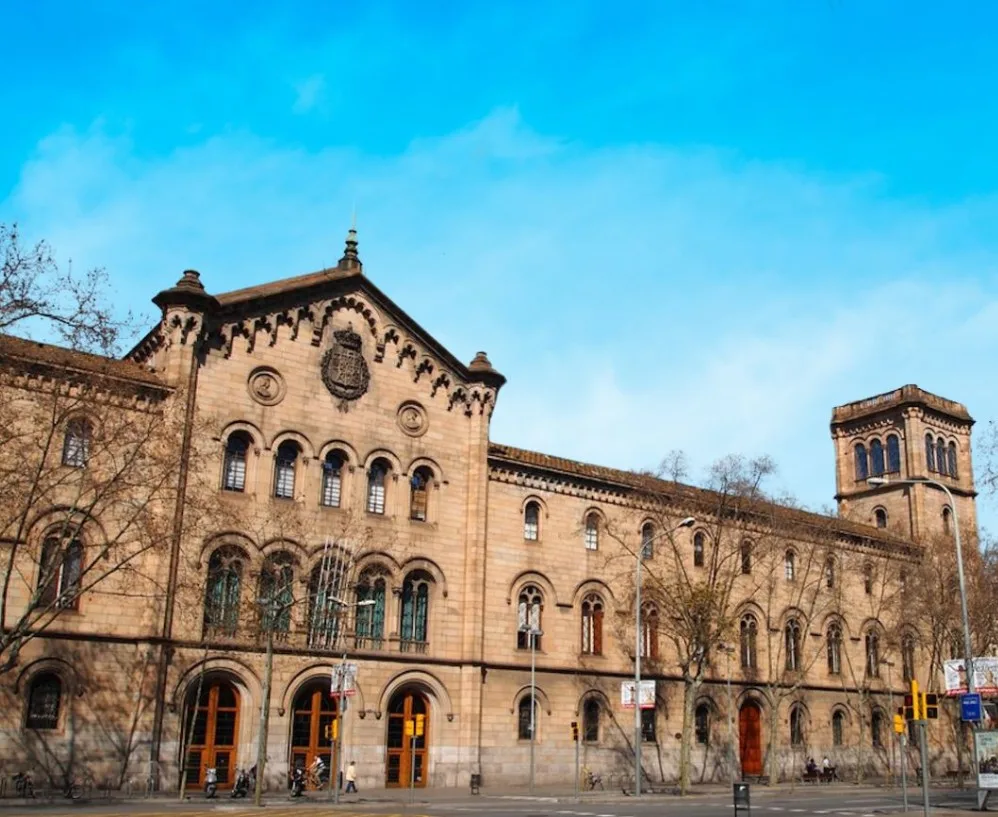
The University of Barcelona (Universitat de Barcelona) holds a consistent position as the number one institution for psychology in Spain and places among the top universities globally for the discipline. That ranking is not a marketing claim — it reflects decades of sustained research output, a faculty that includes internationally recognized scholars, and a clinical training infrastructure that connects students to one of Europe’s most complex urban healthcare systems from their third year onward.
The Faculty of Psychology at UB offers an undergraduate Grado en Psicología that covers all major subdisciplines — clinical, developmental, social, educational, neuropsychological, and organizational — within a four-year structure designed around scientific rigor and evidence-based practice. Students encounter research methodology from their first semester; this is not a department that treats methods as a box to be checked. Statistical analysis, experimental design, and critical appraisal of the psychological literature are woven throughout the curriculum rather than siloed into a single course.
At the postgraduate level, UB offers master’s programs in clinical psychology, neuropsychology, educational psychology, work and organizational psychology, and research in behavior and cognition. Its PhD programs in psychology attract doctoral candidates from across Europe and Latin America, drawn by the research culture and the opportunity to work alongside faculty members who publish consistently in top-tier international journals in areas spanning cognitive neuroscience, psychopathology, personality assessment, child development, and health psychology.
The university operates its own psychological clinic — a genuine training clinic where students complete supervised clinical hours while providing affordable services to the public. This is not a simulation: it is real clinical work, supervised by experienced clinicians, in a setting that bridges academic learning and professional practice in the most direct way possible.
Admission is highly competitive. The nota de corte typically falls between 11.5 and 12.5 out of 14. Programs are offered primarily in Spanish and Catalan; some master’s courses run in English. Barcelona as a city adds a dimension that no ranking can capture — Mediterranean climate, cultural density, and a position as one of Europe’s foremost scientific and professional hubs that creates internship and networking opportunities unavailable in smaller settings.
Autonomous University of Barcelona — Research Innovation Just Outside the City
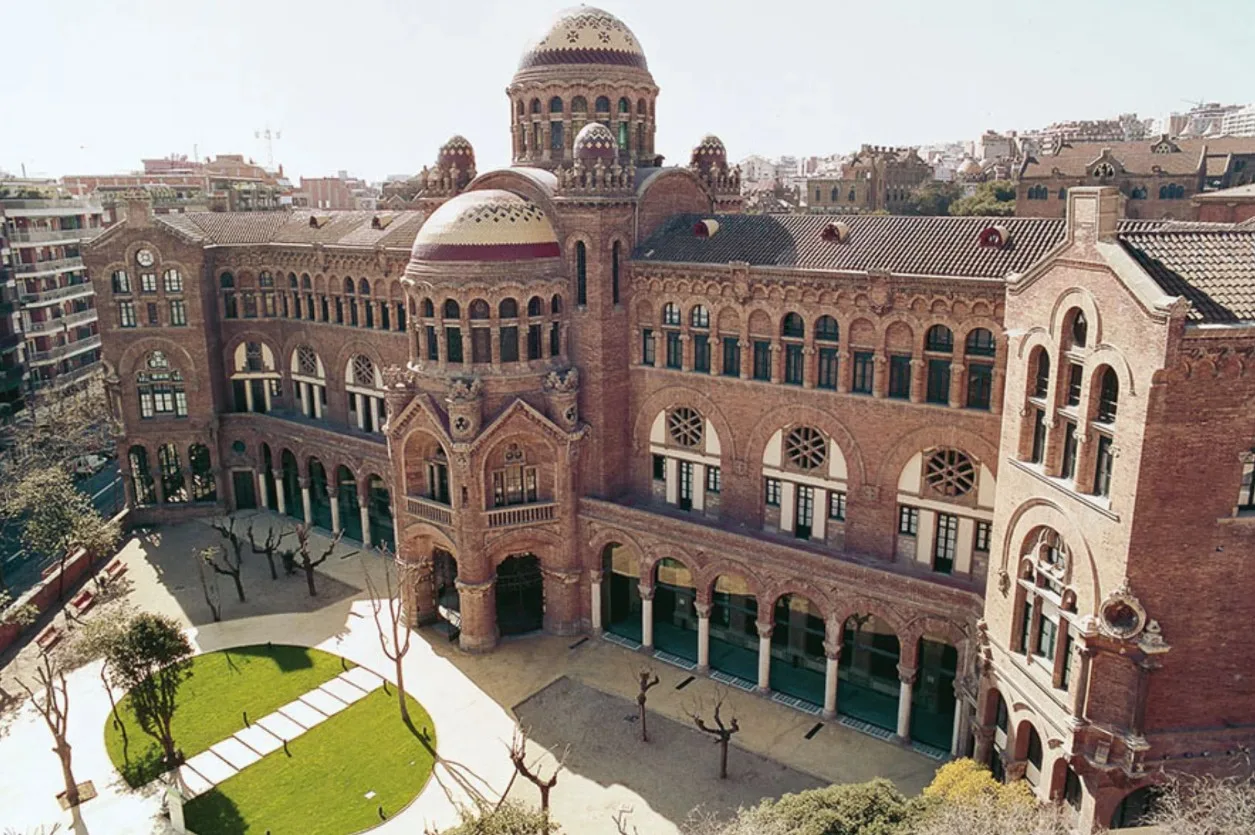
The Autonomous University of Barcelona (Universitat Autònoma de Barcelona) consistently ranks in the top three Spanish universities for psychology and has built a strong international profile for research output and academic quality. Located on a self-contained campus in Cerdanyola del Vallès — some 30 minutes from central Barcelona by commuter rail — UAB offers a concentrated academic environment that some students find genuinely preferable to a large urban campus: quieter, more cohesive, and better suited to the sustained focus that serious study of psychology requires.
UAB’s Faculty of Psychology takes a distinctly student-centered approach to its undergraduate degree. Small group seminars, interactive workshops, and personalized mentoring complement traditional lectures rather than serving as afterthoughts. Faculty members are accessible in ways that are not always possible at larger institutions, and the teaching culture actively values critical thinking and problem-solving over passive absorption of information. The curriculum is updated regularly to reflect advances in psychological science — a commitment that ensures students encounter relevant, current content rather than outdated frameworks.
Research at UAB in psychology is recognized by both Catalan and Spanish research evaluation agencies, with particular strengths in neuropsychology, cognitive psychology, psychopathology, and health psychology. Faculty members publish in high-impact journals and present at international conferences; doctoral students and undergraduates alike can engage with active research projects, gaining experience in experimental design, data collection, statistical analysis, and scientific communication. These are skills that transfer directly into evidence-based professional practice, making UAB’s research emphasis as relevant for future clinicians as for future academics.
International collaborations with leading universities worldwide create opportunities for faculty exchanges, joint research projects, and student mobility programs through Erasmus+ and other frameworks. For students interested in developing a genuinely international professional or academic network, these connections are a significant advantage.
The campus environment — comprehensive, green, well-connected — hosts modern psychology laboratories with advanced behavioral and neuroscientific equipment, a well-resourced library, and an engaged student community with numerous psychology and mental health focused organizations. The nota de corte is broadly competitive with UB, and programs run in Spanish and Catalan at the undergraduate level.
Complutense University of Madrid — History, Scale, and Spain’s Largest Psychology Faculty
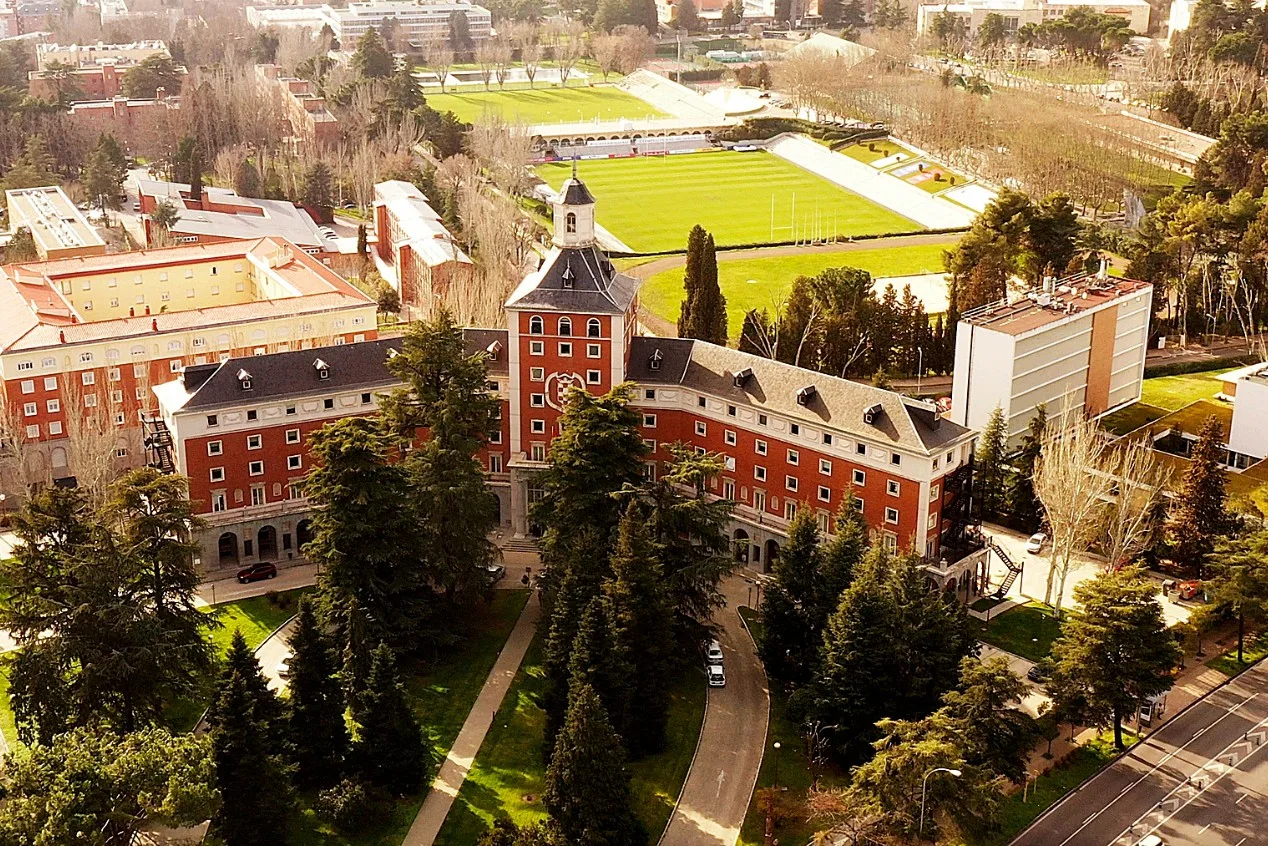
The Complutense University of Madrid (Universidad Complutense de Madrid) is one of the oldest continuously operating universities in the world and home to one of the largest psychology faculties in Spain. Where UAB and UPF can offer intimacy and focus, UCM offers something different and equally valuable: scale, diversity, and the professional density that comes with being located at the geographic and institutional center of Spanish public life.
UCM’s undergraduate psychology program enrolls approximately 370 students annually, creating a learning community large enough to generate genuine intellectual diversity but structured enough through seminars, small-group practica, and faculty mentoring to avoid the anonymity that can afflict very large academic programs. The nota de corte typically falls around 10 to 11 out of 14 — somewhat more accessible than Barcelona’s top programs while still reflecting real selectivity and maintaining high academic standards across a demanding curriculum.
The program’s most distinctive asset may be the sheer diversity of its postgraduate offerings. UCM offers master’s programs covering virtually every psychology specialization — clinical psychology, neuropsychology, forensic psychology, educational psychology, organizational psychology, health psychology, and multiple research-oriented programs — within a single institution. For students who arrive at the undergraduate level uncertain about which direction to take, this breadth means that options remain open rather than foreclosing prematurely into a single track.
Research at UCM spans clinical psychology interventions, cognitive processes, personality assessment, developmental psychopathology, and social psychology. Faculty publish regularly in leading Spanish and international journals; students engage with research methodology from early in their studies through required courses, laboratory practica, and opportunities to assist with funded faculty projects. The final-year dissertation at UCM frequently takes the form of an empirical research project — a meaningful data point for students planning to continue into postgraduate study.
Madrid itself is a professional environment of extraordinary richness for psychology graduates. Hospitals, clinics, schools, research institutes, government agencies, NGOs, and private organizations all generate demand for psychologists — and UCM’s partnerships with these institutions provide practicum placements that span the full breadth of applied psychology. The Ciudad Universitaria campus offers extensive green space, good facilities, and direct metro connections to the rest of the capital.
University of Granada — One of the Highest Cutoff Grades for Psychology in Spain
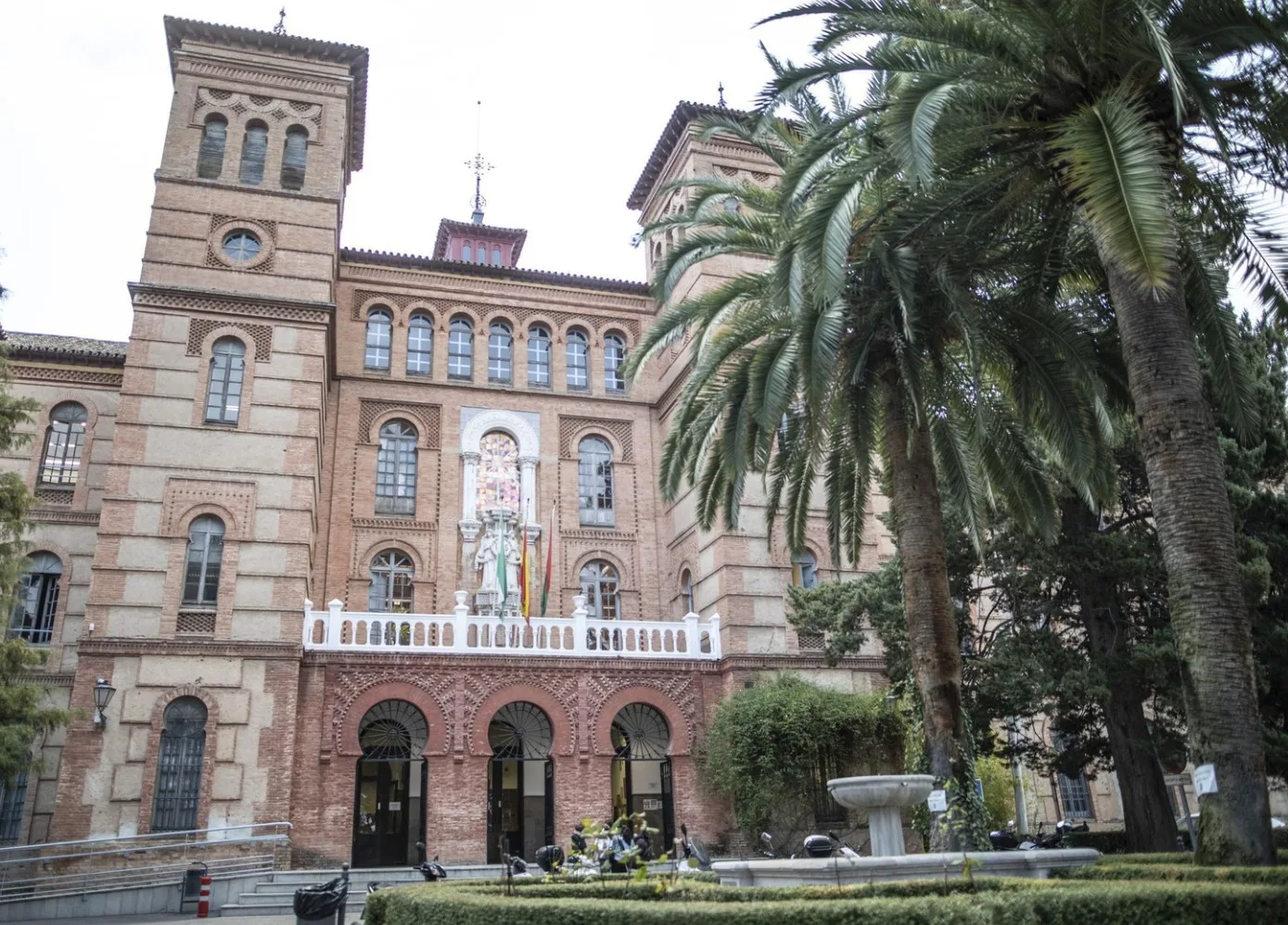
The University of Granada (Universidad de Granada) occupies a unique position in Spanish psychology education: it is frequently among the two or three universities with the highest nota de corte for psychology in the country, with cutoff grades regularly exceeding 11.5 to 12 out of 14. That level of selectivity is a meaningful signal about the quality of admitted students and the corresponding intellectual standard of the academic environment. Students at UGR’s Faculty of Psychology are, as a group, highly motivated — and that peer environment matters in ways that curriculum design alone cannot replicate.
The undergraduate degree provides comprehensive training in psychology foundations, research methods, assessment techniques, and intervention strategies. The emphasis throughout is on scientific rigor and evidence-based practice — students learn to think critically about psychological phenomena, evaluate the quality of evidence behind competing claims, and apply that critical stance to their own developing clinical or research practice. Practica are distributed across diverse settings throughout Granada and the broader Andalusian region: hospitals, schools, social services, and research laboratories.
At the postgraduate level, UGR offers specialized master’s programs including the required Máster en Psicología General Sanitaria, neuropsychology, intervention in learning difficulties, and research-oriented programs aligned with the faculty’s key research strengths. The doctoral program in psychology attracts students who have typically come through a research-intensive training trajectory and want to continue contributing to psychological science.
Research performance at UGR is consistently strong, with the faculty ranking highly in national assessments. Particular strengths cluster around cognitive psychology, health psychology, personality, and psychological assessment — areas in which UGR faculty have established international reputations through publication in top-tier journals and sustained competitive funding. Students can participate in ongoing research projects and develop the scientific thinking skills that are valuable regardless of career direction.
And then there is Granada itself. A mid-sized Andalusian city defined by extraordinary architectural heritage — the Alhambra palace sits above the city like a permanent reminder of eight centuries of Islamic civilization — a strong student culture, and a cost of living significantly lower than Madrid or Barcelona. For students weighing academic quality against financial sustainability, Granada makes a compelling case that the two need not be in conflict.
University of Valencia — Mediterranean Excellence With Clinical Depth

The University of Valencia (Universitat de València) is one of Spain’s oldest universities, founded in 1499, and its Faculty of Psychology has built a sustained reputation for clinical training depth, research engagement, and the quality of graduate preparation across applied and academic pathways. Located in Spain’s third-largest city on the Mediterranean coast, UV offers psychology students a combination that is genuinely rare: rigorous academic standards, extensive clinical networks, and an exceptionally livable city environment at moderate cost.
The undergraduate psychology degree at UV provides thorough training across all major subdisciplines, with recognized particular strengths in clinical psychology, health psychology, and psychological assessment. The curriculum is designed around integrative learning — helping students understand how different areas of psychology connect rather than treating subdisciplines as isolated silos — and teaching methods that deliberately vary between lectures, seminars, workshops, and project-based work. This pedagogical diversity is intentional: research on learning consistently suggests that varied instructional approaches produce deeper, more durable understanding than any single method.
Faculty members at UV are approachable and invested in student mentorship in ways that distinguish the institution from larger, more impersonal settings. The transition from undergraduate to postgraduate study is well-supported; UV’s master’s program in general health psychology is among the more established in Spain, and the organizational and work psychology programs have strong industry connections in Valencia’s diverse economic environment.
Research at UV spans cognitive psychology, developmental psychology, psychopathology, health psychology, and social psychology. Faculty publish consistently in respected Spanish and international journals; students develop research skills through required methodology courses, optional research practica, and empirical final-year dissertations. The research emphasis is practical as much as academic — Valencia’s strong connections with hospitals, schools, and social services throughout the Valencian Community mean that translational research feeding directly into applied settings is a realistic goal for motivated students.
Valencia as a city deserves a specific mention. The third-largest Spanish city, Mediterranean in climate and culture, with genuine beach access, excellent cycling infrastructure, strong public transport, and a cost of living distinctly below Madrid or Barcelona — it is, by most measures, one of the most genuinely enjoyable places to be a university student in Spain.
Autonomous University of Madrid — Research-Led Training in the Capital
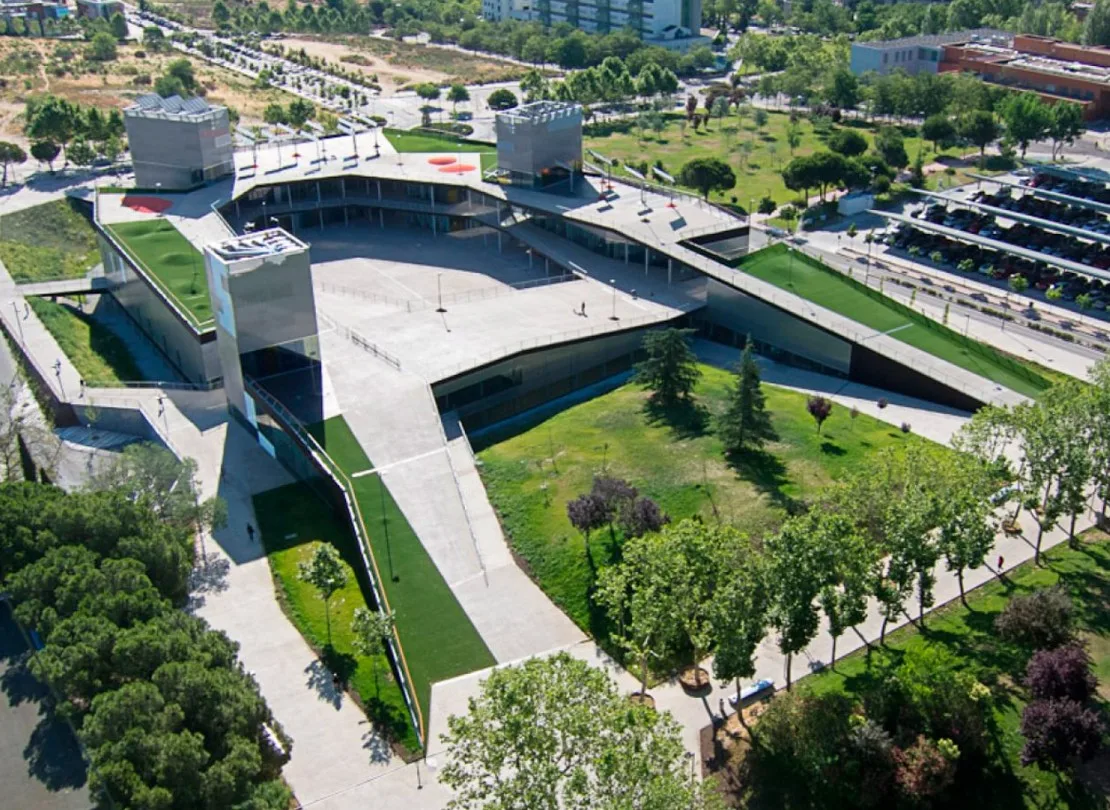
The Autonomous University of Madrid (Universidad Autónoma de Madrid) consistently ranks among Spain’s top universities overall and specifically for psychology, distinguished by a particularly strong research orientation that shapes the entire undergraduate experience from the first semester. At UAM, the question “what does the evidence actually show?” is not reserved for methods courses — it pervades the teaching culture across subdisciplines and makes UAM graduates notably sophisticated consumers and, where appropriate, producers of psychological research.
The undergraduate program provides comprehensive training with a research emphasis that does not come at the expense of clinical preparation. UAM’s faculty covers experimental psychology, cognitive neuroscience, clinical psychology, and developmental psychology within a curriculum that balances breadth with scientific depth. Students encounter rigorous statistics training, critical appraisal of psychological literature, and hands-on laboratory experience as core components rather than optional supplements. Many undergraduates complete empirical research projects for their final-year dissertations — a preparation for postgraduate study that UAM takes seriously as a distinguishing commitment.
Research groups at UAM conduct cutting-edge work in experimental psychology, cognitive neuroscience, clinical psychology, and developmental psychology. Faculty members publish in high-impact international journals and present at leading conferences; the research environment is genuinely active rather than performatively aspirational. Undergraduate research assistantships are available, giving motivated students direct access to the scientific enterprise before completing their degree.
Clinical and applied training is delivered through partnerships with hospitals, clinics, schools, and social services throughout Madrid, with supervised practica in the final years of the undergraduate degree. UAM’s master’s program in general health psychology is well-regarded, as are its offerings in psychopathology, neuropsychology, and organizational psychology. Graduates are well-regarded by employers and postgraduate programs alike — the UAM name carries weight throughout Spain’s professional and academic psychology communities.
Admission is highly competitive — nota de corte around 11.5 to 12.5 out of 14 — reflecting genuine demand for what UAM offers. The campus is located north of Madrid’s city center, connected by metro and commuter rail, offering a focused academic environment without sacrificing access to Spain’s capital and largest city.
University of the Basque Country — Bilingual Education and a Unique Cultural Context
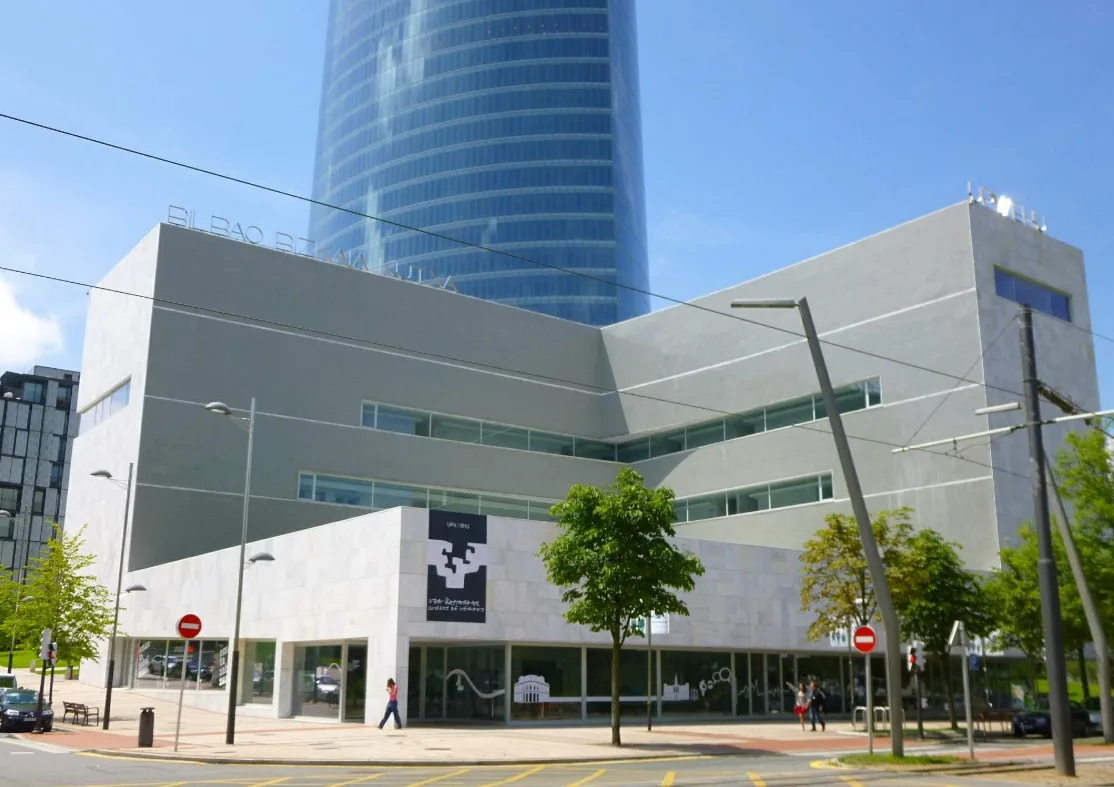
The University of the Basque Country (Universidad del País Vasco / Euskal Herriko Unibertsitatea — UPV/EHU) is the principal public university of Spain’s Basque region and the only university on this list where students can pursue their entire psychology degree in Basque (Euskera) — as well as in Spanish. This bilingual dimension is not a superficial feature: it reflects a deep institutional commitment to the Basque Country’s linguistic and cultural heritage and creates genuine research opportunities in areas like bilingualism, language acquisition, and cultural identity that are simply not available at the same depth anywhere else in Spain.
The Faculty of Psychology at UPV/EHU operates across three Basque provinces — Bizkaia, Gipuzkoa, and Araba — with the main psychology facilities centered in Donostia-San Sebastián, a coastal city that consistently ranks among the highest in European quality-of-life assessments. The undergraduate program covers all core psychology areas, with strong representation across clinical, social, developmental, educational, and organizational subdisciplines. Students complete practica in hospitals, schools, and social services throughout the Basque Country — a region with strong public investment in health and social care that generates genuine professional opportunities for psychology graduates.
Research at UPV/EHU has particular strengths in developmental psychology, neuropsychology, health psychology, and social psychology, with several research groups earning sustained recognition from Spanish and European research agencies. The bilingualism research strand is internationally distinctive: the Basque Country’s natural laboratory conditions for studying language development and cognitive effects of bilingualism have produced research with implications well beyond the region. Faculty publish regularly in respected international journals and secure competitive funding.
Master’s programs in general health psychology, intervention in difficulties in learning and development, and research-focused programs prepare graduates for professional licensure or doctoral study. The Basque Country’s strong economy — anchored in advanced manufacturing, technology, and a highly developed public sector — creates above-average employment conditions for psychology graduates relative to many other Spanish regions.
For students who value cultural distinctiveness, linguistic depth, and a high quality of life embedded in a region with genuine investment in psychological services, UPV/EHU offers something no other Spanish university can precisely replicate.
University of Seville — Academic Quality in the Heart of Andalusia
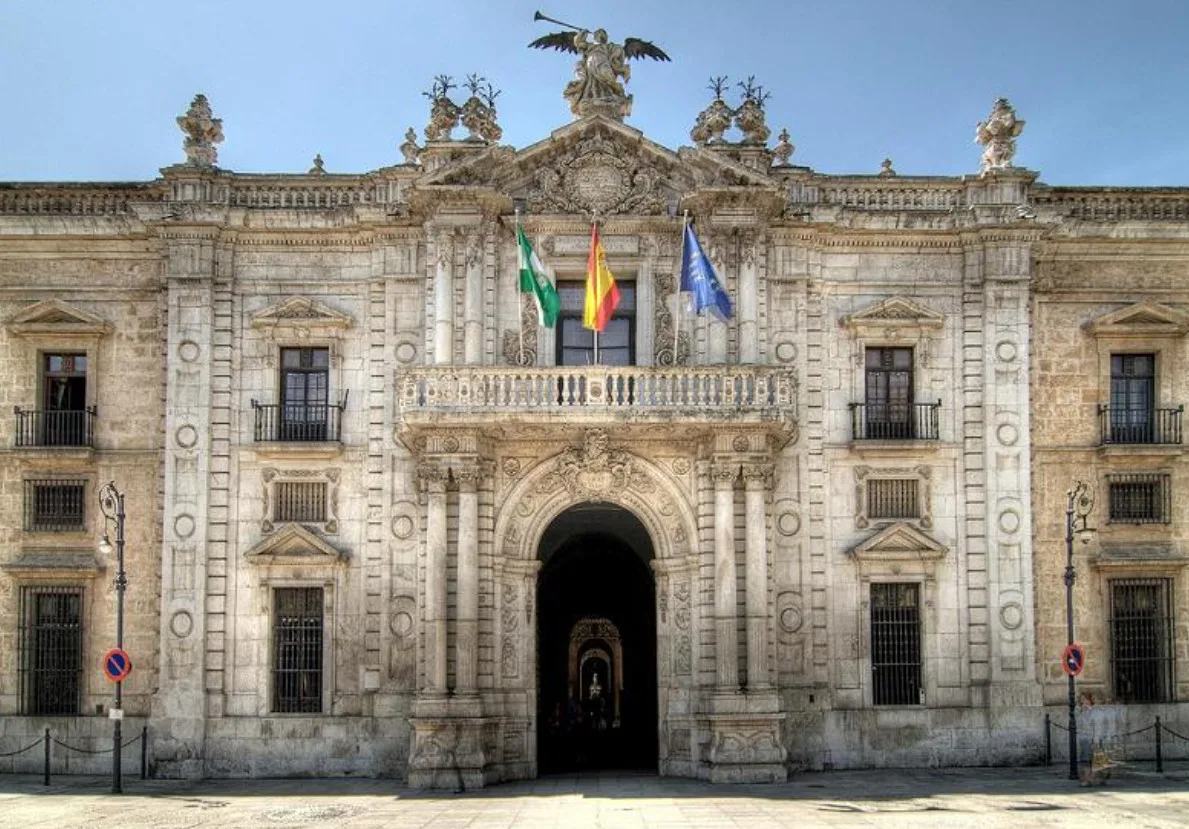
The University of Seville (Universidad de Sevilla) is Andalusia’s second-largest university and a consistent presence among Spain’s top psychology programs. It offers something that neither Madrid nor Barcelona can quite replicate: serious academic psychology embedded in southern Spain’s most historically rich city, at a cost of living that makes the entire educational experience more financially sustainable without any compromise on the quality of training.
The undergraduate psychology program at US provides thorough preparation across all major subdisciplines — clinical, developmental, social, educational, organizational, and research methodological — within a four-year curriculum that balances theoretical foundations with applied practice. Teaching methods reflect a genuine commitment to active learning: seminars, workshops, problem-based learning, and collaborative projects alongside traditional lectures. The effect is that students engage with material more deeply rather than simply receiving and reproducing it.
Research at US covers health psychology, social psychology, developmental psychology, and clinical interventions, with multiple research groups recognized for their contributions to Spanish and international psychological science. Faculty publish in respected journals; doctoral students work alongside them in an environment that treats research as a shared enterprise rather than an exclusively professorial activity. Undergraduate exposure to research culture — through methodology courses, optional research practica, and empirical final-year projects — ensures that graduates understand how psychological knowledge is produced, which is essential whether they pursue clinical or academic careers.
The practical training infrastructure at US connects students to hospitals, clinics, schools, and social service organizations across Seville and the wider Andalusian region. These practicum placements are supervised and structured to develop genuine professional competence, not simply to accumulate contact hours. The transition from supervised student to independent professional is better supported by real clinical and applied exposure than by any amount of additional theoretical coursework.
Master’s programs in general health psychology, sport psychology, organizational psychology, and other specializations round out the postgraduate offer. Seville’s relatively moderate nota de corte compared to Granada or Barcelona makes it accessible to students with strong but not extreme academic profiles — and the quality of education received in return for that more accessible admission threshold is genuinely competitive with higher-ranked institutions.
Pompeu Fabra University — Cognitive Science, Neuroscience, and Research-First Psychology

The Pompeu Fabra University (Universitat Pompeu Fabra — UPF) is the youngest institution on this list, founded in 1990, and the one that has moved most decisively into a specific intellectual territory: the intersection of psychology, cognitive science, and neuroscience. If UB and UAM represent broad-spectrum psychology excellence, UPF represents something more deliberately focused and, within that focus, genuinely world-class. Its Center for Brain and Cognition and associated research groups produce work that appears in Nature, Science, and the top-tier specialist journals with a consistency that most universities several times its size cannot match.
The undergraduate psychology program at UPF integrates knowledge from psychology, neuroscience, linguistics, philosophy, and computer science within a coherently interdisciplinary curriculum. This is not psychology as a standalone human science — it is cognitive science in the full sense, pursued with both behavioral and neuroscientific methods, from a perspective that takes seriously both the computational and the experiential dimensions of mind. Students who thrive here are those who want to understand psychological phenomena at multiple levels simultaneously, and who are genuinely excited by the empirical and theoretical methods required to do so.
Research training is intensive and begins early. Students have access to state-of-the-art laboratories with equipment for behavioral experiments, neuroimaging, and computational modeling. The research-intensive environment exposes students to current debates in cognitive science and psychological science, and the culture of the faculty actively involves undergraduates in ongoing projects rather than treating research as a purely postgraduate activity.
Postgraduate programs — particularly the master’s in Brain and Cognition and associated research programs — are internationally recognized and attract students from across Europe and beyond. UPF’s international orientation is reflected in the widespread availability of English-language instruction at both undergraduate and postgraduate levels, making it the most accessible of the nine universities on this list for English-speaking international applicants.
The university occupies renovated buildings and modern facilities in central Barcelona, giving students an urban campus experience in one of Europe’s most stimulating cities. Its relatively small size compared to traditional Spanish universities produces smaller class sizes and closer faculty-student relationships — qualities that matter significantly for a research-intensive educational culture. For students drawn toward cognitive neuroscience, experimental psychology, and research careers, UPF is not merely one option among nine equals: it is a genuinely distinctive choice.
How to Choose the Right Psychology University in Spain for You
After examining all nine institutions, the honest conclusion is this: no single university is objectively best for every applicant. Each has distinctive strengths, a specific institutional character, and an optimal fit for a particular kind of student with particular priorities. The question is not “which is ranked highest?” but “which is the best match for what I want from a psychology education and from the years I will spend pursuing it?”
Consider these factors carefully:
- Academic focus: if clinical psychology and applied practice are your primary interest, UB, UCM, Valencia, and Granada offer the deepest clinical training infrastructures. If cognitive science and neuroscience draw you, UPF is in a category of its own. If research breadth combined with scientific rigor is the goal, UAM and UAB are particularly strong.
- Language: most programs are taught in Spanish; Catalan-medium options exist at UB, UAB, and UPF; Basque-medium instruction is available at UPV/EHU. English-language postgraduate options are most developed at UPF.
- Admission competitiveness: be honest about your academic profile. A motivated student who thrives at Seville will develop more fully than a student who stretches to enter Granada but struggles within its peer environment. All nine universities on this list produce graduates who are well-regarded professionally and academically.
- Cost of living: Granada, Valencia, Seville, and San Sebastián all offer substantially lower living costs than Madrid or Barcelona — a factor that matters considerably over a four-year program followed by a one-to-two-year master’s.
- Career goals: for clinical practice in Spain, the Máster en Psicología General Sanitaria is obligatory — check which universities on this list offer it. For research careers, prioritize institutions with active doctoral programs and faculty who work in your area of interest. For international careers, UPF’s English-language infrastructure and international network are advantages.
Visit campuses where possible. Speak to current students. Trust your instincts about where you will feel intellectually alive and personally supported. The decision matters — but all nine of these institutions are genuine centers of psychological education, and the person you become as a psychologist will depend far more on how you engage with the education offered than on the specific university that offers it.
FAQs about Studying Psychology in Spain
What are the best universities to study psychology in Spain?
The best universities to study psychology in Spain — based on research performance, clinical training quality, and graduate employability — are the University of Barcelona, Autonomous University of Barcelona, Complutense University of Madrid, University of Granada, University of Valencia, Autonomous University of Madrid, University of the Basque Country, University of Seville, and Pompeu Fabra University. Each institution has a distinctive profile: UB and UPF lead in Barcelona, UCM and UAM dominate Madrid’s landscape, Granada and Seville represent Andalusia’s best, Valencia and UPV/EHU offer strong Mediterranean and Basque options respectively. The right choice depends on individual academic priorities, career goals, language preferences, and personal fit rather than any single ranking metric.
How competitive is it to study psychology in Spain’s top universities?
Very competitive. The nota de corte — the minimum grade required for admission — at Spain’s top psychology programs ranges from approximately 10 to 13.5 out of 14. The University of Granada and Pompeu Fabra University have historically had some of the highest cutoff grades for psychology in Spain, while universities like Complutense Madrid and Seville are somewhat more accessible while still maintaining genuine selectivity. International students face equivalent requirements plus language proficiency demonstrations and, in some cases, additional entrance examinations or credential evaluations. The selectivity reflects genuine demand: psychology is among the most popular degree choices in Spain, and places at top faculties are genuinely limited.
Can international students study psychology in Spain in English?
Most undergraduate psychology programs in Spain are taught primarily in Spanish, with Catalan required or preferred at some Catalan universities (UB, UAB, UPF). However, Pompeu Fabra University is the most internationally oriented and offers the most English-language instruction at both undergraduate and postgraduate levels. Several universities offer master’s programs partially or fully in English — check individual program pages for current language offerings. For international students without Spanish proficiency, language course preparation before arrival is strongly recommended regardless of the program, as daily academic and social life will be primarily conducted in Spanish or Catalan. Language programs specifically designed for future psychology students are available at most institutions.
What is the structure of a psychology degree in Spain?
Spain follows the Bologna Process structure for higher education. The undergraduate psychology degree (Grado en Psicología) is a four-year program providing broad training across all major psychology subdisciplines. Following the undergraduate degree, students who wish to practice clinically as health psychologists must complete the Máster en Psicología General Sanitaria — a one-to-two-year postgraduate program that provides the specialized clinical training and supervised practice hours required for professional licensure. Research-oriented students typically continue to doctoral programs (Doctorado) after completing an appropriate master’s. Spanish psychology degrees are recognized throughout the European Union under mutual recognition agreements, facilitating professional mobility across EU member states.
What career opportunities do psychology graduates from Spanish universities have?
Graduates from Spain’s top psychology programs find employment across a wide range of professional settings. Clinical psychologists — those who have completed the required health psychology master’s — work in public and private hospitals, community mental health centers, and private practice. Educational psychologists work in schools and educational support services. Organizational psychologists work in human resources, occupational health, and organizational development roles across all sectors of the economy. Neuropsychologists work in rehabilitation centers, hospitals, and research institutions. Research-oriented graduates pursue doctoral study and academic or applied research careers. The Spanish public health system, while competitive for positions, provides a structured professional pathway for licensed health psychologists through its national competitive examination (MIR-equivalent) system, which is currently under development for psychologists.
Is a master’s degree necessary to work as a psychologist in Spain?
For clinical practice specifically — that is, for working as a health psychologist who can diagnose, assess, and treat psychological conditions in health settings — yes. Spanish law currently requires completion of the Máster en Psicología General Sanitaria in addition to the undergraduate degree for the title of psicólogo general sanitario. This requirement was introduced in 2013 and represents Spain’s alignment with European standards for regulated health professions. For other psychology careers — educational psychology, organizational psychology, research, and human resources — the undergraduate degree provides a recognized qualification, though a master’s degree is increasingly the expectation for competitive professional positions in any sector. Students planning a clinical career should confirm which universities on their shortlist offer an accredited health psychology master’s program.
Bibliography
- Agencia Nacional de Evaluación de la Calidad y Acreditación (ANECA). (2024). Informe sobre la evaluación de los grados en Psicología en España. ANECA.
- Ministerio de Universidades de España. (2024). Datos y cifras del sistema universitario español. Ministerio de Universidades.
- QS World University Rankings. (2025). QS World University Rankings by Subject: Psychology. Quacquarelli Symonds.
- Shanghai Ranking Consultancy. (2025). Academic Ranking of World Universities — Psychology. ARWU.
- Times Higher Education. (2025). World University Rankings — Psychology. THE Rankings.
- Ley 33/2011, de 4 de octubre, General de Salud Pública. Boletín Oficial del Estado, núm. 240, 5 de octubre de 2011.
- Orden ECI/3057/2003 — Requisitos para la verificación de títulos universitarios de Psicología. Boletín Oficial del Estado.
- European Federation of Psychologists’ Associations (EFPA). (2024). EuroPsy — European Certificate in Psychology. EFPA.
Use this citation format to reference the article clearly and help readers find the original source.
PsychologyFor. (2026). The 9 Best Universities to Study Psychology in Spain. PsychologyFor. https://psychologyfor.com/the-9-best-universities-to-study-psychology-in-spain/