


See more of our articles in your search results.
Your friend takes what they think is a normal painkiller, and twenty minutes later they’re not breathing. That scenario has become devastatingly common, not because people are being reckless, but because fentanyl has quietly infiltrated the drug supply in ways most people never anticipated. A substance originally designed for surgical anesthesia and severe cancer pain now shows up, often undetected, in counterfeit pills, cocaine, and heroin, turning ordinary risk-taking into something dramatically more lethal than it used to be. The gap between what someone thinks they’re taking and what they’re actually taking has never been more dangerous.
If you’re reading this because you’re worried about your own use, a loved one’s use, or simply trying to understand why overdose deaths have climbed so sharply, that concern is entirely warranted. Fentanyl is roughly 50 to 100 times more potent than morphine, which means the margin between a typical dose and a fatal one is razor-thin, especially for anyone without an existing opioid tolerance. Understanding exactly what this drug does to the body and brain, rather than relying on vague warnings, gives people something more useful: the specific knowledge needed to recognize danger and respond to it quickly, whether that means recognizing an overdose in progress or understanding a loved one’s changing behavior.
So what does fentanyl actually do once it enters the body?
This article breaks down the nine most significant effects of fentanyl consumption, from the immediate physical and psychological changes through the longer-term risks, using current clinical and public health research to separate accurate information from dangerous misconceptions.
What Is Fentanyl and Why Is It So Dangerous?
Fentanyl is a synthetic opioid originally developed for severe pain management and surgical anesthesia, and it’s dangerous primarily because its extreme potency makes accidental overdose far more likely than with other opioids, especially when it’s mixed unknowingly into other drugs.
How many of these have you been "meaning to read" for months?


Pharmaceutical fentanyl has legitimate, carefully dosed medical uses, treating severe pain in cancer patients or during surgery under close supervision. Illicitly manufactured fentanyl, by contrast, is produced without any of those safety controls, often synthesized in unregulated labs and distributed with wildly inconsistent potency from batch to batch. That inconsistency is precisely what makes it so lethal. Someone might take what feels like a normal dose based on previous experience, only to encounter a batch several times stronger than expected.
The drug binds to mu-opioid receptors throughout the brain and body, the same receptors targeted by morphine and heroin, but fentanyl’s small molecular size lets it cross the blood-brain barrier remarkably fast. This rapid onset intensifies both its pain-relieving and its dangerous respiratory-depressing effects almost immediately after use, leaving very little time to intervene if something goes wrong.
Addiction researcher Nora Volkow, director of the National Institute on Drug Abuse, has repeatedly emphasized that fentanyl’s potency, combined with its increasing presence in the broader illicit drug supply, has fundamentally reshaped the overdose crisis in ways that older opioid-safety messaging never anticipated. Understanding this shift matters for anyone trying to make sense of why overdose numbers have risen so sharply in recent years.
What Are the 9 Most Important Effects of Fentanyl Consumption?
Fentanyl produces a specific cluster of effects on the body and mind, ranging from intense euphoria and sedation to dangerous respiratory suppression, and understanding each one helps clarify both its addictive pull and its life-threatening risk profile.
- Intense euphoria, a rapid, powerful sense of pleasure and relief that reinforces repeated use and drives the addictive potential.
- Respiratory depression, a slowing or complete stopping of breathing that represents the drug’s single most dangerous, potentially fatal effect.
- Sedation and drowsiness, often described as a heavy, drifting state that can shift unpredictably into unconsciousness.
- Pinpoint pupils (miosis), a distinctive physical sign that can help identify opioid intoxication in an emergency.
- Nausea and vomiting, common side effects that increase aspiration risk, especially when combined with sedation.
- Rapid tolerance development, requiring increasingly larger doses to achieve the same effect within a relatively short period.
- Cognitive fog and impaired judgment, affecting decision-making and increasing the risk of dangerous behavior while under the drug’s influence.
- Constipation, a persistent, often underdiscussed effect that can become severe with regular use.
- Physical dependence, where the body adapts to the drug’s presence and produces withdrawal symptoms once it’s removed.
These nine effects rarely occur in isolation. Someone using fentanyl typically experiences the pleasurable and dangerous effects simultaneously, which is exactly why the drug is both so addictive and so unpredictable in terms of risk, even for people who believe they know their own tolerance well.
Recognizing this full cluster, not just the euphoria that draws people toward continued use, offers a more complete and honest picture of what’s actually happening inside the body with every single dose, whether it’s the first or the fiftieth.

How Does Fentanyl Cause Respiratory Depression and Overdose?
Fentanyl causes respiratory depression by suppressing the brainstem’s normal drive to breathe, and because the drug’s potency is so high, this suppression can escalate from mild slowing to complete respiratory arrest within minutes, making it the primary mechanism behind fatal overdose.
The brainstem region responsible for regulating breathing contains a dense concentration of opioid receptors. When fentanyl binds to these receptors, it directly dampens the automatic signal that tells the body to inhale, essentially overriding a survival reflex most people never consciously think about. In smaller doses, this produces a mild, almost pleasant slowing of breath. In larger or unexpectedly potent doses, breathing can become dangerously shallow or stop entirely.
What makes this especially dangerous with illicit fentanyl specifically is the unpredictability of dose. A person might use a substance they believe is heroin or a prescription pill, unaware it contains fentanyl at a concentration far beyond what their body can safely tolerate. The resulting overdose can happen fast, sometimes within minutes of use, leaving little warning before breathing stops.
Recognizing the early signs, slowed or shallow breathing, blue-tinged lips or fingertips, unresponsiveness, and a limp body, can mean the difference between a survivable overdose and a fatal one. Immediate action, calling emergency services and administering naloxone if available, remains the single most effective response during this critical window.
What Are the Psychological and Cognitive Effects of Fentanyl?
Fentanyl produces significant psychological effects beyond its physical impact, including intense euphoria that reinforces continued use, cognitive fog that impairs judgment and memory, and emotional blunting that can develop with repeated use over time.
The euphoric rush fentanyl produces is powerful enough to reshape behavior quickly, sometimes after just a handful of uses. This isn’t simply about enjoying a pleasant feeling; it reflects genuine changes in the brain’s reward circuitry, where dopamine signaling becomes increasingly tied to the drug itself rather than to naturally rewarding activities like relationships, food, or accomplishment.
Psychiatrist Anna Lembke, whose work on addiction and the brain’s reward system has reached wide audiences, has described how repeated exposure to powerful substances like fentanyl can push the brain’s pleasure-pain balance toward requiring more and more stimulation just to feel normal, a process she calls hedonic recalibration. That shift helps explain why continued use often stops being about pleasure at all and becomes primarily about avoiding the discomfort of not using.
Cognitively, fentanyl impairs attention, working memory, and decision-making while active in the system, effects that can persist to some degree even after the acute high fades, particularly with frequent, heavy use. Emotional blunting is also commonly reported among long-term users, a dulled capacity to feel much of anything, positive or negative, that many describe as deeply isolating and difficult to reverse quickly.

How Quickly Does Fentanyl Cause Tolerance and Dependence?
Fentanyl tolerance can develop remarkably quickly, sometimes within days of regular use, requiring escalating doses to achieve the same effect, while physical dependence typically follows soon after as the body adapts to the drug’s constant presence.
Tolerance develops because the brain and body actively adjust to the presence of a powerful opioid, reducing receptor sensitivity and altering related neurochemical pathways to compensate. This adaptation happens faster with fentanyl than with many other opioids, partly because of its potency and partly because of how rapidly it enters and clears the system, requiring more frequent dosing to avoid withdrawal.
Addiction medicine physician and researcher Sarah Wakeman, whose clinical work focuses extensively on opioid use disorder treatment, has emphasized that tolerance and dependence are physiological adaptations, not moral failings, a distinction that matters enormously for how people experiencing them are treated by both the medical system and their own communities.
- Tolerance can develop within days to weeks of consistent fentanyl use, faster than with many prescription opioids.
- Escalating doses to maintain the same effect significantly increases overdose risk over time.
- Physical dependence means the body has adapted, producing withdrawal symptoms when the drug is reduced or stopped.
- Dependence is distinct from addiction, though the two frequently occur together and require related, informed treatment approaches.
Understanding this rapid timeline matters practically. Someone who used fentanyl casually just weeks earlier may already be experiencing significant dependence, a pattern that often surprises both the person using and the people around them who assumed more time would be required.
Why Is Illicit Fentanyl So Often Found in Other Drugs?
Illicit fentanyl frequently contaminates other drugs, including counterfeit prescription pills, cocaine, and heroin, primarily because it’s cheap to produce and extremely potent in small quantities, making it economically attractive for drug traffickers even though it dramatically increases overdose risk for unknowing users.
From a purely economic standpoint, fentanyl offers traffickers a way to stretch supply and increase potency using a fraction of the raw material required for other opioids. This isn’t a rare or occasional contamination either. Public health surveillance has documented fentanyl in a substantial and growing share of counterfeit pills and other street drugs across many regions, often without any noticeable difference in appearance, taste, or smell.
Epidemiologist Nabarun Dasgupta, whose research tracks patterns in the illicit drug supply, has documented how fentanyl’s spread has fundamentally changed overdose risk calculations for people using virtually any illicit substance, not just those specifically seeking opioids. Someone using cocaine recreationally, with no opioid tolerance whatsoever, faces genuine, sometimes fatal risk if that cocaine happens to be contaminated.
This contamination pattern is exactly why harm reduction advocates increasingly emphasize testing supplies before use, whenever possible, rather than assuming a substance is what it claims to be based on appearance or a dealer’s word. That single precaution, while not foolproof, meaningfully reduces the odds of an unexpected, potentially fatal overdose.
What Does Fentanyl Withdrawal Feel Like?
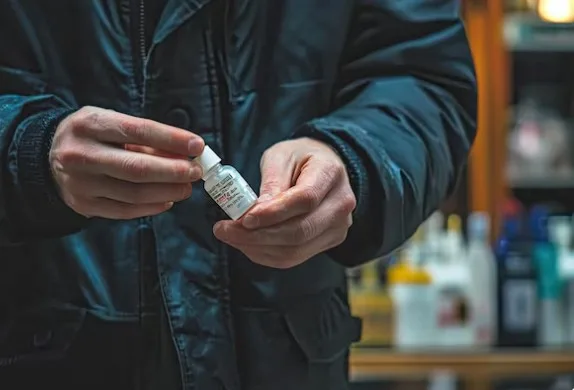
Fentanyl withdrawal typically produces intense flu-like symptoms, including muscle aches, sweating, nausea, and severe anxiety, often beginning within hours of the last dose and peaking within the first few days, though the exact timeline varies based on usage patterns.
| Withdrawal Symptom | Typical Onset |
| Anxiety, restlessness, muscle aches | Within 6 to 12 hours |
| Nausea, vomiting, diarrhea, sweating | 12 to 24 hours |
| Peak physical discomfort | 24 to 72 hours |
| Lingering fatigue and mood disturbance | Days to weeks afterward |
The physical symptoms alone are often severe enough to drive continued use simply to avoid the discomfort of stopping, a pattern that traps many people in a cycle that has little to do with seeking pleasure anymore. This distinction, using to avoid withdrawal rather than to get high, marks a meaningful shift in someone’s relationship with the substance.
One particularly important clinical detail involves medication-assisted treatment. Because fentanyl accumulates in body tissue differently than other opioids, starting certain treatment medications like buprenorphine too soon can trigger a sudden, severe withdrawal reaction called precipitated withdrawal. This risk has led addiction medicine specialists to adjust standard induction protocols specifically for people whose primary use involves fentanyl.
Withdrawal, while rarely life-threatening on its own the way overdose is, remains genuinely difficult to endure without support. Medical detox and appropriate medication management can meaningfully ease this process, making it far more survivable than attempting to stop abruptly and alone.
How Does Naloxone Reverse a Fentanyl Overdose?
Naloxone reverses a fentanyl overdose by rapidly displacing the drug from opioid receptors in the brain, restoring normal breathing within minutes, though fentanyl’s extreme potency sometimes requires multiple naloxone doses to achieve a full, sustained reversal.
- Recognize overdose signs immediately, including unresponsiveness, slowed or stopped breathing, and blue-tinged lips or skin.
- Administer naloxone via nasal spray or injection as soon as an overdose is suspected, without waiting for absolute certainty.
- Call emergency services right away, since naloxone’s effects can wear off before fentanyl fully clears the body.
- Monitor and prepare for repeat dosing, since fentanyl’s potency sometimes requires additional naloxone doses beyond what other opioids typically need.
Naloxone works by binding more strongly to opioid receptors than fentanyl does, essentially knocking the drug loose and temporarily blocking its effects. This mechanism is remarkably effective, but it’s also temporary, often lasting only 30 to 90 minutes, while fentanyl can remain active in the body considerably longer than that window.
This mismatch is exactly why calling emergency services remains essential even after naloxone successfully restores breathing. Someone can appear to recover, then slip back into overdose once the naloxone wears off if the underlying fentanyl hasn’t been fully cleared, a genuinely dangerous pattern that catches many bystanders off guard.

What Are the Long-Term Health Effects of Fentanyl Use?
Long-term fentanyl use is associated with significant health consequences, including chronic respiratory issues, hormonal disruption, persistent gastrointestinal problems, and cognitive changes, many of which develop gradually and can persist even after someone stops using.
Chronic opioid use, fentanyl included, can suppress the body’s natural hormone production over time, affecting reproductive health, energy levels, and mood regulation in ways that aren’t always immediately connected back to drug use by the people experiencing them. Persistent constipation, sometimes severe enough to require medical intervention, is another commonly underdiscussed long-term consequence.
Repeated episodes of even non-fatal respiratory depression can contribute to cumulative brain injury from oxygen deprivation, sometimes affecting memory, concentration, and overall cognitive function over years of use. This risk compounds with each overdose survived, not just the final, fatal one that public conversation tends to focus on exclusively.
Addiction policy researcher Andrew Kolodny, whose extensive work on the opioid crisis has shaped national policy discussions, has emphasized that long-term health consequences extend well beyond the immediate overdose risk that dominates public attention, encompassing a broader pattern of chronic illness that complicates recovery even years into sobriety. Recognizing this fuller picture matters for setting realistic expectations about what long-term recovery actually involves.
How Can Fentanyl Test Strips Help Reduce Overdose Risk?
Fentanyl test strips allow people to check drugs for the presence of fentanyl before use, offering a low-cost, accessible harm reduction tool that can meaningfully reduce, though not entirely eliminate, the risk of an unexpected, potentially fatal overdose.
These strips work through a simple chemical reaction, detecting even trace amounts of fentanyl in a small drug sample dissolved in water. A positive result doesn’t tell someone exactly how much fentanyl is present, only that it’s there at all, which means the strips function best as a warning system rather than a precise safety guarantee.
Public health researcher Keith Humphreys, whose work on addiction policy has informed harm reduction strategy broadly, has noted that tools like fentanyl test strips represent a pragmatic, evidence-based approach to reducing overdose deaths, meeting people where they actually are rather than insisting on abstinence as the only acceptable safety measure.
- Test strips can detect fentanyl in pills, powders, and other drug forms with reasonable reliability.
- A negative result reduces, but doesn’t eliminate, the possibility of fentanyl contamination.
- Access to test strips has expanded considerably as harm reduction policy has evolved in many regions.
- Using a strip alongside other precautions, like having naloxone available, offers layered, more comprehensive protection.
No single tool eliminates risk entirely, and test strips work best as one part of a broader harm reduction approach rather than a standalone solution people can rely on exclusively.
What Treatment Options Exist for Fentanyl Use Disorder?
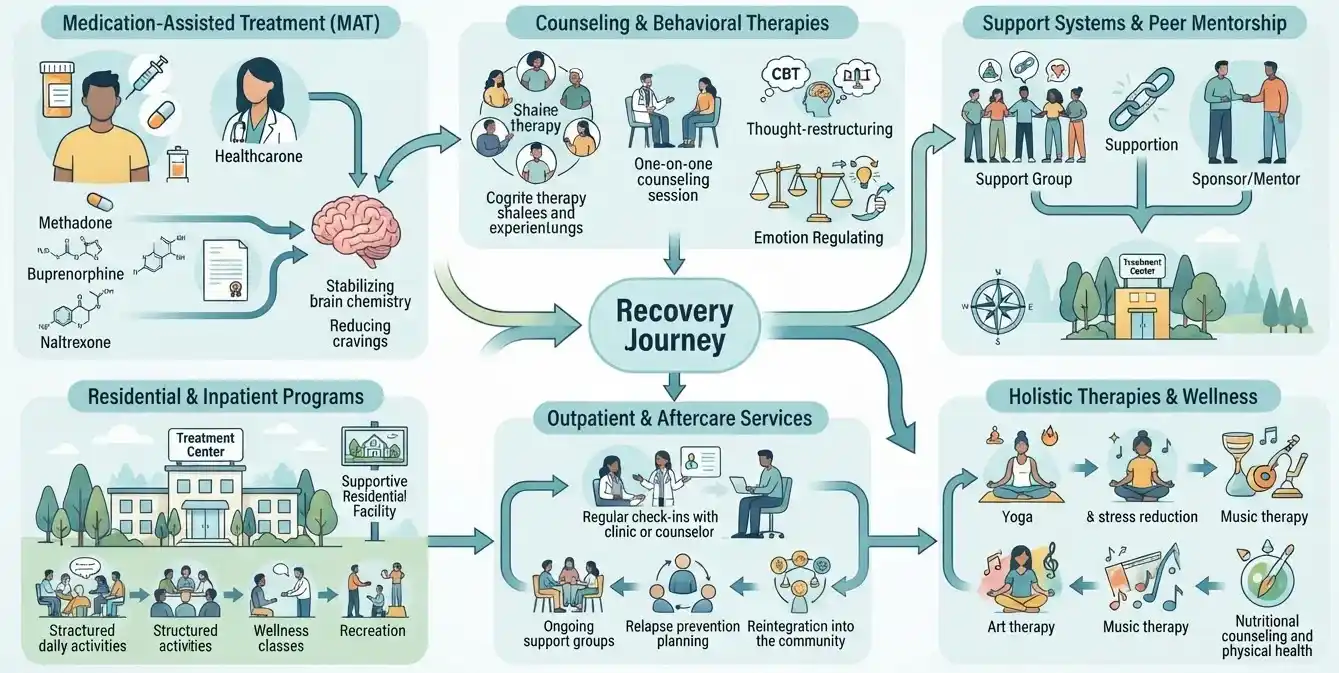
Treatment for fentanyl use disorder typically combines medication-assisted treatment, such as buprenorphine or methadone, with behavioral therapy and ongoing support, an approach consistently shown to reduce relapse and overdose risk more effectively than behavioral treatment alone.
Medications like buprenorphine and methadone work by occupying the same opioid receptors fentanyl affects, reducing cravings and withdrawal symptoms without producing the same dangerous, escalating high. This medical foundation gives people a genuinely more stable platform from which to engage in the psychological and behavioral work that sustained recovery also requires.
George Koob, director of the National Institute on Alcohol Abuse and Alcoholism, whose broader research on addiction neurocircuitry applies directly to opioid use disorder as well, has emphasized that addiction fundamentally involves changes to brain circuits governing stress, reward, and self-control, changes that medication can help stabilize while therapy addresses the underlying behavioral patterns and life circumstances involved.
Recovery from fentanyl use disorder is genuinely achievable, though it typically requires sustained, professional support rather than willpower alone, given how deeply the drug reshapes both brain chemistry and daily behavior patterns. Seeking that support reflects strength, not failure, and effective treatment options exist for anyone ready to pursue them.
FAQs about the Effects of Fentanyl Consumption
How much fentanyl does it take to overdose?
There’s no single safe threshold, since fentanyl’s potency varies enormously between illicitly produced batches, and individual factors like body weight, opioid tolerance, and other substances used simultaneously all influence overdose risk. Research and public health messaging often reference extremely small amounts, sometimes just a few milligrams, as potentially lethal for someone without opioid tolerance, though tolerance can shift this threshold considerably for regular users. The unpredictable potency of illicit fentanyl means someone genuinely cannot know how much they’re consuming just by looking at a pill or powder. This uncertainty is precisely why harm reduction tools like fentanyl test strips and naloxone availability have become such important parts of public health strategy around this specific drug.
Can you overdose on fentanyl without knowing you took it?
Yes, and this scenario has become tragically common as fentanyl has spread into the broader illicit drug supply, contaminating substances like counterfeit prescription pills, cocaine, and heroin without any noticeable change in appearance or taste. Someone using a substance they believe is something else entirely, with no intention of using an opioid, can experience a fentanyl overdose because the contamination is essentially undetectable without specific testing. This is a significant reason public health messaging has shifted toward recommending fentanyl test strips even for people who don’t consider themselves opioid users, since the risk now extends well beyond people intentionally seeking opioids specifically.
Why is fentanyl so much more dangerous than other opioids?
Fentanyl’s extreme potency, roughly 50 to 100 times stronger than morphine, means the difference between a typical dose and a fatal one is dramatically smaller than with other opioids like heroin or prescription painkillers. This narrow margin becomes especially dangerous when combined with the inconsistent potency of illicitly manufactured fentanyl, where drug users often have no reliable way to know exactly how much they’re consuming. Fentanyl also crosses into the brain more rapidly than many other opioids, intensifying its effects, including dangerous respiratory suppression, within minutes of use. Together, these factors create a combination of unpredictability and speed that makes fentanyl considerably riskier than opioids people may have more experience or familiarity managing.
Does naloxone always work on a fentanyl overdose?
Naloxone generally works effectively on fentanyl overdoses, but its potency sometimes requires multiple doses to achieve a full reversal, unlike with less potent opioids where a single dose often suffices. Naloxone’s effects also wear off within roughly 30 to 90 minutes, while fentanyl can remain active in the body longer than that window, creating a real risk that someone could slip back into overdose after apparently recovering. This is why calling emergency services remains essential even after naloxone successfully restores breathing, rather than assuming the crisis has fully passed. Having multiple doses of naloxone on hand, when possible, and seeking immediate medical follow-up significantly improves outcomes in fentanyl-specific overdose situations.
How long does fentanyl stay in your system?
Fentanyl’s effects typically last a few hours, but the drug and its metabolites can remain detectable in the body for a longer period, generally one to three days for standard urine testing, though this varies based on dose, frequency of use, and individual metabolism. Chronic, heavy use can extend detection windows further, since fentanyl accumulates in body tissue over time with repeated exposure. This tissue accumulation is also clinically significant for addiction treatment, since it can complicate the timing of certain medications used in opioid use disorder treatment, sometimes requiring adjusted protocols to avoid triggering precipitated withdrawal during treatment initiation.
Can someone become addicted to fentanyl after using it just once?
A single use is unlikely to produce full addiction, which generally involves a more complex pattern of compulsive use despite negative consequences developing over repeated exposures. However, fentanyl’s intense euphoric effects and rapid tolerance development mean that a meaningful pattern of use, and genuine physical dependence, can establish itself considerably faster than with many other substances, sometimes within days to weeks of regular use. This doesn’t mean one use guarantees future addiction, since individual risk factors, including genetics, mental health, and life circumstances, all play a meaningful role. It does mean fentanyl carries a notably faster and steeper path toward dependence than many people assume, based on experiences with less potent substances.
What should I do if I suspect someone is overdosing on fentanyl?
Call emergency services immediately, since time matters enormously in a fentanyl overdose given how quickly breathing can stop. If naloxone is available, administer it right away rather than waiting for medical professionals to arrive, since early administration significantly improves survival odds. Try to keep the person on their side if they’re breathing but unresponsive, to reduce aspiration risk if they vomit. Stay with them until help arrives, and be prepared to administer a second dose of naloxone if breathing doesn’t improve within a few minutes, since fentanyl’s potency sometimes requires more than one dose. Most areas have legal protections, often called Good Samaritan laws, that protect people who call for help during an overdose from certain legal consequences.
Is fentanyl used legally in medicine, and is that different from illicit fentanyl?
Yes, pharmaceutical fentanyl has legitimate, carefully regulated medical uses, typically for severe pain management in cancer patients or during surgical anesthesia, administered in precisely measured doses under close medical supervision. Illicitly manufactured fentanyl, which drives the overdose crisis discussed in public health contexts, is produced without any regulatory oversight, resulting in wildly inconsistent potency between batches and often unknown concentrations when it contaminates other street drugs. The chemical substance is fundamentally the same, but the context, dosing precision, and medical supervision differ enormously between legitimate pharmaceutical use and the illicit supply responsible for the vast majority of fentanyl-related overdose deaths in recent years.
Bibliography
- Volkow, N. D., Koob, G. F., & McLellan, A. T. (2016). Neurobiologic Advances from the Brain Disease Model of Addiction. New England Journal of Medicine, 374(4), 363-371.
- Lembke, A. (2021). Dopamine Nation: Finding Balance in the Age of Indulgence. Dutton.
- Wakeman, S. E., & Rich, J. D. (2018). Barriers to Medications for Addiction Treatment: How Stigma Kills. Substance Use & Misuse, 53(2), 330-333.
- Dasgupta, N., Beletsky, L., & Ciccarone, D. (2018). Opioid Crisis: No Easy Fix to Its Social and Economic Determinants. American Journal of Public Health, 108(2), 182-186.
- Kolodny, A., Courtwright, D. T., Hwang, C. S., et al. (2015). The Prescription Opioid and Heroin Crisis: A Public Health Approach to an Epidemic of Addiction. Annual Review of Public Health, 36, 559-574.
- Humphreys, K. (2022). Responding to the Opioid Crisis in North America and Beyond: Recommendations of the Stanford-Lancet Commission. The Lancet, 399(10324), 555-604.
- Koob, G. F., & Volkow, N. D. (2016). Neurobiology of Addiction: A Neurocircuitry Analysis. The Lancet Psychiatry, 3(8), 760-773.
- Centers for Disease Control and Prevention. (2023). Fentanyl Facts. CDC.
- National Institute on Drug Abuse. (2023). Fentanyl DrugFacts. NIDA.
Use this citation format to reference the article clearly and help readers find the original source.
PsychologyFor. (2026). The 9 Most Important Effects of Fentanyl Consumption. PsychologyFor. https://psychologyfor.com/the-9-most-important-effects-of-fentanyl-consumption/