


See more of our articles in your search results.
Let me tell you about the worst book gift I ever received. Someone I had met twice handed me a shrink-wrapped self-help hardcover that promised success, early mornings, and relentless positive thinking. The inscription said something vague like “Hope this helps.” It sat unread on a shelf for years. A book gift should never feel like an assignment.
Done well, though, a book is one of the most personal gifts you can give at Christmas. It says that you noticed what someone laughs at, what they are worried about, which stories move them, or what kind of curiosity keeps returning in conversation. Books are also time commitments, not just objects. Giving one communicates that you chose a world you believe this person will want to spend hours inside, which is why thoughtful book gifting can feel unusually intimate.
So what separates a cherished book from something that quietly ends up at a charity shop?
This revised guide combines classic gift-giving principles with the best books to give at Christmas, using specific recommendations, recipient types, and practical notes on when each gift is likely to land well.
The Best Books to Give at Christmas
Verified Top Picks- 1
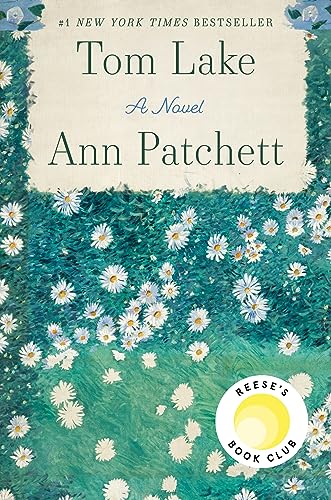 Ann Patchett Tom Lake A quiet, deeply thoughtful novel exploring family memory, youthful love, and life reflectionsCHECK TODAY'S PRICE
 - 2
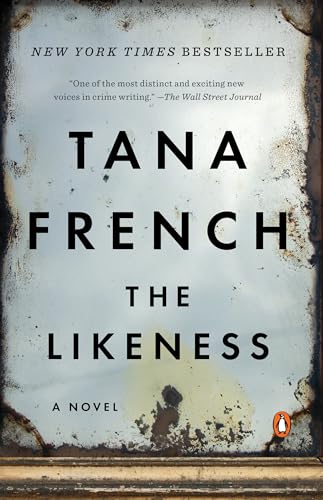 Tana French The Likeness An immersive psychological suspense novel blending identity, friendship, and atmospheric mysteryCHECK TODAY'S PRICE
 - 3
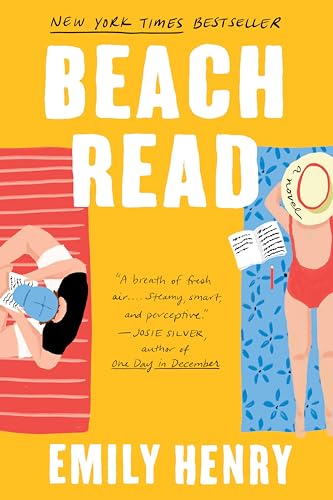 Emily Henry Beach Read A charming contemporary romance pairing humor and banter with grief and creative vulnerabilityCHECK TODAY'S PRICE
 - 4
 Anthony Doerr All the Light We Cannot See A sweeping, Pulitzer Prize-winning WWII historical epic about resilience, radio, and connectionCHECK TODAY'S PRICE
 - 5
 N. K. Jemisin The Fifth Season A Hugo Award-winning fantasy masterpiece exploring power, oppression, and survivalCHECK TODAY'S PRICE
 - 6
 Daniel Kahneman Thinking, Fast and Slow A Nobel laureate's deep dive into cognitive biases, fast intuition, and deliberate reasoningCHECK TODAY'S PRICE
 - 7
 Lori Gottlieb Maybe You Should Talk to Someone A therapist explores her patients' stories alongside her own journey through life crisisCHECK TODAY'S PRICE
 - 8
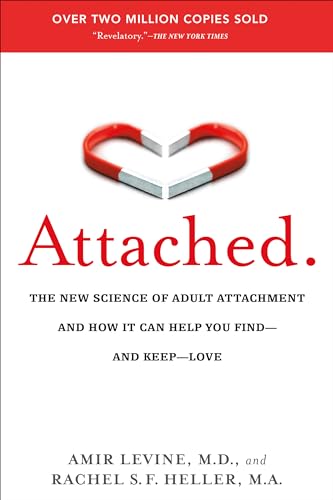 Amir Levine & Rachel Heller Attached: The New Science of Adult Attachment Understanding adult attachment styles to build secure, healthy, and lasting relationshipsCHECK TODAY'S PRICE
 - 9
 Viktor E. Frankl Man's Search for Meaning A psychiatrist's timeless reflection on finding purpose, resilience, and logotherapy amid sufferingCHECK TODAY'S PRICE
 - 10
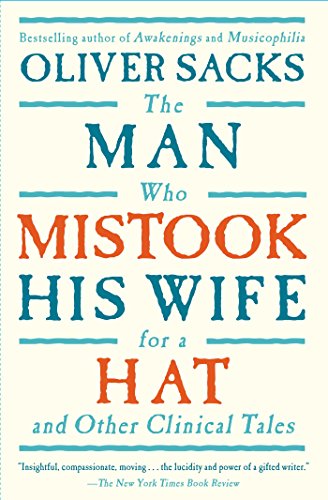 Oliver Sacks The Man Who Mistook His Wife for a Hat Fascinating neurological case studies told with literary clarity and profound human empathyCHECK TODAY'S PRICE
 - 11
 Yuval Noah Harari Sapiens: A Brief History of Humankind A provocative and sweeping history of human evolution, cognition, capitalism, and societyCHECK TODAY'S PRICE
 - 12
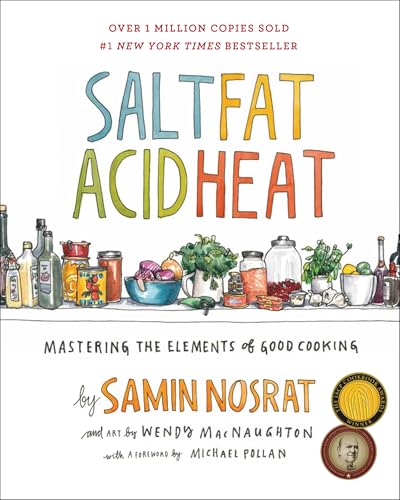 Samin Nosrat Salt, Fat, Acid, Heat Mastering the fundamental elements of good cooking through food science and delicious recipesCHECK TODAY'S PRICE
 - 13
 Austin Kleon Steal Like an Artist A punchy, illustrated guide unlocking creative influence, experimentation, and artistic persistenceCHECK TODAY'S PRICE
 - 14
 Gretchen McCulloch Because Internet: Understanding the New Rules of Language A lively exploration of internet slang, emojis, punctuation, and digital linguisticsCHECK TODAY'S PRICE
 - 15
 Joan Didion The Year of Magical Thinking An unflinching, poignant memoir navigating shock, sudden grief, and memory after lossCHECK TODAY'S PRICE
 - 16
 Paul Kalanithi When Breath Becomes Air A young neurosurgeon confronts terminal cancer, reflecting on mortality, meaning, and loveCHECK TODAY'S PRICE
 - 17
 Bill Burnett & Dave Evans Designing Your Life Applying Stanford design thinking principles to build a meaningful, customized career and lifeCHECK TODAY'S PRICE
 - 18
 Rebecca Solnit Hope in the Dark An inspiring, evidence-grounded case for active hope, social movements, and change amid uncertaintyCHECK TODAY'S PRICE
 - 19
 Rebecca Skloot The Immortal Life of Henrietta Lacks Investigative reporting uncovering HeLa cells, bioethics, consent, and medical scienceCHECK TODAY'S PRICE
 - 20
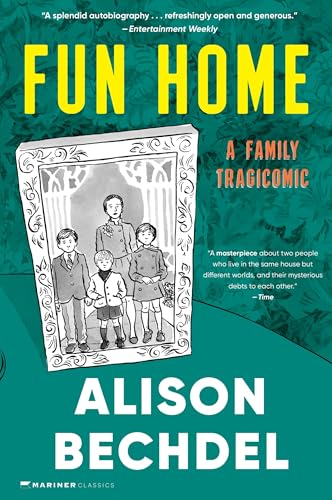 Alison Bechdel Fun Home: A Family Tragicomic A brilliant graphic memoir weaving literature, family secrets, sexuality, and intricate artworkCHECK TODAY'S PRICE
What Makes a Book a Good Christmas Gift?
A good Christmas book gift matches the recipient’s actual habits, interests, and present circumstances. It does not need to be the biggest bestseller, the most prestigious title, or the book you personally would most want to read. It needs to feel chosen for this particular person.
First, pay attention to reading behavior. Do they finish books quickly or slowly? Do they love contemporary romance, ambitious historical fiction, accessible nonfiction, practical psychology, fantasy series, poetry, or beautifully illustrated editions? Giving a dense eight-hundred-page historical novel to a friend who only reads short mysteries is not an adventurous gift; it is usually a mismatch. Reading preferences matter.
Second, avoid assuming that the most visible bestseller is automatically the best choice. A committed reader has probably already heard about the book dominating social media, display tables, and year-end recommendation lists. They may have read it, borrowed it, bought it, or deliberately decided it was not for them. A slightly less obvious title that fits their taste signals far more genuine attention.
Third, consider the physical edition. A handsome hardcover, clothbound classic, illustrated version, or special edition can make a familiar book feel newly meaningful. The recipient may already have read Pride and Prejudice, for example, but a beautiful edition can become a book they keep, display, and revisit. The object itself can become part of the gift.
- Choose a book based on the recipient’s actual reading habits, not your own favorites
- Look beyond mega-bestsellers for a more personal discovery
- Consider a hardcover or illustrated edition for a more lasting keepsake
- Add a short, specific inscription explaining why you chose it

Fiction That Works as Christmas Gifts
Fiction is often the safest book-gift category because it offers pleasure, escape, and emotional insight without suggesting that the recipient has a problem to solve. Still, genre and tone matter enormously.
For literary fiction readers, writers such as Ann Patchett, Anthony Doerr, and Celeste Ng tend to work well because their books balance readability with emotional and thematic depth. For mystery readers, a smart series starter can be more valuable than a standalone literary bestseller. For readers in a difficult season, a warm romance may offer more genuine comfort than an admired but relentlessly bleak novel.
1. Tom Lake — Ann Patchett
Tom Lake by Ann Patchett is a deeply thoughtful novel about family, memory, youthful love, and the stories people tell about their own lives after enough time has passed.
It works especially well for readers who appreciate quiet emotional complexity rather than plot-heavy drama. The novel creates space for reflection without becoming heavy-handed, making it a beautiful Christmas gift for a literary reader.
- Explores family memory and first love
- Offers quiet, reflective literary fiction
- Ideal for a friend who enjoys relationship-centered stories
2. The Likeness — Tana French
The Likeness by Tana French combines psychological suspense with an immersive mystery involving friendship, identity, loyalty, and the desire to belong somewhere completely.
It is a particularly good gift for someone who reads thrillers but wants richer characters than a straightforward crime puzzle usually provides. The book can also introduce a reader to the broader Dublin Murder Squad series.
- Blends mystery with psychological depth
- Explores friendship and belonging
- Works well for devoted mystery readers
3. Beach Read — Emily Henry
Beach Read by Emily Henry follows two writers who swap genres for the summer: a romance novelist who has stopped believing in happy endings and a literary writer who distrusts romance entirely.
The novel is funny, romantic, and emotionally grounded. It works particularly well for a friend who needs warmth and escape but would still appreciate themes of grief, creative paralysis, and starting over.
- Combines humor, romance, and emotional depth
- Addresses grief and creative burnout
- Ideal for fans of contemporary romantic fiction
4. All the Light We Cannot See — Anthony Doerr
All the Light We Cannot See by Anthony Doerr follows two young people during World War II whose paths eventually intersect amid radio transmissions, occupied cities, danger, and moral conflict.
This is a memorable gift for someone who enjoys richly written historical fiction. Its central themes of beauty, resilience, and human connection stay with readers long after the final page.
- Offers sweeping historical fiction
- Explores meaning amid wartime hardship
- Suitable for readers who enjoy emotionally rich novels
5. The Fifth Season — N. K. Jemisin
The Fifth Season by N. K. Jemisin begins an ambitious fantasy trilogy about environmental catastrophe, oppression, survival, family, and systems designed to diminish human dignity.
The book is more demanding than a light holiday read, but it makes an outstanding gift for someone who loves speculative fiction with genuine social and political depth.
- Begins a major fantasy trilogy
- Explores power and systemic oppression
- Best for committed science-fiction and fantasy readers

Books About Psychology and Being Human
Psychology books can be wonderful gifts when they illuminate experience rather than prescribe a solution. The best titles help readers think more clearly about the mind, relationships, trauma, habits, or meaning without implying that they need to be repaired.
6. Thinking, Fast and Slow — Daniel Kahneman
Thinking, Fast and Slow by Nobel laureate Daniel Kahneman explains how the mind uses fast intuitive judgments and slower deliberate reasoning, and why both systems can make predictable mistakes.
This is a strong gift for someone fascinated by decisions, behavior, economics, or their own recurring thinking shortcuts.
- Introduces fast and slow thinking systems
- Explains cognitive biases
- Best for analytical, curious readers
7. Maybe You Should Talk to Someone — Lori Gottlieb
Maybe You Should Talk to Someone by therapist Lori Gottlieb follows several patients while also describing her own experience entering therapy after a personal crisis.
It is funny, accessible, and compassionate. The book makes psychotherapy feel less mysterious and more humanly ordinary.
- Explores therapy from both perspectives
- Balances humor with emotional honesty
- Good for readers curious about mental health care
8. Attached — Amir Levine and Rachel Heller
Attached by psychiatrist Amir Levine and psychologist Rachel Heller explores anxious, avoidant, and secure attachment styles in adult relationships.
It works best as a gift for a close friend who has already expressed interest in relationship patterns. The book can help make confusing dynamics feel more understandable.
- Explains adult attachment styles
- Clarifies anxious and avoidant patterns
- Useful for relationship-focused self-reflection
9. Man’s Search for Meaning — Viktor E. Frankl
Man’s Search for Meaning by psychiatrist Viktor E. Frankl combines Holocaust survival memoir with his meaning-centered therapeutic framework, known as logotherapy.
This is a serious, powerful book about purpose and suffering. It can be deeply meaningful for a reflective reader going through a major life transition.
- Introduces meaning-centered logotherapy
- Explores purpose amid suffering
- Choose carefully because of its historical weight
10. The Man Who Mistook His Wife for a Hat — Oliver Sacks
The Man Who Mistook His Wife for a Hat by neurologist Oliver Sacks presents unusual neurological cases with literary clarity, scientific curiosity, and respect for the people at their center.
It is an excellent gift for someone fascinated by the brain, perception, identity, and the mysteries of human consciousness.
- Explores neurological difference with compassion
- Combines science and storytelling
- Accessible for non-specialist readers

Books for Learning Something New
Books that teach something new make excellent Christmas gifts because they respect the recipient’s curiosity. They offer not just a story but an entirely new way of seeing the world.
11. Sapiens — Yuval Noah Harari
Sapiens by historian Yuval Noah Harari traces human history from early hominids through agriculture, capitalism, empire, technology, and globalization.
The book is sweeping and provocative. It is especially appropriate for someone who enjoys big-picture history and challenging ideas.
- Surveys human history broadly
- Connects culture with human cognition
- Encourages large-scale historical thinking
12. Salt, Fat, Acid, Heat — Samin Nosrat
Salt, Fat, Acid, Heat by Samin Nosrat teaches the underlying principles of cooking, helping readers understand why food tastes balanced rather than merely following instructions.
Its illustrations, recipes, and clear explanations make it both practical and beautiful. This is a strong gift for someone who enjoys learning through cooking.
- Explains the logic behind flavorful food
- Combines recipes with food science
- Beautiful enough for a kitchen display
13. Steal Like an Artist — Austin Kleon
Steal Like an Artist by Austin Kleon makes creativity feel practical, showing how artists build work from influence, curiosity, collection, experimentation, and persistence.
It is short, illustrated, and encouraging without becoming vague. The book is ideal for someone who has quietly postponed a creative project.
- Normalizes influence in creative work
- Uses visual, concise advice
- Good for readers facing creative hesitation
14. Because Internet — Gretchen McCulloch
Because Internet by linguist Gretchen McCulloch explores internet slang, emoji, punctuation, memes, and how digital communication is reshaping language.
It is a lively gift for someone interested in communication, social media, language, and the subtle rules of online culture.
- Explains changes in digital language
- Explores emoji and internet slang
- Smart and accessible for general readers
Books for Specific Life Situations
The most meaningful gifts sometimes meet someone at a particular moment: grief, illness, career uncertainty, parenthood, or concern about the wider world.

15. The Year of Magical Thinking — Joan Didion
The Year of Magical Thinking by Joan Didion is an unflinching account of the year after her husband’s sudden death, documenting shock, grief, memory, and the mind’s resistance to loss.
This can be a profound gift for someone grieving, but it should be offered with sensitivity and patience, never as pressure to recover.
- Offers an honest account of grief
- Explores shock and mourning
- Best given with quiet support
16. When Breath Becomes Air — Paul Kalanithi
When Breath Becomes Air by neurosurgeon Paul Kalanithi reflects on medicine, mortality, purpose, and identity after the author is diagnosed with terminal cancer.
It is emotionally difficult but beautifully written. For the right recipient, it offers rare companionship in uncertainty.
- Written by a physician facing terminal illness
- Explores purpose and mortality
- Choose for readers ready for serious reflection
17. Designing Your Life — Bill Burnett and Dave Evans
Designing Your Life by Bill Burnett and Dave Evans applies design thinking to career questions, life changes, and decisions about what to do next.
It is practical without insisting on one perfect answer. This makes it useful for someone navigating a career transition or questioning an established path.
- Applies design thinking to life planning
- Encourages small career experiments
- Helpful for someone feeling professionally stuck
18. Hope in the Dark — Rebecca Solnit
Hope in the Dark by Rebecca Solnit argues that social change remains possible even when public life feels bleak, confusing, or hostile.
The book offers realistic hope rather than forced optimism. It is especially suitable for someone feeling overwhelmed by current events.
- Explores hope during uncertainty
- Uses history to show social change
- Rejects simplistic positivity
19. The Immortal Life of Henrietta Lacks — Rebecca Skloot
The Immortal Life of Henrietta Lacks by Rebecca Skloot follows the family behind the HeLa cell line, exploring medical research, race, consent, and the human cost of scientific progress.
This is a strong gift for someone interested in science, ethics, history, and social justice.
- Explores consent and medical ethics
- Connects family history to scientific research
- Combines science writing with investigative storytelling
Beautiful Books That Feel Special
Some books make excellent Christmas gifts because they are beautiful objects as well as meaningful reading experiences. A special edition can turn a familiar story into a lasting keepsake.
Illustrated classics, clothbound editions, graphic memoirs, poetry collections, photography books, and art books work especially well for this purpose. Choose a style connected to the recipient’s actual taste rather than something that is merely expensive or visually impressive.
- Illustrated classics can become collectible editions
- Poetry offers a rereadable, low-pressure gift
- Graphic memoirs combine visual art with serious storytelling
20. Fun Home — Alison Bechdel
Fun Home by Alison Bechdel is an illustrated memoir about family, identity, literature, sexuality, grief, and the complex stories people inherit from their parents.
It is visually striking and narratively sophisticated, making it an excellent gift for someone who appreciates graphic memoir as a serious literary form.
- Combines illustration and memoir
- Explores family and identity
- Accessible without being simplistic
Books to Avoid Giving at Christmas
Even excellent books can fail as gifts if they carry an unintended message. The biggest risk is making a present feel like an assignment.
Be cautious with books about weight, anxiety, relationships, money, productivity, parenting, or career change unless the recipient has explicitly expressed interest. A self-help title can be genuinely useful, but it can also imply, “I think you need fixing.” The difference lies in context and relationship.
Avoid books you have not read or meaningfully researched. Genuine enthusiasm, “I read this and immediately thought of you,” is more powerful than a random title selected from a holiday display.
- Avoid gifts that imply someone needs repair
- Check whether the recipient already owns major bestsellers
- Choose books from genuine knowledge, not just holiday marketing
How to Personalize a Christmas Book Gift
A handwritten inscription can make a book feel more personal than an expensive add-on. The note explains why this story, idea, or author belongs with this particular recipient.
Write something specific: a shared memory, an interest they mentioned, a quality you admire, or a reason the main character reminded you of them. Keep it warm and short. A sentence such as “I thought of you because this book understands the kind of courage you bring to ordinary life” can turn a book into a lasting personal message.
- Reference a shared memory or conversation
- Explain what made you think of them
- Keep the inscription sincere and short
FAQs About the Best Books to Give at Christmas
Should I give hardcover or paperback books as gifts?
Hardcovers often feel more substantial and special, especially for classics, illustrated books, coffee-table books, or titles the recipient may keep for years. A paperback can still be a wonderful gift when it is part of a series, easier to carry, or clearly the edition the recipient prefers. The physical edition should fit the person and the book. A beautiful hardcover usually creates a stronger Christmas presentation, but a thoughtfully chosen paperback is better than an expensive edition that does not match the reader’s taste.
What if I am unsure about someone’s reading preferences?
Choose a broadly accessible book rather than something extremely long, politically pointed, highly technical, or intensely self-help focused. Warm fiction, illustrated titles, essay collections, nature writing, or beloved classics are usually safer than dense nonfiction. Another thoughtful option is a bookstore gift card paired with a personal note explaining that you wanted them to select exactly what appealed to them. That preserves the freedom of choice while still communicating care and attention.
Are self-help books good Christmas gifts?
They can be, but only when the recipient has shown a genuine interest in the topic or your relationship is close enough that the gift will not feel presumptuous. Atomic Habits may work for someone beginning a new goal, and The Gifts of Imperfection can suit a friend who already enjoys Brené Brown’s writing. Be more cautious with titles about grief, anxiety, relationships, body image, or money. A helpful book can feel judgmental if the recipient interprets it as a message that they need fixing.
How can I make a book gift feel more personal?
Add a short inscription explaining why you chose the book. Mention a conversation, an inside joke, a shared interest, or something the recipient said that made you think of the title. You can also pair the book with a bookmark, a handwritten card, a recipe related to the story, or another small item connected to its theme. The goal is not to make the gift elaborate. It is to show that you chose it with the recipient’s actual life and personality in mind.
Can secondhand books make good Christmas gifts?
Yes, especially when the copy is a vintage edition, an out-of-print title, a first edition, or a book with a meaningful connection to the recipient’s past. A used book becomes special when the specific copy has a reason behind it. Condition matters, though. A damaged paperback with no explanation may feel careless, while a clean, beautiful edition with a note about why you chose that version can feel much more personal than a new bestseller.
What books are safe Christmas gifts for almost anyone?
Beautiful classics, warm novels, nature books, photography books, illustrated titles, and accessible nonfiction tend to work for a wide range of recipients. A Christmas Carol, A Man Called Ove, The Boy, the Mole, the Fox and the Horse, and Braiding Sweetgrass are examples of titles that offer meaning without making a pointed assumption about someone’s problems. Still, the safest gift is rarely the most memorable one. Whenever possible, connect the choice to something you know the person genuinely enjoys.
Bibliography
- Alcott, L. M. (2014). Little Women. Penguin Classics.
- Backman, F. (2015). A Man Called Ove. Atria Books.
- Brown, B. (2022). The Gifts of Imperfection. Hazelden Publishing.
- Clear, J. (2018). Atomic Habits. Avery.
- Dickens, C. (2003). A Christmas Carol. Penguin Classics.
- Frankl, V. E. (1997). Man’s Search for Meaning. Washington Square Press.
- Haig, M. (2020). The Midnight Library. Viking.
- Kimmerer, R. W. (2015). Braiding Sweetgrass. Milkweed Editions.
- Mackesy, C. (2019). The Boy, the Mole, the Fox and the Horse. HarperOne.
- Tolkien, J. R. R. (2004). Letters from Father Christmas. Houghton Mifflin.
Use this citation format to reference the article clearly and help readers find the original source.
PsychologyFor. (2026). The Best Books to Give at Christmas. PsychologyFor. https://psychologyfor.com/the-best-books-to-give-at-christmas/