

See more of our articles in your search results.
Navigating adolescence in an era of intense academic pressure, digital comparison, and rapid biological transition can leave young people feeling profoundly misunderstood, anxious, and overwhelmed by daily expectations. Many adolescents wrestle with relentless self-criticism, social insecurities, and fluctuating moods without realizing that modern developmental psychology offers practical roadmaps to conquer these exact challenges. Finding the best self-help books for teenagers provides an empowering lifeline, equipping young readers with the emotional literacy and behavioral tools required to thrive during these transformative years.
The intense emotional turbulence experienced during the teenage years is not a personal failure or character deficit; rather, it is the natural consequence of significant neurological remodeling in the adolescent brain. As the emotional centers develop ahead of the prefrontal executive control networks, teenagers often experience heightened emotional reactivity, social vulnerability, and uncertainty about their evolving identity. Without accessible psychological frameworks to interpret these internal shifts, everyday stressors can quickly morph into chronic anxiety, behavioral paralysis, or social withdrawal. Evidence-based self-help literature bridges this developmental gap, helping adolescents cultivate enduring emotional resilience and agency.
How can reading targeted adolescent psychology literature help teens transform daily emotional stress into growth and self-confidence?
Engaging with empowering books for adolescent growth helps teenagers develop crucial executive functioning skills, master relationship dynamics, and build a lasting foundation for authentic self-esteem.
The Best Self-Help Books for Teenagers
Verified Top Picks- 1
 Sean Covey The 7 Habits of Highly Effective Teens The ultimate roadmap for teenagers to build self-confidence, friendships, and achieve goalsCHECK TODAY'S PRICE
 - 2
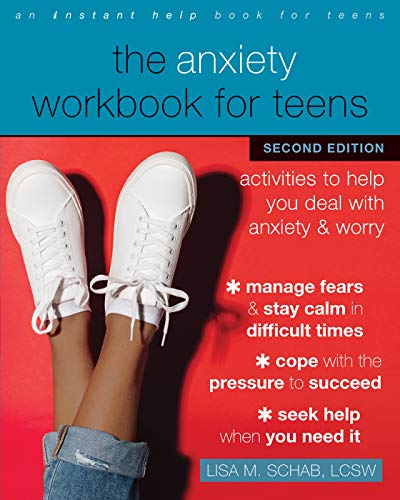 Lisa M. Schab The Anxiety Workbook for Teens Activities to help adolescents conquer anxiety, stress, and conquer self-doubtCHECK TODAY'S PRICE
 - 3
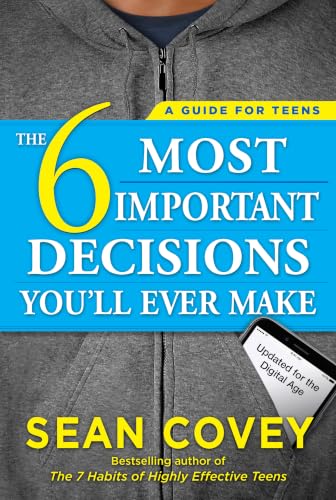 Sean Covey The 6 Most Important Decisions You'll Ever Make: A Guide for Teens Essential guidance for teenagers navigating school, friends, parents, dating, and identityCHECK TODAY'S PRICE
 - 4
 Carol S. Dweck Mindset: The New Psychology of Success How our beliefs about our abilities dramatically shape our lives and learningCHECK TODAY'S PRICE
 - 5
 Dan Ariely Predictably Irrational The hidden forces that shape our everyday decisions and teenage behaviorsCHECK TODAY'S PRICE
 - 6
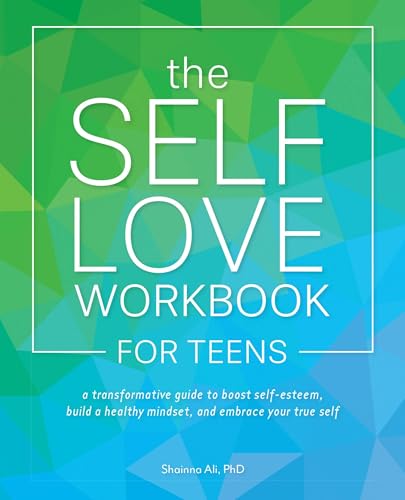 Shainna Ali The Self-Love Workbook for Teens A transformative guide to boost self-esteem and build genuine self-compassionCHECK TODAY'S PRICE
 - 7
 Marshall B. Rosenberg Nonviolent Communication: A Language of Life A language of life for empathetic connection, conflict resolution, and healthy relationshipsCHECK TODAY'S PRICE
 - 8
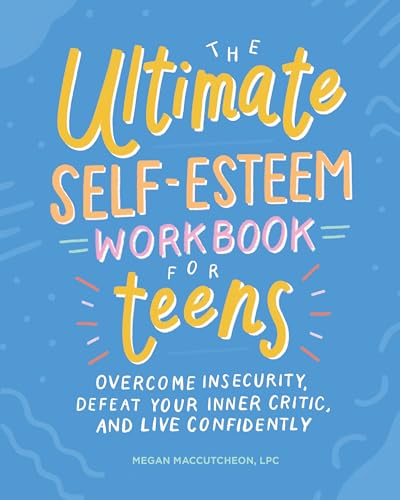 Megan MacCutcheon The Ultimate Self-Esteem Workbook for Teens Overcome insecurity, defeat self-doubt, and build lasting everyday confidenceCHECK TODAY'S PRICE
 - 9
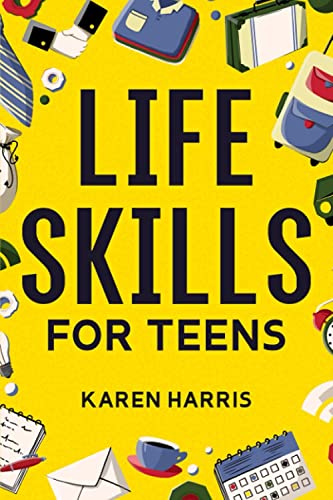 Karen Harris Life Skills for Teens Practical handbook for cooking, cleaning, money management, first aid, and life independenceCHECK TODAY'S PRICE
 - 10
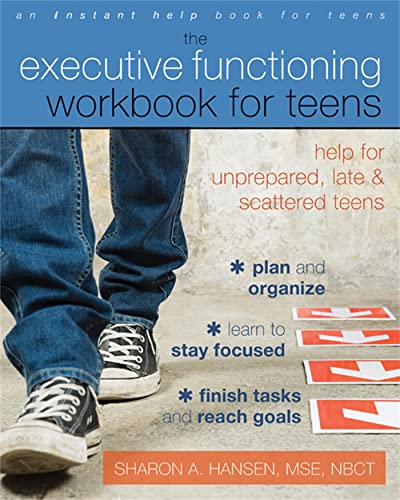 Sharon A. Hansen The Executive Functioning Workbook for Teens Help for teens to get organized, focus, manage time, and build essential life skillsCHECK TODAY'S PRICE
The Neuroscience of the Adolescent Mind: Why Targeted Self-Help Matters
Understanding the unique architecture of the adolescent brain is essential for comprehending why standard adult self-help books often fail to resonate with younger audiences. Neuroimaging research pioneered by developmental psychologist Laurence Steinberg demonstrates that the teenage brain undergoes substantial synaptic pruning and myelination, particularly within the prefrontal cortex. This biological reality means that adolescents are navigating mature adult emotions with a cognitive regulatory system that is still actively developing, making specialized developmental coping strategies essential.
Because the adolescent limbic system responds intensely to social rewards and peer feedback, teenagers experience social rejection and academic setbacks with profound neurochemical urgency. Clinical psychologist Erik Erikson identified identity versus role confusion as the central psychosocial crisis of adolescence, highlighting how young people must actively construct an authentic sense of self while negotiating social conformity. Targeted self-help literature provides teenagers with the objective mental scaffolding needed to process these complex developmental milestones without succumbing to debilitating self-doubt and perfectionism.
To maximize the personal benefit of adolescent psychological literature, teens should focus on three foundational developmental competencies:
- Cultivating emotional granularity to identify and regulate intense autonomic nervous system surges.
- Developing metacognitive awareness to challenge irrational cognitive distortions and assumptions.
- Strengthening intrinsic self-worth independent of superficial social media validation.
Mastering these core competencies transforms reading from a passive intellectual exercise into a catalyst for sustainable adolescent emotional maturity.
Top 10 Self-Help Books for Teenagers
The following curated selection represents the most effective, evidence-based self-help literature written specifically for or highly applicable to adolescents. Each volume addresses distinct developmental hurdles, from anxiety management and habit formation to executive functioning and relational intelligence.
1. The 7 Habits of Highly Effective Teens — Sean Covey
The 7 Habits of Highly Effective Teens by Sean Covey adapts the legendary principles of Stephen Covey into a vibrant, visual, and deeply relatable guidebook tailored specifically to adolescent realities. Covey addresses the primary stressors that modern teens confront, including peer pressure, academic overwhelm, strained parental relationships, and goal paralysis. By introducing timeless habits such as being proactive, beginning with the end in mind, and thinking win-win, Covey provides a concrete framework for building personal character and independence.
The book’s brilliance lies in its interactive structure, utilizing cartoons, honest personal stories, and practical action steps that demystify maturity. Rather than preaching down to adolescents, Covey treats young readers as autonomous agents capable of steering their own destinies. The chapter on building an emotional bank account offers transformative lessons in interpersonal trust, making this classic volume an essential starting point for cultivating teenage leadership skills.
- Introduces the concept of proactive choice over reactive emotional decision-making patterns.
- Teaches adolescents how to define a personal mission statement and vision.
- Provides actionable tools to balance academic demands with restorative physical and mental habits.
2. The Anxiety Workbook for Teens: Activities to Help You Deal with Anxiety and Worry — Lisa M. Schab
The Anxiety Workbook for Teens by licensed clinical social worker Lisa M. Schab is the definitive self-directed therapy manual for adolescents navigating generalized worry, test anxiety, and social apprehension. Utilizing evidence-based Cognitive Behavioral Therapy (CBT) and mindfulness principles, Schab guides teens through interactive worksheets that deconstruct the physiological, cognitive, and behavioral components of fear. This workbook demystifies the fight-or-flight response, empowering young readers to take charge of acute somatic stress reactions.
Each activity is designed to be completed in manageable, bite-sized sessions, allowing teenagers to build practical coping mechanisms at their own pace. Schab emphasizes the distinction between productive problem-solving and unhelpful rumination, teaching readers how to reality-test catastrophic assumptions. By offering practical breathing techniques, cognitive restructuring exercises, and progressive exposure tools, this book stands as a primary resource for alleviating chronic adolescent worry.
- Deconstructs irrational automatic thoughts using structured cognitive restructuring therapy exercises.
- Teaches somatic regulation tools to calm sympathetic nervous system hyperarousal.
- Helps teenagers distinguish between realistic risks and distorted catastrophic mental projections.
3. The 6 Most Important Decisions You’ll Ever Make: A Guide for Teens — Sean Covey
The 6 Most Important Decisions You’ll Ever Make by Sean Covey expands upon his foundational habit methodology by focusing on the critical turning points that define adolescent life: school, friends, parents, dating, addictions, and self-worth. Covey recognizes that choices made during adolescence often have lasting compounding consequences on adult trajectories. By combining candid real-world stories with psychological insights, he equips teenagers to make grounded choices that protect their long-term well-being and integrity.
Covey addresses modern digital pressures, social media addictions, and shifting family dynamics with empathy and practical wisdom. The book serves as a pragmatic roadmap for navigating ethical dilemmas and establishing healthy boundaries without feeling alienated from peer groups. For young people facing pivotal crossroads, this guide provides the clarity required to exercise responsible teenage decision-making agency.
- Provides strategic guidance on choosing authentic, supportive peer and romantic relationships.
- Addresses the psychological roots and dangers of substance dependency and digital escapism.
- Empowers adolescents to cultivate academic curiosity and proactive future career planning.
4. Mindset: The New Psychology of Success — Carol S. Dweck
Mindset: The New Psychology of Success by world-renowned Stanford psychologist Carol S. Dweck is one of the most intellectually liberating books a teenager can read. Dweck introduces her landmark empirical distinction between a fixed mindset—the belief that intelligence and talent are unchangeable static traits—and a growth mindset—the understanding that abilities can be developed through dedication, effort, and strategic learning. For teenagers paralyzed by perfectionism or fear of failure, this book offers a profound antidote to academic and creative performance anxiety.
When adolescents embrace a growth mindset, mistakes cease to be indictments of their fundamental worth and become vital sources of neurological feedback. Dweck illustrates how this cognitive paradigm shift transforms athletic pursuits, artistic endeavors, and academic achievements. Reading this foundational work trains young minds to embrace constructive criticism, persist through setbacks, and build unshakable academic and emotional resilience.
- Explains the neuroplastic mechanism behind effort-driven cognitive skill development.
- Dismantles the toxic belief that natural talent precludes the necessity of rigorous practice.
- Reframes mistakes and academic challenges as opportunities for neurobiological growth.
5. Predictably Irrational — Dan Ariely

Predictably Irrational by behavioral economist Dan Ariely demonstrates that human decision-making is heavily driven by systematic cognitive biases and social context rather than cold logic. Through engaging, real-world social psychology experiments, Ariely explains why teenagers and adults alike fall prey to peer pressure, emotional spending, procrastination, and unrealistic expectations. Understanding these predictable mental shortcuts helps adolescents develop sharp critical thinking skills and make mindful, intentional life choices.
Ariely’s insights into social norms versus market norms provide teenagers with powerful frameworks to understand interpersonal dynamics, friendships, and commercial advertising. By exposing how emotions hijack rational analysis, the book teaches young readers to pause before reacting impulsively to stress or social incentives. For adolescents seeking to master behavioral self-control and avoid common psychological traps, this volume provides an indispensable education in practical human behavioral economics.
- Exposes how unconscious emotional impulses distort rational everyday adolescent judgments.
- Explains why free offers and peer expectations trigger counterproductive behavioral choices.
- Provides actionable strategies to avoid procrastination and manage personal financial decisions.
6. The Self-Love Workbook for Teens: A Transformative Guide to Boost Self-Esteem, Build a Healthy Mindset, and Embrace Your True Self — Shainna Ali
The Self-Love Workbook for Teens by mental health clinician Dr. Shainna Ali provides a warm, structured, and clinically sound pathway to healing adolescent self-image issues. In a cultural climate dominated by curated online personas and relentless aesthetic comparison, Ali teaches teenagers how to cultivate genuine self-compassion rather than fragile, approval-seeking self-esteem. The workbook guides adolescents through reflective exercises that celebrate individuality, challenge internal shame, and establish healthy emotional self-care boundaries.
Ali draws upon contemporary positive psychology and person-centered therapeutic modalities to help teens uncover their authentic values and strengths. Through guided journaling prompts, mindfulness practices, and boundary-setting templates, readers learn how to silence their harsh inner critic. This deeply supportive resource is ideal for any young person struggling with body image concerns, imposter feelings, or low self-worth and confidence.
- Guides adolescents through structured exercises that dismantle internalized toxic self-criticism.
- Teaches practical boundary-setting techniques to prevent relational burnout and people-pleasing.
- Fosters authentic self-acceptance and emotional grounding through mindful self-compassion practices.
7. Nonviolent Communication: A Language of Life — Marshall B. Rosenberg
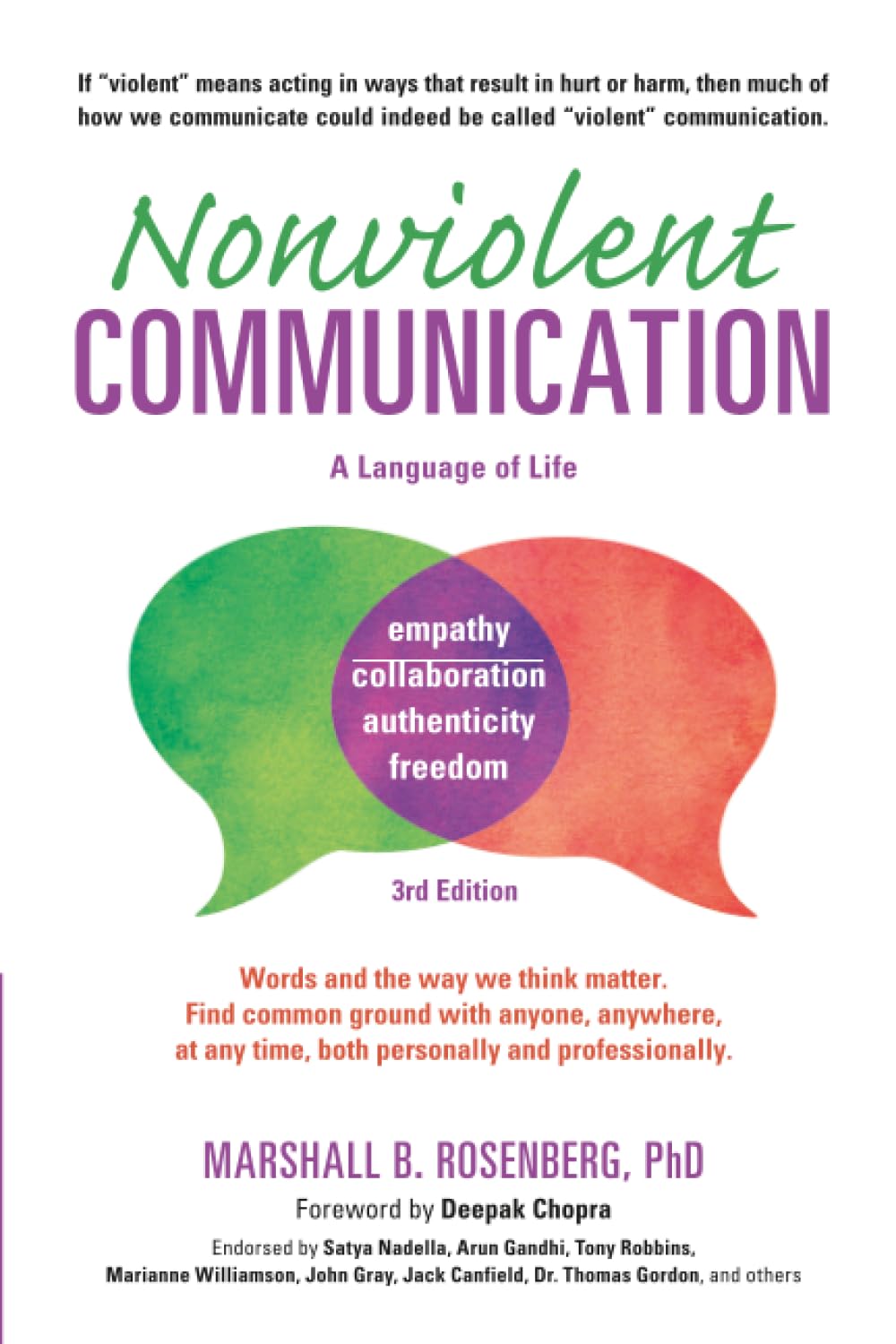
Nonviolent Communication: A Language of Life by clinical psychologist Marshall B. Rosenberg provides teenagers with a transformative interpersonal toolkit for resolving conflicts with parents, teachers, and peers without escalating hostility. Rosenberg outlines a four-part communication framework—observations, feelings, needs, and requests—that replaces blame and defensiveness with empathetic understanding. This foundational method empowers young readers to express their true feelings while maintaining healthy, respectful personal boundaries.
Adolescents frequently experience intense frustration when they feel unheard or judged by adults and friends. Rosenberg teaches readers how to listen beneath surface-level anger to identify unmet universal human needs, transforming adversarial confrontations into opportunities for collaborative problem-solving. Mastering this empathic communication methodology helps adolescents develop deep emotional intelligence and build mutually supportive, secure relationships.
- Teaches adolescents to differentiate neutral observations from inflammatory personal judgments and accusations.
- Connects difficult emotional outbursts to underlying unmet core psychological needs.
- Provides actionable communication scripts to articulate clear and assertive relational requests.
8. The Ultimate Self-Esteem Workbook for Teens: Overcome Insecurity, Defeat Your Inner Critic, and Live Confidently — Megan MacCutcheon
The Ultimate Self-Esteem Workbook for Teens by licensed professional counselor Megan MacCutcheon tackles the root causes of adolescent self-doubt and social insecurity. MacCutcheon introduces cognitive-behavioral tools that help teenagers dismantle negative core beliefs installed by peer rejection, academic setbacks, or family dysfunction. By guiding readers through self-evaluations and confidence-building exercises, this workbook establishes a durable foundation for unconditional personal self-worth.
MacCutcheon illustrates how perfectionism and fear of rejection keep teenagers trapped in cycles of chronic self-monitoring and social avoidance. The book provides step-by-step techniques for identifying cognitive distortions, asserting personal boundaries, and taking healthy emotional risks. For adolescents seeking to develop authentic confidence that withstands social turbulence, this structured workbook serves as an indispensable clinical self-help guide.
- Identifies and reframes deeply rooted negative core beliefs about self-worth.
- Teaches actionable communication scripts for assertive and non-defensive self-advocacy.
- Provides guided exercises to navigate peer pressure and overcome chronic fear of failure.
9. Life Skills for Teens: How to Cook, Clean, Manage Money, Fix Your Car, Perform First Aid, and Just About Everything in Between — Karen Harris
Life Skills for Teens by Karen Harris addresses a fundamental source of adolescent anxiety: the impending transition into adult independence without practical life knowledge. While academic curriculums often neglect practical survival skills, Harris provides a comprehensive, engaging manual covering financial literacy, home maintenance, basic culinary techniques, automotive care, and personal hygiene. By transforming abstract adulthood into tangible, manageable competencies, this volume rapidly builds tangible adolescent self-efficacy.
Psychological research demonstrates that developing real-world competence directly reduces generalized anxiety and enhances young people’s sense of autonomy. Harris’s straightforward, friendly instructions eliminate the intimidation surrounding everyday adult responsibilities, making self-sufficiency feel achievable and exciting. For teenagers preparing for college, vocational training, or independent living, this essential handbook provides the practical building blocks for confident, self-reliant adulthood.
- Covers foundational financial literacy topics including budgeting, saving, and smart spending.
- Provides step-by-step guidance on basic home cooking, cleaning, and essential first aid protocols.
- Builds practical self-reliance to alleviate anxiety surrounding future independent adult living.
10. The Executive Functioning Workbook for Teens: Help for Unprepared, Late, and Scattered Teens — Sharon A. Hansen
The Executive Functioning Workbook for Teens by school counselor Sharon A. Hansen offers a lifeline to adolescents struggling with organization, time management, chronic procrastination, and working memory challenges. Hansen recognizes that difficulties with focus and organization are not moral failures or indicators of low intelligence, but manifestations of executive functioning lag in the developing adolescent brain. This workbook delivers structured, neurodiversity-affirming strategies to optimize cognitive organization and productivity.
Hansen provides concrete tools for breaking massive academic projects into manageable steps, creating realistic homework schedules, and organizing physical and digital workspaces. By teaching adolescents how to externalize memory through planners, visual timers, and habit trackers, she reduces academic frustration and conflict between parents and teens. This practical guide is invaluable for students seeking to take charge of their academic routines and develop effective lifelong study habits.
- Provides structured organizational systems to eliminate chronic academic procrastination habits.
- Teaches time estimation and planning techniques to manage complex multi-stage school projects.
- Helps adolescents design personalized routines that accommodate neurodivergent cognitive processing styles.
How Cognitive Behavioral Therapy and Mindfulness Transform Adolescent Mental Health
Cognitive Behavioral Therapy (CBT) and mindfulness-based interventions represent the gold standard in contemporary adolescent psychotherapy and self-help literature. Pioneered by psychiatrist Aaron Beck, CBT operates on the empirical foundation that our interpretations of events—rather than external circumstances themselves—dictate our emotional and behavioral responses. When teenagers learn to identify cognitive distortions like catastrophizing, mind reading, and black-and-white thinking, they gain the power to alter their subjective emotional reality.
Complementing cognitive restructuring, mindfulness practices cultivate experiential awareness that interrupts automatic stress loops. Renowned mindfulness researcher Jon Kabat-Zinn demonstrated that non-judgmental present-moment awareness down-regulates amygdala reactivity while strengthening prefrontal connectivity. For adolescents whose nervous systems are constantly stimulated by digital notifications and academic deadlines, mindfulness provides a physiological sanctuary that restores autonomic emotional equilibrium.
Integrating CBT and mindfulness into daily adolescent life produces profound psychological benefits, including:
- Significantly reducing the severity and frequency of acute adolescent panic and worry.
- Cultivating psychological flexibility to navigate unpredictable peer group social dynamics.
- Replacing self-punishing mental loops with constructive cognitive reframing practices.
These evidence-based frameworks ensure that self-help literature delivers measurable behavioral improvements rather than temporary motivational boosts, equipping teens with lifelong psychological coping mechanisms.
Building Identity, Emotional Granularity, and Self-Compassion in Adolescence
The adolescent journey is fundamentally an ontological quest to answer the question: “Who am I when I am not trying to please others?” Developmental psychologist Erik Erikson underscored that healthy identity formation requires adolescents to explore various roles, values, and beliefs before establishing a stable self-concept. When teenagers lack safe avenues for authentic exploration, they frequently resort to identity foreclosure or peer-conforming masks that foster profound internal alienation.
Cultivating emotional granularity—the ability to identify and differentiate complex emotional states with precision—is a critical developmental milestone. Neuroscientist Lisa Feldman Barrett has shown that individuals who can differentiate between feeling disappointed, exhausted, overwhelmed, or anxious exhibit superior emotional regulation and fewer impulsive coping behaviors. Self-help literature that expands emotional vocabulary empowers adolescents to address their genuine needs rather than acting out through destructive behavioral reactions.
Furthermore, clinical psychologist Kristin Neff has demonstrated that self-compassion provides a far more stable emotional anchor than traditional self-esteem. While self-esteem relies on external success and favorable comparison to peers, self-compassion treats personal inadequacy as an inevitable part of the shared human experience. Teaching adolescents to meet their failures with kindness rather than condemnation fosters enduring psychological well-being.
By nurturing identity, emotional granularity, and self-compassion, teenagers build an unshakeable internal moral compass that guides them safely through the turbulent waters of adolescence.
How Parents and Educators Can Encourage Healthy Reading Habits
Introducing teenagers to self-help literature requires sensitivity, respect for autonomy, and a non-judgmental approach. Adolescents naturally resist unsolicited advice or prescriptive reading assignments that feel like covert attempts to fix their perceived flaws. Child psychologist Ross Greene emphasizes that collaborative problem-solving and mutual respect are essential for fostering genuine adolescent engagement, recommending that adults position self-help books as voluntary resources rather than mandatory corrective measures.
Parents and educators can create an inviting reading environment by modeling active self-reflection and personal growth in their own daily lives. When adults openly discuss their own struggles, cognitive biases, and stress-management practices, they normalize self-improvement and dismantle the stigma surrounding emotional vulnerability. Leaving well-chosen books in shared living areas without high-pressure expectations allows teens to discover these resources with autonomous curiosity and interest.
To support an adolescent’s personal reading journey effectively, consider implementing these supportive reading strategies:
- Offer books as gifts during natural developmental transitions without attaching critical personal commentary.
- Respect the teenager’s privacy by allowing them to complete interactive workbooks without demanding to inspect entries.
- Engage in open-ended discussions about book concepts only when the teen initiates conversational dialogue.
Approaching adolescent reading with empathy and patience ensures that self-help literature serves as an empowering partner in their journey toward self-discovery.
Practical Exercises for Teenagers to Implement Today
Reading psychological literature yields transformative results only when conceptual insights are translated into concrete daily behaviors. As psychiatrist Viktor Frankl eloquently argued, genuine psychological growth demands active self-transcendence and the courageous application of insight into lived reality. By establishing small, repeatable daily habits, adolescents bridge the gap between understanding a concept and experiencing meaningful personal transformation.
To integrate the core lessons from these top 10 books into everyday routines, teenagers can practice these five actionable self-care disciplines:
- Keep a daily thought record to catch, check, and reframe distorted automatic negative thoughts.
- Practice the 4-7-8 breathing technique for three minutes whenever encountering acute social or academic stress.
- Perform a weekly digital declutter to protect attention and prevent toxic social media comparisons.
- Identify and write down three specific signature strengths to nurture an enduring sense of self-worth.
- Break large homework assignments into twenty-minute focus blocks utilizing structured Pomodoro timing intervals.
Consistently practicing these actionable self-care exercises empowers teenagers to regulate their emotions, cultivate resilience, and achieve long-term academic and personal flourishing.
FAQs about the Best Self-Help Books for Teenagers
What is the best self-help book for a teenager struggling with severe anxiety?
For adolescents experiencing significant anxiety, worry, or social apprehension, The Anxiety Workbook for Teens by Lisa M. Schab is widely considered the most effective starting point. This workbook provides clear, structured Cognitive Behavioral Therapy exercises that break the cycle of catastrophic thinking and physiological panic. The interactive worksheets help teens understand the physical sensations of anxiety, challenge irrational beliefs, and develop concrete somatic calming techniques. Its non-judgmental, accessible format makes evidence-based clinical concepts easy to understand and apply in everyday high school and social scenarios.
Can reading self-help books replace professional therapy for teenagers?
Self-help books provide valuable psychoeducation, emotional literacy, and self-directed coping skills, but they cannot replace professional mental health diagnosis, clinical psychotherapy, or psychiatric treatment. Books are ideal for general personal growth, mild situational stress, and learning healthy life habits. However, if an adolescent is experiencing clinical depression, debilitating panic attacks, severe trauma symptoms, eating disorders, or self-harming behaviors, working directly with a licensed therapist is critical. Self-help literature can serve as a beneficial supplement to active therapy, but professional therapeutic care remains irreplaceable for severe psychological challenges.
How can a teenager choose the right self-help book to start with?
To choose the best starting book, a teenager should identify their most pressing current challenge or area of curiosity. If academic overwhelm and poor daily routines are the primary struggle, The 7 Habits of Highly Effective Teens or The Executive Functioning Workbook for Teens offers immediate, practical systems. If low self-esteem and peer comparison are the main concerns, The Self-Love Workbook for Teens or Mindset provides profound cognitive reframing tools. Starting with interactive workbooks rather than dense text-heavy volumes often creates faster momentum and immediate practical benefits for young readers.
Are self-help books written for adults suitable for teenagers?
While some adult self-help classics like Mindset by Carol Dweck or Atomic Habits by James Clear contain universal principles that benefit mature teenagers, many adult books fail to account for the unique neurological and social realities of adolescence. Adult books frequently assume financial independence, full executive functioning capacity, and lifestyle autonomy that teenagers do not yet possess. Books specifically written for adolescents use age-relevant scenarios, acknowledge developmental neurobiology, and address high-stakes adolescent concerns like school dynamics, peer pressure, and emerging identity, making them significantly more impactful for younger readers.
How can parents encourage their teenagers to read self-help books without being pushy?
Parents should avoid forcing self-help books upon adolescents as mandatory chores or covert criticisms, as this triggers natural developmental resistance. Instead, parents can leave intriguing titles in accessible communal spaces like the living room or family car, allowing teens to pick them up out of organic curiosity. Modeling personal reading habits and discussing psychological concepts in normal conversation without lecturing helps normalize self-improvement. Giving books as optional gifts during milestone moments while emphasizing that the content is private and entirely for the teen’s benefit encourages voluntary engagement.
What is the difference between a growth mindset and a fixed mindset in school?
In academic settings, a fixed mindset leads students to believe that intelligence is an innate trait, causing them to avoid difficult subjects, fear mistakes, and view academic struggle as proof of personal inadequacy. Conversely, a growth mindset recognizes that the brain is a muscle that strengthens with effort, effective strategies, and perseverance. Students with a growth mindset view challenges as opportunities to build new neural pathways, accept constructive feedback from teachers, and demonstrate significantly greater resilience when facing academic setbacks and difficult standardized examinations.
Bibliography
- Ali, S. (2020). The Self-Love Workbook for Teens: A Transformative Guide to Boost Self-Esteem, Build a Healthy Mindset, and Embrace Your True Self. Ulysses Press.
- Ariely, D. (2008). Predictably Irrational: The Hidden Forces That Shape Our Decisions. HarperCollins.
- Barrett, L. F. (2017). How Emotions Are Made: The Secret Life of the Brain. Houghton Mifflin Harcourt.
- Beck, A. T. (1979). Cognitive Therapy of Depression. Guilford Press.
- Covey, S. (1998). The 7 Habits of Highly Effective Teens. Fireside.
- Covey, S. (2006). The 6 Most Important Decisions You’ll Ever Make: A Guide for Teens. Fireside.
- Dweck, C. S. (2006). Mindset: The New Psychology of Success. Random House.
- Erikson, E. H. (1968). Identity: Youth and Crisis. W. W. Norton & Company.
- Frankl, V. E. (1959). Man’s Search for Meaning. Beacon Press.
- Greene, R. W. (2014). The Explosive Child: A New Approach for Understanding and Parenting Easily Frustrated, Chronically Inflexible Children. Harper Paperbacks.
- Hansen, S. A. (2013). The Executive Functioning Workbook for Teens: Help for Unprepared, Late, and Scattered Teens. Instant Help Publications.
- Harris, K. (2021). Life Skills for Teens: How to Cook, Clean, Manage Money, Fix Your Car, Perform First Aid, and Just About Everything in Between. Spotlight Media.
- Kabat-Zinn, J. (1990). Full Catastrophe Living: Using the Wisdom of Your Body and Mind to Face Stress, Pain, and Illness. Delacorte Press.
- MacCutcheon, M. (2019). The Ultimate Self-Esteem Workbook for Teens: Overcome Insecurity, Defeat Your Inner Critic, and Live Confidently. Rockridge Press.
- Neff, K. (2011). Self-Compassion: The Proven Power of Being Kind to Yourself. William Morrow.
- Rosenberg, M. B. (1999). Nonviolent Communication: A Language of Life. PuddleDancer Press.
- Schab, L. M. (2008). The Anxiety Workbook for Teens: Activities to Help You Deal with Anxiety and Worry. Instant Help Publications.
- Steinberg, L. (2014). Age of Opportunity: Lessons from the New Science of Adolescence. Eamon Dolan/Houghton Mifflin Harcourt.
Use this citation format to reference the article clearly and help readers find the original source.
PsychologyFor. (2026). The Best Self-help Books for Teenagers. PsychologyFor. https://psychologyfor.com/the-best-self-help-books-for-teenagers/