


See more of our articles in your search results.
Gambling addiction or gambling addiction is a psychological disease characterized by the uncontrollable urge to play and bet regardless of the problems and negative consequences that may arise.
Feelings of excitement and euphoria are usually experienced when playing, which causes one to constantly pursue the “big win” that only comes accompanied by spending sums of money.
How does gambling addiction manifest itself?
These are the characteristic effects of pathological gambling:
What types of gambling addiction exist?
There are different variants of this behavioral addiction:
Risk factor’s
It is important to know the risk factors in order to help people take preventive measures to reduce your risk of developing a gambling addiction, but keep in mind that these risk factors do not guarantee that a person will develop a gambling addiction:
How many of these have you been "meaning to read" for months?
- 1
 Mary PipherLetters to a Young TherapistWarm wisdom on boundaries, longevity, and clinical self-careListen Free On Audible
- 2
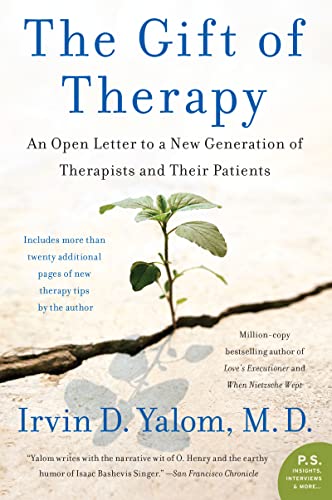 Irvin D. YalomThe Gift of Therapy85 practical, warm clinical insights from a master therapistListen Free On Audible
- 3
 Lori GottliebMaybe You Should Talk to SomeoneA bestselling memoir on the shared humanity of therapist and clientListen Free On Audible
Therapeutic intervention
Once gambling addiction is identified, We will address the problem through various therapies:
Remember: the important thing is not to know why you started playing, but to know what to do to stop.
Use this citation format to reference the article clearly and help readers find the original source.
PsychologyFor. (2024). The Keys to Understanding Pathological Gambling. PsychologyFor. https://psychologyfor.com/the-keys-to-understanding-pathological-gambling/