

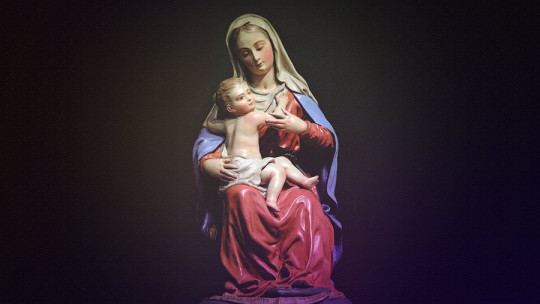
Theophobia, also known as the fear of religion, is a psychological condition where an individual experiences extreme fear or anxiety when exposed to religious symbols, practices, or discussions. This fear can stem from various sources, including traumatic religious experiences, cultural influences, or personal beliefs. Theophobia can significantly affect one’s emotional well-being and daily functioning, making it essential to understand its symptoms, causes, and treatment options.
In this article, we will explore what theophobia is, the symptoms associated with the disorder, its causes, and the treatment options available to those affected.
What Is Theophobia?
Theophobia is a type of phobia, which is an intense and irrational fear of a specific object or situation. In the case of theophobia, the fear is related to religion. Individuals with theophobia may fear not only religious symbols such as crosses, crescents, or menorahs, but also religious practices, rituals, or teachings. The fear can be triggered by direct exposure to religious settings or even by conversations about religion.
For those who suffer from theophobia, religion may evoke feelings of dread, panic, or distress. This condition can make it difficult for individuals to participate in religious activities, engage in religious discussions, or even coexist in environments where religion plays a significant role.
Symptoms of Theophobia
The symptoms of theophobia can vary in severity and may differ from person to person. Common signs and symptoms include:
1. Physical Symptoms
- Increased heart rate or palpitations
- Sweating or chills
- Shaking or trembling
- Shortness of breath or difficulty breathing
- Dizziness or lightheadedness
- Nausea or upset stomach
2. Psychological Symptoms
- Intense anxiety or panic attacks when exposed to religious settings or symbols
- Obsessive thoughts about religious topics or fear of being exposed to religion
- Hypervigilance, always being on the lookout for religious symbols or discussions
- Avoidance of places, people, or situations where religion may be present
3. Behavioral Symptoms
- Avoiding religious ceremonies or celebrations (e.g., church services, weddings, funerals)
- Refusing to engage in conversations about religion
- Distancing oneself from religious friends or family members
- Compulsive behaviors, such as checking for religious symbols to ensure they are not around
4. Emotional Symptoms
- Feelings of dread or fear when thinking about religious subjects
- Overwhelming guilt or shame about the fear of religion
- Anger or frustration at oneself for having the fear
- Helplessness or a sense of being out of control during religious situations

Causes of Theophobia
Theophobia, like other phobias, can result from a combination of genetic, environmental, and psychological factors. Understanding the causes of theophobia can help individuals and professionals address the root of the issue.
1. Past Traumatic Experiences
One of the primary causes of theophobia may be a past traumatic experience related to religion. This could involve an individual experiencing emotional or physical abuse in a religious setting, such as within a strict religious household or under a rigid religious leader. Traumatic events, such as being forced into religious practices or experiencing guilt or shame related to religious teachings, may contribute to the development of the fear.
2. Cultural and Social Influences
In some cases, an individual’s fear of religion may be influenced by cultural or social factors. If someone grows up in an environment where religion is portrayed negatively or associated with harmful practices, they may develop an aversion or fear of religious concepts. Similarly, exposure to anti-religious sentiments or messages may contribute to the fear.
3. Psychological Factors
Certain psychological conditions, such as anxiety disorders, depression, or obsessive-compulsive disorder (OCD), may increase the likelihood of developing phobias, including theophobia. The fear of religion may be a manifestation of a broader anxiety issue. For example, an individual with a generalized anxiety disorder may develop irrational fears related to religion as part of their broader pattern of anxious thinking.
4. Learned Behavior
Theophobia can also result from learned behaviors. If an individual is taught or conditioned to fear religion through negative experiences, it may be difficult to unlearn these associations. Additionally, certain cultural or familial beliefs may reinforce the fear and perpetuate it over time.
5. Fear of the Unknown
Some individuals may fear religion due to uncertainty or a lack of understanding. The complexity and diversity of religious beliefs and practices may seem overwhelming, leading to anxiety or fear. For example, individuals who are unfamiliar with religious practices or who have difficulty reconciling their personal beliefs with religious teachings may develop a fear of religion.
Treatment for Theophobia
Theophobia, like other phobias, is treatable through various therapeutic approaches. Seeking help from a mental health professional is often the first step toward overcoming the fear. Below are some common treatment options for those struggling with theophobia:
1. Cognitive Behavioral Therapy (CBT)
Cognitive Behavioral Therapy (CBT) is one of the most effective treatments for phobias, including theophobia. CBT focuses on helping individuals identify and challenge their irrational thoughts and beliefs related to religion. The therapist works with the individual to reframe negative thought patterns and replace them with healthier, more balanced perspectives.
In addition to cognitive restructuring, CBT may include exposure therapy, where individuals are gradually exposed to religious symbols or practices in a controlled, supportive environment. Over time, this can help desensitize the individual to their fear and reduce the intensity of their anxiety.
2. Exposure Therapy
Exposure therapy involves gradually and systematically exposing individuals to the source of their fear (in this case, religion) in a controlled and safe environment. The goal is to reduce the anxiety associated with the feared object or situation. Exposure therapy is often used as part of CBT and can help individuals build tolerance to religious triggers and reduce their fear response over time.
3. Medication
In some cases, medication may be prescribed to help manage the symptoms of theophobia, especially if the individual is experiencing severe anxiety or panic attacks. Medications such as antidepressants (e.g., selective serotonin reuptake inhibitors or SSRIs) and benzodiazepines may be used on a short-term basis to alleviate anxiety symptoms. However, medication is usually recommended alongside therapy, as it does not address the root causes of the phobia.
4. Mindfulness and Relaxation Techniques
Mindfulness and relaxation techniques, such as deep breathing, meditation, and progressive muscle relaxation, can help individuals manage the physical symptoms of anxiety related to theophobia. These techniques promote relaxation and can help individuals stay grounded when faced with anxiety-provoking religious triggers.
5. Support Groups
Joining a support group for individuals dealing with phobias or anxiety disorders can provide emotional support and validation. Hearing from others who have experienced similar fears can help individuals feel less isolated and more understood. Support groups can also provide valuable coping strategies for managing theophobia.
6. Self-Help Strategies
In addition to formal therapy and treatment, individuals can practice self-help strategies to reduce their fear of religion. Keeping a fear journal, where one records their thoughts and feelings about religion, can help identify triggers and patterns. Setting small, achievable goals for gradually confronting religious topics and situations can also help individuals build confidence and reduce fear.
Theophobia, or the fear of religion, can be a debilitating condition that significantly impacts an individual’s mental well-being and quality of life. However, it is important to understand that theophobia is treatable. By seeking professional help, individuals can overcome their fear and regain control of their lives. Through therapies such as Cognitive Behavioral Therapy (CBT), exposure therapy, and mindfulness techniques, individuals can learn to manage their fear of religion and develop healthier relationships with spirituality and religion.
If you or someone you know is struggling with theophobia, reaching out to a mental health professional is an important step toward recovery. With the right treatment and support, it is possible to overcome the fear and live a fulfilling, peaceful life.
FAQs about Theophobia (Fear of Religion)
1. What are the main causes of theophobia?
Theophobia can be caused by past traumatic religious experiences, cultural influences, psychological factors, learned behaviors, or a fear of the unknown.
2. Can theophobia be cured?
Yes, theophobia is treatable through various therapeutic approaches, including Cognitive Behavioral Therapy (CBT), exposure therapy, and relaxation techniques. Medication may also be used to manage symptoms.
3. How does exposure therapy work for theophobia?
Exposure therapy gradually exposes individuals to religious symbols, practices, or discussions in a controlled environment to desensitize them to their fear and reduce anxiety over time.
4. What are the symptoms of theophobia?
Symptoms of theophobia include physical symptoms like rapid heartbeat and sweating, psychological symptoms like intense anxiety, and behavioral symptoms like avoiding religious settings or discussions.
5. Can mindfulness techniques help manage theophobia?
Yes, mindfulness techniques such as deep breathing and meditation can help individuals manage the anxiety and physical symptoms associated with theophobia. These techniques promote relaxation and grounding during fear-provoking situations.
6. Should I seek professional help if I have theophobia?
If your fear of religion is significantly impacting your daily life and mental health, it is recommended to seek professional help from a therapist or counselor who specializes in anxiety or phobias.
By citing this article, you acknowledge the original source and allow readers to access the full content.
PsychologyFor. (2025). Theophobia (fear of Religion): What it Is, Symptoms, Causes and Treatment. https://psychologyfor.com/theophobia-fear-of-religion-what-it-is-symptoms-causes-and-treatment/