

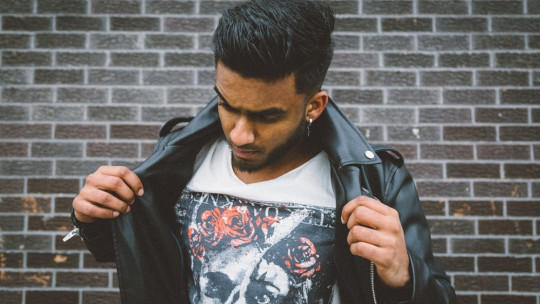
If you have ever wondered what urban tribes actually are, who belongs to them, and what makes each one distinct, this article covers the 20 most well-known urban tribes — their aesthetics, philosophies, origins, and the psychological and social forces that give each one its identity. Urban tribes are groups of people who share common tastes, values, and ways of expressing themselves, setting themselves apart from mainstream culture through clothing, music, language, and lifestyle. The term was coined by sociologist Michel Maffesoli in the late 1980s, and since then it has become the go-to framework for understanding the constellation of subcultures that have emerged from cities around the world since the 1960s.
What is fascinating about urban tribes — and what makes them relevant beyond fashion and music — is what they reveal about human psychology. People do not join subcultures at random. They are drawn toward groups that reflect something they are feeling, seeking, or trying to work out about themselves. The need to belong, to be seen, to signal values, to push back against expectations — these are deeply human drives, and urban tribes offer a space where all of them can operate simultaneously. For many young people in particular, finding their tribe is one of the most psychologically significant moments of adolescence: a discovery of a community where their particular way of being in the world finally feels recognized.
It is also worth saying, before diving in, that none of these identities are fixed, binary, or mutually exclusive. People move between subcultures, blend aesthetics, evolve over time, and carry elements of multiple tribes at once. That fluidity is not inconsistency — it is the natural expression of complex human identity. Understanding these groups is not about putting people in boxes. It is about appreciating the remarkable diversity of ways human beings find community, meaning, and self-expression in the modern city.
What Is an Urban Tribe? The Sociology and Psychology Behind Subcultures
Before walking through the 20 tribes themselves, it is worth pausing on the concept. The phrase “urban tribe” carries a specific sociological meaning that goes beyond simply a group of friends who dress alike. An urban tribe is a subculture with its own shared aesthetic codes, values, rituals, and sense of collective identity — one that exists in contrast, and sometimes in opposition, to the dominant mainstream culture surrounding it.
From a psychological standpoint, urban tribes fulfill several fundamental human needs simultaneously. They offer belonging — a community of people who understand you without requiring explanation. They offer identity — a set of visible markers that communicate who you are and what you stand for before you have said a word. And they offer meaning — a shared philosophy, however loosely defined, that frames how you relate to the world. Psychologist Erik Erikson’s work on identity development helps explain why these affiliations tend to peak in adolescence and early adulthood: it is precisely the life stage in which identity formation is most active and most urgent.
What distinguishes urban tribes from mere friend groups is their cultural coherence. Each tribe has recognizable aesthetic markers — clothing, hairstyles, accessories, musical preferences — that function almost like a language, communicating membership and values to insiders and outsiders alike. And each tribe has a philosophical underpinning, even if its members would not always use that word: a shared stance toward authority, consumerism, nature, spirituality, or social norms that gives the aesthetic its meaning.
| Urban Tribe | Core Identity |
|---|---|
| Hippies | Peace, nature, free love, anti-war |
| Gothic | Darkness, mystery, the afterlife, aesthetics of mourning |
| Rappers | Social protest, street culture, rhythm and expression |
| Hipsters | Anti-mainstream, vintage, indie, environmentalism |
| Emos | Emotional rawness, introspection, melancholy |
| Punks | Anti-establishment, anarchism, rebellion |
| Heavies | Rock aesthetics, intensity, long hair, loud music |
| Rastafarians | Spirituality, simplicity, peace, Pan-Africanism |
| Geeks / Otakus / Gamers | Deep passion for niche interests, digital culture |
| Skaters | Sport-born freedom, creativity, urban landscape |
The 20 Main Urban Tribes and Their Key Characteristics
Currently there are hundreds of urban subcultures, many of which have emerged from the fusion or fragmentation of earlier ones. The twenty described below are among the most globally recognized — each with a distinct history, aesthetic, and worldview worth knowing.
1. Hippies
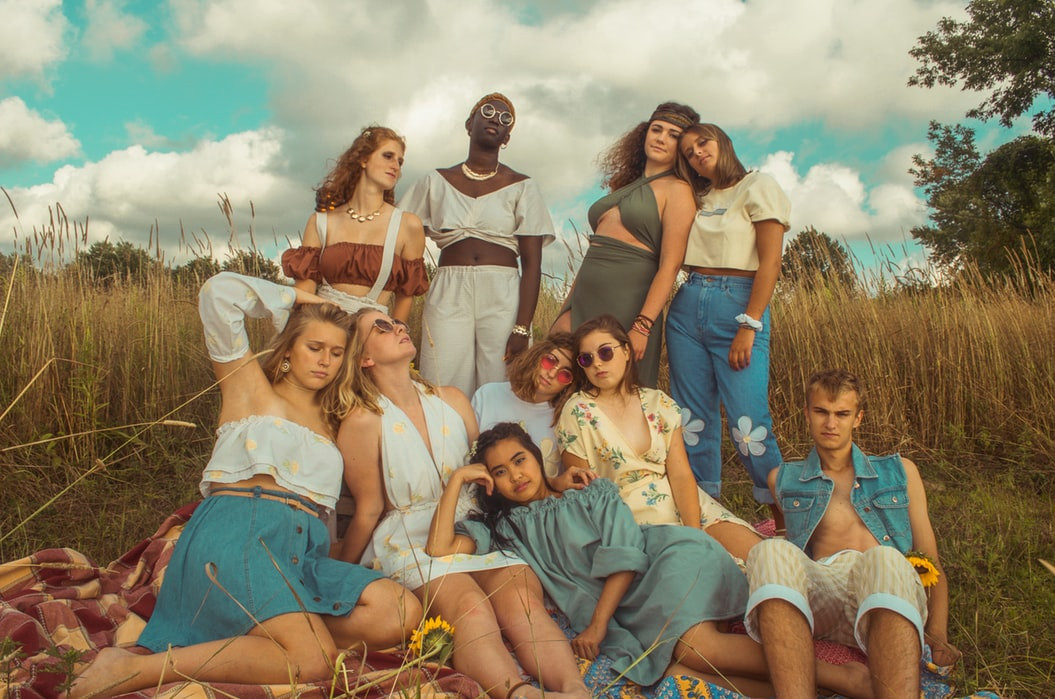
Few urban tribes have left as lasting a mark on global culture as the hippies. They emerged in the United States in the mid-1960s, largely as a response to the Vietnam War, the civil rights movement, and a growing disillusionment with postwar consumerism and institutional authority. Their moment of peak visibility — the Summer of Love in 1967, Woodstock in 1969 — became defining cultural events that resonated far beyond their immediate context.
The hippie philosophy rests on a handful of core convictions: pacifism, free love, reverence for nature, spiritual exploration, and a deep skepticism toward any system that prioritizes profit over people. Psychedelics — particularly LSD — played a significant role in the early counterculture as tools for expanding consciousness, a position famously championed by psychologist Timothy Leary.
Aesthetically, hippies are immediately recognizable: long flowing hair, tie-dye clothing in every color imaginable, round sunglasses, floral patterns, sandals, and handcrafted jewelry. The look deliberately rejected the buttoned-up conformity of mainstream 1950s and early 1960s fashion. It said, visibly and loudly: we are not part of that world, and we are not trying to be.
Though the original movement faded by the mid-1970s, its cultural DNA is visible in environmental activism, organic food culture, yoga communities, and festival culture around the world today.
2. Gothic

The gothic subculture emerged in the early 1980s from the post-punk scene in the United Kingdom, crystallizing around bands like Siouxsie and the Banshees, The Cure, and Bauhaus. Where punk was angry and confrontational, gothic turned inward — toward darkness, beauty, mortality, and the aesthetics of mourning.
Goths are fascinated by everything connected to death, the supernatural, and the romantic mysteries of the afterlife. This is not morbidity for shock value; it is a genuine philosophical orientation toward the parts of existence that mainstream culture tends to suppress or avoid. There is something almost medieval about gothic sensibility — a serious engagement with impermanence, grief, and the uncanny.
Aesthetically, the palette is almost entirely black: Victorian-inspired clothing, long black coats, black leather, heavy eyeliner, pale foundation, silver jewelry, and religious symbols like crosses and ankhs. The visual effect is deliberate and theatrical — a wearable statement about the parts of life that deserve acknowledgment rather than avoidance.
The gothic community is notably inclusive and has historically been a welcoming space for people who feel like outsiders in other contexts — which is part of why its appeal has persisted across four decades and multiple revival waves.
3. Rappers
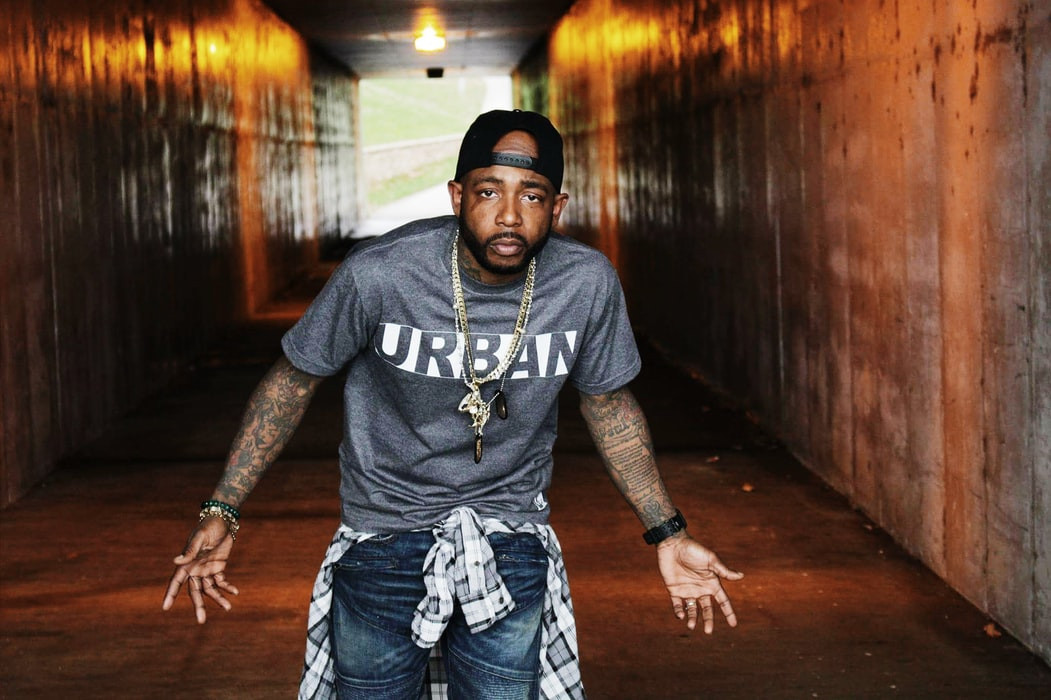
Rap culture was born in the South Bronx, New York, in the late 1970s — a direct product of the social conditions of African American and Latino communities living in neighborhoods gutted by poverty, neglect, and systemic inequality. What began as a form of street-level social commentary and artistic expression — through music, graffiti, breakdancing, and DJing — evolved into one of the most globally influential cultural movements of the twentieth century.
The aesthetic of rap culture is unmistakable: oversized clothing, backwards caps, large sneakers, gold chains, rings, and watches. But understanding these choices only as fashion misses the point. The visual language of rap culture carries real cultural weight — it codes community, status within that community, and a deliberate rejection of the dress codes associated with institutional authority.
Stereotypical associations between rap culture and crime reflect the biases of those doing the stereotyping more than the reality of a subculture that has produced generations of extraordinary artists, entrepreneurs, activists, and thinkers. Figures like Tupac Shakur, Jay-Z, Kendrick Lamar, and Cardi B have used rap as a vehicle for social commentary, personal testimony, and political critique — a tradition rooted directly in the subculture’s origins as a voice for communities without institutional platforms.
4. Hipsters

The hipster is perhaps the most parodied urban tribe of the twenty-first century — and also one of the hardest to define, partly because defining it and belonging to it are in productive tension with each other. The defining characteristic of hipster culture is a self-conscious rejection of the mainstream, expressed through deliberate preference for the obscure, the independent, the vintage, and the artisanal.
Aesthetically, hipsters favor thick-framed glasses, flannel shirts, carefully cultivated beards, vintage clothing sourced from thrift stores, canvas bags, and craft coffee. They frequent independent bookshops, vinyl record stores, and restaurants with locally sourced menus. Indie music, progressive politics, and environmental consciousness are consistent threads.
The psychological complexity here is real: a subculture defined by opposition to mainstream trends inevitably faces the paradox of becoming one itself. As hipster aesthetics became commercially successful in the 2010s — appearing in mainstream fashion, advertising, and food culture — the subculture either evolved or dispersed, depending on who you ask. What it left behind was a lasting influence on attitudes toward sustainability, craft, and cultural consumption that extends well beyond anyone who would identify with the label.
5. Emos

The emo subculture takes its name from “emotional hardcore,” a music genre that evolved from punk in the 1980s and reached its mainstream peak in the mid-2000s with bands like My Chemical Romance, Panic! at the Disco, and Fall Out Boy. At its heart, emo culture is about emotional honesty — a refusal to perform happiness or detachment when the internal experience is something rawer and more complicated.
For young people navigating the emotional intensity of adolescence, emo culture offered something genuinely valuable: a community where difficult feelings — sadness, loneliness, alienation, grief — were not shameful but recognized, named, and expressed through art. That is psychologically significant. Many young people who identified with emo culture describe the experience as one of feeling, for the first time, that their inner life was valid.
The aesthetic includes black clothing, heavy eyeliner, side-swept hair partially covering the face, piercings, and Converse sneakers. The look communicates emotional openness rather than toughness — a vulnerability that is itself a form of courage. The subculture has largely evolved and dispersed in its original form, but its emotional honesty influenced subsequent generations of music and youth culture considerably.
It is worth noting that the emo subculture, like any community that centers difficult emotions, can sometimes amplify rather than process emotional pain for vulnerable individuals. If you or someone you know is struggling with persistent sadness or thoughts of self-harm, reaching out to a mental health professional is always the right step — and doing so is a genuine act of strength.
6. Punks
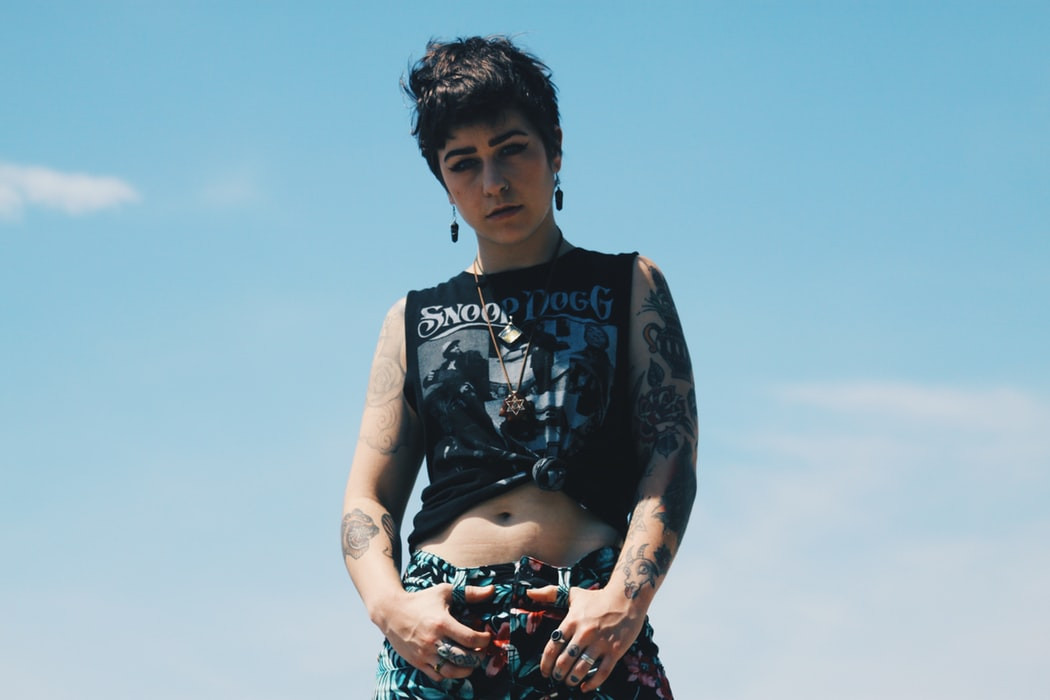
Punk emerged in the mid-1970s simultaneously in the United Kingdom and the United States as a furious, deliberate rejection of everything — musical complexity, political complacency, social convention, and the perceived self-indulgence of the rock establishment. The punk philosophy is built on radical anti-authoritarianism: opposition to fascism, imperialism, capitalism, and any system that concentrates power at the expense of ordinary people.
The punk aesthetic is one of the most visually striking of any urban tribe: spiked hair dyed in vivid colors (the mohawk being the iconic form), leather jackets covered in studs and patches, anarchist symbols, ripped clothing, and extensive tattoos and piercings. The look is confrontational by design — a visual challenge to the neat, orderly presentation of conventional society.
Punk’s cultural legacy is enormous and extends well beyond its most visible phase. The DIY ethic — the principle that you do not need institutional permission or commercial infrastructure to create and distribute music, art, or writing — fundamentally shaped independent culture in the decades that followed. Zines, independent labels, community venues, and grassroots organizing all carry punk’s fingerprints.
7. Heavies
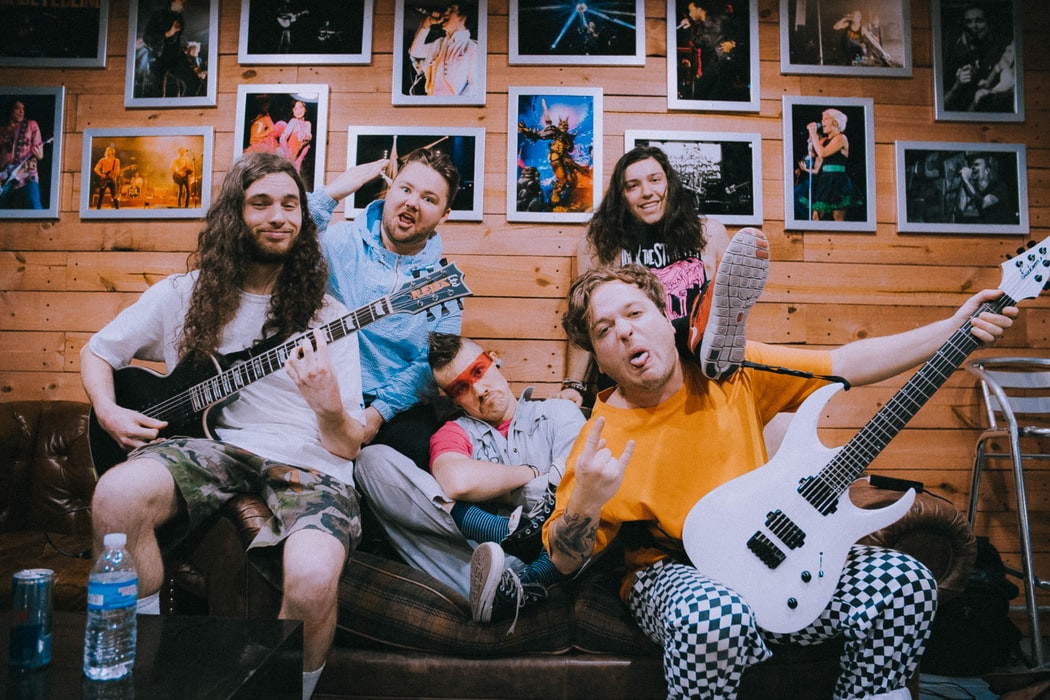
What happens when rock music gets louder, heavier, and more theatrical? You get the heavy metal subculture — a community built around the intensity of the music and the physical and emotional release it provides. Heavies (or metalheads) are characterized by their devotion to heavy metal music, their long hair — worn as a visible badge of identity and often incorporated into the famous headbang — and an aesthetic that blends rock influence with elements of the gothic and the mythological.
Tight jeans, band t-shirts, leather jackets, studded wristbands, and boots form the visual vocabulary. Spanish bands like Mägo de Oz and international icons like Black Sabbath, Iron Maiden, and Metallica are foundational cultural reference points. Heavy metal tends to divide listeners sharply — but within the community, the shared love of extreme sound and spectacle creates a remarkably strong sense of solidarity.
What is often missed in surface-level assessments of metal culture is its intellectual and emotional depth. Metal lyrics frequently engage with themes of mythology, mortality, social critique, and personal struggle — complex territory that attracts listeners who want their music to mean something, even when it is also very, very loud.
8. Rastafarians
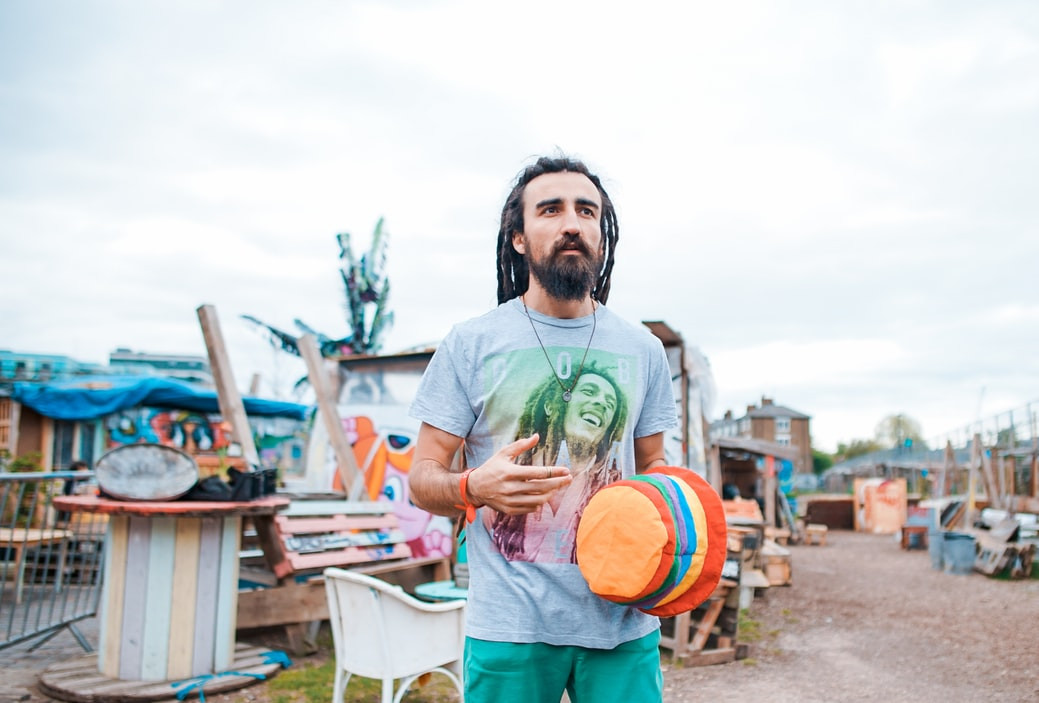
Rastafarianism began as a spiritual and political movement in Jamaica in the 1930s, rooted in the veneration of Ethiopian Emperor Haile Selassie I as a divine figure and in a theology of African liberation and dignity. Over decades, it evolved from a religious movement into a globally recognized subculture, carried around the world largely through the extraordinary reach of reggae music — and above all through the music and life of Bob Marley.
The Rastafarian philosophy centers on simplicity, natural living, peace, and spiritual consciousness. Cannabis — referred to as “herb” — is used sacramentally as a tool for meditation and spiritual awareness. Dreadlocks are deeply meaningful rather than merely aesthetic: they represent a covenant with natural living and a rejection of the artificial standards of mainstream (which Rastafarians often refer to as “Babylon”) culture. Red, gold, and green — the colors of the Ethiopian flag and Jamaican identity — appear throughout the aesthetic, alongside loose, comfortable clothing.
Rastafarianism deserves to be approached with cultural respect and specificity. It is not simply a style or a music genre — it is a living spiritual tradition with genuine theological content, and the communities that practice it authentically are keepers of a rich and meaningful heritage.
9. Geeks, Otakus, and Gamers

This category encompasses three closely related subcultures that share a defining characteristic: deep, often obsessive devotion to a specific domain of interest that sets them apart from casual mainstream engagement. Geeks are passionate about science, technology, comics, fantasy literature, or film. Otakus — a term from Japanese culture — are devoted followers of anime and manga. Gamers have built their identity around video and digital gaming culture.
What unites these three groups is not just shared interests but a shared experience: of caring intensely about something that mainstream culture has historically dismissed or undervalued, and of finding community with others who understand that intensity. The internet transformed these subcultures profoundly, turning what were once isolated enthusiasms into massive global communities with their own creators, critics, events, and economies.
The social and psychological dimensions of geek culture are worth taking seriously. For many people — particularly those who struggled socially in conventional settings — finding a community of people who share their passion has been genuinely life-changing. Comic conventions, gaming events, and online fan communities provide real social belonging for people who might otherwise feel persistently on the margins.
10. Skaters
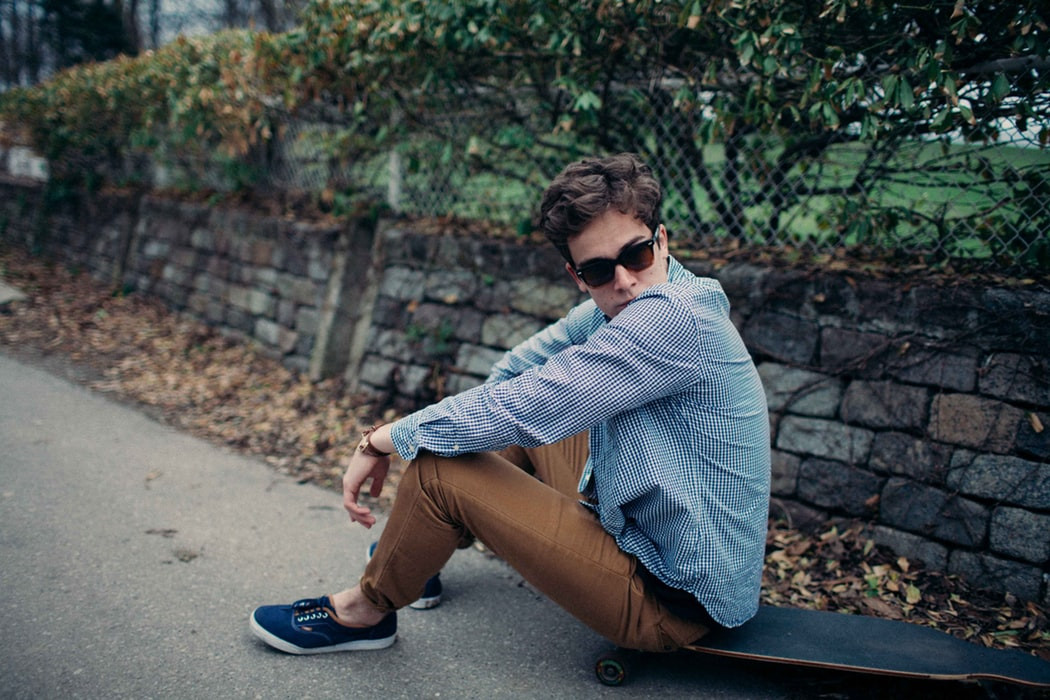
Skating is unique among urban tribes in having originated not from a musical genre or ideological movement but from a sport. Skateboarding emerged in California in the 1950s as an offshoot of surfing, and by the 1970s and 1980s had developed into a fully formed subculture with its own aesthetic, attitude, and heroes.
The skater’s relationship with the city is unlike any other — the urban environment is not a backdrop but a playground, a series of obstacles, surfaces, and spaces waiting to be repurposed into something creative. Stairs, rails, benches, and empty car parks become performance venues. This creative reappropriation of urban space is part of what makes skating genuinely interesting from a cultural standpoint.
The aesthetic is relaxed and varied: loose-fit jeans, brand sneakers (Vans being perhaps the most iconic), hoodies, caps, and graphic t-shirts. Musical tastes within skating culture span punk, hip hop, and everything in between. The community is notably diverse and has grown increasingly inclusive in recent decades, particularly in terms of gender representation.
11. Rockabillies
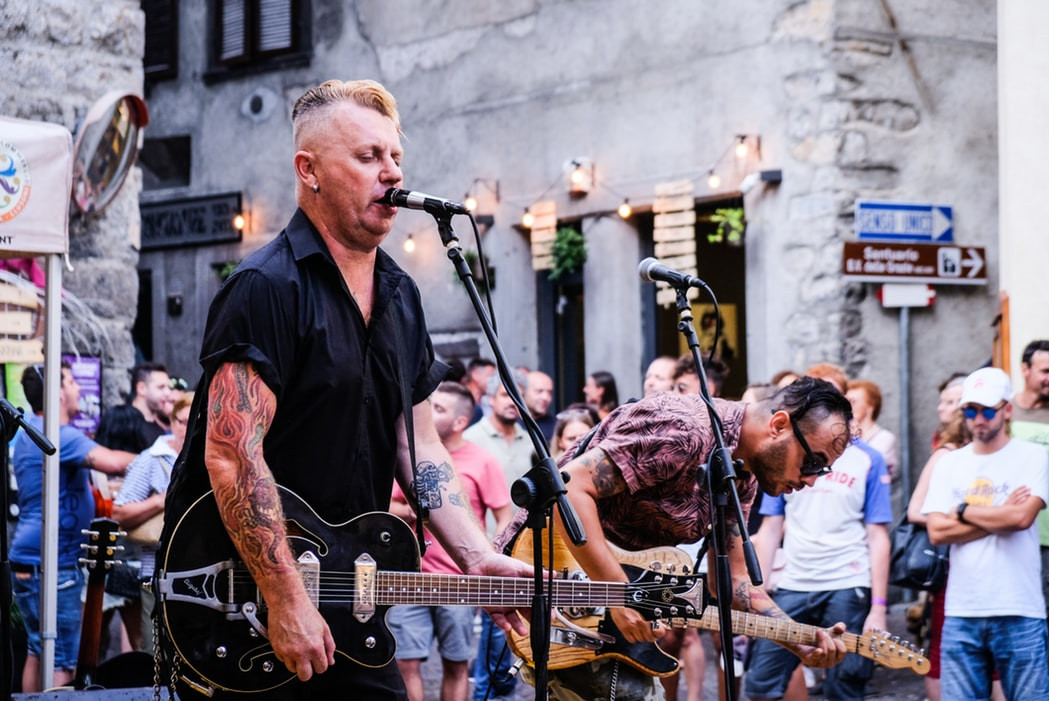
Rockabilly culture is a love letter to 1950s America — specifically to the explosive moment when country music and rhythm and blues collided to produce rock and roll. Elvis Presley, Eddie Cochran, and Gene Vincent are the founding saints of this aesthetic world, and rockabillies wear their devotion visibly and proudly.
The look is immediately recognizable: slicked-back hair in elaborate pompadours and ducktails, leather jackets, high-waisted jeans, rolled cuffs, and vintage tattoos in the classic American sailor style. Women in rockabilly culture often favor pin-up-inspired fashion — polka dots, victory rolls, and red lipstick. The aesthetic is precise, researched, and maintained with genuine care — a form of living historical preservation.
Rockabilly culture persists today in revival scenes across Europe, Japan, and North America, with events like the Viva Las Vegas Rockabilly Weekend drawing thousands of devoted participants annually. It is one of the most enduring examples of a subculture sustained by genuine love for a specific cultural moment rather than by commercial trend cycles.
12. Swaggers
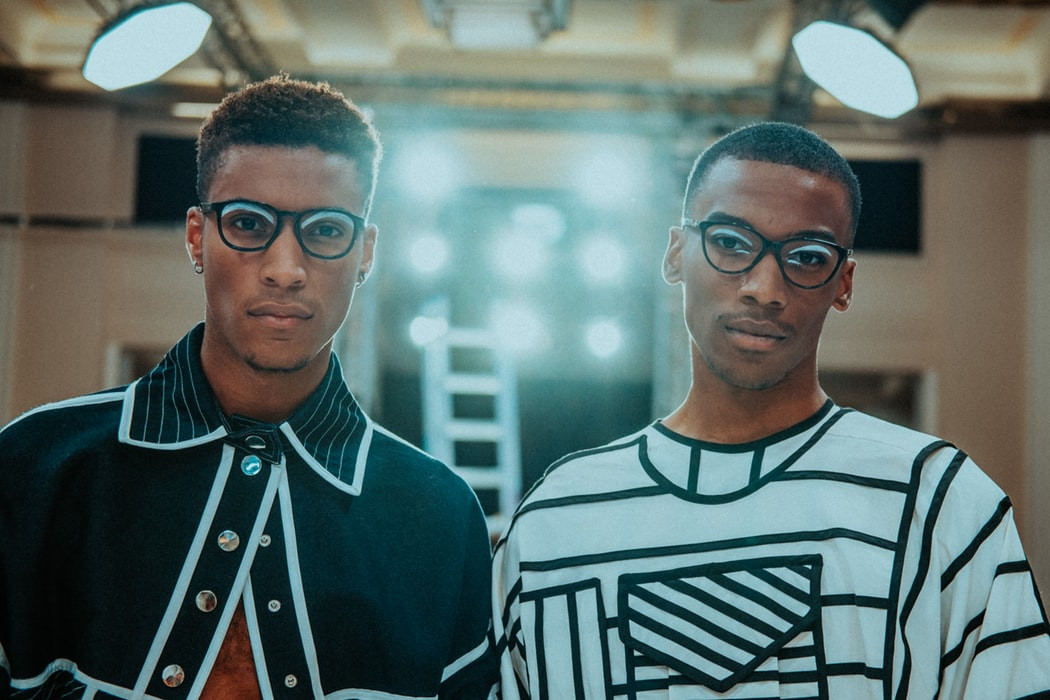
Swag culture emerged prominently in the early 2010s, drawing heavily from hip hop aesthetics and amplified significantly by social media. The defining values are visibility, brand loyalty, and digital presence — owning the latest smartphone, wearing recognizable luxury or streetwear brands, and maintaining an active, aspirational social media identity are all central.
The aesthetic centers on designer streetwear, limited-edition sneakers, and conspicuous accessories. Brands like Supreme, Off-White, and various luxury houses function as social currency within this subculture — communicating status, taste, and belonging simultaneously. The culture has a complex relationship with consumerism: it celebrates it openly and without apology, which makes it interesting as a counterpoint to subcultures built on anti-consumerist values.
From a psychological perspective, swagger culture reflects a very human desire for recognition and status, channeled through consumption and digital performance. The social media dimension is particularly significant — identity is not just performed in physical space but curated and broadcast to audiences far beyond immediate social circles.
13. Muppies
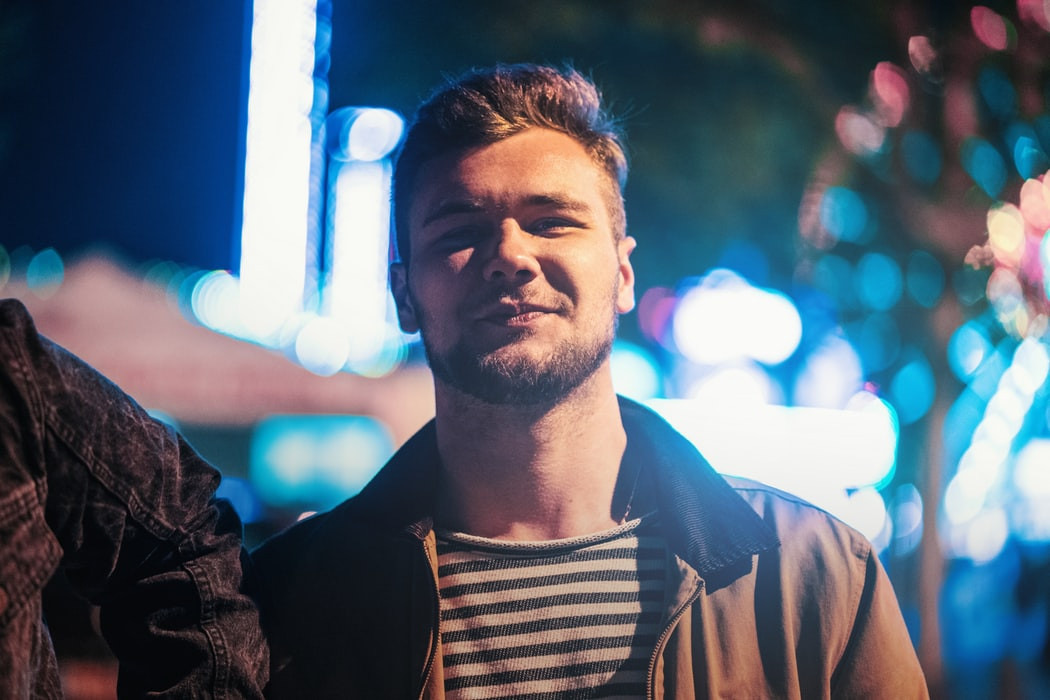
The term “muppie” — a portmanteau of “millennial” and “yuppie” — describes a subculture that many people belong to without having a name for it. Muppies are educated young adults who combine professional ambition with an active, health-conscious lifestyle and a values-driven approach to consumption.
They wear quality brands but without slavish adherence to specific trends. They run marathons, practice yoga, and eat carefully. They travel as much as their income allows, favor experiences over possessions, and tend toward progressive politics. Technology is central to their lives — not as a status symbol but as a practical infrastructure for work, communication, and lifestyle management.
What distinguishes muppies from previous generations of ambitious young professionals is a genuine tension between institutional career structures and the desire for meaningful work. Many muppies are unwilling to spend significant portions of their lives in roles that feel disconnected from their values or interests — a stance that has driven the growth of the gig economy, freelance culture, and social entrepreneurship.
14. Pokemon (Pokemones)
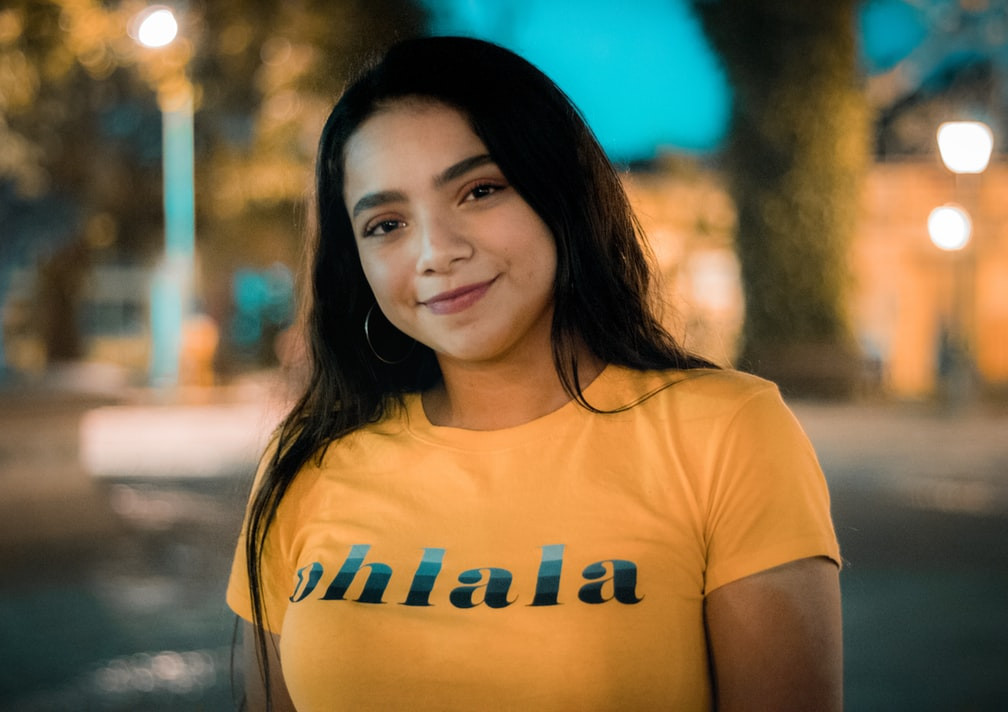
Particularly widespread in Latin America, especially in Chile and Mexico, the pokemón subculture is one of the more psychologically interesting urban tribes for what it reveals about the relationship between identity and maturity. Its defining characteristic is a conscious, playful rejection of conventional adulthood — its members embrace childlike aesthetics, refuse to take the social scripts of adult responsibility too seriously, and prioritize fun, color, and self-expression over conformity.
The aesthetic is striking: abundant gel in highly styled hair, vivid colorful clothing, bold eye makeup regardless of gender, and lip piercings. The look is maximalist and deliberately youthful. Sociologists have connected the pokemón subculture to broader patterns of extended adolescence and the psychological phenomenon sometimes called Peter Pan Syndrome — the reluctance to assume adult roles and responsibilities in a world where those roles feel unrewarding or inaccessible.
Approached with nuance, this subculture raises genuinely interesting questions about what adulthood means and whether the pressure to conform to conventional markers of maturity is always as healthy or necessary as society tends to assume.
15. Reggaeton Culture
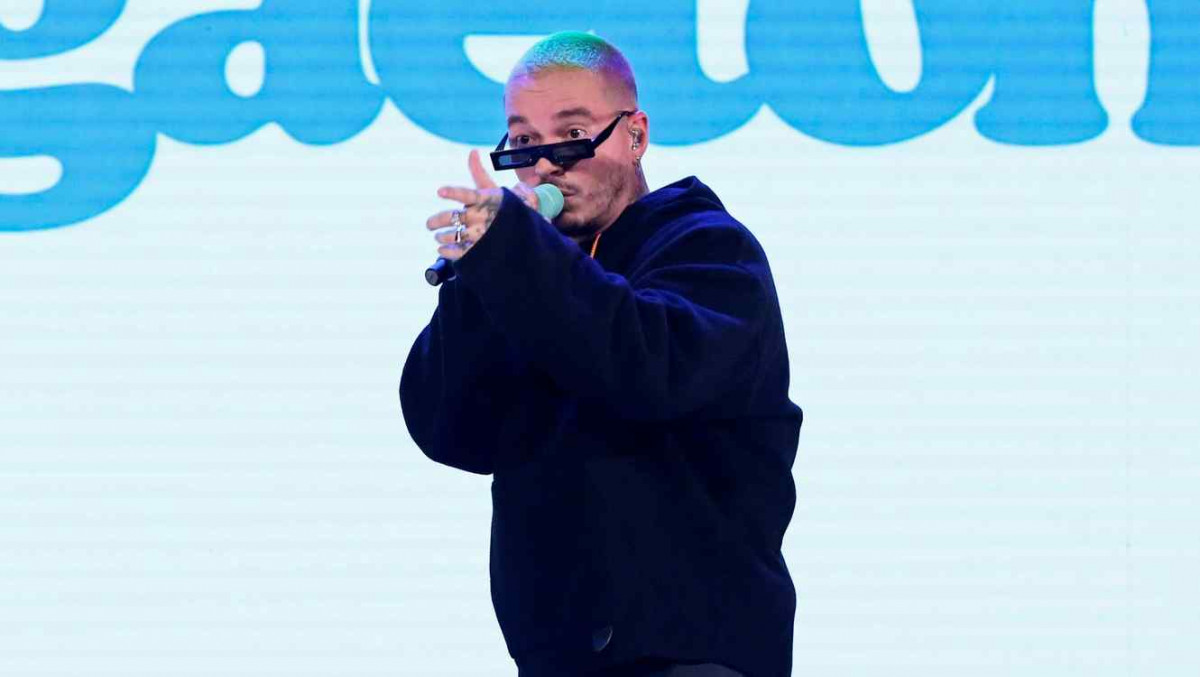
Reggaeton emerged from the urban peripheries of Puerto Rico in the early 1990s, drawing on dancehall, hip hop, and electronic music to create a sound that was immediately, viscerally compelling — and immediately controversial. As the music traveled through the Latin diaspora across the Americas, Europe, and beyond, it carried a subculture with it: a particular aesthetic, a particular social energy, and a particular set of values around pleasure, celebration, community, and urban identity.
The aesthetic codes are clear: oversized jerseys and tracksuits for men, body-conscious clothing for women, gold jewelry, designer sunglasses worn at any hour, and branded sportswear. The social life of reggaeton culture is organized around music, dance, and collective celebration — clubs, outdoor events, and the informal street gatherings that have been central to the culture since its origins.
The culture has faced significant criticism, particularly regarding the representation of women in much mainstream reggaeton music. These are important conversations worth having honestly. At the same time, reggaeton represents a genuinely significant cultural achievement: a sound created by marginalized communities that conquered global markets on its own terms, without diluting its identity to achieve mainstream acceptance.
16. Grunge
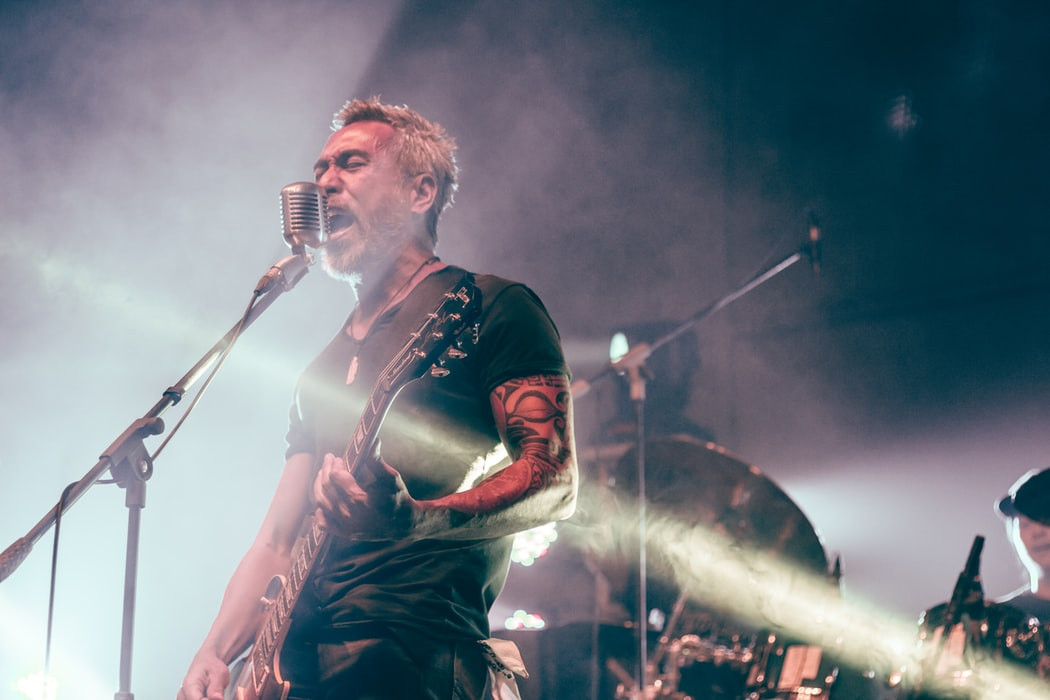
Grunge emerged from Seattle in the late 1980s and early 1990s, producing one of the most culturally significant moments in recent music history with bands like Nirvana, Pearl Jam, and Soundgarden. Grunge was defined by its rejection of the polished, performative excess of 1980s pop and rock culture — it was raw, loud, deliberately unglamorous, and emotionally honest in a way that resonated enormously with a generation feeling the weight of an uncertain world.
Kurt Cobain became the reluctant icon of a generation — his discomfort with that role itself emblematic of grunge’s values. The aesthetic is studied in its carelessness: flannel shirts worn open over band t-shirts, distressed jeans, combat boots, and a general air of not having tried too hard that paradoxically requires some effort to achieve. The look communicates a disdain for consumerism and social performance while still functioning as a recognizable aesthetic code.
Grunge’s emotional legacy — its willingness to name alienation, depression, and uncertainty directly — made it a significant cultural moment for young people struggling with similar feelings. It is a reminder that music and subculture can serve genuine emotional and psychological functions, giving shape and community to experiences that might otherwise feel isolating.
17. Skinheads
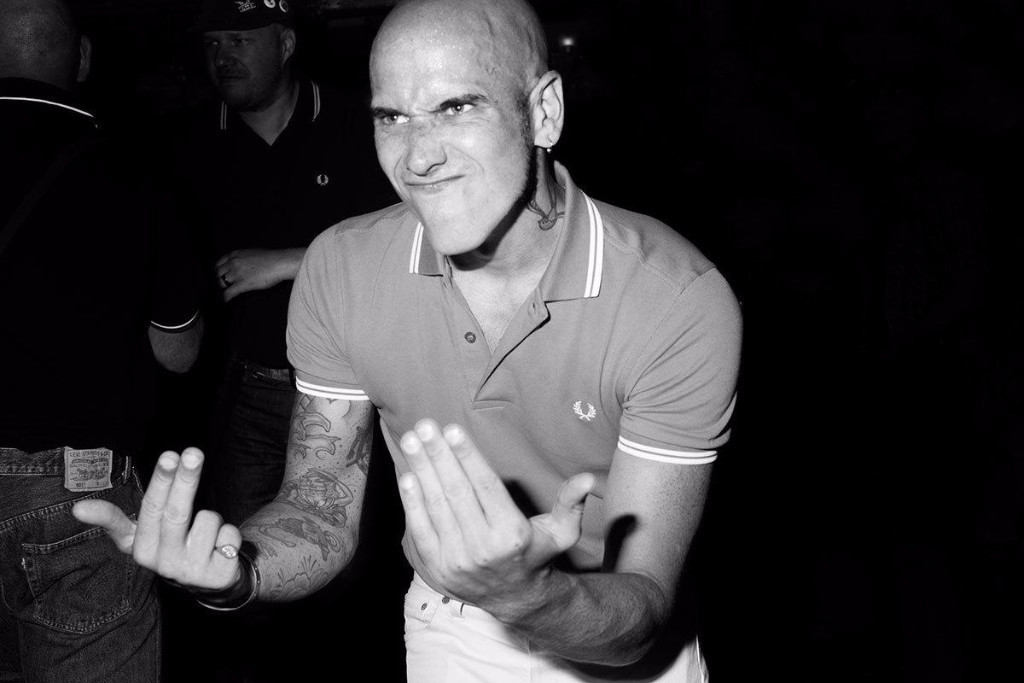
Few urban tribes have been as persistently misrepresented as skinheads — a misrepresentation that requires some honest correction. The original skinhead subculture emerged in late 1960s Britain as a working-class youth movement strongly influenced by Jamaican rude boy and ska culture, not by racism. It was a multiracial subculture built around specific musical tastes — ska, soul, early reggae — football culture, and a particular working-class pride in manual labor and physical toughness.
The association with far-right ideology came later, when certain factions of the skinhead movement were co-opted by white supremacist organizations in the 1970s and 1980s. This is an important distinction: the vast majority of skinheads identify with the original, non-political tradition, and many actively resist the racist appropriation of their subculture’s visual identity. The shaved head, braces (suspenders), Dr. Martens boots, and rolled jeans remain the recognizable aesthetic, but they carry entirely different meanings depending on which tradition of skinhead culture is being expressed.
18. Posh (Preppies)
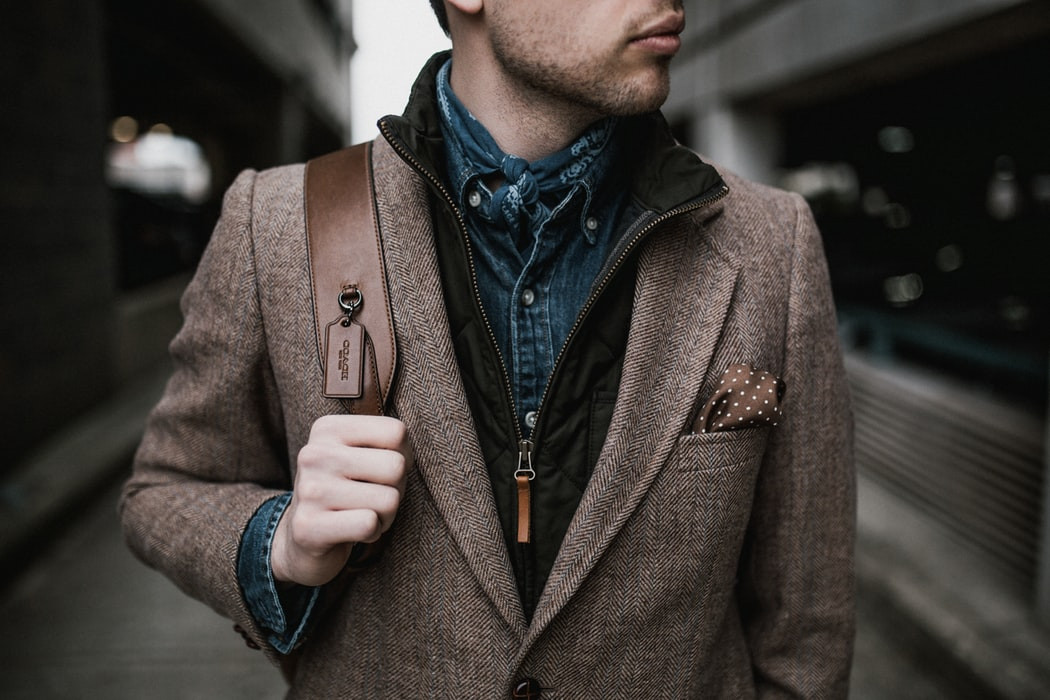
The posh or preppy subculture is built around an aesthetic of understated privilege — a visual language that communicates social class through restraint rather than ostentation. Polo shirts, chinos, loafers, blazers, sweaters tied around the shoulders, and immaculately pressed clothing form the core wardrobe. The look is neat, classic, and deliberately conventional — which is itself a kind of statement.
Originally rooted in the culture of elite American and British universities and private schools — “prep schools” giving the American version its name — the preppy aesthetic spread far beyond those original social contexts, becoming a recognizable mainstream style in the 1980s and influencing fashion significantly through brands like Ralph Lauren and Tommy Hilfiger.
As a subculture in the urban tribe sense, preppiness has become increasingly blurred with the passage of time, absorbed into mainstream fashion and crossbred with other aesthetics to produce hybrid styles. But its core signals — quality fabrics, conservative cuts, brand heritage — persist as a recognizable visual vocabulary in many social contexts around the world.
19. Hip Hop
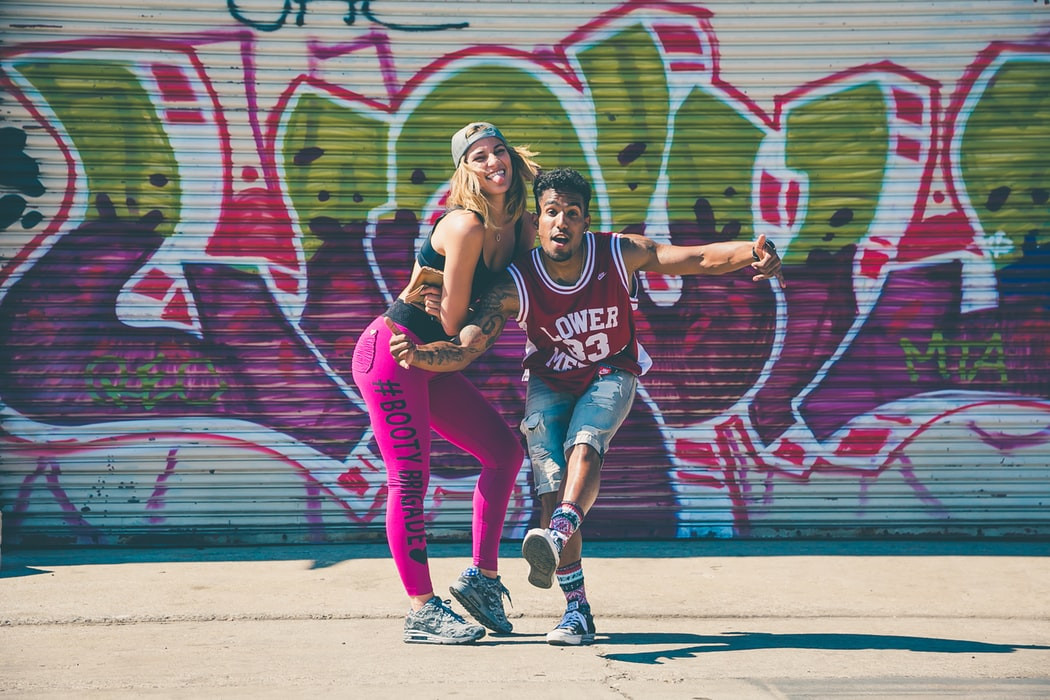
It is worth distinguishing hip hop as a broader cultural movement from the rapper aesthetic described earlier — though the two are obviously connected. Hip hop is one of the most significant cultural phenomena of the twentieth and twenty-first centuries, encompassing not just music but a complete expressive universe: visual art (graffiti), dance (breakdancing, popping, locking), fashion, language, and an entire set of values around creativity, community, and survival.
The original hip hop aesthetic — tracksuits, Adidas sneakers, shell toe shoes, bucket hats, and graffiti-inspired graphics — reflected the economic realities of its South Bronx origins: style assembled from affordable, accessible pieces, elevated through creativity and personal expression. As hip hop achieved commercial success, that aesthetic became the foundation for a global fashion industry worth billions — but the subculture’s roots in authentic community expression remain central to how its most serious practitioners understand it.
Artists like Tupac Shakur, Notorious B.I.G., Jay-Z, and Kendrick Lamar have used hip hop as a vehicle for genuinely important social commentary, and the subculture continues to function as one of the most powerful platforms for amplifying voices and experiences from marginalized communities.
20. Chonis and Canis

The choni and cani subculture is one of the most distinctly Spanish urban tribes, with its own regional character and social codes. It is built primarily around a social life centered on nightlife, music, and communal celebration — clubs, outdoor parties, and the particular ritual of the late-night post-club gathering in car parks and public squares.
The aesthetic is immediately recognizable in Spain: tracksuits and sportswear for men, low-cut tops and tight clothing for women, abundant gold jewelry, and distinctive hair — shaved or crested for men, long and elaborately styled for women. Bright colors and brand sportswear are central. The social identity is built around music (typically reggaeton and urban Spanish styles), group loyalty, and a conspicuous enjoyment of pleasure and celebration.
Like many working-class urban subcultures, the choni and cani aesthetic has been subject to significant class-based mockery — which says more about social snobbery than about the subculture itself. What it actually represents is a genuine community with its own social rituals, aesthetic codes, and values around friendship and collective enjoyment.
What Urban Tribes Tell Us About Identity and Belonging
Step back from the individual details of each tribe and a larger picture emerges. Urban tribes are, at their core, answers to the universal human question of where we belong — and who we are when we belong there.
The sociologist Zygmunt Bauman described modern life as “liquid” — characterized by the dissolution of the stable social structures (church, workplace, neighborhood, extended family) that once provided automatic community and identity. Urban tribes can be understood as one response to that liquidity: voluntary communities that offer belonging, meaning, and identity in a world where those things are no longer automatically provided by birth and circumstance.
This is why the psychological dimensions of tribal membership deserve serious attention. For many people — particularly young people navigating the turbulent process of identity formation — finding their subculture is one of the most significant experiences of their lives. It can be the first context in which they feel genuinely seen, understood, and valued for who they actually are. That is not trivial. That is psychologically real and important.
It is also why difficulties with belonging, identity, and peer acceptance — experiences closely connected to tribal membership and exclusion — are among the most common sources of adolescent distress. These experiences are entirely normal. And when they become sources of persistent suffering, reaching out for support — from a trusted adult, a counselor, or a mental health professional — is always the right response. Struggling with identity and belonging is a universal human experience, not a personal failure, and the help available for navigating those struggles is genuinely effective.
FAQs About Urban Tribes: Features and Aesthetics
What is an urban tribe exactly?
An urban tribe is a subculture — a group of people who share common aesthetic codes, values, musical preferences, and a sense of collective identity that distinguishes them from the mainstream culture around them. The term was popularized by French sociologist Michel Maffesoli in his 1988 book “The Time of the Tribes,” where he argued that modern societies are increasingly organized around small, voluntary communities of shared taste and lifestyle rather than traditional social structures like class or religion. Urban tribes fulfill deep human needs for belonging, identity, and meaning — which is why they tend to form spontaneously in cities and persist across generations.
Why do young people join urban tribes?
The psychological motivations are multiple and overlapping. Adolescence and early adulthood are the life stages in which identity formation is most active — young people are working out who they are, what they value, and where they fit in a complex social world. Urban tribes offer a ready-made community that provides clear identity markers, shared values, and a sense of belonging precisely during the period when those things are most urgently needed. They also offer a space to push back against expectations — parental, institutional, social — in ways that feel meaningful and collective rather than purely individual. Research in developmental psychology consistently shows that peer group belonging is one of the strongest predictors of adolescent wellbeing.
What is the difference between a subculture and an urban tribe?
The terms are used largely interchangeably in contemporary usage, though they originate in different disciplines. Subculture is the older, more academic term, used in sociology and cultural studies to describe groups whose values and practices differ from dominant mainstream culture. Urban tribe emerged later and carries a slightly different emphasis — specifically the urban context, the voluntary nature of membership, and the importance of shared aesthetics and lifestyle practices as the binding force. For practical purposes, both terms describe the same phenomenon: communities organized around shared taste, identity, and values rather than family, geography, or profession.
Can someone belong to more than one urban tribe?
Absolutely — and this is increasingly common in contemporary culture. Identity is not monolithic, and most people draw from multiple cultural influences simultaneously. Someone might identify with the aesthetic sensibility of the gothic subculture while sharing the environmental values of hippie culture and the musical tastes of hip hop. Social media and global cultural exchange have accelerated this kind of cross-pollination, making hybrid identities increasingly the norm rather than the exception. The boundaries between urban tribes are permeable and always have been — the most interesting cultural moments often happen precisely in the spaces where different subcultures influence each other.
Urban tribes have not disappeared — they have transformed. Social media has fundamentally changed how subcultures form, spread, and sustain themselves: what once required physical proximity in a specific city can now develop globally through online communities. Subcultures like K-pop fandoms, e-girl and e-boy aesthetics, cottagecore, and various gaming communities are entirely contemporary examples of urban tribe dynamics operating in digital spaces. The need for belonging, identity, and shared cultural reference that drives tribal formation has not diminished — it has simply found new channels. In some ways, the internet has made subcultures more accessible, allowing people in isolated physical environments to find their communities in ways that would have been impossible before.
Is belonging to an urban tribe healthy from a psychological standpoint?
Generally, yes — and the research supports this. Belonging to a community with shared values and identity is consistently associated with better mental health outcomes: lower rates of depression and anxiety, higher self-esteem, greater resilience in the face of difficulty. Urban tribes provide many of the social ingredients that support wellbeing: a sense of belonging, clear identity, mutual recognition, and shared meaning. The context matters, of course. Subcultures that center harmful ideologies, that use belonging as a mechanism for control, or that normalize self-destructive behavior are a different matter. But the vast majority of urban tribes are simply communities of people who found each other through shared passion — and that is, psychologically speaking, a genuinely good thing.
What should I do if I feel like I do not belong to any group or tribe?
First: recognize that this feeling is both common and normal, particularly during adolescence and periods of transition. Not everyone finds their community easily or quickly, and the process of discovering where you belong can take time, involve false starts, and require genuine exploration. Second: consider what genuinely interests you — not what you think you should be interested in, but what actually captures your attention and energy — and look for communities built around those things. Third: remember that belonging does not require complete identification with any single group. Most people find their communities through partial resonance with multiple spaces rather than total immersion in one. And if feelings of isolation, loneliness, or not belonging are persistent sources of distress, speaking with a counselor or therapist is a genuinely useful step — not because something is wrong with you, but because support in navigating these feelings is available and it works.
By citing this article, you acknowledge the original source and allow readers to access the full content.
PsychologyFor. (2026). Top 20 Urban Tribes (Features and Aesthetics). https://psychologyfor.com/top-20-urban-tribes-features-and-aesthetics/