

Trichophagia is the compulsive eating of hair — a behavior that sounds startling at first, but is more common than most people realize, and almost always occurs alongside another condition called trichotillomania, the compulsive urge to pull out one’s own hair. While trichophagia is not widely discussed in everyday conversation, it carries real medical risks that make understanding it genuinely important. Left unaddressed, the habit of swallowing hair can lead to a serious and potentially life-threatening complication: the formation of a trichobezoar, a mass of compacted hair in the stomach or intestines.
If you are reading this because you or someone you love pulls and eats hair — and feels deep shame about it — the first thing worth knowing is this: you are not alone, and this is not a moral failing. Trichophagia is a body-focused repetitive behavior (BFRB), a category of conditions that arise from complex interactions between neurological, psychological, and environmental factors. Shame does not make these behaviors stop. Understanding them does.
The experience of trichophagia is often described as automatic — something that happens almost outside conscious awareness, particularly during moments of stress, boredom, or emotional tension. The hair is pulled, then brought to the mouth almost reflexively. For some people it is the texture; for others it is the ritual itself that provides a fleeting sense of relief or regulation. That momentary comfort is real, even as the behavior creates distress and physical risk.
This article covers what trichophagia is, how it differs from related conditions, its psychological and neurological causes, the medical complications it can produce, and — most importantly — the evidence-based treatments that genuinely help. Knowledge is the beginning of a different relationship with this behavior.
What Is Trichophagia? Definition and Key Features
Trichophagia is defined as the compulsive ingestion of hair, most commonly one’s own. The word comes from the Greek tricho (hair) and phagia (eating). It is classified within the broader family of body-focused repetitive behaviors (BFRBs) — a group that includes trichotillomania (hair pulling), dermatillomania (skin picking), onychophagia (nail biting), and related conditions.
Trichophagia is not an independent diagnosis in the DSM-5. Instead, it typically presents as a secondary behavior alongside trichotillomania, which is classified under Obsessive-Compulsive and Related Disorders. Research suggests that between 5% and 20% of people with trichotillomania also engage in trichophagia, though the true prevalence is likely underreported due to shame and concealment.
The behavior usually follows a recognizable sequence: the person pulls a hair (most commonly from the scalp, eyebrows, or eyelashes), then examines it — sometimes running it across the lips or teeth — before eating it. The eating itself may involve chewing the hair root, stripping the hair through the teeth, or swallowing hair whole. Each of these variations carries different physical risk profiles, with whole swallowing being the most medically significant.
What distinguishes trichophagia from an accidental or one-time ingestion of hair is its compulsive, recurrent nature. The person typically experiences an urge or tension that precedes the behavior and a temporary sense of relief or gratification during or after it. Over time, this cycle — tension, behavior, relief — becomes self-reinforcing, making the behavior increasingly difficult to interrupt without targeted intervention.
Trichophagia occurs across genders and age groups, though it is most commonly identified in children, adolescents, and young adult women. Like all BFRBs, it frequently coexists with anxiety disorders, OCD, depression, ADHD, and autism spectrum conditions — not because these conditions cause trichophagia, but because they share underlying neurological and emotional regulation features.
Trichophagia vs. Trichotillomania: Understanding the Connection
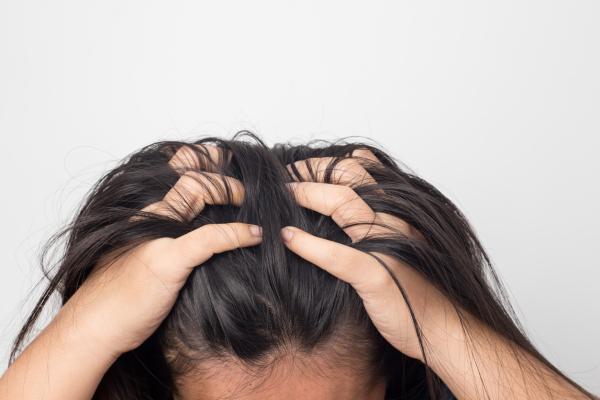
Trichophagia and trichotillomania are closely linked but distinct behaviors. Trichotillomania is the recurrent, compulsive pulling of hair from the scalp, eyebrows, eyelashes, or other body areas. Trichophagia is what happens next — when that pulled hair is eaten. Not everyone with trichotillomania develops trichophagia, but trichophagia is almost always found in the context of hair pulling.
The relationship between the two behaviors matters clinically because it determines the risk profile. Trichotillomania, while psychologically distressing, does not typically cause life-threatening physical complications. Trichophagia does — because human hair is indigestible. The stomach cannot break down keratin, the protein that forms the hair shaft. Hair that is swallowed accumulates rather than being digested, and over months or years can form a trichobezoar — a compacted hair mass that can grow large enough to require surgical removal.
Both conditions are understood through the lens of the Affect Regulation Model proposed by researchers including Michael Twohig and Douglas Woods, which frames BFRBs as behaviors that function to regulate difficult internal states — anxiety, boredom, emotional pain, sensory discomfort. The hair pulling provides one form of regulation; the oral component of trichophagia adds a second, often more immediately soothing layer.
A key practical implication: treatment for trichophagia must address both the pulling and the eating components. Treating only the trichotillomania without addressing the ingestion behavior leaves a significant and medically serious piece of the pattern unaddressed.
What Causes Trichophagia? Psychological and Neurological Factors
There is no single cause of trichophagia. Like most complex behavioral conditions, it emerges from the interaction of neurological predisposition, psychological factors, learned behavior patterns, and environmental triggers. Understanding these contributing factors is not about assigning blame — it is about identifying the levers that treatment can actually work with.
Neurological and Biological Factors
Research on BFRBs consistently points to differences in the brain’s cortico-striato-thalamo-cortical (CSTC) circuits — the neural pathways involved in habit formation, impulse control, and the regulation of repetitive behaviors. These are the same circuits implicated in OCD and Tourette syndrome, which helps explain why BFRBs, OCD, and tic disorders so frequently co-occur.
Dopaminergic and serotonergic systems also appear to play a role. The momentary relief that follows hair pulling and ingestion is partly a neurochemical event — the behavior produces a brief shift in arousal and reward circuitry that reinforces its repetition. Genetic factors likely contribute as well: family studies suggest that trichotillomania and related BFRBs cluster in families, though specific genes have not been definitively identified.
Psychological and Emotional Factors
Trichophagia almost universally functions as an emotion regulation strategy — a way of managing internal states that feel overwhelming or intolerable. Common triggers include anxiety, boredom, frustration, emotional pain, and states of dissociation or emotional numbing. The behavior provides either stimulation (in low-arousal states) or relief (in high-arousal states), making it neurologically versatile as a coping tool.
Attachment theory offers another lens. Some researchers, including those working in the tradition of Jon Bowlby’s attachment framework, have noted that self-soothing behaviors — including BFRBs — are more common in individuals whose early attachment experiences were insecure or inconsistent. When the external environment cannot be relied upon for soothing, the body itself becomes the primary source of regulation.
Sensory processing differences also feature prominently. Many people with trichophagia describe a specific sensory appeal to the texture, feel, or even taste of hair — particularly the root bulb. This sensory component suggests overlap with sensory processing sensitivities seen in autism spectrum conditions and sensory processing disorder.
Environmental and Developmental Triggers
Trichophagia often begins in childhood or early adolescence, frequently during periods of significant stress, transition, or emotional upheaval. Common developmental triggers include academic pressure, social difficulties, family conflict, trauma, and major life changes. Once established, the behavior tends to persist because of its self-reinforcing neurochemical cycle — not because the original trigger is still present.
The Medical Risks of Trichophagia: Trichobezoar and Rapunzel Syndrome
The most serious medical consequence of trichophagia is the formation of a trichobezoar — a mass of compacted, undigested hair in the gastrointestinal tract. Because human hair cannot be digested or passed normally through the intestines, swallowed hair accumulates in the stomach, where it becomes entangled with mucus and food particles, gradually forming a solid mass that can grow to fill the entire stomach.
Symptoms of a trichobezoar include:
- Abdominal pain or discomfort, often diffuse and chronic rather than acute
- Nausea and vomiting, particularly after eating
- Feeling of fullness even after eating small amounts
- Unexplained weight loss and malnutrition
- A palpable abdominal mass in more advanced cases
- Hair loss, often visible even to the person, alongside the GI symptoms
In severe cases, the condition progresses to what physicians call Rapunzel syndrome — a striking medical term for a trichobezoar that extends a tail of hair from the stomach into the small intestine. Rapunzel syndrome can cause intestinal obstruction, ulceration, and perforation, all of which are surgical emergencies. The condition is named, with grim literary irony, after the fairy tale character whose extraordinary hair defined her captivity.
Trichobezoars require surgical removal — they cannot be dissolved by medication or passed naturally. This medical reality is important context for why trichophagia, despite its often quiet and hidden nature, requires genuine clinical attention rather than a “wait and see” approach.
If you or someone you know is experiencing persistent abdominal symptoms alongside hair-eating behavior, seeking medical evaluation promptly is essential. This is not alarmism — it is appropriate care for a condition with real physical consequences.

How Trichophagia Is Diagnosed
Diagnosis of trichophagia requires both psychological and, where indicated, medical assessment. Because the behavior is deeply shame-laden, many people do not disclose it voluntarily — even to healthcare providers they trust. This means clinicians working with trichotillomania patients are encouraged to ask specifically about hair ingestion, rather than waiting for the patient to raise it.
On the psychological side, a thorough evaluation typically includes:
- A detailed behavioral history — when the behavior began, its frequency, triggers, and the specific sequence of pulling and eating
- Assessment of co-occurring conditions — anxiety, OCD, depression, ADHD, autism spectrum features, and trauma history
- Standardized measures such as the Massachusetts General Hospital Hair Pulling Scale (MGH-HPS) and the BFRB assessment tools developed by the TLC Foundation for Body-Focused Repetitive Behaviors
- Functional assessment of what the behavior is doing — what states it regulates, what triggers it, what maintains it
On the medical side, abdominal imaging — typically ultrasound or CT scan — may be indicated when the person has been engaging in trichophagia for an extended period, particularly if they report any gastrointestinal symptoms. Early detection of a forming bezoar dramatically improves outcomes and can make the difference between a straightforward surgical procedure and a complex emergency intervention.
Evidence-Based Treatment for Trichophagia
Trichophagia is treatable. This is perhaps the most important sentence in this article. The shame and secrecy surrounding the behavior often leads people to suffer in silence for years, not knowing that effective, evidence-based treatments exist. Recovery is not about willpower — it is about having the right tools and support.
Habit Reversal Training (HRT)
Habit Reversal Training is the most well-researched behavioral intervention for BFRBs, including trichotillomania and trichophagia. Developed by Nathan Azrin and R. Gregory Nunn, HRT consists of three core components:
- Awareness training: developing precise, moment-to-moment awareness of the behavior — its triggers, its early warning signs, and the specific sequence of actions involved. Many people engage in trichophagia with minimal conscious awareness; this component interrupts that automaticity.
- Competing response training: identifying a specific, incompatible behavior to perform instead of the hair pulling and eating when the urge arises. Common competing responses include clenching the fist, placing hands flat on a surface, or engaging in a specific hand movement. The competing response must be physically incompatible with pulling and held for at least one minute or until the urge subsides.
- Social support: involving a trusted person — partner, parent, friend — who can gently prompt the competing response and provide encouragement without shame or judgment.
HRT is often delivered as part of a broader CBT framework, with sessions addressing the thoughts, beliefs, and emotional states that maintain the behavior alongside the behavioral components.
The Comprehensive Behavioral Treatment Model (ComB)
Developed by Michael Twohig, Douglas Woods, and colleagues specifically for BFRBs, the Comprehensive Behavioral Treatment (ComB) model builds on HRT by conducting a detailed functional analysis of the behavior across five sensory domains: tactile (touch), oral, visual, kinesthetic (movement), and place (where the behavior occurs). This allows treatment to be precisely tailored to the individual’s specific sensory triggers and maintaining factors.
For trichophagia, the oral domain is particularly relevant — and ComB addresses it directly by identifying alternative oral stimulation strategies that can substitute for the sensory component of eating hair, such as chewing gum, eating crunchy foods, or using textured objects designed for oral stimulation.
Acceptance and Commitment Therapy (ACT)
ACT, developed by Steven Hayes, approaches trichophagia and related BFRBs from a different angle: rather than primarily fighting the urge, ACT works to change the relationship with the urge. Psychological flexibility — the capacity to experience uncomfortable thoughts, feelings, and sensations without automatically acting on them — is the core skill ACT builds.
ACT for BFRBs typically includes defusion techniques (learning to observe urges as mental events rather than commands), values clarification (connecting behavior change to what genuinely matters to the person), and committed action toward valued living even in the presence of difficult internal states. Research on ACT for trichotillomania, including work by Twohig and Woods, shows meaningful reductions in pulling behavior, and clinicians frequently adapt these protocols for trichophagia.
Medication
No medication is currently FDA-approved specifically for trichotillomania or trichophagia. However, several medications have shown promise in research and are sometimes used as adjuncts to behavioral therapy:
- N-acetylcysteine (NAC): a glutamate-modulating supplement with the strongest current evidence base for hair pulling, supported by a double-blind study published in the Archives of General Psychiatry
- SSRIs: mixed evidence for trichotillomania specifically, though they may be useful when co-occurring anxiety or depression is present
- Clomipramine: a tricyclic antidepressant that has shown some efficacy in older research
- Olanzapine: an atypical antipsychotic that has been studied in treatment-resistant cases
Medication decisions should always be made collaboratively with a qualified prescriber who is familiar with BFRB presentations. Behavioral therapy remains the primary treatment; medication is typically considered as an augmentation strategy, particularly for severe cases or when significant co-occurring conditions are present.
Seeking Specialist Support
Because trichophagia is relatively uncommon and frequently misunderstood, finding a therapist with specific BFRB expertise makes a significant difference in treatment outcomes. The TLC Foundation for Body-Focused Repetitive Behaviors (bfrb.org) maintains a directory of trained therapists and provides educational resources for individuals and families. Online therapy platforms increasingly offer access to BFRB-specialist therapists, which is particularly valuable for people in areas where in-person expertise is not available.

Living with Trichophagia: Reducing Shame and Building Support
One of the most damaging aspects of trichophagia is not the behavior itself but the shame that surrounds it. People often describe hiding the behavior for years — sometimes decades — from partners, family members, and healthcare providers. That silence has a cost: it delays treatment, amplifies distress, and reinforces the false belief that the behavior is uniquely abnormal or morally indicative of something wrong with the person.
The BFRB community — through organizations like the TLC Foundation, online support groups, and peer communities — has been instrumental in reducing this shame. Connecting with others who share the experience of living with a body-focused repetitive behavior often produces a profound sense of relief: the recognition that you are not alone, not broken, and not beyond help.
For family members and partners of someone with trichophagia, the most helpful stance combines genuine compassion with practical support. Reacting with disgust, issuing ultimatums, or repeatedly drawing attention to the behavior in shaming ways does not reduce it — it increases the anxiety that drives it. Encouraging professional help, offering to help find a specialist, and consistently communicating that your care for the person is not contingent on the absence of the behavior: these things matter.
FAQs about Trichophagia
What is trichophagia and how common is it?
Trichophagia is the compulsive eating of hair, almost always occurring alongside trichotillomania (compulsive hair pulling). A person pulls a hair and then ingests it — chewing the root, stripping the hair through their teeth, or swallowing it whole. It is classified as a body-focused repetitive behavior (BFRB). Exact prevalence is difficult to establish because shame leads to significant underreporting, but research suggests that between 5% and 20% of people with trichotillomania also engage in trichophagia. It is most commonly identified in children, adolescents, and young adult women, though it occurs across all genders and age groups.
Is trichophagia dangerous?
Yes — trichophagia carries genuine medical risks that distinguish it from many other BFRBs. Human hair is composed of keratin, a protein the body cannot digest. Swallowed hair accumulates in the stomach and can form a trichobezoar — a compacted hair mass that grows over time. Trichobezoars can cause abdominal pain, nausea, malnutrition, and in severe cases intestinal obstruction, requiring surgical removal. The most serious complication is Rapunzel syndrome, in which the bezoar extends a tail into the small intestine, creating a risk of perforation and life-threatening emergency. Anyone who has been swallowing hair for an extended period, particularly if experiencing gastrointestinal symptoms, should seek medical evaluation.
What causes trichophagia?
Trichophagia arises from the interaction of neurological, psychological, and environmental factors. Neurologically, differences in habit-forming and impulse-control circuits — particularly the cortico-striato-thalamo-cortical pathways — are implicated, as are dopaminergic and serotonergic systems. Psychologically, the behavior functions as an emotion regulation strategy: it provides temporary relief from anxiety, boredom, emotional pain, or sensory discomfort. Sensory processing differences also contribute — many people describe a specific sensory appeal to the texture or feel of hair. Developmentally, the behavior often begins during childhood or adolescence in response to stress, and then persists because of its self-reinforcing neurochemical cycle.
What is the best treatment for trichophagia?
The most evidence-based treatment for trichophagia is behavioral therapy, primarily Habit Reversal Training (HRT) and the Comprehensive Behavioral Treatment (ComB) model. Both approaches build awareness of the behavior’s triggers and automatic patterns, develop competing responses that interrupt the hair-pulling and eating sequence, and address the sensory and emotional maintaining factors specific to the individual. Acceptance and Commitment Therapy (ACT) is increasingly used as an adjunct, helping people develop a different relationship with urges rather than fighting them. Medication — particularly N-acetylcysteine — may augment behavioral therapy in some cases. A therapist with specific BFRB expertise produces significantly better outcomes than general therapy.
How is trichophagia different from pica?
Both trichophagia and pica involve eating non-food substances, which sometimes leads to confusion between the two. Pica is defined as the persistent eating of non-nutritive, non-food substances — such as dirt, chalk, clay, paper, or ice — and is not typically associated with hair pulling or the compulsive, urge-driven cycle that characterizes BFRBs. Trichophagia is specifically the eating of hair, almost always in the context of trichotillomania, and is driven by the same neurological and emotional regulation mechanisms that underlie all body-focused repetitive behaviors. The two conditions may co-occur but are distinct in their etiology, behavioral context, and treatment approach.
Can children have trichophagia, and how should parents respond?
Yes — trichophagia can and does occur in children, often beginning in early to middle childhood. In younger children, hair eating sometimes begins as an exploratory behavior but can become compulsive, particularly in children with anxiety, sensory processing differences, or who have experienced stress or disruption. Parents who notice their child eating hair should avoid reacting with alarm, disgust, or punishment, as these responses increase the anxiety that typically drives the behavior. Instead, speaking with the child’s pediatrician and seeking a referral to a child psychologist experienced with BFRBs is the most helpful course of action. Early intervention tends to produce better outcomes than waiting for the behavior to resolve on its own.
Where can I find help for trichophagia?
The TLC Foundation for Body-Focused Repetitive Behaviors (bfrb.org) is the leading patient advocacy and resource organization for trichophagia, trichotillomania, and related conditions. Their website includes a therapist directory, educational resources, online support groups, and information about research and treatment. Finding a therapist with specific BFRB training — rather than a general therapist who may be unfamiliar with these presentations — makes a meaningful difference in treatment effectiveness. For people in areas without local specialists, teletherapy has made BFRB-specialist care significantly more accessible. If physical symptoms are present, a gastroenterologist referral from a primary care physician is the appropriate medical pathway.
Bibliography
- American Psychiatric Association. (2022). Diagnostic and Statistical Manual of Mental Disorders (5th ed., text rev.). APA Publishing.
- Azrin, N. H., & Nunn, R. G. (1973). Habit reversal: A method of eliminating nervous habits and tics. Behaviour Research and Therapy, 11(4), 619–628.
- Woods, D. W., & Twohig, M. P. (2008). Trichotillomania: An ACT-Enhanced Behavior Therapy Approach. Oxford University Press.
- Twohig, M. P., & Woods, D. W. (2004). A preliminary investigation of acceptance and commitment therapy and habit reversal as a treatment for trichotillomania. Behavior Therapy, 35(4), 803–820.
- Hayes, S. C., Strosahl, K. D., & Wilson, K. G. (2012). Acceptance and Commitment Therapy: The Process and Practice of Mindful Change (2nd ed.). Guilford Press.
- Grant, J. E., Odlaug, B. L., & Kim, S. W. (2009). N-acetylcysteine, a glutamate modulator, in the treatment of trichotillomania: A double-blind, placebo-controlled study. Archives of General Psychiatry, 66(7), 756–763.
- Christenson, G. A., & Mansueto, C. S. (1999). Trichotillomania: Descriptive characteristics and phenomenology. In D. J. Stein, G. A. Christenson, & E. Hollander (Eds.), Trichotillomania. American Psychiatric Press.
- Bowlby, J. (1969). Attachment and Loss: Vol. 1. Attachment. Basic Books.
Use this citation format to reference the article clearly and help readers find the original source.
PsychologyFor. (2026). Trichophagia: What it Is, Causes and Treatment. PsychologyFor. https://psychologyfor.com/trichophagia-what-it-is-causes-and-treatment/