


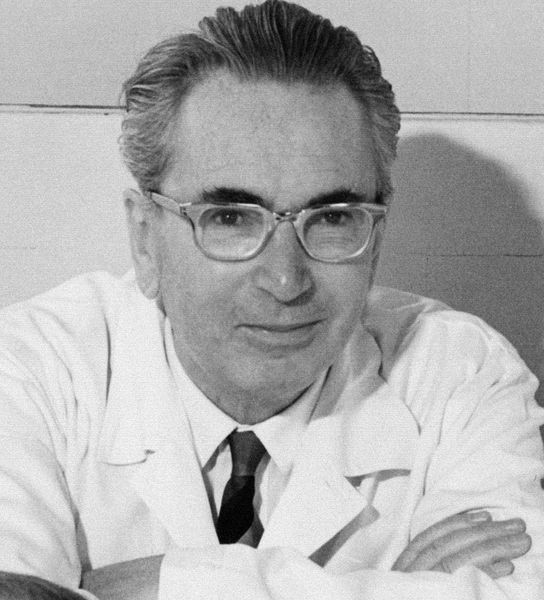
Picture a man in a Nazi concentration camp, stripped of everything—family, freedom, dignity, even his name replaced by a number. Most prisoners descended into despair. But Viktor Frankl, a Viennese psychiatrist, made a choice that would eventually transform psychotherapy. He chose to find meaning even there, in hell itself. He observed which prisoners survived longest, not physically but psychologically. And what he discovered changed everything about how we understand human motivation and resilience. It wasn’t the strongest who endured. It wasn’t the most optimistic or the youngest. The survivors were those who found meaning in their suffering, who had something to live for beyond the camps. This observation became the foundation of logotherapy, literally “healing through meaning.”
Here’s what makes logotherapy different from every other therapy that came before it. Freud said we’re driven by pleasure. Adler said we’re driven by power. Frankl said no—we’re driven by something deeper. We’re driven by the need for meaning and purpose, and when we can’t find it, that’s when we really suffer. Not just physical pain, which is bad enough, but the existential emptiness that comes from thinking life has no point. Frankl called this the “existential vacuum,” and he believed it was the defining illness of modern life. The techniques he developed—dereflection, paradoxical intention, Socratic dialogue—weren’t just therapeutic tricks. They were practical methods for helping people discover what makes their life worth living, even when circumstances are terrible. And they worked. They still work. As someone who’s used logotherapy principles with clients facing everything from terminal illness to the quiet desperation of suburban meaninglessness, I can tell you this approach touches something that other therapies sometimes miss. It doesn’t just treat symptoms. It addresses the fundamental human question: Why am I here? What’s the point of all this? And it provides a framework for finding answers that can sustain you through whatever life throws at you.
Frankl’s Story: From Auschwitz to Meaning
You can’t really understand logotherapy without knowing where it came from. Viktor Frankl wasn’t theorizing from an ivory tower. He was prisoner number 119104 in four different Nazi concentration camps, including Auschwitz. His pregnant wife died in Bergen-Belsen. His mother died in Auschwitz. His brother died in another camp. His father died of starvation and pneumonia in Theresienstadt. Everything was taken from him.
But here’s the thing—Frankl had actually developed the basic ideas of logotherapy before the war. He was already a successful psychiatrist in Vienna, working with suicidal patients and developing his theory that the search for meaning was humanity’s primary drive. The camps didn’t give him the theory. They tested it. And somehow, impossibly, it held.
Frankl observed that prisoners who had something to live for—a manuscript to complete, a spouse waiting for them, unfinished work, even the determination to survive so they could testify about what happened—these people maintained psychological resilience longer. Not always. Nothing guaranteed survival in those places. But meaning provided strength that mere hope couldn’t sustain.
After liberation, Frankl wrote “Man’s Search for Meaning” in nine days. Nine days to capture years of horror and insight. The book has sold over 12 million copies and been translated into dozens of languages. Why? Because it speaks to something universal about the human condition. We all face suffering. We all wonder what the point is. And Frankl’s answer—that meaning can be found anywhere, even in suffering itself—resonates across cultures and generations.
The Three Core Principles
Logotherapy rests on three pillars. Think of them as the foundation everything else is built on.
Freedom of will. This doesn’t mean you can control what happens to you. Frankl certainly couldn’t control being thrown into concentration camps. But he could control his response to it. This is the crucial distinction. Between stimulus and response, there’s a space. And in that space lies your freedom to choose your attitude, your interpretation, your meaning. The Nazis controlled his external circumstances. They couldn’t control his internal state unless he let them. This freedom exists even in extreme suffering, even when you’re physically imprisoned. Your mind remains yours.
Now, some people hear this and think it sounds like blaming victims for not having the right attitude. That’s not it at all. Frankl isn’t saying suffering is good or that you should be grateful for hardship. He’s saying that even when you can’t change the situation, you still have some agency in how you relate to it. That’s not nothing. Sometimes it’s everything.
Will to meaning. This is what drives us, according to logotherapy. Not pleasure, though we certainly seek that. Not power, though we want influence. But meaning. The sense that our lives matter, that what we do has purpose beyond just getting through another day. When this drive is frustrated—when you can’t find meaning—you experience what Frankl called the existential vacuum. It manifests as boredom, apathy, despair. You’ve probably felt it. That hollow sensation when you’re going through the motions but can’t remember why any of it matters.
The existential vacuum is everywhere in modern society. We have more comfort, more entertainment, more distraction than any previous generation. And yet rates of depression, anxiety, addiction, and suicide keep climbing. Frankl would say that’s because we’ve focused on pleasure and power while neglecting meaning. We’ve built lives that are comfortable but empty.
Meaning of life. Here’s where it gets interesting. Frankl doesn’t provide a universal answer to “What is the meaning of life?” In fact, he says that’s the wrong question. The right question is “What is the meaning of MY life, in THIS moment?” Because meaning isn’t abstract and universal—it’s concrete and personal. Your meaning isn’t the same as mine. And the meaning you find today might differ from what gave your life purpose ten years ago.
This shifts everything. You’re not searching for some cosmic truth that applies to everyone. You’re discovering what matters specifically to you, right now, given your circumstances, abilities, and opportunities. That’s both liberating and terrifying. Liberating because you don’t have to fit into someone else’s definition of a meaningful life. Terrifying because you can’t outsource the responsibility for finding your own meaning.
Three Pathways to Meaning
So how do you actually find meaning? Frankl identified three categories of values—three ways people discover what makes their lives matter.
Creative values involve what you give to the world. Your work, obviously, but also any contribution you make. Art you create. Projects you complete. Problems you solve. Children you raise. Gardens you grow. Anything where you’re bringing something into existence that wouldn’t exist without you. This is probably the most obvious pathway to meaning. We want to feel useful, productive, necessary. We want to leave things better than we found them.
Many people find their primary meaning here. The artist creating, the teacher shaping minds, the entrepreneur building something, the parent nurturing children. There’s deep satisfaction in creating value, in knowing that because you existed, something good came into the world.
Experiential values involve what you receive from the world. Beauty you encounter. Love you experience. Truth you discover. Moments of connection, wonder, joy. Think of watching a sunset that stops you in your tracks. Falling in love. Holding your newborn child for the first time. Reading something that fundamentally changes how you see the world. These experiences give life meaning not because you created them but because you were present for them, fully and deeply.
Our culture tends to undervalue experiential meaning. We’re so focused on doing and achieving that we forget the importance of simply experiencing. But some of life’s most meaningful moments don’t involve accomplishment. They involve presence. Being fully there for a moment of beauty or connection or truth.
Attitudinal values—this is where logotherapy gets really interesting. When you can’t change your circumstances, when you can’t create or achieve or even really experience pleasure, you can still find meaning in the attitude you take toward your situation. This is what Frankl did in the camps. He couldn’t escape. He couldn’t create. Most experiences available to him were horrific. But he could choose his response. He could decide what his suffering would mean.
This is the highest form of meaning, according to Frankl. Not because suffering is good—it’s not—but because finding meaning in unavoidable suffering is the ultimate expression of human freedom and dignity. It means that nothing can rob you of meaning, not even the worst circumstances imaginable. As long as you’re alive and conscious, you can find purpose.
The Core Techniques
Theory is one thing. Actually helping people is another. Frankl developed specific therapeutic techniques based on his principles. Three main ones show up consistently in logotherapy practice.
Paradoxical Intention
This technique sounds bizarre until you understand the problem it addresses. Many psychological symptoms are maintained by fear of the symptoms themselves, creating vicious cycles. The person with insomnia lies awake worrying about not sleeping, which prevents sleep. The person with anxiety fears having panic attacks, which triggers more anxiety. The person who stutters becomes anxious about stuttering, which makes stuttering worse.
Paradoxical intention tells the client to do the opposite of what they instinctively do. Instead of trying to sleep, try to stay awake. Instead of trying to prevent a panic attack, try to have the biggest panic attack possible. Instead of trying not to stutter, try to stutter as much as you can. This sounds counterintuitive. That’s the point.
What happens is fascinating. By removing the fearful striving against the symptom, you break the cycle. The insomniac who tries to stay awake often falls asleep. The anxious person trying to have a panic attack usually can’t produce one. The stutterer trying to stutter often speaks more fluently. Why? Because the anticipatory anxiety was maintaining the symptom, and paradoxical intention eliminates the anxiety through humor and detachment.
I’ve used this with clients struggling with performance anxiety. “Try to give the worst presentation possible. I want you to bomb spectacularly.” The absurdity of the instruction creates psychological distance from the fear. They can’t simultaneously try to fail and be genuinely anxious about failing. It’s not magic, and it doesn’t work for everyone. But when it works, it works quickly.
Dereflection
This addresses a different problem: excessive self-monitoring. Some people become so focused on themselves—their performance, their symptoms, their state of mind—that they create the problems they fear. The man worried about sexual performance monitors every physical sensation, which kills spontaneity and often creates the dysfunction he fears. The person obsessed with falling asleep monitors their state of consciousness, which prevents the relaxation necessary for sleep.
Dereflection means shifting attention away from yourself toward something or someone else. Instead of monitoring whether you’re sleeping, focus on a mental task or memory. Instead of checking whether you’re anxious, focus completely on the person you’re talking to or the task at hand. Instead of worrying about sexual performance, focus entirely on your partner.
The technique works because many bodily and psychological processes function best when left alone. Consciousness and self-monitoring often interfere with natural processes. You can’t force yourself to sleep or relax or be spontaneous. But you can redirect attention away from self-monitoring, allowing these processes to occur naturally.
This has broader applications beyond symptom treatment. People who can’t find meaning often spend too much time navel-gazing, obsessing over “What’s my purpose? What should I do with my life?” Dereflection says: stop obsessing about your meaning and go do something meaningful. Serve someone. Create something. Experience something. Meaning is found through engagement with the world, not through introspection.
Socratic Dialogue
This is logotherapy’s main tool for helping people discover meaning. The therapist doesn’t tell the client what their meaning is—that would defeat the whole point. Instead, through careful questioning, the therapist helps the client discover their own meaning.
The questions might include: What matters most to you? What would you regret not doing if you died tomorrow? What do people come to you for? What breaks your heart? What makes you forget to eat? When do you feel most yourself? These aren’t trick questions. They’re genuine explorations.
Frankl believed everyone has a unique meaning to fulfill, a personal mission that only they can accomplish. The therapist’s job isn’t to prescribe meaning but to help uncover it. This requires humility from the therapist—you have to believe that the client knows (or can discover) what they need better than you do. Your role is midwife, not architect.
The Socratic method works because people often know what matters to them but have buried it under others’ expectations, practical considerations, or fear. Through questioning, these buried truths emerge. And when people articulate their own meaning rather than being told what it should be, they actually commit to it. It’s theirs.
Applications: When Logotherapy Helps Most
So when is logotherapy the right approach? It’s particularly powerful for certain types of suffering.
Terminal illness and grief. When someone faces death—their own or a loved one’s—questions of meaning become urgent. What’s the point if we all die? How do I face this? Logotherapy doesn’t minimize the pain, but it helps people find meaning even in facing death. The meaning might be in how you face it with courage, in using remaining time for what matters most, in the love you’ve shared. Frankl would say that how you die can be as meaningful as how you lived.
Existential depression. Some depression isn’t about brain chemistry or life circumstances. It’s about meaninglessness. The person feels empty, purposeless, like they’re going through motions in a pointless existence. Traditional therapy approaches this as a cognitive distortion to correct. Logotherapy approaches it as a genuine existential problem requiring meaningful response. Sometimes what looks like depression is actually an appropriate response to a meaningless life. The solution isn’t medication or cognitive restructuring but finding genuine purpose.
Trauma and suffering. When bad things happen, people often get stuck asking “Why me?” Logotherapy shifts the question to “What can I do with this experience? What can it mean?” This isn’t toxic positivity pretending trauma is good. It’s acknowledging that while you can’t undo what happened, you can still choose what it means going forward. Some trauma survivors find meaning in helping others with similar experiences, in advocacy, in personal growth that emerged from surviving.
Life transitions. Career changes, retirement, empty nest, divorce—major transitions often trigger existential crises. The meaning and identity from your previous life phase no longer fit. Logotherapy helps people discover new meaning appropriate to their current circumstances rather than clinging to meanings that no longer apply.
What Logotherapy Doesn’t Do
Let’s be clear about limitations. Logotherapy isn’t a cure-all, and Frankl never claimed it was.
It doesn’t treat serious mental illness as a primary intervention. If someone has schizophrenia, bipolar disorder, or severe clinical depression with neurochemical components, they need appropriate psychiatric treatment. Logotherapy can complement medical treatment by addressing existential dimensions of illness, but it can’t replace medication or other necessary interventions.
It’s not about positive thinking. Finding meaning in suffering isn’t the same as pretending suffering is good or telling yourself everything happens for a reason. Frankl experienced unimaginable horror and never suggested it was good or necessary. The meaning comes from your response to suffering, not from the suffering itself.
It doesn’t provide easy answers. Some people want the therapist to just tell them what their life’s meaning is. Logotherapy can’t do that. The work of discovering meaning is difficult, personal, and ongoing. There’s no shortcut.
It’s not primarily about happiness. Frankl actually warned against making happiness the goal. He said happiness is like a butterfly—chase it and it eludes you, but turn your attention to other things and it comes and sits on your shoulder. Meaning is the goal. Happiness often follows, but it’s a byproduct, not the target.
Criticism and Evolution
No theory is perfect, and logotherapy has faced legitimate critiques. Some say it places too much burden on individuals to find meaning in suffering, potentially minimizing the importance of changing unjust circumstances. If your life is meaningless because you’re trapped in poverty or oppression, maybe the solution isn’t finding meaning in your situation but changing it.
Frankl would probably agree with this to a point. He believed in fighting to change what can be changed. Logotherapy is for the suffering that remains after you’ve done everything you can. It’s not about passive acceptance of injustice.
Others criticize logotherapy as too philosophical, not scientific enough. Where’s the research? The controlled studies? The evidence base? Fair point. Logotherapy doesn’t have the same research support as cognitive-behavioral therapy. But absence of evidence isn’t evidence of absence. The existential questions logotherapy addresses don’t lend themselves easily to randomized controlled trials.
Modern developments have integrated logotherapy with other approaches. You can combine it with CBT, addressing both thoughts/behaviors and meaning/purpose. You can use it alongside mindfulness practices. It’s not either/or.
FAQs About Logotherapy
Is logotherapy the same as existential therapy?
They’re related but not identical. Existential therapy is a broader category addressing themes like death, freedom, isolation, and meaninglessness. Logotherapy is a specific form of existential therapy focused primarily on the search for meaning. Other existential approaches might emphasize different aspects—Yalom focuses more on death anxiety and isolation, for example. What makes logotherapy distinctive is its optimistic stance that meaning can always be found and its specific techniques like paradoxical intention and dereflection. Think of logotherapy as a type of existential therapy, but not all existential therapy is logotherapy.
Can logotherapy help with depression and anxiety?
It depends on the type. For depression rooted in meaninglessness and existential emptiness, logotherapy can be highly effective. When someone’s depressed because their life feels pointless, helping them discover genuine purpose addresses the root cause rather than just symptoms. For anxiety driven by anticipatory fear and excessive self-monitoring, techniques like paradoxical intention and dereflection work well. However, for depression or anxiety with strong biological components—genetic factors, neurochemical imbalances—logotherapy works best as complementary to medical treatment rather than as standalone intervention. The most effective approach often combines appropriate medication with meaning-focused therapy.
What’s the difference between meaning and happiness?
This is crucial to understanding logotherapy. Happiness is an emotion—temporary, pleasant, often dependent on circumstances. Meaning is deeper. You can be unhappy but feel your life has meaning. Parents of newborns are often exhausted and stressed (not happy) but feel profound meaning. Conversely, you can have pleasurable experiences but feel empty if they don’t connect to something that matters. Frankl argued that pursuing happiness directly usually fails—it’s like trying to sleep or trying not to think of a pink elephant. But pursuing meaning often produces happiness as a side effect. The difference matters because a meaningful life isn’t necessarily an easy or pleasant life. It’s a life where your suffering and struggles serve purposes you consider worthwhile.
How long does logotherapy take?
There’s no standard timeline. Some techniques like paradoxical intention can produce rapid results—sometimes in a single session for specific symptoms. But the deeper work of discovering life meaning typically takes longer. Unlike psychoanalysis, which might continue for years, logotherapy tends to be more focused and time-limited, often ranging from several weeks to several months. That said, the search for meaning isn’t something that ends after therapy terminates. It’s an ongoing life process. Therapy might provide tools and initial discoveries, but you continue the work throughout your life as circumstances change and new meanings emerge.
Can you practice logotherapy principles on yourself without a therapist?
Absolutely. While serious issues benefit from professional guidance, many logotherapy principles are accessible for self-application. You can ask yourself Socratic questions: What matters most to me? What would I regret not doing? What unique contribution can I make? You can practice finding meaning through creative values (contributing something), experiential values (fully experiencing beauty and love), and attitudinal values (choosing your response to difficulties). Reading Frankl’s “Man’s Search for Meaning” provides a solid foundation. The challenge is maintaining objectivity about yourself—we have blind spots that therapists can illuminate. But the core insight—that you have freedom to find meaning despite circumstances—is something you can explore independently through reflection and experimentation.
Is logotherapy compatible with religion or is it secular?
It’s both, which is part of its appeal. Frankl deliberately designed logotherapy to work regardless of religious belief. He was Jewish but developed a framework that doesn’t require belief in God or any particular theology. Religious people can absolutely use logotherapy—in fact, many find that it deepens their faith by focusing on purpose and service. But atheists and agnostics can equally apply logotherapy principles by finding meaning in human connections, contributions, or personal values rather than divine purpose. The “spiritual” dimension Frankl refers to isn’t necessarily religious—it’s the uniquely human capacity for self-awareness, choice, and transcendence that distinguishes us from pure biological organisms driven only by instinct.
What if I can’t find meaning in my suffering?
First, that’s okay. Not all suffering has obvious meaning, and you’re not failing if you can’t immediately find it. Frankl isn’t saying every bad thing happens for a reason or that all suffering is secretly good. Some suffering is just pointless and horrible. The question is whether, given that the suffering exists and can’t be changed, you can find any meaning in how you respond to it. Sometimes that meaning emerges only in retrospect. Sometimes it’s as simple as “I survived this with my integrity intact” or “This taught me compassion for others who suffer.” If you genuinely can’t find meaning, that might indicate the suffering is avoidable and should be changed rather than endured. Or it might mean you need more time—meaning sometimes reveals itself slowly. Don’t pressure yourself to find silver linings in trauma. But remain open to the possibility that even terrible experiences can eventually contribute to who you become and what you offer the world.
How is logotherapy different from cognitive-behavioral therapy?
CBT focuses on changing thoughts and behaviors to improve emotional states. It addresses how you think about situations and what you do in response. Logotherapy focuses on finding meaning and purpose. It addresses why you’re living and what makes life worthwhile. CBT is typically more structured, with specific techniques for specific problems—thought records, behavioral experiments, exposure hierarchies. Logotherapy is more exploratory and philosophical. That said, they’re not incompatible. Many therapists integrate both—using CBT techniques to address symptoms while using logotherapy to address deeper existential questions. You might use CBT to treat panic attacks while using logotherapy to explore what gives your life meaning beyond symptom management. The best approach often depends on what the client needs most—practical symptom relief or existential clarity.
Use this citation format to reference the article clearly and help readers find the original source.
PsychologyFor. (2025). Viktor Frankl’s Logotherapy: Theory and Techniques. PsychologyFor. https://psychologyfor.com/viktor-frankls-logotherapy-theory-and-techniques/