

See more of our articles in your search results.
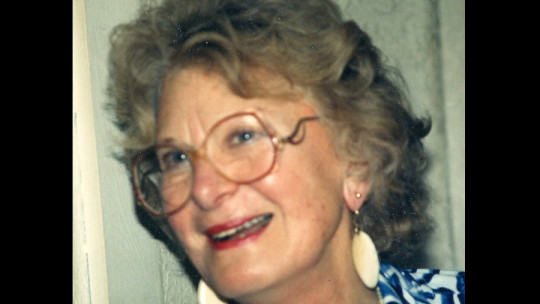
Virginia Satir was an American clinical social worker, psychotherapist, and author who revolutionized the field of family therapy and earned the title “Mother of Family Therapy” for her groundbreaking contributions. Born on June 26, 1916, and passing away on September 10, 1988, Satir transformed how mental health professionals approached psychological problems by shifting focus from treating individuals in isolation to understanding and healing entire family systems. She co-founded the Mental Research Institute in Palo Alto, California, established the first formal family therapy training program in the United States in 1962, authored influential books including “Conjoint Family Therapy” and “Peoplemaking,” and developed the Satir Growth Model—a humanistic, experiential approach emphasizing self-worth, clear communication, and positive change. Her innovative techniques like family sculpting, family reconstruction, and communication stances have influenced not just therapy but also education, organizational development, and personal growth work worldwide. This biography explores her early life, career development, theoretical contributions, therapeutic methods, lasting legacy, and the profound impact she made on understanding human relationships and family dynamics.
In the landscape of twentieth-century psychology and psychotherapy, certain figures stand out not just for their theoretical contributions but for fundamentally changing how we understand human problems and their solutions. Virginia Satir belongs in this category of transformative thinkers—a woman whose warmth, intuition, and innovative spirit helped create an entirely new approach to mental health treatment. Before Satir and her colleagues pioneered family therapy, the dominant paradigm treated psychological problems as residing within individuals, to be diagnosed and treated in isolation from their relational context.
Satir challenged this individualistic model with a radical insight: people’s psychological struggles cannot be separated from the family systems in which they develop and live. A child’s behavioral problems, she recognized, often reflected deeper family dysfunction or unresolved parental issues. An adult’s depression might stem from communication patterns learned in their family of origin. Rather than extracting the “identified patient” from their family context for individual treatment, Satir insisted on seeing and treating the whole family system together. This perspective—obvious to us now but revolutionary in the 1950s—transformed not just how therapists worked but how we understand human development, relationships, and healing.
But Satir was more than a theorist developing abstract models. She was a deeply humanistic practitioner whose presence in a room could transform the energy and possibilities for growth. People who encountered her—whether as clients, students, or colleagues—consistently described feeling seen, understood, affirmed, and somehow stronger after interacting with her. She possessed that rare combination of profound empathy and incisive insight, able to perceive the pain beneath symptoms and the potential within every person and family she met. This biography traces the life of this remarkable woman from her childhood in rural Wisconsin through her emergence as one of the most influential figures in the history of psychotherapy.
Early Life and Education
Virginia Satir was born on June 26, 1916, in Neillsville, Wisconsin, as the eldest of five children in a farming family. Her early childhood was marked by illness—she suffered from appendicitis that kept her bedridden for extended periods. During this convalescence, young Virginia discovered books and reading, which became windows to worlds beyond her immediate experience and ignited a lifelong love of learning.
How many of these have you been "meaning to read" for months?
- 1
 S&S/Simon ElementProtocolsAn Operating Manual for the Human BodyListen Free On Audible
 - 2
 Undercover Publishing HouseStop Letting Everything Affect YouHow to break free from overthinking, emotional chaos, and self-sabotage.Listen Free On Audible
 - 3
 Grand Central PublishingIn the Shadow of EightSurviving the Reality of My ChildhoodListen Free On Audible
These childhood years also planted the seeds of her future work. Later in life, Satir would recall that at age five, she decided to become what she called a “children’s detective on parents.” Even as a young child, she possessed unusual awareness that much happened in families beneath the surface—dynamics, pain, and patterns that weren’t immediately visible but profoundly affected everyone involved. This early intuition about hidden family processes would become central to her therapeutic approach decades later.
Despite the economic hardships of growing up during the Great Depression, Satir excelled academically and graduated high school at fifteen years old. She enrolled at Milwaukee State Teachers College (now University of Wisconsin-Milwaukee), where she pursued teacher education. She completed her bachelor’s degree in education in 1936 at just twenty years old, an impressive achievement that demonstrated both her intellectual abilities and her drive to build a career helping others.
After completing her undergraduate degree, Satir spent several years working as a teacher. But she increasingly felt drawn to deeper questions about why children struggled, why families experienced pain, and how healing and growth could occur. These questions eventually led her to pursue graduate education in social work—a field that would provide the foundation for her revolutionary contributions to family therapy.
Satir enrolled at the University of Chicago School of Social Service Administration, one of the premier social work programs in the country. She completed her Master’s degree in social work in 1948, writing a thesis that explored family dynamics and relationships. The education she received emphasized individual casework, which was the dominant model of the time, but Satir’s instincts already pushed her toward understanding problems in their family context rather than as isolated individual pathologies.
Early Career and the Birth of Family Therapy
Armed with her master’s degree and burning with curiosity about family dynamics, Satir immediately launched into private practice in 1948. For the first few years, she worked primarily with individuals using the conventional approaches she’d been taught. But in 1951, an experience occurred that would change the trajectory of her career and ultimately contribute to the creation of an entirely new field.
Satir met with her first family for therapy in 1951—not just an individual client, but parents and children together in the same room. This was radical for the time, when standard practice involved treating the identified patient separately. But Satir’s intuition told her that to truly understand and help this person, she needed to see them in their family context. That first family session proved revelatory. She could observe interaction patterns, communication styles, emotional dynamics, and relationship structures that would have remained invisible if she’d met only with one family member.
This experience convinced Satir that families needed to be treated as whole systems rather than collections of individuals. She began deliberately requesting to work with entire families, developing approaches and techniques specifically designed for this novel form of therapy. Her work caught the attention of other forward-thinking clinicians who were independently moving toward similar systemic perspectives.
By 1955, Satir had moved to a position at the Illinois Psychiatric Institute, where she not only practiced family therapy herself but worked to convince other therapists of its value. This was challenging work—most mental health professionals had been trained in individual psychotherapy or psychoanalysis and were skeptical that seeing whole families together could be therapeutic. The prevailing belief was that the identified patient needed individual treatment, and that involving family members would complicate rather than facilitate healing.
But Satir persisted, teaching workshops, demonstrating her approach, and gradually winning converts to family therapy. She recognized something that seems obvious in retrospect: when you treat an individual in isolation and send them back to a dysfunctional family system, the system often undoes whatever progress was made in therapy. The family scapegoat—the member identified as the problem—was often expressing pain or dysfunction that permeated the entire system. Removing that person for treatment without addressing the broader family dynamics rarely produced lasting change.
The Mental Research Institute and Formalization of Family Therapy
In 1959, Satir relocated to California, where she would spend most of her remaining career and make her most significant contributions. That year, she co-founded the Mental Research Institute (MRI) in Palo Alto, California, alongside psychiatrist Don Jackson and anthropologist Jules Riskin. MRI became one of the epicenters of the emerging family therapy movement, bringing together innovative thinkers who were developing systemic approaches to understanding and treating psychological problems.
The timing and location proved fortuitous. Palo Alto in the 1950s and 1960s was home to extraordinary intellectual ferment, with cybernetics, systems theory, and communications research all flourishing. These ideas provided theoretical frameworks that helped explain why family therapy worked—concepts like feedback loops, homeostasis, circular causality, and systems thinking offered language for understanding how families functioned as organized wholes rather than collections of individuals.
In 1962, MRI received a significant grant from the National Institute of Mental Health (NIMH) that allowed them to establish the first formal training program in family therapy ever offered in the United States. Satir was appointed training director, a role that allowed her to codify her approach and train a generation of therapists in family therapy methods. This training program was groundbreaking—previously, family therapy had been practiced by a handful of pioneers working somewhat independently. Now there was a formal curriculum, systematic training, and a community of practitioners learning this new approach together.
As training director, Satir developed structured methods for teaching family therapy, including how to conduct initial family interviews, how to take a family chronology (tracing the developmental history of family relationships), how to identify communication patterns and family rules, and how to facilitate therapeutic change in family systems. Her teaching combined theoretical grounding with experiential learning—she believed therapists needed to experience these techniques personally, not just understand them intellectually.
During her time at MRI, Satir also worked at the Esalen Institute in Big Sur, California, one of the centers of the human potential movement. At Esalen, she led workshops and training programs that brought her family therapy approach to a broader audience beyond mental health professionals. This work at Esalen connected her with the humanistic psychology movement and influenced her increasingly growth-oriented, experiential approach to therapy.
Major Publications and Theoretical Contributions
In 1964, Satir published her first and perhaps most influential book, “Conjoint Family Therapy.” This groundbreaking volume was written as a manual for professionals and represented the first comprehensive text on how to practice family therapy. The book emphasized the importance of self-worth in psychological health and provided detailed, practical guidelines for working with families—from how to structure initial interviews to how to identify and modify dysfunctional communication patterns.
“Conjoint Family Therapy” established Satir’s reputation as a leading figure in the family therapy field. The book made accessible what had been largely tacit knowledge held by a small group of pioneers. Therapists around the country and world could now learn family therapy methods from Satir’s clear, systematic explanations. The book went through multiple editions and remained influential for decades, introducing countless clinicians to family systems thinking.
In 1972, Satir published “Peoplemaking,” a book aimed at general audiences rather than professionals. “Peoplemaking” distilled her insights about healthy family functioning into accessible language that parents and family members could understand and apply. The book covered topics like communication patterns, self-esteem development, family rules, and how to create nurturing family environments. It became a bestseller and brought Satir’s ideas to millions of readers beyond the therapy world.
The success of “Peoplemaking” demonstrated that Satir’s insights transcended clinical settings—her understanding of communication, self-worth, and healthy relationships applied to anyone seeking to improve their family life. The book was translated into numerous languages and influenced not just families but educators, organizational consultants, and anyone working with human systems.
In 1988, shortly before her death, Satir published “The New Peoplemaking,” an updated and expanded version of her 1972 book that incorporated additional insights from her decades of experience. She also authored or co-authored numerous other books and articles throughout her career, including works on self-esteem, communication, and therapeutic change.
The Satir Growth Model and Therapeutic Approach
Satir developed what came to be known as the Satir Growth Model or Transformational Systemic Therapy—an approach that integrated systems thinking with humanistic psychology’s emphasis on human potential, growth, and self-actualization. Unlike some therapeutic approaches that focused primarily on pathology and symptom reduction, Satir’s model emphasized health, growth, and the inherent resources within every person and family.
Central to her approach was the concept of self-worth or self-esteem. Satir believed that low self-worth was at the root of most psychological problems and dysfunctional behavior. People with healthy self-esteem could communicate clearly, form nurturing relationships, handle stress adaptively, and continue growing throughout life. Those with damaged self-worth struggled in all these areas, often developing symptoms or dysfunctional patterns as ways of coping with feelings of inadequacy.
Satir identified specific communication stances that people with low self-worth adopted under stress: placating (always agreeing, appeasing others while ignoring own needs), blaming (attacking others while avoiding responsibility), computing (being overly rational and detached from emotions), and distracting (deflecting attention and avoiding engagement). She contrasted these dysfunctional stances with congruent communication—where words, feelings, body language, and intentions all aligned, allowing for authentic, clear interaction.
Her therapeutic work focused heavily on helping family members recognize their communication patterns and learn more congruent ways of interacting. She used experiential techniques rather than just talking about problems. In family sculpting, she would have family members physically position themselves in space to represent their family relationships—who’s close to whom, who’s isolated, where the power lies. This embodied representation made abstract dynamics concrete and visible.
Family reconstruction was another of Satir’s signature techniques. This involved guiding a family through exploration of their multigenerational history, helping them understand how patterns, traumas, and rules were transmitted across generations. By making these historical patterns conscious, families could choose to change rather than unconsciously repeat them.
She also employed role-playing, psychodrama, guided imagery, and what she called “parts parties”—an exercise where different aspects of a person’s psyche (the critic, the nurturer, the achiever, etc.) were externalized and could dialogue with each other. These creative, experiential methods engaged families at emotional and somatic levels, not just intellectual ones, facilitating deeper transformation.
Underlying all her techniques was Satir’s fundamental belief in human potential. She saw symptoms not as diseases to be eliminated but as creative adaptations to difficult circumstances—coping mechanisms that once served a purpose but might now limit growth. Her goal wasn’t just to remove symptoms but to help people and families actualize their potential, develop nurturing relationships, and create environments where everyone could thrive.
Teaching, Workshops, and Global Influence
Beyond her clinical work and writing, Satir became renowned as a trainer, teacher, and workshop leader. From the 1960s until her death in 1988, she traveled extensively, conducting workshops and training programs around the world. She worked with therapists, educators, organizational consultants, and general audiences across North America, Europe, Asia, and Latin America.
Those who attended Satir’s workshops consistently described transformative experiences. She had a remarkable presence—warm, accepting, insightful, and somehow able to create safety that allowed people to explore vulnerable places. She worked with families in front of audiences, demonstrating her techniques while treating the families with deep respect and compassion. Observers could witness her making the invisible visible—drawing out unstated feelings, clarifying confused communications, affirming each person’s worth.
Satir possessed extraordinary intuition and perceptiveness that allowed her to quickly grasp family dynamics and identify core issues beneath surface presentations. Yet this intuition was grounded in systematic observation of communication patterns, body language, emotional expression, and relationship structures. She could sense what wasn’t being said, notice whose voice was missing, perceive the pain beneath anger or the fear beneath withdrawal.
Her teaching style was experiential and participatory. She didn’t just lecture about family therapy—she had participants engage in exercises, role plays, and personal exploration. She believed that therapists needed to do their own personal work, understanding their own family-of-origin patterns and communication styles, before they could effectively help others. This emphasis on the therapist’s personal development became central to family therapy training.
Satir’s influence extended beyond the therapy field. Educators adopted her insights about self-worth and communication for classroom use. Organizational consultants applied her systems thinking to workplace dynamics. Social workers, clergy, medical professionals, and others who worked with families incorporated her ideas. Her concepts became so widely disseminated that many people used them without necessarily knowing they originated with Virginia Satir.
The Avanta Network and Continuing Legacy
In 1977, Satir founded the Avanta Network (later renamed the Virginia Satir Global Network), an organization dedicated to continuing and spreading her work. Avanta provided training in the Satir model, supported practitioners using her approach, and worked to preserve and develop her ideas after her death. The network continues operating today, with affiliates around the world offering training programs, workshops, and resources based on Satir’s methods.
The Avanta Network reflects Satir’s belief that healing and growth needed to extend beyond individual therapy sessions. She envisioned a world where people everywhere could develop the coping skills, self-worth, and communication abilities necessary for healthy relationships. She believed—idealistically perhaps, but sincerely—that if families could be healed, broader social problems could be addressed, eventually even contributing to world peace. This vision of personal healing leading to social transformation connected her therapeutic work to larger humanistic values.
Throughout the 1970s and 1980s, Satir received numerous honors recognizing her contributions. In 1976, she was awarded the Gold Medal from the University of Chicago for outstanding alumni achievement. The American Association for Marriage and Family Therapy recognized her pioneering work. She received accolades from the Academy of Certified Social Workers. But perhaps more meaningful than formal awards was the deep appreciation expressed by the thousands of therapists she trained, families she helped, and individuals whose lives she touched.
Personal Philosophy and Core Beliefs
Understanding Satir’s work requires appreciating the humanistic philosophy that grounded it. She held deep convictions about human nature and potential that shaped every aspect of her approach. Satir believed fundamentally in human goodness and capacity for growth. She saw people not as damaged, disordered, or pathological, but as inherently whole and striving toward health, even when their behaviors seemed destructive or dysfunctional.
She famously said: “I believe the greatest gift I can conceive of having from anyone is to be seen by them, heard by them, to be understood and touched by them.” This statement captures her belief in the transformative power of being truly witnessed and accepted. Much dysfunction, in her view, arose from people feeling unseen, unheard, misunderstood—from lack of genuine contact and affirmation. Her therapeutic presence offered what many clients had never experienced: being fully seen and accepted exactly as they were.
Satir emphasized that people needed three things to thrive: affection, acceptance, and affirmation. When these needs were met, people could develop healthy self-worth and use that foundation to adventure, take risks, and grow. When these needs went unmet, people developed the low self-esteem that led to dysfunctional coping patterns and symptoms.
She believed that change was always possible, regardless of how entrenched patterns seemed. Families could learn new ways of communicating and relating. Adults could heal from painful childhoods. People could access inner resources they didn’t know they possessed. This optimism wasn’t naive—Satir recognized pain, trauma, and deeply rooted problems. But she refused to view anyone as hopeless or beyond growth.
Connection was central to her philosophy. She saw humans as fundamentally relational beings who developed and thrived through connections with others. Isolation and lack of authentic contact were among the deepest human pains. Creating and maintaining nurturing connections—where individuals could be authentically themselves while also intimately relating to others—was essential for wellbeing. Her therapeutic work focused on helping families create these kinds of connections.
Critiques and Controversies
While Virginia Satir achieved enormous influence and widespread admiration, her work was not without critics. Some academics and theoreticians in family therapy found her approach lacking in theoretical precision and rigor. Compared to other major figures in family therapy like Murray Bowen or Salvador Minuchin, who developed highly systematic theories with clear concepts and propositions, Satir’s approach seemed more intuitive, experiential, and difficult to codify into testable theory.
Her emphasis on warmth, intuition, and experiential techniques sometimes led critics to dismiss her as more of a charismatic healer than a serious theorist. They questioned whether her remarkable results were replicable by others or whether they depended on her unique personal qualities. Could the Satir model be effectively taught and practiced by therapists who didn’t possess her particular gifts for empathy and perception?
Some critics felt her optimistic, growth-oriented approach downplayed the reality of severe pathology, trauma, and dysfunction that sometimes required more directive or structured interventions. Her belief in human potential and capacity for change, while inspiring, might seem naive when confronting serious mental illness, violence, or deeply entrenched dysfunction that didn’t respond to humanistic methods alone.
Feminist critics later pointed out that much of Satir’s work was developed when the traditional nuclear family was considered normative, and her ideas might need adaptation for diverse family structures, cultures, and contexts. While Satir herself was flexible and creative in her approach, some of her published work reflected assumptions about family life that might not universally apply.
Despite these critiques, Satir’s influence remained profound and enduring. Even critics acknowledged her gifts as a clinician and her role in establishing family therapy as a legitimate field. The limitations in theoretical development didn’t diminish the practical value of her methods or the genuine healing she facilitated in countless families.
Final Years and Death
Virginia Satir remained active with teaching, writing, and clinical work throughout the 1980s despite declining health. She continued traveling internationally to conduct workshops, seeing clients, supervising trainees, and refining her approach. Her energy and commitment to her work never waned, even as age and illness took their toll.
Satir died on September 10, 1988, at age 72 in Menlo Park, California. Her death was mourned by thousands of therapists, clients, students, and colleagues whose lives she had profoundly influenced. Memorial services celebrated her contributions and reflected on the warmth, wisdom, and transformative presence she had brought to her work.
In the years since her death, her influence has continued through the practitioners trained in her methods, the organizations continuing her work, and the ideas that have been absorbed into the broader culture. While she might not receive the same recognition as some other founders of family therapy, those familiar with her work understand her pivotal role in creating and shaping the field.
Enduring Impact on Family Therapy and Beyond
Virginia Satir’s legacy extends across multiple dimensions. Most obviously, she was among the small group of pioneers who created family therapy as a distinct field of practice. Before Satir and her colleagues, systematic family therapy essentially didn’t exist. Through their work in the 1950s and 1960s, they established the theoretical foundations, clinical methods, and training approaches that allowed family therapy to flourish.
Satir’s specific contributions to family therapy included: emphasizing the centrality of self-worth in psychological health; developing experiential techniques like family sculpting and family reconstruction; identifying communication stances and teaching congruent communication; creating structured methods for taking family chronologies and understanding multigenerational patterns; integrating humanistic psychology with systems thinking; and establishing the first formal family therapy training program.
Beyond family therapy specifically, her ideas influenced how people think about communication, relationships, and personal growth. Concepts she developed or popularized—like the importance of self-esteem, the distinction between functional and dysfunctional communication patterns, the impact of family rules on development, the possibility of transforming even deeply entrenched patterns—have become part of how educated people understand human relationships.
Her influence appears in education, where teachers apply insights about self-worth and communication to classroom management and student development. In organizational development, where consultants use systems thinking and her ideas about healthy communication to improve workplace culture. In conflict resolution, where mediators draw on her methods for facilitating difficult conversations. In personal growth work, where coaches and trainers incorporate her techniques for transformation.
Perhaps most importantly, Satir modeled a way of being with people—profoundly accepting, deeply perceptive, courageously authentic—that inspired everyone who encountered her. She showed that therapy could be both deeply human and systematically effective, that accepting people as they are can paradoxically help them change, and that focusing on health and growth rather than pathology can produce profound healing.
FAQs about Virginia Satir
What is Virginia Satir most famous for?
Virginia Satir is most famous for being one of the founders and pioneers of family therapy, earning her the title “Mother of Family Therapy.” She revolutionized mental health treatment by shifting focus from treating individuals in isolation to understanding and healing entire family systems. Her most significant contributions include establishing the first formal family therapy training program in the United States in 1962, developing innovative therapeutic techniques like family sculpting and family reconstruction, authoring influential books including “Conjoint Family Therapy” (1964) and “Peoplemaking” (1972), and creating the Satir Growth Model—a humanistic approach emphasizing self-worth, clear communication, and experiential change. She was instrumental in demonstrating that individual psychological problems often reflect broader family dynamics and that lasting healing requires addressing these systemic patterns rather than just treating isolated symptoms.
What are the main principles of the Satir model?
The Satir model, also called Transformational Systemic Therapy or the Satir Growth Model, is based on several core principles. First, it emphasizes that self-worth or self-esteem is fundamental to psychological health—people with healthy self-worth can communicate clearly, form nurturing relationships, and continue growing throughout life. Second, the model views families as interconnected systems where problems in one member affect everyone and often reflect broader family dysfunction rather than individual pathology. Third, it focuses on communication patterns, teaching families to recognize dysfunctional stances (placating, blaming, computing, distracting) and develop congruent communication where words, feelings, and intentions align. Fourth, the approach is growth-oriented rather than pathology-focused, viewing symptoms as creative adaptations that can be transformed when people access their inner resources. Finally, the model uses experiential techniques like family sculpting, role-playing, and guided imagery to create change at emotional and somatic levels, not just intellectual understanding.
What is family sculpting in Satir therapy?
Family sculpting is an experiential technique developed by Virginia Satir where family members physically position themselves in space to represent their family relationships and dynamics. During a family sculpting exercise, the therapist asks one family member to arrange other family members in positions that reflect how they experience the family—who stands close together, who is distant or isolated, who faces toward or away from others, who appears powerful or small, who connects with whom. Body positions, distances, gestures, and spatial arrangements make abstract relationship dynamics visible and concrete. This embodied representation often reveals patterns that family members couldn’t articulate verbally—for example, how a child might position themselves between fighting parents, or how one member might be physically isolated from the family group. Family sculpting allows families to see and feel their dynamics from outside, creating awareness that can motivate change and showing patterns that talk therapy alone might miss.
When was Virginia Satir born and when did she die?
Virginia Satir was born on June 26, 1916, in Neillsville, Wisconsin, and died on September 10, 1988, in Menlo Park, California, at age 72. She lived through most of the twentieth century, witnessing enormous social changes and contributing significantly to the evolution of psychotherapy and mental health treatment. Her career spanned four decades from beginning private practice in 1948 after earning her master’s degree in social work, through her pioneering family therapy work in the 1950s and 1960s, to her internationally recognized teaching and writing in the 1970s and 1980s. She remained professionally active until near the end of her life, continuing to conduct workshops, see clients, train therapists, and refine her therapeutic approach even as her health declined in her final years.
What books did Virginia Satir write?
Virginia Satir authored several influential books that shaped family therapy and reached broad audiences. Her most important work was “Conjoint Family Therapy” (1964), a groundbreaking manual for professionals that provided the first comprehensive guide to practicing family therapy and established her reputation as a leading figure in the field. This book emphasized self-worth and offered detailed guidelines for working with families that therapists worldwide used for decades. In 1972, she published “Peoplemaking,” aimed at general audiences rather than professionals, which became a bestseller and brought her insights about healthy family functioning to millions of readers. Shortly before her death in 1988, she published “The New Peoplemaking,” an updated and expanded version incorporating additional insights from her decades of experience. She also authored or co-authored numerous other books and articles throughout her career on topics including self-esteem, communication, therapeutic change, and family dynamics, many of which have been translated into multiple languages.
What is the Mental Research Institute and what was Satir’s role?
The Mental Research Institute (MRI) was a pioneering organization co-founded by Virginia Satir in 1959 in Palo Alto, California, alongside psychiatrist Don Jackson and anthropologist Jules Riskin. MRI became one of the epicenters of the emerging family therapy movement, bringing together innovative thinkers developing systemic approaches to understanding and treating psychological problems. The institute received a significant grant from the National Institute of Mental Health in 1962, which allowed them to establish the first formal training program in family therapy ever offered in the United States. Satir served as training director for this groundbreaking program, a role that allowed her to codify her approach and train a generation of therapists in family therapy methods. She developed structured curricula for teaching family therapy, including how to conduct family interviews, take family chronologies, identify communication patterns, and facilitate therapeutic change. Her work at MRI was instrumental in transforming family therapy from isolated pioneering efforts into a systematic field with formal training and growing community of practitioners.
What are the communication stances in Satir’s model?
Virginia Satir identified four dysfunctional communication stances that people with low self-worth adopt under stress, contrasted with a fifth healthy stance called congruent communication. Placating involves always agreeing, appeasing others, and ignoring one’s own needs to avoid conflict—the placater says “yes” to everything while feeling “no” inside. Blaming involves attacking others, finding fault, and avoiding personal responsibility—the blamer protects themselves by making others wrong. Computing involves being overly rational, detached from emotions, using logic to avoid vulnerability—the computer acts calm and reasonable while disconnecting from feelings. Distracting involves deflecting attention, changing subjects, using humor or chaos to avoid genuine engagement—the distracter keeps things moving to prevent real contact. Congruent communication, the healthy alternative, means words, feelings, body language, and intentions all align, allowing for authentic, clear interaction where people express themselves honestly while remaining connected to others. Satir’s therapeutic work helped families recognize when they were using dysfunctional stances and learn more congruent ways of communicating.
How did Virginia Satir influence modern therapy?
Virginia Satir’s influence on modern therapy extends across multiple dimensions and continues decades after her death. Most fundamentally, she helped create family therapy as a distinct field, demonstrating that treating entire family systems rather than isolated individuals often produces more effective and lasting results. Her emphasis on self-worth or self-esteem as central to psychological health influenced how therapists understand and address mental health issues across all therapy modalities. The experiential techniques she developed—family sculpting, family reconstruction, role-playing, and guided imagery—showed that therapy could engage people at emotional and somatic levels rather than just intellectual understanding, influencing experiential and body-oriented therapy approaches. Her integration of humanistic psychology with systems thinking created a growth-oriented therapeutic stance that views clients as inherently whole and capable rather than damaged or pathological, shifting therapy culture toward strengths-based approaches. Her work on communication patterns and teaching clear, congruent communication influenced how therapists address relationship and communication issues. Beyond clinical therapy, her ideas shaped education, organizational development, conflict resolution, and personal growth work, demonstrating that therapeutic insights can improve human functioning across all contexts where people interact and grow.
Use this citation format to reference the article clearly and help readers find the original source.
PsychologyFor. (2026). Virginia Satir: Biography of This Pioneer of Family Therapy. PsychologyFor. https://psychologyfor.com/virginia-satir-biography-of-this-pioneer-of-family-therapy/