

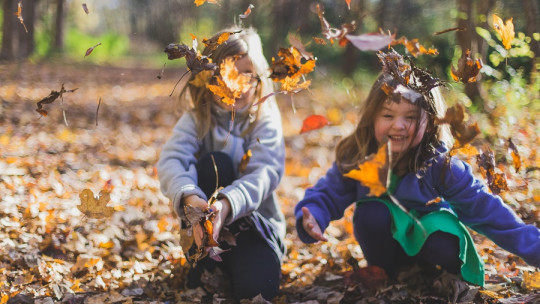
I was doing an intake assessment with a mom last week—her five-year-old had been referred for behavioral issues at school. She sat there describing all these “problems” he was having, and then she mentioned, almost as an aside, that he spent hours at home building these elaborate worlds with blocks and action figures. “He gets so absorbed in it,” she said, kind of apologetically, like it was another problem we needed to fix. And I stopped her right there. “Tell me about what he builds,” I said. Because here’s the thing—that play she was dismissing as a distraction? That was her son’s brain literally building itself.
We’ve gotten so weird about play in our culture. Somewhere along the way, it became this thing kids do when they’re not doing something “real” or “productive.” We schedule it like an appointment—playtime from 3 to 3:30, then homework. We see it as the opposite of learning, when actually, play is learning. Not in some vague, feel-good way. In a literal, neuroscience-backed, this-is-how-human-brains-develop way. When kids play, they’re not taking a break from cognitive development—they’re engaging in the most sophisticated cognitive development possible.
I’ve spent years working with kids, and honestly? The ones who worry me aren’t the ones who get too absorbed in play. They’re the ones who’ve forgotten how. The seven-year-olds so overscheduled and anxious that they don’t know how to just… be. The ten-year-olds who can’t engage in imaginative play because they’ve been taught it’s babyish. The teenagers who never developed the capacity for unstructured exploration because every minute of their childhood was managed by adults with agendas.
Play isn’t frivolous. It’s not optional. It’s the primary vehicle through which children make sense of their world, process their experiences, develop crucial skills, and express things they don’t yet have words for. When we dismiss it or minimize it or squeeze it out of childhood to make room for more “educational” activities, we’re not helping kids learn better. We’re actually interfering with the most effective learning mechanism nature designed. And the cost? We’re seeing it in rising anxiety rates, declining creativity, kids who struggle with problem-solving and social skills and emotional regulation. The very things play naturally teaches.
So let’s talk about what actually happens when children play. Not the romanticized version or the dismissive version, but the real psychological and developmental processes occurring when a kid is lost in their imaginary world or figuring out how to build a tower that won’t fall or negotiating rules with other kids or just running around for the sheer joy of movement. Because when you understand what’s really happening during play, you can’t look at it the same way again.
Emotional Regulation and Processing Through Play
Watch a kid who’s been through something difficult—a divorce, a move, a loss, anything that’s shaken their world. If they’re young enough that they haven’t yet learned to suppress their natural instincts, they’ll play out their emotions. Not talk about them, necessarily. Play them. The dolls will have intense conversations about one parent leaving. The action figures will deal with being scared or angry. The drawings will be full of storms and chaos, or sometimes intense safety and protection.
This isn’t random. It’s therapeutic. Children don’t have the verbal sophistication or emotional vocabulary to process complex feelings through conversation alone. Their brains are developing, their language centers are still coming online, but their emotions? Those are fully formed and sometimes overwhelming. Play gives them a way to externalize what’s internal, to manipulate and control situations that felt uncontrollable in real life, to practice solutions and try out different endings.
I use play therapy with younger patients all the time. Not because it’s cute or because kids like it—though they do—but because it’s often more effective than talk therapy for accessing and processing emotional material. A seven-year-old might not be able to articulate their fear about their parent’s illness. But give them a dollhouse, and suddenly the story comes pouring out. The mommy doll keeps getting hurt. The child doll tries to fix everything. The whole family is worried. Through play, they’re expressing, processing, and beginning to integrate experiences that are too big to hold otherwise.
Even kids who aren’t dealing with obvious trauma use play for emotional regulation constantly. They play out scenarios where they’re powerful when they feel powerless. They practice being scary when they feel scared. They nurture when they need nurturing. Play is their emotional laboratory where they can safely experience, express, and experiment with feelings that might be dangerous or inappropriate to express directly. The kid who’s furious at their baby sibling can’t actually hurt the baby, but they can have the older toy attack the younger toy and see what happens, feel the feelings, work through them.
Social Skills and Understanding Others
You want to teach social skills? Put kids in a room with some toys and minimal adult interference and watch what happens. They’ll negotiate. They’ll fight. They’ll cooperate. They’ll learn to read social cues and adjust their behavior and take others’ perspectives. All the stuff we try to explicitly teach in social skills groups happens naturally and more effectively through play.
When kids engage in cooperative play—building something together, playing house, creating an imaginary world—they’re learning incredibly complex interpersonal skills. They’re practicing turn-taking, not because an adult told them to, but because the play breaks down if everyone grabs at once. They’re learning to compromise because otherwise nobody gets what they want and the game ends. They’re developing empathy because to play successfully, you have to consider what the other person wants and how they’re feeling.
Pretend play, especially, is this incredible training ground for social cognition. To engage in imaginative play with others, you need theory of mind—the understanding that other people have their own thoughts, feelings, and perspectives different from yours. You need to coordinate your internal imaginary world with theirs. “I’ll be the mommy and you be the baby.” “No, I want to be the big sister.” “Okay, so I’m the mommy and you’re the big sister and the baby is this doll.” See what just happened there? Negotiation. Perspective-taking. Compromise. Creating shared meaning. Those are sophisticated cognitive and social skills developing through what looks like simple play.
And conflict during play? That’s not a bug, it’s a feature. When kids argue about the rules or who gets which toy or whether the game is fair, they’re learning conflict resolution in real time. They’re learning that relationships can survive disagreement. That you can be mad at someone and still want to play with them five minutes later. That sometimes you need to apologize or find middle ground or just move on. These lessons stick way better than any adult lecture about getting along.
Learning to Read the Room
Group play teaches kids to monitor and respond to social dynamics. Who’s getting left out? Who’s dominating? When do you need to assert yourself and when do you need to back off? Children playing together are constantly reading subtle social cues—tone of voice, facial expressions, body language, energy shifts. This is how they develop social intelligence. Not through worksheets about emotions. Through real-time social experiences where the stakes feel meaningful but are actually quite safe.
Cognitive Development and Problem-Solving
Every time a kid builds something, creates something, or figures something out through play, they’re exercising cognitive muscles. And I don’t just mean the obvious stuff like counting blocks or sorting by color, though that’s part of it. I mean higher-level thinking skills that form the foundation for everything that comes later.
Play is how children learn to problem-solve. The tower keeps falling? They experiment with different configurations. The puzzle piece doesn’t fit? They try different orientations. The game isn’t working? They modify the rules. This is scientific thinking in its purest form—hypothesis, experimentation, observation, revision. Nobody taught them this methodology. It’s intrinsic to exploratory play.
When kids engage in construction play—blocks, Lego, art materials, whatever—they’re developing spatial reasoning. They’re learning about balance, gravity, cause and effect, how shapes fit together, how to plan and execute a vision. These aren’t separate skills from math and science. They’re the foundational skills that math and science build on. The kid who spends hours building elaborate structures is developing the cognitive architecture needed for geometry, physics, engineering thinking.
Imaginative play develops narrative thinking and symbolic reasoning. Creating a story, even a simple one with toys, requires sequencing—understanding that events happen in order with causes and consequences. It requires symbolism—this block represents a car, this doll is the mommy, this blanket is the ocean. The ability to use symbols, to let one thing stand for another, is fundamental to abstract thinking and language and really all of human cognition. Kids develop this through pretend play.
Games with rules teach strategic thinking and planning. Even simple games require thinking ahead, anticipating consequences, adapting strategies based on changing circumstances. Chess for kids, obviously, but also tag, hide and seek, board games, made-up games with elaborate rules. They’re learning that actions have consequences, that you can influence outcomes through choices, that sometimes you win and sometimes you lose and both are survivable.
Physical Development and Body Awareness
We sometimes forget that play is physical, and that physical development is crucial not just for health but for cognitive and emotional development too. Kids learn about their bodies and what they can do through active play. Running, jumping, climbing, rough-housing, dancing, sports—all of it contributes to motor development, yes, but also to body awareness, risk assessment, confidence, and even emotional regulation.
Gross motor play—the big physical movements—develops coordination, strength, balance. It also teaches kids about limits and capabilities. How high can I climb? How fast can I run? What happens if I try this jump? They’re calibrating their understanding of their physical abilities through experimentation. And that physical confidence translates to psychological confidence. Kids who feel competent in their bodies often feel more competent generally.
Fine motor play—manipulating small objects, drawing, building with tiny pieces—develops the hand-eye coordination and finger strength needed for writing, but also for countless other tasks requiring precision and control. Before a kid can write letters, they need to develop the motor control that comes from years of play with manipulatives.
There’s also this interesting connection between physical play and emotional regulation that we’re increasingly understanding. Big physical movement—running around, climbing, rough play—helps kids discharge physical tension and stress. It regulates their nervous systems. Ever notice how kids get hyperactive and difficult when they’ve been cooped up too long, and how they calm down after they’ve had a chance to run around? That’s not just burning off energy—it’s neurological regulation through movement. Their developing nervous systems need that physical outlet.
Creativity and Flexible Thinking
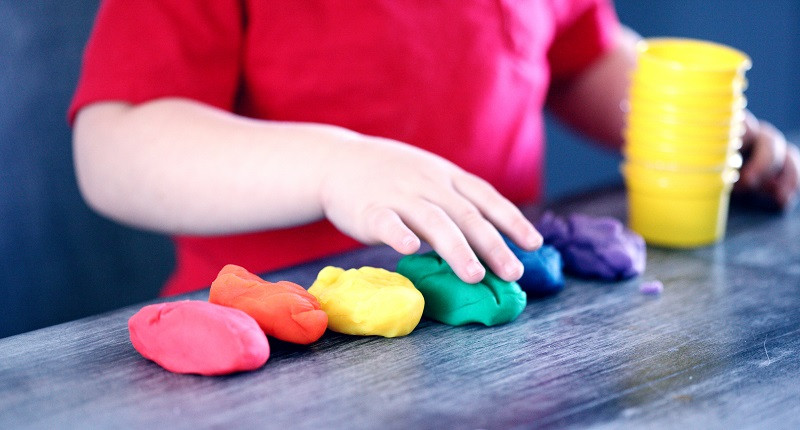
Creativity isn’t some special gift some kids have and others don’t. It’s a skill that develops through practice, and play is the primary practice ground. When children engage in open-ended play—play without prescribed outcomes or rules—they’re exercising creative thinking. They’re learning to generate possibilities, to think divergently, to see multiple solutions to problems.
Watch a kid playing with blocks. One day it’s a tower. The next day, same blocks, it’s a spaceship. Then it’s a house. Then it’s a maze. The objects themselves haven’t changed, but the child’s relationship to them keeps shifting. They’re practicing flexibility, the ability to see things from multiple perspectives, to reimagine and recontextualize. This cognitive flexibility is crucial for adaptation, innovation, and resilience.
Pretend play particularly develops creative thinking. Creating imaginary worlds requires generation of novel ideas, elaboration of concepts, and synthesis of different elements into coherent wholes. It’s unstructured problem-solving where there’s no single right answer. Should the prince save the princess or should the princess save herself? Can the dinosaurs be friends with the robots? What happens when the superhero loses their powers? Kids are generating and exploring possibilities, which is the essence of creative thinking.
Art and music play develop creativity in obvious ways, but also in how they teach iteration and experimentation. Try this color combination. See what happens if you play these notes together. What if you change the rhythm? There’s no failure in creative play—only experiments that lead to different outcomes. That mindset, that willingness to try things and see what happens without fear of getting it “wrong,” is fundamental to creative confidence.
Breaking Out of Prescribed Scripts
One thing I worry about with heavily structured activities and screen-based entertainment is that kids don’t get enough practice generating their own narratives. When every activity has instructions, when entertainment is passive consumption, when there’s always a right way to do things—creativity atrophies. Play, especially free play, is where kids learn to create their own scripts rather than following prescribed ones. And that matters tremendously for their ability to think independently and solve novel problems later.
Language and Communication Skills
Language development happens through conversation, obviously. But it also happens through play, sometimes more effectively. When kids play, they practice language in meaningful contexts where communication serves real purposes—coordinating action, expressing needs, creating shared understanding, resolving conflicts.
Pretend play is particularly language-rich. Kids narrate their actions, create dialogue for characters, negotiate scenarios with play partners. They practice using language for multiple functions—describing, explaining, persuading, storytelling. The vocabulary they encounter and use during play is often more diverse and sophisticated than in everyday conversation because they’re creating fictional contexts that demand it. “The dragon is attacking the castle!” “We need to defend it with the shield!” They’re not just learning words—they’re learning to use language to build and maintain shared imaginary worlds.
Solo play often involves self-talk, which is actually crucial for cognitive development. Kids narrate their actions, work through problems aloud, remind themselves of their plans. This internalized speech eventually becomes the inner voice we use for planning, self-regulation, and problem-solving. So that kid talking to themselves while they play? They’re developing the cognitive self-management tools they’ll use for the rest of their lives.
Songs, rhymes, and wordplay during play develop phonological awareness—sensitivity to the sounds of language—which is foundational for learning to read. The same playful manipulation of sounds and meanings that makes language fun also makes language learnable. Kids who spend time playing with language, making up silly words, rhyming, creating nonsense, are building literacy skills even though it looks like they’re just goofing around.
Self-Regulation and Executive Function
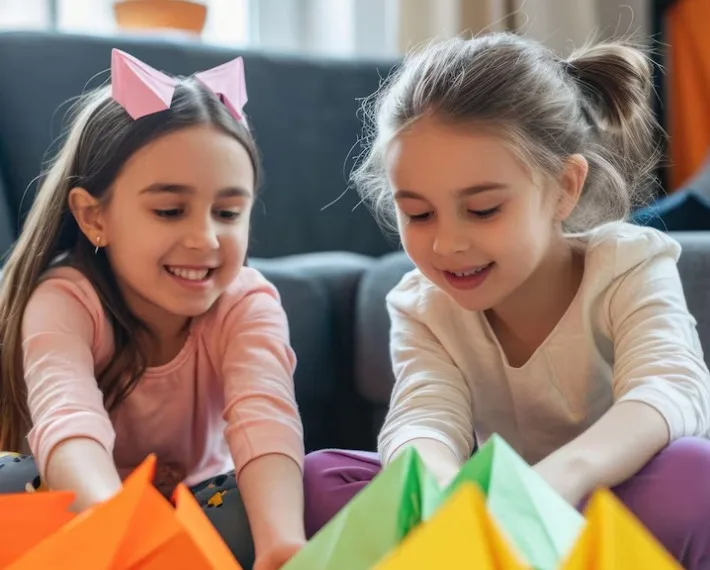
Here’s something that surprises people: play, especially pretend play and games with rules, develops executive function skills. Executive function includes things like working memory, cognitive flexibility, and inhibitory control—basically, the mental processes that allow us to plan, focus attention, remember instructions, juggle multiple tasks, and control impulses. These skills predict academic success better than IQ does. And they develop through play.
Games with rules require impulse control—you have to wait your turn, follow the rules even when you want to do something else, manage the frustration of losing. Pretend play requires working memory—you need to remember who you’re pretending to be and maintain that role consistently. It requires cognitive flexibility—shifting between reality and pretense, taking on different perspectives. When kids sustain pretend play scenarios, they’re practicing all the executive function skills that will serve them in school and beyond.
Self-directed play particularly develops self-regulation. When adults aren’t managing every aspect of the activity, kids have to manage themselves. They have to initiate activities, sustain attention, monitor their own progress, adjust strategies when things aren’t working. They’re practicing being agents of their own activity rather than passive recipients of adult direction. This builds the sense of self-efficacy and internal locus of control that’s protective against anxiety and learned helplessness.
Identity and Self-Expression
Play is how children explore and express who they are—or who they might be. Through play, they try on different roles, explore different aspects of themselves, experiment with different ways of being in the world. It’s identity work, though we rarely call it that.
Kids playing house try on adult roles and relationships. They practice being powerful, nurturing, responsible, in charge. Through superhero play, they explore power, justice, heroism, protection. Through doctor play, they process medical experiences and explore helping roles. Animal play lets them explore different qualities—being fierce or gentle, predator or prey, wild or tame. This isn’t just imitation—it’s exploration of self in relation to the world.
Play is also where kids express things about themselves they might not say directly. The kid who always chooses aggressive characters might be working through feelings about anger or powerlessness. The one who always plays the baby might need more nurturing or might be processing feelings about growing up. The child who creates elaborate fantasy worlds might be developing their creative identity or processing a reality that feels difficult. We can learn enormous amounts about children’s internal worlds by paying attention to their play themes and preferences.
For kids from marginalized groups—minority kids, kids with disabilities, LGBTQ+ kids—play can be especially important as a space to explore identity when the wider world might not feel safe for that exploration. It’s where they can see themselves as heroes, as powerful, as whatever they want to be without others’ limiting expectations.
Making Sense of the World
Children are constantly trying to understand a world that’s confusing and overwhelming. Adults know how things work, but kids are figuring it all out from scratch. Play is their primary tool for making sense of reality. They take the overwhelming, complex world and break it into manageable, manipulable pieces through play.
After doctor visits, kids play doctor. After flying on planes, they build planes with blocks. After seeing something scary on TV, they play out the scenario with toys. They’re not just imitating—they’re digesting. Taking experiences that might have felt chaotic or threatening and replaying them until they make sense, until they feel manageable. Through repetition and variation in play, children integrate new experiences into their understanding of how the world works.
Play also lets kids explore concepts and relationships they don’t yet fully understand. What does it mean to be a family? They play house. What happens when you die? The toy dinosaurs have funerals. How do communities work? They build cities with blocks. What’s fair and unfair? They create and argue about game rules. These are profound philosophical and social questions, and play is where kids begin working them out.
What Happens When Play Gets Squeezed Out
Look, I’m not being nostalgic about some imaginary golden age of childhood. Kids have always needed adult protection and guidance. But we’ve swung too far in the direction of adult management and away from child-directed exploration. Recess is shorter or nonexistent in many schools. Free play time has been replaced by structured activities and screen time. Kindergarten looks like what third grade used to look like—kids at desks doing worksheets instead of learning through play.
And we’re seeing the consequences. Anxiety and depression rates in children are rising. Executive function skills are declining. Creativity is decreasing. Social skills are weaker. These aren’t unrelated phenomena—they’re all connected to the loss of play. When we don’t give kids adequate time and space for unstructured, self-directed play, we’re not just depriving them of fun. We’re interfering with crucial developmental processes.
I see this in my practice constantly. Kids who are overscheduled and anxious and struggling with basic problem-solving. Teens who never developed the capacity for self-direction because adults managed every moment of their childhood. Young people who don’t know how to tolerate boredom or uncertainty because they’ve never had to generate their own entertainment or figure things out themselves.
FAQs About What Children Learn and Express Through Play
At what age is play most important for development?
Play is important throughout childhood, but different types of play predominate at different ages. Infants engage in sensory and motor play that helps them learn about their bodies and the physical world. Toddlers begin symbolic and pretend play alongside continued exploration. Preschoolers engage in elaborate imaginative and social play. School-age children increasingly enjoy games with rules and cooperative play projects. Even adolescents benefit from playful exploration, though it might look different—sports, creative pursuits, social experimentation. The specific forms evolve, but the need for unstructured, exploratory, intrinsically motivated activity persists throughout development. If I had to choose a peak period, early childhood—roughly ages two through seven—is when pretend play is most elaborate and when it serves the most crucial developmental functions for imagination, social skills, and emotional processing.
How much playtime do children need daily?
The American Academy of Pediatrics recommends at least one hour of unstructured free play per day, but honestly, that’s a minimum. More is better. In ideal circumstances, young children would spend several hours daily in self-directed play. This doesn’t mean adult-organized activities or passive screen time—it means time when kids are directing their own activity, whether that’s building, pretending, creating, exploring outside, or just messing around with materials. The concerning reality is that many children aren’t getting anywhere near this. Between school, homework, structured activities, and screens, unstructured playtime has shrunk dramatically over recent decades. If you’re a parent wondering whether your kid plays enough, ask yourself: how much time do they have each day when they’re not being directed by adults, following instructions, or passively consuming entertainment? That’s their play time, and it probably needs to increase.
Is screen time considered play?
This is complicated and depends on what the child’s doing. Passive consumption of entertainment—watching videos, scrolling—isn’t play in the developmental sense we’re discussing. It doesn’t offer the same cognitive, social, or emotional benefits as active play. However, some screen activities can have play-like qualities. Creative digital tools that let kids build and create, multiplayer games that require cooperation and problem-solving, video chatting with friends—these have more play elements. The key differences are agency and activity. Real play involves the child actively directing the activity, making choices, creating, solving problems. Most screen time is passive consumption that happens to the child rather than play they’re creating. That doesn’t mean screens are evil, but they shouldn’t replace active play. A good rule of thumb: if you removed screens entirely, would your child still know how to occupy themselves through play? If not, that’s a red flag.
Should parents intervene in children’s play or let them play independently?
Both have value, but children absolutely need time for independent, self-directed play without constant adult involvement. When adults are always managing, directing, or facilitating play, kids don’t develop the self-direction, problem-solving, and creative thinking that come from figuring things out themselves. That said, playing with your child can be wonderful for relationship-building and can support their development—as long as you’re following their lead rather than taking over. The balance might look like: providing materials and opportunities for play, being available if needed, occasionally joining in when invited, but mostly letting the child drive the activity. Resist the urge to correct, direct, or improve their play. Resist solving every problem they encounter. Let them struggle a bit, get bored, figure things out. That’s where the learning happens. The exception is when safety is truly at risk or when teaching a new skill—then brief adult guidance makes sense before stepping back again.
What if my child always wants adult playmates and won’t play independently?
This is increasingly common, and it usually reflects lack of practice rather than inability. Children who’ve always had adults entertaining them haven’t developed the skills for self-directed play. Start small. Begin with short periods—even five or ten minutes—where you’re nearby but not actively playing. Gradually extend the time. Provide open-ended materials rather than single-purpose toys. Art supplies, blocks, dolls, dress-up clothes, cardboard boxes—these invite imagination more than toys that do everything for the child. Accept that initial boredom is part of the process. Don’t rush to fill it. Boredom is actually the catalyst for creativity. When there’s nothing else to do, kids eventually start creating their own entertainment. It might feel uncomfortable at first, especially for children used to constant stimulation, but with patient practice, most kids rediscover their capacity for self-directed play. If a child really can’t engage in any independent play past age four or five and seems unusually anxious or lost without adult direction, it might be worth discussing with a pediatrician or child psychologist.
Does my child need other kids to play with, or is solo play okay?
Both solo and social play offer important developmental benefits. Solo play develops independence, self-direction, and allows children to explore at their own pace without negotiating with others. Many kids, especially introverts, need solo play time to recharge and process. Social play develops interpersonal skills, perspective-taking, negotiation, cooperation, and is crucial for social development. Ideally, children experience both regularly. The balance depends somewhat on temperament—some kids thrive with more social interaction, others need more alone time—but most children benefit from opportunities for both throughout the week. If your child only ever plays alone and struggles when other kids are around, that might indicate social difficulties worth addressing. If they never have time alone and seem overwhelmed, they might need more solo play opportunities. Watch for what energizes versus drains your specific child and adjust accordingly.
Can children who’ve experienced trauma still benefit from play?
Absolutely—in fact, play is one of the most important tools traumatized children have for processing and healing from difficult experiences. Traumatic experiences often overwhelm children’s capacity to understand and integrate what happened. Play provides a safe way to approach, explore, and work through traumatic material at their own pace. Through play, children can express feelings they can’t verbalize, gain a sense of control over experiences where they felt powerless, and gradually desensitize themselves to traumatic memories. This is why play therapy is often the treatment of choice for traumatized children. However, the nature of play might change after trauma. Children might engage in repetitive play reenacting traumatic events, or they might avoid play altogether initially. Dark or violent themes in play aren’t necessarily concerning—they’re often part of processing. What matters is whether the play seems to help the child regulate and whether it gradually evolves rather than remaining rigidly stuck. If you’re concerned about a traumatized child’s play, consult with a child psychologist who specializes in trauma.
My child only plays the same game over and over. Is this a problem?
Repetitive play is normal and often developmentally important. Children repeat activities when they’re mastering skills, processing experiences, or finding comfort in predictability. Toddlers particularly engage in repetitive play as they learn about cause and effect and develop mastery over their environment. If your child is otherwise developing normally, shows flexibility in other areas, and the repetitive play doesn’t interfere with functioning, it’s probably fine. However, extremely rigid, ritualistic play that doesn’t evolve at all might warrant attention, especially if it’s accompanied by other developmental concerns. Children on the autism spectrum, for example, sometimes engage in very repetitive play that’s more about sensory stimulation or reducing anxiety than about exploration. The question to ask: is the repetition serving the child—helping them master something or process something—or is it limiting them? Does it eventually evolve and expand, or does it remain exactly the same indefinitely? Context and overall development matter more than repetition itself.
How can I encourage more creative play in my child?
Provide open-ended materials and time. Simple toys that can be used in multiple ways—blocks, dolls, art supplies, fabric, cardboard, natural materials—invite more creativity than elaborate toys with predetermined functions. Reduce structured activity time and increase unstructured time. Limit screens, which provide passive entertainment rather than requiring creative generation. Model playfulness yourself—kids whose parents play and create alongside them often do more of it themselves. Don’t focus on products or outcomes. The process of creating matters more than whether the end result is “good.” Avoid excessive praise or criticism that makes the child focus on your evaluation rather than their own exploration. Expose them to diverse experiences—art, nature, music, stories, cultures—that provide raw material for imagination. Most importantly, protect their play from premature evaluation or academicization. Play doesn’t need to be educational in an obvious way. Sometimes it’s just play, and that’s exactly what it needs to be.
Use this citation format to reference the article clearly and help readers find the original source.
PsychologyFor. (2025). What Children Learn and Express Through Play. PsychologyFor. https://psychologyfor.com/what-children-learn-and-express-through-play/