

See more of our articles in your search results.
Body sharing is criticism or mockery towards someone’s body, either because of its weight, shape, size or other physical characteristics. Unfortunately, it is an increasingly present social problem in our daily lives. From casual comments to more aggressive teasing, this practice has devastating effects on those who suffer from it.
If you want to discover, in this Psychology For article, we tell you What is Body Shaming and how to fight it. We will explore this concept in depth, its origins, its psychological consequences and the strategies to face it, and promote a healthier relationship with our body, as well as foster a more inclusive and respectful society.
What is Body Shaming
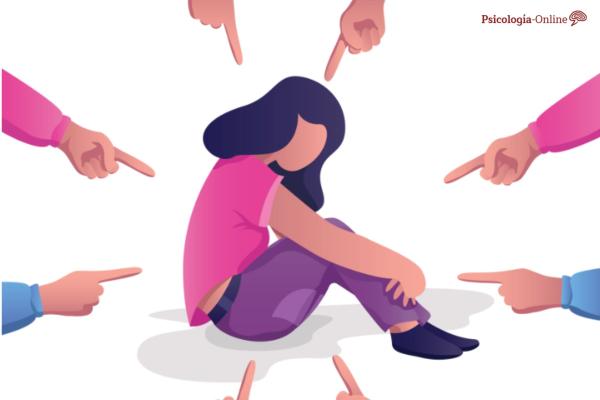
The Body Shaming, a term that we could translate into Spanish as “embarrassing the body”, refers to criticism, mockery or contempt for a person due to their physical appearance. This includes negative comments on weight, height, body shape, skin color, or even specific aspects such as scars, birth marks or facial characteristics. The implicit or explicit objective of this practice is to make the person feel ashamed or inappropriate.
Body Shaming is not limited to direct comments, but can also manifest through derogatory looks, gestures or social exclusion. The contexts in which it manifests are:
- Personal interactions: Comments from family, friends or workmates.
- Media: Representations that idealize certain types of bodies and despise others.
- Social networks: Platforms where users usually receive criticism about their appearance. In the digital age, social networks have amplified this phenomenon, becoming platforms where body shaming occurs frequently and with a broader reach.
It is important to note that, although body shaming is often presented as something “harmless” or “only an opinion”, it can have serious emotional consequences.
How many of these have you been "meaning to read" for months?
- 1
 TarcherThe Artist's Way30th Anniversary EditionListen Free On Audible
 - 2
 New Harbinger PublicationsThe Dialectical Behavior Therapy Skills WorkbookPractical DBT Exercises for Learning Mindfulness, Interpersonal Effectiveness, Emotion Regulation...Listen Free On Audible
 - 3
 New Harbinger PublicationsAdult Children of Emotionally Immature ParentsHow to Heal from Distant, Rejecting, or Self-Involved ParentsListen Free On Audible
Where does Body Shaming come from
The origin of the term body shaming dates back to immemorial times, but its prevalence and forms have evolved with society. Historically, the Beauty standards They have been dictated by cultural, economic factors and media, creating often unattainable body ideals for most people.
In addition, the origin of body shaming is deeply rooted to social and cultural norms that idealize certain types of bodies and devalue others. These norms are perpetuated by:
- Media: movies, television programs, ads and social networks tend to show “perfect” bodies such as the desirable beauty standard.
- History and culture: At different times and cultures, certain types of bodies have been exalted, while others have been rejected.
- Family dynamics: Critical comments on the body of a adolescent child can come from parents, brothers or other close relatives, perpetuating insecurities from an early age.
In addition, Body Shaming is also related to the desire to control and normalize body diversity, which reinforces the impossible standards of beauty.

Is Body Shaming a gender issue?
Although body shaming affects people of all genres, it is undeniable quE There is a gender dimension in this phenomenon. Historically, women have been the subject of more intelligible scrutinyor as for your physical appearance. However, it is crucial to recognize that men are also victims of body shaming.
In the case of non -binary or transgender people, Body Shaming can take even more complex forms, intersecting with discrimination based on gender identity. Discover the significant differences in how Body Shaming manifests in gender:
- Women: They are often criticized for their weight, the shape of their body, or natural signs of aging, such as wrinkles or gray hair. These criticisms derive from social pressure to meet beauty standards that are usually unreal. In this article we explain what social pressure is and how to overcome it.
- Men: The body shaming in men focuses on the musculature, the height or presence of hair. Although less visible, the impact is also significant and can cause problems of self -esteem.
- Non -binary or transgender people: This group faces additional pressure when not fitting in gender binary standards, which increases the risk of being Body Shaming.
These differences show that Body Shaming is not only an aesthetic problem, but also a tool of social oppression.
PSYCHOLOGICAL CONSEQUENCES OF BODY SHAMING
The impact of body shaming can affect both the physical and mental well -being of those who suffer from it. The main psychological consequences of Body Shaming:
- Low self -esteem: Constant criticisms can make a person feel inappropriate or not very valuable.
- Eating disorders: negative comments on weight can trigger disorders such as anorexia, bulimia or binge disorder.
- Body dysmorphic disorder (TDC): In some cases, excessive concern for defects perceived in appearance can lead to the development of this disorder.
- Anxiety and depression: Body shame can generate feelings of sadness, isolation and social anxiety.
- Difficulties in interpersonal relationships: Fear of judgment can lead to social situations or develop toxic relationships based on insecurity.
It is essential to address these consequences through education, social support and, in some cases, psychological intervention.

How to fight Body Shaming
Combating body shaming requires a multifaceted approach, which involves both individual actions and broader social changes. Discover the best strategies to combat this phenomenon:
- Accept yourself as you are: Recognize and celebrate the diversity of bodies. No one should feel that they need to change to fit in a standard.
- Questions beauty standards: Reflect on how the ideals imposed by the media affect your perception and challenge those standards. To do this, we recommend reading this article about what are the canons of beauty and their evolution over time.
- Work in your self -esteem: Developing solid self -esteem and a positive relationship with your own body is crucial to resist the impact of body shaming. In this article we show you how to improve self -esteem.
- Educate others: Talk about the negative impact of body shaming and encourages conversations that promote inclusion.
- Denounces harassment: In social networks, use tools to report offensive comments and support people who are victims of Body Shaming.
- Avoid comments on foreign bodies: Even “positive” comments can perpetuate the idea that the value of a person is linked to their appearance.
- Encourages inclusive language: Use words that respect and value body diversity.
- Be a positive model: Show yourself comfortable with your body and preach with the example, inspiring others to do the same.
- Participate in social initiatives: InvoluCrate in campaigns that promote body acceptance and fight against body shaming.
Body Shaming is a social phenomenon that affects millions of people and perpetuates a culture of criticism and rejection of body diversity. By understanding what body shaming is and how to fight it, we can take measures to build a more inclusive society and respectful. Each small action, from avoiding critical comments to educating others, contributes to a significant change.
This article is merely informative, in Psychology For we have no power to make a diagnosis or recommend a treatment. We invite you to go to a psychologist to treat your particular case.
If you want to read more articles similar to What is Body Shaming and how to fight it we recommend that you enter our category of social psychology.
Use this citation format to reference the article clearly and help readers find the original source.
PsychologyFor. (2025). What is Body Shaming and How to Fight it. PsychologyFor. https://psychologyfor.com/what-is-body-shaming-and-how-to-fight-it/