


See more of our articles in your search results.
Physical bullying is a form of aggressive behavior where one person deliberately uses physical force to harm or intimidate another individual. This type of bullying can take many forms, including hitting, kicking, pushing, and other violent acts. While it is often associated with school-age children, physical bullying can occur in any environment, including the workplace and at home.
In this article, we will explore what physical bullying is, its potential consequences, and how we can prevent it to create safer, more supportive environments for everyone.
What is Physical Bullying?
Physical bullying involves any kind of physical aggression or violence directed at another person with the intent to cause harm or distress. It can occur between individuals of any age group but is most commonly observed in children and teenagers, particularly in school settings. Physical bullying often targets the victim’s physical well-being and can leave visible injuries, but its psychological impact can be just as damaging.
Examples of Physical Bullying
Hitting: Punching, slapping, or striking someone.
Kicking: Using feet to physically harm someone.
Real Readers Started These TodayHow many of these have you been "meaning to read" for months?
- 1
 TarcherThe Artist's Way30th Anniversary EditionListen Free On Audible
 - 2
 New Harbinger PublicationsThe Dialectical Behavior Therapy Skills WorkbookPractical DBT Exercises for Learning Mindfulness, Interpersonal Effectiveness, Emotion Regulation...Listen Free On Audible
 - 3
 New Harbinger PublicationsAdult Children of Emotionally Immature ParentsHow to Heal from Distant, Rejecting, or Self-Involved ParentsListen Free On Audible
As an Amazon Associate we earn from qualifying purchases.Pushing or Shoving: Forcing someone physically with the intent to harm or intimidate.
Tripping: Deliberately making someone fall or lose balance.
Spitting: Intentionally spitting on someone as an act of disrespect or anger.
Damage to Personal Property: Breaking or damaging someone’s belongings as a means of control or humiliation.
Differences Between Physical Bullying and Other Forms of Bullying
Verbal bullying involves name-calling, insults, and threats without any physical contact.
Social bullying includes spreading rumors, exclusion, and other behaviors meant to damage someone’s social reputation.
Cyberbullying takes place online, such as through social media platforms, texts, or emails.
While physical bullying involves direct physical harm, it is often accompanied by other forms of bullying like verbal or social bullying.
Causes of physical bullying
The causes that cause physical bullying, and bullying in general, although they are very varied and should be analyzed in a particular way in each case. They do allow us to glimpse predetermining factors that increase the probability of this type of bullying. Next, we see what causes physical bullying:
- The aggressor is usually a person with a high level of aggressiveness and high degrees of maladjustment and antisocial behavior.
- Are manipulative people who make use of this mechanism of aggression and abuse as a way to calm their inner restlessness
- They are people with childhood injuries who resolve the pain and accumulated resentment by becoming aggressors themselves. In this article you will see what childhood emotional wounds are and how to heal them.
- The victims are typically weak people on a psychological and emotional level and even physical, that is, with certain insecurities and emotional wounds, as occurs with the aggressor, which predisposes them to be victims of abuse.
- On many occasions, the victims may be people who, without presenting any type of childhood trauma, behave in innocent and kind way, not very ironic and who do not see the second intentions coming. That makes them easy victims of school bullies.
Consequences of Physical Bullying
The consequences of physical bullying can be severe, affecting the victim, the perpetrator, and bystanders. The damage done can last long after the incident has passed.
1. Psychological Impact on the Victim
Victims of physical bullying often experience:
Anxiety: Constant fear of being hurt or humiliated.
Depression: Feelings of sadness, hopelessness, and isolation.
Low Self-Esteem: A damaged sense of self-worth due to the bullying.
Post-Traumatic Stress Disorder (PTSD): In extreme cases, physical bullying can result in symptoms similar to PTSD, including flashbacks and heightened anxiety.
Self-Harm: Victims may resort to self-harming behaviors as a way to cope with the emotional pain.
Suicidal Thoughts: Prolonged bullying can lead to feelings of despair, which may result in thoughts of suicide or suicide attempts.
2. Impact on the Perpetrator
While the victim suffers the brunt of the damage, the perpetrator also faces consequences:
Social and Emotional Consequences: Bullies often struggle with empathy and healthy social interactions. They may develop anger management problems, difficulties in relationships, and may eventually become bullies in adulthood.
Academic or Work Consequences: Bullying behavior, especially when observed in school, can lead to suspension, expulsion, or a decline in academic performance.
Legal Issues: In some cases, physical bullying may lead to criminal charges, such as assault, battery, or harassment.
3. Effects on Bystanders
Bystanders who witness bullying may experience:
Fear and Helplessness: Bystanders may feel powerless or afraid to intervene, creating a culture of silence.
Desensitization: Repeated exposure to bullying can desensitize individuals, making them more likely to accept or ignore such behaviors in the future.
Guilt: Witnesses who do not intervene may later feel guilty for not helping the victim.
How to Prevent Physical Bullying
Preventing physical bullying requires a multi-faceted approach that involves schools, parents, communities, and individuals. It is essential to create an environment where bullying is not tolerated, and where respect, kindness, and empathy are promoted.
1. Education and Awareness
Teach Empathy: Programs that help children and adults understand the impact of bullying and encourage empathy can be highly effective. Teaching individuals how to consider the feelings of others can reduce aggressive behaviors.
Anti-Bullying Campaigns: Schools and organizations can implement campaigns to raise awareness about the harmful effects of bullying, encouraging everyone to stand up against bullying.
2. Open Communication
Encourage Reporting: Create safe, anonymous channels for individuals to report bullying without fear of retaliation. Victims and witnesses should feel safe in sharing their experiences.
Supportive Environments: Encourage open conversations about bullying both at home and in school. Victims of bullying should feel comfortable talking about their experiences and receiving support.
3. Set Clear Rules and Consequences
Establish Anti-Bullying Policies: Schools, workplaces, and communities should have clear anti-bullying policies in place that explicitly outline the behaviors that are unacceptable and the consequences for engaging in physical bullying.
Consistent Enforcement: It is essential for authorities to enforce these rules consistently. If bullying is not addressed promptly, it can escalate and continue.
4. Foster Healthy Relationships
Promote Conflict Resolution Skills: Teach children and adults how to resolve conflicts without resorting to physical violence. This can include learning to negotiate, compromise, and communicate effectively.
Encourage Positive Peer Relationships: By fostering inclusive environments where individuals respect each other’s differences, we can help prevent the formation of cliques or groups that may target others.
5. Support for Bullies
Counseling and Intervention: Bullies often act out due to underlying issues such as trauma, low self-esteem, or anger management problems. Offering counseling or behavioral intervention programs can help address the root causes of bullying.
Behavioral Programs: Schools and workplaces can offer training programs focused on anger management, empathy-building, and developing healthier ways of interacting with others.
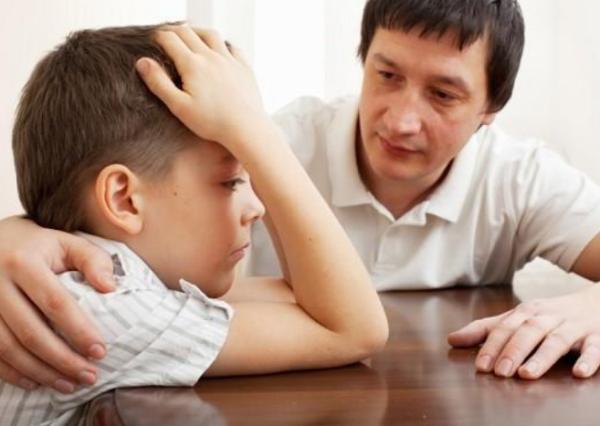
Physical bullying is a serious issue with far-reaching consequences that can impact the victim, the bully, and those who witness the behavior. The psychological effects on the victim can be long-lasting, and the repercussions for the bully can be severe, leading to emotional, social, and legal challenges.
Prevention is key, and it requires a concerted effort from everyone involved. By promoting empathy, fostering communication, setting clear rules, and providing support for both victims and perpetrators, we can create safer environments and reduce the occurrence of physical bullying.
FAQs About Physical Bullying
1. How can I tell if someone is being physically bullied?
Signs of physical bullying may include unexplained injuries, torn clothing, difficulty walking or sitting, reluctance to go to school or certain locations, and behavioral changes like withdrawal, anxiety, or aggression.
2. What should I do if I witness physical bullying?
If you witness physical bullying, try to intervene safely by alerting an authority figure, such as a teacher, counselor, or supervisor. If it’s safe to do so, offer support to the victim and encourage them to report the incident.
3. Can physical bullying happen in adulthood?
Yes, physical bullying can occur in adulthood, especially in work environments or within intimate relationships. Workplace bullying, harassment, and domestic violence are examples of adult physical bullying.
4. Is physical bullying the only form of bullying that has consequences?
No, all forms of bullying—whether physical, verbal, or social—can have serious consequences for the victim, perpetrator, and witnesses. All types of bullying should be addressed to prevent harm.
5. How can parents prevent their children from bullying others?
Parents can prevent bullying by teaching their children empathy, modeling positive behavior, setting clear expectations for respectful conduct, and encouraging open communication. It’s also important to address any behavioral issues early on with appropriate support.
Use this citation format to reference the article clearly and help readers find the original source.
PsychologyFor. (2025). What is Physical Bullying, Consequences and How to Prevent it. PsychologyFor. https://psychologyfor.com/what-is-physical-bullying-consequences-and-how-to-prevent-it/